


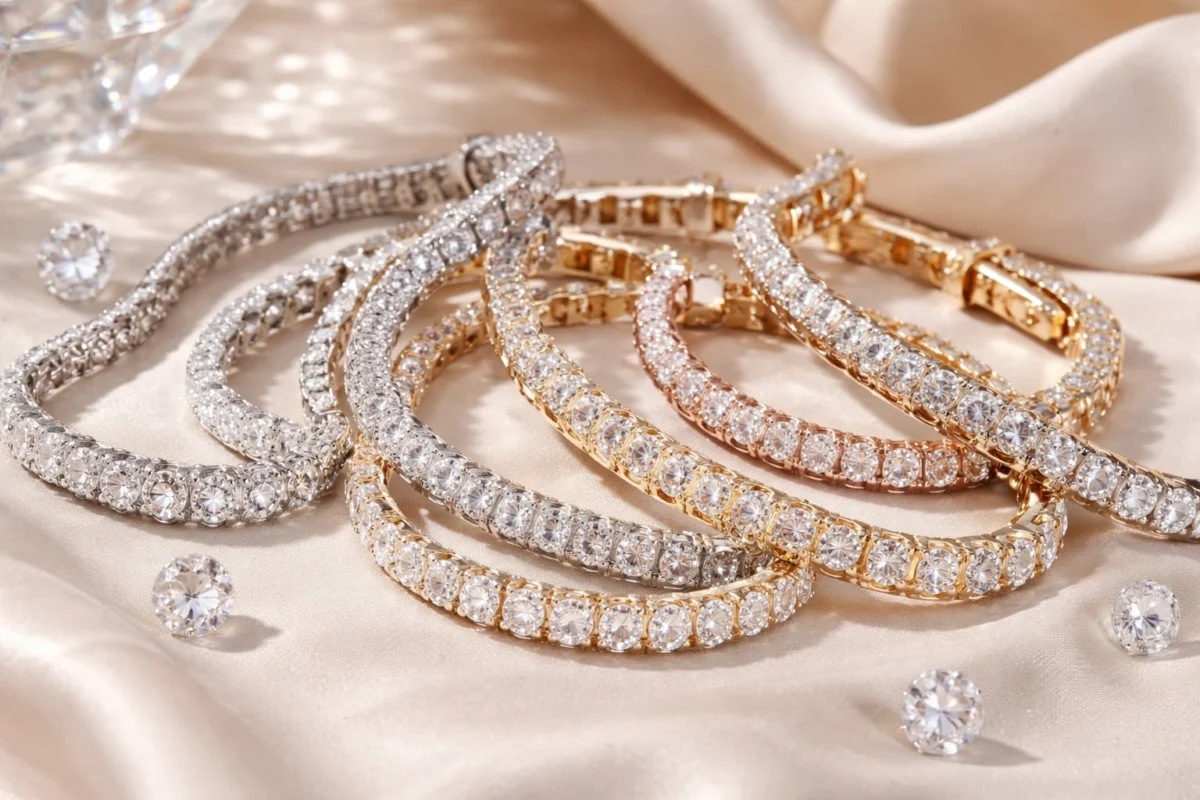
A diamond tennis bracelet is a cornerstone of fine jewelry, celebrated for its inherent elegance and remarkable versatility. This classic piece, characterized by a continuous, flexible line of carefully matched diamonds, adds a sophisticated sparkle to any ensemble, making it suitable for both everyday wear and grand occasions. Its enduring popularity is a testament to its blend of timeless design, practical wearability, and the universal appeal of diamonds. The intricate setting, often featuring prongs or channels in precious metals like white gold, yellow gold, rose gold, or platinum, ensures each diamond is showcased for maximum brilliance, creating a seamless cascade of light with every movement.
A Timeless Design Rooted in History
The fundamental construction of a diamond tennis bracelet involves diamonds of consistent size and quality, meticulously set in a single, unbroken row. This design maximizes uniformity in sparkle, with each stone positioned to complement its neighbors, resulting in a continuous, fluid radiance. While round brilliant cuts are favored for their exceptional fire and brilliance, modern interpretations also incorporate variations like princess and emerald cuts, maintaining the bracelet’s cohesive aesthetic.

The bracelet’s distinctive name, "tennis bracelet," has a fascinating origin story that traces back to a pivotal moment in sports and fashion history. The term gained widespread recognition following an incident involving legendary tennis player Chris Evert at the 1987 U.S. Open. During a high-stakes match, Evert’s diamond line bracelet, a piece she frequently wore, reportedly broke and scattered its diamonds across the court. The ensuing stoppage of play to retrieve the precious stones brought significant media attention to the accessory. In subsequent interviews, Evert referred to the bracelet as her "tennis bracelet," and the catchy moniker quickly resonated, transforming it from an "eternity" or "line" bracelet into a recognized style. This event not only popularized the name but also underscored the importance of secure clasps, leading to design improvements that enhance their reliability for active lifestyles.
Deconstructing the Diamond Tennis Bracelet: Design and Quality Factors
Distinguishing a diamond tennis bracelet from other jewelry styles lies in its unique flexible chain construction. Unlike rigid bangles, this design allows the bracelet to drape comfortably and conform to the wrist’s natural shape, offering a fluid and elegant silhouette. The choice of diamond cut is paramount, with the round brilliant cut being the most popular for its ability to refract light and produce dazzling sparkle.
The quality of a diamond tennis bracelet is determined by several key factors, collectively influencing its beauty, durability, and price.
Setting Styles: Balancing Sparkle and Security
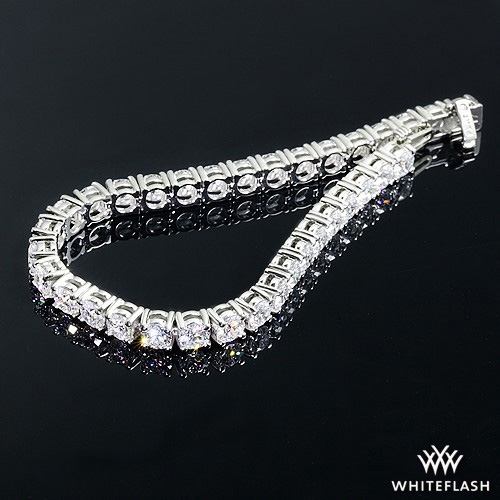
The setting of the diamonds plays a crucial role in both the aesthetic appeal and the structural integrity of the bracelet.
- Prong Settings: These are perhaps the most classic and popular choices, with three-prong and four-prong variations being common. Prong settings expose a larger surface area of each diamond, allowing maximum light to enter and exit, thereby enhancing sparkle and brilliance. The four-prong setting offers slightly more security than the three-prong. While highly effective at showcasing the diamonds, prongs can be more prone to snagging on clothing or other materials if not carefully maintained.
- Channel Settings: In this style, diamonds are set in a groove or channel of metal, with the metal walls on either side holding the stones in place. This provides excellent protection for the diamonds, making them more durable and less likely to snag. Channel settings create a smooth, unbroken line of metal and diamonds, offering a sleeker, more contemporary look.
- Bezel Settings: Here, a thin rim of metal encircles each diamond, providing the highest level of security and protection. Bezel settings are ideal for active individuals or those who prefer a very modern, streamlined aesthetic. While offering superior durability, they can slightly diminish the amount of light reaching the diamonds, potentially impacting overall brilliance compared to prong settings.
Diamond Quality: The 4Cs in Focus
The intrinsic quality of the diamonds themselves is a primary determinant of a tennis bracelet’s value and visual impact. While individual diamonds in tennis bracelets are often not certified by major gemological laboratories like the GIA unless they are part of a custom order or exceptionally large stones, adherence to the 4Cs – cut, color, clarity, and carat weight – by reputable vendors is critical.
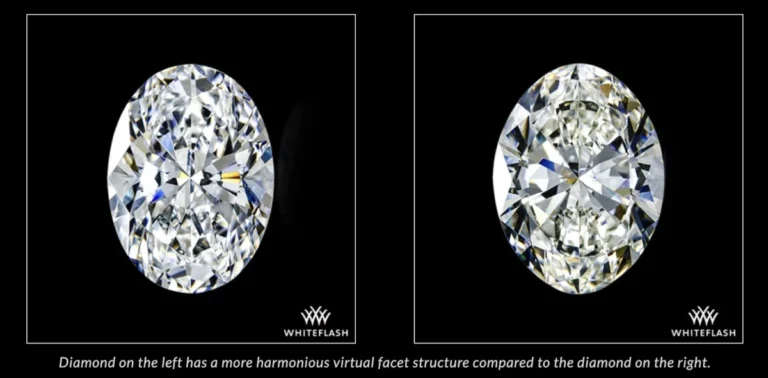
- Cut: The cut of a diamond refers to its proportions, symmetry, and polish. For a tennis bracelet, where numerous small diamonds are placed side-by-side, a well-cut diamond is paramount. Excellent cuts maximize light reflection, ensuring a uniform and brilliant sparkle across the entire bracelet. Poorly cut diamonds can appear dull or lifeless, even if they possess good color and clarity.
- Color: Diamond color is graded on a scale from D (colorless) to Z (light yellow or brown). For tennis bracelets, near-colorless diamonds, typically in the G to I range, are often preferred. These diamonds appear white to the naked eye and offer excellent value. While D-F color diamonds are rarer and more expensive, the subtle differences may be less apparent in a line of small stones compared to a single solitaire.
- Clarity: Diamond clarity grades range from Flawless (no inclusions or blemishes visible under 10x magnification) to Included (visible inclusions or blemishes). For tennis bracelets, diamonds with VS (Very Slightly Included) or SI (Slightly Included) clarity grades are generally recommended. Inclusions in these grades are typically minute and not visible to the unaided eye when the diamonds are set in the bracelet, thus offering a good balance between visual appeal and cost.
- Carat Weight: The total carat weight (ctw) of a tennis bracelet is a significant factor in its price and visual impact. Bracelets can range from as little as 1 ctw to 10 ctw and beyond. Higher carat weights result in larger, more prominent diamonds, creating a bolder statement and a more dazzling display of sparkle. However, larger carat weights also necessitate a greater number of precisely matched diamonds, increasing complexity and cost.
Metal Choices and Variations
The metal used for the setting also influences the bracelet’s appearance and price. Common choices include:

- White Gold: A popular choice for its bright, reflective quality that complements the sparkle of diamonds.
- Yellow Gold: Offers a classic, warm aesthetic that can enhance the perceived color of certain diamonds.
- Rose Gold: A trendy option with a romantic hue that provides a unique contrast to diamonds.
- Platinum: A premium choice known for its exceptional durability, hypoallergenic properties, and silvery-white luster. Platinum is denser and rarer than gold, making it a more expensive option.
Variations such as graduated tennis bracelets, where diamonds increase in size towards the center, add dimension and visual interest. The total carat weight can range significantly, from 1 to over 10 carats, directly impacting both the visual presence and the price point. Precision in matching diamonds for color, clarity, and size is paramount to ensure a cohesive and uninterrupted flow of sparkle.
The Evolving Landscape: Natural vs. Lab-Grown Diamonds
A significant factor influencing the cost and accessibility of diamond tennis bracelets today is the availability of both natural and lab-grown diamonds.
- Natural Diamonds: Formed deep within the Earth over billions of years, natural diamonds are prized for their rarity and inherent value. Their geological origin contributes to their higher price point, especially for stones of exceptional quality.
- Lab-Grown Diamonds: Created in controlled laboratory environments using advanced technological processes, lab-grown diamonds possess the same chemical, physical, and optical properties as natural diamonds. They are typically priced 50-70% lower than their natural counterparts, making it possible for consumers to acquire higher carat weights or superior grades for the same budget. The increasing acceptance and ethical considerations surrounding lab-grown diamonds have made them a popular choice for many buyers seeking sustainable and traceable options without compromising on sparkle.
Understanding the Investment: Pricing and Value
The cost of a diamond tennis bracelet can vary dramatically, with entry-level options starting around $1,000 and extending into six figures for exceptionally rare or large stones. However, the majority of purchases for everyday wear fall within the $2,000 to $15,000 range. This broad spectrum is dictated by the interplay of several crucial elements:

Total Carat Weight (ctw) as a Price Driver
The cumulative weight of diamonds is a primary determinant of a bracelet’s cost. A 1-carat total weight bracelet will be considerably less expensive than a 5-carat or 10-carat version, as it requires fewer and/or smaller diamonds. For instance, a 2-carat bracelet might offer a subtle shimmer suitable for smaller wrists, while 5 carats or more provide a more pronounced and luxurious presence. Achieving a consistent and appealing look with higher carat weights demands meticulous matching of numerous diamonds, a process that adds to production complexity and cost. Reputable vendors ensure consistent sizing and alignment for a smooth, flowing appearance.
The 4Cs and Their Impact on Cost
The quality of individual diamonds, as defined by the 4Cs, significantly impacts the overall price.
- Cut: As mentioned, superior cut quality is crucial for maximizing brilliance. Diamonds with excellent or ideal cuts command higher prices due to the skill and precision required in their fashioning.
- Color: Near-colorless diamonds (G-I range) offer a visually white appearance at a more accessible price point than truly colorless diamonds (D-F range).
- Clarity: Diamonds with VS or SI clarity grades provide excellent value, as inclusions are generally not visible to the naked eye, thus maintaining the bracelet’s sparkle without the premium cost of flawless or internally flawless stones.
Metal Choice and Setting Style
The precious metal used for the setting—be it 14K or 18K gold (white, yellow, or rose) or platinum—also affects the price. Platinum, being rarer and denser, is typically the most expensive. The setting style also contributes to cost; while prong settings are common, more intricate or secure settings like bezels might involve additional labor and thus a slightly higher price.

The Online vs. Local Retailer Debate
The traditional notion that purchasing fine jewelry necessitates a physical store visit is rapidly evolving. The online jewelry market has experienced substantial growth, with global sales reaching an estimated USD 46.13 billion in 2024 and projected to soar to USD 129.39 billion by 2032, indicating a strong compound annual growth rate (CAGR) of 13.8%. This surge reflects increasing consumer confidence in e-commerce for luxury goods, driven by enhanced visualization tools, transparent pricing, and broader access to inventory.
Advantages of Online Shopping
Online platforms offer unparalleled convenience, allowing shoppers to browse a vast selection of diamond tennis bracelets anytime, anywhere. This accessibility transcends geographical limitations and store hours. Reputable online retailers provide high-definition images, 360-degree views, and videos to showcase the diamonds’ sparkle and movement. Many also offer augmented reality tools for virtual try-ons and detailed specifications for each diamond. Furthermore, online retailers often operate with lower overhead costs, enabling them to offer competitive pricing, complimentary shipping, extended return periods, and comprehensive insurance for deliveries.
The Enduring Appeal of Local Jewelry Stores
Local jewelry stores provide a tactile and personal shopping experience. Expert jewelers can guide customers through the nuances of diamond selection in real time, allowing for a direct assessment of a bracelet’s weight, comfort, and the diamonds’ brilliance under natural light. This personal interaction can build trust and facilitate immediate adjustments or advice. Local stores often excel in offering immediate purchase opportunities, on-the-spot resizing, and ongoing customer support for cleaning and repairs, fostering a sense of community and reliability. For those prioritizing ethical sourcing, in-person discussions can allow for more direct inquiries about diamond provenance.

Navigating the Challenges
The primary challenge with online shopping can be the inability to physically inspect the item before purchase, leading to potential concerns about authenticity or fit. However, leading online platforms mitigate this through detailed descriptions, secure transactions, and generous return policies. Local stores, conversely, may have a more limited selection due to space constraints, potentially leading to compromises on desired diamond qualities or styles. Higher operating costs for brick-and-mortar establishments can also translate into higher prices for comparable items.
Ultimately, the choice between online and local depends on individual priorities. Many consumers find success by combining both approaches: conducting initial research online to understand options and pricing, then visiting a local store for a hands-on experience, or vice-versa. Resources like the PriceScope community forum offer a wealth of user-generated reviews and comparisons, guiding buyers toward reputable vendors who provide verified quality at competitive prices.
Top Destinations for Acquiring Diamond Tennis Bracelets
When seeking a quality diamond tennis bracelet, a few retailers consistently stand out for their commitment to excellence, diverse offerings, and customer satisfaction. These establishments typically highlight superior diamond matching, excellent cut grades for maximum brilliance, robust settings, and transparent grading details.

1. Whiteflash
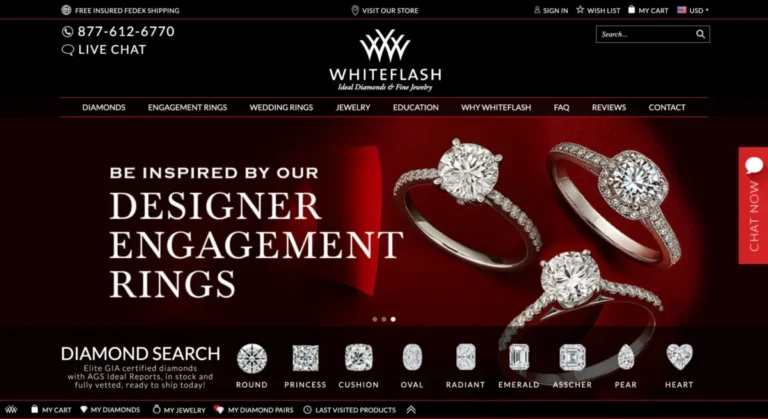
Whiteflash is renowned for its exceptional diamond quality, particularly their "A CUT ABOVE®" diamonds, known for their precision cuts that deliver unparalleled brilliance and balance. They offer a curated selection of diamond tennis bracelets, emphasizing superior light reflection and meticulous diamond alignment. This makes them an ideal choice for those who demand elite diamond excellence and enduring radiance.
2. James Allen
James Allen provides a robust online platform featuring a wide array of tennis bracelets, including options with natural and lab-created diamonds. Their platform allows for detailed 360-degree inspections of individual diamonds, ensuring customers can closely examine clarity and cut. They are recognized for their fair pricing, verified diamonds, and strong after-sales support, making them a reliable source for luxury pieces.
3. Blue Nile
Blue Nile offers an extensive collection of tennis bracelets, ranging from simple, elegant designs to more elaborate styles. They provide both natural and lab-grown diamond options, with a focus on quality and personalization. Their commitment to customer satisfaction includes detailed grading summaries and customizable options, positioning them as a trusted source for timeless and durable jewelry.

4. Angara
Angara specializes in tennis bracelets, with a notable emphasis on lab-grown diamonds in classic round brilliant shapes. Their settings are typically prong-based, designed to maximize sparkle and create a lively, consistent glow. Angara appeals to buyers seeking responsibly sourced, budget-friendly options without compromising on quality and design.
5. 47 Jewelry
47 Jewelry distinguishes itself through its expertise in vintage and rare diamonds, alongside modern, sustainable options like lab-grown varieties. They focus on superior procurement and offer pieces with impressive features and reliable quality, appealing to buyers who value origin stories, expert knowledge, and carefully selected diamonds.
6. Enhoerning Jewelry
As a high-end custom jeweler, Enhoerning Jewelry crafts bespoke tennis bracelets featuring outstanding diamonds. Their approach involves high-quality or specialized diamonds set into personalized designs using time-honored techniques, resulting in unique, heirloom-quality pieces. They cater to clients seeking truly distinctive bracelets with creative finishing and meticulous diamond selection.

7. Diamonds By Lauren
Diamonds By Lauren focuses on contemporary, ready-to-wear tennis bracelets featuring superior lab-grown diamonds in popular shapes. Their collection highlights impressive color, clarity, and carat sizes, offering stunning, responsible sparkle at accessible price points. They are a smart choice for those seeking high-quality diamond details and clear pricing in lab-grown options.
Defining a Strong Reputation and Ensuring Quality
When selecting a retailer for a diamond tennis bracelet, a strong reputation is paramount. This is built over years of service, positive customer feedback, and a proven track record of accurate product representation. Jewelers specializing in diamonds with detailed documentation, high-quality imagery, and transparent grading practices are particularly valuable. For tennis bracelets, where uniform diamond matching and precise assembly are critical, such expertise ensures both aesthetic appeal and long-term wearability.
Independent grading by reputable laboratories like the GIA provides an objective assessment of diamond quality, ensuring buyers receive diamonds that meet stated specifications. While not always standard for every small diamond in a tennis bracelet, this practice is crucial for larger stones or when purchasing from vendors who prioritize such certifications.

The craftsmanship of a tennis bracelet directly influences its durability. Retailers known for robust construction, secure prong or channel settings, and durable metal alloys provide assurance against diamond loss or damage. Examining close-up images or videos for details like clasp security and solder points can reveal the attention to detail invested in the piece.
Pricing transparency is another key indicator of a trustworthy retailer. Clear breakdowns of costs associated with total carat weight, diamond type (natural vs. lab-grown), and design complexity allow consumers to make informed comparisons and identify true value. Exceptional customer service, including extended return periods, warranties, and complimentary adjustments, further enhances the buying experience and builds confidence in the purchase.
Engaging with diamond enthusiast communities, such as the PriceScope forum, offers invaluable insights into retailer performance, diamond matching accuracy, and long-term durability. These platforms provide a space for real-world user experiences, helping to demystify marketing claims and identify vendors who consistently deliver on their promises. By considering these factors—reputation, quality control, transparency, and customer support—buyers can confidently select a diamond tennis bracelet that will remain a cherished accessory for years to come.