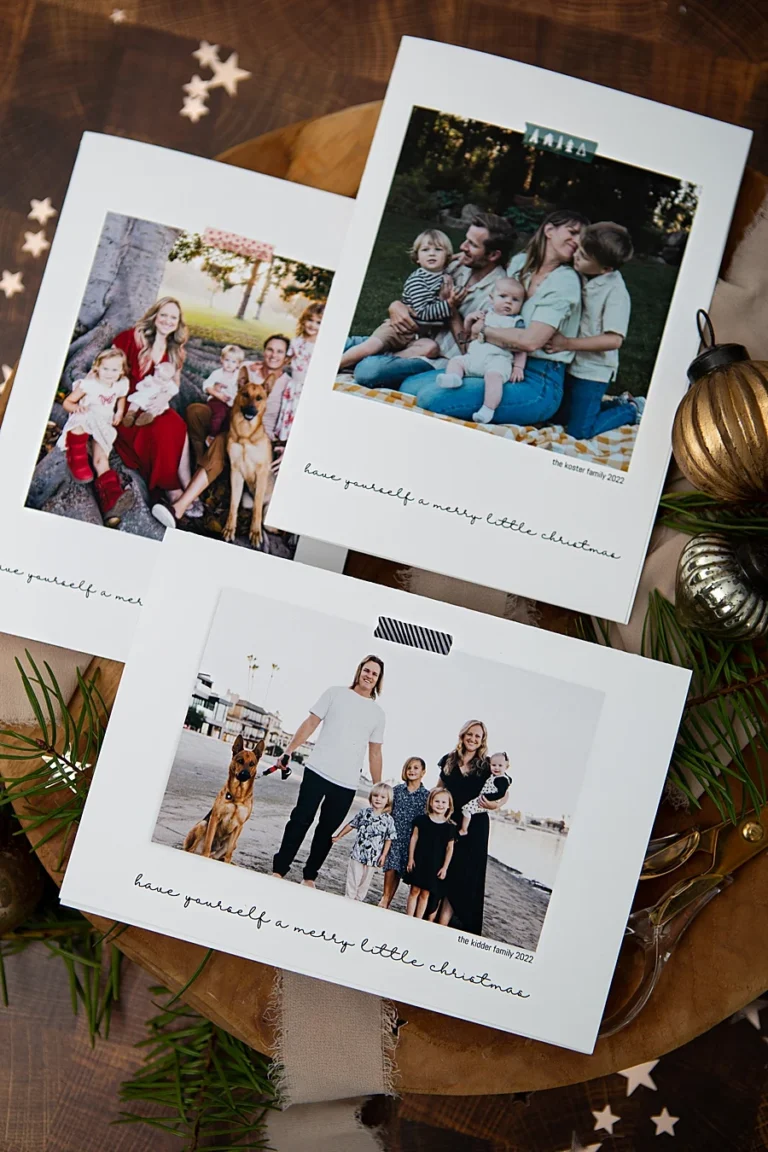


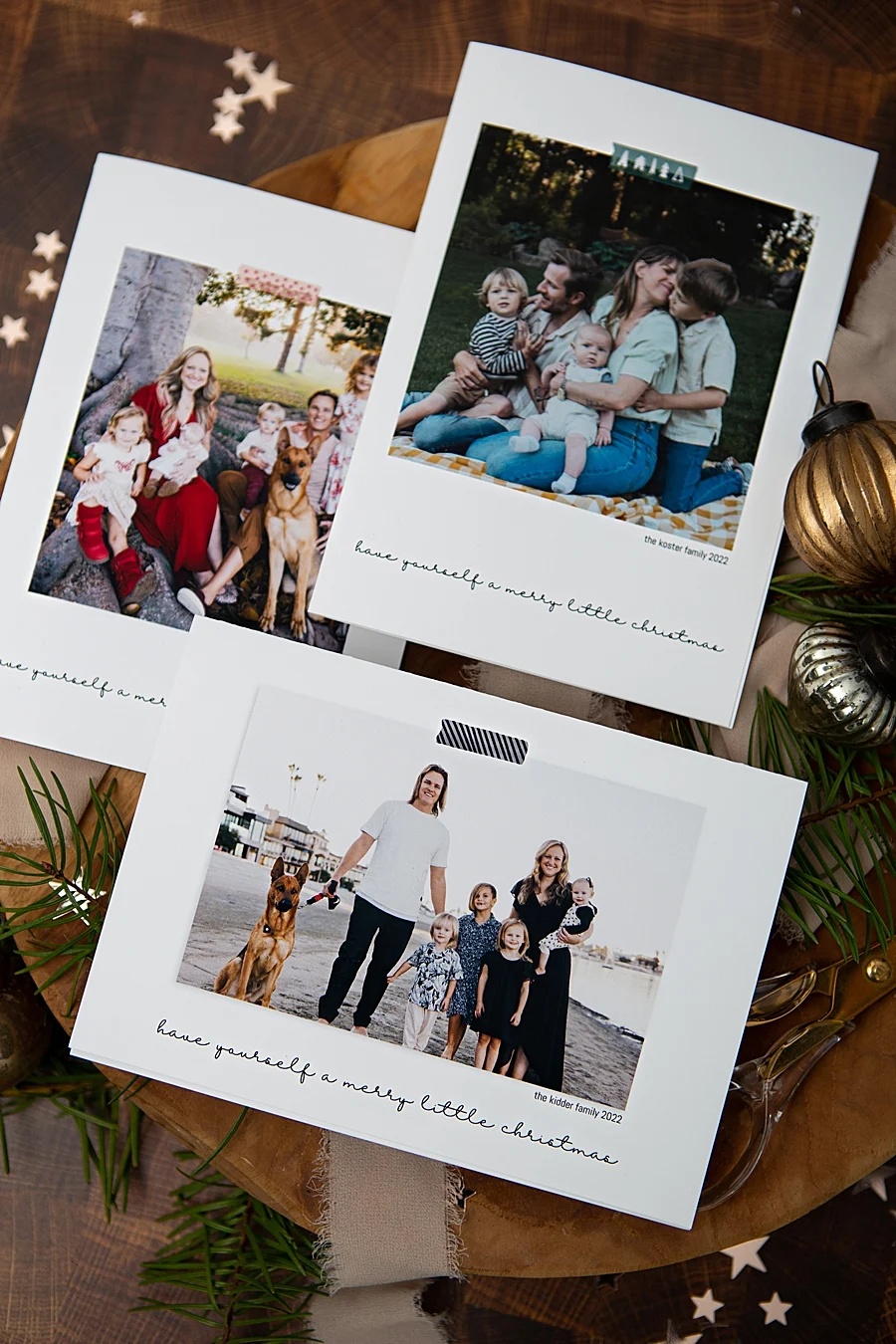
In an era increasingly dominated by digital communication, the physical greeting card remains a cornerstone of holiday tradition, though the methods of production are undergoing a significant technological transformation. Canon U.S.A., Inc. has positioned itself at the forefront of this shift by integrating high-fidelity printing hardware with accessible digital design platforms. Through a strategic collaboration with creative consultants and the utilization of the Corjl editing interface, the company is facilitating a streamlined workflow for consumers to produce professional-grade, personalized holiday correspondence from a residential environment. This movement toward bespoke, home-printed media is exemplified by the deployment of the Canon PIXMA TS9521C Crafting Printer and specialized double-sided matte media, which allow for a level of customization previously reserved for commercial print shops.
The Evolution of the Greeting Card Industry and the DIY Movement
The tradition of sending holiday cards dates back to 1843, when Sir Henry Cole commissioned the first commercial Christmas card in London. For over a century, the industry was defined by mass production and retail distribution. However, the 21st century has seen a pivot toward "prosumer" behavior, where individuals seek the tools to create high-quality, unique products that reflect personal branding and family identity. Market research indicates that while digital greetings have risen in popularity, the tactile nature of physical cards continues to hold a 75% preference rate among consumers during the winter holiday season.
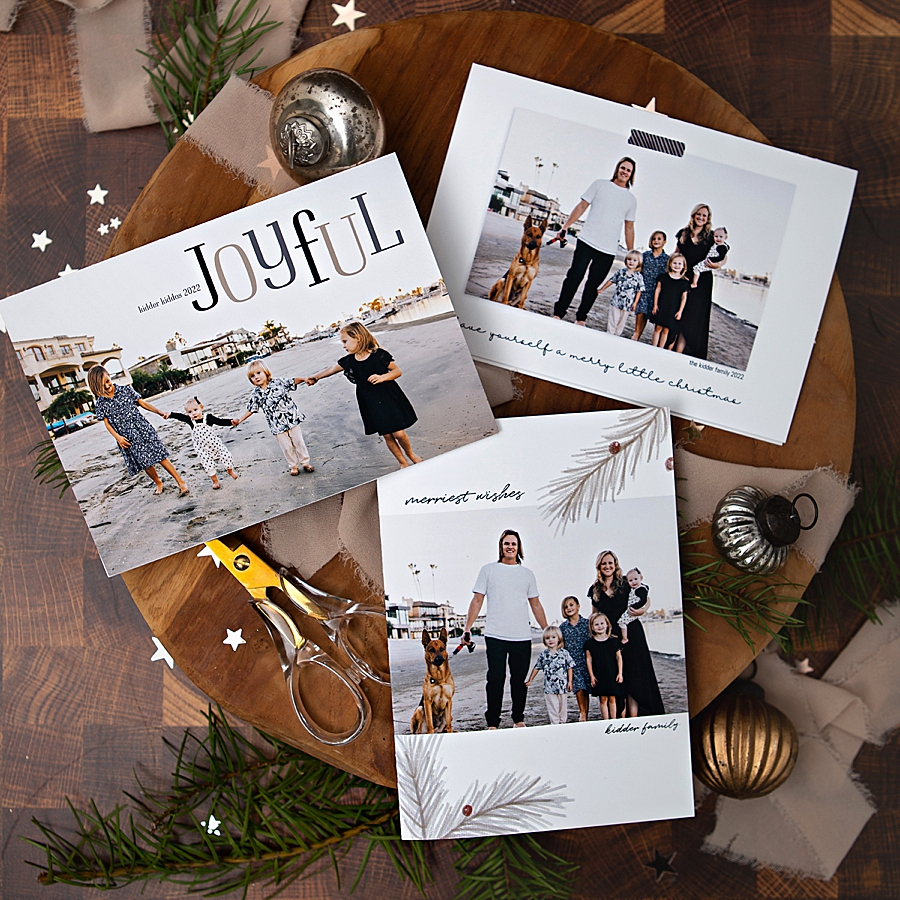
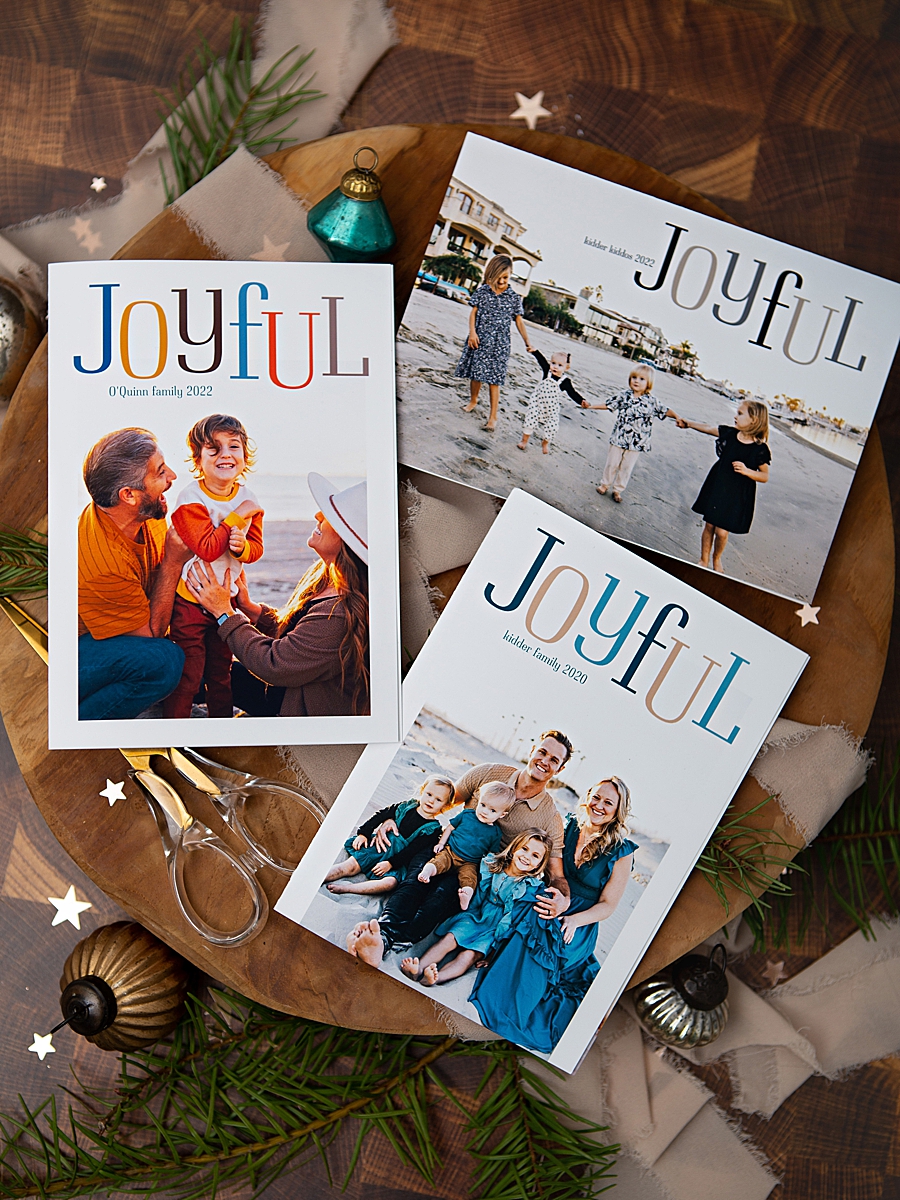
The rise of the DIY (Do-It-Yourself) movement has been further catalyzed by advancements in inkjet technology and cloud-based design software. Canon’s participation in this space involves providing not just the hardware, but an entire ecosystem of templates and specialized paper stocks. By offering free access to high-resolution designs such as the "Joyful," "Tape," and "Berries" collections, the initiative lowers the barrier to entry for high-end crafting. This strategic approach addresses the consumer demand for "semi-custom" goods—products that provide a professional framework while allowing for deep individualization.
Technical Specifications of the Canon PIXMA TS9521C Crafting Printer
Central to this modern crafting workflow is the Canon PIXMA TS9521C, a device specifically engineered to meet the versatile needs of the scrapbooking and stationery communities. Unlike standard office printers, the TS9521C supports a wide array of media sizes, including 12×12 inch borderless printing, which is the industry standard for scrapbooking.
The technical efficacy of the printer is rooted in its five-color individual ink system, which includes a pigment black ink for crisp text and dye-based inks for vibrant photographic reproduction. This hybrid ink setup is crucial for holiday cards that often feature both high-resolution family photography and intricate graphic design elements. Furthermore, the device’s connectivity suite—comprising AirPrint, Mopria Print Service, and built-in Wi-Fi—allows users to transition from mobile photo capture to physical print with minimal latency.
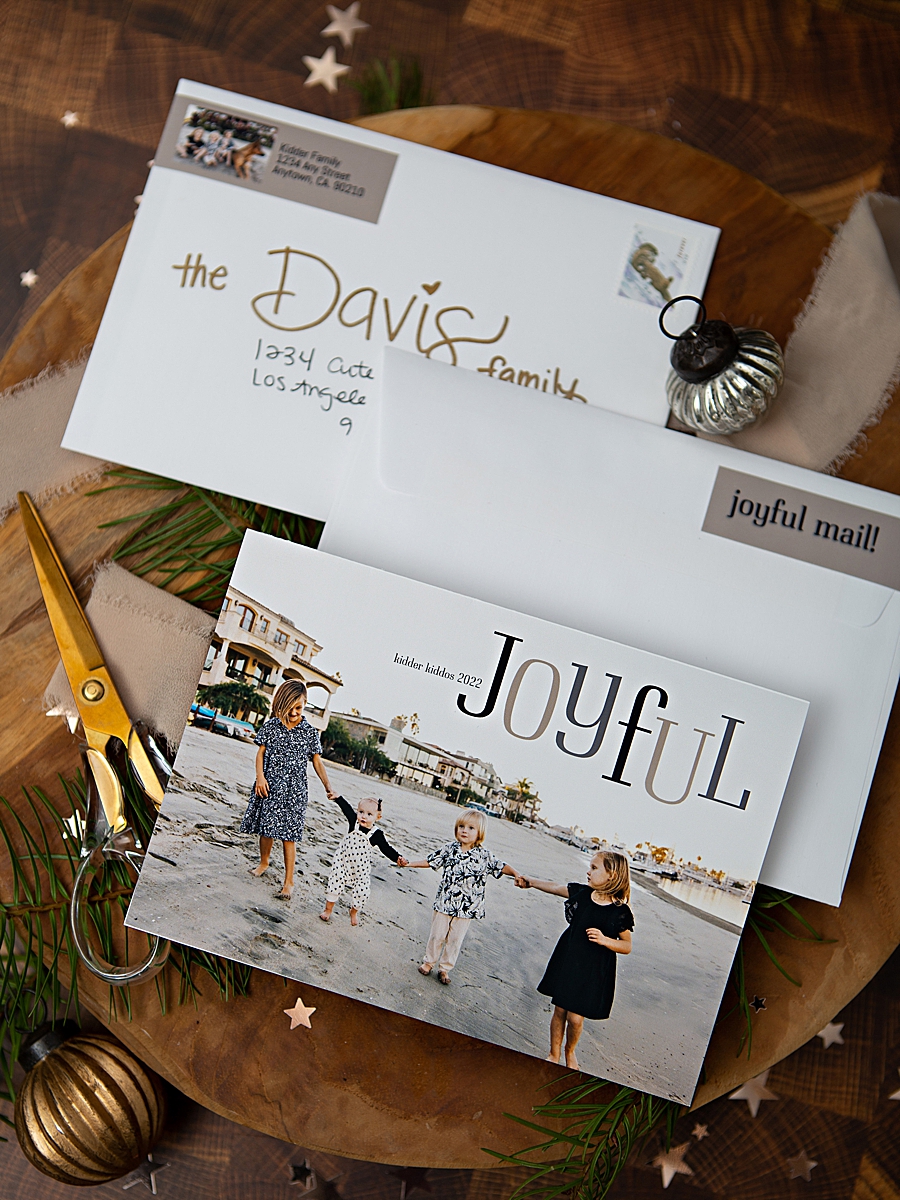
Supporting the hardware is the Canon 7×10 Double-Sided Greeting Card Paper Pack. This specific media is engineered to be heavy enough to feel premium (matte finish) while being pre-scored to ensure a clean fold. The inclusion of matching 5×7 envelopes within the pack streamlines the logistics of card preparation, moving the process from a complex multi-vendor endeavor to a singular, cohesive system.
The Digital Integration: Corjl and Template Architecture
The transition from a digital image to a physical card is mediated by the Corjl software, a powerful browser-based editor that eliminates the need for consumers to possess advanced graphic design skills or expensive software licenses. The three primary design templates provided in this initiative demonstrate a range of aesthetic choices designed to appeal to diverse demographics:
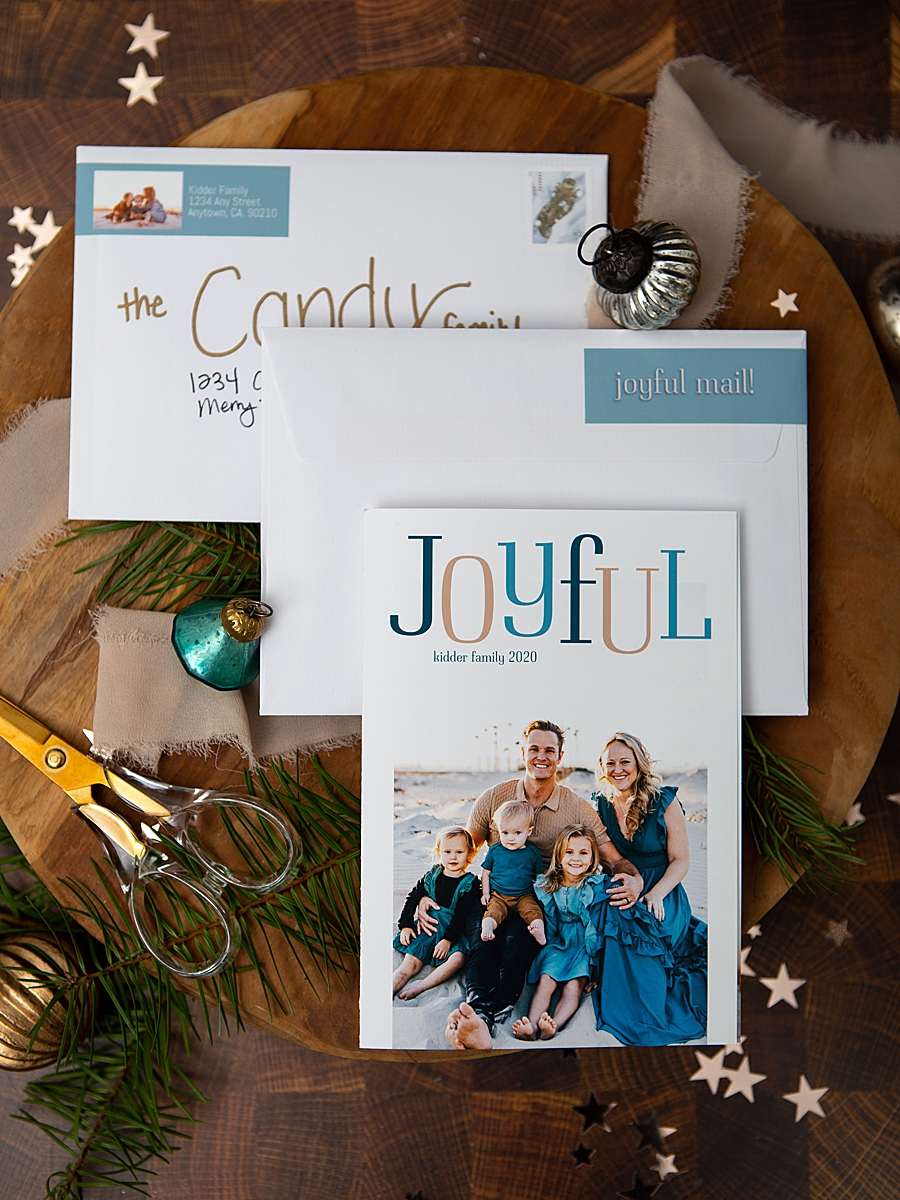
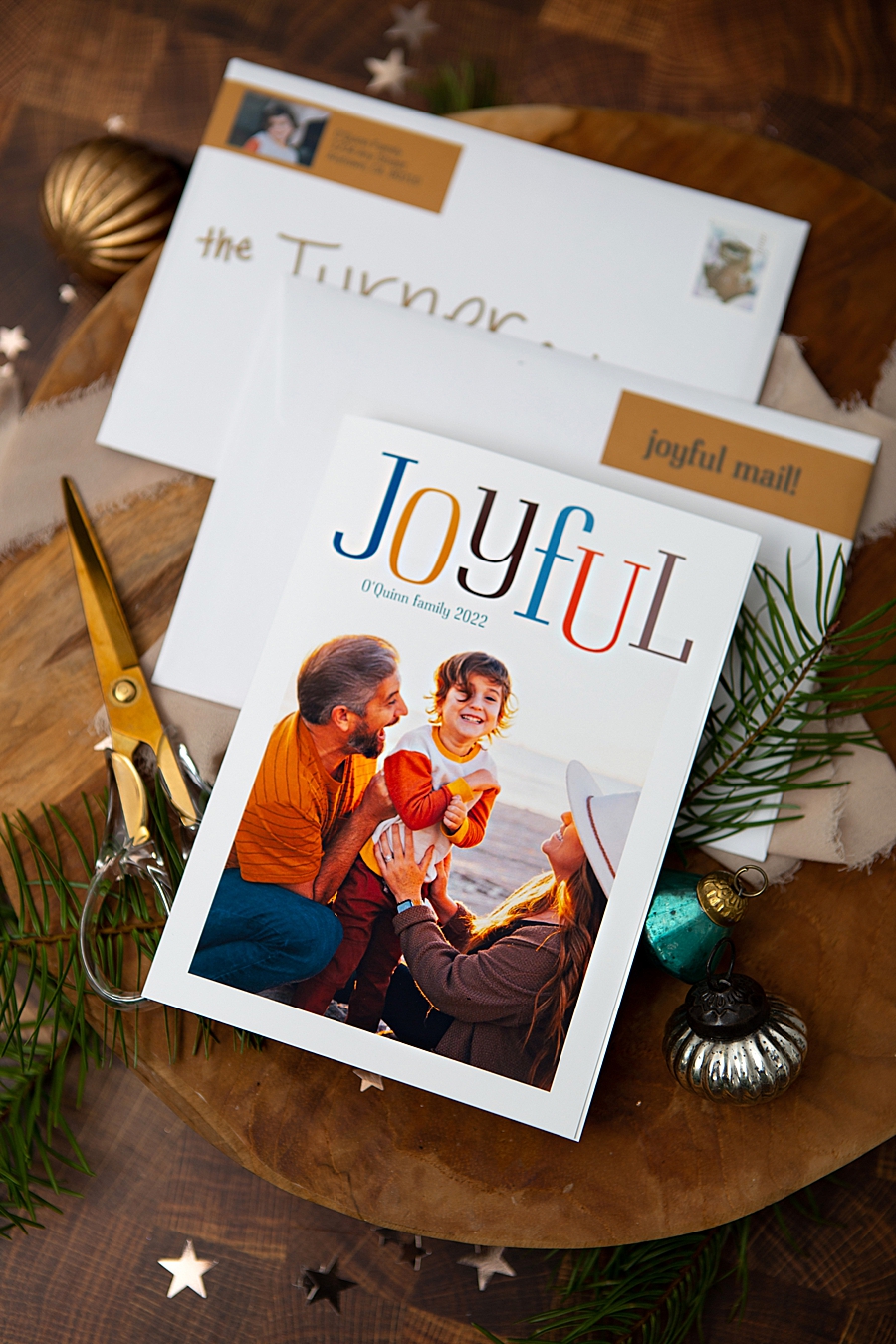
- The Joyful Design: This template emphasizes typography and color theory. It allows users to modify the color of the central "Joyful" script to harmonize with the color palette of their uploaded family photograph. This level of color coordination is a hallmark of professional stationery.
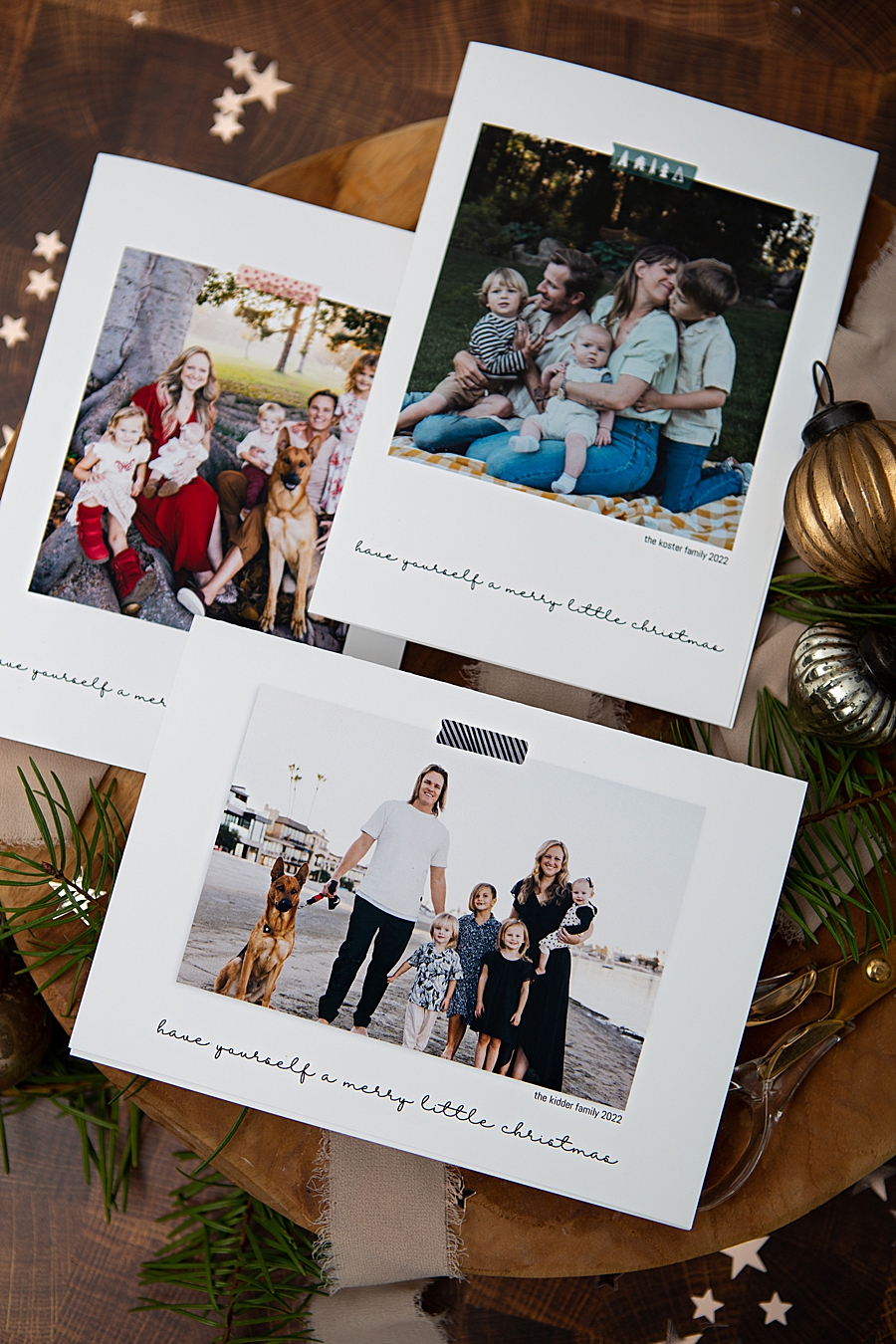
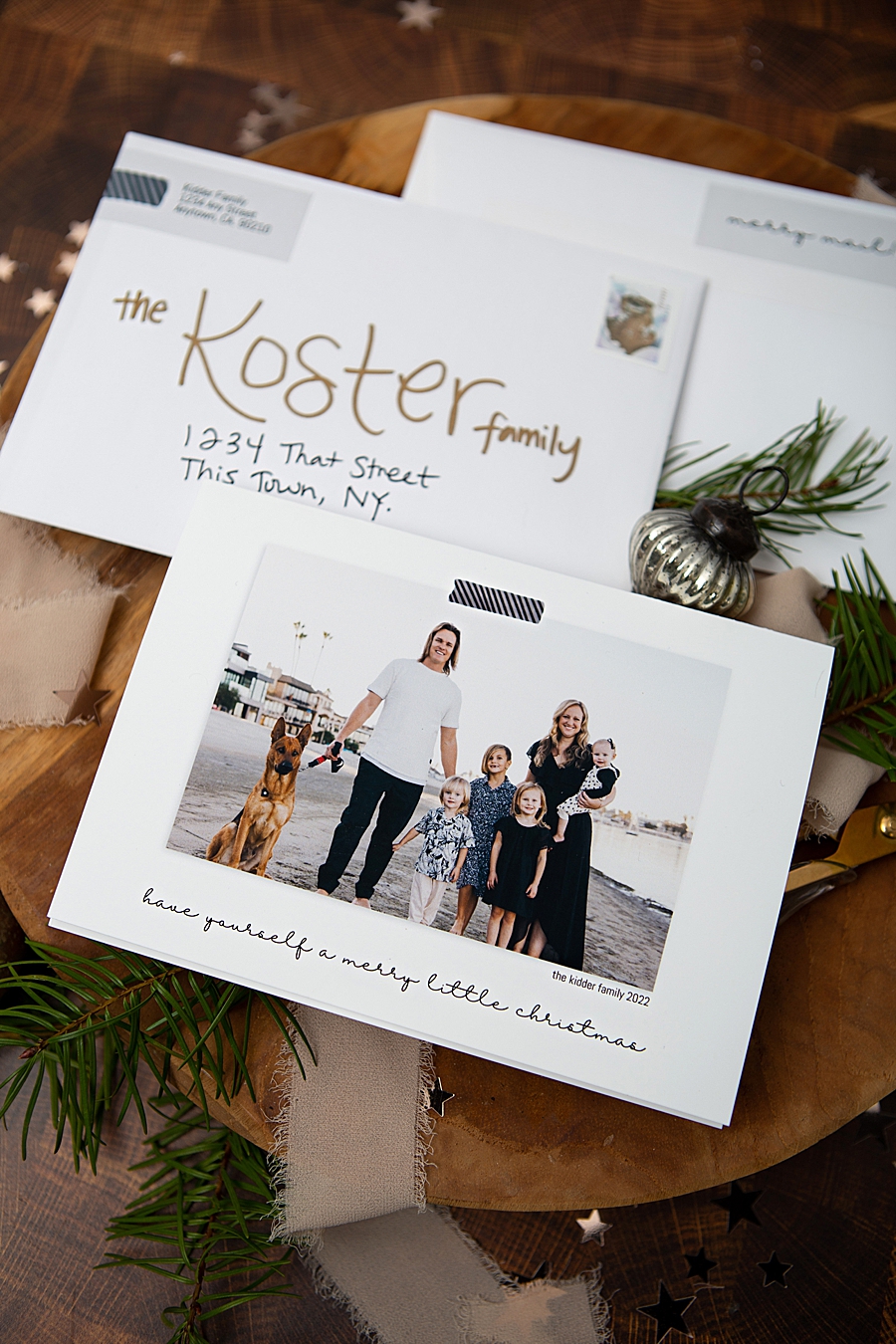
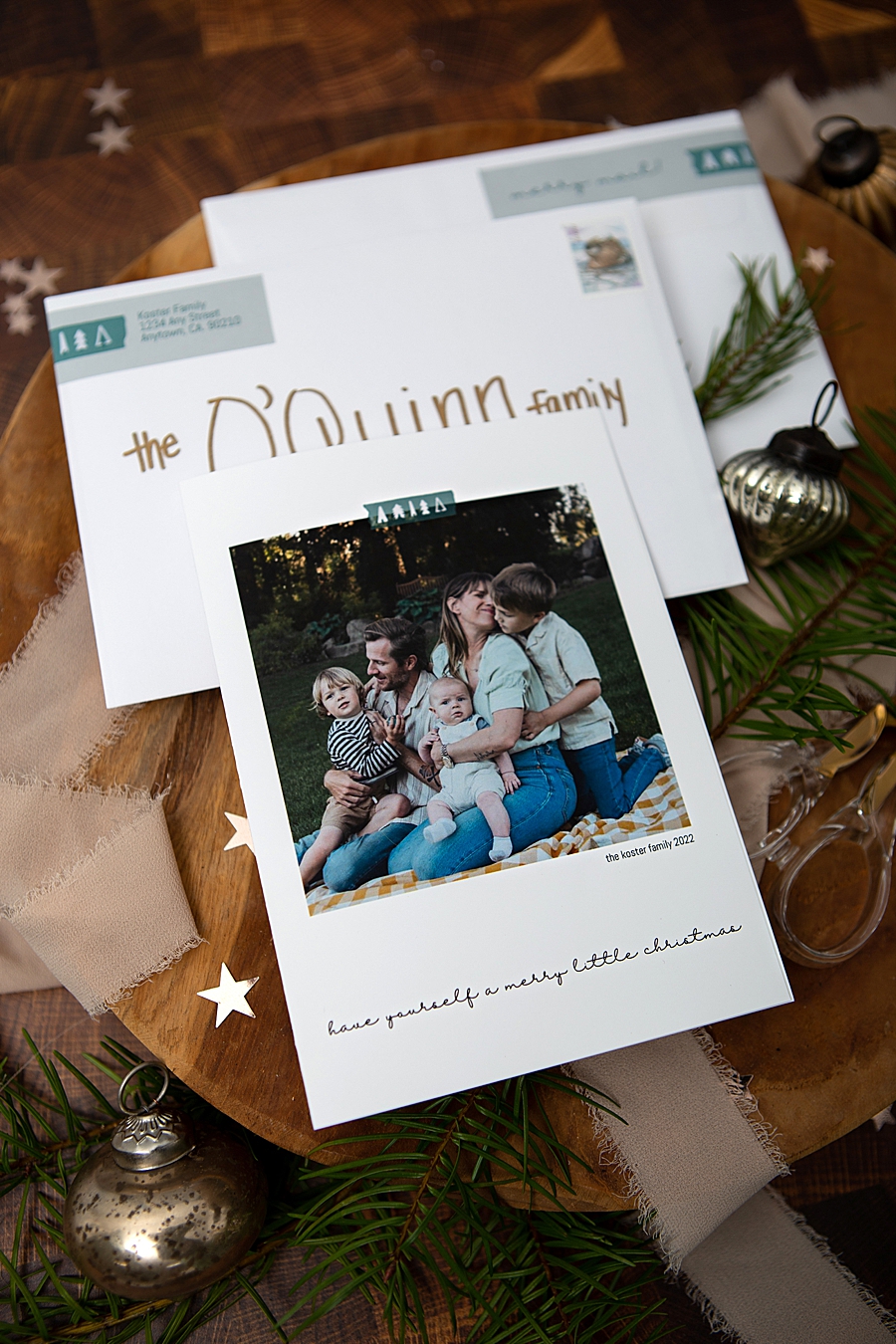
- The Tape Design: Drawing inspiration from the "Washi tape" trend in scrapbooking, this design incorporates digital overlays of black and white stripes, pink polka dots, green trees, and beige textures. It simulates a tactile, hand-assembled look through digital means.
- The Berries Design: This botanical-themed template features hand-drawn illustrations of berry branches in three distinct color schemes (green, pink, and beige). The modular nature of the design allows users to retain the version that best complements their imagery while discarding the others, optimizing the visual balance of the final product.
Each of these designs is provided in both vertical and horizontal orientations, accommodating the varied compositions of modern photography. Additionally, matching address labels are included, ensuring a consistent visual identity from the envelope to the interior sentiment.
Chronology of the Customization and Printing Process
The workflow for creating these cards follows a logical progression designed to maximize efficiency and minimize user error. The process typically begins with the selection of a primary family photograph, followed by the digital editing phase.
- Step 1: Template Acquisition and Access: Users access the templates via a dedicated digital storefront, utilizing a promotional code (e.g., "canonholiday") to bypass traditional costs. This phase introduces the user to the Canon-supported design ecosystem.
- Step 2: Digital Personalization: Through the Corjl interface, the user uploads their imagery. The software allows for the manipulation of text, font styles, and graphic elements. Because the templates are pre-formatted for 7×10 paper, the risk of scaling errors during the print phase is significantly reduced.
- Step 3: Hardware Preparation: The PIXMA TS9521C is loaded with the 7×10 pre-scored matte paper. The printer’s settings are adjusted to recognize the specific media type and size to ensure optimal ink absorption and color accuracy.
- Step 4: Printing and Finishing: The cards are printed double-sided. Due to the fast-drying nature of Canon’s dye-based inks, the risk of smudging during the manual duplexing process is mitigated. Once printed, the pre-scored line allows for a precision fold, resulting in a 5×7 inch finished product.
- Step 5: Addressing and Distribution: Using the coordinated address labels and metallic markers (such as Sharpies), the cards are finalized for postage.
Economic and Social Implications of Home-Based Printing
The shift toward home-based printing of high-quality goods has broader implications for the retail and technology sectors. Economically, it represents a move toward the "long tail" of the market, where niche, highly personalized products can be produced at a cost-per-unit that is competitive with boutique print shops, especially when factoring in the elimination of shipping times and minimum order quantities.
From a social perspective, the act of "making" has been linked to increased levels of consumer satisfaction and emotional investment. Canon’s emphasis on "allowing consumers to create and preserve beautiful imagery" aligns with a wider corporate social responsibility trend that promotes creative wellness. By providing the tools for personal expression, the company fosters a deeper brand loyalty that transcends the mere utility of the hardware.
Furthermore, the data-driven nature of this campaign allows for a better understanding of consumer preferences. The use of hashtags like #somethingturquoisediy on platforms such as Instagram and Twitter creates a feedback loop where the manufacturer can observe real-world applications of their technology, leading to iterative improvements in future hardware and software updates.
Analysis of Print Quality and Media Durability
In a professional assessment of the output, the synergy between the TS9521C’s print head technology and the 7×10 matte paper is evident. Matte photo paper is preferred for holiday cards because it does not reflect glare and is resistant to fingerprints—a common issue with glossy cards handled by multiple family members. The double-sided coating of the Canon media ensures that the interior text is as sharp as the exterior imagery, a technical requirement that cheaper, single-sided papers cannot meet.
The durability of these prints is also a factor. Canon’s ChromaLife100 system, when used with genuine Canon inks and papers, is designed to protect photos from fading for up to 100 years in an album, or 30 years behind glass. This longevity transforms a simple holiday greeting into a permanent family heirloom, a key selling point for the "preservation" aspect of the Canon brand mission.
Future Outlook for Personal Printing Solutions
As home office and crafting spaces continue to evolve, the demand for multifunctional, high-performance devices like the PIXMA TS9521C is expected to grow. The integration of AI-driven design assistance and further automation in the printing process will likely be the next frontier. For now, the successful marriage of digital templates, user-friendly editing software, and specialized printing hardware provides a robust blueprint for how technology can enhance traditional holiday customs.
In conclusion, the collaboration between hardware manufacturers and digital designers represents a significant advancement in the accessibility of high-end stationery. By empowering the individual to act as both designer and publisher, Canon U.S.A., Inc. is not only selling a product but is facilitating a more personal and creative form of human connection during the holiday season. The professional-grade results achievable through this DIY method suggest that the boundary between "home-made" and "professionally made" will continue to blur, driven by innovation in the consumer printing sector.