


The burgeoning market for lab-grown diamonds presents consumers with an unprecedented opportunity to acquire stunning gemstones at a more accessible price point than their natural counterparts. However, unlocking the full value and visual appeal of these diamonds hinges significantly on understanding their clarity grades. This comprehensive guide delves into the intricacies of lab-grown diamond clarity, demystifying the GIA grading scale, common inclusions, and the factors that influence price, empowering buyers to make informed decisions and secure exceptional beauty without overpaying for imperceptible flaws.
The clarity of any diamond, whether natural or lab-grown, refers to the presence, size, number, position, and visibility of internal inclusions and external blemishes. These characteristics are meticulously evaluated using the same Gemological Institute of America (GIA) grading scale that governs natural diamonds, ranging from Flawless (FL) to Included (I3). While lab-grown diamonds are produced under controlled conditions, typically using High Pressure High Temperature (HPHT) or Chemical Vapor Deposition (CVD) methods, imperfections can still arise. Understanding these inclusions and their impact is paramount to appreciating the true value and aesthetic of a lab-grown diamond.

The Universal Language of Diamond Clarity: GIA Grading
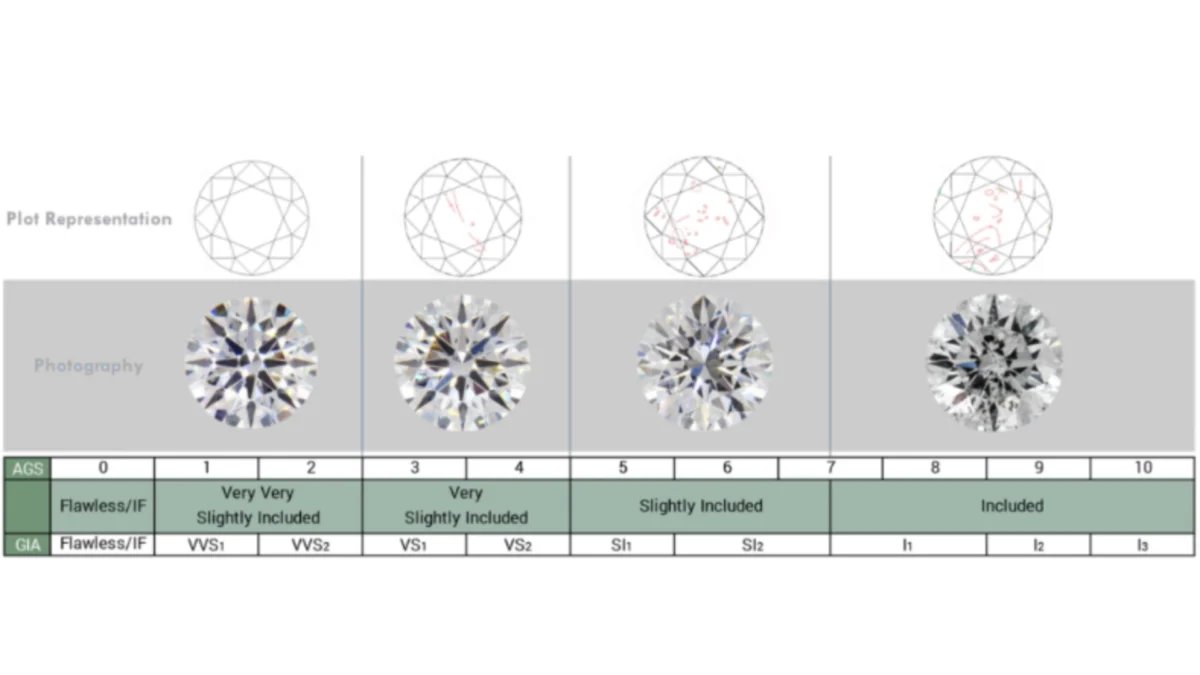
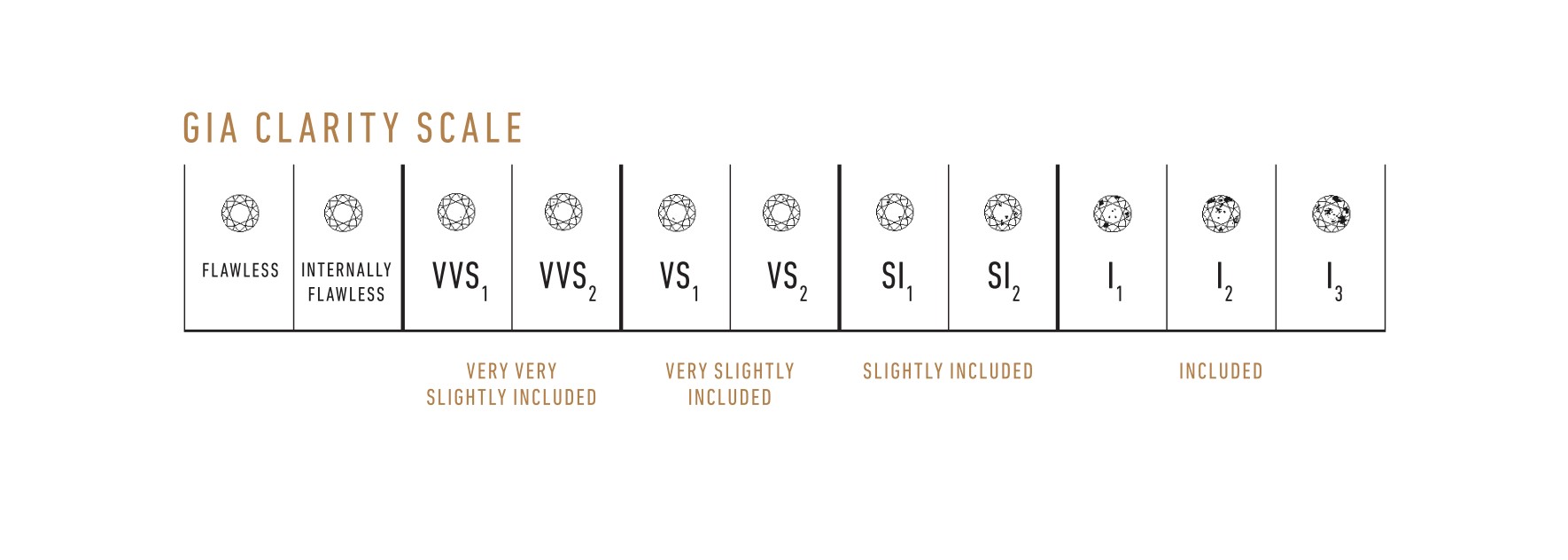
The GIA clarity grading scale is the international standard, providing a consistent framework for evaluating the internal and external characteristics of diamonds. This scale, universally applied to both natural and lab-grown diamonds, is divided into several key categories:
- Flawless (FL): The pinnacle of clarity, FL diamonds exhibit no inclusions or blemishes visible under 10x magnification. These are exceptionally rare and command a premium due to their absolute perfection.
- Internally Flawless (IF): IF diamonds possess no internal inclusions visible under 10x magnification, though minor external blemishes may be present. They offer a virtually flawless appearance, with only the most discerning eye or magnification revealing any imperfections.
- Very Very Slightly Included (VVS1 & VVS2): Inclusions in VVS diamonds are so minute that they are extremely difficult for a skilled grader to detect under 10x magnification. VVS1 typically denotes fewer or less prominent inclusions than VVS2, but both grades represent exceptional quality with no discernible impact on brilliance to the naked eye.
- Very Slightly Included (VS1 & VS2): VS diamonds contain inclusions that are difficult to observe under 10x magnification and are classified as minor. VS1 inclusions are generally less conspicuous than those in VS2. This range often represents a "sweet spot" for many consumers, offering excellent visual appeal and sparkle without the substantial price increase of higher grades.
- Slightly Included (SI1 & SI2): SI diamonds exhibit inclusions that are noticeable under 10x magnification. While more apparent than in VS grades, these characteristics are often invisible to the naked eye, especially in SI1 diamonds, depending on their size, location, and type. These grades offer significant value, allowing for larger carat weights or other desirable attributes.
- Included (I1, I2, & I3): I grades denote diamonds with obvious inclusions visible under 10x magnification, which can affect transparency, brilliance, and potentially durability. I1 diamonds show moderate effects, while I3 diamonds possess the most pronounced flaws impacting overall visual performance. These grades are typically chosen when budget is a primary concern and size is prioritized over flawless optics.
Understanding Inclusions: The Building Blocks of Clarity
Inclusions are internal characteristics that form during a diamond’s growth process. In lab-grown diamonds, these imperfections can differ in origin and appearance from those found in natural diamonds, though their impact on clarity grading remains the same. Common types of inclusions include:
- Needle Inclusions: These appear as thin, elongated lines resembling needles. They form along growth directions and can be transparent or dark. While small needles are often imperceptible to the naked eye in higher clarity grades, larger or clustered needles can affect the overall grade.
- Cloud Inclusions: A cloud is a cluster of tiny pinpoint inclusions or growth remnants that create a hazy zone. Significant clouds can reduce a diamond’s transparency and brilliance.
- Crystal Inclusions (Growth Remnants): These are small mineral or diamond-like particles trapped within the diamond during its formation. In lab-grown diamonds, these can be remnants of the growth medium or other diamond crystals. Their impact depends on their size, color, and visibility.
- Feathers: Feathers are internal fractures or breaks that resemble delicate lines. While shallow and small feathers are often invisible to the naked eye, deeper or more extensive feathers can affect clarity grading and, in rare cases, may raise structural concerns if they reach the surface.
- Pinpoints: Pinpoints are the most common type of inclusion, appearing as tiny dots or specks. They are typically only visible under magnification and, when isolated, have a negligible effect on a diamond’s appearance. However, dense clusters of pinpoints can form a cloud.
The Price of Perfection: How Clarity Affects Lab Diamond Costs
The clarity grade of a lab-grown diamond is a significant determinant of its price. Diamonds with fewer and less visible inclusions command higher prices because they represent a more challenging and precise manufacturing process. The GIA’s rigorous grading system ensures that even minute imperfections are accounted for, influencing the diamond’s value.

However, the premium for higher clarity grades in lab-grown diamonds is generally less pronounced than in natural diamonds. This is primarily due to the controlled production environment that allows for greater consistency and fewer inherent limitations on supply. While a Flawless (FL) or Internally Flawless (IF) lab-grown diamond will be more expensive than a diamond with inclusions, the price jump between, for example, a VS2 and a VVS1 might not be as drastic as one might expect, especially when compared to the scarcity-driven premiums in natural diamonds.
The "Eye-Clean" Sweet Spot: Maximizing Value and Visual Appeal
For most consumers, the ultimate goal is an "eye-clean" diamond – one where no inclusions are visible to the unaided eye under normal viewing conditions. This is where strategic purchasing can lead to significant savings without compromising on visual beauty. Many diamonds graded VS2 and even SI1 achieve this eye-clean status, particularly in common diamond shapes and sizes.

This phenomenon is amplified by the fact that modern grading and visualization tools, such as high-resolution imagery and 360-degree videos offered by reputable online retailers, allow buyers to scrutinize diamonds virtually. This empowers consumers to identify diamonds that appear flawless to the naked eye, even if they fall into slightly lower clarity grades, thereby optimizing their budget. For instance, a well-cut SI1 diamond with inclusions that are well-placed and not readily visible can offer exceptional brilliance and sparkle that rivals higher clarity grades, at a considerably lower cost.
The Stability of Lab-Grown Diamonds: Clarity Through Time
A persistent misconception is that lab-grown diamonds might degrade in clarity or appearance over time, akin to some diamond simulants like cubic zirconia. This is fundamentally untrue. Lab-grown diamonds are chemically, physically, and optically identical to natural diamonds. Their internal clarity characteristics are fixed at the time of formation and do not change under normal wear.

Any perceived "loss of clarity" is almost always attributable to surface dirt, oils, lotions, or other residues that accumulate on the diamond’s facets. These external factors can temporarily dim a diamond’s sparkle and make it appear less brilliant. However, this is easily rectified through regular cleaning, which restores the diamond to its original luminous state. The inherent clarity of a lab-grown diamond, as defined by its internal inclusions and blemishes, remains constant throughout its lifespan, ensuring enduring beauty and value.
Beyond Clarity: The Interplay of the 4Cs
While clarity is a crucial factor, it is essential to consider it in conjunction with the other "Cs" of diamond quality: cut, color, and carat weight. The interplay between these attributes significantly influences a diamond’s overall appearance and value.

- Cut: The cut of a diamond is arguably the most critical factor in its brilliance and sparkle. An expertly cut diamond will reflect and refract light to its fullest potential, masking minor inclusions and enhancing the overall visual appeal. A well-cut diamond in a VS or SI clarity grade can often outperform a poorly cut diamond with higher clarity.
- Color: Color grading ranges from D (colorless) to Z (light yellow or brown). Higher color grades (closer to D) are more desirable and expensive. When pairing color with clarity, a near-colorless diamond (G-I range) can often accommodate a slightly lower clarity grade (like SI1) and still appear eye-clean and beautiful, offering excellent value. Conversely, in higher color grades (D-F), even minor inclusions might be more apparent against the diamond’s pristine white backdrop, making VS2 or higher clarity a more prudent choice.
- Carat Weight: Larger diamonds naturally present more surface area, which can make inclusions more visible. Therefore, as carat weight increases, the importance of clarity often becomes more pronounced to maintain an eye-clean appearance. However, balancing size with clarity and cut is key to achieving the best overall value.
Leveraging Resources for Informed Decisions
Navigating the world of lab-grown diamond clarity can be complex. Fortunately, numerous resources are available to assist consumers. Online forums, educational websites, and reputable retailers provide invaluable information. PriceScope, for instance, offers a robust community and educational content dedicated to diamond purchasing, connecting buyers with experts and fellow shoppers. Platforms like Whiteflash, James Allen, and Blue Nile provide detailed product information, high-resolution imagery, and educational tools that empower consumers to make informed choices.
By understanding the GIA clarity scale, recognizing common inclusion types, appreciating the value of "eye-clean" diamonds, and considering the interplay of all the 4Cs, consumers can confidently select a lab-grown diamond that offers exceptional beauty, enduring value, and a sparkle that will be cherished for a lifetime. The journey to finding the perfect lab-grown diamond is one of informed discovery, where knowledge empowers the selection of a gemstone that truly reflects both personal style and astute investment.