


The intersection of the holiday season and the consumer kitchenware market reached a critical juncture in late 2022, as the home baking sector continued its transition from a pandemic-era necessity to a permanent lifestyle staple. As Thanksgiving approached, industry analysts and culinary experts identified a significant shift in consumer behavior, moving away from basic starter kits toward professional-grade equipment and specialized tools. This trend is exemplified by the release of curated gift guides that prioritize precision, durability, and aesthetic value, reflecting a more sophisticated home baker demographic. The 2022 market landscape was defined by a preference for e-commerce efficiency, the professionalization of the domestic kitchen, and a renewed interest in heritage brands that offer both functional longevity and "countertop appeal."
The Strategic Shift to E-Commerce and Digital Retail
The 2022 holiday shopping season was marked by a decisive move toward digital marketplaces, specifically platforms like Amazon Prime, which have largely supplanted traditional brick-and-mortar mall shopping for specialized culinary tools. This shift is supported by retail data indicating that online holiday spending in the United States reached record highs in 2022, with Black Friday online sales alone surpassing $9.12 billion. For the home baker, the convenience of two-day shipping and the ability to source niche items—such as 10-inch bench scrapers or specialized Ateco revolving stands—has fundamentally altered the procurement process.
Retail experts suggest that the "old-school mall" experience has struggled to compete with the inventory depth found online. While traditional department stores often carry a limited selection of mass-market brands, digital storefronts allow bakers to access professional-grade tools previously reserved for commercial kitchens. This accessibility has empowered hobbyists to attempt complex projects, such as multi-tiered cakes and intricate pastry work, driving demand for high-performance equipment.
Chronology of the 2022 Baking Season
The timeline for the 2022 baking season followed a distinct pattern of consumer engagement and retail cycles. The cycle typically begins in early November as households prepare for Thanksgiving, the primary catalyst for the year’s most intensive baking period.
- Early November: Consumers begin auditing their current kitchen inventory, identifying gaps in basic essentials like sheet trays, cooling racks, and measuring tools.
- Mid-November: The focus shifts to specialized decorative items, including cookie stamps and embossed rolling pins, as bakers prepare for December holiday exchanges.
- Black Friday/Cyber Monday: This period represents the peak of high-ticket item purchases, such as stand mixers and marble pastry boards, driven by significant price reductions and limited-edition releases.
- December: The "last-minute" gift phase emphasizes stocking stuffers and aesthetic additions, such as mini cookie cutters and designer aprons.
This chronology highlights the transition from functional preparation to creative execution, a cycle that defines the Q4 economic impact of the baking industry.

Analysis of Professional-Grade Equipment Trends
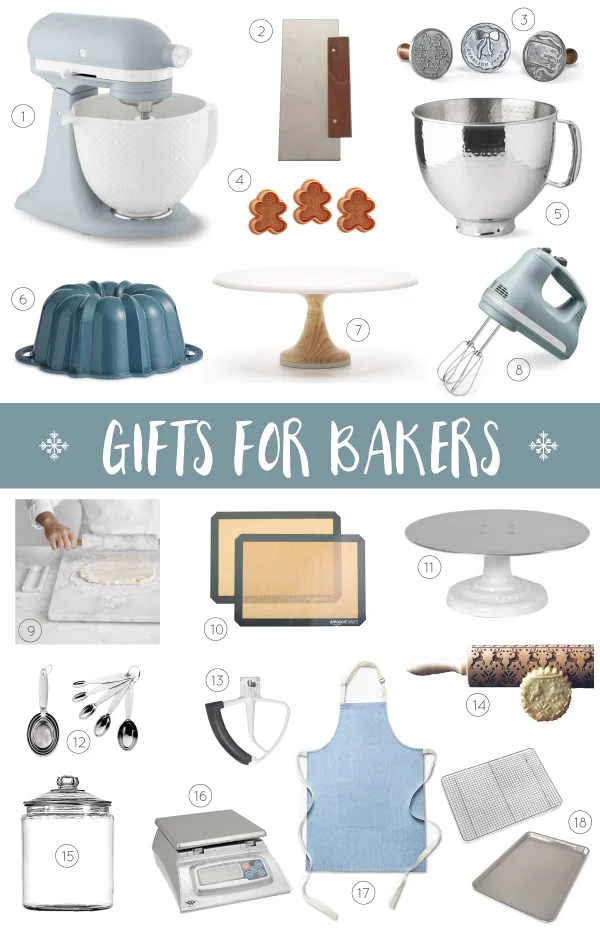
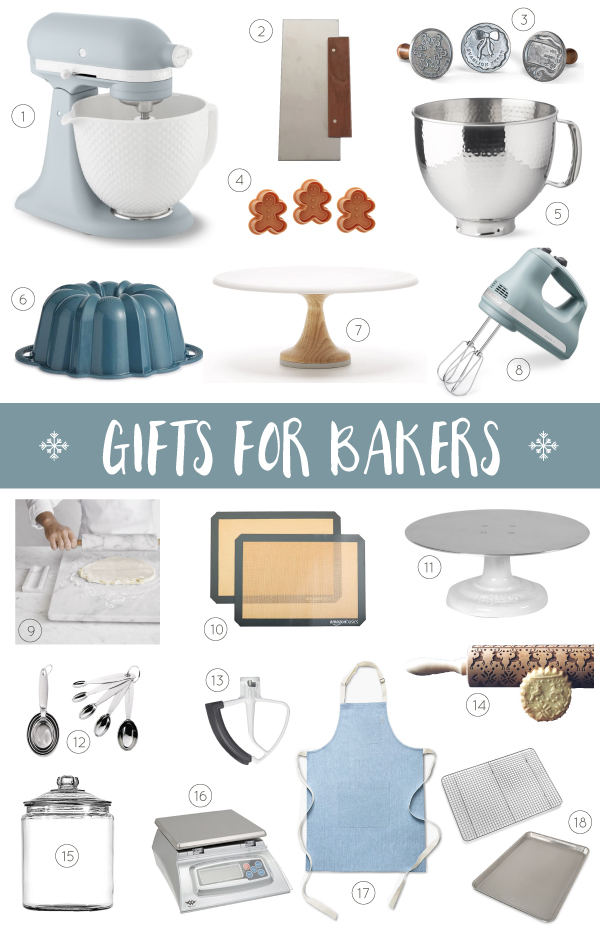
A central theme of the 2022 gift guide is the "professionalization" of the home kitchen. This is most evident in the recommendation of tools that prioritize precision over convenience. For instance, the inclusion of a digital baker’s scale (Item #16) signals a departure from volume-based measurement (cups and spoons) toward weight-based measurement (grams and ounces).
In professional patisserie, weight-based measurement is the industry standard due to its accuracy and the ability to easily scale recipes using "baker’s math." The adoption of this tool by home bakers indicates a desire for more consistent results and a deeper understanding of food science. Similarly, the Ateco 612 Revolving Cake Decorating Stand (Item #11) represents a move away from lightweight plastic turntables toward heavy-duty, aluminum-based equipment that offers smoother rotation for professional-level frosting finishes.
Categorization of 2022 Essential Baking Tools
The 2022 guide identifies eighteen specific items that represent the current state of the market. These can be categorized into four primary sectors:
1. High-Performance Machinery and Attachments
The centerpiece of the 2022 guide is the KitchenAid 5QT Stand Mixer, specifically the 100-year anniversary limited edition in retro blue with a hobnail ceramic bowl. This item serves as both a functional tool and a status symbol within the kitchen. Complementary attachments, such as the Flex Edge Beater, address long-standing consumer complaints regarding ingredient incorporation, further enhancing the efficiency of these machines. For those on a more modest budget, the 5-speed hand mixer remains a staple for smaller tasks, maintaining a presence in the market despite the dominance of stand mixers.
2. Specialized Preparation Surfaces
The use of marble pastry boards and silicone baking mats reflects a growing awareness of temperature control and non-stick technology. Marble, naturally cool to the touch, is ideal for rolling out fats-heavy doughs like puff pastry or pie crust, preventing the butter from melting and ensuring a flaky texture. Silicone mats, including the industry-standard Silpat, have become essential for their durability and environmental benefits over disposable parchment paper.
3. Precision and Finishing Tools
Achieving "clean, straight frosting lines" on tall cakes has driven the demand for oversized bench scrapers, with 10-inch and 12-inch versions becoming increasingly popular. This category also includes the aforementioned revolving stands and measuring spoons with slender profiles designed to fit into narrow spice jars—a small but significant ergonomic improvement in kitchen tool design.
4. Aesthetic and Seasonal Enhancements
Nordic Ware remains a leader in the aesthetic segment, with cast aluminum cookie stamps and intricate Bundt pans. These items allow home bakers to produce visually stunning results with minimal manual decorating, a trend that appeals to those who prioritize "shareable" content on social media platforms. The 2022 guide also highlights the importance of presentation, featuring gold metallic lace cake stands and glass canisters that double as kitchen decor.
Supporting Data: The Economic Impact of Home Baking
The broader impact of these trends is reflected in market data from 2022. The global bakeware market was valued at approximately $18 billion in 2022 and is projected to grow as the "cottage food" industry expands. In the United States, many states have eased restrictions on selling home-baked goods, leading to a surge in micro-bakery businesses. This has created a secondary market for professional-grade tools that can fit within a residential footprint.
Furthermore, the "giftability" of baking items is bolstered by the high longevity of the products. Unlike consumer electronics, which have a short lifecycle, high-quality bakeware—such as aluminum half-sheet trays and cast-iron or heavy-duty aluminum pans—can last for decades. This durability makes them attractive to value-conscious consumers during periods of economic fluctuation.
Industry Implications and Future Outlook
The 2022 holiday gift guide is more than a list of products; it is a snapshot of a maturing industry. Manufacturers are increasingly focusing on "form and function," recognizing that the modern kitchen is often an open-concept space where tools are permanently on display. The introduction of hammered bowls for mixers and designer aprons made of flax linen (Item #17) suggests that the "chef’s uniform" and "kitchen aesthetic" are now integral parts of the consumer experience.
Industry analysts predict that the focus on precision and professional-grade materials will continue to intensify. As home bakers become more skilled, their demand for specialized tools—such as embossed rolling pins for textured cookies and precise kitchen scales for sourdough hydration—will likely drive further innovation in the consumer sector.
Conclusion and Broader Impact
In summary, the 2022 holiday season served as a testament to the enduring popularity and increasing sophistication of home baking. The shift toward e-commerce, the adoption of professional standards, and the investment in high-quality, durable goods define the current market. As consumers transition from Thanksgiving to the December holidays, the tools highlighted in this guide represent the essential infrastructure for modern domestic life. Whether for personal use or as a gift, these items reflect a broader cultural movement toward craftsmanship, precision, and the celebration of culinary traditions in the home. The 2022 guide underscores a fundamental truth in the modern retail landscape: for the contemporary baker, the quality of the tool is just as important as the quality of the ingredients.