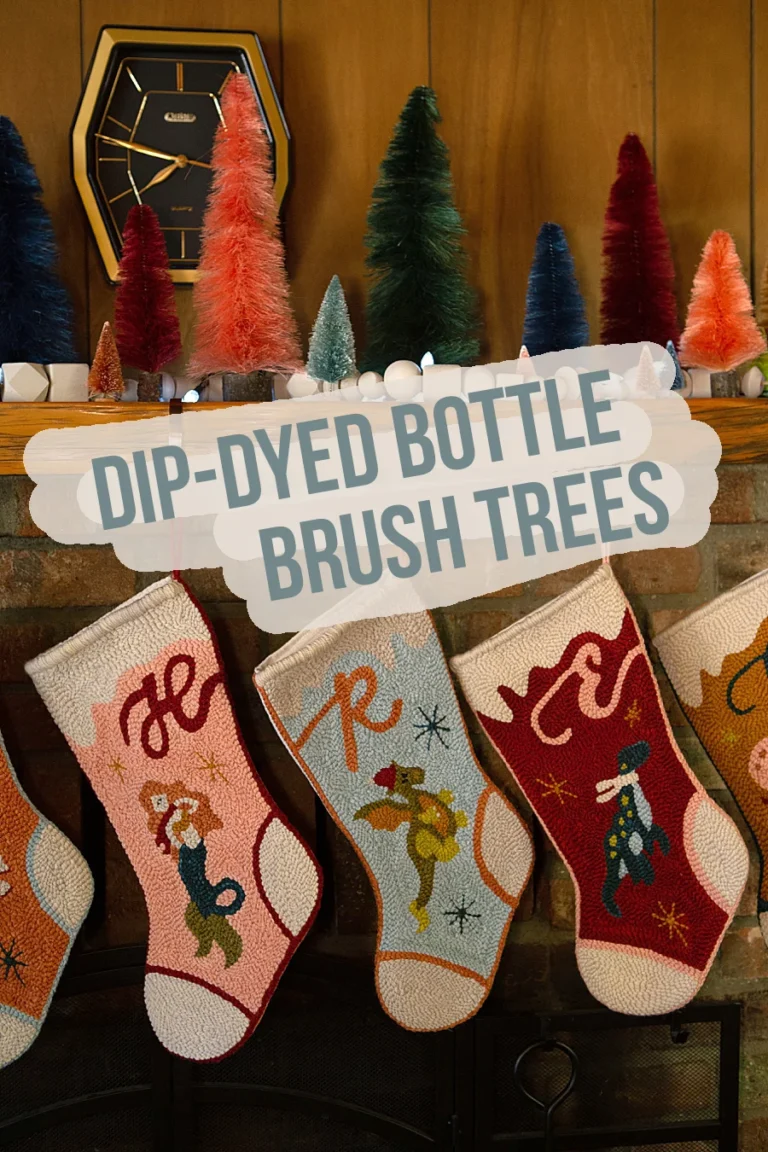


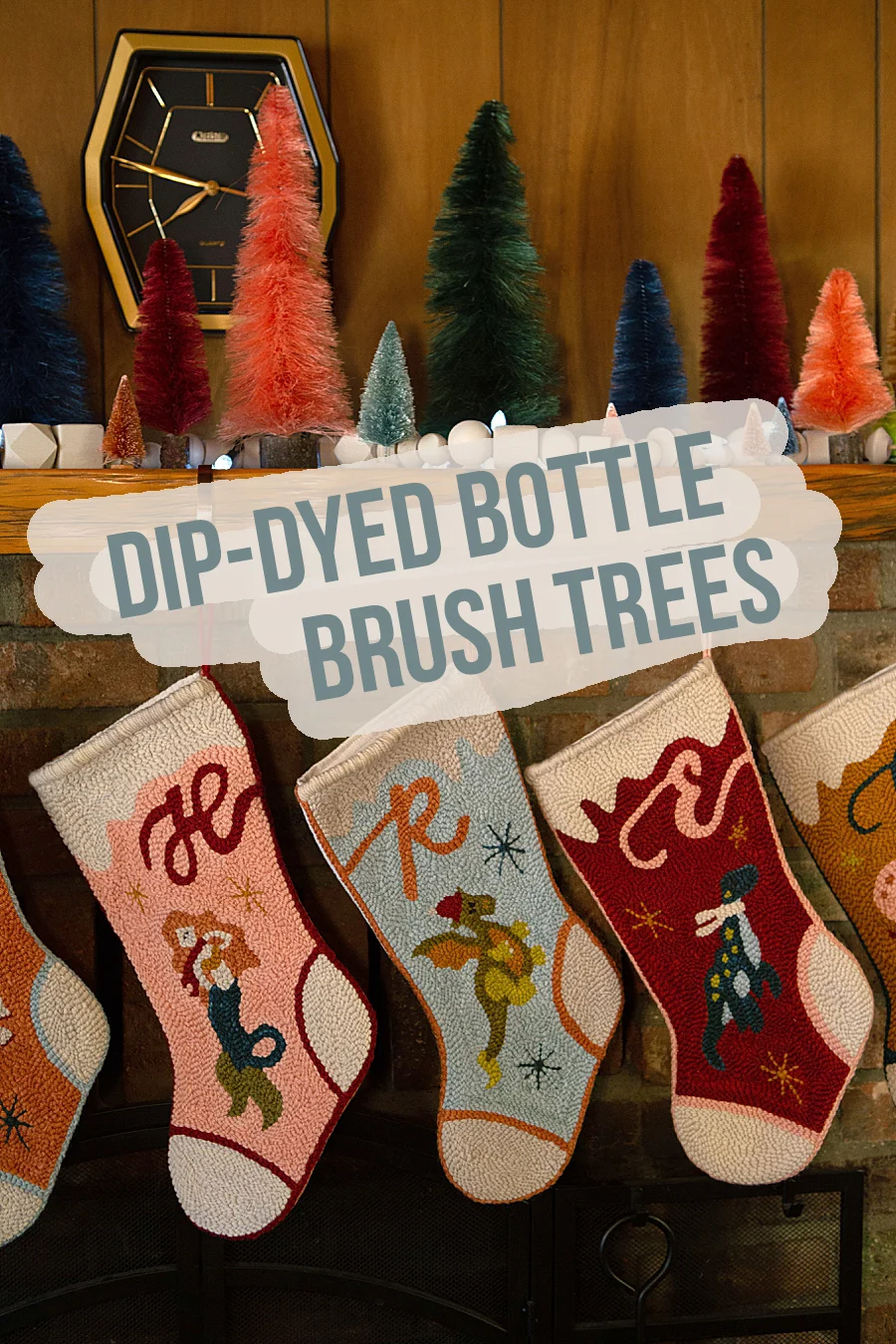
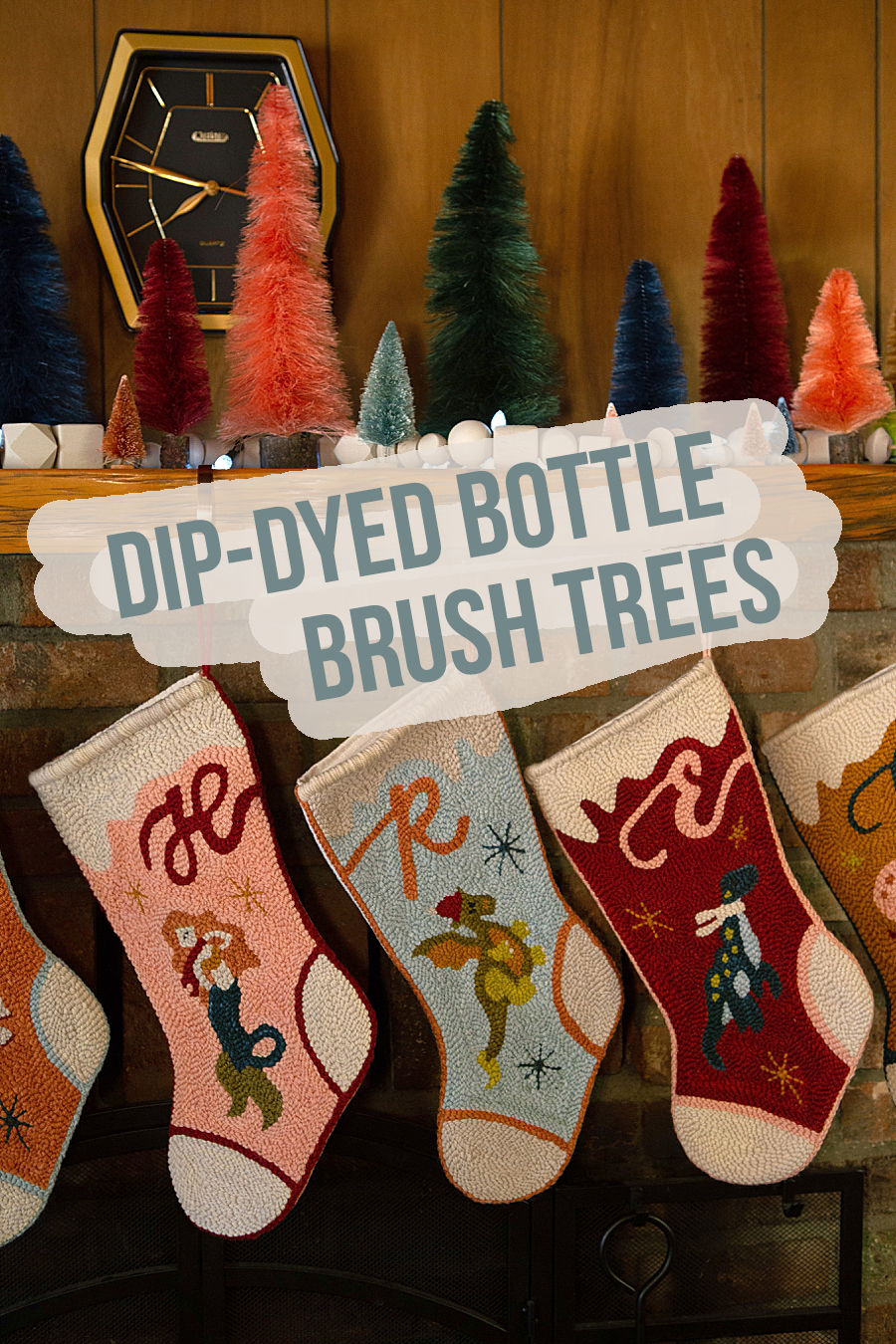
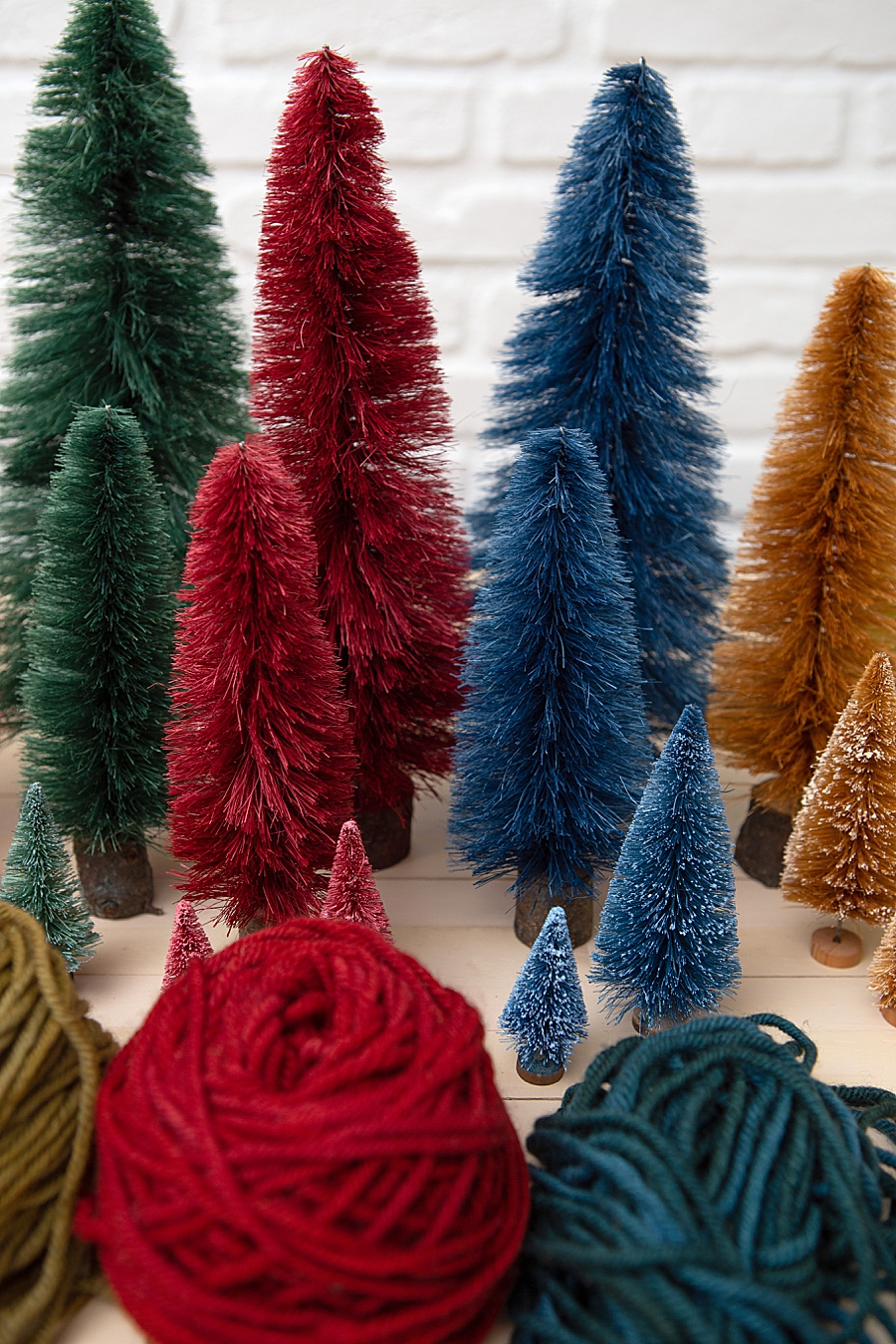
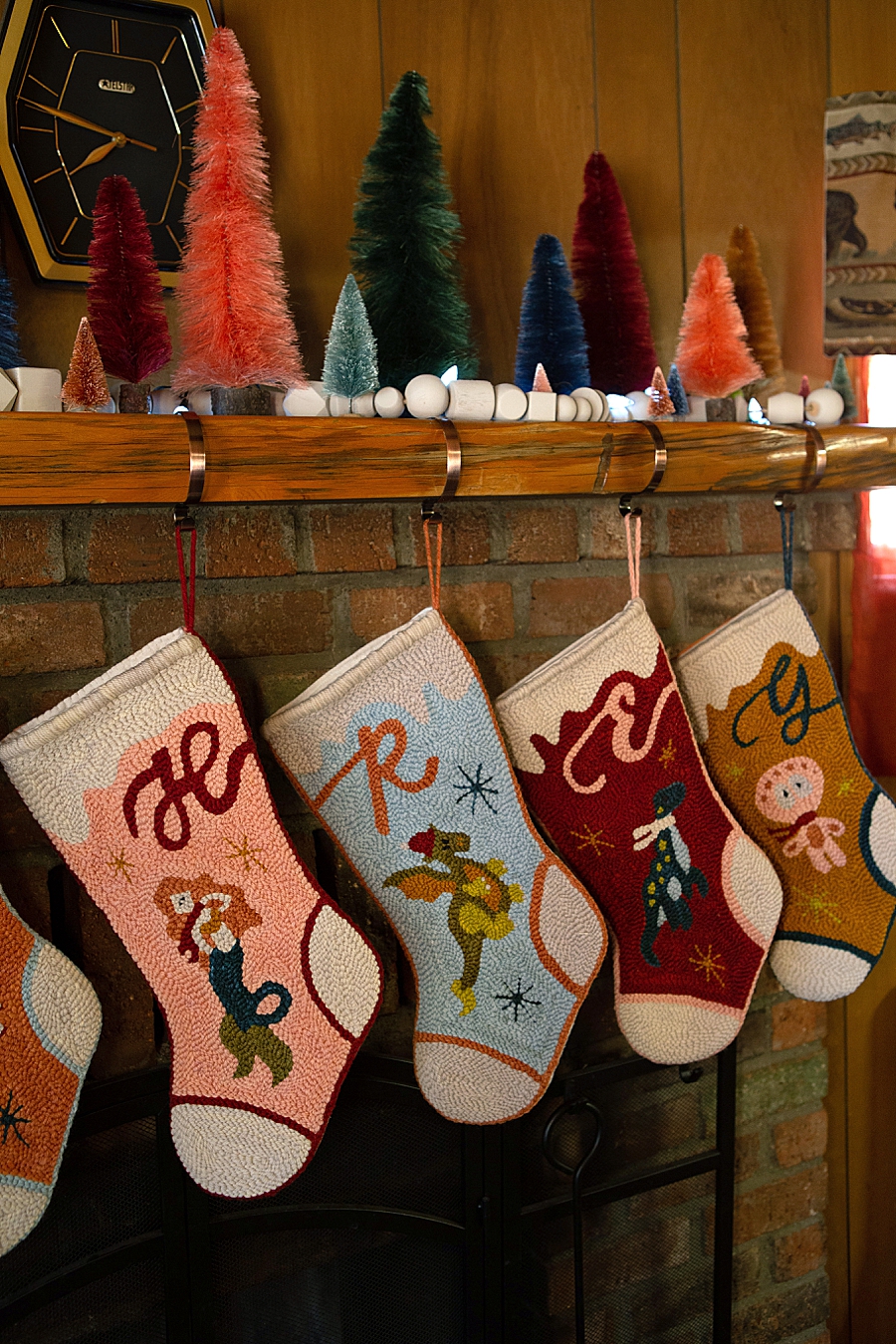
The holiday decoration industry is currently witnessing a significant shift in consumer behavior, as a growing segment of the market moves away from mass-produced, imported goods in favor of domestically manufactured, artisanal products. This trend is exemplified by the rising popularity of customizable holiday elements, such as bottle brush trees, which offer consumers the ability to achieve specific aesthetic goals through technical DIY processes. Recent developments in the "slow decor" movement highlight a preference for high-quality, handmade items that can be tailored to match existing home textiles, such as heirloom-quality punch needle stockings. This transition reflects a broader economic and cultural narrative regarding supply chain transparency, the "Made in USA" movement, and the increasing technical sophistication of home-based crafting.
The Economic Context of Domestic Artisanal Sourcing
For decades, the holiday decor market has been dominated by large-scale manufacturing hubs in East Asia. However, market analysis indicates that consumer fatigue regarding the quality and uniformity of these imports has reached a tipping point. According to retail data from the National Retail Federation, holiday spending continues to grow, but there is a marked increase in the "boutique" sector, where shoppers prioritize unique, handmade items over bulk-purchased plastics.
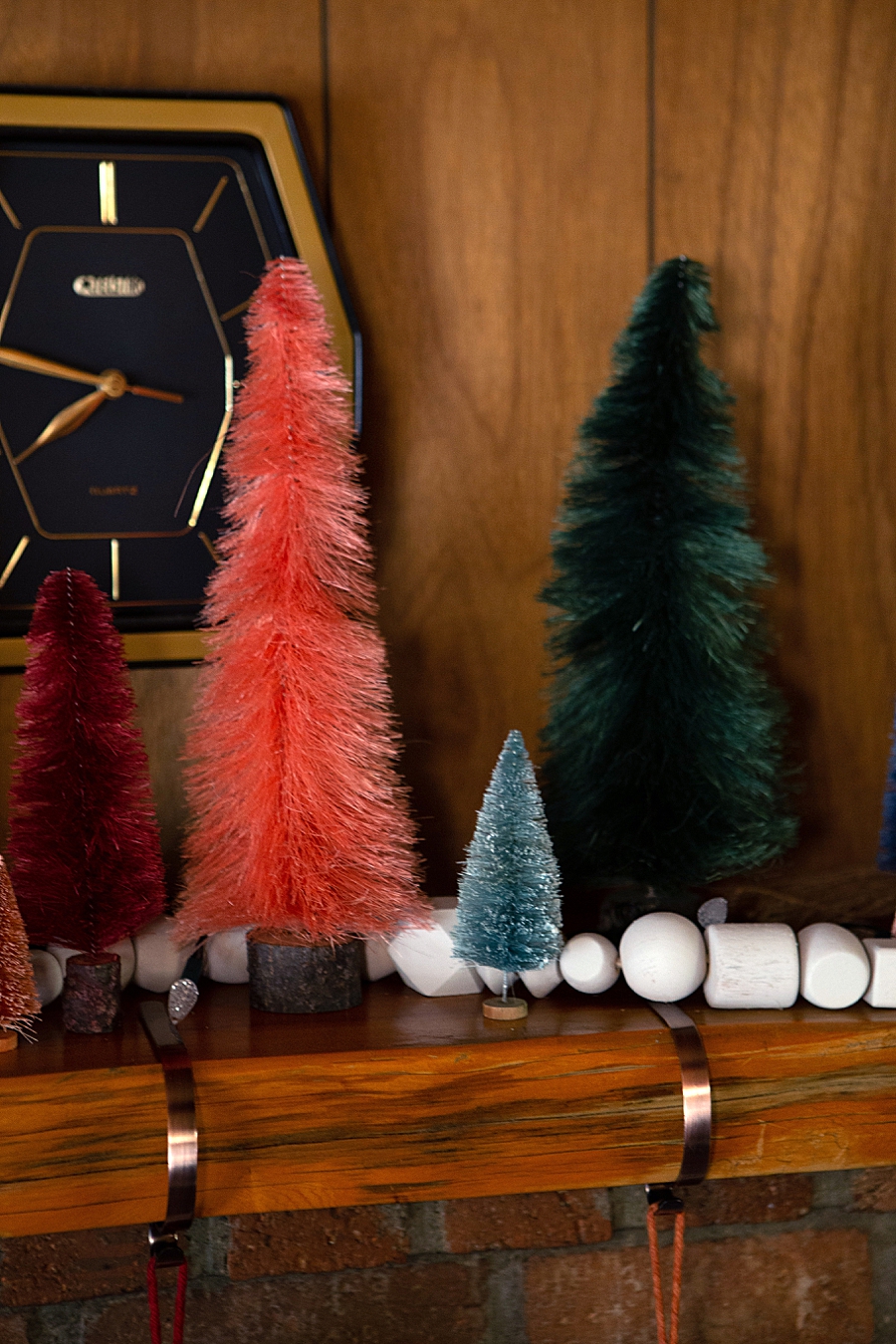
The search for American-made holiday staples often leads consumers to platforms like Etsy, which saw a significant surge in active sellers and buyers over the last three fiscal years. One such artisan, Rachel of Studio59 Handmade, has gained attention for her production of sisal-based bottle brush trees. These items, constructed with traditional methods, serve as a blank canvas for designers and hobbyists who require specific color palettes that are not available in the standard retail market. By offering trees in various widths—classic, thin, and wide—and heights ranging from 4 to 12 inches, domestic artisans are filling a niche for high-specification holiday architecture.
Technical Specifications and Material Science of Dip-Dyeing
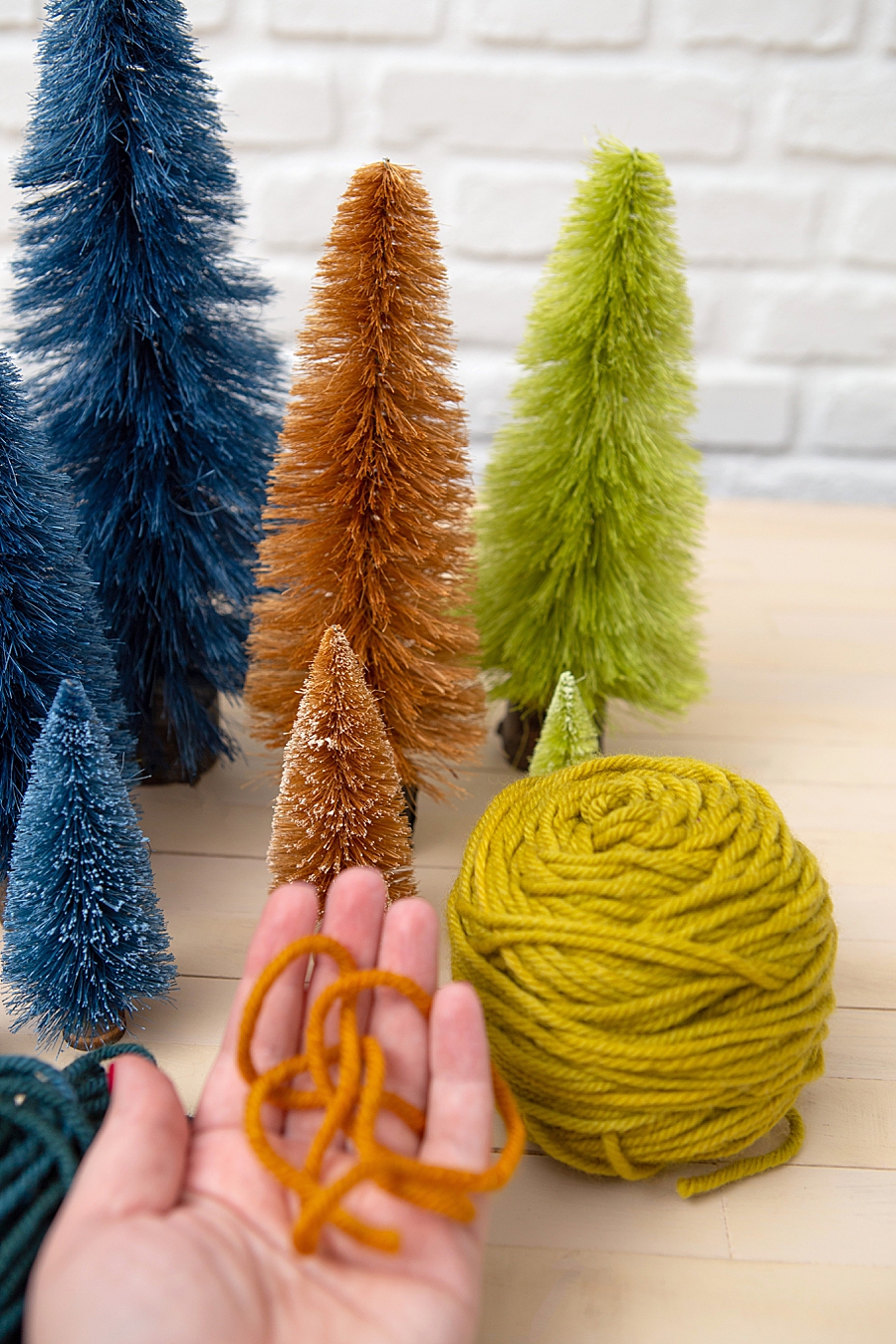
The process of customizing these botanical replicas involves a sophisticated understanding of material science and color theory. Most high-quality bottle brush trees are manufactured from sisal, a natural fiber derived from the Agave sisalana plant. Sisal is highly absorbent, making it an ideal substrate for aqueous dye solutions.
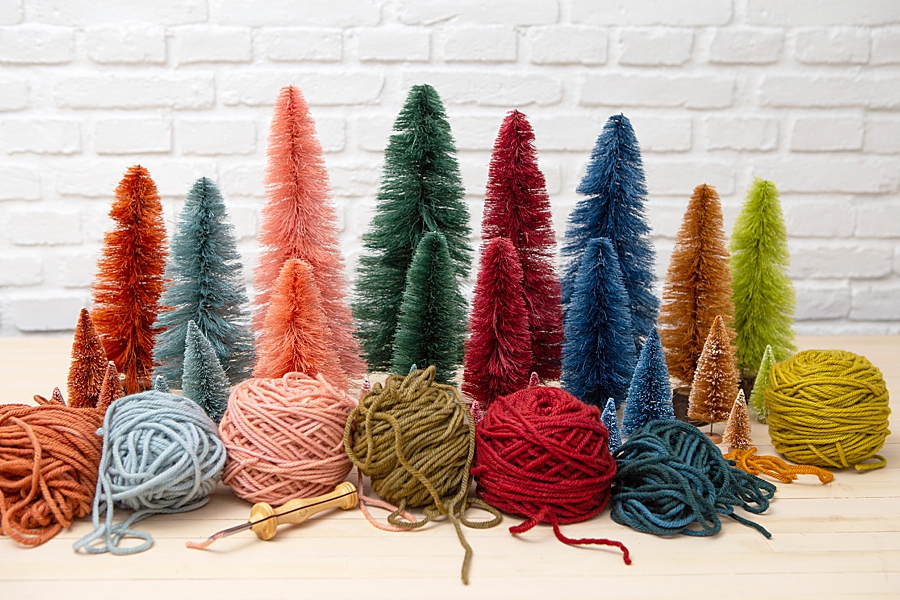
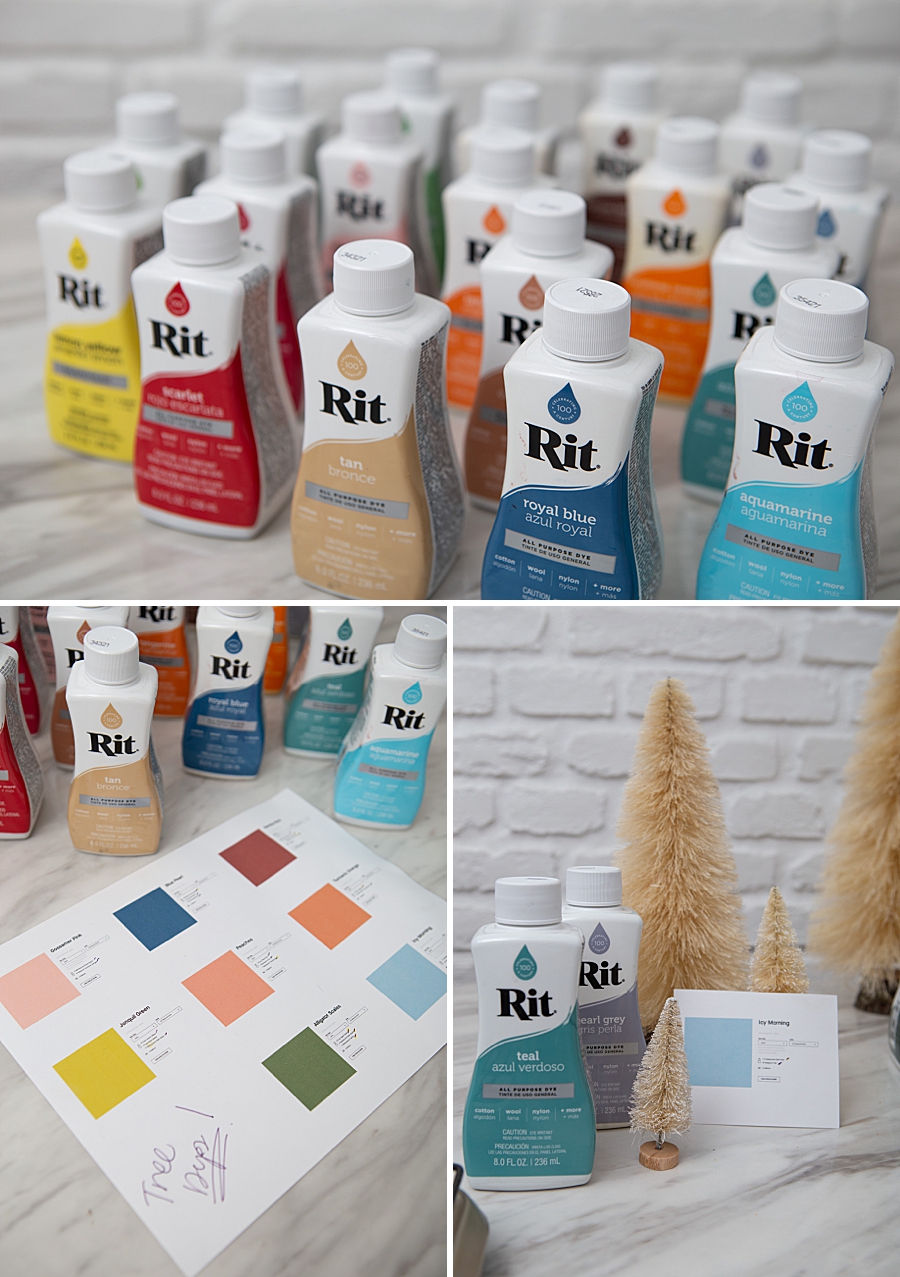
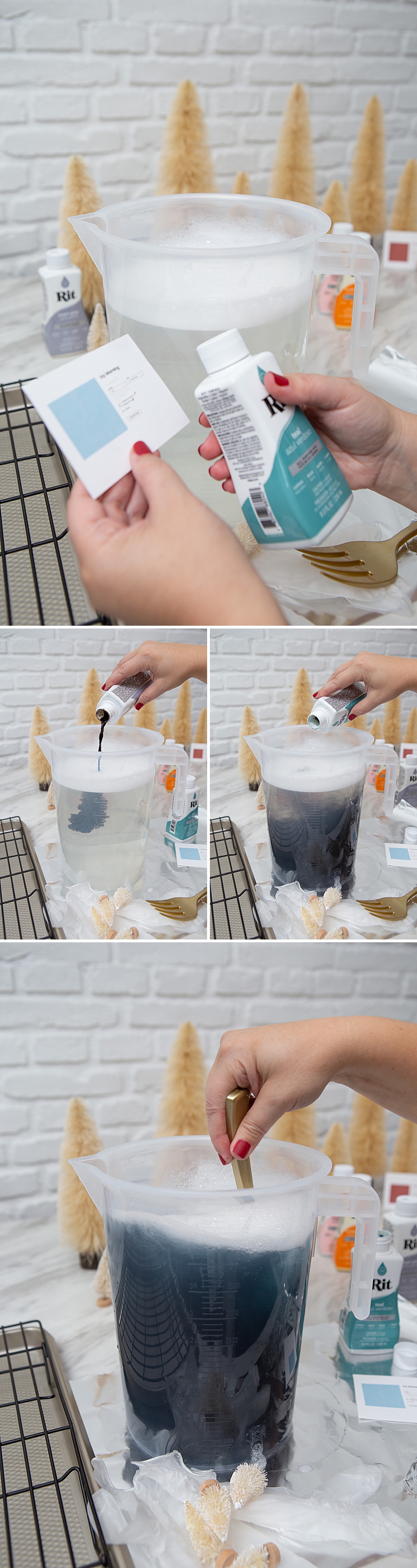
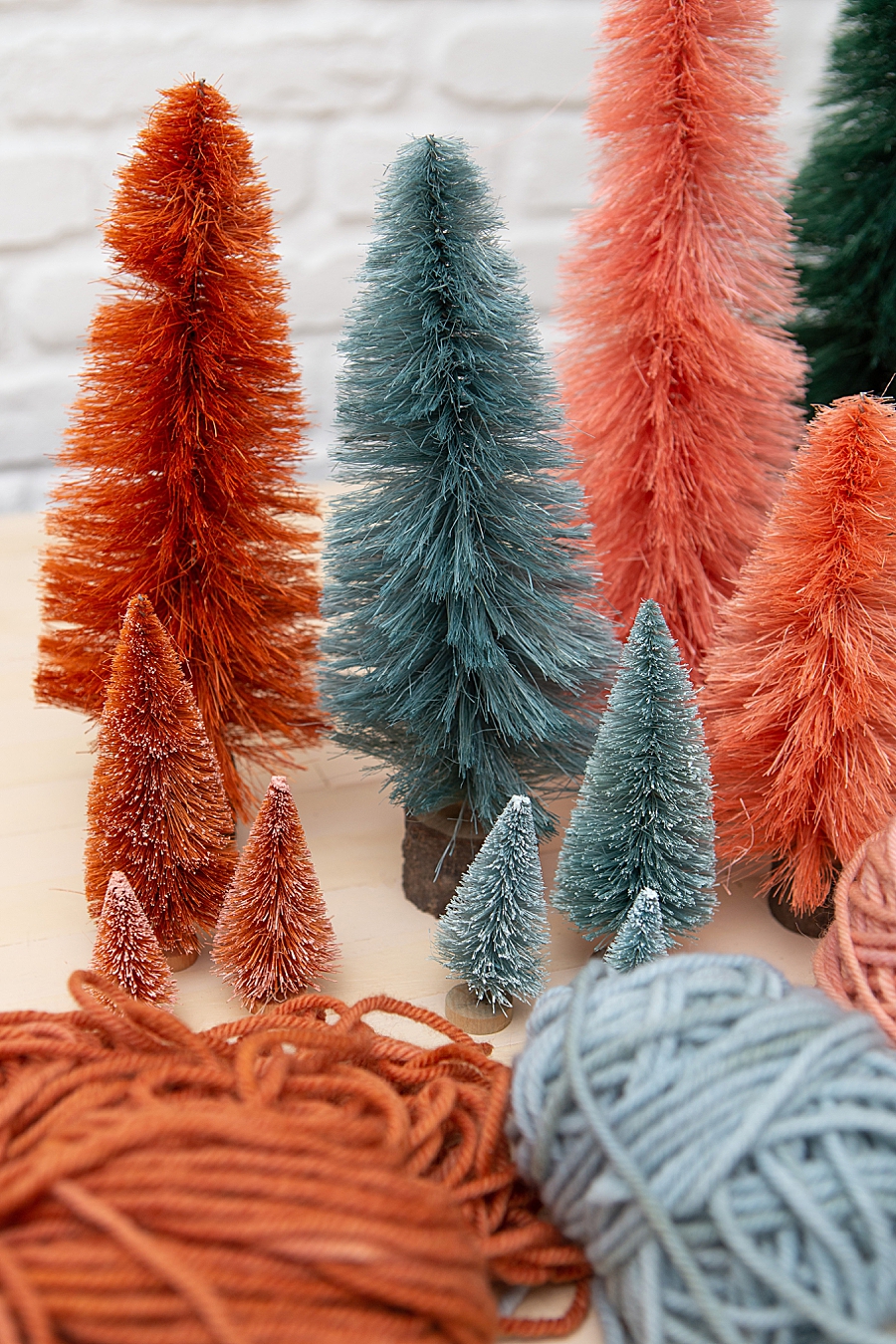
To achieve precise color matching—specifically to match luxury yarns such as the Cardo line by Manos del Uruguay—designers utilize concentrated acid or all-purpose dyes. Rit Dye, a leader in the domestic dye market, provides a comprehensive "Color Formulas" database that allows users to replicate thousands of specific shades by mixing primary and secondary liquid dyes in exact proportions.
The chemistry of the dyeing process requires several key components:
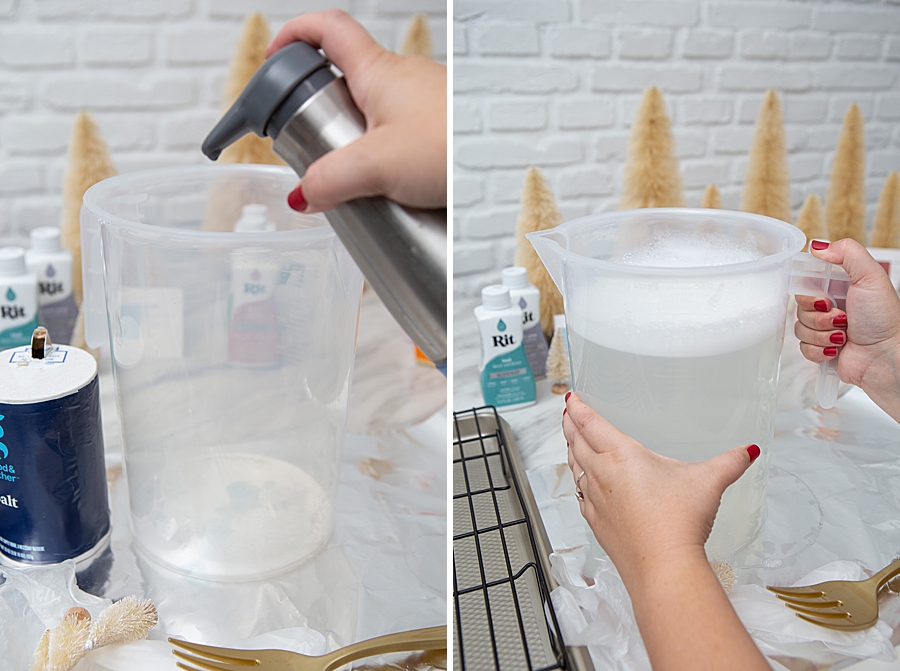
- Surfactants: The addition of dish soap to the dye bath reduces the surface tension of the water, allowing the dye to penetrate the dense sisal fibers more evenly.
- Leveling Agents: Sodium chloride (salt) is used to help the dye molecules migrate to the fibers and distribute uniformly, preventing splotchiness or uneven saturation.
- Thermal Energy: The use of near-boiling water is essential for opening the microscopic pores of the natural fibers, ensuring a permanent bond between the pigment and the substrate.
A Chronological Overview of the Customization Process
The execution of a custom-dyed holiday display follows a rigorous protocol to ensure professional-grade results. Industry experts and DIY practitioners follow a standardized timeline to achieve these results.
Phase I: Sourcing and Selection
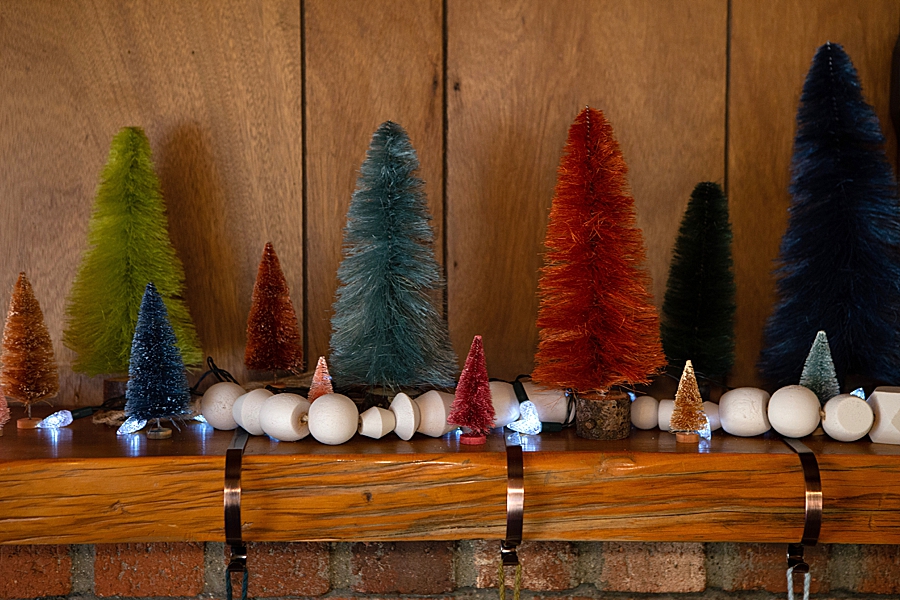
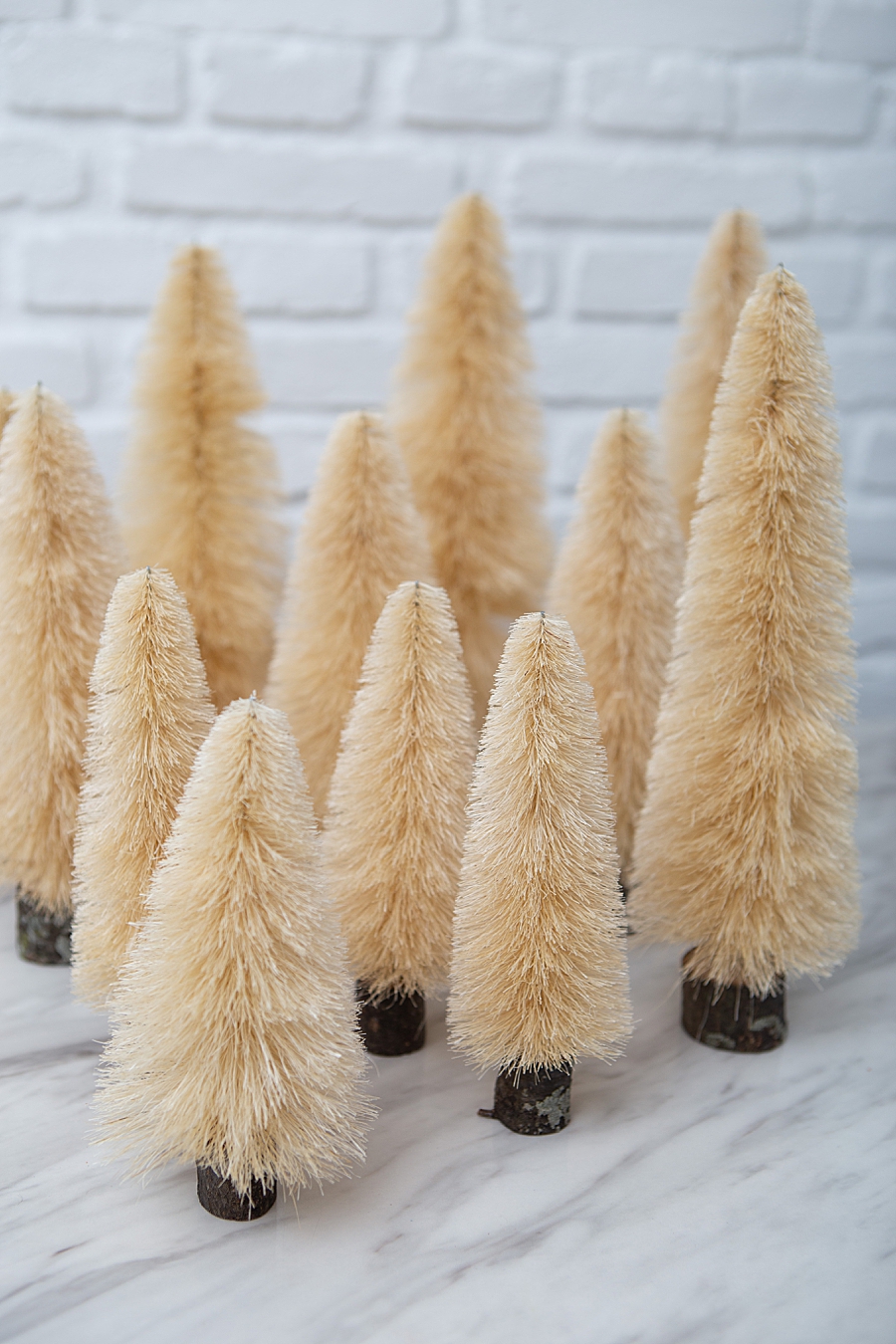
The process begins with the procurement of "natural" or unbleached sisal trees. The selection of various heights and widths is crucial for creating visual interest in a "holiday forest" display. For a standard mantle display, a set of 15 trees of varying dimensions is often considered the baseline for a professional aesthetic.
Phase II: Formula Preparation and Testing
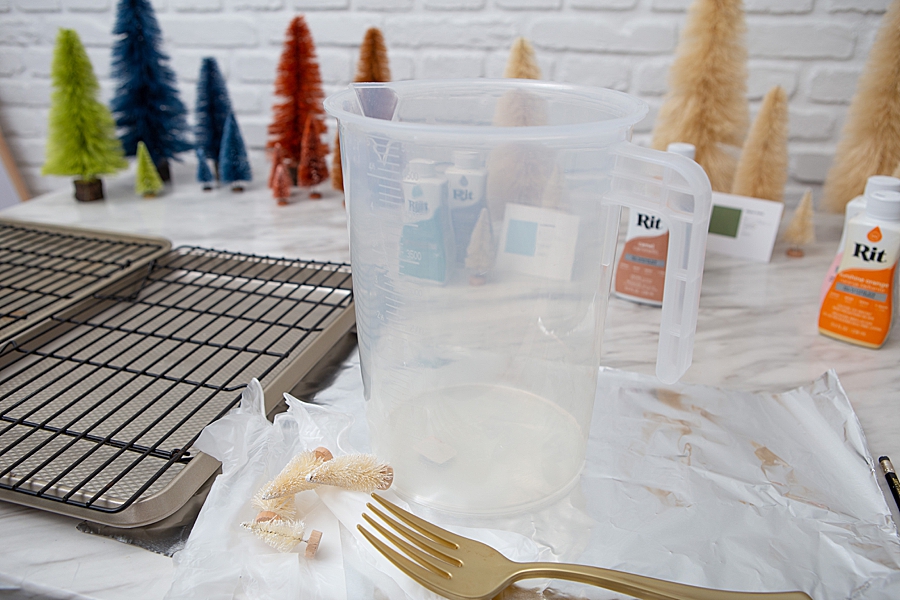
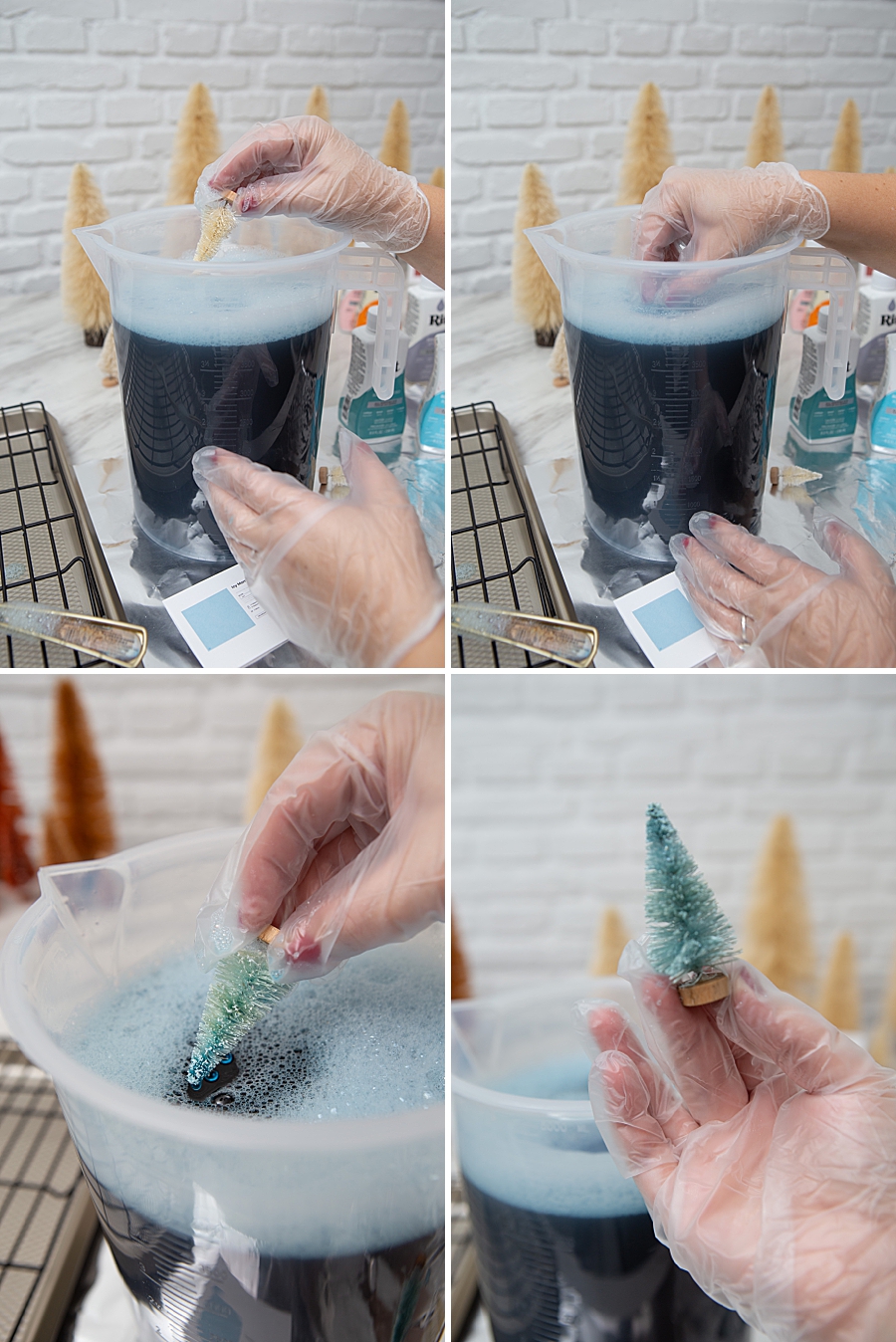
Before the primary application, color formulas are selected from a digital library. These formulas are often scaled to a one-gallon water ratio. A critical step in the professional process is the "test dip." Practitioners often use smaller, less expensive "tester trees" to verify the color accuracy before committing high-value handmade trees to the dye bath. This phase mitigates the risk of financial loss associated with ruined artisanal goods.
Phase III: The Dyeing Procedure
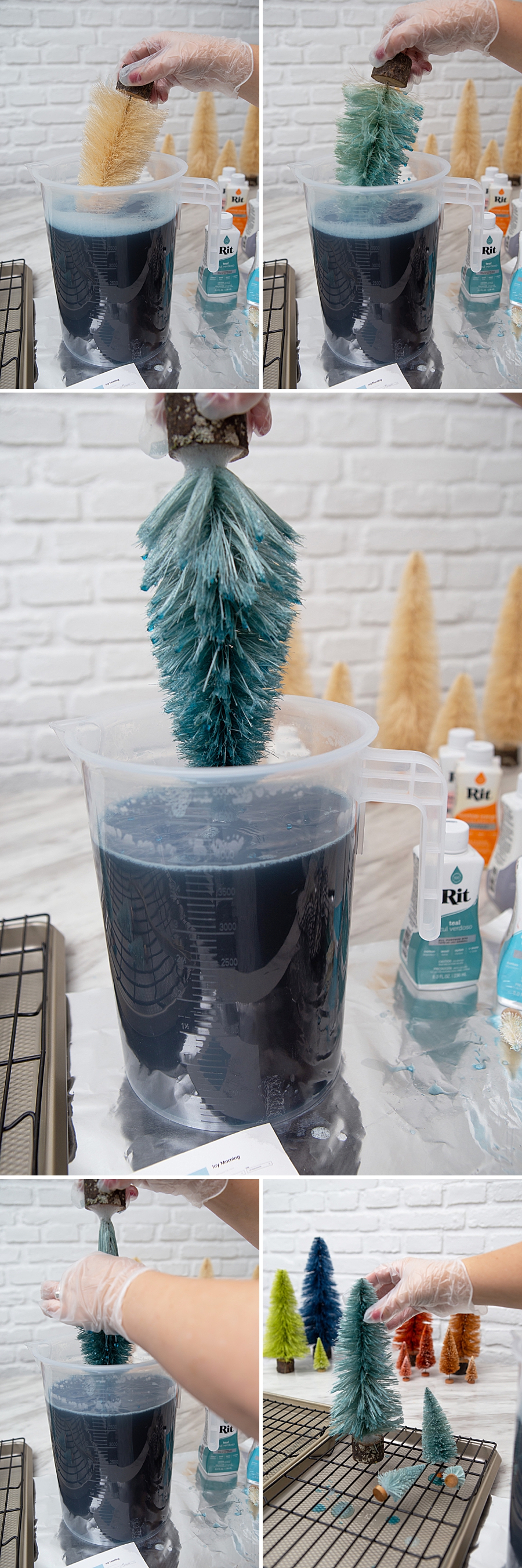
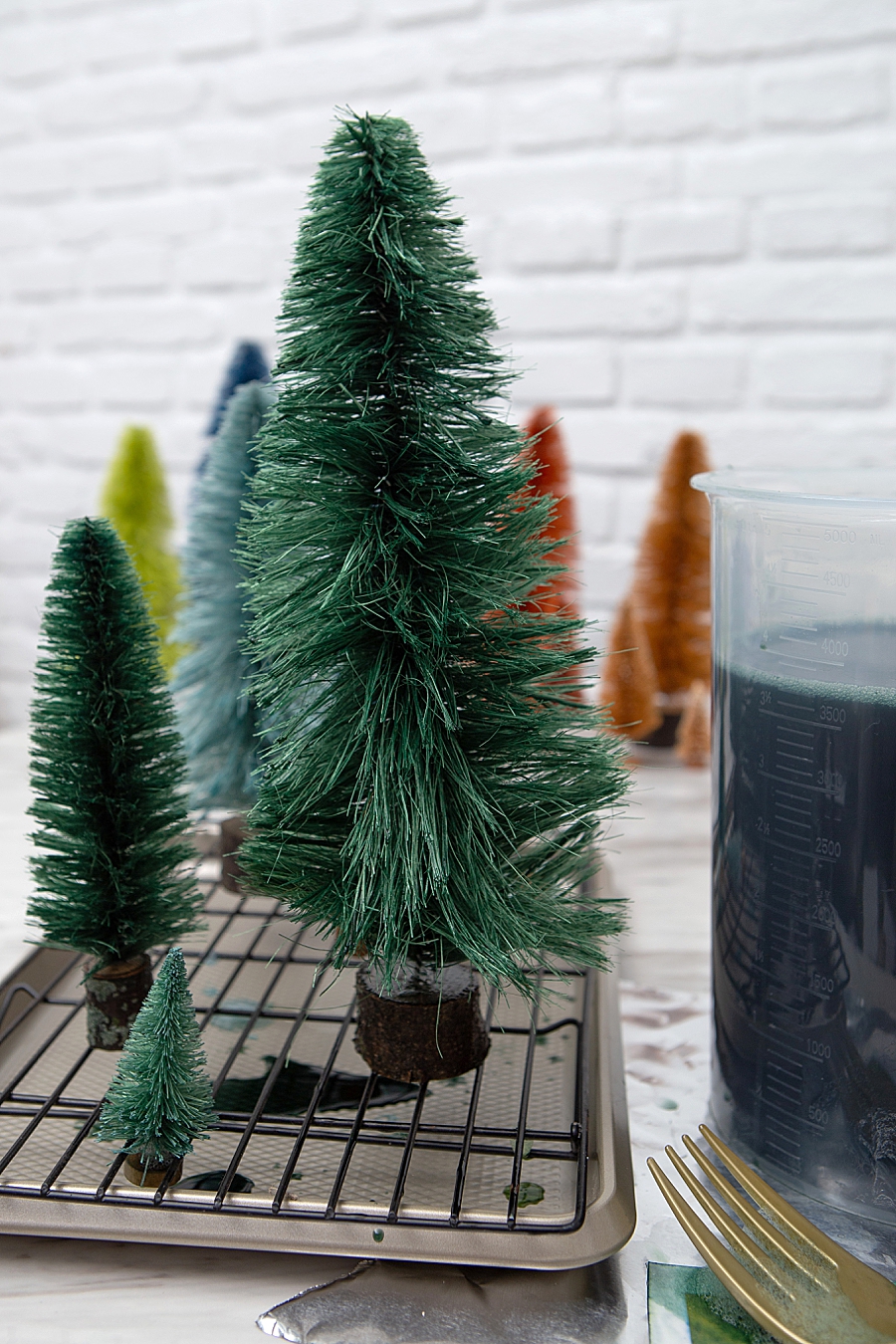
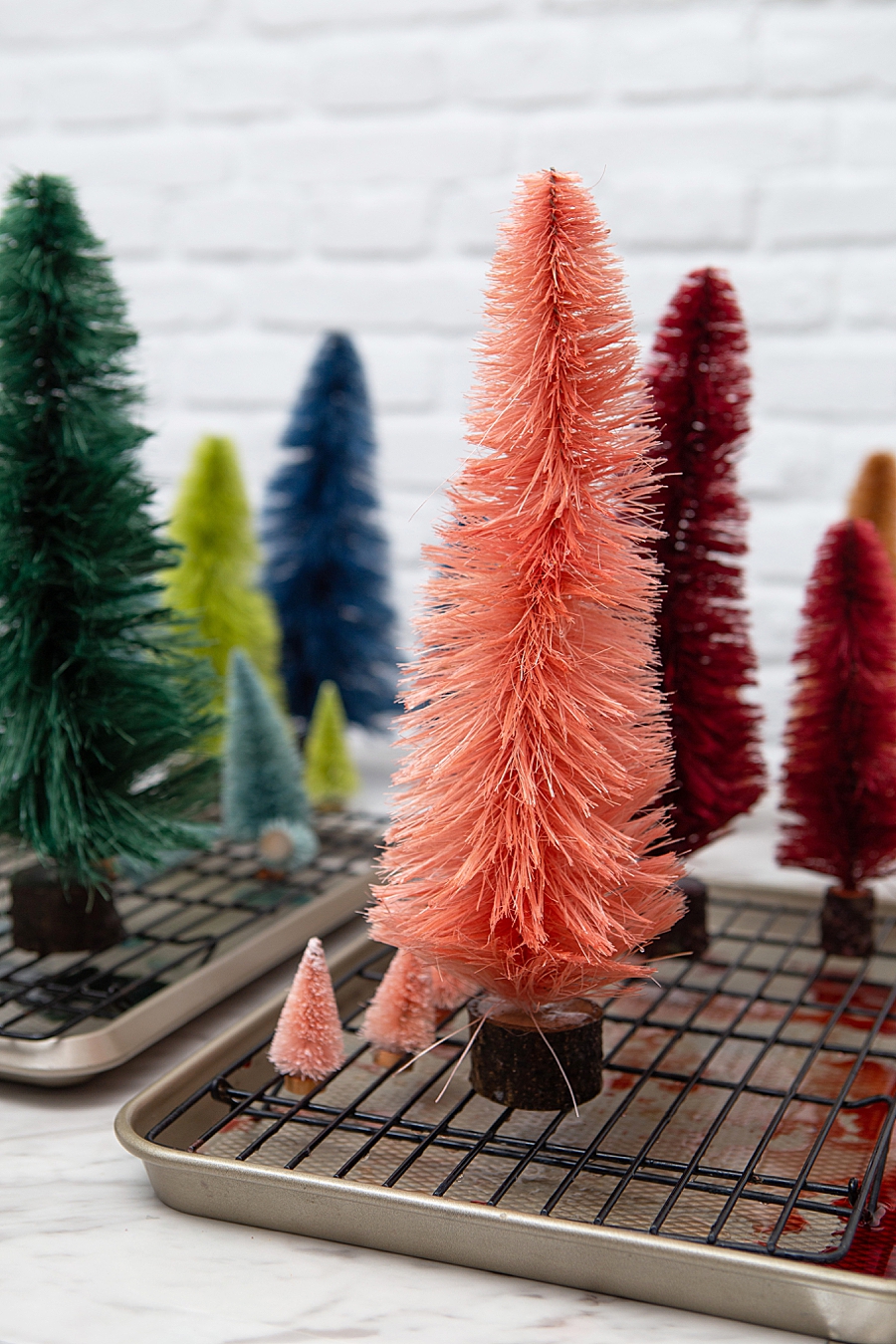
The immersion process typically lasts between 30 and 60 seconds, depending on the desired saturation. Following immersion, the excess liquid must be manually removed to prevent "pooling" of color at the base of the tree. The trees are then placed on cooling racks over industrial baking sheets to allow for 360-degree air circulation.
Phase IV: Curing and Integration
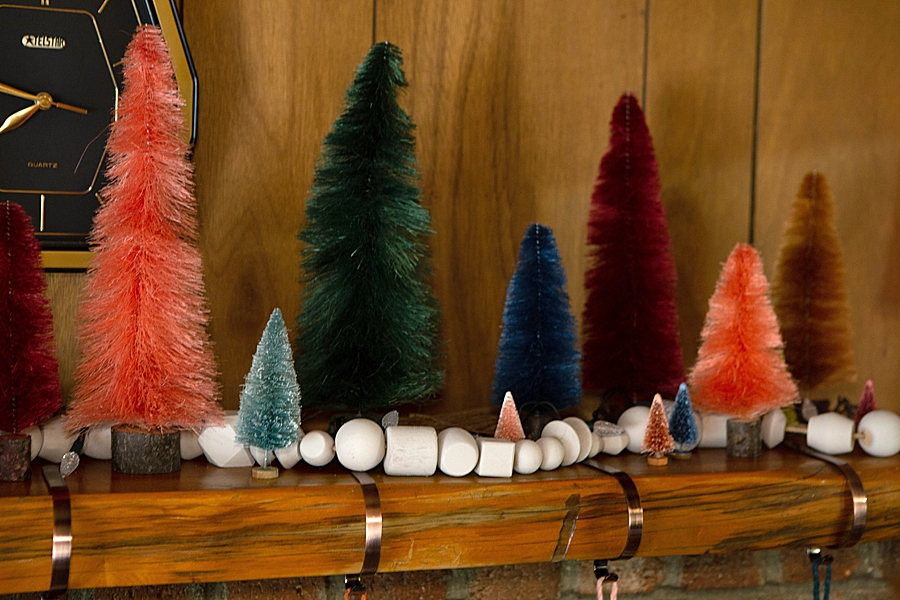
A 24-hour drying period is standard. Once cured, the trees are integrated into larger decor schemes, such as being paired with punch needle stockings. This final phase represents the culmination of the "matched decor" philosophy, where disparate elements of a room are unified through a singular color story.
Supporting Data: The Rise of the "Etsy Economy"
The shift toward projects like custom-dyed trees is supported by significant economic data. In 2022, Etsy reported that its marketplace supported $13.3 billion in gross merchandise sales. Within this ecosystem, the "Home & Living" and "Seasonal Decor" categories are among the fastest-growing. Consumers are increasingly willing to pay a premium for "natural" materials over synthetic alternatives. A handmade sisal tree may cost three to five times more than a plastic counterpart from a big-box retailer, yet the demand remains high due to the longevity and customizable nature of the product.
Furthermore, the "DIY" (Do-It-Yourself) sector has evolved into a "DIT" (Do-It-Together) culture, fueled by social media platforms like Instagram and TikTok. The use of hashtags such as #somethingturquoisediy allows for a decentralized peer-review system where creators can share successes, troubleshoot chemical ratios, and provide real-time feedback on product quality from various suppliers.
Official Responses and Consumer Sentiment
While large-scale manufacturers have not officially commented on the loss of market share to small-batch artisans, the actions of companies like Rit Dye suggest a pivot toward supporting this high-end hobbyist market. By releasing detailed color formulas and partnering with creators, legacy brands are repositioning themselves as essential tools for the "new artisanal" economy.
Consumer sentiment, as gathered from craft forums and social media engagement, indicates a strong preference for transparency. "Knowing who made the base product—in this case, an American artisan—adds a layer of value that isn’t present in mass-market goods," states a report on consumer psychology in the crafting industry. This "provenance value" is a key driver in the decision to invest time and resources into dyeing one’s own decorations.
Broader Impact and Implications for the Future
The implications of this trend extend beyond holiday decorating. It signals a move toward a more sustainable and intentional form of consumerism. Sisal trees are biodegradable, and the move toward "heirloom" stockings suggests a rejection of the "disposable decor" culture that has dominated the last two decades.
Moreover, the technical skills being cultivated by the DIY community—understanding dye ratios, fiber reactions, and color theory—are contributing to a resurgence of domestic craft literacy. This "new craft" movement bridges the gap between traditional folk art and modern interior design.
As the market continues to evolve, it is expected that more domestic manufacturers will emerge to provide raw materials for customization. The success of artisans like those at Studio59 Handmade provides a blueprint for other small businesses to thrive by offering high-quality, specialized products that cannot be replicated by mass-production lines. In the long term, this may lead to a more robust domestic supply chain for specialty home goods, reducing reliance on international shipping and providing consumers with the specific, high-quality items they increasingly demand.
In conclusion, the practice of dip-dyeing bottle brush trees to match custom textiles is more than a simple holiday craft; it is a manifestation of a significant economic shift toward artisanal quality, domestic production, and technical customization in the modern home. Through the intersection of material science, digital resources, and traditional craftsmanship, consumers are redefining the aesthetic and ethical standards of their holiday environments.