
Technical Overview and Design Philosophy
The "Sprinkle Penguin" design is an extension of the "sprinkle girl" aesthetic, a stylistic lineage in cake decorating that prioritizes the use of nonpareils—tiny, spherical sugar pearls—to create vibrant, textured "skins" over traditional buttercream. This method allows for a high degree of customization while masking minor imperfections in the underlying frosting, making it a viable project for both amateur enthusiasts and professional pastry chefs looking for efficient high-impact designs.
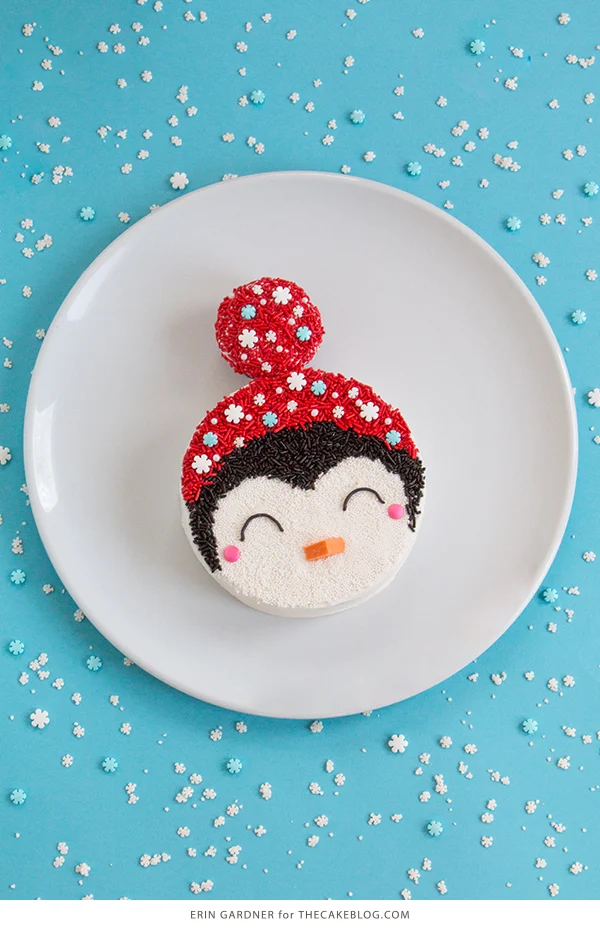
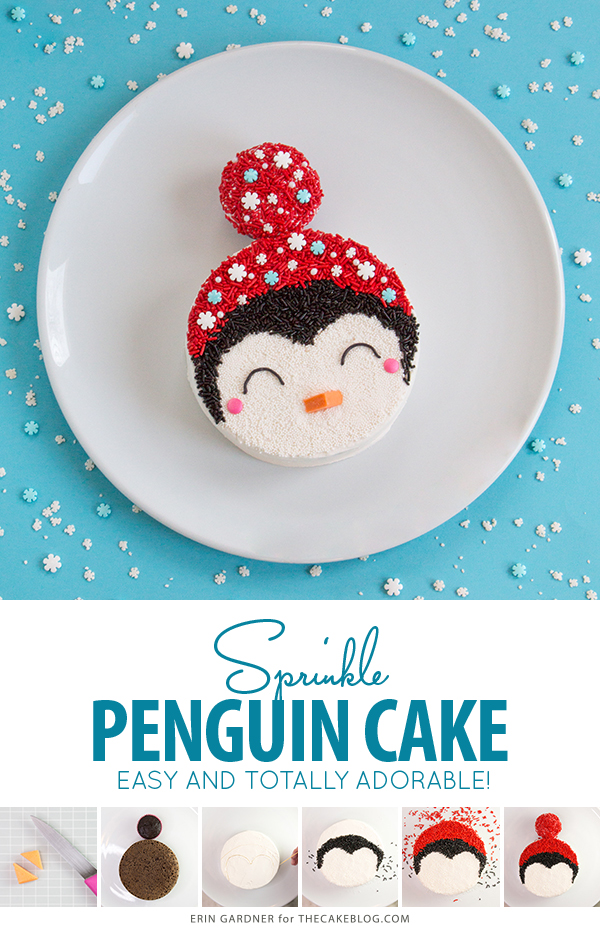
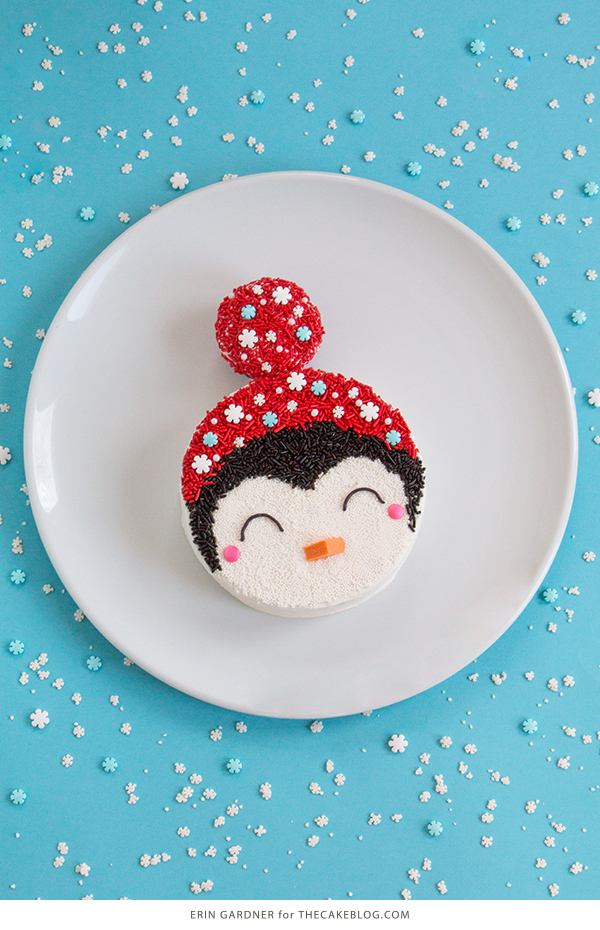
The core of the project involves a standard round cake base, which serves as a canvas for a multi-tonal sprinkle application. By utilizing the physical properties of buttercream as an adhesive, the decorator can "map" out complex characters. The penguin design specifically utilizes a three-color palette: white for the facial features, black for the body, and a vibrant red for the seasonal headwear. This color blocking is achieved through a sequence of guided applications that ensure clean lines and distinct boundaries between the different colored sections.
Chronology of the Assembly Process
The construction of the sprinkle-coated penguin follows a strict chronological sequence to ensure structural integrity and visual clarity. According to the technical specifications provided by Gardner, the process is divided into four distinct phases:
Phase I: Substrate Preparation and Mapping
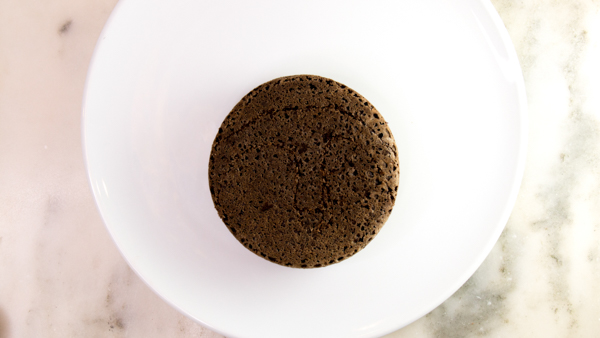
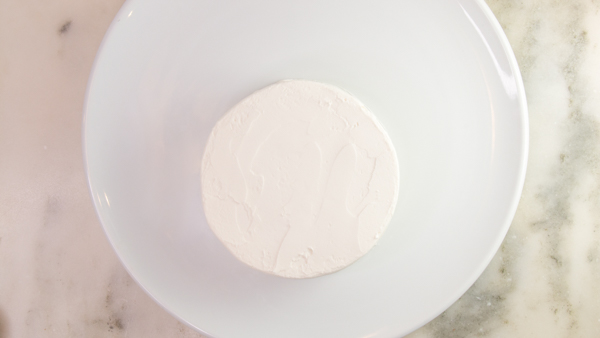
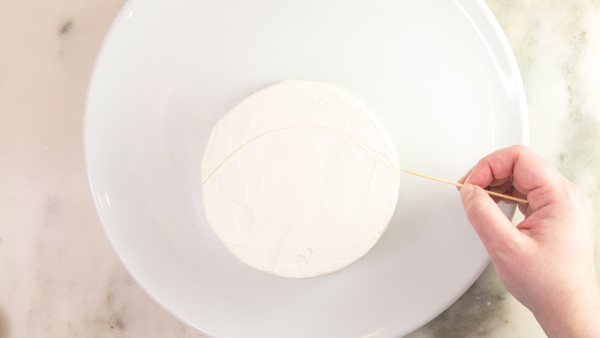
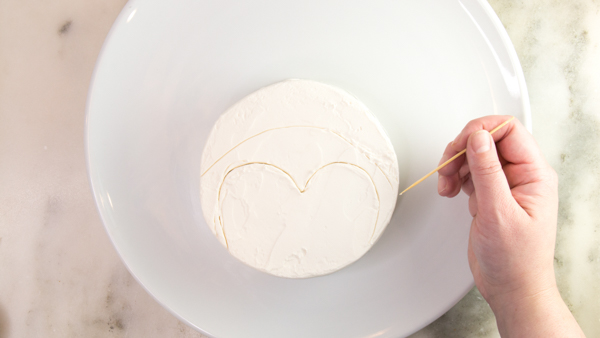
The process begins with the application of a "crumb coat" followed by a thick secondary layer of plain buttercream. Unlike traditional smooth-finish cakes, the surface does not require absolute leveling, as the subsequent sprinkle layer provides total coverage. Once the buttercream is applied, a "mapping" phase occurs. Using a toothpick or fine skewer, the decorator etches a half-moon shape across the top third of the cake to designate the hat area. Below this, an open-bottom heart shape is traced to define the penguin’s face. This structural blueprint is essential for maintaining the character’s proportions during the sprinkle application.
Phase II: Primary Sprinkle Application
The application of nonpareils follows the "inside-out" principle of graphic design. The largest central area—the white face—is filled first. This is achieved by spooning white nonpareils onto the designated heart shape and smoothing them with the back of a spoon to ensure an even distribution. This is followed by the application of black sprinkles to form the "skin" or body of the penguin. The final section of the main cake to be coated is the red hat area. To manage the environmental impact of the loose sugar spheres, the cake is typically placed on a rimmed baking sheet during this phase to collect and recycle overflow.
Phase III: Structural Additions
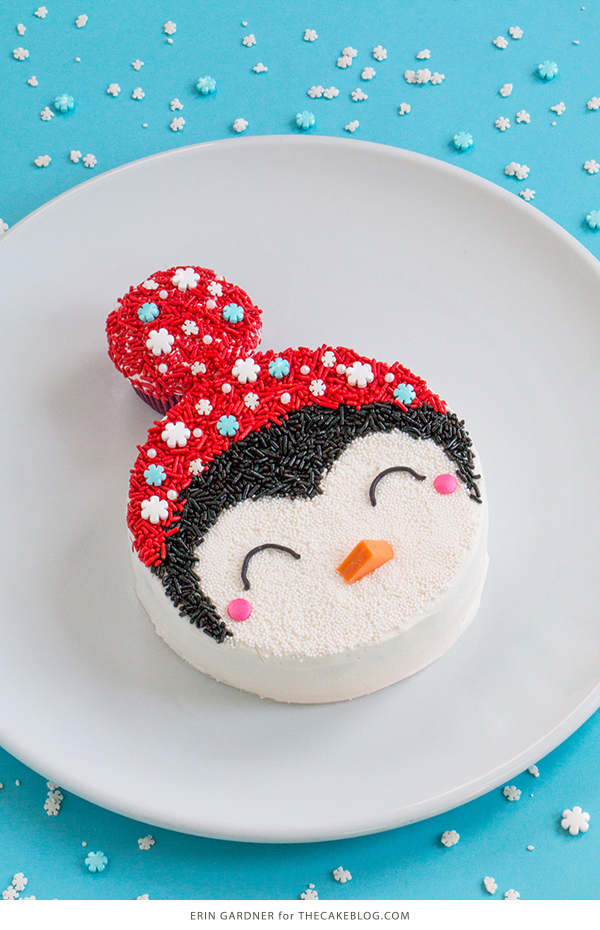
To provide a three-dimensional element to the design, a standard cupcake is utilized as a "pom-pom" for the penguin’s hat. The cupcake is inverted, coated in buttercream, and dipped entirely in red sprinkles before being adhered to the base of the cake platter with a small amount of frosting. This addition transforms the flat top of the cake into a dynamic, multi-leveled sculpture.
Phase IV: Fine Detailing and Features
The final phase involves the "facial architecture." A yellow or orange chewy candy (such as a Starburst) is sliced diagonally to create a triangular beak. This is pressed into the center of the white sprinkle field. Flanking the beak, two pink confetti sprinkles are placed to represent cheeks. The eyes are added using a piping bag fitted with a small round tip, applying black buttercream in two semi-circles. The design is finalized with the addition of snowflake-shaped sprinkles on the hat, providing a thematic "winter" finish.
Market Context and Consumer Trends
The rise of tutorials such as the Penguin Cake coincides with a documented increase in consumer spending on "DIY" culinary experiences. Market research indicates that during the Q4 holiday season, search volume for "novelty baking tutorials" increases by approximately 45% annually. The Penguin Cake addresses a specific niche: the "small holiday celebration" or "winter birthday," where consumers desire a centerpiece that is both festive and photogenic.
Furthermore, the "kawaii" (cute) aesthetic—characterized by simplified features and rounded shapes—has proven to be a significant driver of digital engagement. By providing a template that is easily modified (e.g., adding chocolate sunglasses or varying hat colors), the tutorial taps into the consumer’s desire for "mass-customization," a trend where individuals follow a professional framework but add personal flourishes.
Material Analysis and Ingredient Performance
The success of the sprinkle-coated penguin is heavily dependent on the chemical interaction between the buttercream and the nonpareils. Professional analysis suggests that the type of buttercream used significantly impacts the longevity of the design.
- Moisture Migration: Sprinkles are primarily composed of sugar and food coloring. When placed in contact with high-moisture buttercream, the sugar begins to dissolve, a process known as "bleeding." To mitigate this, experts recommend finishing the cake on the day of service.
- Adhesion Factors: A "crusty" buttercream (high in powdered sugar) provides a stable base but must be worked with quickly before it sets. Conversely, Swiss Meringue Buttercream (high in fat/butter) remains tacky longer, allowing for more precise sprinkle placement but requiring colder storage temperatures to maintain structural integrity.
- Storage Protocols: Leftovers must be stored based on the stabilization of the dairy components. While the cake can sit at room temperature in an airtight container for short periods, refrigeration is required for long-term safety. However, the high humidity of standard refrigerators can accelerate the softening of the sprinkle "shell."
Expert Perspectives and Community Impact
Industry experts note that the democratization of complex cake designs via digital platforms has fundamentally changed the relationship between professional contributors and home bakers. Erin Gardner’s approach—utilizing toothpicks for corrections and spoons for leveling—removes the "barrier to entry" often associated with professional pastry work.
"The idea is to create a ‘fabulous sprinkle universe,’" Gardner noted regarding the conceptual origin of the design. This sentiment reflects a broader industry shift away from the stark, minimalist designs of the mid-2010s toward more exuberant, maximalist textures.
The community response to such tutorials often centers on the "stress-free" nature of the process. By emphasizing that "all flaws will be covered with sprinkles," the tutorial addresses the primary anxiety of the home baker: the inability to achieve a perfectly smooth fondant or buttercream finish. This "forgiving" design philosophy is credited with increasing the success rate among amateur decorators, leading to higher rates of social media sharing and brand loyalty for the platforms hosting the content.
Broader Implications for the Confectionery Industry
The Penguin Cake serves as a case study for the "tutorial economy" in the baking industry. As traditional cookbooks face competition from dynamic digital content, the value of a design lies in its "reproducibility." A design that looks professional but is technically achievable ensures that the content will be "pinned," "saved," and "replicated," driving consistent traffic to culinary blogs and supply manufacturers.
Additionally, this trend influences retail inventories. Retailers have reported a steady demand for specialty sprinkles, such as "snowflake shapes" and "nonpareils," which were once considered niche professional supplies but are now staples in the home baker’s pantry. The Penguin Cake, by specifically calling for these items, reinforces a supply chain that caters to high-detail home confectionery.
In conclusion, the sprinkle-coated penguin cake is more than a seasonal novelty; it is a calculated intersection of culinary technique, market-driven aesthetics, and digital-era accessibility. As winter celebrations continue to favor personalized and high-visual-impact treats, the methodology outlined in Gardner’s tutorial provides a blueprint for the future of domestic cake artistry—one where the "adorable" factor is backed by strategic design and technical precision.