
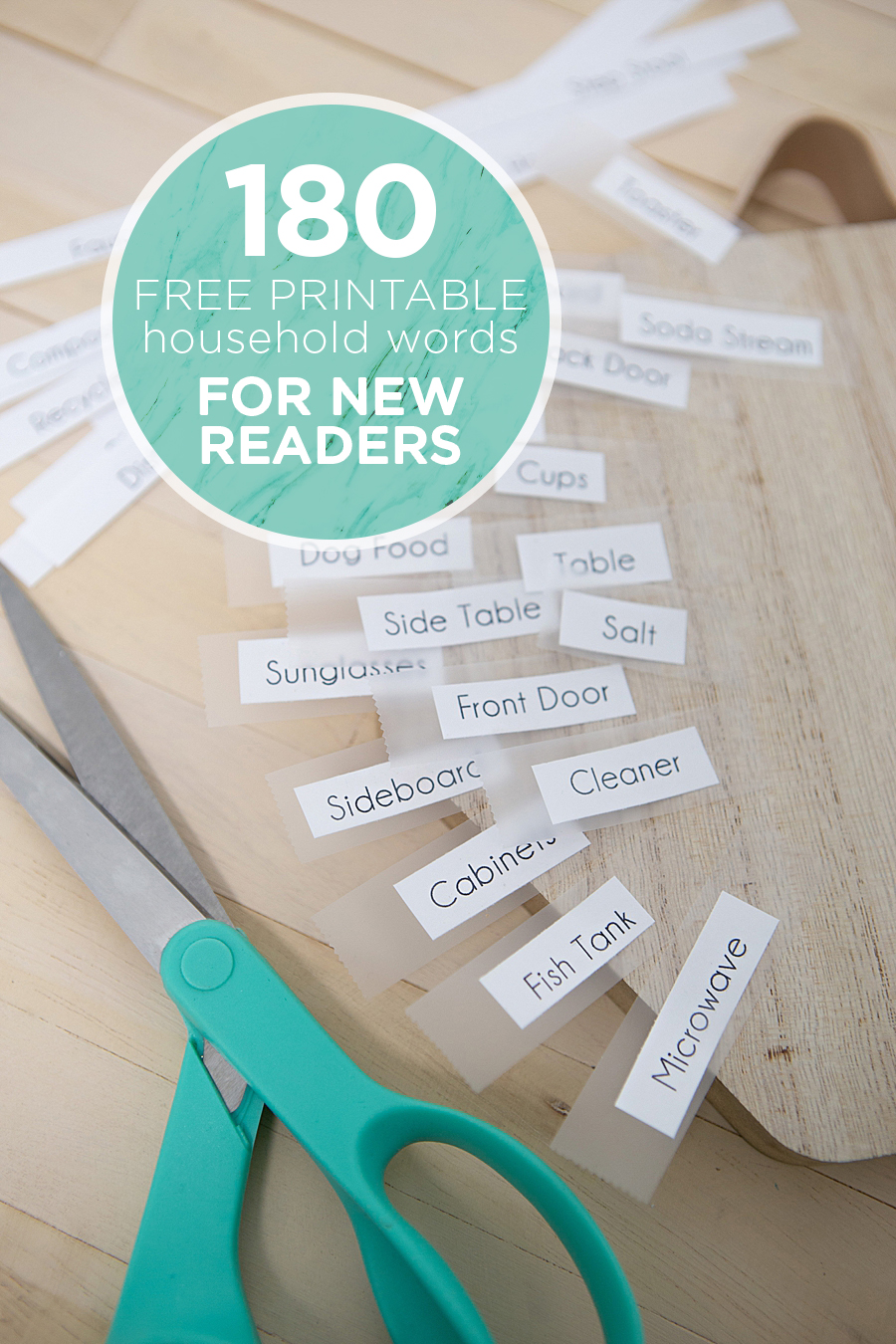
In a strategic shift toward home-integrated educational methodologies, a comprehensive new literacy resource has been introduced to assist early-stage readers in bridging the gap between verbal recognition and written literacy. Developed by Jen Causey-Kidder of the educational DIY platform Something Turquoise, the project utilizes a systematic labeling approach that transforms the domestic environment into a functional learning laboratory. The initiative, centered around a curated list of 180 household words, is designed to capitalize on a child’s existing familiarity with their physical surroundings to reinforce word visualization and phonetic retention.
Educational experts often categorize this approach as the utilization of "environmental print." By labeling common objects that children interact with daily, parents can provide a constant, low-pressure exposure to the written word. This method aligns with established pedagogical theories suggesting that children are more likely to decode and remember words that have immediate, practical relevance to their lives. The project emphasizes functionality over aesthetics, prioritizing high-contrast, legible typography to ensure that the cognitive load remains focused on word recognition rather than decorative interpretation.
The Pedagogical Foundation of Environmental Print
The concept of environmental print is not new to the field of early childhood education, but its systematic application within the private residence represents a growing trend in supplemental home schooling. Research indicates that before children learn to read books, they often begin to "read" their environment—recognizing logos on cereal boxes, stop signs, and familiar storefronts. By extending this concept to interior household items, the Something Turquoise project creates a "literacy-rich environment" that facilitates a natural transition into formal reading.
According to literacy specialists, the primary benefit of this labeling strategy is the reduction of abstraction. For a novice reader, the word "refrigerator" is a complex string of twelve letters. However, when that word is physically affixed to the appliance the child uses multiple times a day, the abstract symbols gain a concrete anchor. This association facilitates the development of sight-word recognition, a critical component of reading fluency that allows children to recognize words instantly without needing to sound them out phonetically every time.
Development and Technical Specifications
The development of the 180-word labeling set involved several technical considerations to ensure maximum efficacy for young learners. One of the most critical aspects of the project was the selection of typography. Causey-Kidder selected the font "Champagne & Limousines," a sans-serif typeface known for its clean lines and geometric shapes.
The choice of font in early literacy tools is a subject of significant academic scrutiny. Many standard digital fonts utilize "double-story" versions of the letters "a" and "g," or include complex serifs on the letter "t." For a child who is simultaneously learning to write these letters as simple circles and lines, these typographical flourishes can be significantly confusing. By utilizing a font that mirrors the "ball and stick" method of early handwriting, the labels minimize visual friction and allow the student to focus on the sequence of letters.
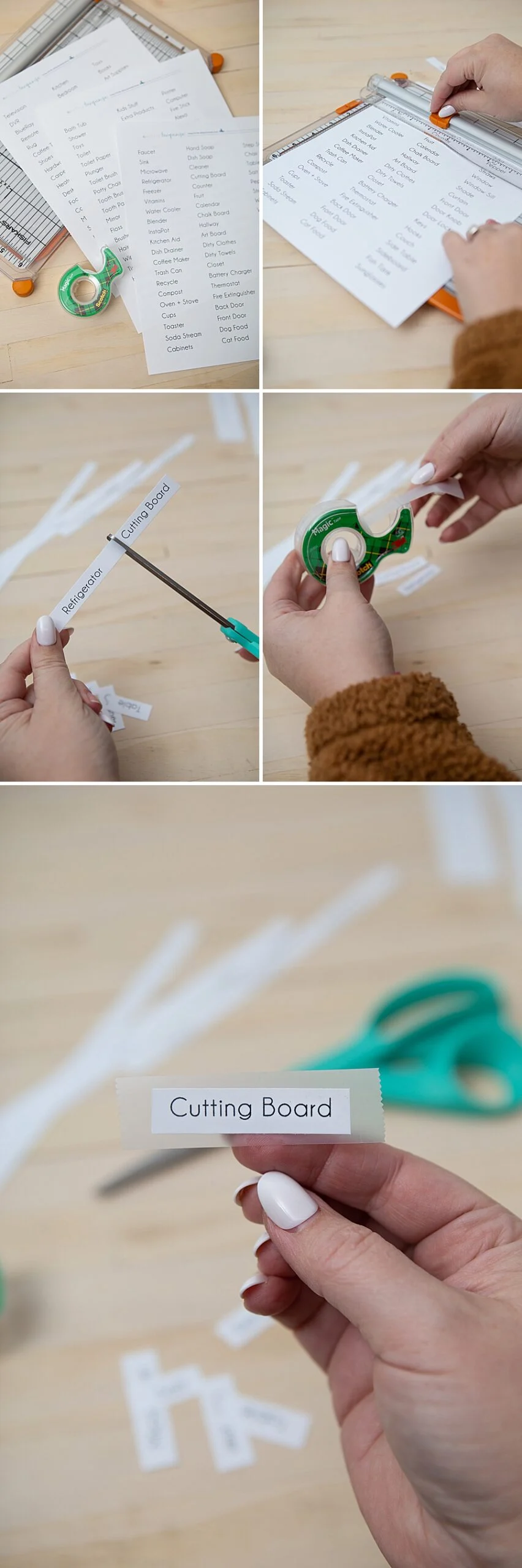
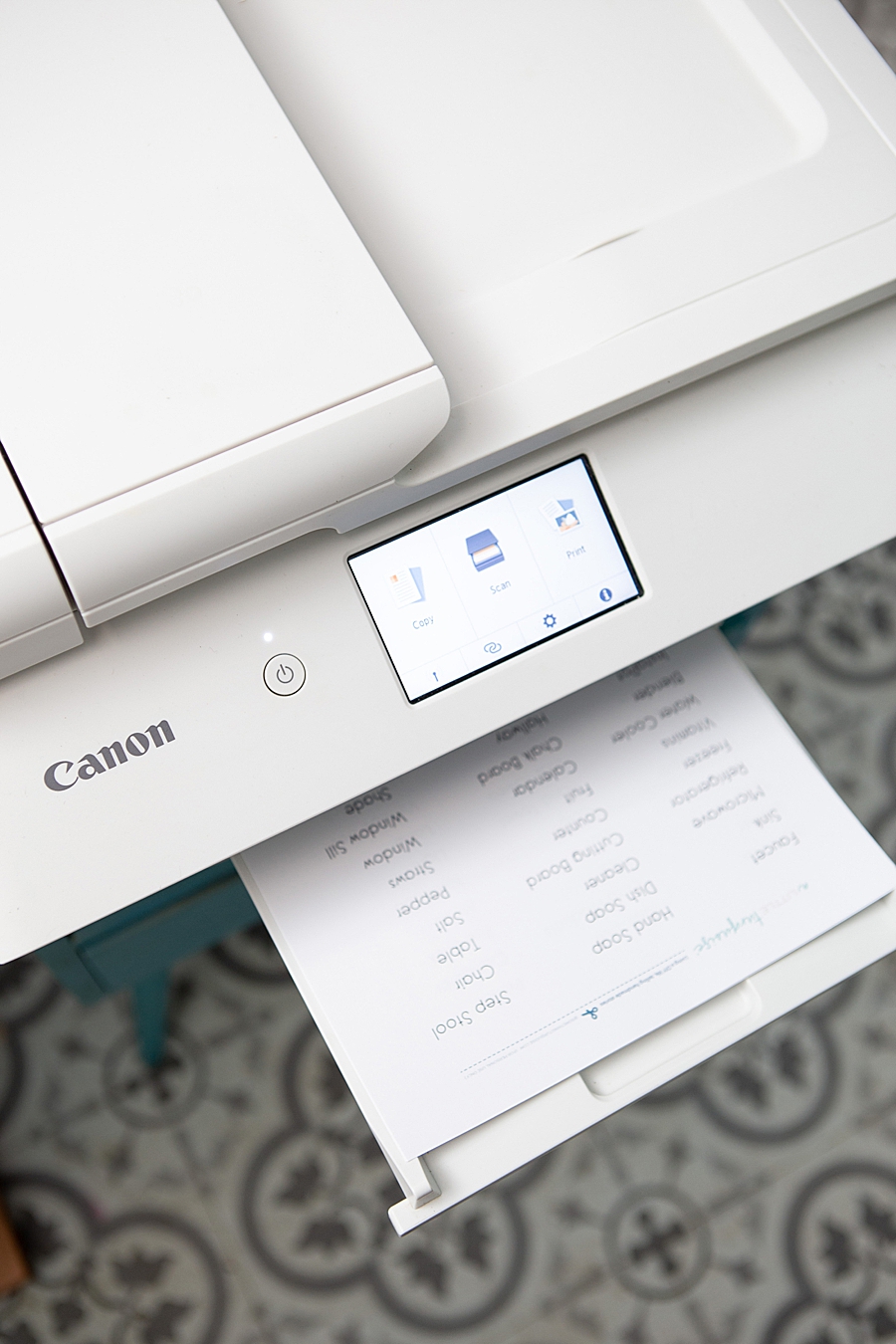
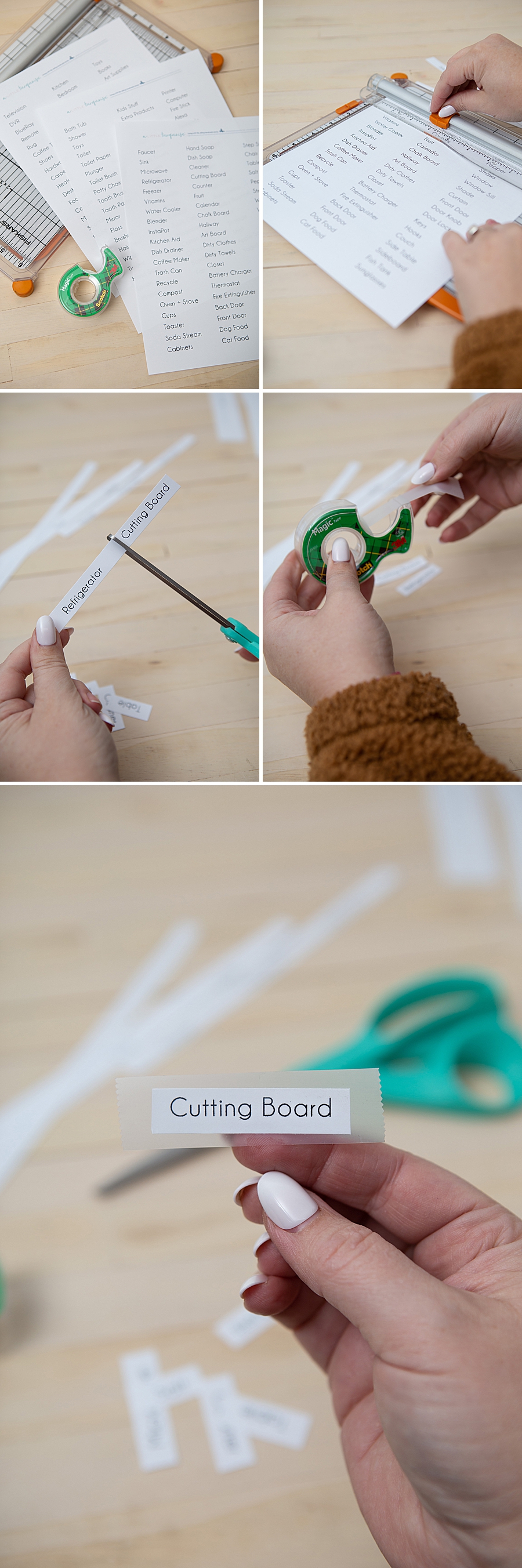
The technical execution of the project involved the use of a Canon TS9521C Crafting Printer and standard Staples-brand printer paper. The simplicity of the materials—paper, a trimmer, and transparent adhesive tape—is intentional. The objective is to provide an accessible, low-cost intervention that can be replicated by caregivers regardless of their access to specialized educational supplies.
Chronology of Implementation
The implementation of the household labeling project follows a structured four-day timeline, designed to integrate the learning process into the family’s daily routine without overwhelming the child.
Phase One: Preparation and Curation
The first stage involves the identification of relevant vocabulary. While the provided list includes 180 words, users are encouraged to curate the selection based on their specific domestic layout. This phase focuses on ensuring that the words printed are those the child already uses in their spoken vocabulary.
Phase Two: Production and Sorting
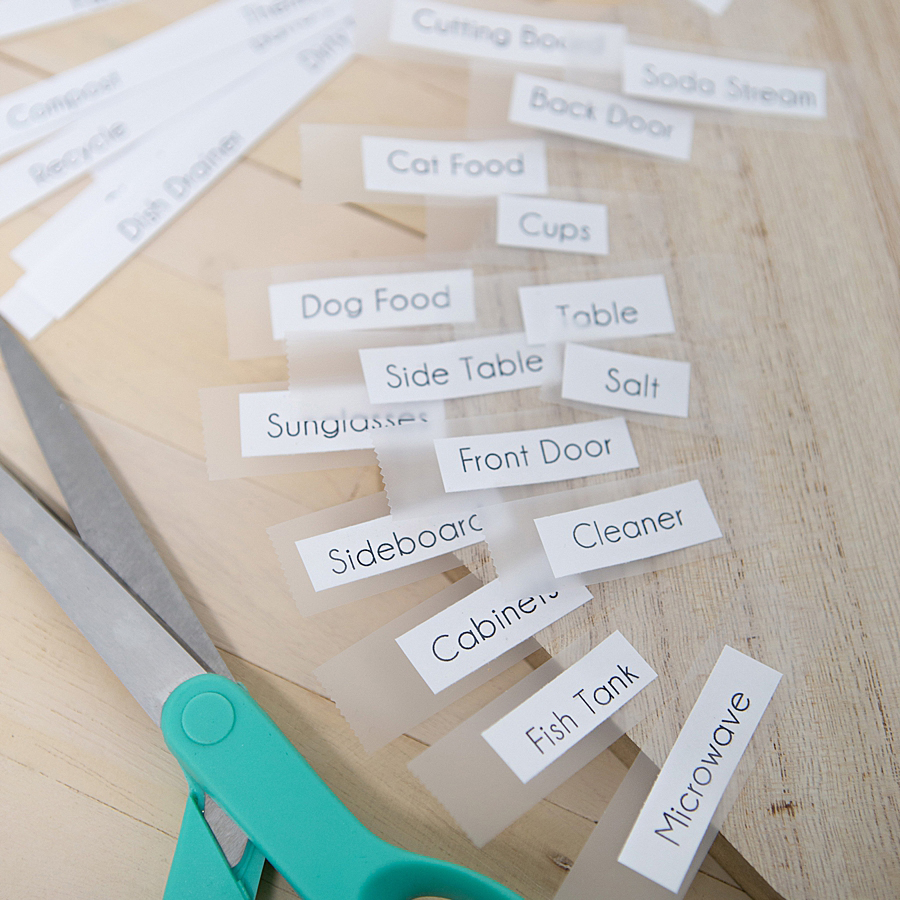
Once the words are printed, they are trimmed into individual labels. This stage often involves the child in the physical preparation of the materials, which can build anticipation and a sense of "ownership" over the learning process.
Phase Three: Strategic Placement
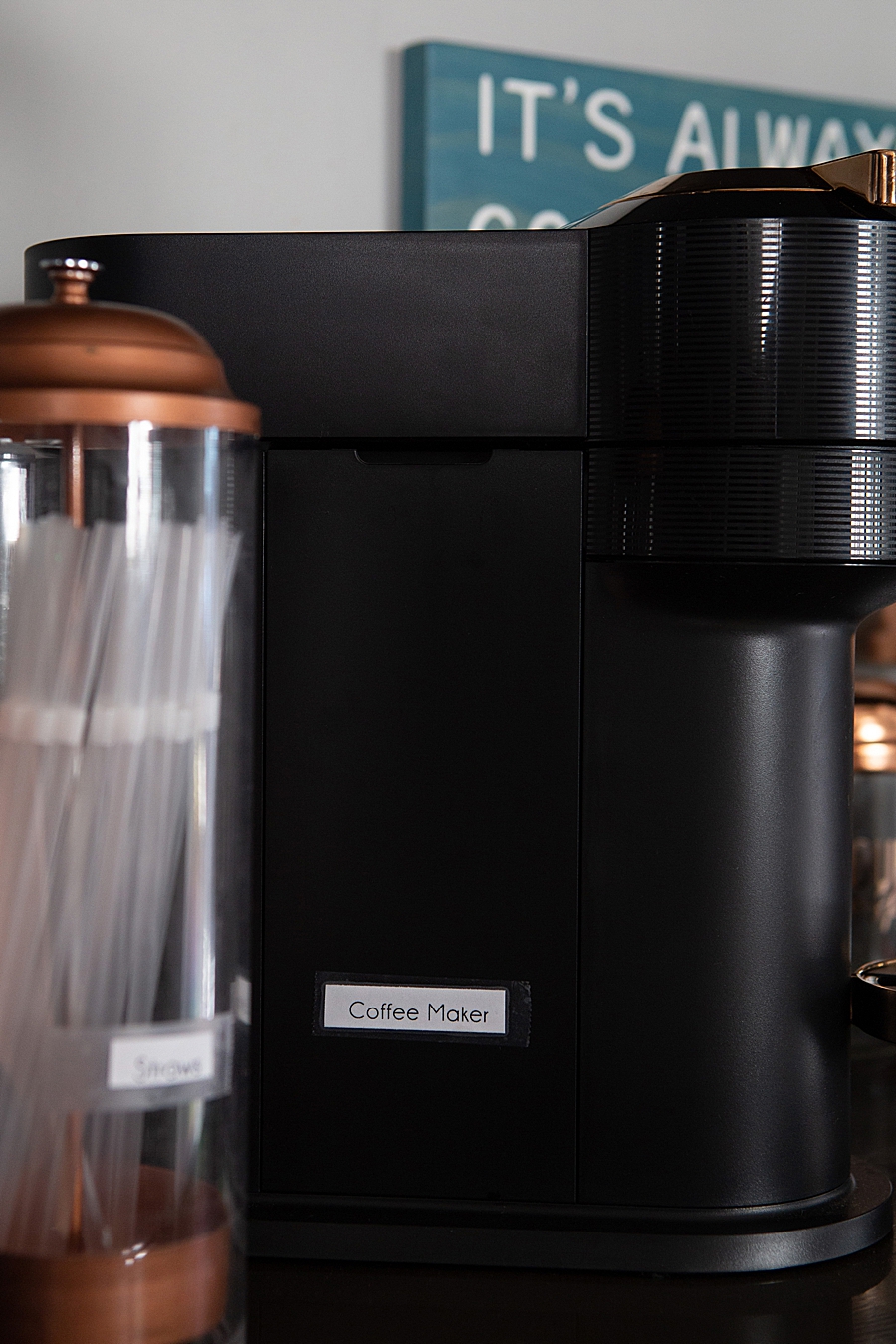
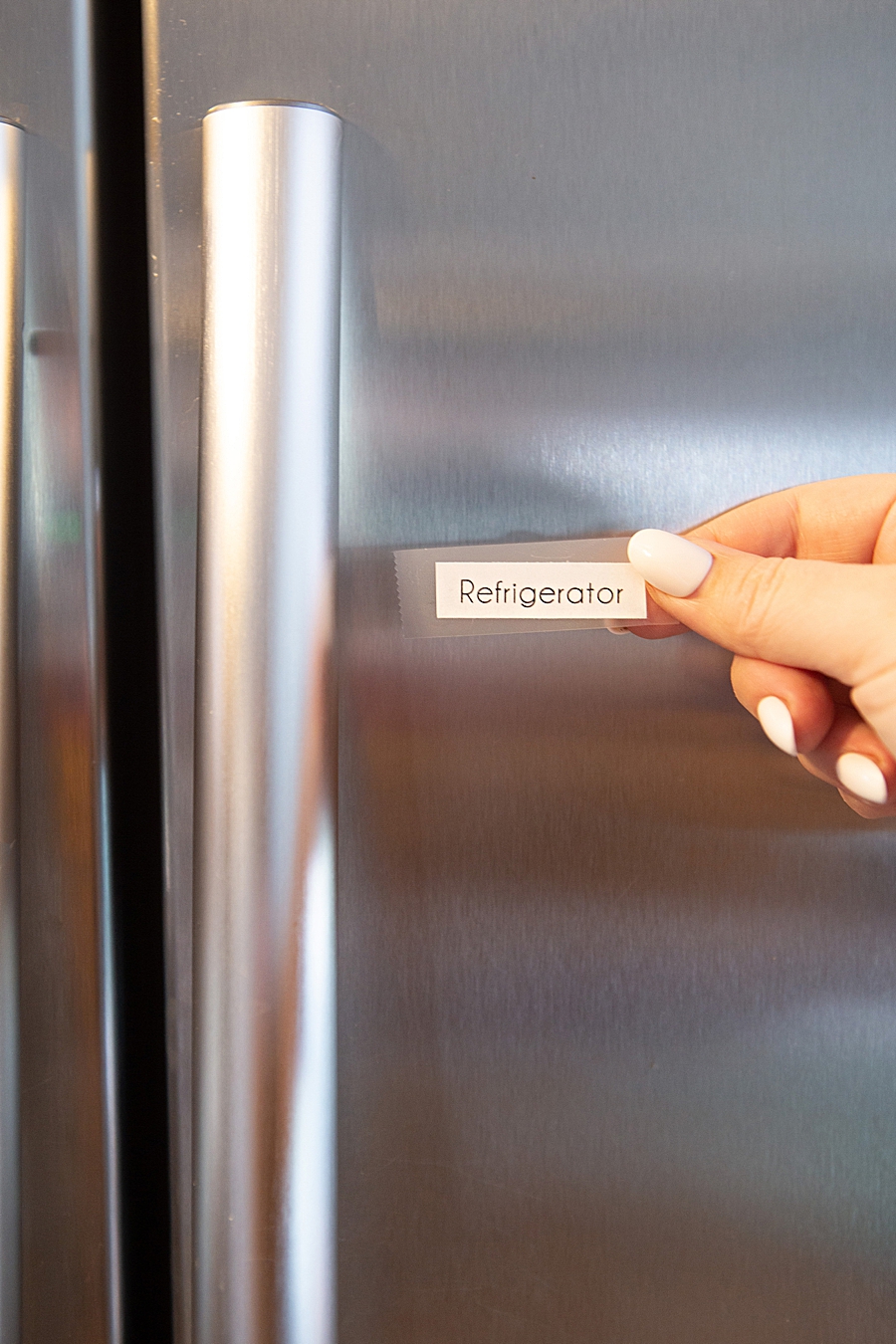
Over the course of several days, the labels are affixed to their corresponding objects. In the Something Turquoise model, this process is treated as an interactive game. As the labels are placed on items such as the "toaster," "mirror," or "banister," the child is encouraged to vocalize the word, reinforcing the link between the object, the sound, and the visual symbol.
Phase Four: Active Reinforcement
The final phase is ongoing. Once the house is fully labeled, the environment serves as a constant reinforcement tool. Caregivers can prompt children to "read the room" as they move from one area to another, turning mundane transitions—such as walking from the bedroom to the kitchen—into brief, high-frequency literacy exercises.
Supporting Data and Literacy Statistics
The need for such accessible home-based literacy tools is underscored by recent data regarding national reading proficiency levels. According to the National Assessment of Educational Progress (NAEP), often referred to as "The Nation’s Report Card," reading scores for young students have faced significant challenges in recent years. Data suggests that early intervention and the creation of a literacy-supportive home environment are among the most reliable predictors of future academic success.
Studies from the National Center for Education Statistics (NCES) have consistently shown that children who are exposed to a higher volume of written words in the home before entering kindergarten demonstrate stronger phonological awareness and a larger vocabulary. The 180-word labeling project directly addresses this by increasing the "word density" of the child’s immediate surroundings.
Public Response and Community Engagement
Since the release of the project and its accompanying visual demonstrations on social media platforms like Instagram, the response from the parenting and homeschooling communities has been notably positive. Observers have noted that while the aesthetic of having labels on every household surface may be unconventional, the functional benefits outweigh the visual clutter.
Reports from parents who have implemented the system indicate a high level of engagement from children. The "hide and seek" nature of finding objects to label transforms what could be a tedious academic task into a collaborative family activity. Furthermore, the project has garnered attention for its inclusivity, as the printable format allows for easy modification for bilingual households or for children with specific learning disabilities who require high-frequency visual cues.
Broader Implications for Early Childhood Education
The success of the Something Turquoise household labeling project highlights a broader shift in the educational landscape toward "micro-learning" and parent-led interventions. As the cost of specialized tutoring and educational software continues to rise, there is an increasing demand for high-impact, low-barrier resources that empower caregivers to take an active role in their child’s literacy development.
Furthermore, this project illustrates the importance of the physical environment in an increasingly digital world. While many literacy apps focus on screen-based recognition, the physical act of walking to a "door" and seeing the word "door" provides a multi-sensory experience that digital platforms struggle to replicate. The tactile nature of the labels, combined with the spatial awareness of where objects are located, creates a cognitive map that can significantly enhance memory retention.
Conclusion and Future Outlook
While the 180-word labeling initiative is currently positioned as a DIY project for new readers, its implications suggest potential applications in other areas, such as English as a Second Language (ESL) instruction or cognitive therapy for individuals recovering from neurological events. The simplicity of the "Print, Trim, Tape" methodology ensures that the tool remains flexible and adaptable to various needs.
As the project continues to circulate through digital communities via hashtags like #somethingturquoisediy, it serves as a case study in how simple, evidence-based strategies can be effectively packaged for the modern consumer. The move away from "cute" or decorative educational products toward those that prioritize raw functionality reflects a growing sophistication among parents who are seeking scientifically grounded methods to support their children’s academic journeys.
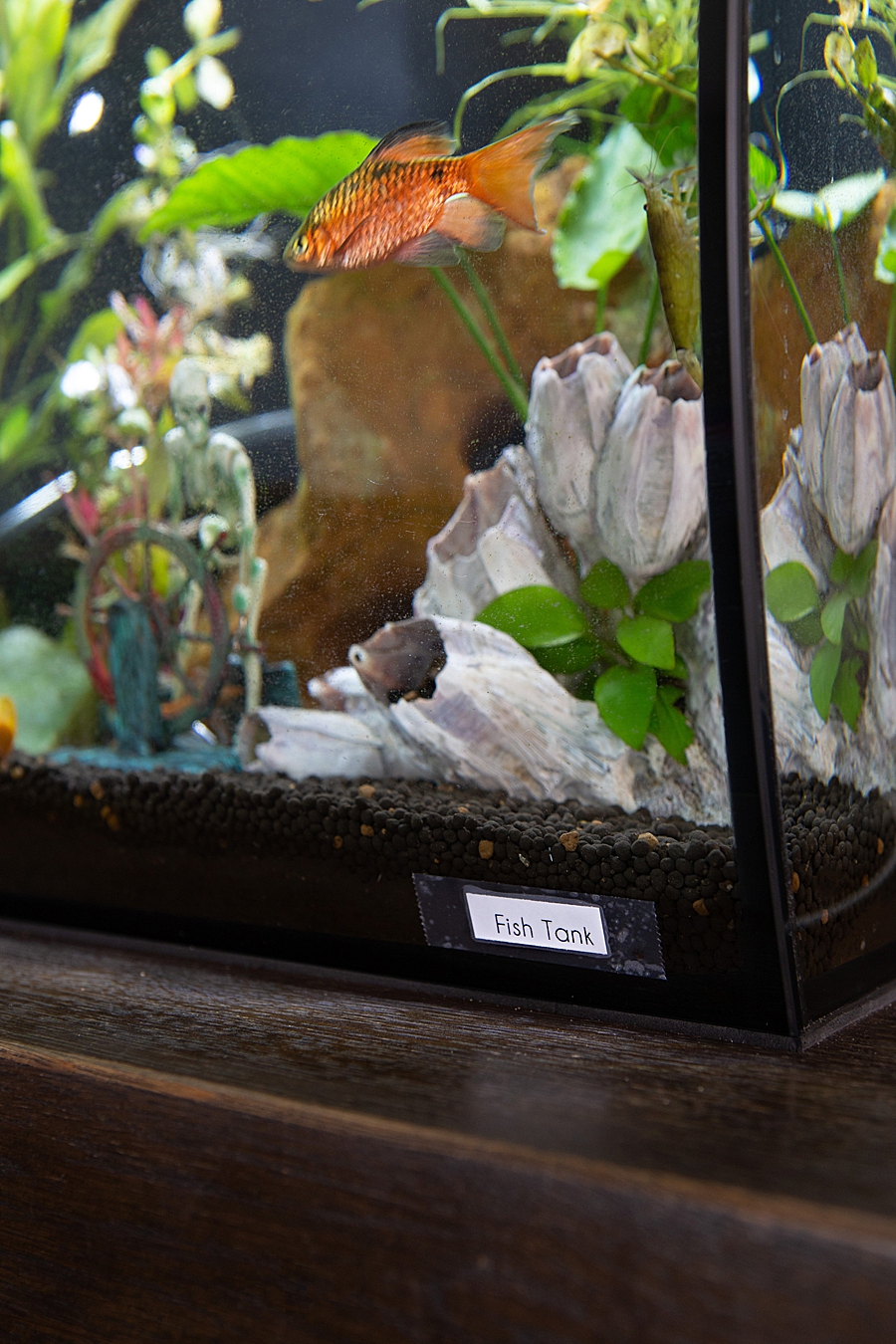
In the long term, the presence of these labels throughout the home serves as a temporary but powerful scaffolding. Eventually, the labels will be removed as the child internalizes the vocabulary, but the foundation of literacy they help build is intended to be permanent. As Causey-Kidder noted in her summary of the project, the interaction and learning facilitated by these simple slips of paper are "priceless," representing a significant return on a minimal investment of time and materials.