


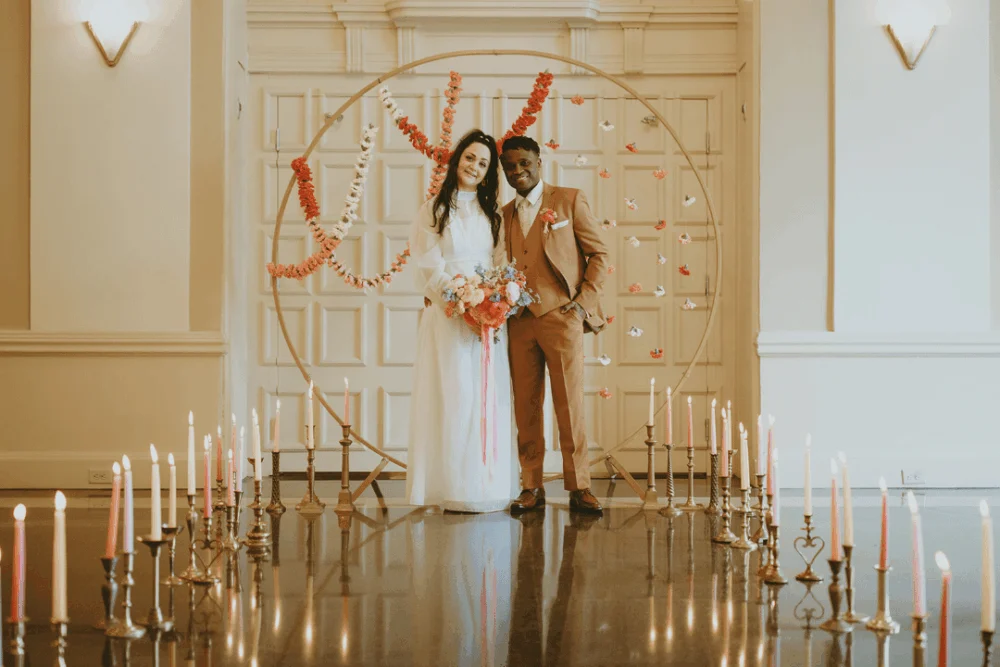
In an increasingly conscious world, the monumental financial outlay associated with a wedding has transcended mere transactional exchange, evolving into a potent expression of personal values and a significant act of economic empowerment. For modern couples, a wedding is not just a celebration of love; it is a concentrated burst of economic power, a micro-philanthropic endeavor where every dollar spent signals support for businesses that align with their ethical and social convictions. Whether a couple is investing $5,000 or $50,000, their wedding budget becomes a direct conduit for wealth redistribution, meticulously directing funds to enterprises deemed worthy of their patronage. In a deeply polarized societal landscape, the imperative to align one’s financial decisions with deeply held principles has become more critical than ever, transforming wedding planning into an opportunity for impactful, value-driven consumption.
The shift in consumer behavior is palpable across various industries, and the wedding sector is no exception. Couples are increasingly unwilling to compromise on their core beliefs, seeking vendors who not only provide exceptional services but also genuinely celebrate their identities, communities, and guest lists. The era where a visually appealing portfolio alone suffices is rapidly waning. The nightmare scenario of looking back at cherished wedding photographs, only to remember a vendor who made an insensitive remark or whose personal online presence revealed deeply problematic views, is a powerful deterrent. Couples desire partners in their celebration who don’t just tolerate but actively embrace diversity and inclusivity, ensuring that the most emotional day of their lives is surrounded by genuine affirmation and respect. This article will explore comprehensive strategies for auditing a vendor list to ensure that every dollar spent speaks the same language as the couple’s values.
The Evolution of Conscious Consumerism in the Wedding Industry
The wedding industry, a multi-billion-dollar global market, has historically focused on aesthetics, tradition, and luxury. However, the past decade has witnessed a significant paradigm shift driven by broader societal trends towards conscious consumerism. This movement emphasizes purchasing decisions based on ethical, social, and environmental considerations, extending beyond traditional factors like price and quality. The rise of social justice movements, increased awareness of LGBTQ+ rights, and global calls for diversity and inclusion have profoundly influenced how individuals interact with businesses.
For many millennial and Gen Z couples, who now constitute a significant portion of the marrying demographic, these values are non-negotiable. Research indicates that a growing percentage of these consumers actively seek out brands and services that reflect their commitment to sustainability, fair labor practices, community support, and inclusivity. This trend has naturally permeated the wedding planning process. What began as a niche desire among a few progressive couples has evolved into a mainstream expectation, with many couples viewing their wedding as an extension of their lifestyle and moral compass. The advent of social media has further accelerated this transformation, providing platforms for both transparency and accountability. Vendors’ public statements, affiliations, and even their personal online activity are now easily accessible, making it easier for couples to assess alignment—or lack thereof.
The Economic Power of Ethical Spending
The wedding industry in the United States alone is estimated to be worth approximately $50-70 billion annually, with the average wedding cost often ranging from $20,000 to $35,000, depending on location and scale. This substantial expenditure, when viewed collectively, represents immense economic leverage. When couples consciously choose to direct these funds towards businesses that champion diversity, inclusion, and ethical practices, they contribute to a powerful collective signal to the market. This isn’t just about personal preference; it’s about actively participating in wealth redistribution and fostering a more equitable economy.
Industry analyses suggest a measurable increase in demand for vendors who explicitly market themselves as LGBTQ+-friendly, eco-conscious, minority-owned, or disability-inclusive. A recent report from The Knot and WeddingWire indicated that over 70% of couples consider a vendor’s ethical stance and inclusivity practices as important factors in their hiring decisions. This trend is compelling vendors to adapt their business models, marketing strategies, and internal practices to meet these evolving client expectations. Businesses that fail to demonstrate genuine commitment to these values risk alienating a significant and growing segment of the market. Conversely, those that authentically embrace inclusivity often find themselves thriving, building loyal client bases who value their integrity as much as their artistry. This economic dynamic underscores the notion that every wedding budget, regardless of its size, acts as a "bat-signal," illuminating preferred paths for market development and ethical business conduct.

Comprehensive Strategies for Ethical Vendor Selection
Navigating the vendor selection process with an emphasis on values requires a multi-faceted approach that goes beyond superficial assessments. Here are key strategies for couples to ensure their wedding vendors truly align with their principles:
1. Beyond the Aesthetic Portfolio: Deepening the Review
When reviewing a vendor’s portfolio, the initial focus often gravitates towards lighting, composition, and overall aesthetic appeal. However, a deeper, values-oriented review involves scrutinizing the representation within their body of work. Couples should actively look for:
- Diverse Representation: Does the portfolio showcase couples and individuals of various ethnicities, body types, sexual orientations, gender identities, and abilities? A genuinely inclusive vendor will naturally have a diverse client base reflected in their work, rather than a tokenistic inclusion.
- Authenticity vs. Tokenism: Look for genuine interactions and celebrations, not just posed diversity. Does the vendor appear comfortable and adept at capturing the unique nuances of different cultures or relationships?
- Specific Experience: If a couple doesn’t immediately see the representation they seek, direct inquiry is crucial. Asking questions like, "Do you have extensive experience working with clients from diverse cultural backgrounds, or specifically with queer couples, or individuals with physical disabilities?" can reveal a vendor’s breadth of experience and comfort level. A truly inclusive vendor will be able to provide specific examples of how they’ve adapted their services, communication, or visual storytelling to meet diverse client needs, rather than offering vague assurances. This ensures that their service goes beyond mere tolerance to active celebration.
2. Strategic Digital Due Diligence: "Stalking with Purpose"
In the digital age, a vendor’s online presence extends far beyond their professional website or curated Instagram feed. Couples are advised to conduct thorough digital due diligence, which involves:
- Cross-Platform Examination: Investigate not only professional profiles but also any linked personal social media accounts, particularly those that might be publicly accessible. Look for shared posts, comments, or engagement with controversial topics.
- Review Platforms and Forums: Consult review sites (Yelp, Google Reviews, WeddingWire, The Knot) for any mentions of discriminatory behavior, insensitivity, or lack of cultural understanding. Pay attention to how the vendor responds to criticism, especially regarding inclusivity.
- Community Groups: Engage with online wedding community groups, particularly those focused on specific identities (e.g., LGBTQ+ wedding groups, cultural wedding forums). These often provide candid insights and warnings about vendors.
- Identifying Red Flags: Look for subtle biases, exclusionary language in past posts, or affiliations that contradict your values. The absence of any explicit statement of inclusivity can sometimes be a red flag in itself, indicating a lack of intentionality.
The real-world consequences of failing to conduct this deeper dive were starkly illustrated by the case involving a well-known wedding photography couple who were publicly exposed for posting racist and homophobic memes on their personal social media accounts. This incident, brought to light by Texas-based photographer Jess Golden, led to widespread condemnation, client cancellations, and significant reputational damage, demonstrating the severe repercussions for vendors whose private views clash with public expectations of inclusivity. Such incidents underscore the critical importance of looking beyond the surface.
3. Empowering Direct Communication: Asking Hard Questions
The outdated notion that it’s impolite to discuss politics or religion with service providers is increasingly irrelevant, especially when hiring "creative partners" for one of life’s most significant and emotional events. As Jess Golden rightly asserts, "Values are becoming part of the conversation in every household right now… the fact that people are scared to even ask vendors they’re paying thousands of dollars to is beyond me!" Couples are not merely hiring "the help"; they are entrusting individuals to be present and integral to their celebration, often interacting with their most cherished loved ones.

Couples should feel empowered to ask direct, value-oriented questions. Consider these low-stress scripts, designed to elicit meaningful responses:
- "How do you ensure an inclusive and respectful environment for all your clients and their guests, especially those from diverse backgrounds or identities?"
- "What is your approach to working with couples from various cultural, religious, or LGBTQ+ backgrounds?"
- "Could you share any specific policies or practices you have in place to support diversity and inclusion within your business?"
- "How do you handle situations where a guest might express discriminatory or insensitive views during an event?"
- "Do you have a clear stance on supporting all types of love and commitment, regardless of gender or sexual orientation?"
The sincerity, clarity, and depth of a vendor’s response to these questions are often more telling than their initial portfolio.
4. Leveraging Trusted Networks and Curated Directories
One of the most efficient and reliable ways to find values-aligned vendors is through trusted referrals. This can come from:
- Professional Wedding Planners: Many progressive wedding planners, like Emily Berg of Events by Emily, actively audit their recommended vendor lists. They prioritize working with individuals and businesses that share their commitment to inclusivity and ethical practices, saving couples the exhaustive vetting process. Asking a planner for their "preferred vendors" list often means tapping into a pre-vetted network.
- Word-of-Mouth: Referrals from friends, family, or community members who have had positive, values-aligned experiences can be invaluable.
- Specialized Directories: The rise of curated online directories specifically designed to connect couples with values-aligned vendors offers a significant shortcut. Offbeat Wed’s Vendor Community, established 15 years ago and notably featured by The New York Times, is a prime example. This platform allows vendors to self-identify based on a wide range of values, including:
- LGBTQ+-friendly
- BIPOC-owned (Black, Indigenous, and People of Color)
- Woman-owned
- Disability-inclusive
- Eco-conscious/Sustainable
- Size-inclusive
- Body-positive
- Interfaith/Intercultural friendly
- Gender-affirming
- Sex-positive
- AAPI-owned (Asian American and Pacific Islander)
- Veteran-owned
- Jewish-friendly
- Muslim-friendly
- Neurodiverse-friendly
These platforms empower couples to immediately identify and connect with vendors who have proactively opted into a community prioritizing radical inclusivity and ethical conduct for nearly two decades. This streamlined approach minimizes the need for extensive individual investigation, providing peace of mind and efficient discovery.
Broader Implications for the Wedding Industry
The growing emphasis on values-aligned vendor selection carries significant implications for the entire wedding industry. It pushes vendors beyond mere compliance with anti-discrimination laws towards a proactive embrace of diversity and inclusion as core business tenets. This trend is fostering:
- Market Specialization: More vendors are specializing in serving particular communities (e.g., specific cultural weddings, LGBTQ+ destination weddings), allowing them to deeply understand and cater to unique needs.
- Enhanced Training and Education: Industry associations and individual businesses are increasingly investing in diversity and inclusion training for their staff, ensuring that interactions with diverse clients are handled with sensitivity and expertise.
- Ethical Marketing Practices: Marketing materials are becoming more representative, showcasing a wider array of couples and celebration styles, moving away from historically narrow portrayals.
- Increased Accountability: The heightened scrutiny from couples and the power of social media mean that vendors are held to higher standards of ethical conduct, impacting their brand reputation and long-term viability. Businesses that fail to adapt risk becoming obsolete in a market that increasingly values integrity.
- Empowerment of Couples: This shift fundamentally empowers couples, giving them greater agency in shaping not only their wedding day but also the industry itself. By consciously directing their spending, they contribute to a marketplace that better reflects their ideals.
In conclusion, how a couple chooses to spend their wedding budget is far more than a financial transaction; it is a profound declaration of their values. By thoughtfully vetting vendors and intentionally directing funds, couples actively contribute to a more inclusive, equitable, and authentic economy. When vendors are chosen for their alignment with core principles, the wedding celebration itself becomes a more genuine reflection of the couple, imbued with an added layer of meaning and integrity. The result is not only a beautifully executed event but also a profound sense of peace, knowing that every dollar spent supported individuals and businesses whose values resonate deeply. Ultimately, hiring vendors who genuinely celebrate who you are ensures that your wedding day feels authentic, your memories are untainted by discomfort, and your economic power contributes positively to the world you wish to see.