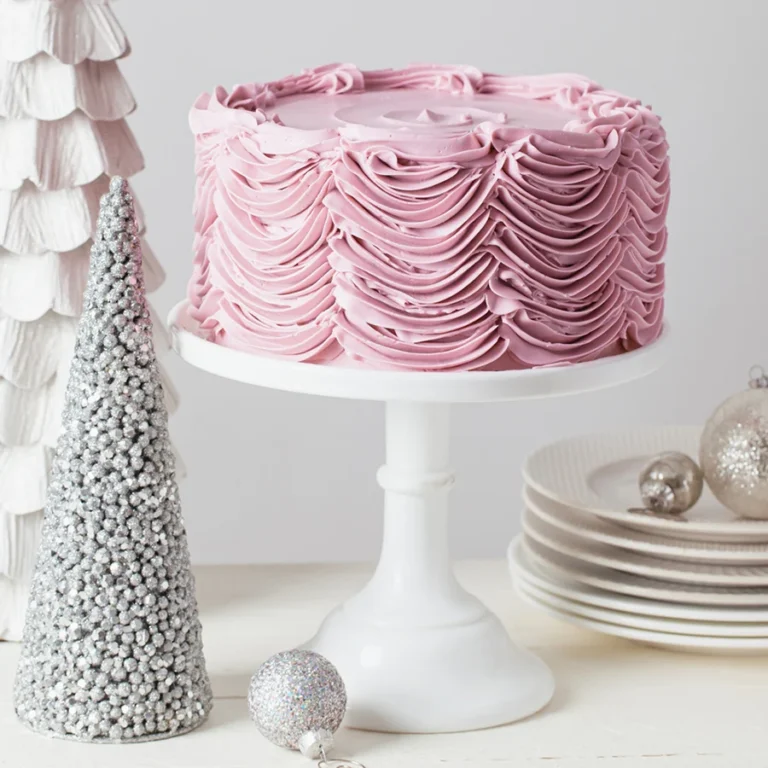


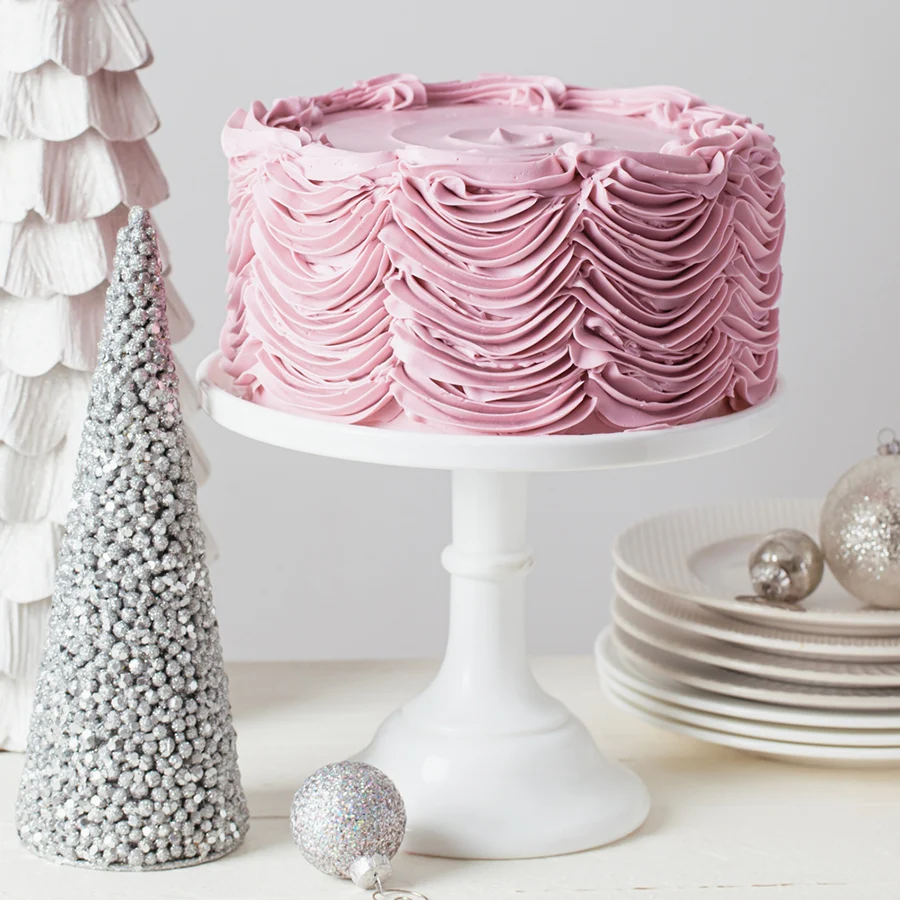
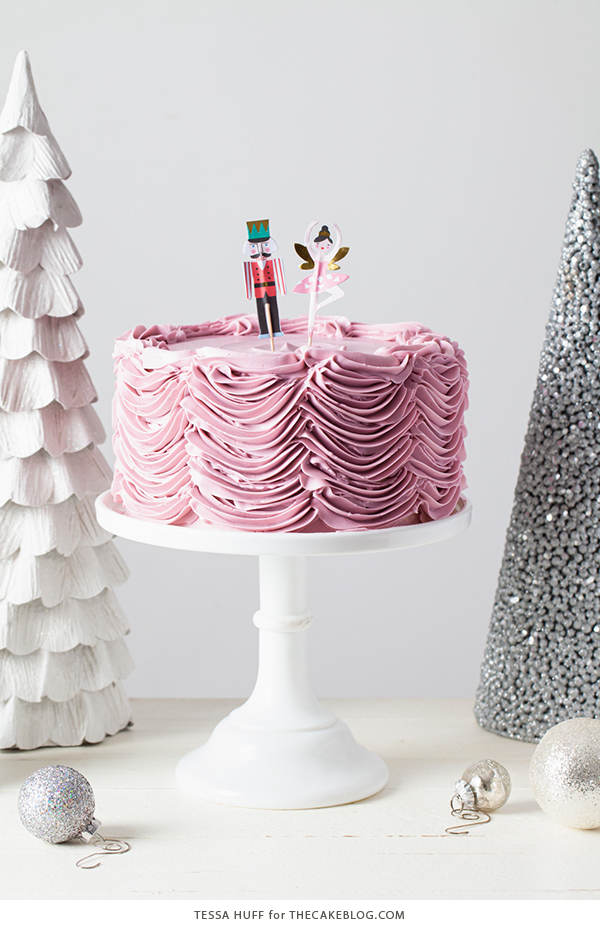
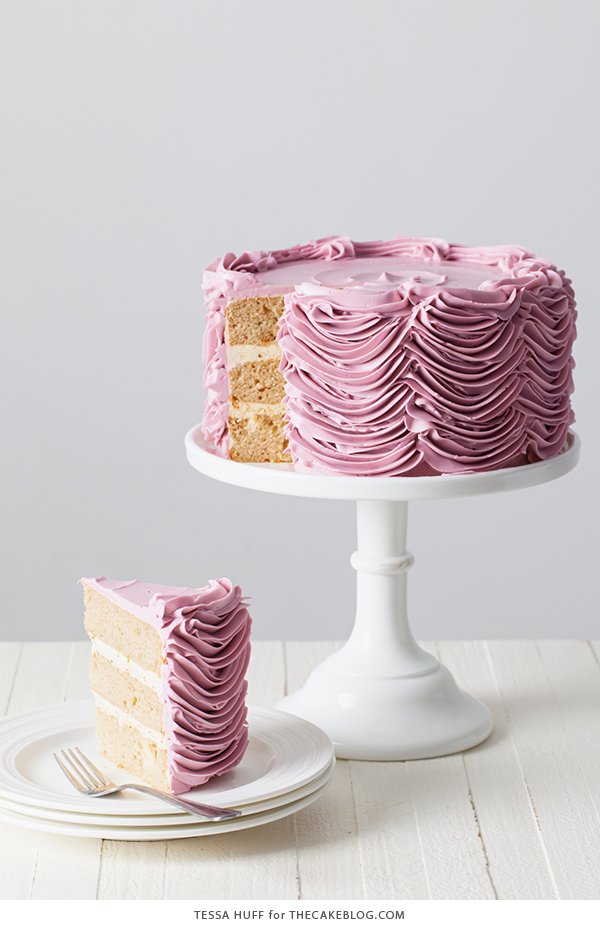
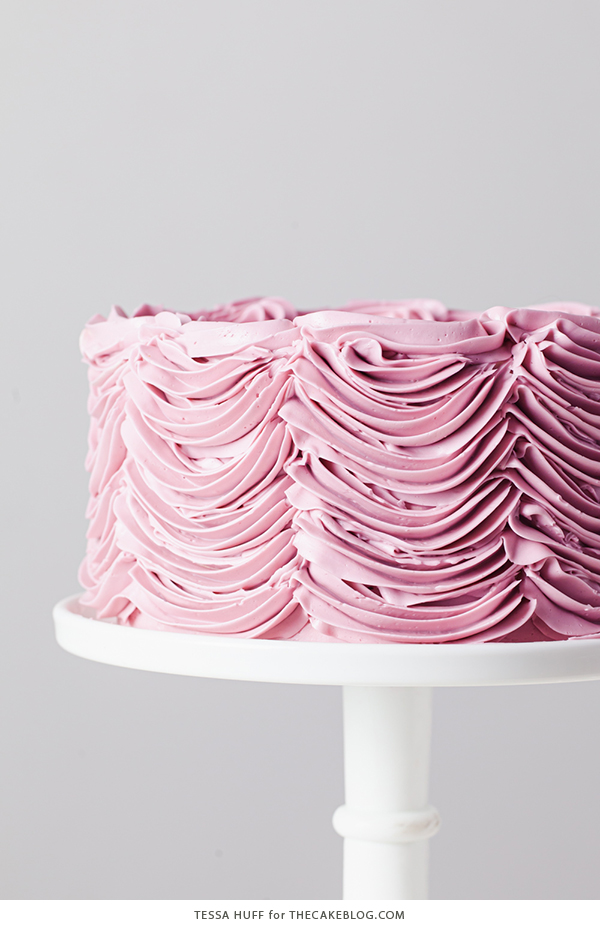
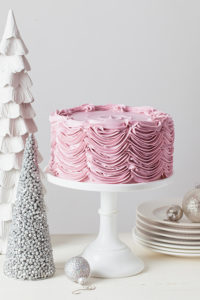
The release of the Hazelnut Nutcracker Cake marks a significant addition to the seasonal culinary landscape, blending classical artistic inspiration with sophisticated confectionery techniques. Developed by noted pastry designer and author Tessa Huff for The Cake Blog, this dessert serves as a technical tribute to the enduring legacy of Pyotr Ilyich Tchaikovsky’s "The Nutcracker" ballet. The cake features a brown sugar and nutmeg-infused sponge, complemented by a hazelnut praline Swiss meringue buttercream and intricate swag piping designed to evoke the aesthetic of a ballerina’s tutu. This release comes at a time when holiday baking trends are increasingly leaning toward complex, narrative-driven desserts that prioritize both visual artistry and regional seasonal ingredients.

Culinary Composition and Flavor Profile
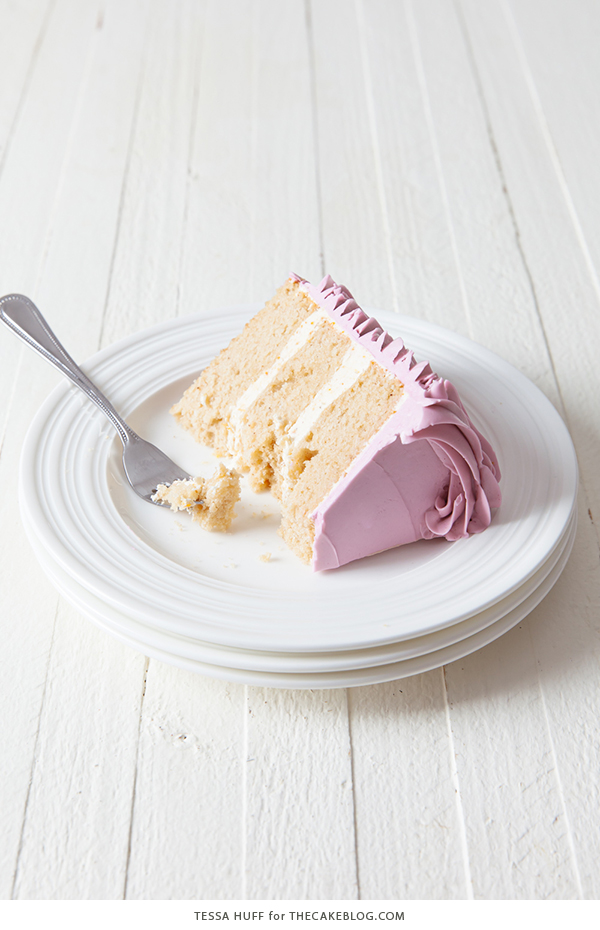
The Hazelnut Nutcracker Cake is engineered to provide a multi-textured experience, moving away from the traditional fruit-heavy profiles often associated with December holidays. The foundation of the dessert is a dense yet tender sponge characterized by the use of brown sugar. Unlike refined white sugar, brown sugar introduces molasses, which contributes to a higher moisture content and a deeper, caramel-like flavor profile. This is further enhanced by the inclusion of fresh nutmeg and cinnamon.
Nutmeg, derived from the seeds of the Myristica fragrans tree, has long been a staple of winter gastronomy due to its warm, slightly sweet, and aromatic properties. In this specific formulation, the spice acts as a bridge between the earthy notes of the hazelnuts and the sweetness of the buttercream. The decision to utilize hazelnuts—specifically in a roasted and candied praline form—addresses the seasonal availability of ingredients. While "Sugar Plum" themes are common in Nutcracker-related media, fresh plums are generally out of season in the Northern Hemisphere during the winter months. Hazelnuts, which are harvested in the autumn and cured for winter consumption, offer a more authentic seasonal alignment for a December release.
Technical Development and Chronology
The creation of the Hazelnut Nutcracker Cake follows a rigorous technical progression, beginning with the development of the flavor base and concluding with high-level architectural piping.
Phase I: The Sponge Construction
The process begins with the preparation of the Brown Sugar Nutmeg Cake. This stage requires the precise creaming of fats and sugars to ensure proper aeration, which supports the structural integrity needed for a multi-layered cake. The integration of spices occurs during the dry-ingredient incorporation phase to ensure an even distribution of aromatics throughout the crumb.
Phase II: Praline and Powder Production
A critical component of the cake’s flavor profile is the hazelnut praline. This involves roasting the nuts to express their natural oils, followed by the creation of a hard-crack caramel. Once cooled, the hazelnut brittle is processed into a fine praline powder. This powder is a key innovation in the recipe, as it allows the hazelnut flavor to be infused into the buttercream without compromising the silky texture of the Swiss meringue.
Phase III: The Buttercream Synthesis
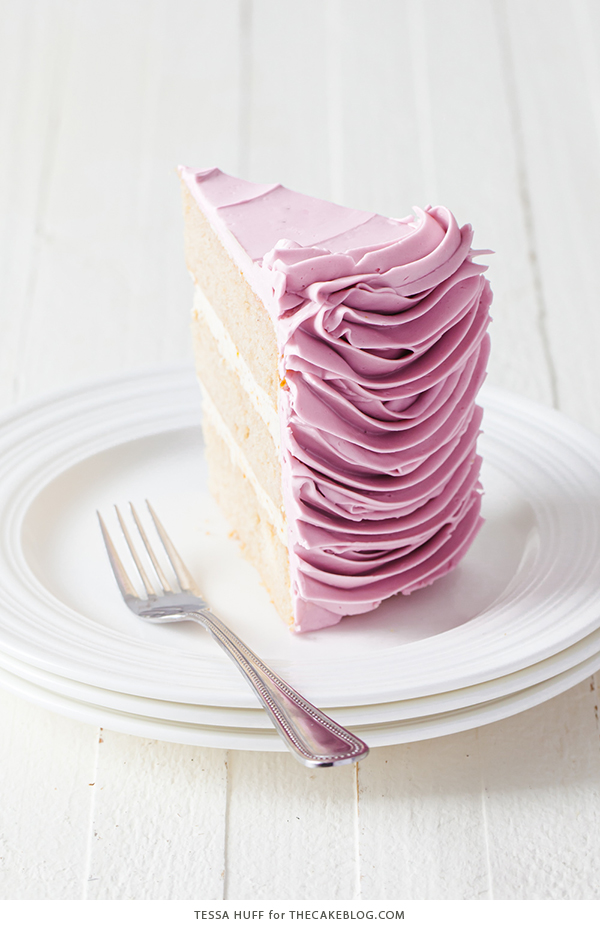
The frosting is a Swiss meringue buttercream (SMB), a choice that reflects a preference for stability and a less-cloying sweetness compared to American buttercream. The SMB is divided into two functional portions: one infused with the praline powder for the interior filling and the initial crumb coat, and a second portion tinted to a "sugared plum" purple for the exterior decorative elements.
Phase IV: Aesthetic Execution
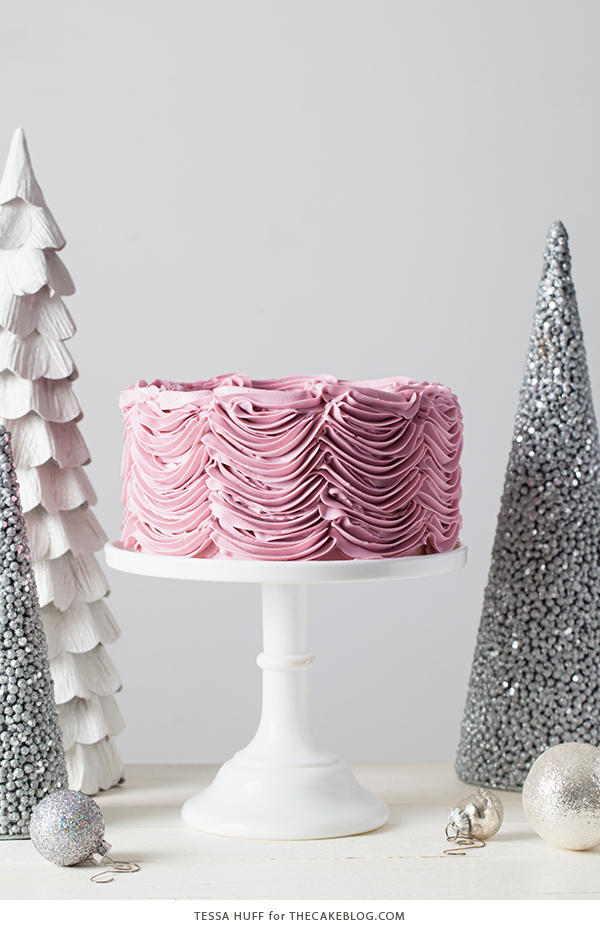
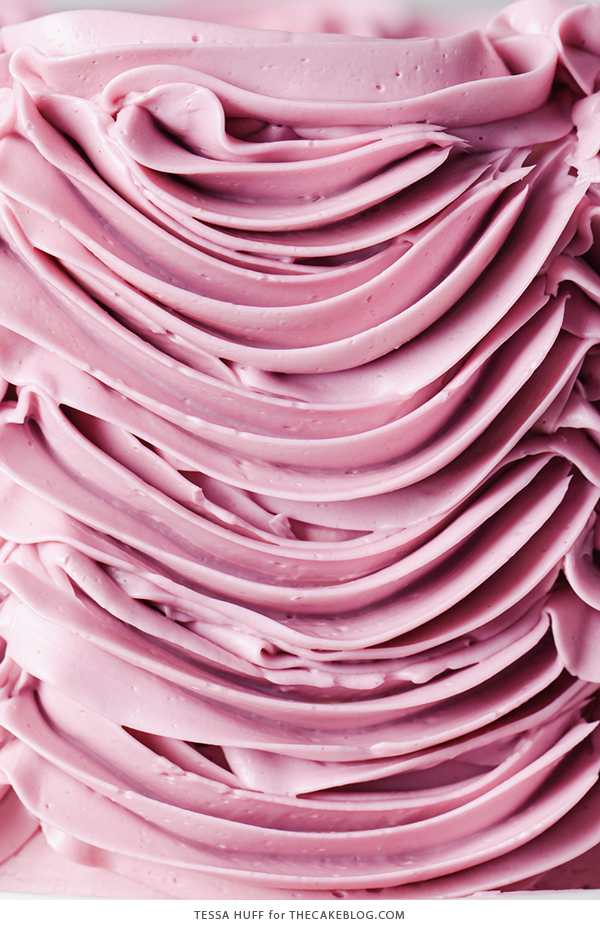
The final stage of the cake’s assembly is the decorative piping. Huff utilizes a "swag" piping technique, where the buttercream is layered in overlapping ruffles. This specific design is a literal interpretation of the tutu worn by the Sugar Plum Fairy, transforming the cake from a standard dessert into a piece of edible performance art.
Supporting Data and Market Context
The debut of specialized holiday recipes like the Hazelnut Nutcracker Cake occurs within a robust economic framework for the baking industry. According to market research, the global bakery market was valued at approximately $416 billion in 2023, with a significant portion of annual growth attributed to seasonal specialty items. Holiday baking is no longer merely a domestic tradition but a high-engagement digital economy.
Data from social media platforms and culinary blogs indicate that "aesthetic" baking—where the visual complexity matches the flavor profile—sees a 40% increase in consumer engagement during the fourth quarter. The Hazelnut Nutcracker Cake, with its 4.5-star rating from early consumer reviews, exemplifies the type of "aspirational" content that drives traffic to culinary platforms. Furthermore, the use of hazelnuts aligns with global production trends; with Turkey and the United States (specifically Oregon) being lead producers, the ingredient remains a premium yet accessible staple for Western holiday tables.
Historical and Cultural Context
The Nutcracker ballet, which premiered in St. Petersburg in 1892, did not initially find success. However, its mid-20th-century resurgence in the United States, largely credited to George Balanchine, turned it into a cultural phenomenon that defines the American Christmas season. This cake taps into that cultural zeitgeist.
Tessa Huff, in her release notes, acknowledges the role of nostalgia in the development of this recipe. She notes that the imagery of "visions of sugarplums, snowflakes, and waltzing flowers" served as the primary creative catalyst. By translating these orchestral and choreographic themes into a culinary format, the recipe provides a tangible way for consumers to engage with the holiday tradition. The transition from the "Land of Sweets" on stage to the dining room table represents a democratization of luxury confectionery.
Official Responses and Culinary Analysis
While formal statements from culinary institutions are rare for individual blog recipes, the reception within the online baking community has been notably positive. Analysts in the food and beverage sector point to the "professionalization of the home baker" as a key driver for the success of such recipes.
"The Hazelnut Nutcracker Cake represents a shift away from the simplistic ‘box-mix’ culture of the past," says one industry observer. "It requires the baker to master three distinct disciplines: sponge chemistry, sugar work (the praline), and advanced piping. This reflects a growing consumer appetite for ‘slow food’ and artisanal skills."
Early feedback from users who have attempted the recipe highlights the "addictive" nature of the hazelnut brittle and the effectiveness of the praline powder in flavoring the buttercream. The 4.5-star aggregate rating suggests that while the recipe is technically demanding, it is sufficiently well-documented to allow for successful execution by intermediate to advanced home bakers.
Broader Impact and Implications
The introduction of the Hazelnut Nutcracker Cake has broader implications for how seasonal content is produced and consumed. In a crowded digital marketplace, the "Nutcracker" branding provides an immediate emotional connection for the consumer, leveraging a 130-year-old intellectual property (the ballet) to market a new culinary product.
Furthermore, the recipe emphasizes the importance of ingredient education. By specifying the use of fresh nutmeg and the process of making praline from scratch, the article encourages consumers to move toward higher-quality, whole-ingredient sourcing. This trend has positive downstream effects on agricultural sectors, particularly for nut growers and spice importers who benefit from the seasonal surge in demand for premium products.
As the holiday season progresses, the Hazelnut Nutcracker Cake is expected to remain a centerpiece of culinary discussion, serving as both a challenge for ambitious bakers and a visual inspiration for the broader public. Its success reinforces the idea that the most effective seasonal products are those that can successfully marry tradition with technical innovation. In the intersection of Tchaikovsky’s music and Tessa Huff’s pastry design, a new holiday classic has been formulated, one that honors the past while catering to the sophisticated palate of the modern era.