

The Evolution of Holiday Baking Trends and Market Context
The release of this tutorial coincides with a period of intensified activity within the global baking ingredients market, which historically experiences its highest quarterly growth during the final months of the year. According to market research, the home baking sector has seen a sustained increase in consumer engagement, driven largely by digital platforms that prioritize visual storytelling. The "Christmas Wreath Cupcakes" project serves as a prime example of "edible art," a movement where the aesthetic value of the food item is considered as significant as its flavor profile.
Holiday wreaths have long served as a symbol of welcome and eternity in various cultures, and their transition from door decorations to dessert toppers represents a shift toward cohesive seasonal themes in home entertaining. Whitney DePaoli, an experienced contributor to the culinary space, noted that the inspiration for this project stemmed from the ubiquitous presence of festive greenery in public spaces and retail centers. By translating large-scale decor into miniature confectionery formats, the tutorial provides a scalable solution for hosts looking to enhance their holiday dessert tables.
Technical Methodology and Essential Equipment
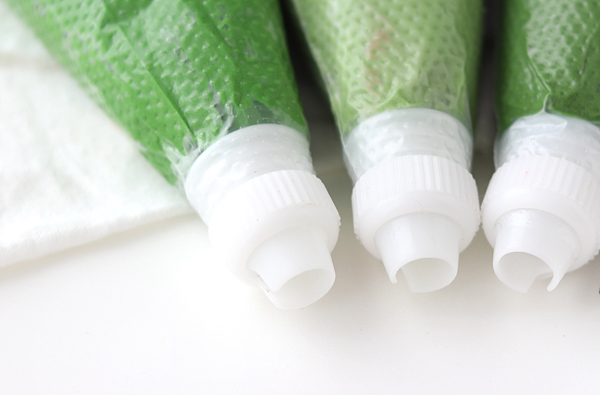
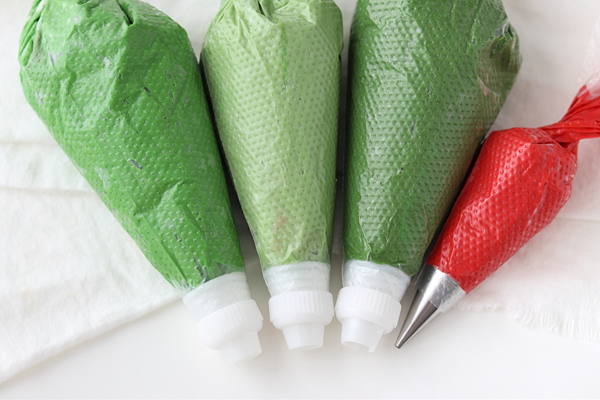
Central to the success of the wreath designs is the utilization of specific piping techniques and equipment. The tutorial advocates for the use of American Buttercream due to its structural integrity and ease of tinting, though it notes that any stable, pipeable frosting is applicable. A key technical recommendation within the guide is the implementation of piping bag couplers.
Couplers are plastic two-piece sets that allow bakers to switch between different piping tips without the need to empty or change the piping bag. In a professional setting, this minimizes waste and increases workflow efficiency. For this project, which requires frequent transitions between leaf tips, star tips, and round tips across three shades of green, the coupler system is identified as a critical component for maintaining consistency. The tutorial details the mechanical assembly of these tools, emphasizing that the larger piece is inserted into the bag while the ring secures the tip on the exterior, allowing for rapid exchanges.
Chronological Preparation and Color Theory Application
The execution of the Christmas Wreath Cupcakes follows a strict chronological order, beginning with the calibration of the color palette. DePaoli suggests a sophisticated approach to green tones, moving away from monochromatic designs in favor of a multi-tonal arrangement.
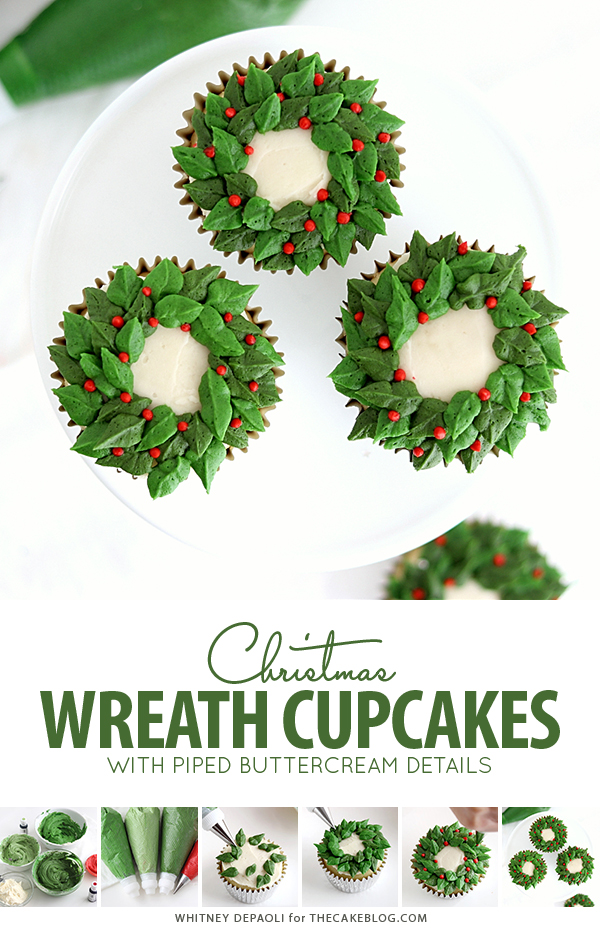
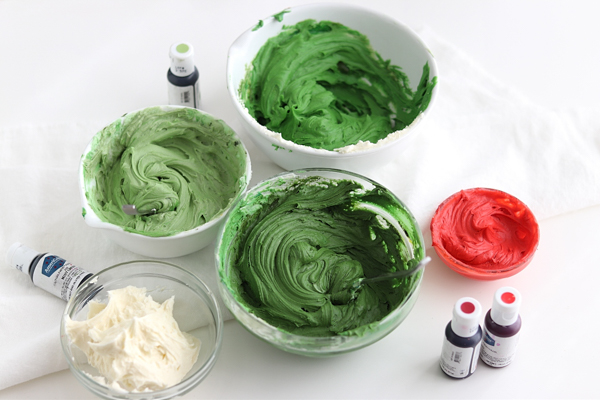
- Initial Segmentation: The process begins with dividing a batch of white buttercream into specific portions: a small amount for the base coat, a portion for red accents (berries), and the remainder split into three medium bowls.
- Color Saturation: The tutorial utilizes high-concentration gel food coloring, specifically naming Americolor Forest Green and Avocado to achieve a spectrum of light, medium, and dark greens. This variety is essential for creating depth and realism in the final "foliage."
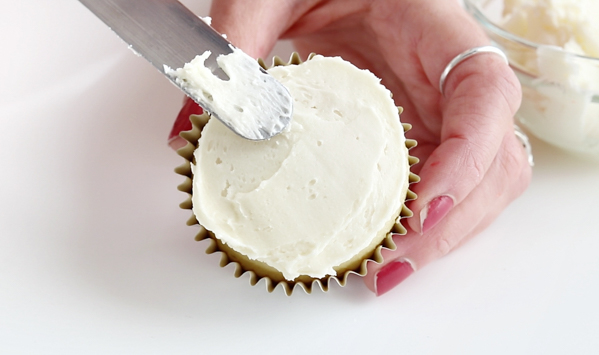
- The Base Layer: Before the intricate piping begins, each cupcake receives a thin, even layer of uncolored buttercream applied with an icing spatula. This "crumb coat" provides a neutral background and ensures the piped wreaths adhere properly to the surface.
Detailed Analysis of the Three Wreath Designs
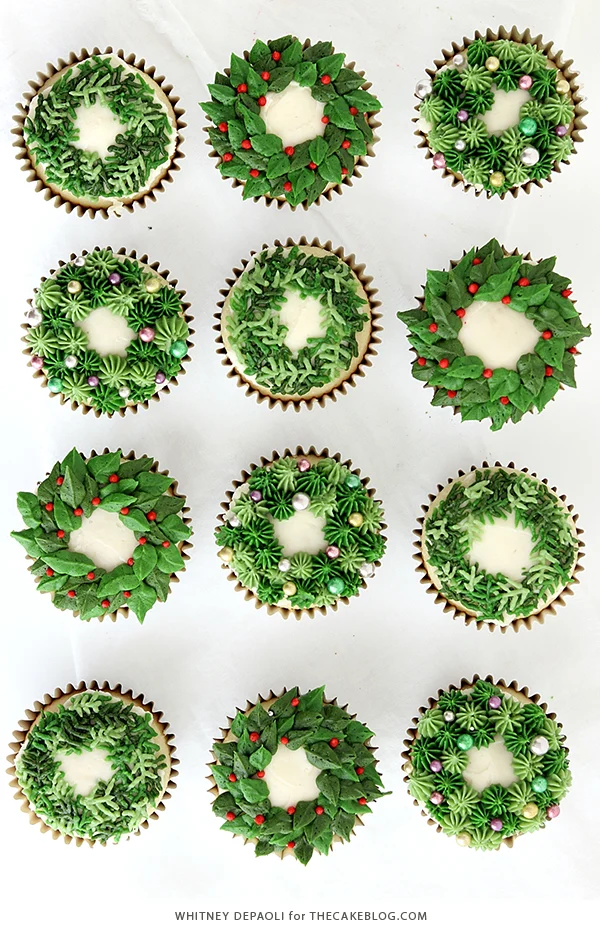
The tutorial breaks down the decorative process into three distinct stylistic categories, each requiring different technical maneuvers and providing a unique textural outcome.
The Berry Wreath Design
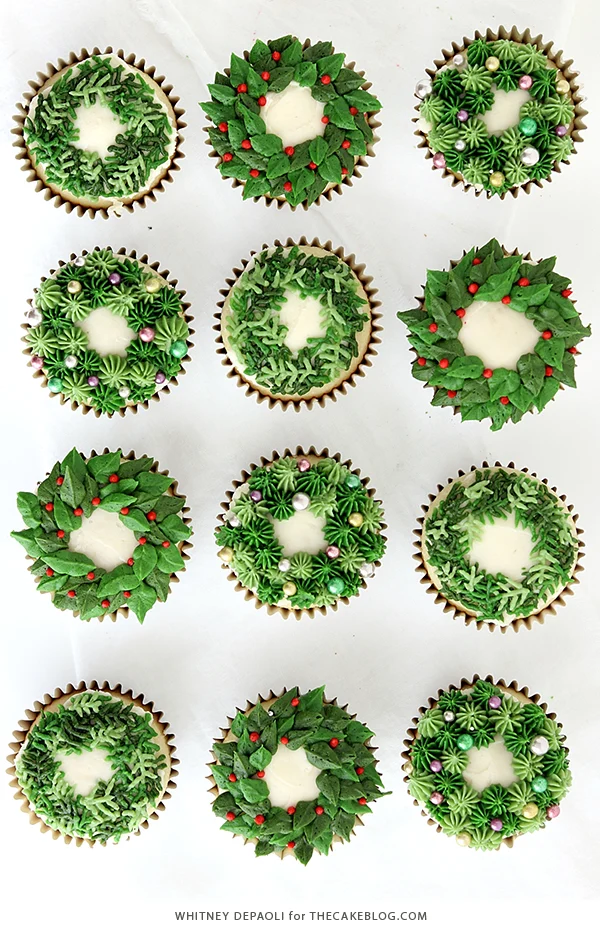
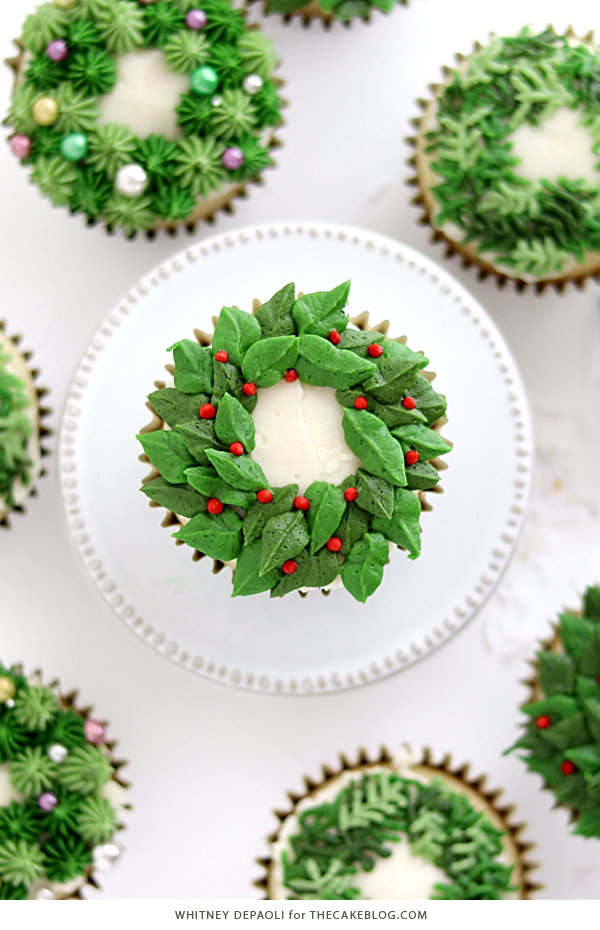
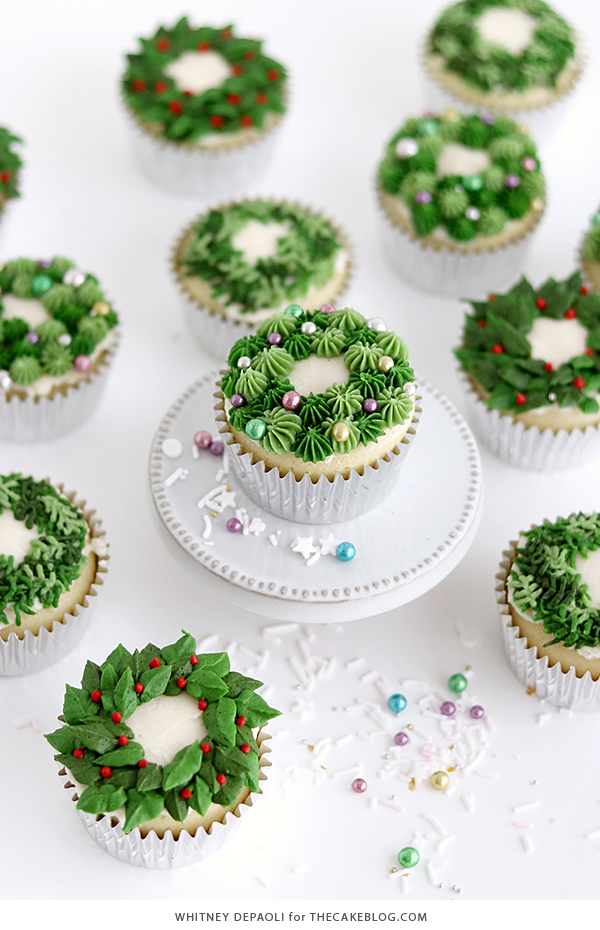
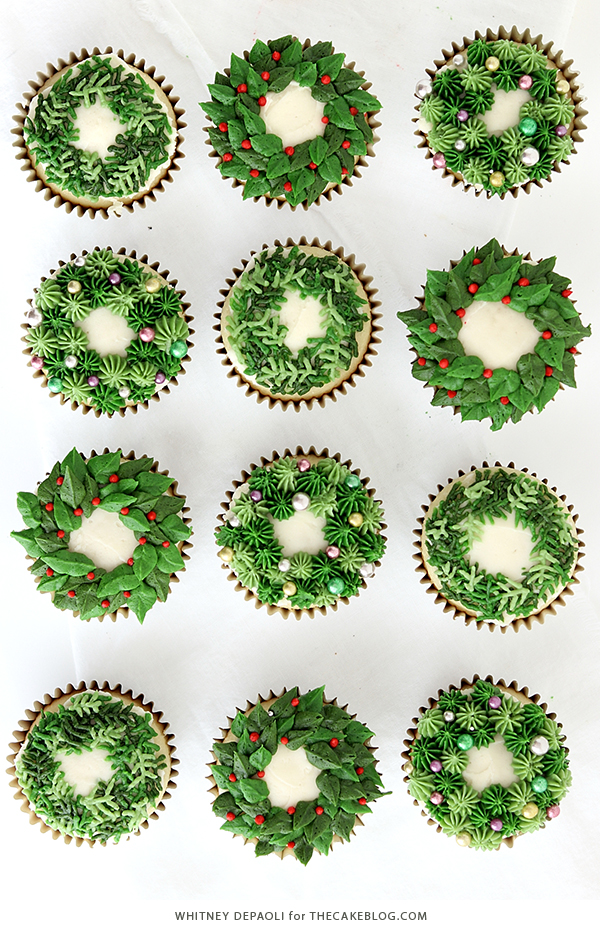
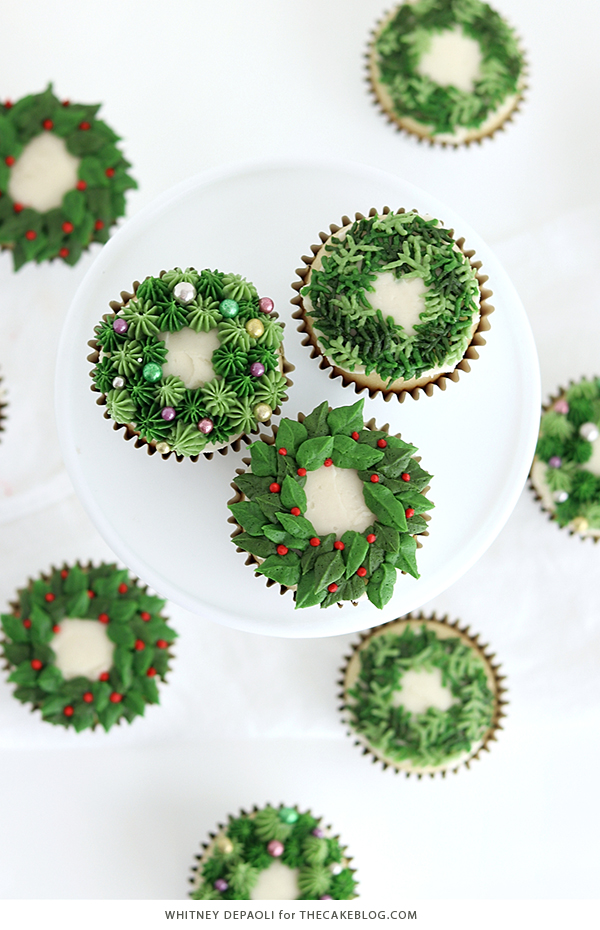
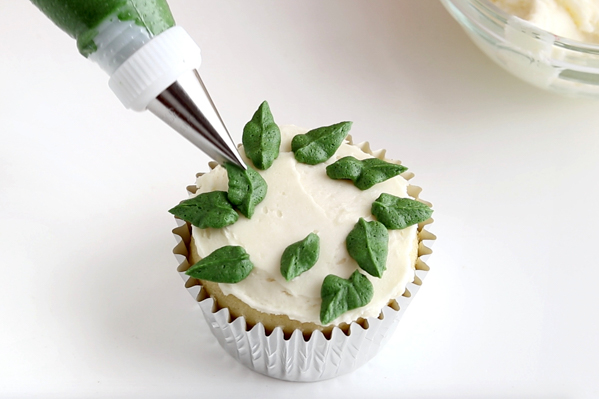
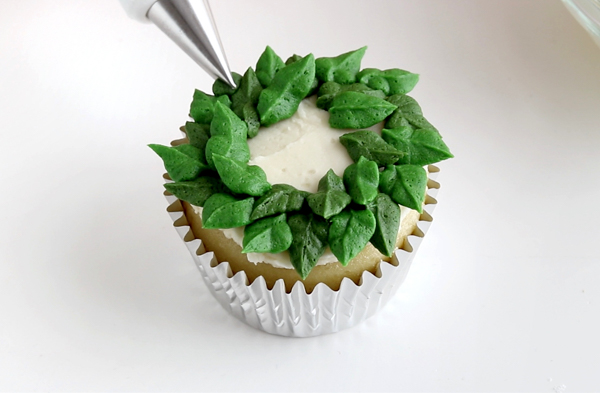
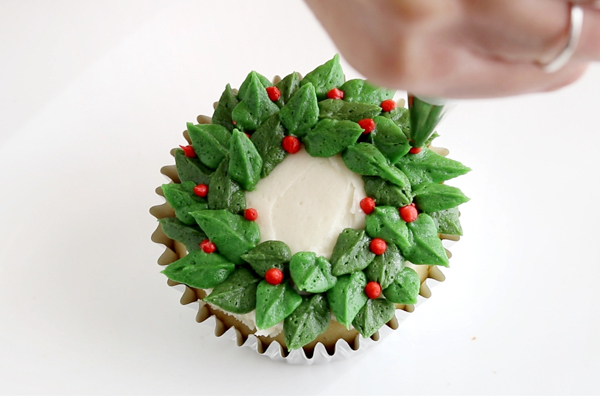
This design focuses on the "leafy" aspect of traditional wreaths. Utilizing piping tip #352—commonly referred to as a leaf tip—the baker creates a series of overlapping leaves. The technique requires holding the tip parallel to the cupcake surface with the points aligned vertically, resembling an open beak. By applying pressure and pulling the bag away, the baker creates a tapered leaf shape. The guide suggests a two-toned approach, alternating between medium and dark green to simulate natural shadow and light. The final step involves piping small red dots using a #3 round tip to represent holly berries.
The Pine Sprig Wreath Design
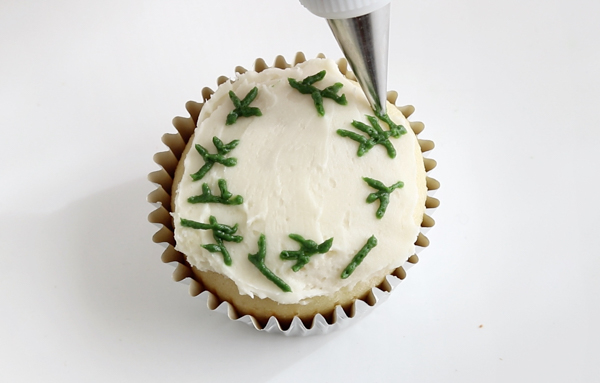
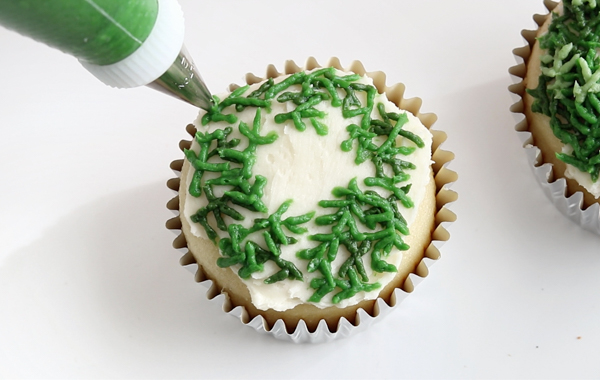
The pine sprig design is categorized as the most labor-intensive of the three, requiring a high degree of manual dexterity. Using #3 round tips for all three shades of green, the baker constructs individual needles by piping a central line followed by a series of "V" shapes. The layering of light, medium, and dark sprigs continues until the base frosting is no longer visible. This design mimics the dense, needle-like texture of evergreen trees, offering a more rustic and organic aesthetic compared to the leaf-based wreath.
The Sprinkled Star Wreath Design
The third variation utilizes a #199 star tip to create "drop stars." This technique is more vertical, involving a direct squeeze-and-release motion that results in a ridged, flower-like texture. This design is intended to be the most "festive" and whimsical, as it incorporates spherical sprinkles—specifically the "Serendipity" mix from Fancy Sprinkles—to act as miniature ornaments. This design highlights the role of texture in food photography, as the ridges of the stars catch light differently than the flat leaves or thin sprigs.
Industry Impact and Expert Perspectives
The introduction of these tutorials often has a measurable impact on the retail sector. When high-profile baking blogs release specific tutorials, specialty retailers often see a localized spike in the sale of specific piping tips and gel colors mentioned. In this instance, tips #352, #3, and #199 are highlighted as essential inventory for the holiday season.
From a professional standpoint, the project demonstrates the importance of "batching" in culinary production. By preparing all colors and bags simultaneously and using couplers, the baker can produce a dozen or more cupcakes with high variation in a relatively short timeframe. This methodology is often taught in professional pastry programs to balance artistic quality with commercial viability.
Broader Cultural and Social Implications
The "Christmas Wreath Cupcakes" tutorial reflects a broader cultural shift toward "domestic professionalism," where home cooks seek to replicate the results of high-end bakeries. The rise of social media platforms like Instagram and Pinterest has created an environment where the visual presentation of holiday food is a key component of social sharing.
Data from social media analytics suggest that "holiday baking" is one of the most searched terms in the fourth quarter, with a specific emphasis on "easy but impressive" designs. By providing a step-by-step framework that utilizes professional tools (couplers and specific tips) while maintaining accessible instructions, DePaoli’s tutorial bridges the gap between novice hobbyists and professional decorators.
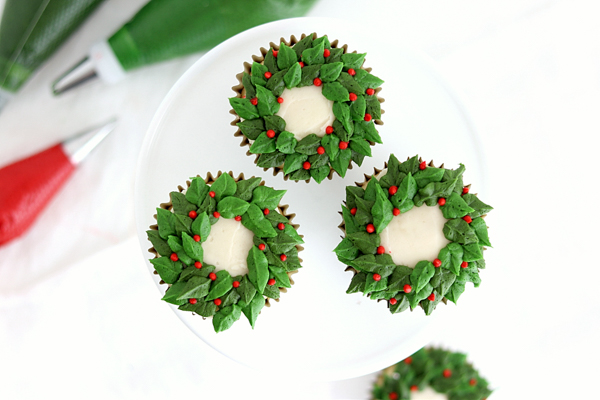
Furthermore, the emphasis on variety—offering three designs rather than one—caters to the modern preference for "dessert spreads" or "grazing tables." Instead of a single uniform cake, contemporary holiday parties often feature assortments of smaller treats that allow for dietary portion control while providing a more diverse visual display.
Conclusion and Future Outlook
As the culinary landscape continues to evolve, tutorials like Whitney DePaoli’s Christmas Wreath Cupcakes play a vital role in preserving seasonal traditions while modernizing the techniques used to celebrate them. The project’s focus on technical efficiency, color depth, and textural variety provides a blueprint for successful holiday hosting.
The broader implication for the baking industry is a continued move toward specialized, theme-based content that empowers consumers to engage in high-level craft. As home baking technology and ingredient availability continue to improve, the line between amateur and professional output will likely continue to blur, driven by the educational resources provided by contributors within the digital culinary space. For the current holiday season, these wreath designs stand as a testament to the enduring appeal of festive greenery and the creative possibilities of buttercream.