
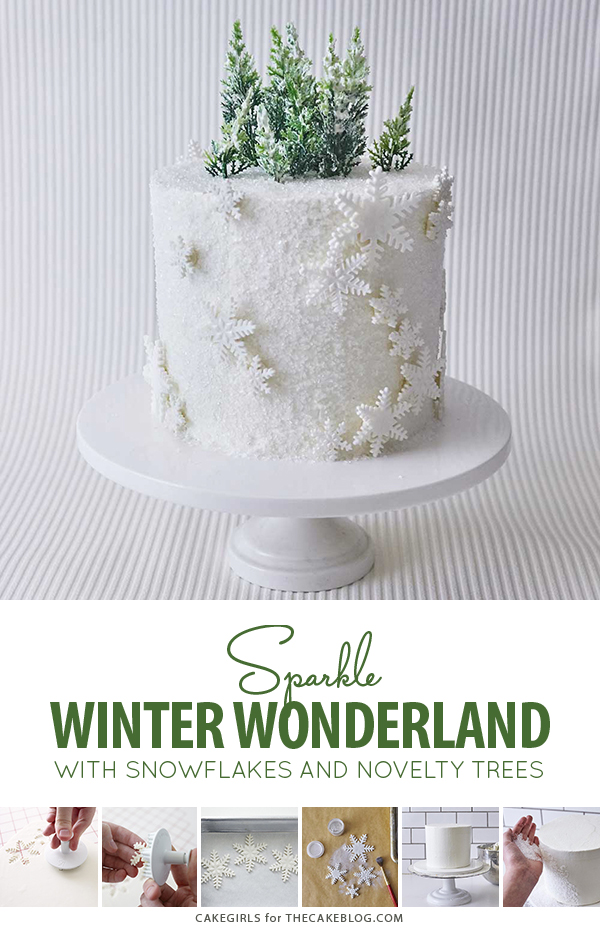
The holiday confectionery industry has seen a significant shift toward minimalist yet high-impact designs, a trend exemplified by the recent release of a comprehensive tutorial for the Winter Wonderland Snowflake Cake. Developed by Mary and Brenda Maher, the founders of the renowned Chicago-based bakery Cakegirls, and published in collaboration with The Cake Blog, the project provides a technical blueprint for a multi-layered dessert designed to serve as a festive centerpiece. The design is characterized by its monochromatic white palette, utilizing a combination of structural fondant elements, edible sugar crystals, and miniature novelty accents to replicate the atmospheric qualities of a winter landscape.
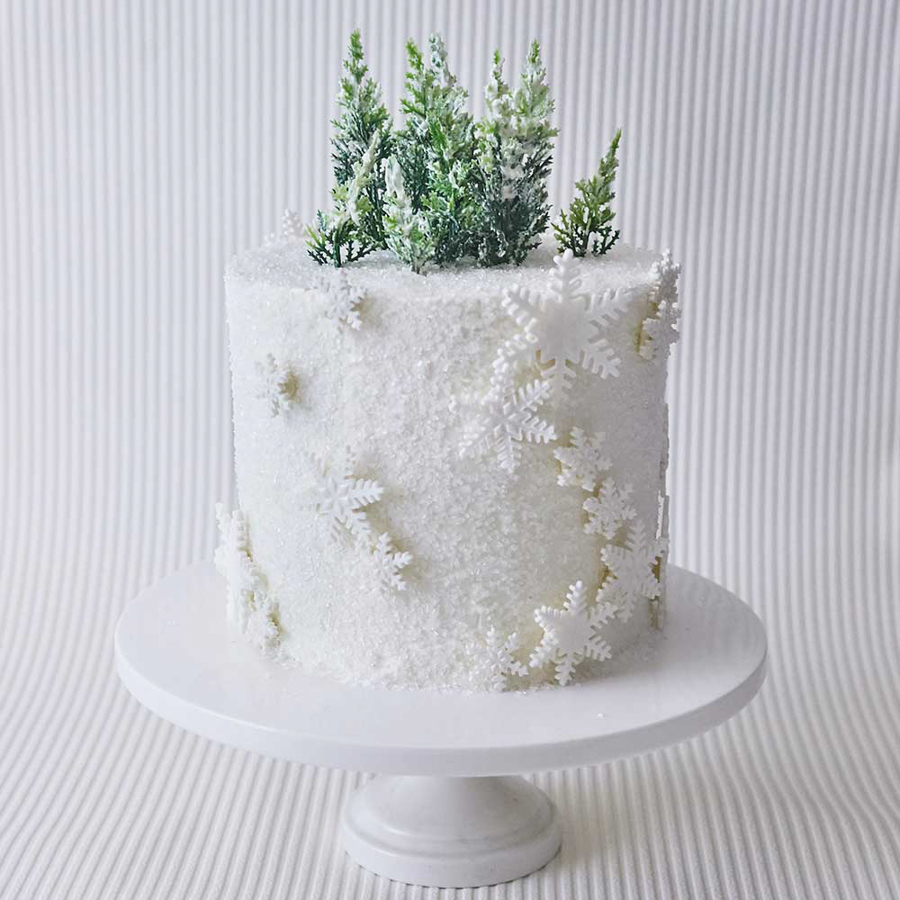
The conceptualization of the Winter Wonderland Snowflake Cake was reportedly inspired by the urban winter environment of Chicago. According to the designers, the visual goal was to recreate the aesthetic of a snow globe, emphasizing a "sparkly and white" finish that incorporates the organic shapes of falling snowflakes and frosted timber. This release marks a continuation of the Maher sisters’ efforts to bridge the gap between professional bakery standards and accessible home-decorating techniques, focusing on the use of essential tools like snowflake punch cutters and luster dust.
Technical Specifications and Structural Composition
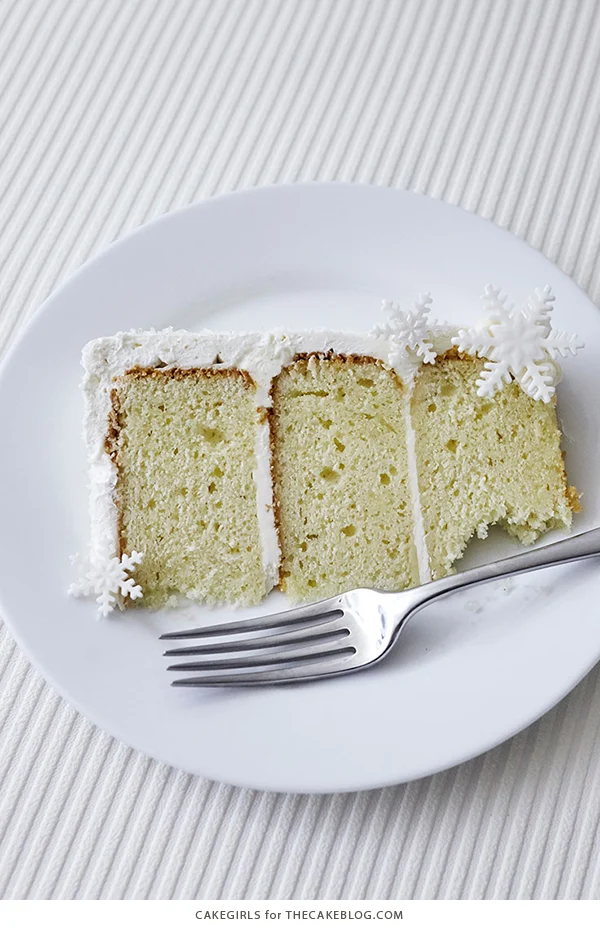
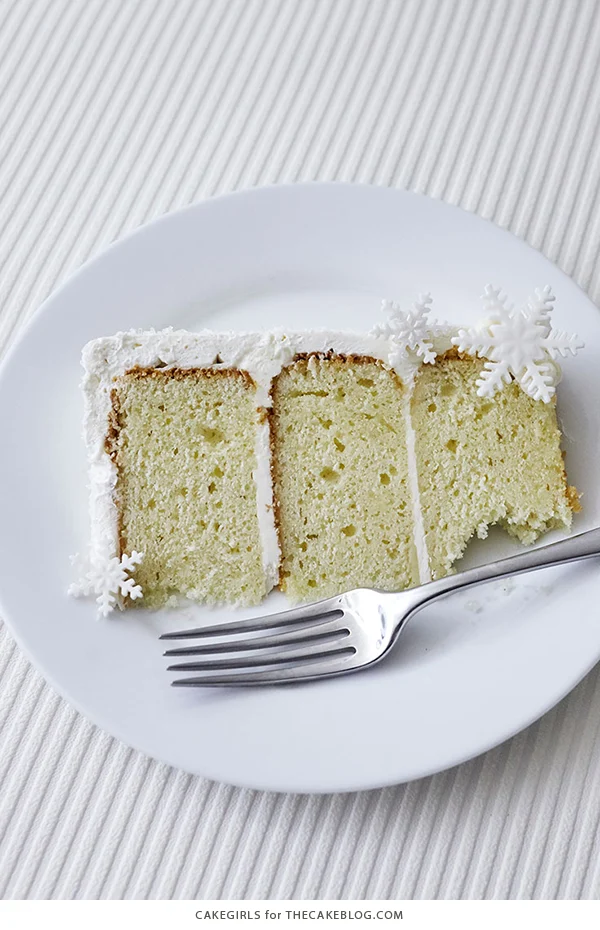
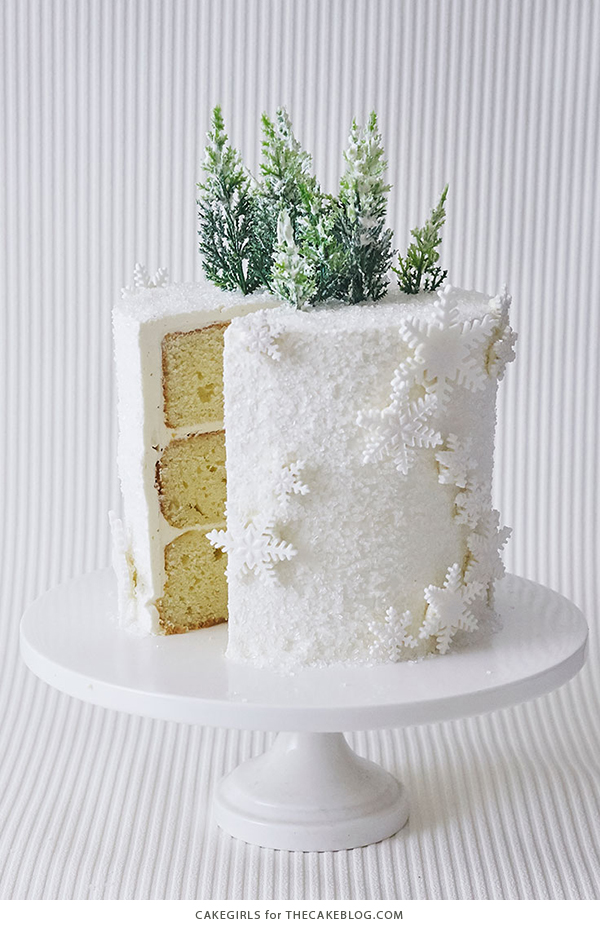
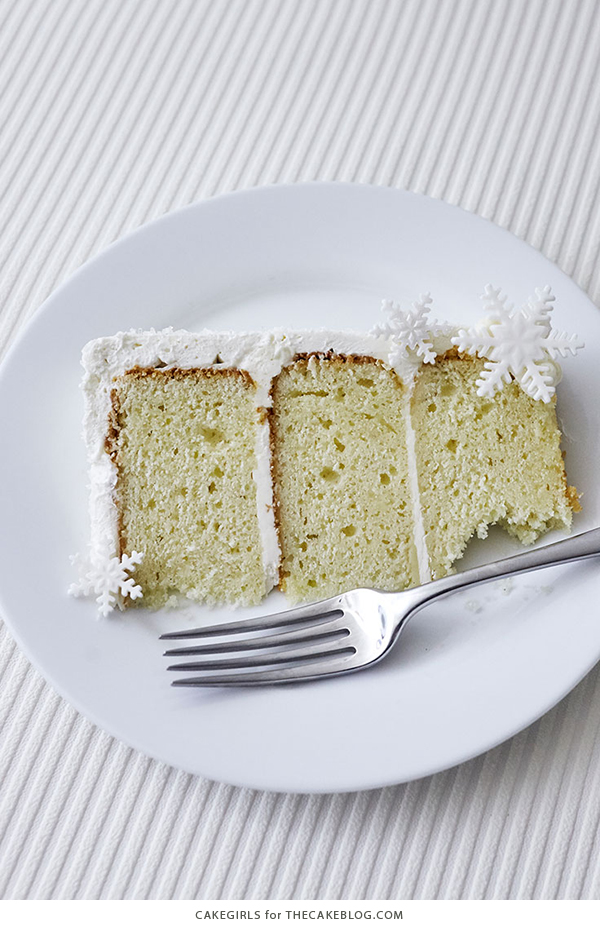
The foundation of the Winter Wonderland Snowflake Cake relies on a specific structural arrangement to ensure stability and visual proportion. The tutorial specifies the use of three 6-inch round cake layers, a configuration that provides the necessary height to allow for vertical decoration. While the base recipe suggests a traditional vanilla cake paired with Swiss meringue buttercream to maintain an "all-white" interior, the designers have indicated that the structural integrity of the design is compatible with various flavor profiles, including seasonal variations such as eggnog or champagne mimosa.
Swiss meringue buttercream is utilized not only for its flavor profile but for its technical properties. Unlike American buttercream, which can be prone to crusting or graininess, Swiss meringue offers a smoother finish and a stable base for the adhesion of decorative elements. For larger iterations of the cake, the designers note that the volume of external coating materials, specifically white crystal sugar, must be scaled accordingly to ensure uniform coverage.
Chronological Methodology of Construction
The execution of the Winter Wonderland Snowflake Cake is divided into a two-day production schedule to allow for the proper setting and curing of decorative elements. This staggered timeline is a standard professional practice aimed at reducing the risk of structural failure or aesthetic imperfections.
Phase One: Fondant Preparation and Curing
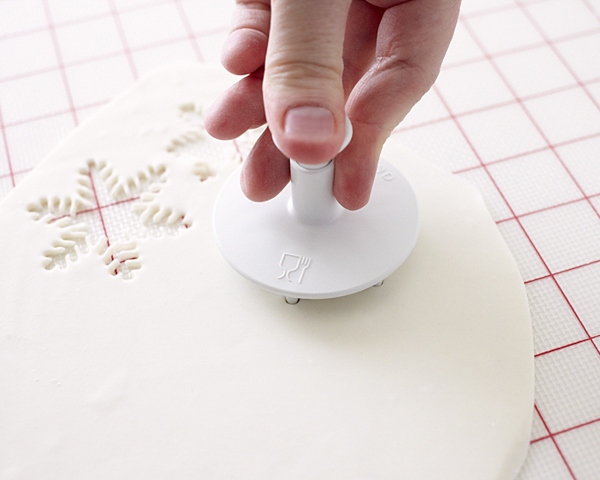
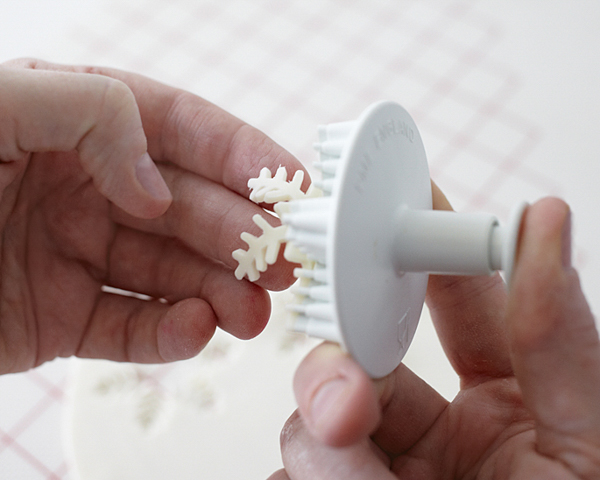
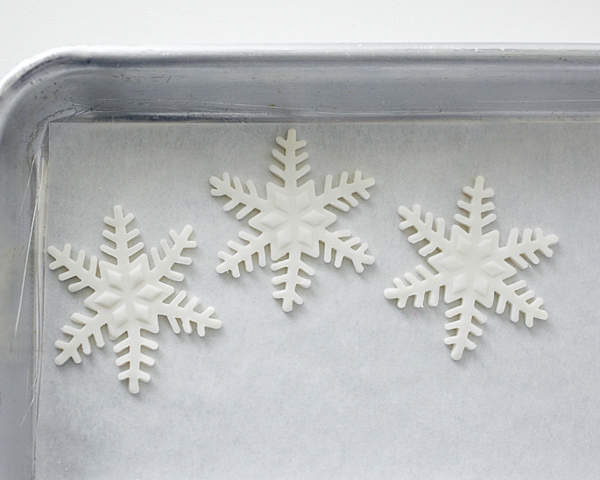
The initial phase, conducted twenty-four hours prior to assembly, focuses on the creation of the snowflake accents. White fondant is rolled to a thickness of approximately 1/8 to 1/4 inch. The use of powdered sugar as a surface lubricant is recommended to prevent sticking without altering the chemical composition of the fondant. Various sizes of snowflake punch cutters are employed to create a diverse array of shapes, which are then transferred to parchment paper for dehydration.
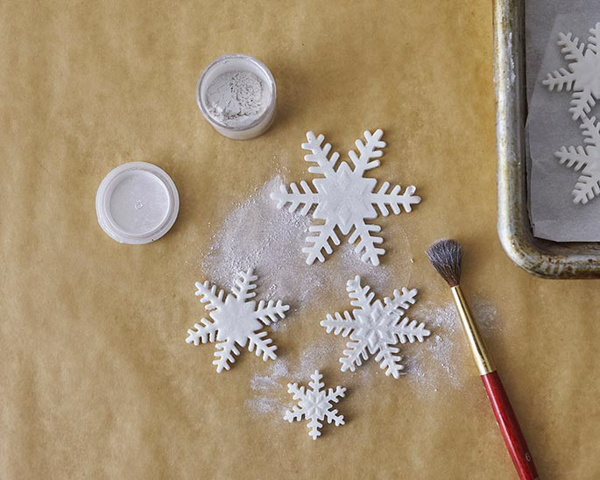
A critical technical step involves the application of Super Pearl luster dust. This substance is applied dry to the cured fondant shapes to provide a shimmering, reflective finish. From a regulatory and safety perspective, the tutorial highlights the distinction between decorative and edible finishes. While luster dust provides the desired "shimmery" aesthetic, its classification can vary; the designers advise that if non-FDA-approved dusts are used, the snowflakes should be treated as purely decorative and removed before consumption.
Phase Two: Assembly and External Texturing
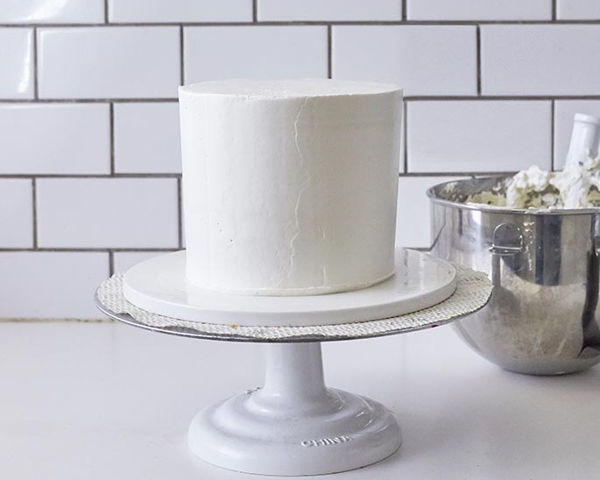
The second day of the process involves the assembly of the cake layers and the application of the external "sparkle" coating. After the cake is iced with buttercream, it undergoes a mandatory refrigeration period of at least one hour. This step is essential to ensure the buttercream is firm enough to withstand the manual application of sugar crystals.
The texturing process involves a manual "pressing" technique. White sugar crystals are held in the palm of the hand and applied to the sides of the cake in an upward motion. This method requires a collection tray to be placed beneath the cake to recover excess sugar, a practice that maximizes material efficiency. The top of the cake is then covered with a layer of crystals, with the designers noting that any "empty patches" serve a functional purpose as anchor points for the final decorative elements.
Final Assembly and Aesthetic Integration
The final stages of the tutorial involve the integration of miniature novelty trees and the placement of the pre-prepared snowflakes. To achieve a realistic "frosted" appearance, the novelty trees are lightly smeared with buttercream before being arranged in a "forest cluster" atop the cake. This grouping provides a vertical focal point that draws the eye upward.
The snowflakes are attached using small "dots" of buttercream, which act as a culinary adhesive. The placement of various sizes of snowflakes across the sides and top of the cake is intended to mimic the random distribution of snow in a natural environment. This layered approach to decoration—combining the crystalline texture of the sugar with the smooth, reflective surface of the fondant—creates a multi-dimensional effect that has become a hallmark of modern holiday dessert design.
Market Context and Consumer Trends
The release of the Winter Wonderland Snowflake Cake tutorial aligns with broader shifts in the global baking and confectionery market. According to recent industry reports, the DIY baking segment has experienced sustained growth, driven by a consumer desire for "Instagrammable" home-crafted goods. The "Winter Wonderland" theme, in particular, remains one of the most commercially viable seasonal motifs due to its broad appeal across various cultural and geographic demographics.
Data from retail analysts suggests that the demand for specialty decorating tools, such as the snowflake punch cutters mentioned in the tutorial, typically peaks in the fourth quarter. By providing a clear, step-by-step methodology, Cakegirls and The Cake Blog are tapping into a market of "prosumers"—amateur bakers who utilize professional-grade techniques and tools to achieve high-end results.
Safety and Regulatory Considerations in Cake Decorating
The tutorial’s mention of luster dust brings to light an ongoing discussion within the culinary community regarding the use of non-edible decorative elements. The Maher sisters’ recommendation to use FDA-approved brands for edible consumption, or to remove decorative pieces entirely, reflects an increasing industry-wide emphasis on food safety.
In recent years, several health departments have issued guidelines regarding the use of "glitter" and "dust" on food products, distinguishing between "edible," "non-toxic," and "decorative only." The Winter Wonderland Snowflake Cake tutorial addresses this by providing a clear protocol for the safe presentation of the dessert, ensuring that the aesthetic goals do not compromise the safety of the end consumer.
Impact on Digital Content and Culinary Education
The collaborative nature of this project—featuring contributors Mary and Brenda Maher on The Cake Blog—highlights the evolving landscape of culinary education. Traditional cookbooks are increasingly being supplemented, or in some cases replaced, by digital tutorials that offer high-resolution visual aids and real-time troubleshooting.
The Maher sisters, who rose to prominence through their "Cakegirls" brand and appearances on national television, have transitioned into influential figures within the digital baking space. Their ability to distill complex decorating tasks into manageable phases has made their tutorials a significant resource for the home-baking community. The Winter Wonderland Snowflake Cake serves as a case study in how professional bakers can leverage digital platforms to maintain brand relevance while contributing to the collective knowledge of the industry.
Conclusion and Future Outlook
The Winter Wonderland Snowflake Cake represents a fusion of atmospheric inspiration and technical precision. By utilizing a controlled color palette and focusing on textural contrasts, the design achieves a sophisticated visual impact without requiring overly complex sculpting skills. As seasonal trends continue to favor elegant, themed desserts, the methodologies outlined in this tutorial are likely to influence holiday baking practices for several seasons.
The project also underscores the importance of the "centerpiece" cake in modern social gatherings. As consumers look for ways to elevate their holiday hosting, the demand for desserts that double as visual art is expected to remain strong. The Winter Wonderland Snowflake Cake, with its "show-stopping" qualities and "stunningly simple" execution, provides a viable solution for those seeking to bridge the gap between high-end professional design and the warmth of home-baked goods.