

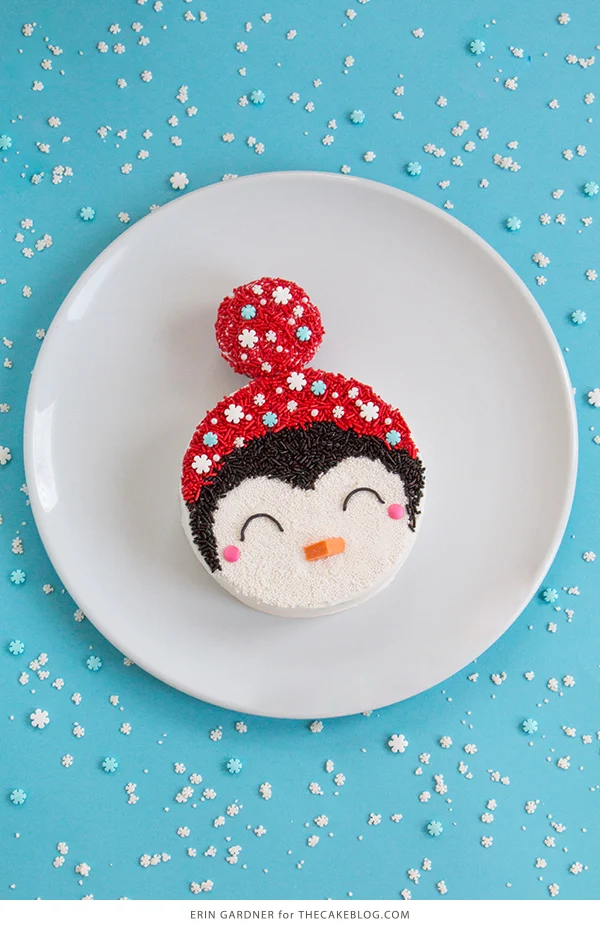
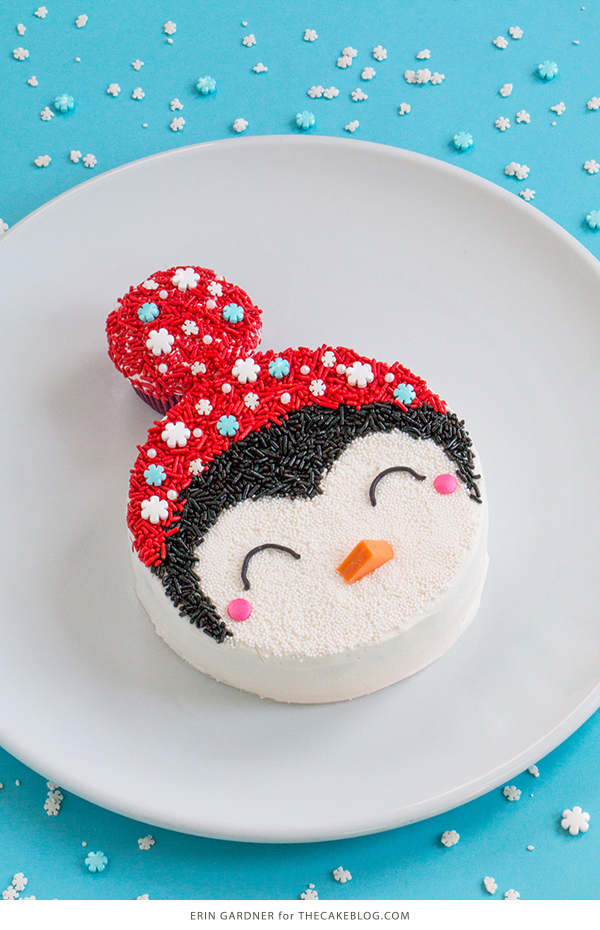
The winter confectionery landscape has seen a significant aesthetic shift with the introduction of the Penguin Cake, a meticulously designed, sprinkle-coated dessert created by renowned pastry contributor Erin Gardner for the industry-leading platform, The Cake Blog. This latest tutorial represents an evolution in the "sprinkle universe" design philosophy, a conceptual framework Gardner established through her previous "sprinkle girl" series. The design is engineered to serve as a centerpiece for winter-themed birthdays and boutique holiday gatherings, prioritizing visual charm alongside technical accessibility for home-based bakers.

The Conceptual Origins of the Sprinkle Universe
The Penguin Cake is not an isolated design but rather a strategic extension of a broader creative lineage. According to Gardner, the inspiration for this avian-themed dessert originated from her successful "sprinkle girl cakes," a series characterized by vibrant, textured surfaces and anthropomorphic features. Within the professional baking community, this movement toward high-texture, sprinkle-heavy designs is often referred to as "maximalist confectionery," where the medium of the sprinkle is used not merely as a garnish but as a structural skin for the cake.
Gardner posits a narrative-driven approach to her designs, suggesting that these characters exist within a shared "sprinkle universe." This thematic consistency allows for a high degree of consumer customization, a factor that market analysts identify as a primary driver in the modern DIY baking industry. The Penguin Cake offers various modular upgrades, including the integration of chocolate-molded sunglasses, variable color palettes for the winter accessories, and the use of diverse candy shapes such as stars or miniature coniferous trees to alter the thematic resonance of the piece.
Technical Methodology and Chronological Execution
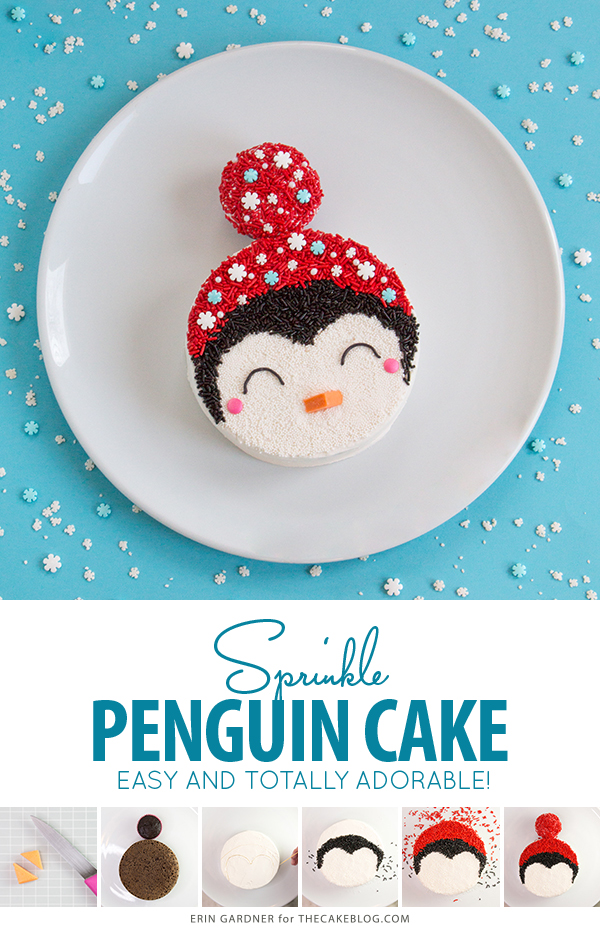
The construction of the Penguin Cake follows a rigorous technical protocol designed to ensure structural integrity while maximizing the aesthetic impact of the nonpareils. The process is divided into three primary phases: preparation, application, and detailing.
Phase I: Architectural Mapping and Icing
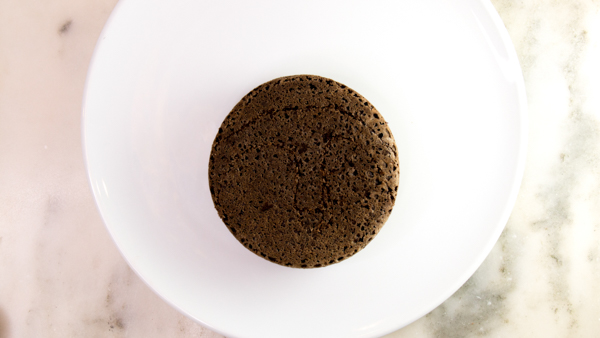
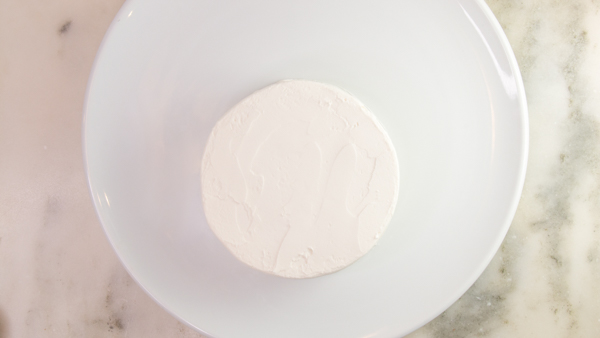
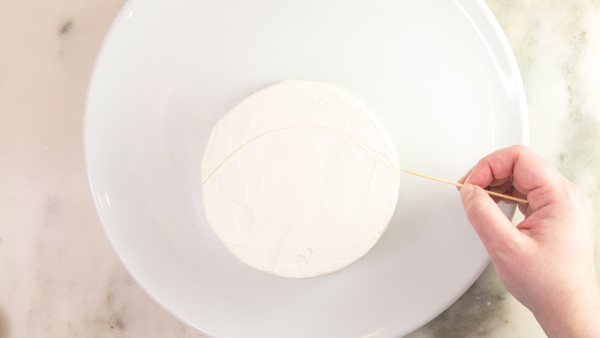
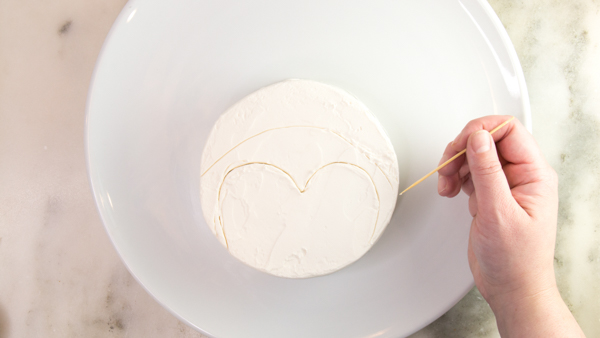
The foundation of the design requires a standard cake base coated in a substantial layer of plain buttercream. Unlike traditional smooth-finish cakes, the Penguin Cake methodology leverages the eventual sprinkle coating to mask minor imperfections in the sub-layer. Once the buttercream is applied, the "mapping" phase begins. Utilizing a toothpick or skewer, the baker must delineate three distinct regions:
- The Superior Crescent: A half-moon shape across the top of the cake, designating the hat area.
- The Facial Inset: An open-bottom heart shape centered on the front of the cake.
- The Body Perimeter: The remaining lateral and posterior surfaces representing the penguin’s plumage.
Phase II: Strategic Sprinkle Application
The application of nonpareils is conducted using a "large-to-small" regional strategy. To manage the logistical challenges of loose sprinkles, Gardner recommends placing the cake platter atop a baking sheet to capture overflow—a technique that minimizes waste and simplifies cleanup.
The white nonpareils are applied first to the facial inset, utilizing the convex side of a spoon to press and smooth the texture into the buttercream. This is followed by the application of black sprinkles to the body perimeter. In the event of cross-contamination—where black sprinkles enter the white facial region—the protocol dictates the use of a toothpick for precise extraction. The process concludes with the application of red sprinkles to the superior crescent, forming the base of the penguin’s winter hat.
Phase III: Accessory Integration and Detailing
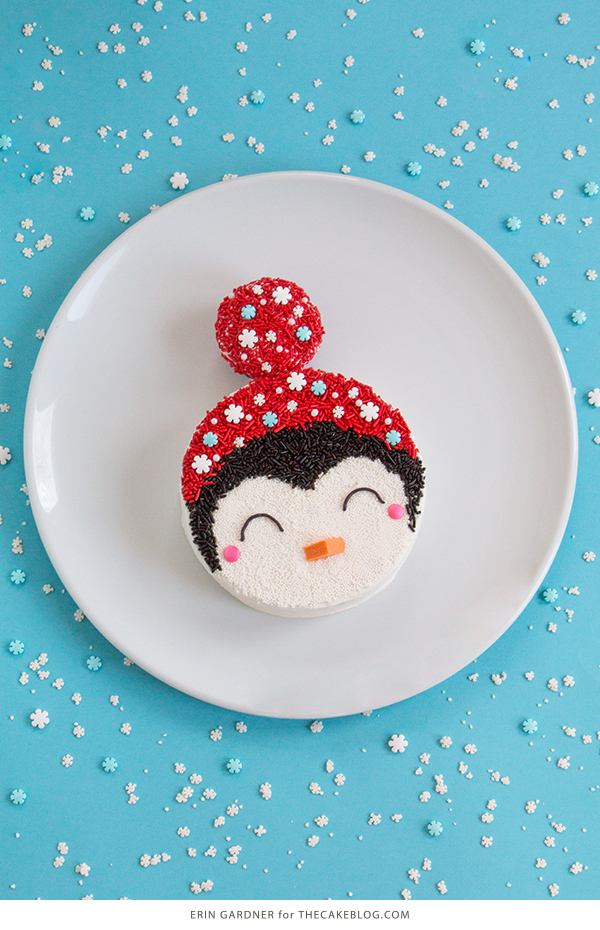
The final phase involves the transition from 2D texture to 3D characterization. A cupcake, coated in identical red sprinkles, is affixed to the platter using a buttercream adhesive to serve as the hat’s pom-pom. The facial features are constructed from a combination of confectionery media:
- The Beak: A Starburst fruit chew, bisected diagonally to create a geometric triangle.
- The Cheeks: Two pink confetti sprinkles positioned laterally to the beak.
- The Eyes: Semi-circular arcs piped with black buttercream using a small round tip.
Market Context and Confectionery Trends
The release of the Penguin Cake tutorial aligns with broader statistical trends in the global baking and dessert market. According to recent consumer reports, the "DIY Cake Decorating" segment has experienced a compound annual growth rate (CAGR) of 5.4% over the last five years. This growth is largely attributed to the "Instagrammability" of desserts, where visual complexity is highly valued.
Data suggests that seasonal baking remains the most profitable window for content creators and supply manufacturers. Winter-themed searches for "unique holiday cakes" typically spike by 215% between the months of November and January. Gardner’s Penguin Cake addresses this demand by providing a design that appears complex and professional but relies on techniques—such as sprinkle-coating—that are achievable for the intermediate hobbyist.
Industry Response and Creative Analysis
Professional pastry chefs have noted that the Penguin Cake utilizes "texture mapping" to create depth without the need for advanced fondant sculpting. "The use of nonpareils as a primary medium is a clever workaround for the traditional challenges of black icing," says one industry analyst. "Black buttercream often requires excessive amounts of food coloring, which can affect the flavor profile and stain the palate. By using black sprinkles over a neutral base, Gardner achieves a deep, saturated hue without compromising the integrity of the frosting."
Furthermore, the "sprinkle universe" concept is viewed as a successful branding exercise. By linking the Penguin Cake to her previous "Sprinkle Girl" designs, Gardner creates a recognizable "style" that encourages repeat engagement from her audience. This methodology mirrors the "collectible" nature of modern digital content, where users are encouraged to master a series of related skills.
Logistical Considerations and Preservation
From a food science perspective, the Penguin Cake requires specific handling to maintain its visual fidelity. Sprinkles, particularly nonpareils, are hygroscopic, meaning they absorb moisture from the surrounding environment. When stored in a high-humidity environment, such as a standard refrigerator, the sugar coating of the sprinkles can soften and bleed color into the underlying buttercream.
To mitigate this, Gardner advises that the final sprinkle application occur on the day of service. For long-term storage, the cake’s stability is dependent on the type of buttercream utilized:
- American Buttercream: Highly stable at room temperature due to its high sugar-to-fat ratio, allowing for counter-top storage in an airtight container.
- Swiss or Italian Meringue Buttercream: Requires refrigeration due to the egg white content, though this increases the risk of sprinkle softening.
Broader Impact on the Confectionery Community
The Penguin Cake serves as a case study in the democratization of high-end cake design. By breaking down a complex character into geometric zones and utilizing common pantry items—like Starburst candies—the tutorial removes the "barrier to entry" often associated with professional-grade cakes.
The broader implications for the market include a renewed interest in "textural" baking. As consumers move away from the flat, matte look of fondant, the industry is seeing a return to "edible textures" like sprinkles, coconut flakes, and crushed confections. The Penguin Cake is at the forefront of this shift, proving that "adorable" designs can be achieved through strategic repetition and simple geometric mapping.
As winter celebrations continue to evolve toward more intimate, home-based gatherings, the demand for "statement desserts" like Gardner’s Penguin Cake is expected to remain high. This design not only provides a festive centerpiece but also reinforces the cultural value of handmade, artisanal contributions to holiday traditions. The Penguin Cake, therefore, is more than a tutorial; it is a reflection of the current intersection between digital content creation, seasonal consumer behavior, and the timeless appeal of whimsical confectionery.