

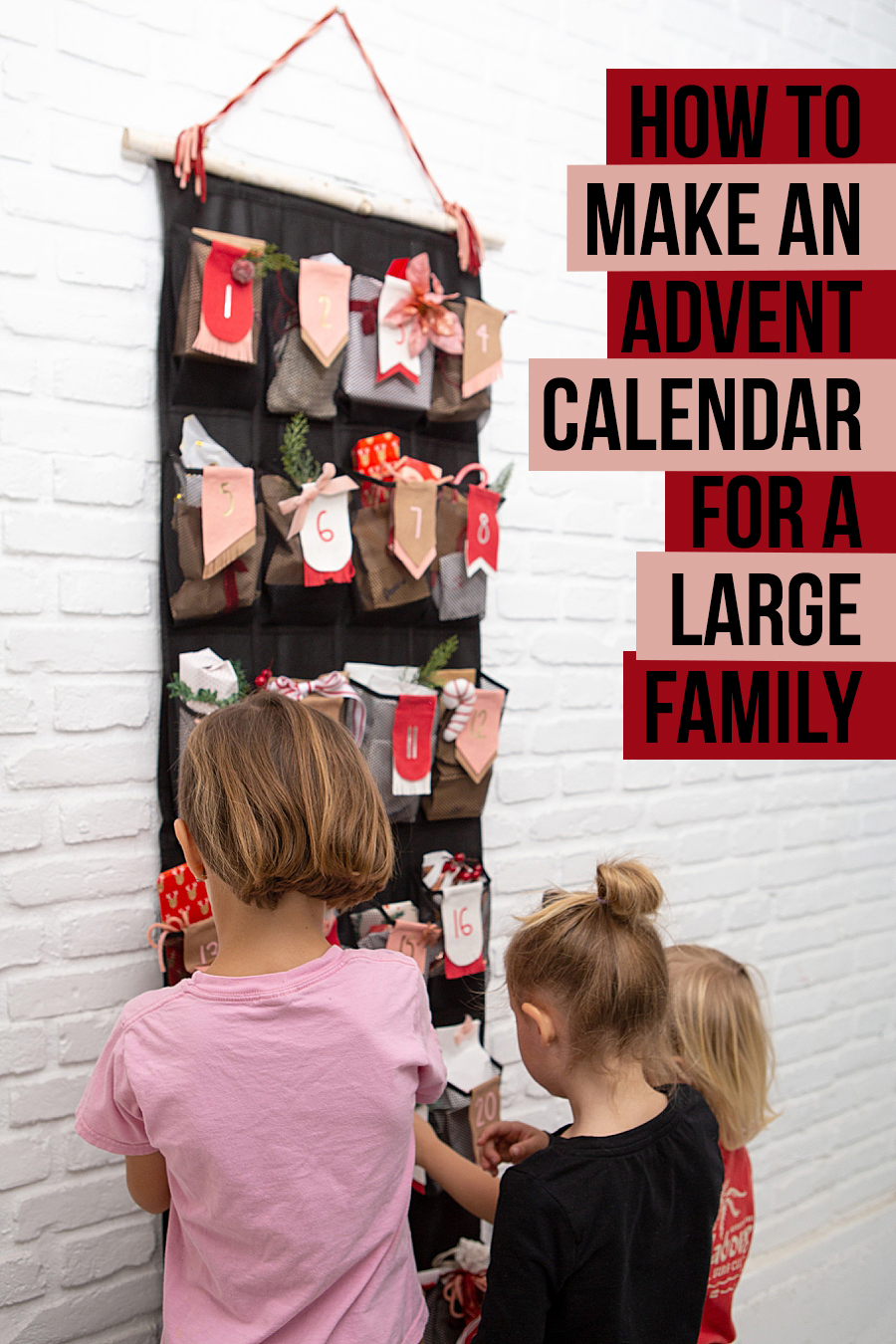
The holiday retail landscape is currently dominated by pre-packaged advent calendars, with major brands such as Lego, Disney, and Mattel offering themed countdowns that typically retail between $30 and $50 per unit. For a household with four children, this annual tradition can easily exceed a $160 investment, often resulting in repetitive play patterns and a surplus of small plastic components that fail to maintain engagement beyond the first two weeks of December. In response to these market trends, Jen Causey-Kidder of the lifestyle platform Something Turquoise has documented a comprehensive shift toward a DIY model that prioritizes personalization, cost-efficiency, and structural durability. By repurposing a standard over-the-door shoe organizer and integrating industrial-grade mounting techniques, this project offers a scalable solution for large families seeking to move away from the "subscription box" fatigue associated with commercial holiday products.
The Economic and Psychological Drivers of DIY Holiday Customization
The transition from commercial advent calendars to a bespoke DIY system is driven by two primary factors: financial value and the quality of engagement. Market analysis of high-end toy advent calendars suggests that while the convenience of a pre-packaged box is high, the "price-per-toy" often reflects a significant markup for licensing and specialized packaging. For instance, a $40 Star Wars-themed calendar may contain several "filler" items—such as simple plastic bricks or repetitive stickers—that do not justify the unit cost.
Causey-Kidder’s initiative involved reallocating a total budget of $150—roughly equivalent to the cost of four premium retail calendars—into a curated selection of 24 unique gifts per child. This strategic pivot allows for a higher diversity of items, including sensory toys, art supplies, and practical accessories, which are tailored to the specific developmental stages of the children, who in this case study range from 14 months to seven years of age. Psychologically, this approach mitigates the "boredom threshold" often reached by the third week of December, as the variety of gifts prevents the predictability inherent in single-brand calendars.
Technical Specifications and Structural Engineering
A significant challenge in creating a DIY advent calendar for a large family is the physical weight of the gifts. When multiplied by 24 days and four children, the total mass of the items can exceed the load-bearing capacity of standard fabric hangers. To address this, the project utilized a black back-of-the-door shoe organizer, sourced via Amazon, as the primary vessel.
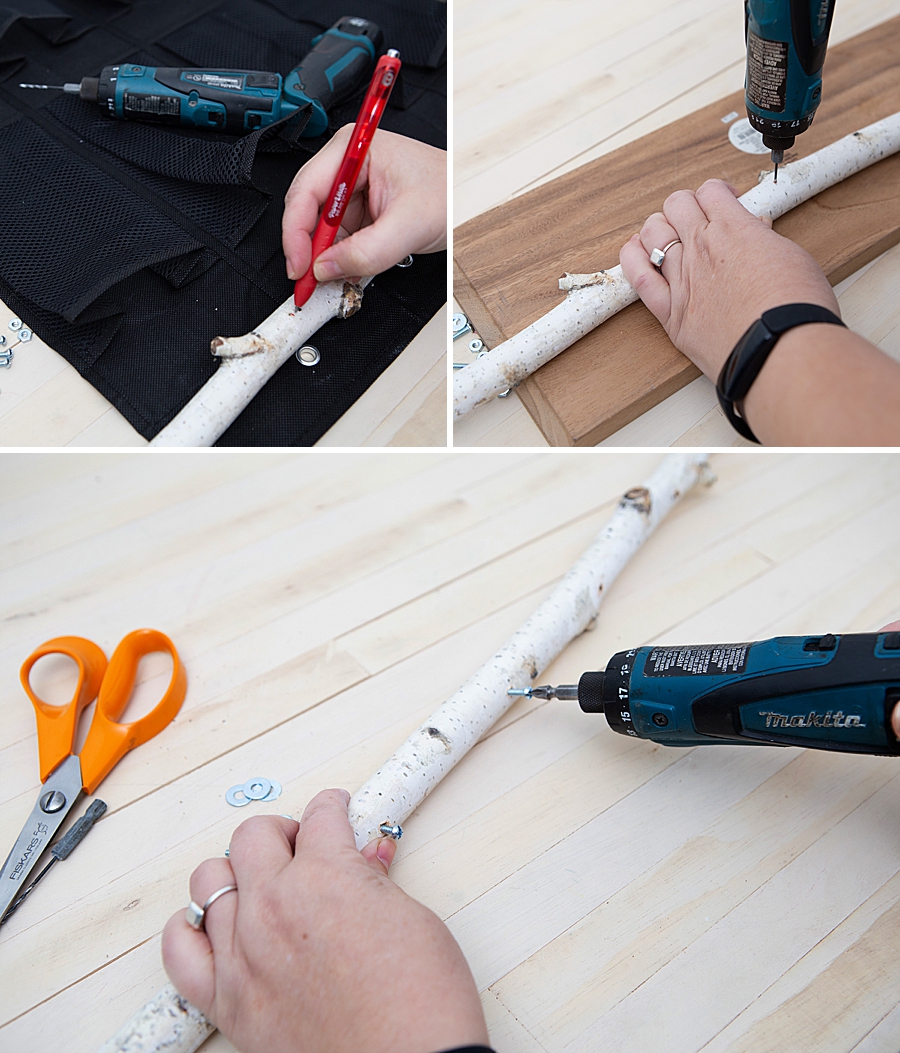
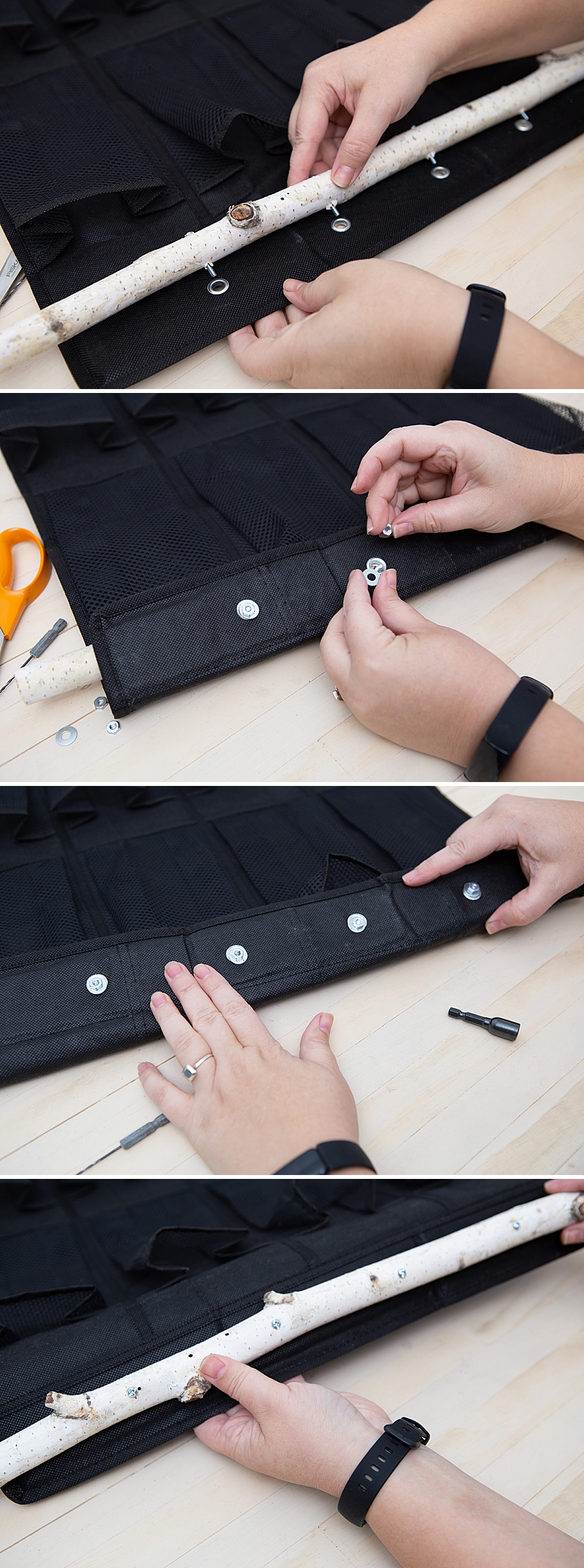
To ensure the structure could withstand the weight and the frequent interaction of four young children, Causey-Kidder implemented a "branch and bolt" mounting system. The technical process involved:
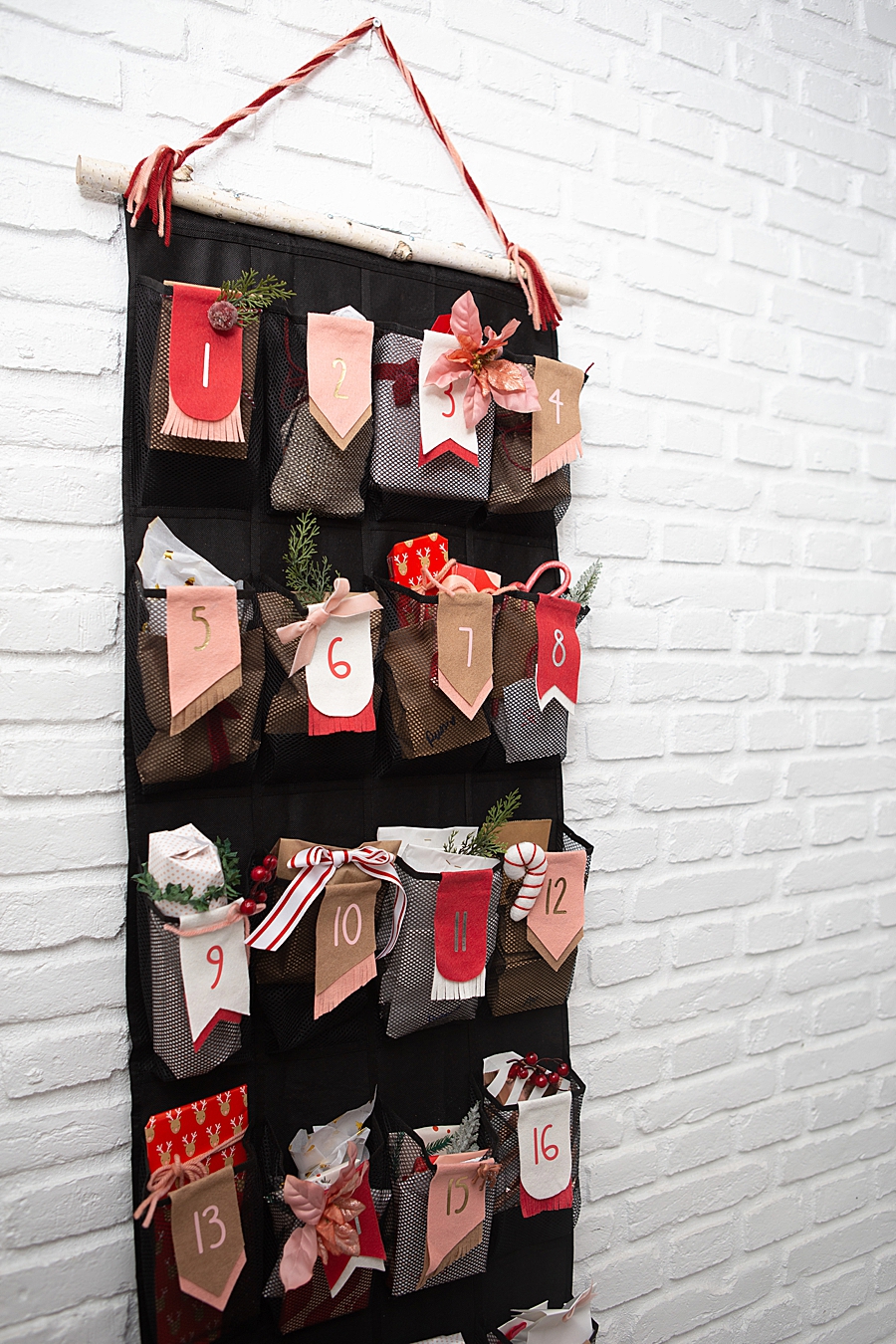
- Material Selection: A sturdy white decorative branch was repurposed as a horizontal support beam.
- Industrial Mounting: Rather than using adhesive hooks or thin wire, the branch was secured to the shoe organizer using 1.25-inch bolts, washers, and nuts. This required drilling directly through the wood of the branch to create a permanent, load-distributed anchor point.
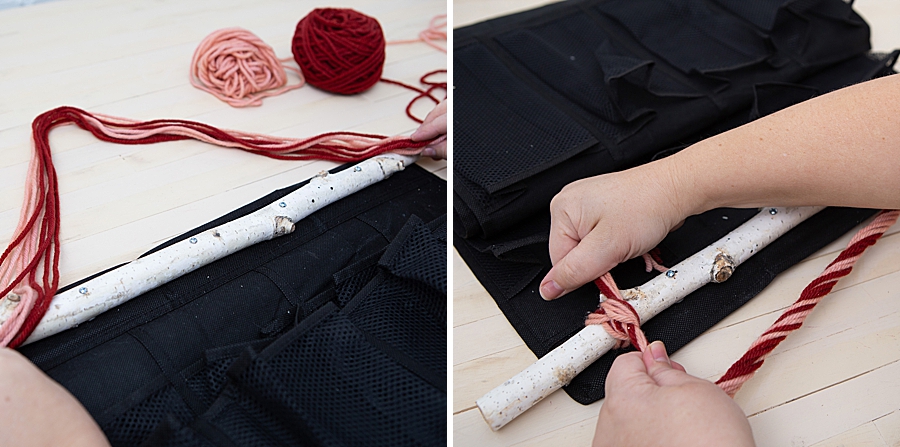
- Weight Distribution: The organizer was then suspended using 12 strands of heavy-duty yarn, tied to the branch and anchored to the door frame, ensuring the calendar remained flush and stable during use.
Design Aesthetics and Brand Integration
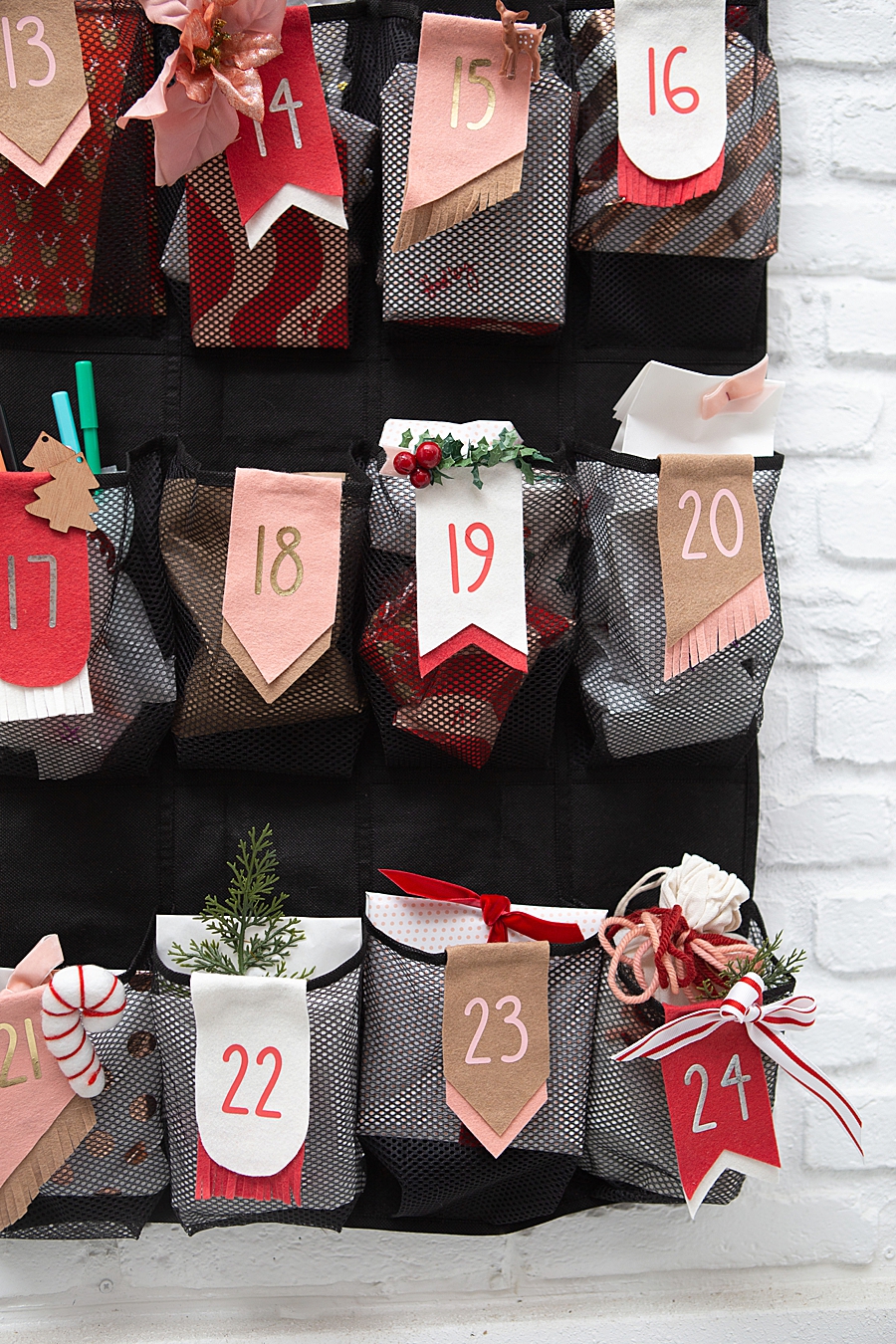
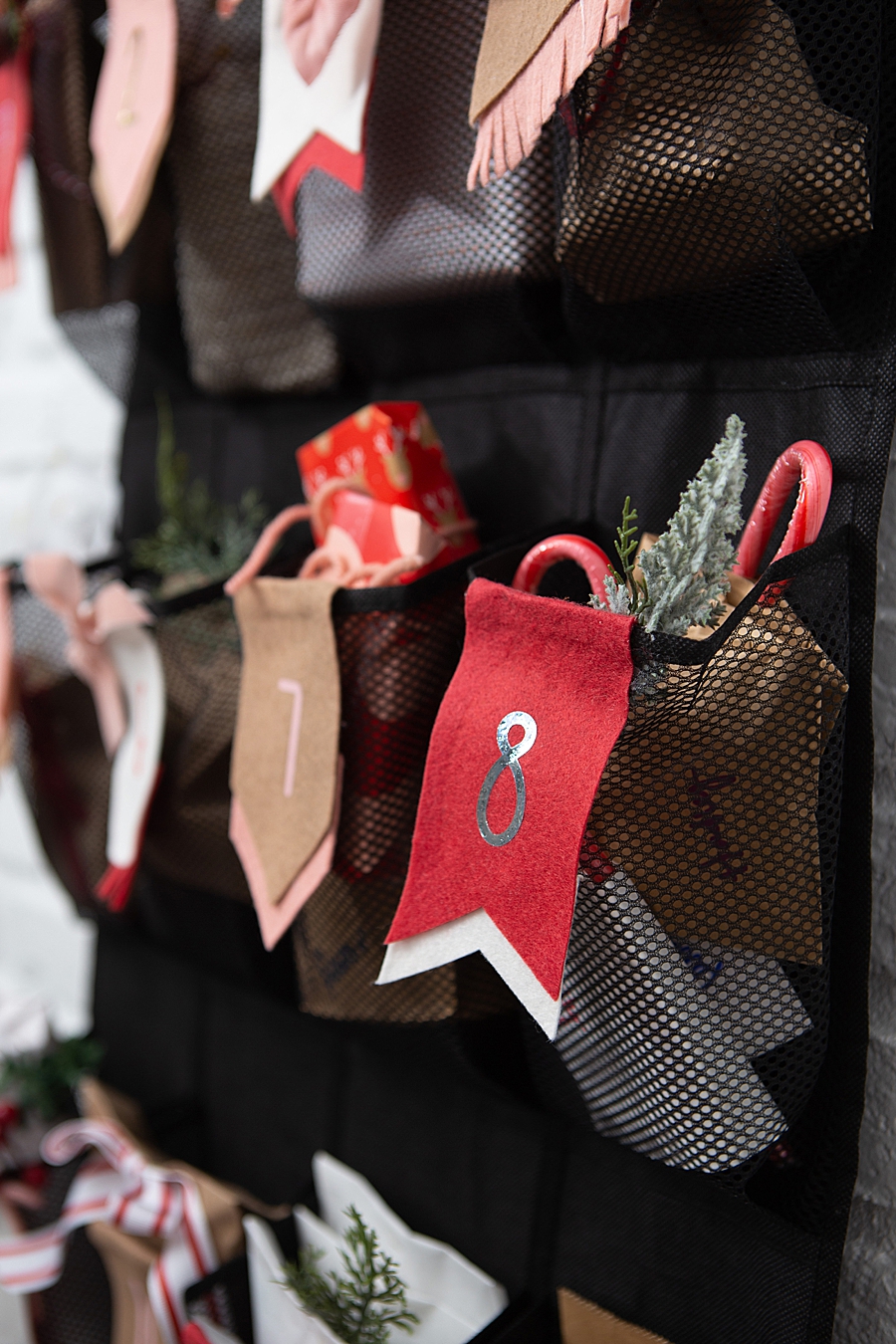
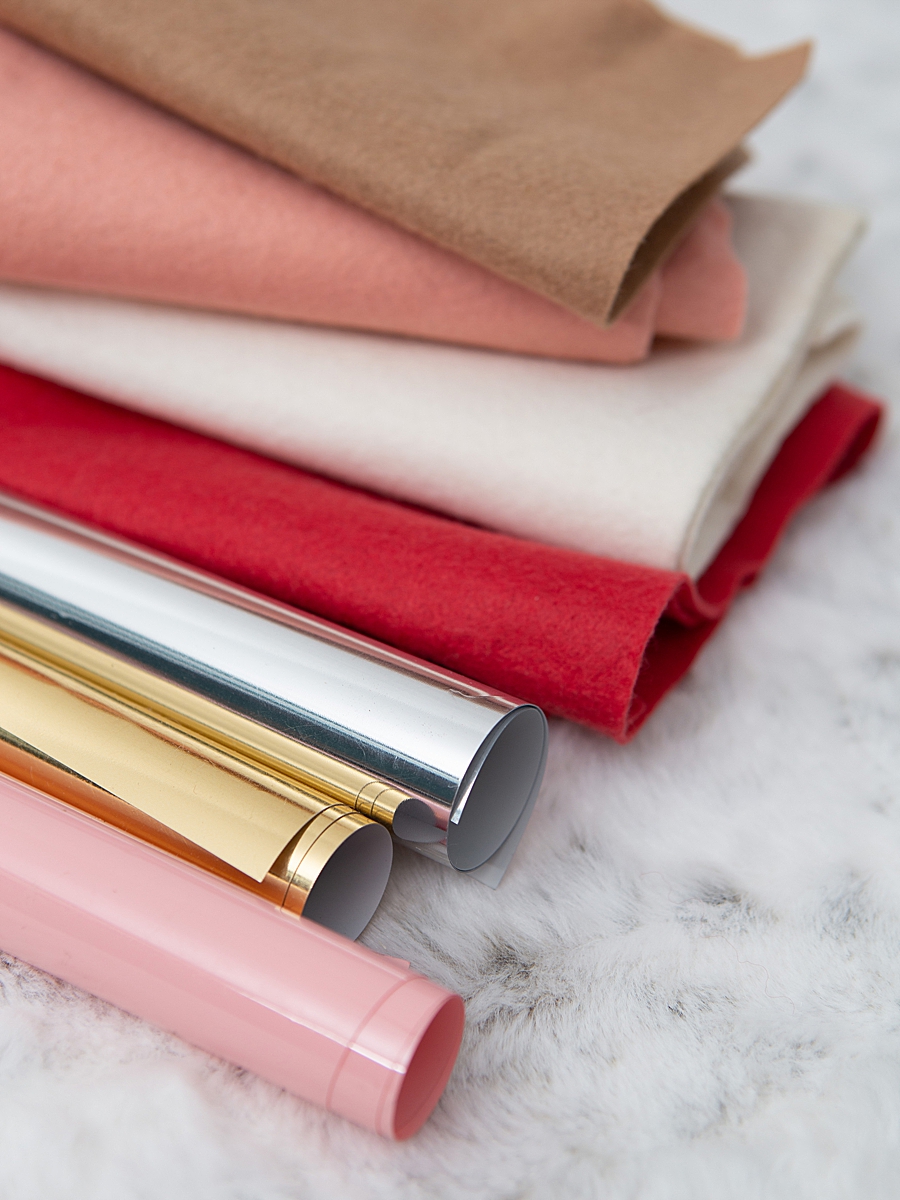
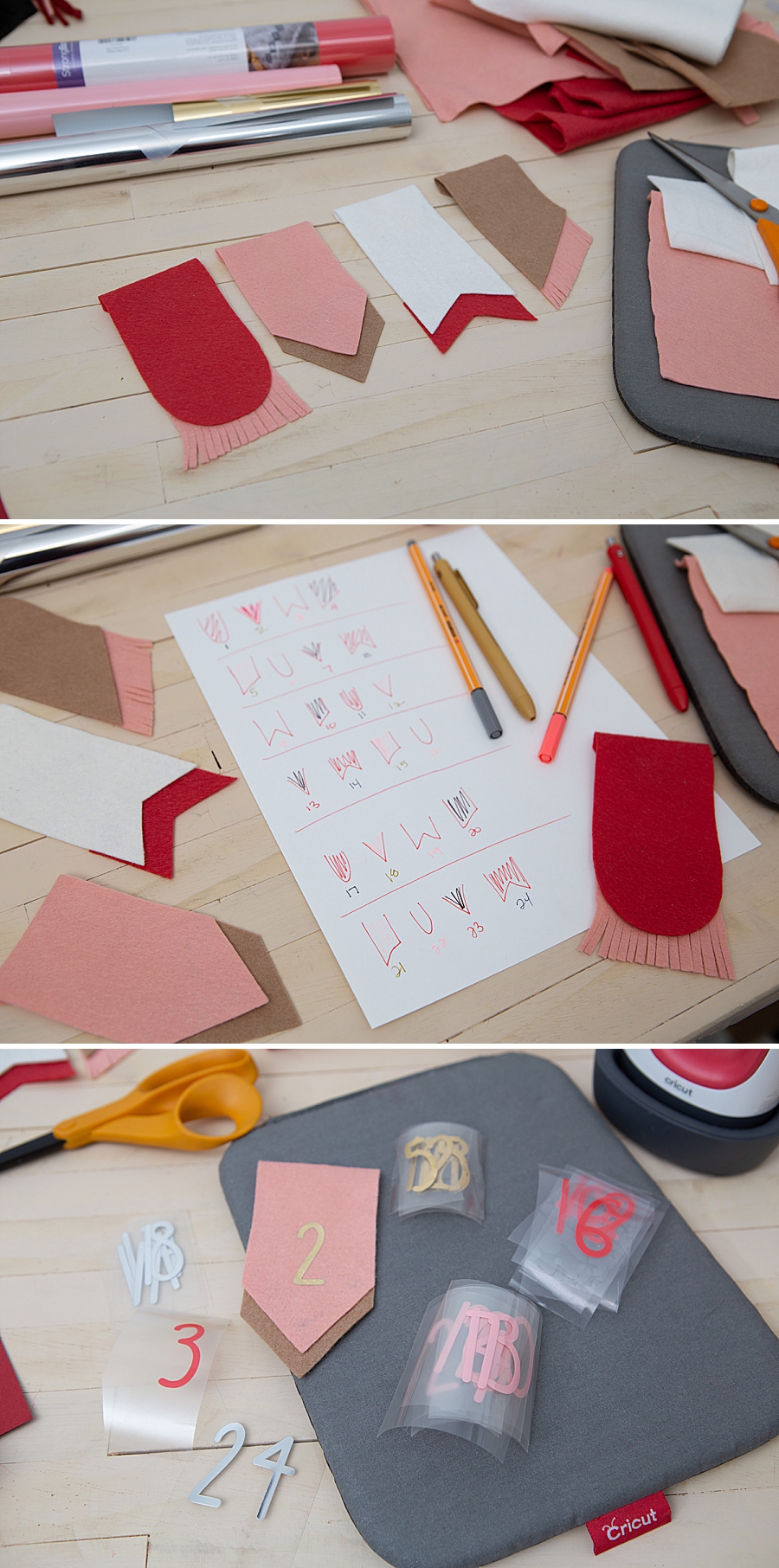
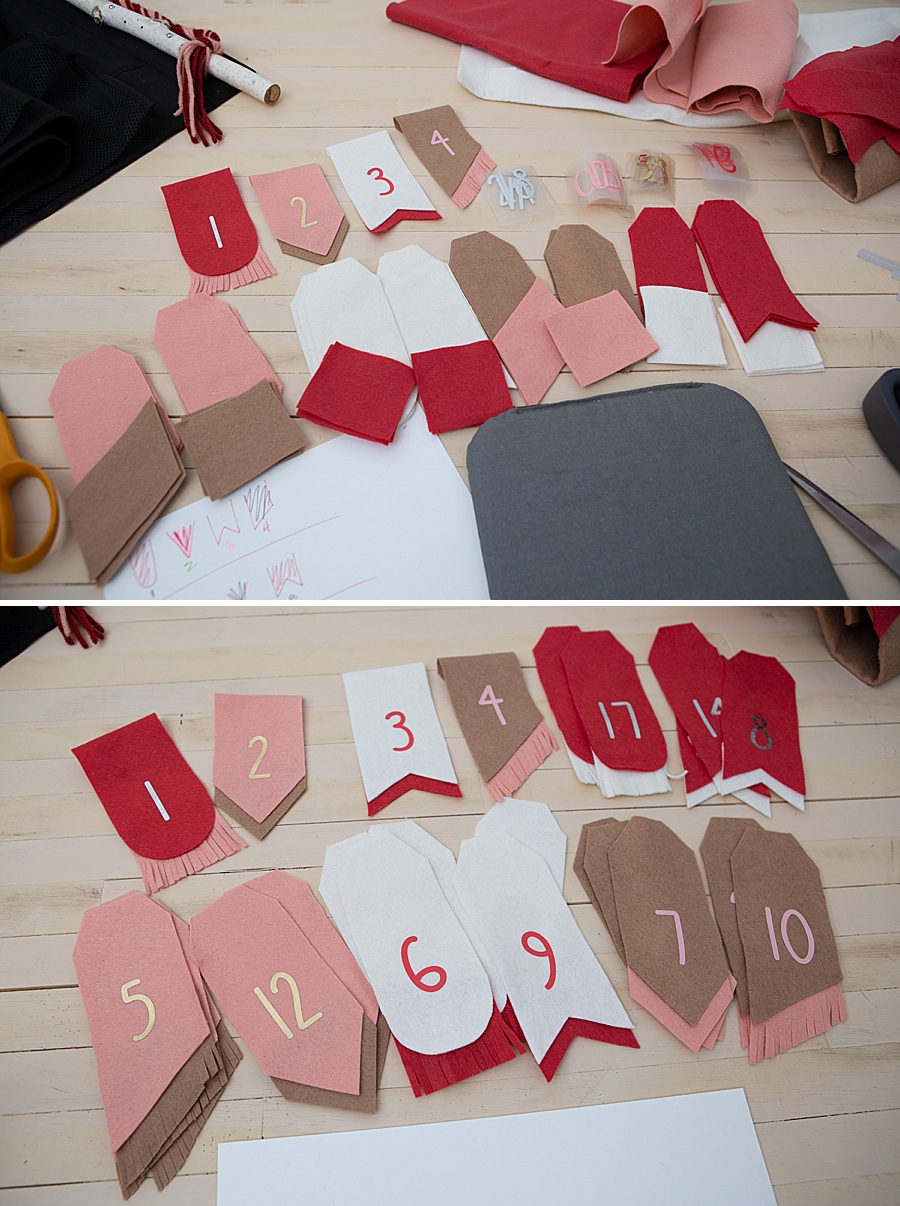
The visual appeal of the calendar was achieved through a blend of high-quality textiles and digital crafting technology. The project utilized wool blend felt from Benzie Design in a palette of Red, Blush, White, and Castle. These materials were chosen for their durability and "heritage" feel, contrasting with the disposable cardboard used in commercial alternatives.
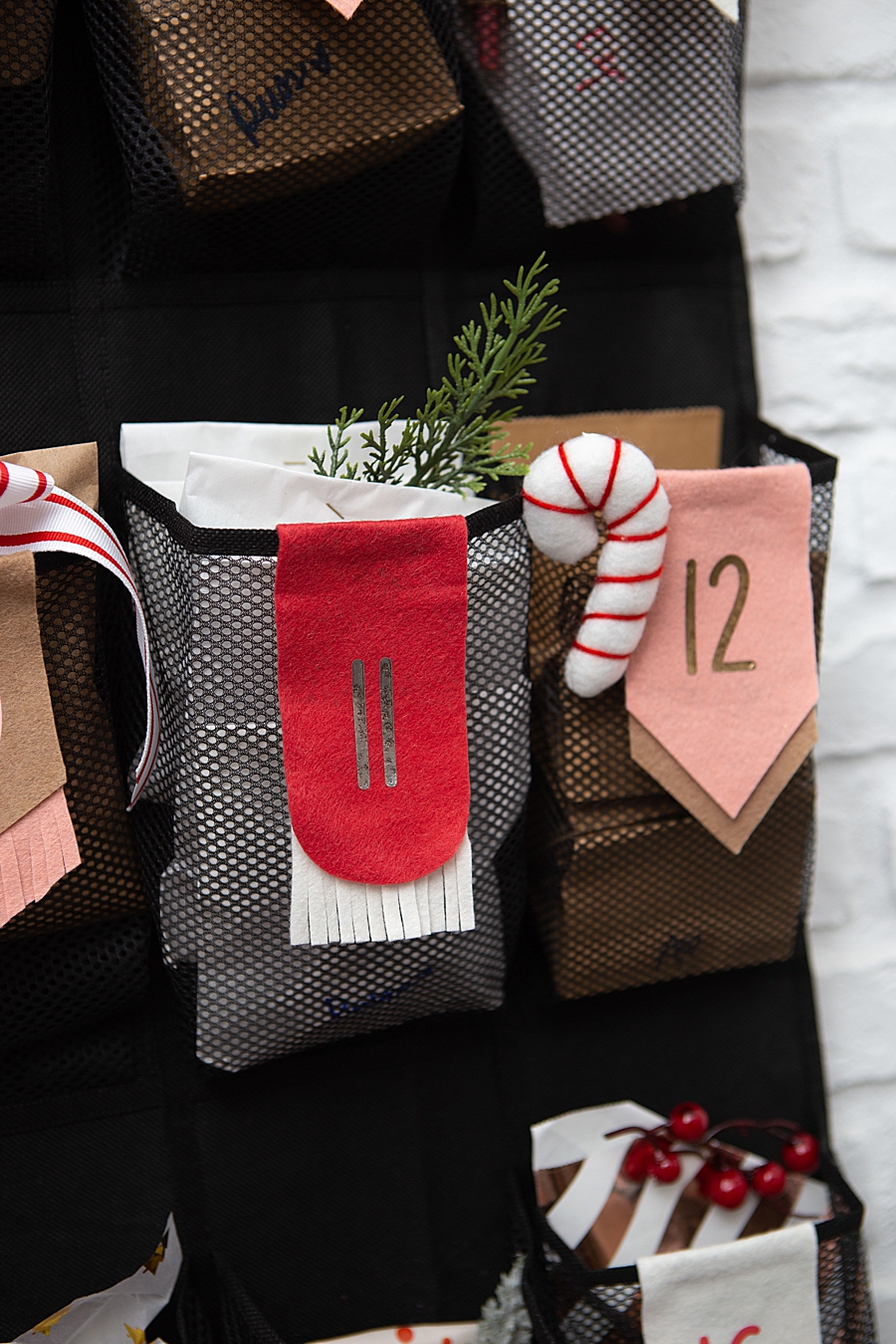
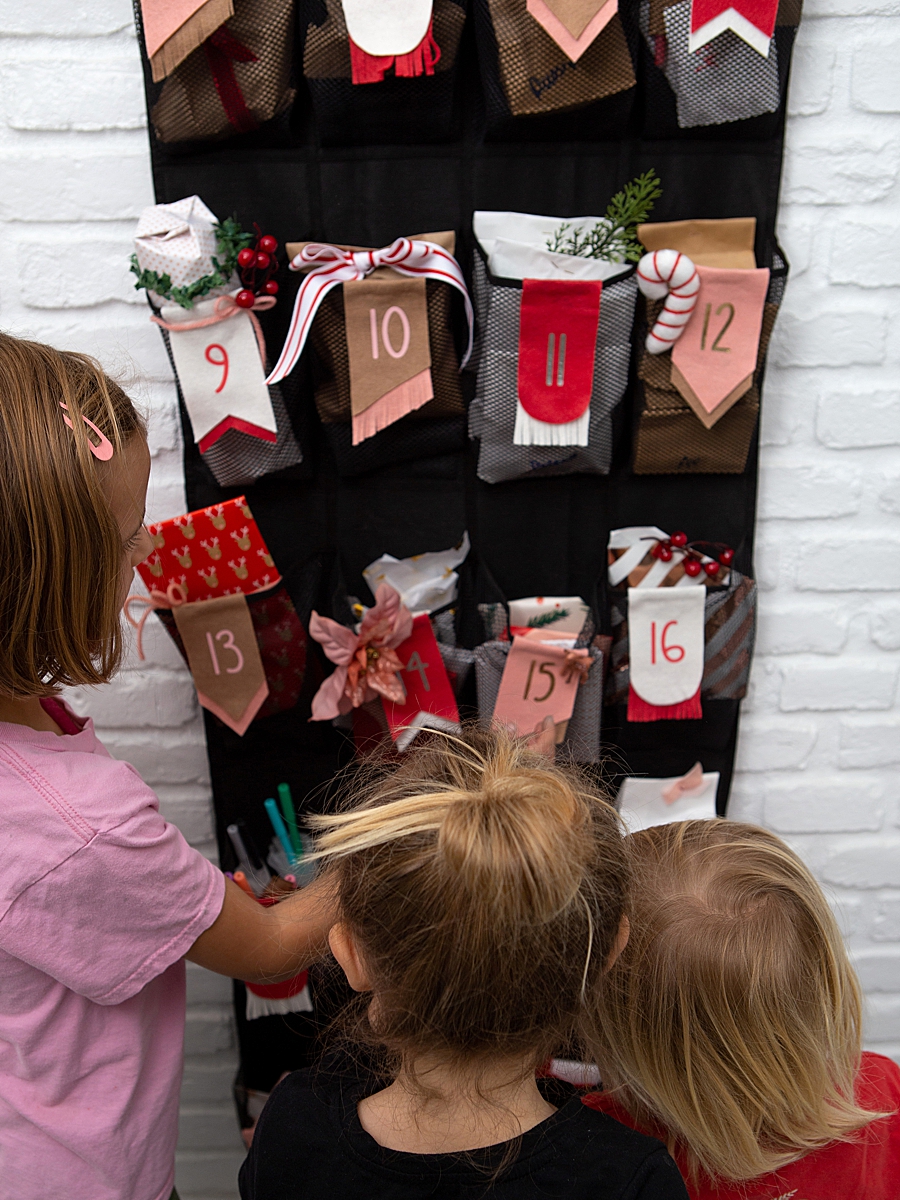
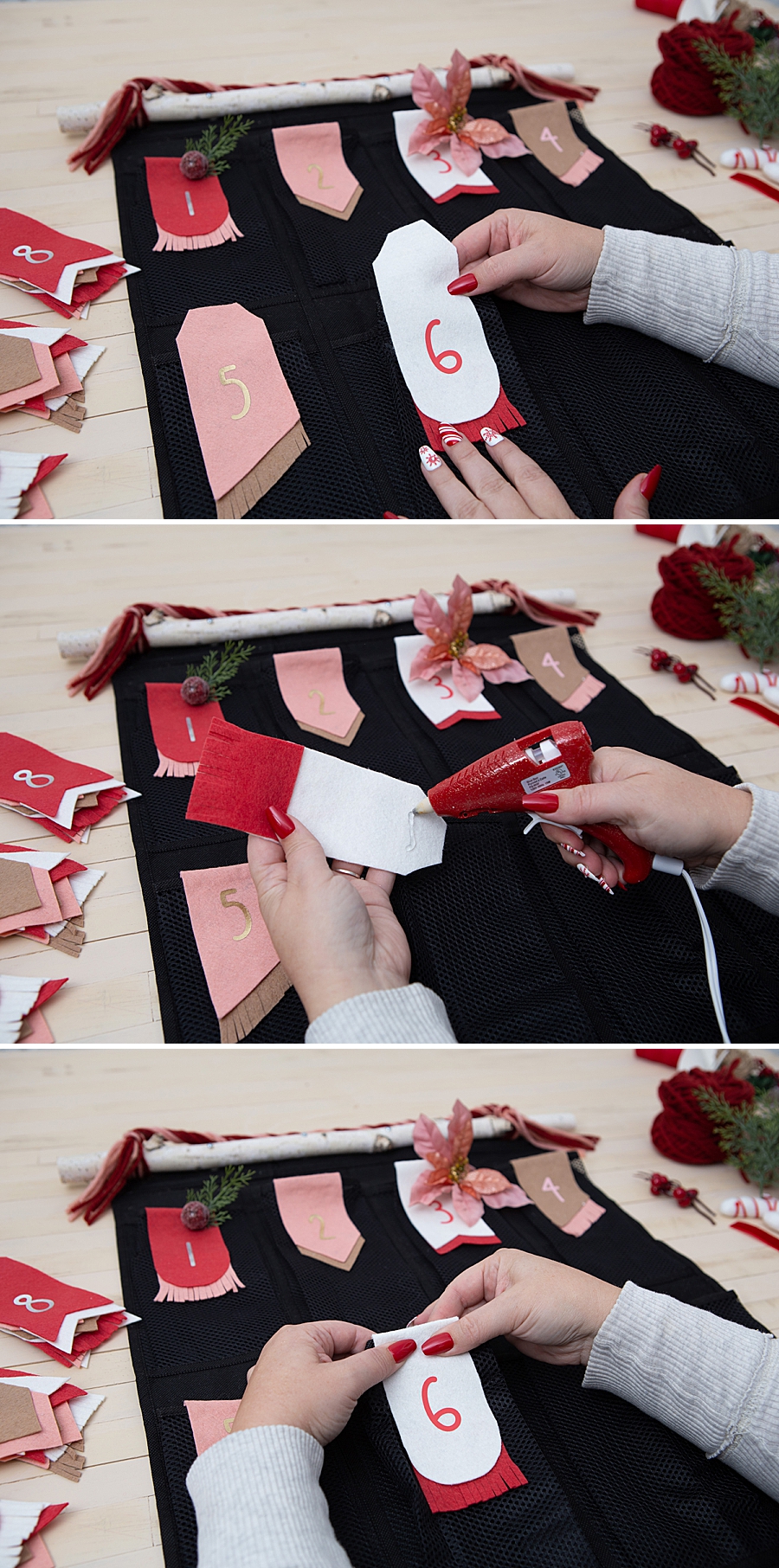
The numbering system was executed using a Cricut machine and Iron-on vinyl in metallic and primary shades (Red, Pink, Gold Foil, and Silver Foil). By designing four distinct tag styles and rotating the color schemes through a systematic chart, the creator ensured a balanced visual rhythm across the 24 pockets. The font choice, "BFC Autumn Harvest," was selected for its legibility and seasonal aesthetic. These tags were permanently affixed to the shoe organizer using hot glue, a choice made with the expectation that the calendar would be stored and reused in subsequent years, thereby amortizing the initial labor and material costs.
Sourcing and Curating the 24-Day Gift Sequence
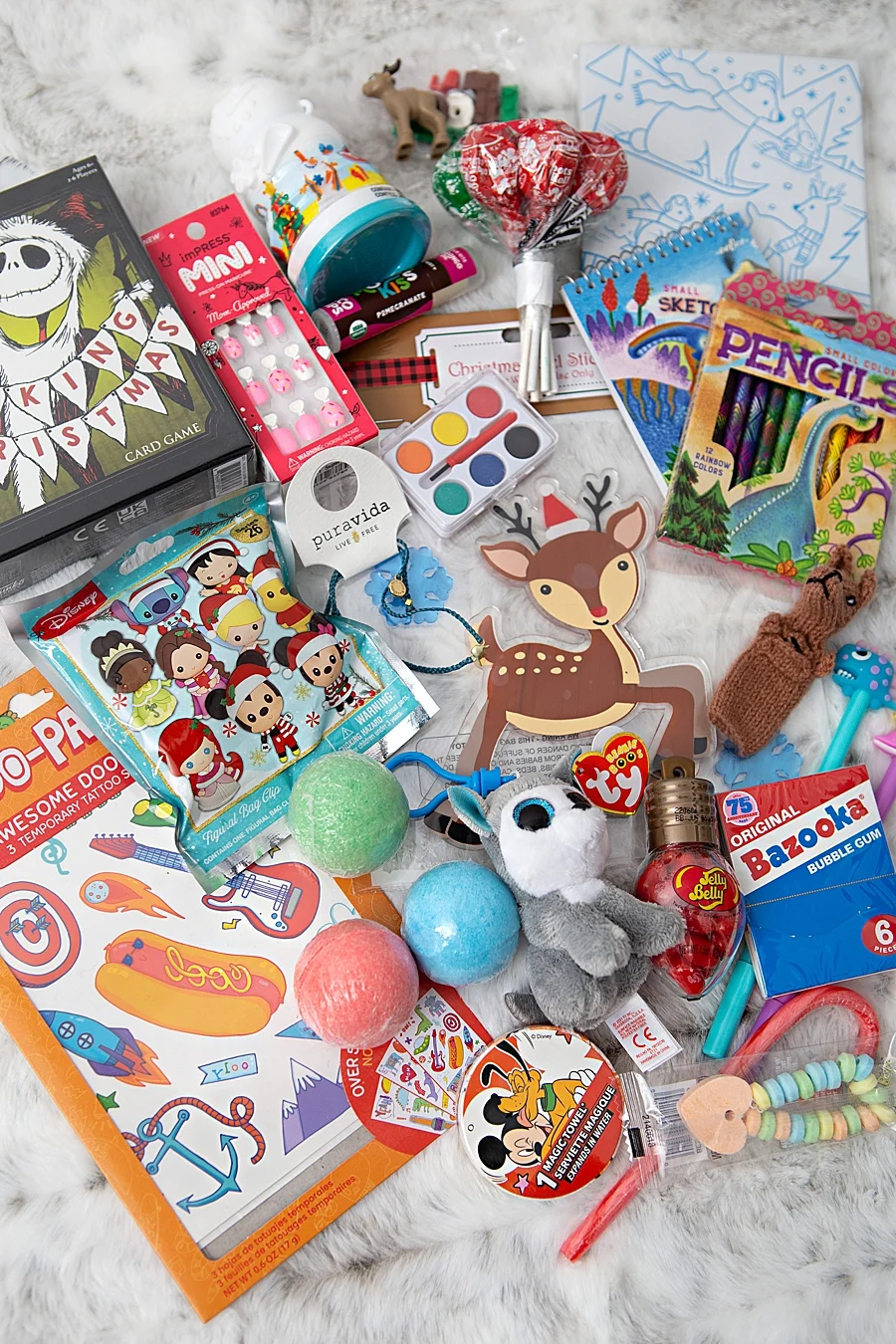
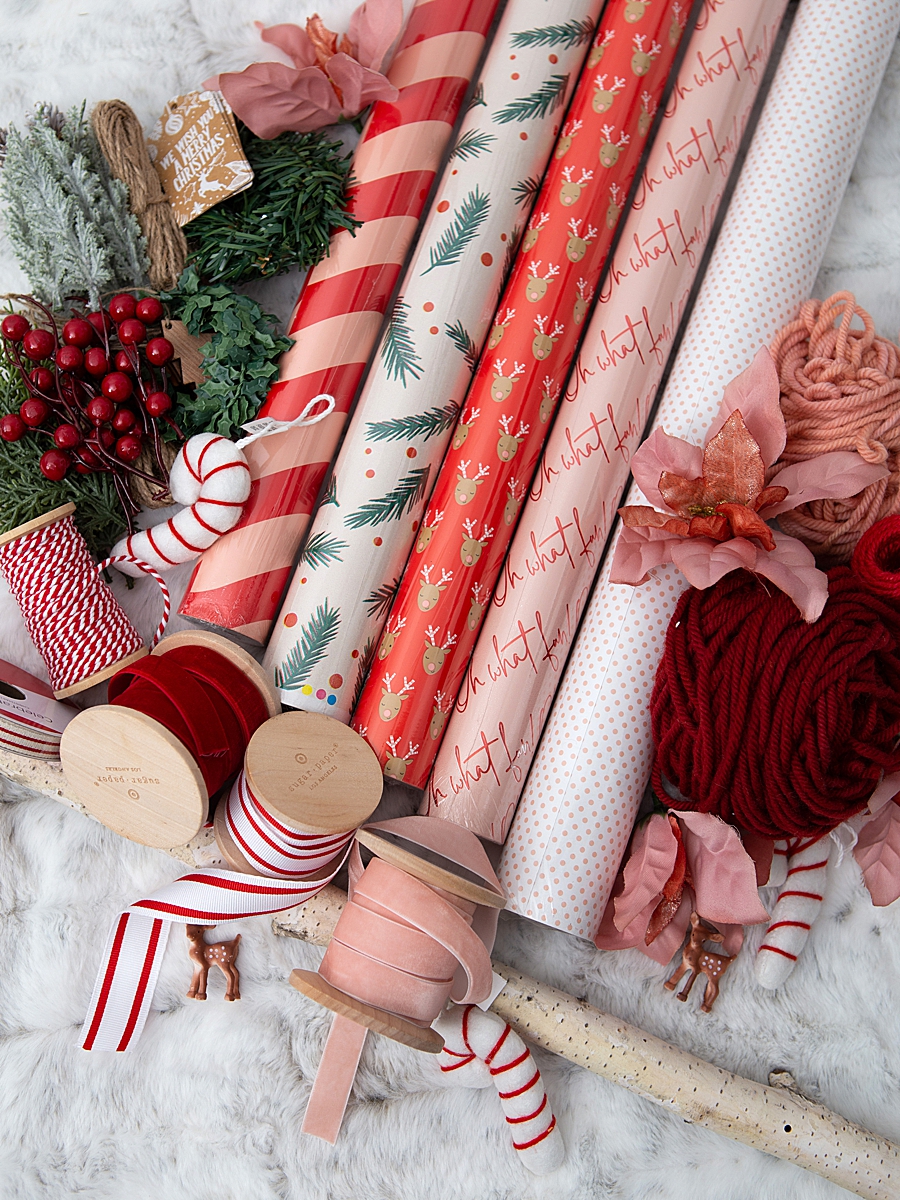
The logistics of filling 96 individual slots (24 days for four children) required a two-month sourcing period. The items were procured from a diverse array of retailers, ranging from specialty boutiques to mass-market discounters, including Target, Michaels, Dollar Tree, and Walgreens.
The curated list of items serves as a blueprint for age-appropriate holiday engagement:
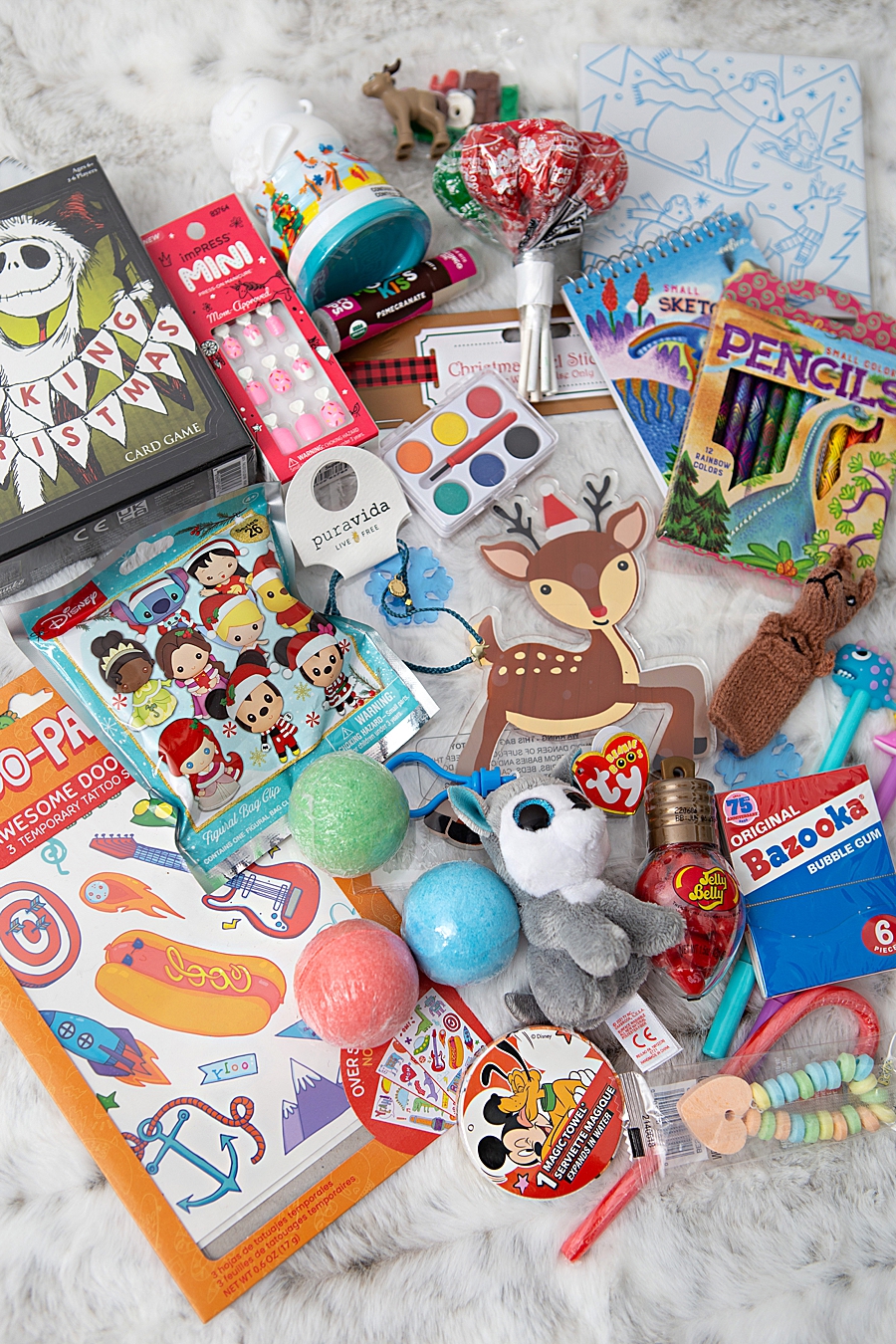
- Accessories: Pura Vida bracelets, press-on nails (KISS imPress), and temporary tattoos.
- Art and Education: Mini watercolor sets, colored pencils, mini notebooks, and paper scratchers.
- Sensory and Play: Bath bombs, mini "stuffies," dinosaurs, cars, play-dough, and finger puppets.
- Practical Items: Chapstick, gum, and "magic towels" (compressed textiles that expand in water).
- Family Engagement: Occasional "family game" inclusions designed for collective participation.
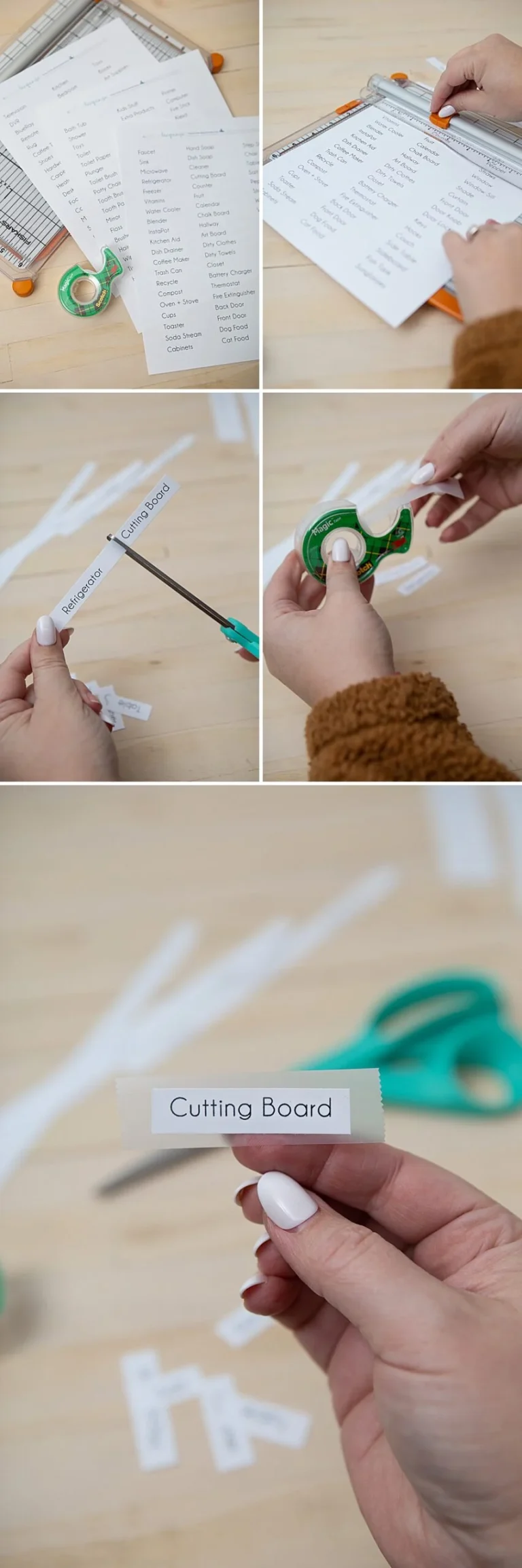
A critical "Mom Trick" identified in the project documentation involves labeling each wrapped gift with its specific date. This logistical step serves a dual purpose: it ensures that high-value or "event" gifts are opened on appropriate days, and it acts as a safeguard against the "youngest child factor." In households with toddlers (such as the 14-month-old in this study), the risk of items being removed from lower pockets prematurely is high; date-labeling allows parents to quickly reorganize the calendar if the contents are disturbed.
Chronology of Execution: A Labor-Intensive Timeline
The creation of a large-scale DIY advent calendar is a multi-stage process that requires significant lead time. The following timeline outlines the production phases:
- The Collection Phase (September–October): Identifying and purchasing 96 small-scale gifts to ensure variety and stay within the $150 budget.
- The Design Phase (Early November): Creating the digital templates for the number tags and planning the color distribution chart.
- The Fabrication Phase (Mid-November): Cutting the felt, applying the iron-on vinyl, and drilling the support branch.
- The Assembly Phase (Late November): Hot-gluing the decorations and tags to the shoe rack and mounting the unit to the door.
- The Wrapping Phase (Final Week of November): Individually wrapping each gift. Causey-Kidder noted that this phase is the most time-consuming, as it involves nearly 100 individual packages, some of which include surprise items for the parents as well.
Broader Implications for Sustainable Holiday Traditions
Beyond the immediate benefits to the family, the shoe-organizer advent calendar model represents a broader shift toward sustainable consumption. The traditional advent calendar industry contributes significantly to post-holiday waste, as most commercial boxes are made of mixed materials (plastic trays inside cardboard sleeves) that are difficult to recycle.
By contrast, the DIY model presented here is built for longevity. The shoe organizer, the wooden branch, and the felt tags are permanent fixtures that can be stored and brought out annually. The only recurring waste is the wrapping paper, which can be mitigated by using recyclable materials or reusable fabric pouches. Furthermore, the ability to include items from local businesses or "plastic-free" toys allows families to align their holiday traditions with their environmental values.
Reaction and Community Impact
While this specific project originated from the Something Turquoise platform, it mirrors a growing trend in the "Slow Christmas" movement, where parents prioritize handmade experiences over mass-marketed convenience. Social media engagement on platforms like Instagram suggests a high demand for these scalable solutions. The "shoe holder" method has been praised by parenting communities for its "verticality"—it utilizes unused space on the back of a door, making it ideal for smaller homes or high-traffic areas where a traditional 24-box display might be cumbersome.
The inferred reaction from child development experts is generally positive. Personalized advent calendars allow for the inclusion of "experience gifts" (such as a coupon for "one hot cocoa night") or items that foster fine motor skills (like the mini watercolor sets), providing more developmental value than a standard piece of chocolate or a static plastic figurine.
Conclusion
The transformation of a utilitarian shoe organizer into a high-design, multi-child holiday hub demonstrates the potential for creative problem-solving in modern parenting. By investing $150 and several hours of "labor of love" into a customized system, Jen Causey-Kidder has created a reusable family heirloom that addresses the flaws of the retail advent market. As consumers increasingly seek value, sustainability, and personalization, the DIY advent calendar stands as a premier example of how traditional holiday celebrations can be modernized for the needs of the 21st-century large family.