


The holiday decor market has seen a significant shift toward personalized, high-quality artisanal products as consumers increasingly seek alternatives to mass-produced imported goods. A recent design initiative led by Jen Causey-Kidder of Something Turquoise highlights this trend, focusing on the customization of domestic bottle brush trees to achieve precise color coordination with existing interior textiles. By utilizing specialized dyeing techniques and sourcing materials from American artisans, the project addresses a growing demand for "slow decor"—a movement that prioritizes intentionality, domestic manufacturing, and color-specific aesthetics over the convenience of large-scale retail acquisitions.
The Shift Toward Domestically Sourced Holiday Accents
For decades, the holiday decor industry has been dominated by large-scale manufacturing hubs, primarily located in China. According to trade data, a vast majority of seasonal ornaments and artificial greenery sold in North America are imported, often leading to a homogeneity in design and a lack of material transparency. However, a growing segment of the "prosumer" market—consumers who engage in professional-level DIY projects—has begun to express dissatisfaction with the quality and environmental footprint of these imports.
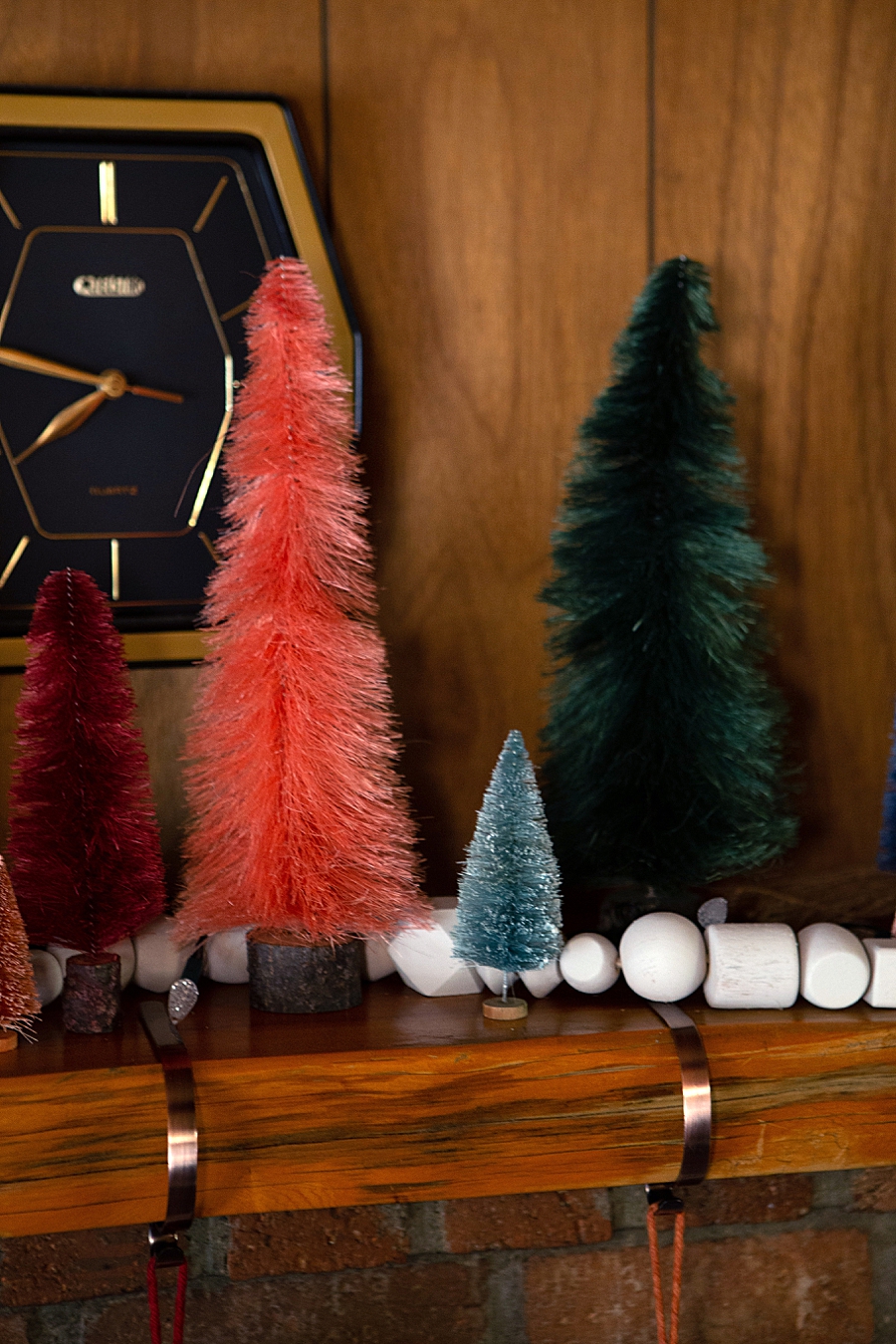
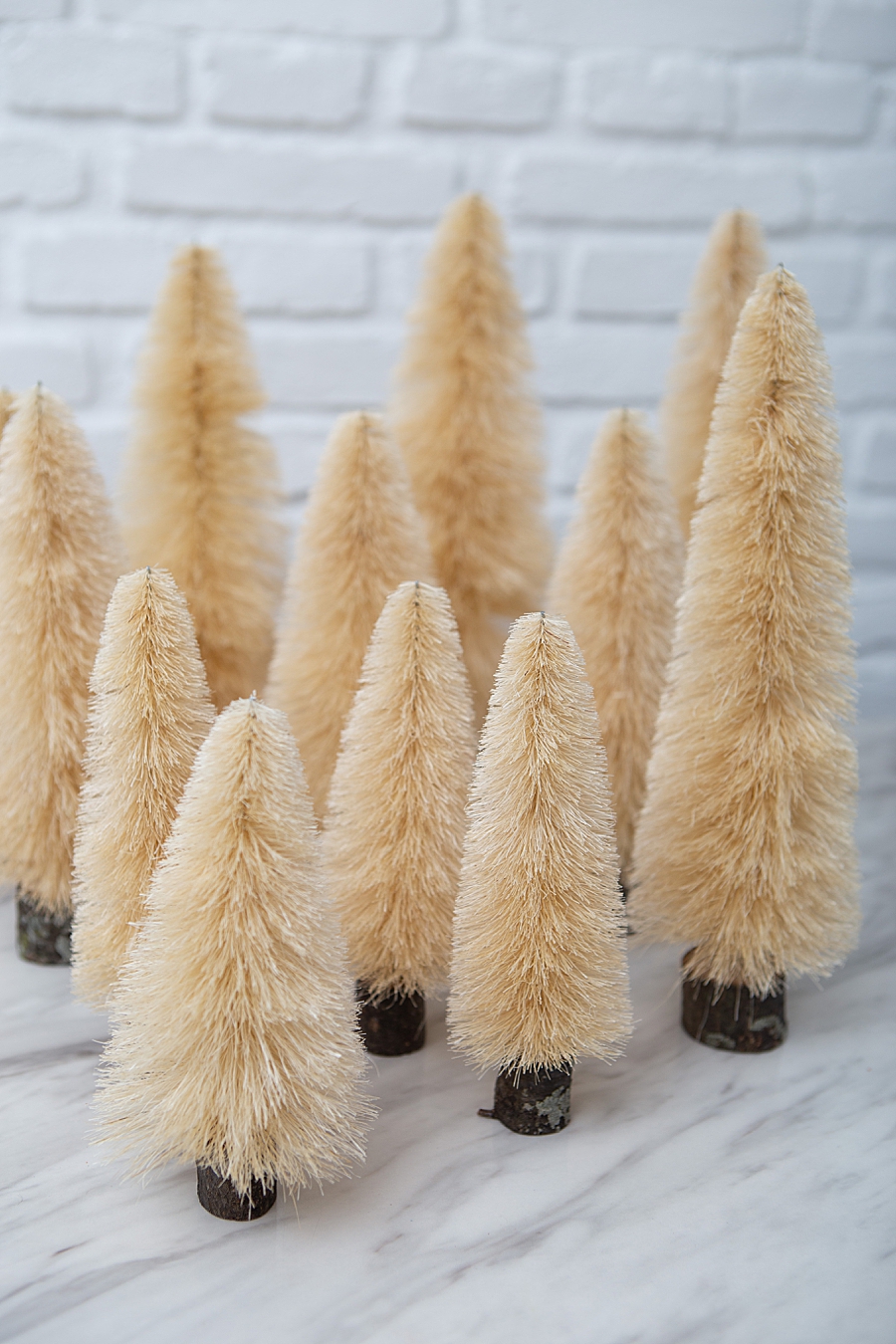
In the case of bottle brush trees, which are traditionally made from sisal fibers and wire, finding domestically produced versions has become increasingly difficult. The search for high-quality, natural-fiber trees led to the identification of Studio59 Handmade, an Etsy-based artisan shop operated by a creator named Rachel. Unlike mass-market versions, these trees are constructed with a focus on structural integrity and fiber density, offering variations in width—classic, thin, and wide—and heights ranging from four to twelve inches. This availability of "natural" or undyed sisal is critical for designers who require specific color palettes that are not available in standard retail inventories.
Integrating Color Theory into Seasonal Displays
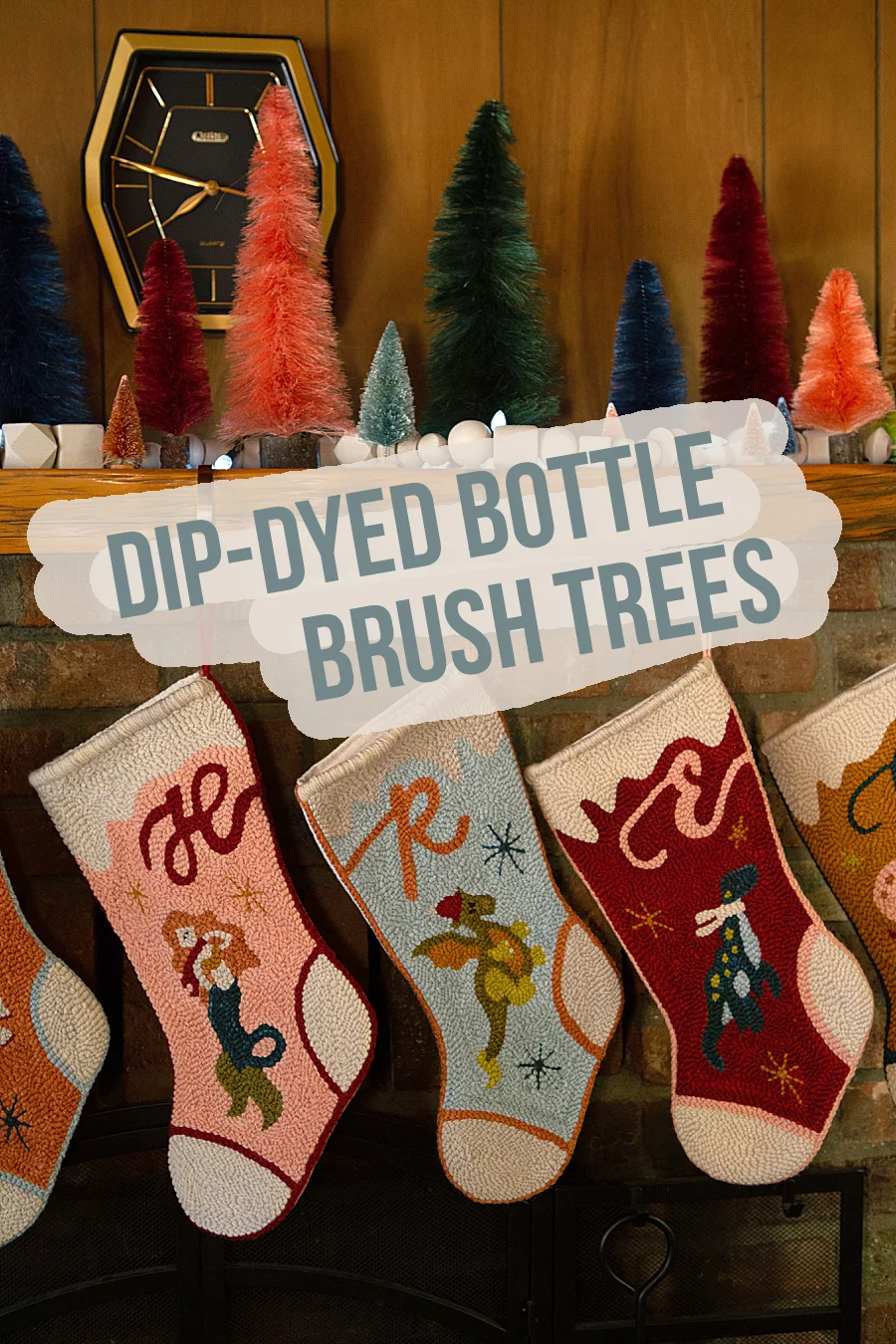
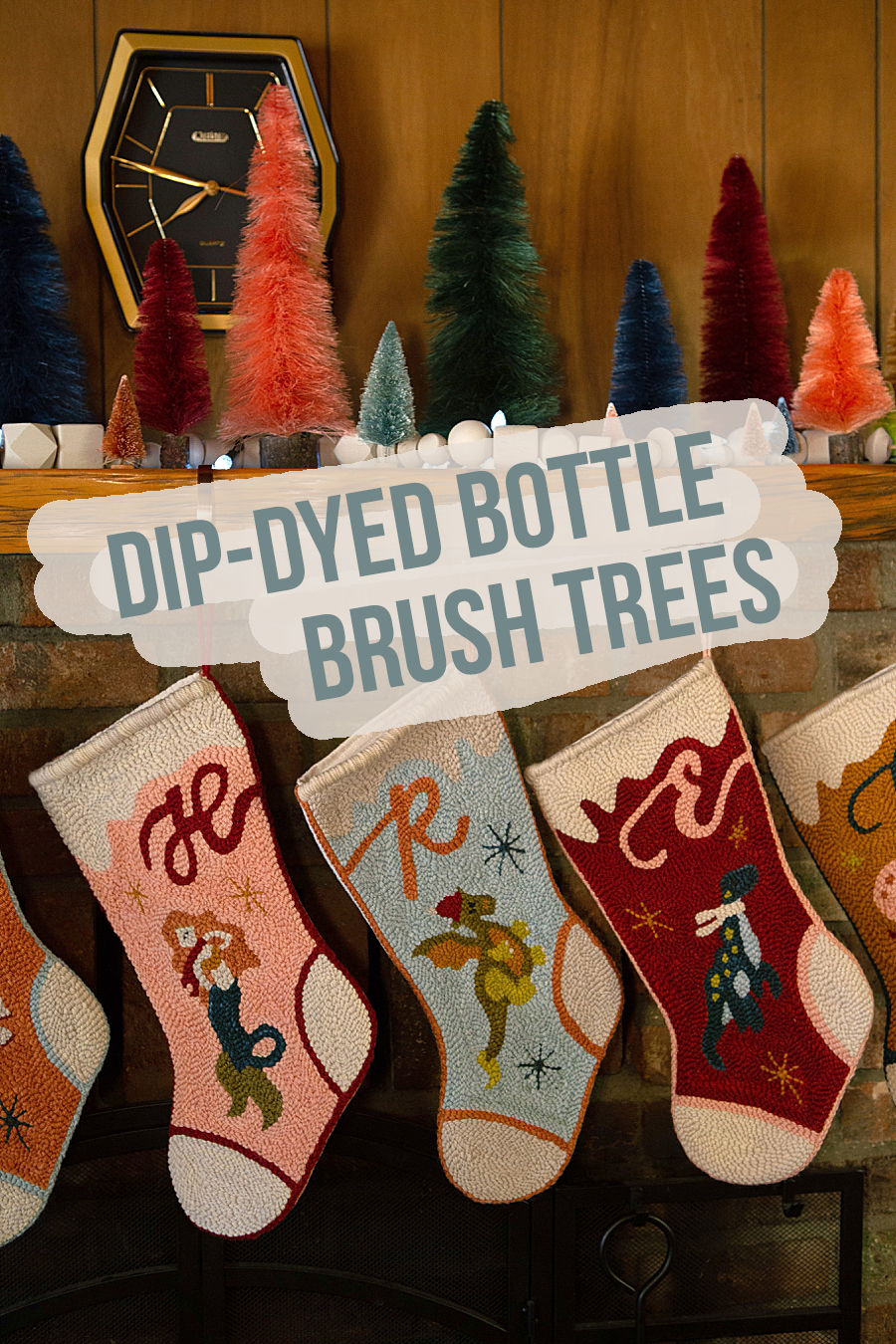
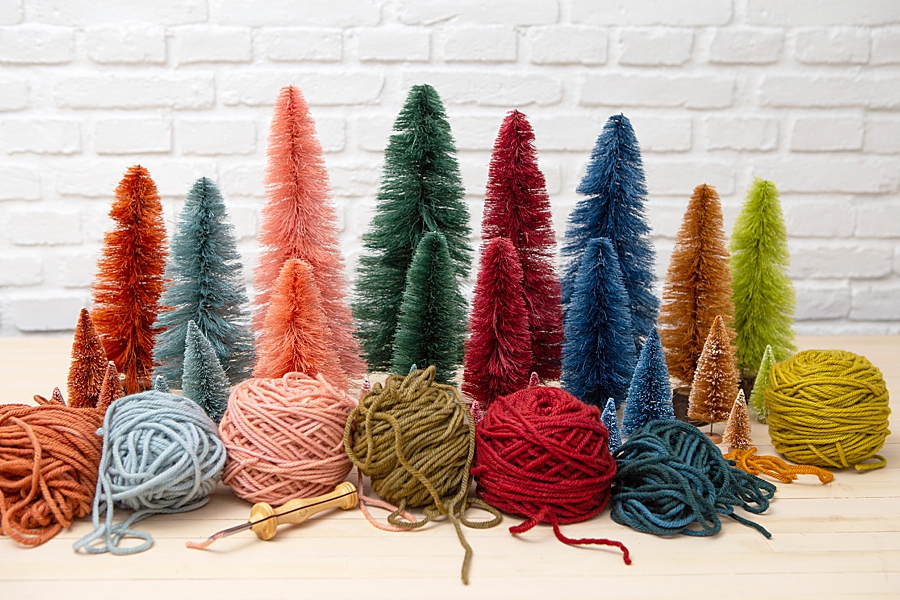
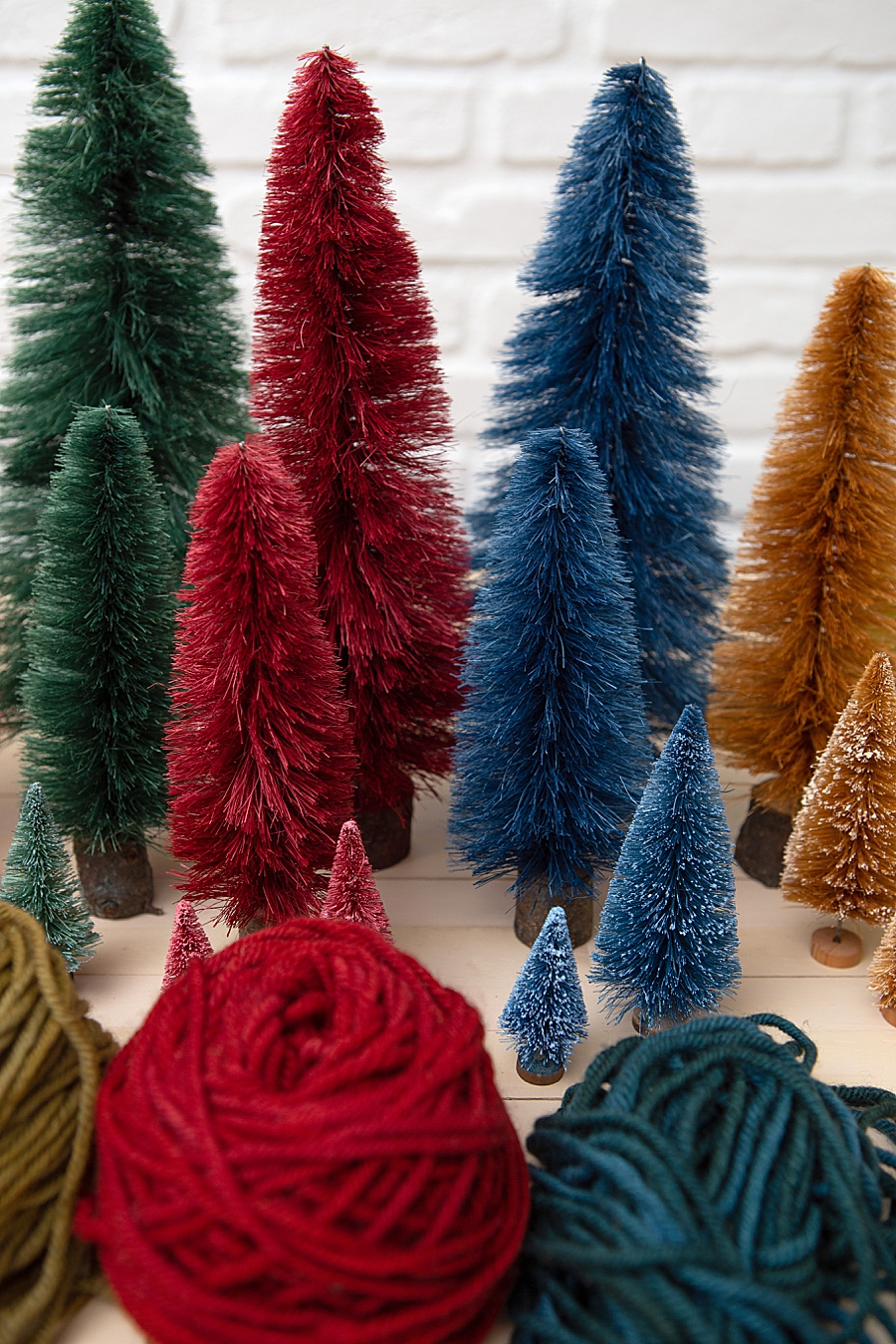
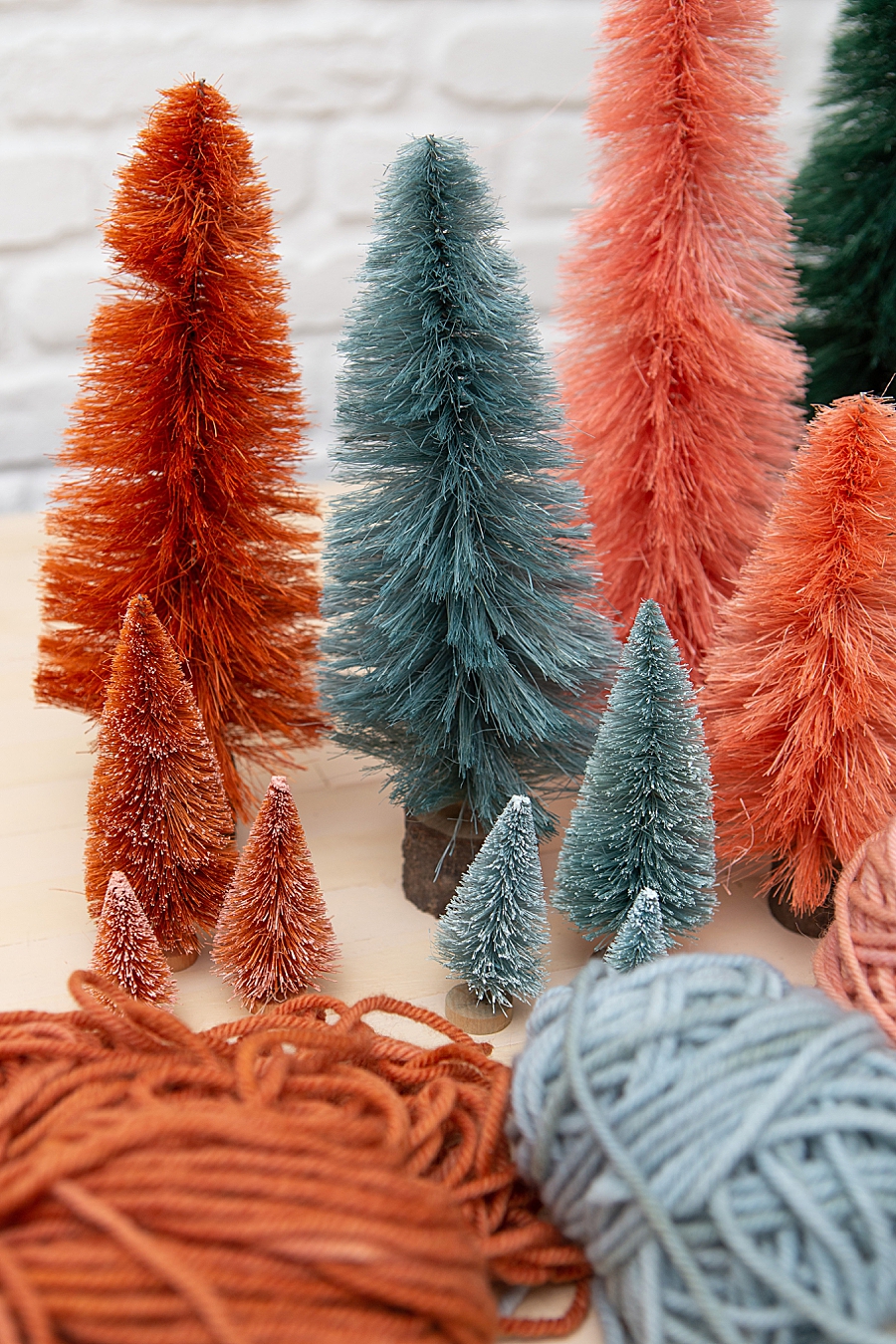
The primary motivation behind the dip-dyeing project was the need for aesthetic cohesion between various holiday elements. Specifically, the project aimed to match the color of bottle brush trees to the specific hues of "Cardo" yarn by Manos del Uruguay, which was utilized in the creation of heirloom punch needle stockings. This level of integration represents a sophisticated approach to interior design, where seasonal accents are not merely peripheral additions but are integrated into a larger, curated color story.
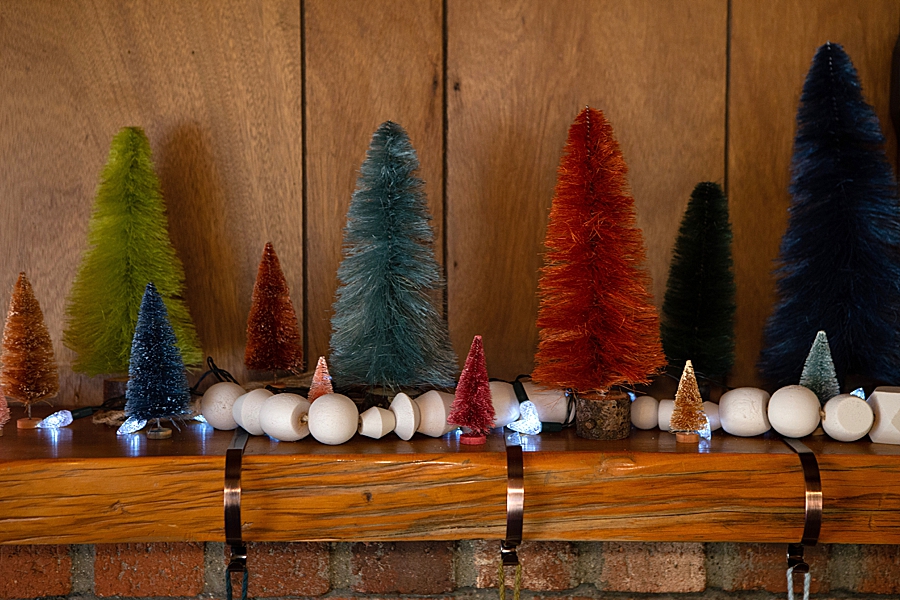
The use of punch needle embroidery—a technique that creates a rug-like texture—results in a high-density textile with rich, variegated colors. Replicating these tones on the three-dimensional surface of a bottle brush tree requires a nuanced understanding of dye application and fiber absorption. By matching the trees to the stockings, the designer creates a visual "thread" that connects different areas of the home, from the mantle to tabletop displays.
Technical Methodology: The Dip-Dying Process
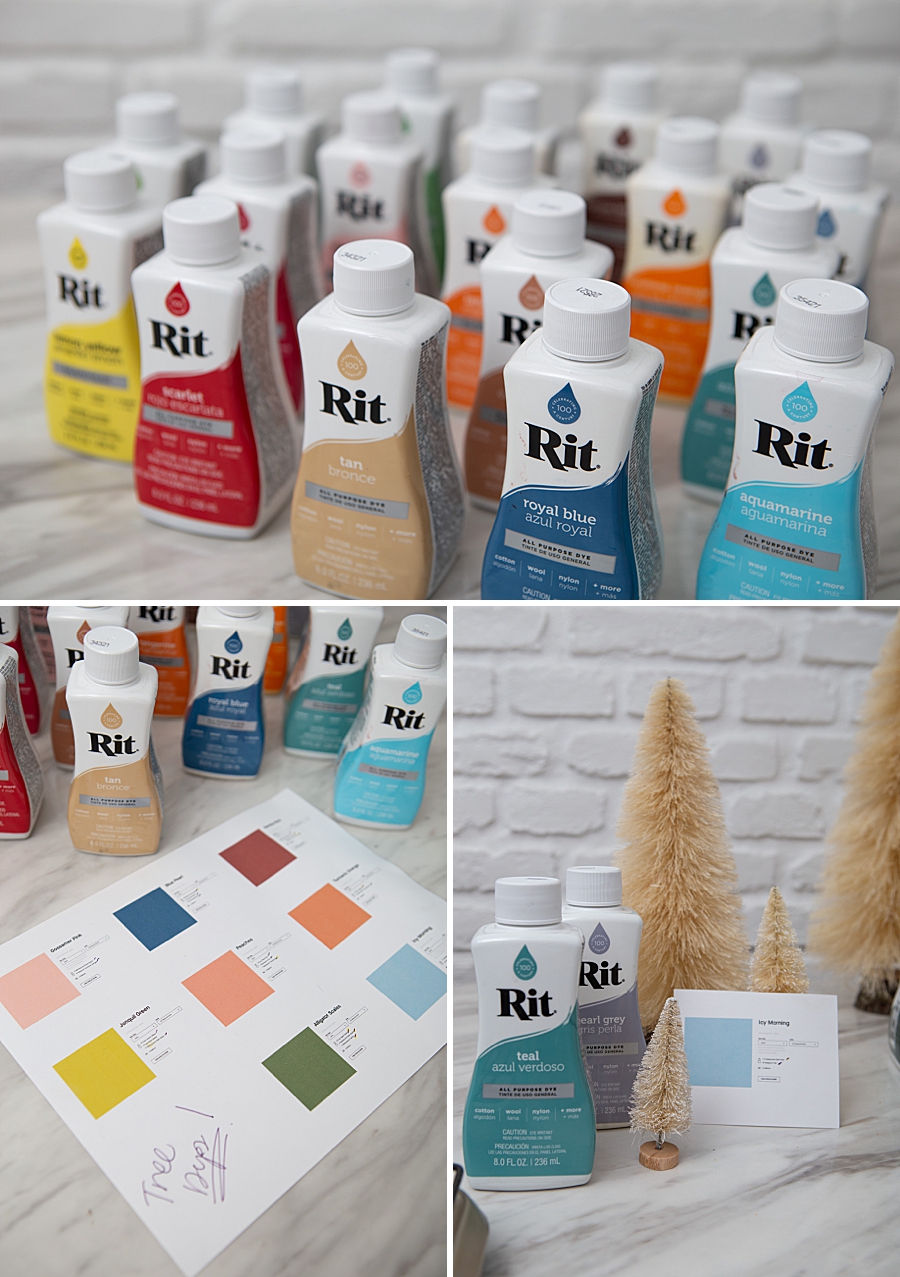
The process of transforming natural sisal trees into custom-colored accents involves several precise steps, beginning with the selection of the dyeing medium. Rit Dye, a staple in the textile industry, provides a robust library of color formulas that allow users to mix primary and secondary liquid dyes to achieve thousands of specific shades.
Phase I: Preparation and Color Formulation
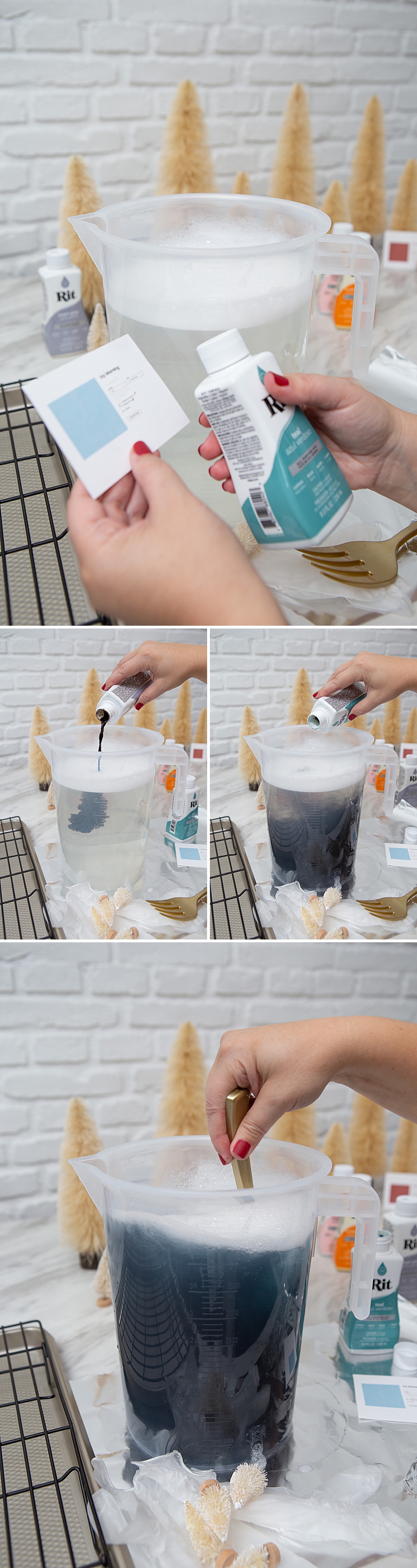
The initial stage involves cross-referencing the physical yarn samples with the Rit Dye Color Formulas database. This digital resource provides exact ratios for mixing dyes to achieve specific hexadecimal or Pantone-adjacent colors. For this project, the designer captured screenshots of the required formulas to ensure accuracy during the mixing phase.
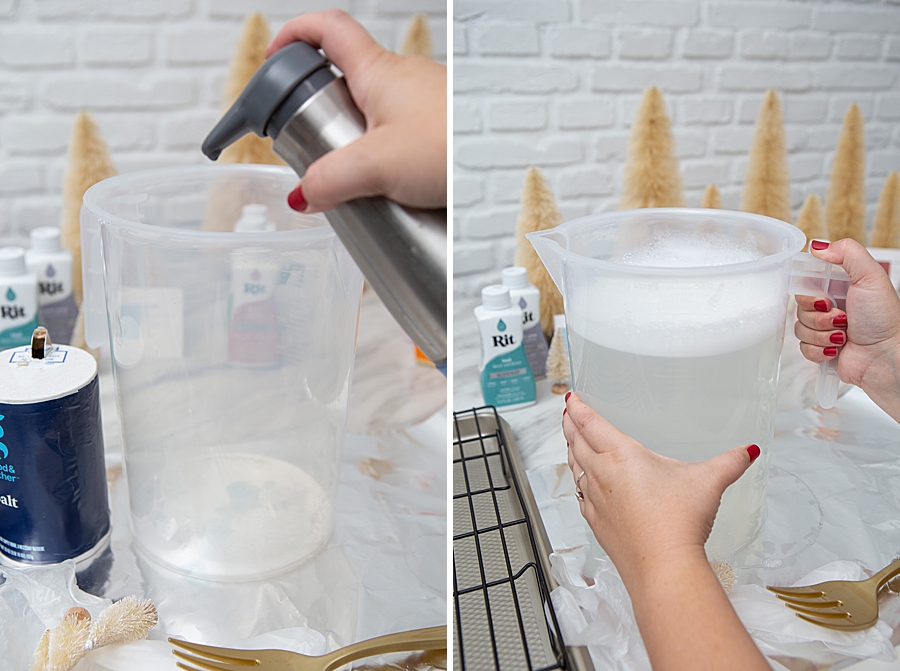
The preparation of the dye bath is a critical variable in ensuring color fastness and even distribution. The methodology calls for one gallon of the "hottest water possible," which opens the sisal fibers to better accept the pigment. To this, one tablespoon of liquid dish soap is added to act as a leveling agent, reducing surface tension and helping the dye penetrate the dense bristles. Additionally, a teaspoon of salt is included to serve as a fixative for the natural fibers.
Phase II: Testing and Calibration
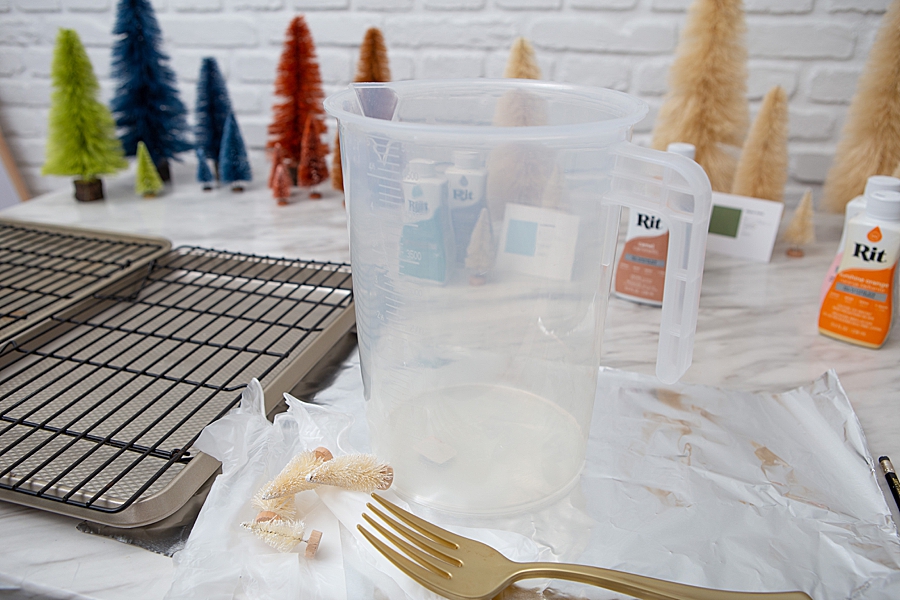
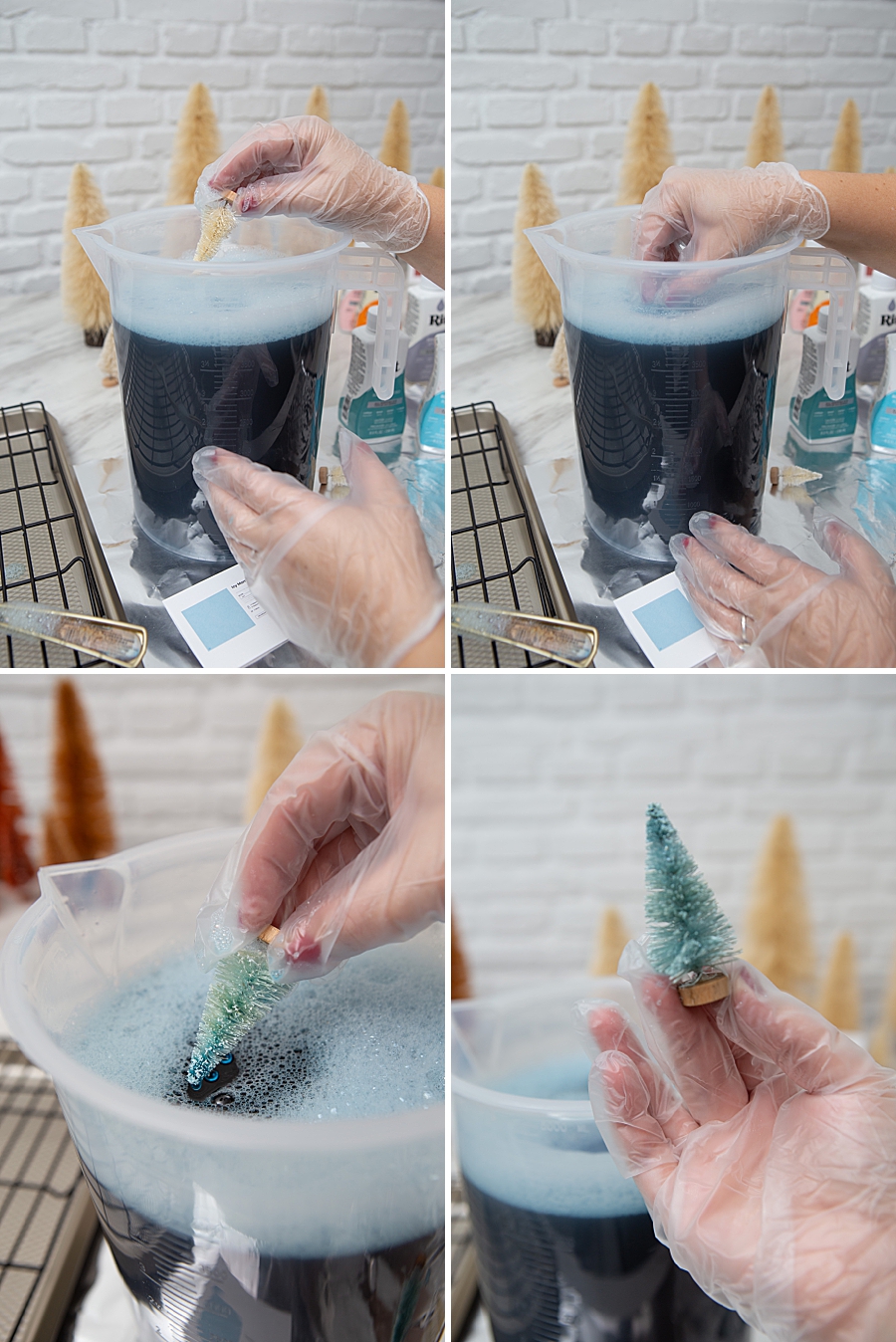
Given the cost and artisanal nature of the Studio59 Handmade trees, a testing phase is essential to prevent material waste. The designer utilized smaller, less expensive "test trees" to verify the accuracy of the dye bath before committing the primary assets. This step allows for the adjustment of the dye concentration; if the color is too light, more dye can be added, and if it is too dark, the mixture can be diluted with more hot water.
Phase III: Application and Saturation
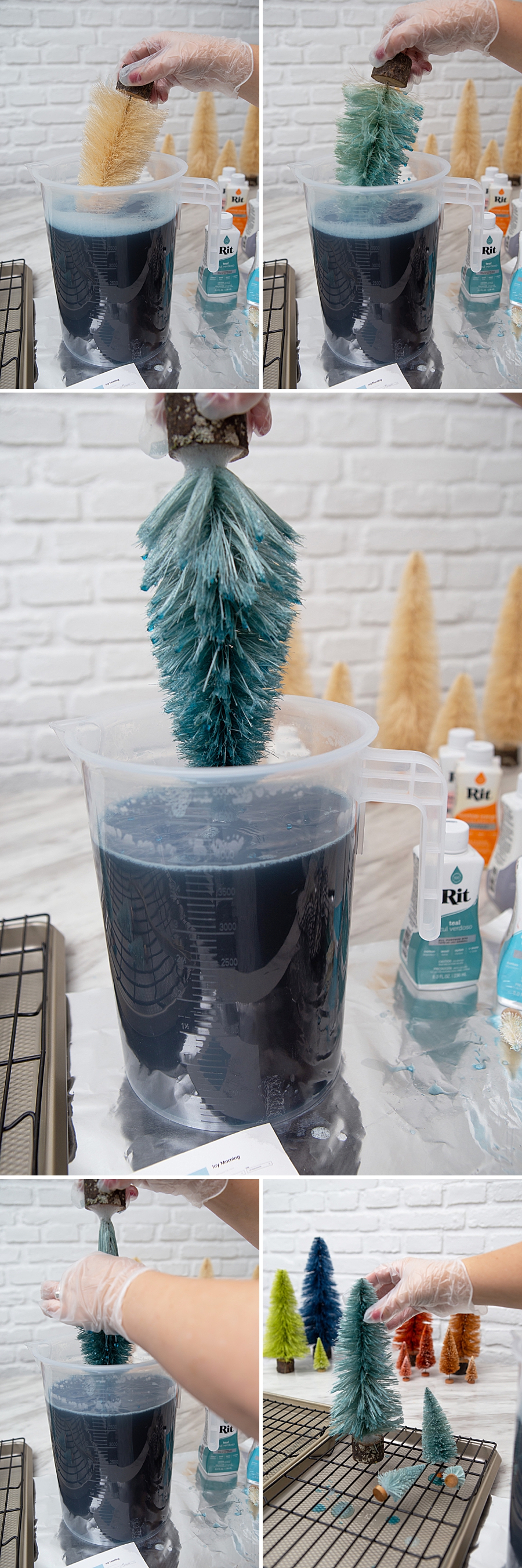
The actual dyeing process involves a "dip" method. Each tree is submerged in the dye bath for approximately 45 seconds. During this time, the tree must be rotated or agitated slightly to ensure the dye reaches the wire core. Upon removal, the excess liquid is allowed to drip off. A manual "stripping" motion—running a hand down the length of the bristles—is employed to remove trapped pockets of water, which prevents splotching and speeds up the drying process.
Phase IV: Curing and Drying
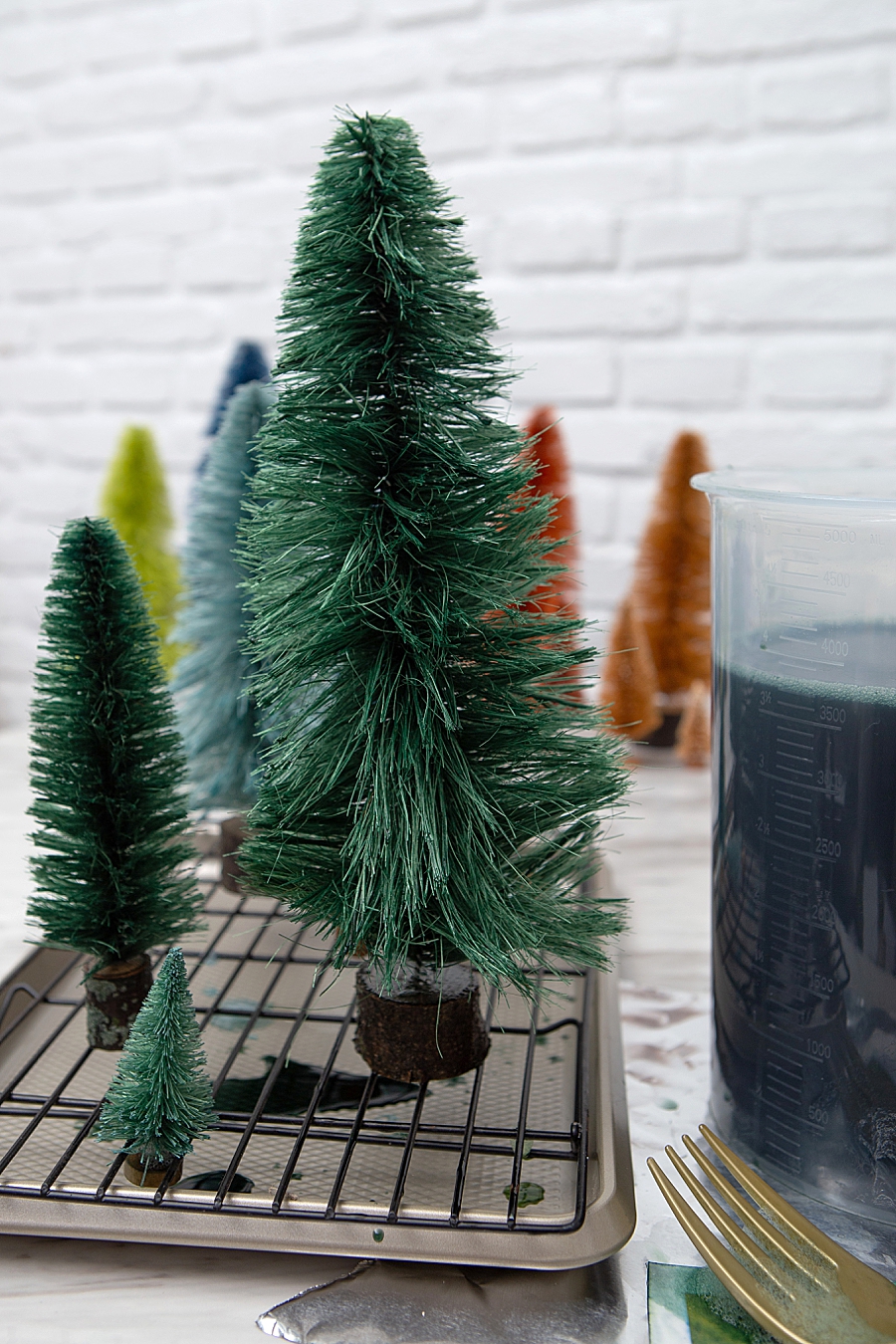
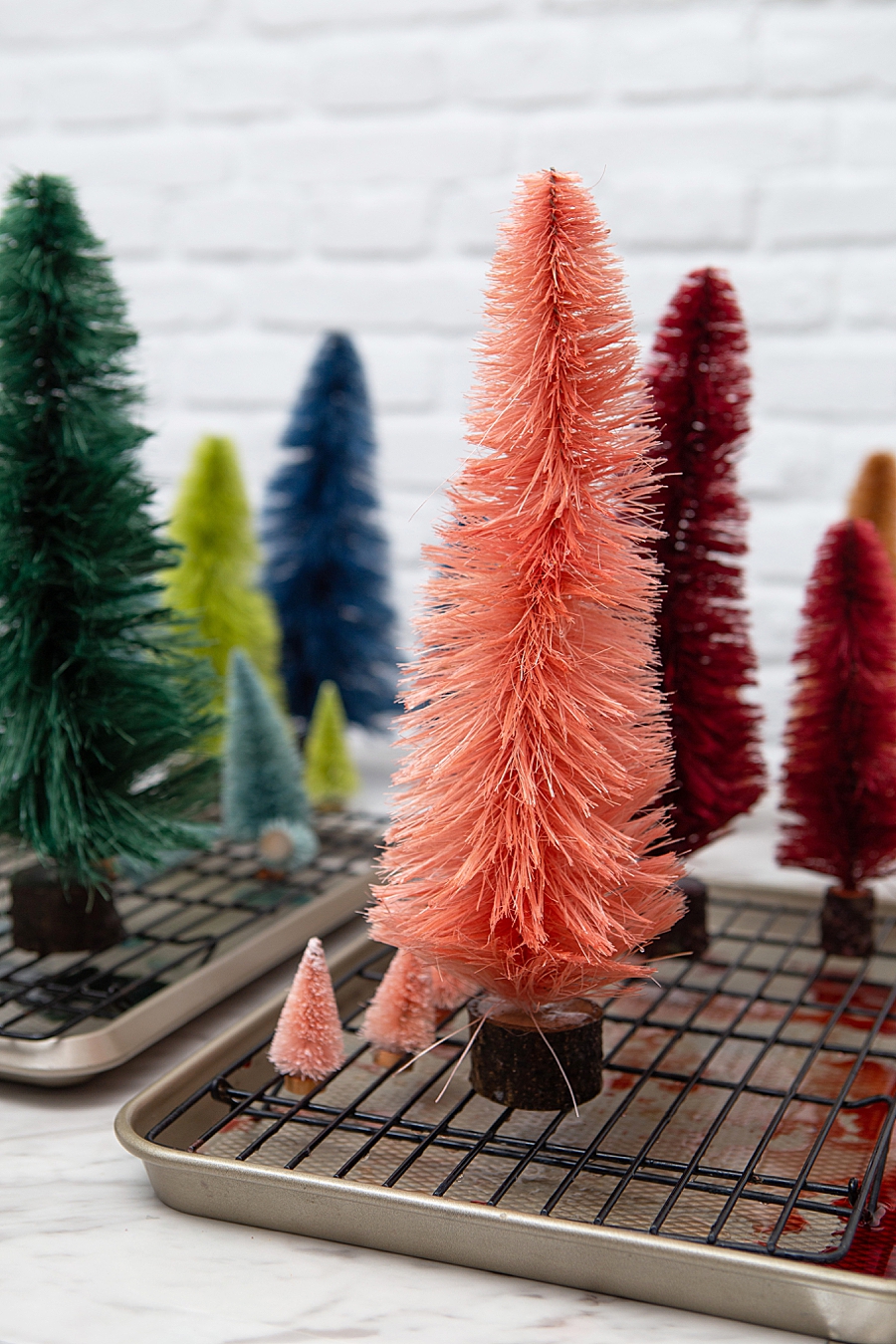
The final stage requires a minimum of 12 to 24 hours of drying time. The trees are placed on cookie cooling racks set atop baking sheets. This elevation is vital, as it allows air to circulate around the entire circumference of the tree, ensuring that the base and the interior bristles dry at the same rate. This prevents the wire core from potentially rusting and ensures the sisal retains its "fluff" and structural rigidity.
Economic and Social Implications of Artisanal Sourcing
The decision to move away from "junk made in China"—a sentiment echoed by many in the DIY community—has broader economic implications. By sourcing from individual makers on platforms like Etsy, consumers are participating in a decentralized economy that supports domestic labor and small-scale entrepreneurship. Studio59 Handmade represents a micro-manufacturing model where quality control is maintained at the individual unit level, a stark contrast to the statistical quality control of mass production.
Furthermore, the "handmade with love" ethos identified in the project highlights a psychological shift in consumer behavior. There is a perceived "value-add" in knowing the origin of a product and the identity of its maker. This transparency fosters a sense of stewardship over the items, which are often treated as "heirlooms" rather than disposable seasonal goods. The punch needle stockings mentioned in the project are a prime example of this, intended to be used for decades rather than replaced annually.
Data and Trends in the DIY Holiday Sector
The DIY movement has seen exponential growth over the last five years, accelerated by the global pandemic which saw a surge in home-based crafting. According to market research, the global "do-it-yourself" (DIY) market is expected to reach over $1 trillion by 2027. Within this, the seasonal decor segment is a major driver, as social media platforms like Instagram and TikTok have turned home styling into a form of digital performance and community building.
The Something Turquoise project utilized Instagram REELS to document the process in real-time, catering to a demographic that values "process-oriented" content. This transparency not only serves as an instructional tool but also validates the effort required to create a "perfect" home aesthetic. The hashtag #somethingturquoisediy serves as a digital repository for this community, allowing for the peer-to-peer sharing of results and troubleshooting.
Conclusion: The Future of Personalized Decor
The project of dip-dying bottle brush trees to match custom-made stockings is a microcosm of a larger trend in interior design: the pursuit of the "hyper-customized" home. As consumers become more educated about color theory, textile quality, and the ethics of manufacturing, the demand for adaptable, high-quality "blanks" (like natural sisal trees) will likely increase.
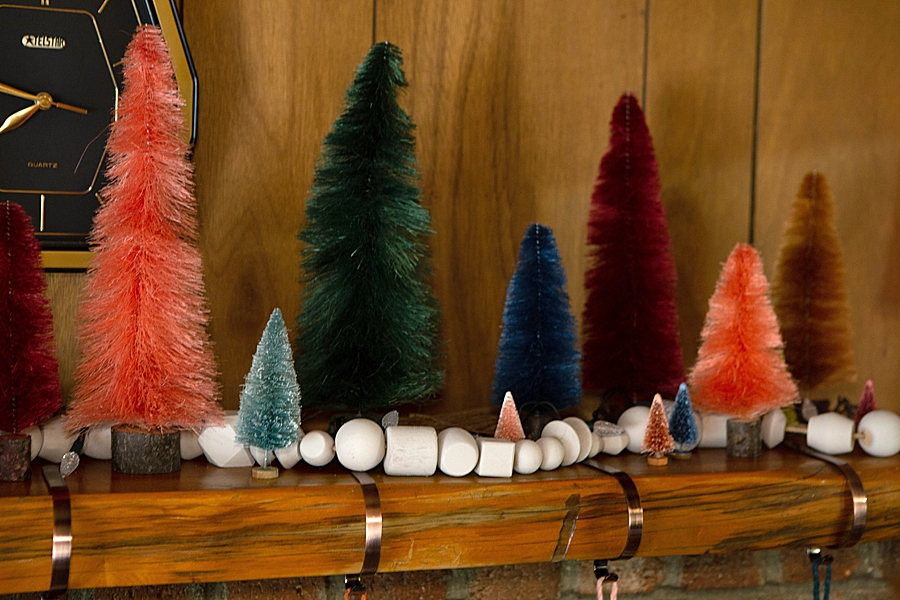
This movement suggests a future where the holiday industry is less about purchasing finished goods and more about providing the tools and raw materials for personal expression. The success of the dip-dying methodology demonstrates that with the right technical approach—utilizing precise formulas, proper chemical additives, and high-quality domestic materials—homeowners can achieve professional-grade results that far surpass the offerings of traditional big-box retailers. By bridging the gap between artisanal manufacturing and DIY customization, projects like this redefine the standards of seasonal decor, moving the needle toward a more sustainable and aesthetically cohesive holiday experience.