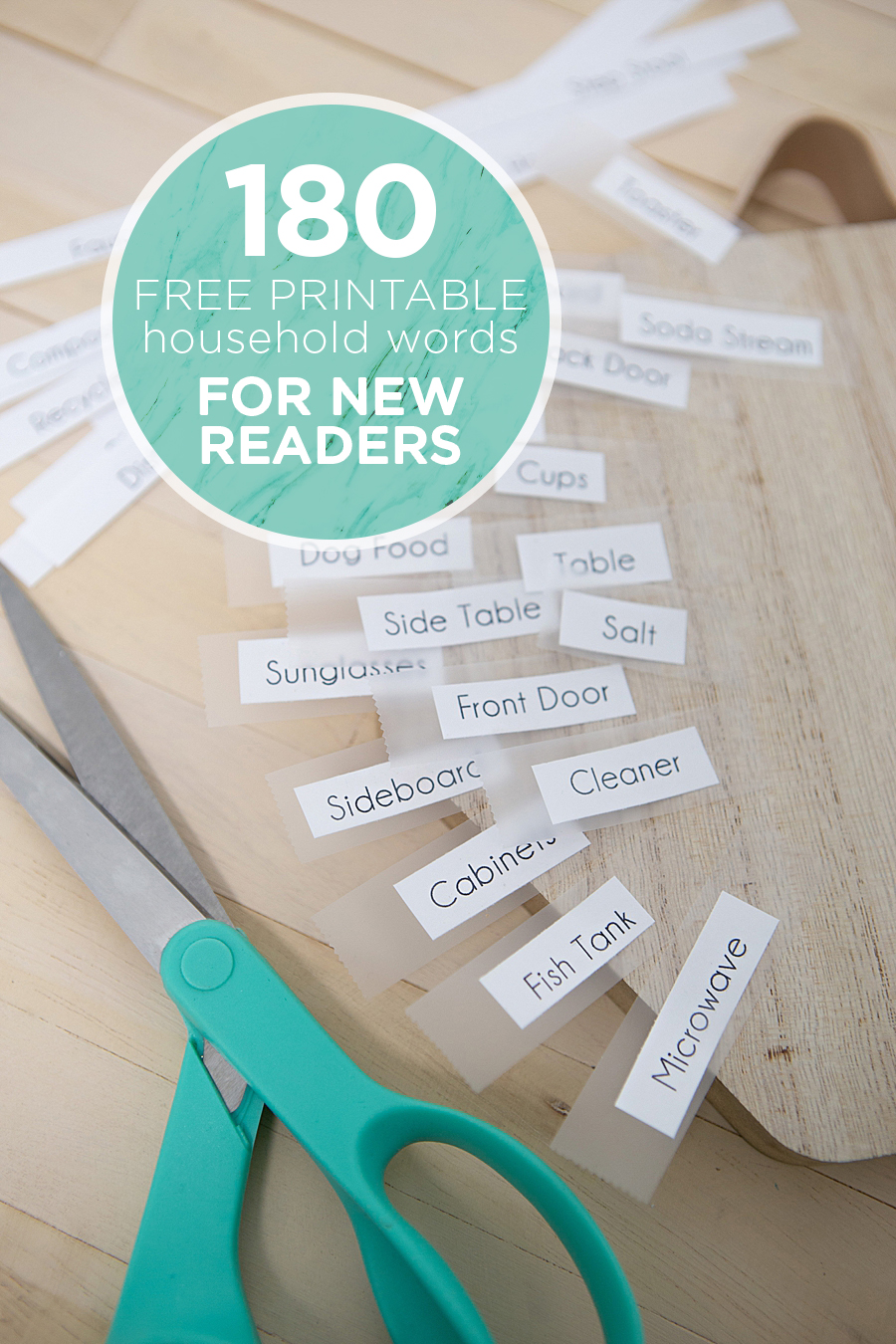
Educational resource developer and DIY specialist Jen Causey-Kidder of Something Turquoise has released a comprehensive pedagogical tool designed to accelerate literacy in early childhood through environmental labeling. The initiative, titled "180 Free Printable Household Words for New Readers," provides parents and educators with a structured, visual system to transform domestic environments into immersive learning spaces. By utilizing a curated list of nearly 200 common nouns, the project aims to bridge the gap between spoken vocabulary and word recognition, a critical milestone in the development of early reading skills.
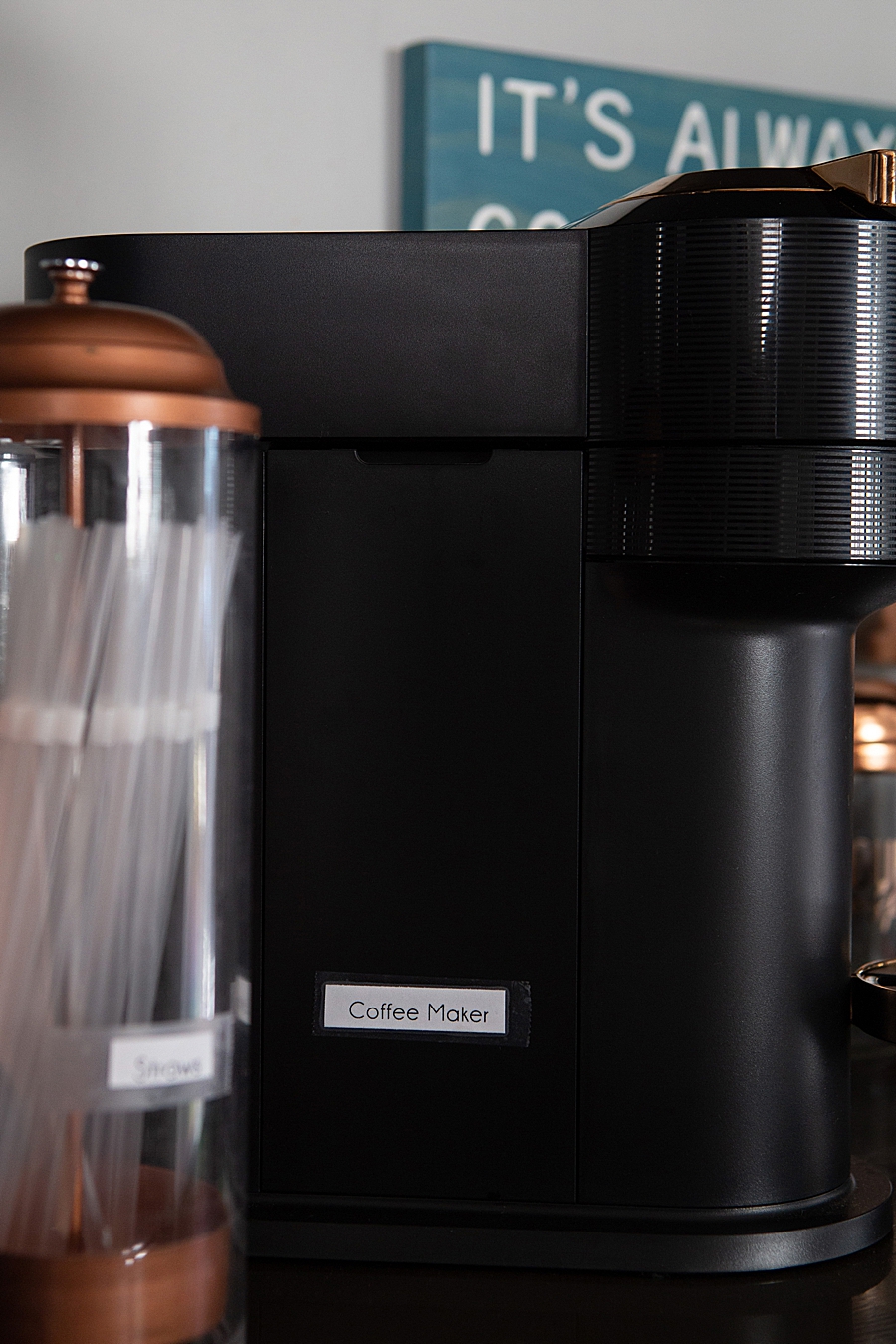
The system is built upon the educational theory of "environmental print," which posits that children first begin to read by recognizing familiar signs, labels, and logos in their everyday surroundings. The project’s implementation involves printing, trimming, and physically affixing labels to objects throughout the home, such as appliances, furniture, and personal items. This method leverages the child’s existing familiarity with their physical environment to facilitate orthographic mapping—the process by which the brain links the sequence of letters to the pronunciation and meaning of a word.
Methodology and Chronology of Implementation
The development of the 180-word list was prompted by professional consultation with reading specialists who emphasized the efficacy of labeling as a "boost" for nascent readers. The creator’s process began with a systematic audit of a standard household to identify high-frequency objects that children interact with daily. This list was then expanded to include items that may not be present in every home but are common in various domestic configurations, ensuring the resource remains versatile for a broad demographic of users.
The implementation of the labeling system is designed to be a multi-day collaborative project between the caregiver and the child. According to the project’s documentation, a typical rollout takes approximately four days. This gradual introduction prevents the child from becoming overwhelmed and allows for active participation in the placement of the labels. This collaborative element is cited as a key factor in the project’s success, as it transforms a passive learning exercise into a high-engagement "scavenger hunt" style activity.
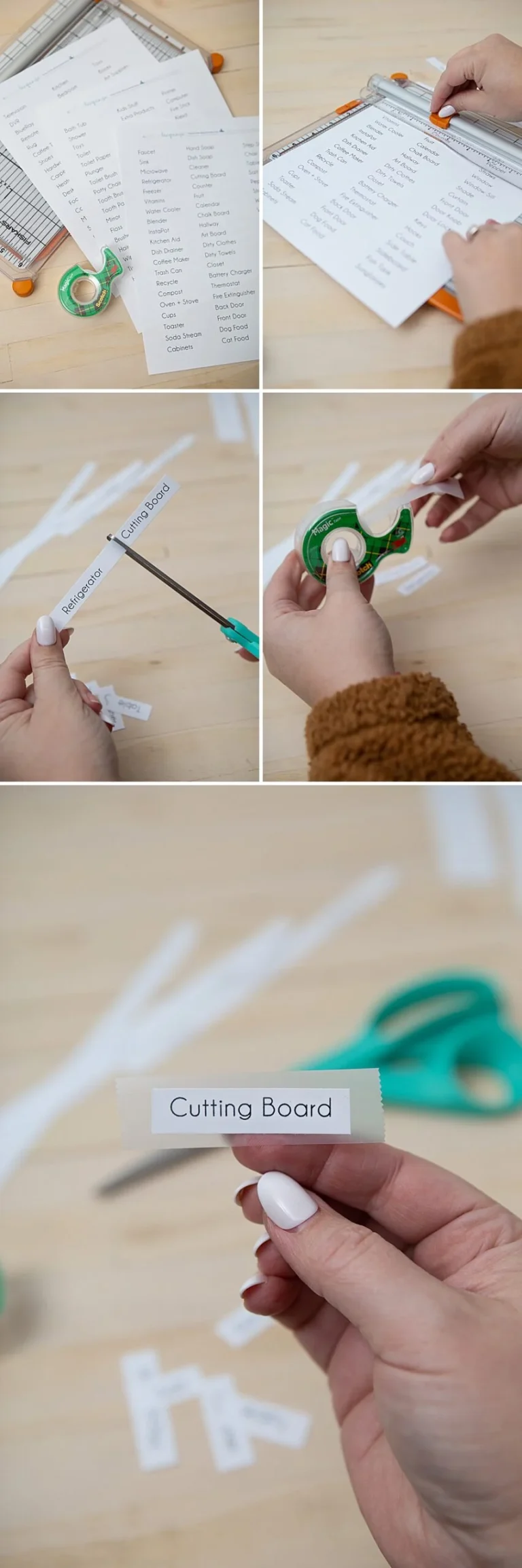
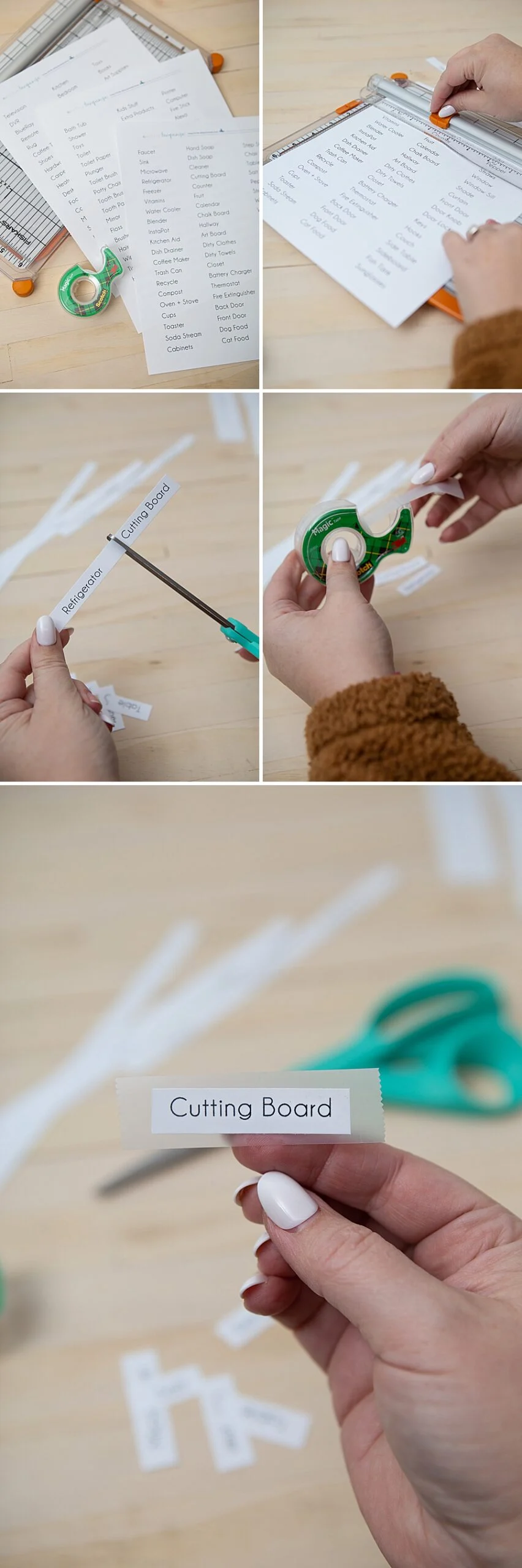
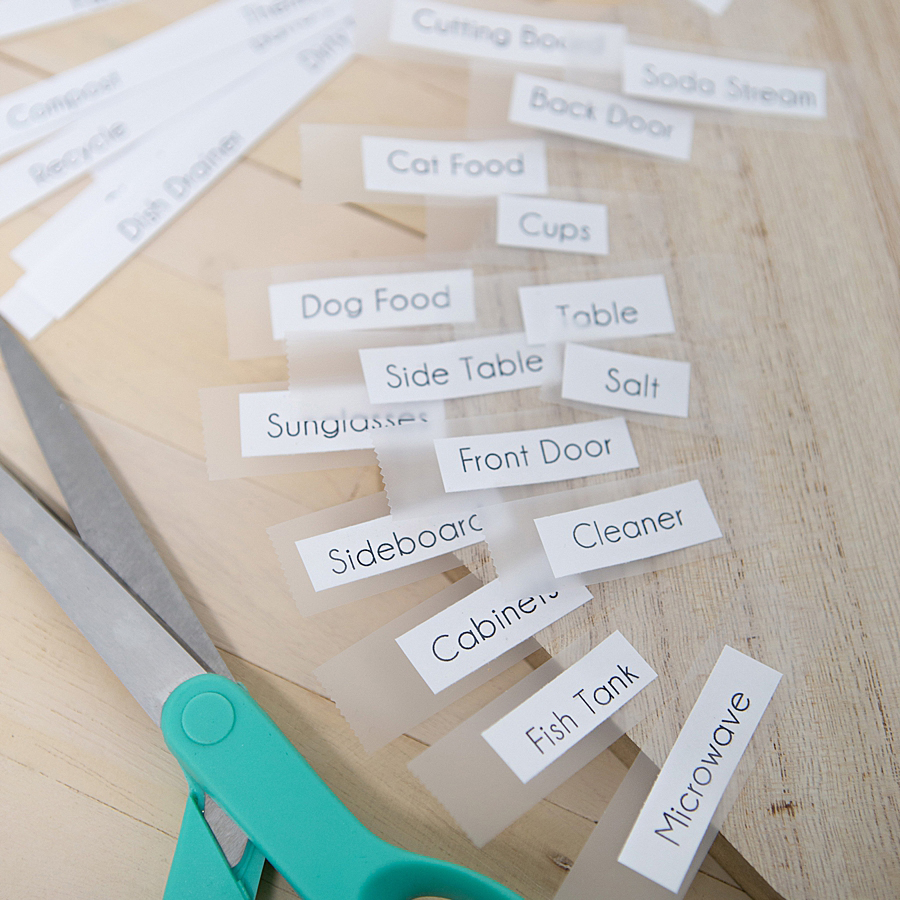
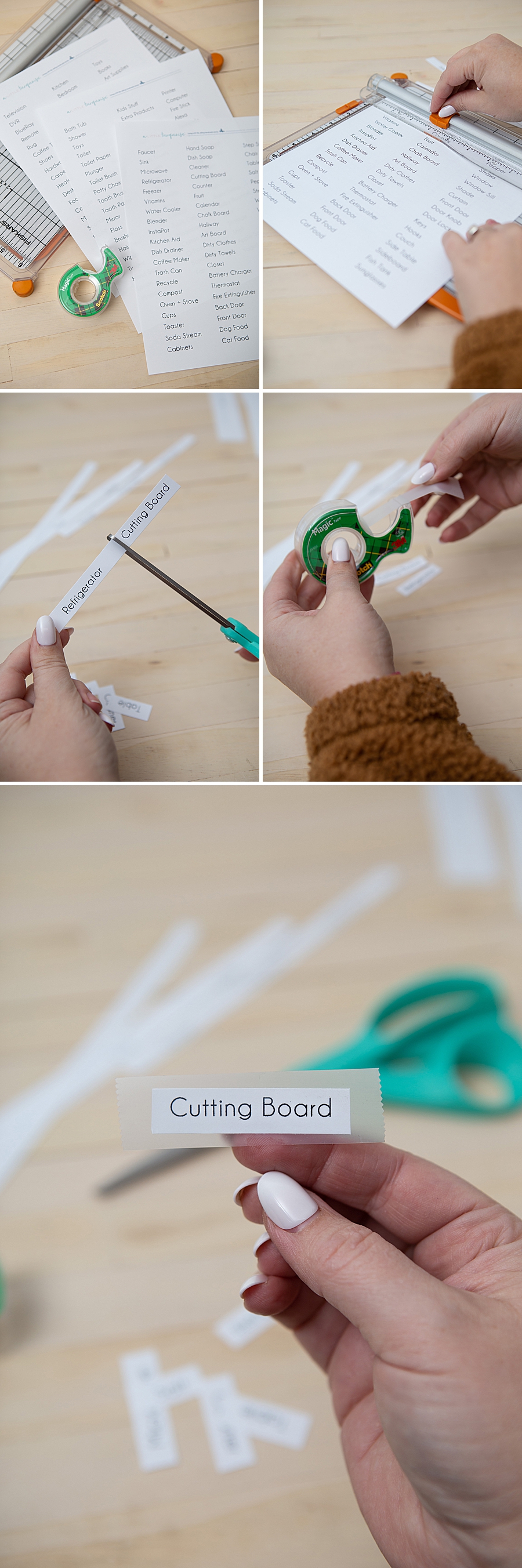
During the initial phase, the parent selects an appropriate typeface, prints the three-page document, and prepares the physical labels. The second phase involves the physical walking of the premises, where the child assists in identifying objects and applying the adhesive labels. The final phase is the "reinforcement period," where residents engage in daily "reading walks," verbally identifying the labels as they move through the house.
The Role of Typography in Early Literacy
A significant portion of the project’s design phase was dedicated to typographic selection. In early childhood education, the specific shape of letters can significantly impact a child’s ability to decode text. Many decorative or standard digital fonts utilize "double-story" versions of the letters "a" and "g," which differ from the "single-story" versions children are typically taught to write by hand.
To mitigate confusion, the project utilized the "Champagne & Limousines" font, a sans-serif typeface known for its geometric clarity and simplified letterforms. The choice of a clean, legible font is a deliberate attempt to match the visual representation of words with the phonetic and manual instruction children receive in formal classroom settings. By removing the visual "noise" of complex serifs or unconventional letter shapes, the system allows the child to focus entirely on the sequence and structure of the characters.
Supporting Data on Early Literacy and Environmental Print
The release of this resource comes at a time when early literacy rates are under intense scrutiny. According to data from the National Assessment of Educational Progress (NAEP), often referred to as "The Nation’s Report Card," a significant percentage of fourth-grade students in the United States perform below the "proficient" level in reading. Educators have increasingly advocated for "print-rich environments" in the home to supplement school-based instruction.
Research in the field of emergent literacy suggests that exposure to environmental print serves as a precursor to more formal reading skills. A study published in the Journal of Early Childhood Literacy indicates that when children are exposed to labeled environments, they develop a faster understanding of the "alphabetic principle"—the idea that letters and letter patterns represent the sounds of spoken language. By labeling 180 distinct items, the Something Turquoise project provides a density of exposure that far exceeds standard household print levels.
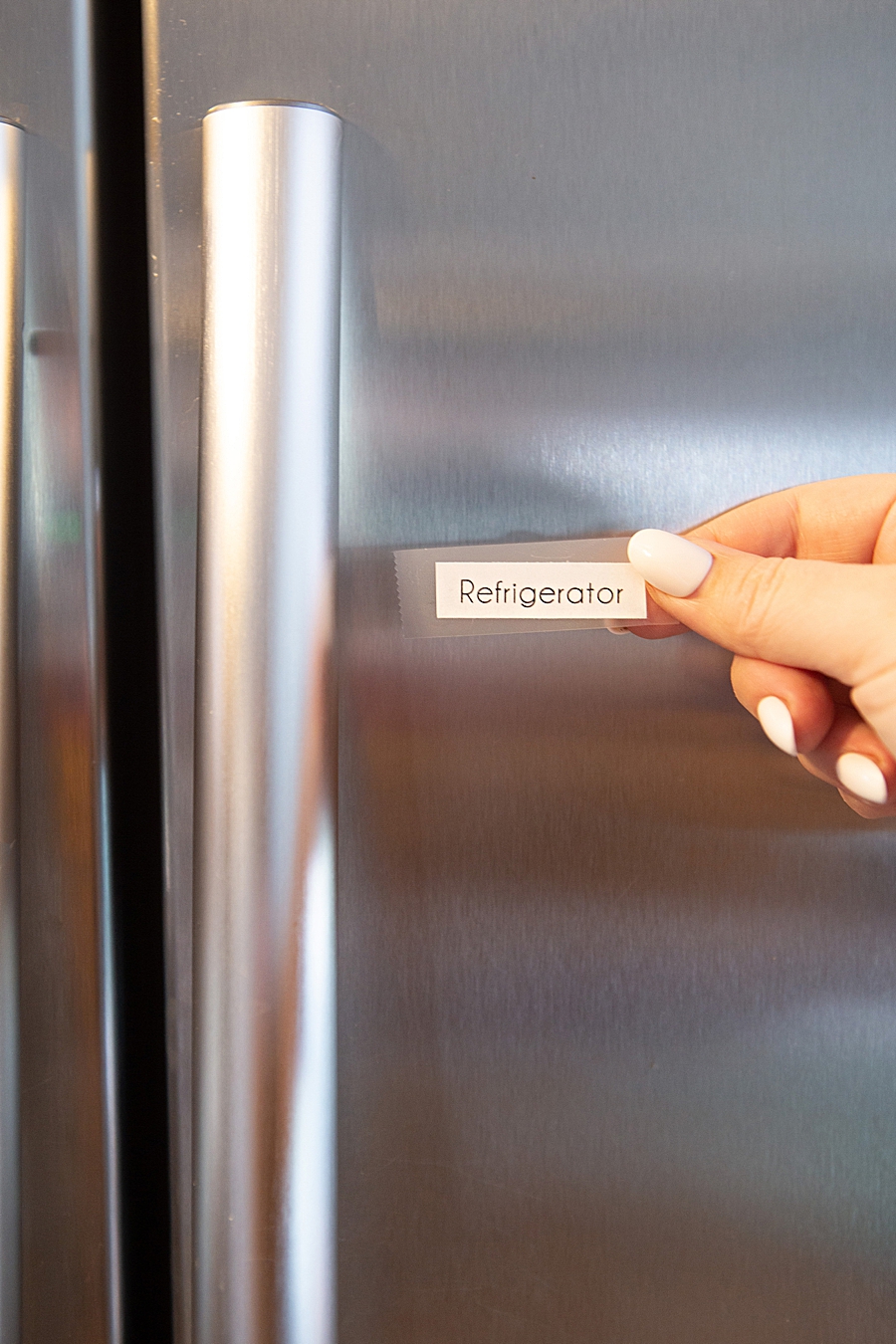
Furthermore, the use of household nouns aligns with the "Whole Language" approach to reading, which emphasizes learning words as whole units based on their context. When a child sees the word "refrigerator" affixed to the appliance they use every day, the cognitive load required to identify the word is reduced, allowing for more successful "sight word" acquisition.
Technical Specifications and Accessibility
To ensure the resource is accessible to the widest possible audience, the project was designed for use with standard household technology. The 180-word list is formatted for standard letter-sized printer paper (8.5" x 11"). While the project creator utilized a Canon TS9521C Crafting Printer for the prototype, the document is optimized for any standard inkjet or laser printer.
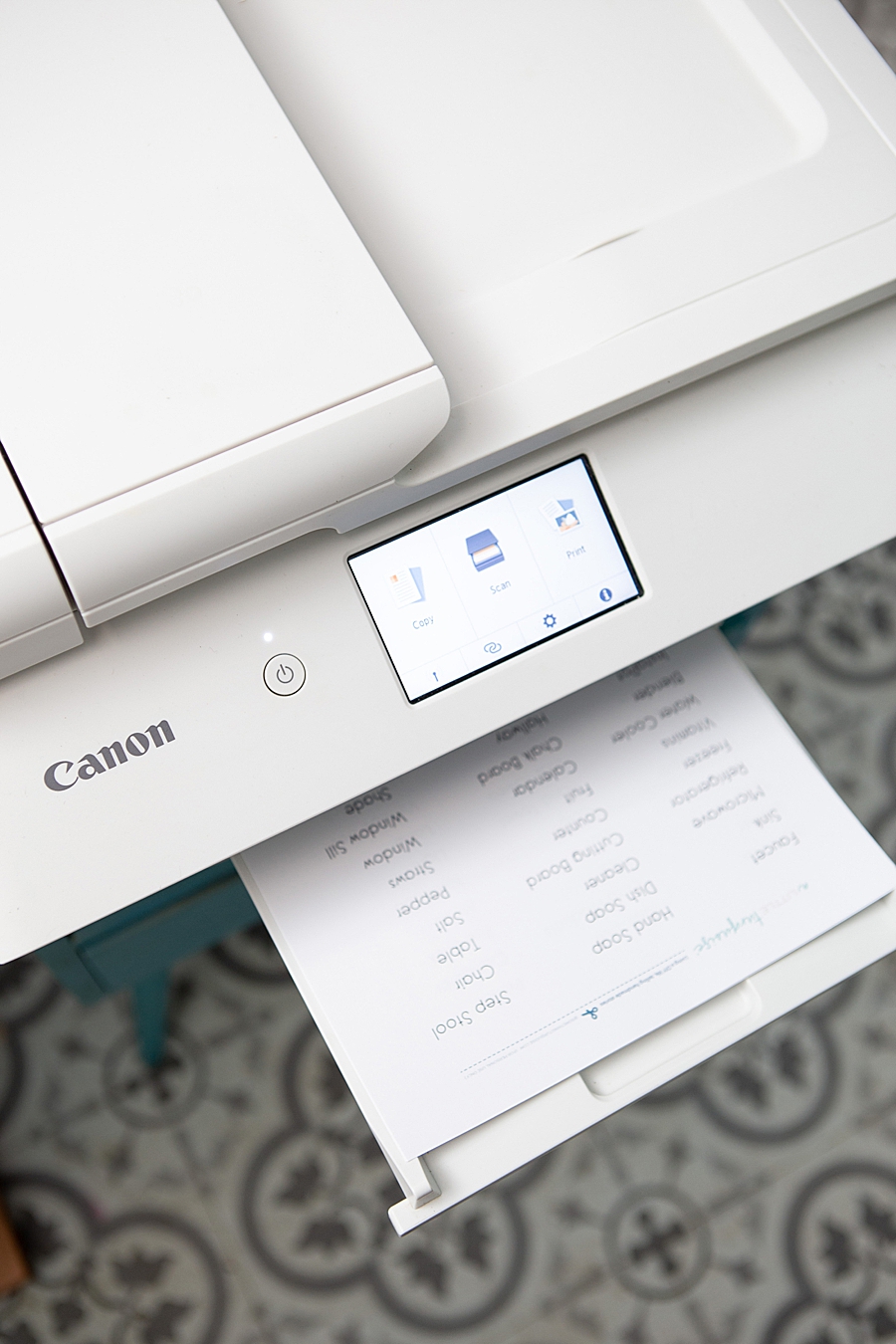
The supply list for the project is intentionally minimal, requiring only paper, a cutting tool (scissors or a paper trimmer), and transparent tape. This low-cost barrier to entry is a vital aspect of the project’s utility, making it a viable option for families across various socioeconomic backgrounds who may not have access to expensive educational software or private tutoring.
The document is distributed as a free PDF download via the Something Turquoise website, hosted on Amazon S3 servers for high-speed access. The inclusion of an instructional "Reel" on the social media platform Instagram provides a visual guide for parents who prefer video-based tutorials, reflecting a modern approach to educational resource distribution.
Community Response and Pedagogical Implications
Initial feedback from parents and caregivers who have implemented the system suggests a high level of engagement. Observations indicate that the presence of labels often sparks curiosity not only in the target demographic of "new readers" but also among visiting guests and extended family members, creating a community-wide focus on the child’s learning progress.
Pedagogical experts suggest that the "non-aesthetic" nature of the labels—which the creator explicitly describes as functional rather than "cute"—is actually a benefit. In the "Pinterest-perfect" era of home organization, educational tools are often sacrificed for visual harmony. By prioritizing functionality and high-contrast legibility over decorative appeal, the labels remain highly visible and effective as instructional aids.
The broader implications of this project touch on the shifting landscape of "home-schooling" and supplemental education. In the wake of global disruptions to formal schooling over the past several years, there has been a documented increase in parents seeking DIY solutions to support their children’s foundational skills. This project represents a shift toward "functional decor," where the home environment is intentionally modified to serve a dual purpose as a living laboratory for language.
Conclusion and Future Outlook
The "180 Free Printable Household Words for New Readers" project stands as a practical application of literacy theory within a domestic setting. By providing a structured, 180-item framework, Jen Causey-Kidder has offered a scalable solution for early childhood language acquisition. The project’s focus on typographic clarity, ease of implementation, and the psychology of environmental print addresses key challenges in early reading development.
As literacy experts continue to emphasize the importance of the "home-to-school" connection, resources like these are likely to become more prevalent. The success of the labeling system highlights a growing trend of "passive learning" tools—resources that work in the background of daily life to reinforce complex skills. While the labels may eventually be removed once the child achieves fluency, the cognitive foundations laid during their use are intended to provide a lifelong advantage in literacy and linguistic comprehension.
For now, the project remains a free, accessible contribution to the field of early childhood development, encouraging parents to look at their homes not just as living spaces, but as the first and most important classroom a child will ever enter.