



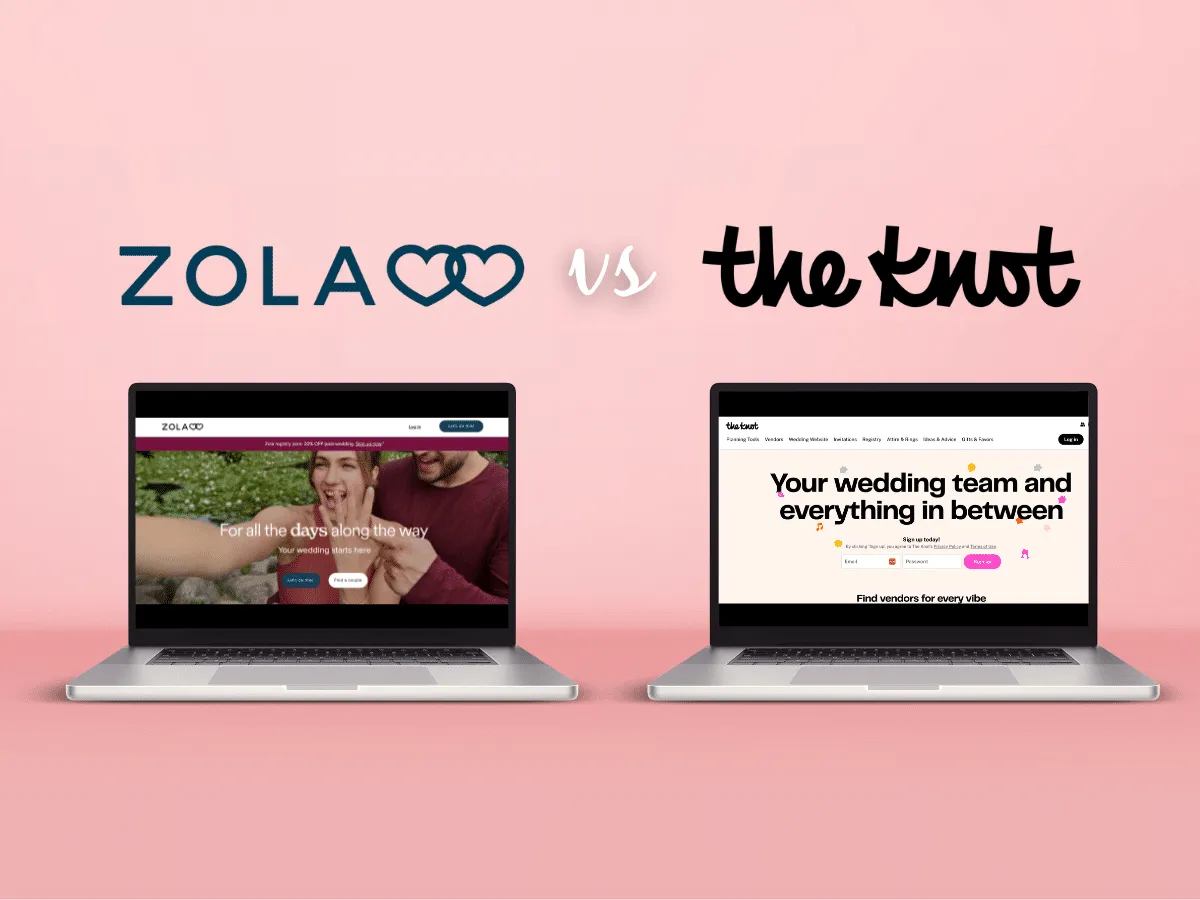
The journey to matrimony, often envisioned as one of life’s most joyful experiences, frequently involves a labyrinth of planning decisions that can induce significant stress and anxiety. From the initial exhilaration of an engagement to the meticulous coordination of the wedding day itself, couples navigate a complex landscape of choices, budgets, and timelines. Recognizing this inherent challenge, the digital age has ushered in a new era of wedding planning, with online platforms emerging as indispensable resources. Among these, Zola and The Knot stand out as industry leaders, each offering a suite of tools designed to streamline the daunting process. This analysis delves into a thorough comparison of these two platforms, examining their origins, core functionalities, user experience, and broader implications for the contemporary wedding industry.
The Evolution of Digital Wedding Planning: A Historical Perspective
The advent of the internet fundamentally reshaped how couples approach wedding planning, moving from reliance on print magazines and local directories to comprehensive online ecosystems. The Knot, established in 1996 by Carley Roney and David Liu, a married couple themselves, pioneered this shift. Their vision was rooted in personal experience, aiming to alleviate the anxieties of wedding preparation by centralizing information and fostering a supportive community. Over two decades, The Knot evolved from an online magazine into a sprawling platform offering tools, advice, a vast vendor directory, and an active online forum, cementing its position as an early market leader.

Zola entered the arena much later, in 2013, founded by Shan-Lyn Ma and Nobu Nakaguchi. Their motivation stemmed from observing friends struggle with what they perceived as a fragmented and outdated digital wedding planning experience, particularly concerning e-commerce and modern registry expectations. Unlike The Knot’s founders, Ma and Nakaguchi were professional colleagues rather than a romantic couple, bringing a distinct, tech-centric approach to the industry. Zola quickly distinguished itself with a focus on integrated services and a sleek, user-friendly interface designed for the mobile-first generation. This chronological disparity highlights a key difference in their foundational philosophies: The Knot built upon an existing need for information and community, while Zola sought to innovate and streamline an already digital, but often clunky, process.
Core Offerings: A Deep Dive into Functionality
Both Zola and The Knot provide a robust array of features essential for modern wedding planning, yet their execution and emphasis often diverge. Understanding these nuances is crucial for couples deciding which platform best aligns with their specific needs.
1. Planning Tools and Usability:
The organizational backbone of any wedding platform lies in its planning tools. The Knot offers a comprehensive suite including a personalized checklist, budget tracker, guest list manager, wedding website builder, vendor directory, registry, seating chart planner, and even a style quiz to help couples define their aesthetic. Its long history means these tools are well-developed and integrated, often guiding users through a traditional planning progression. The user interface is generally clean, though some users report it can feel slightly more traditional in its design compared to newer platforms. The style quiz, for instance, is a unique feature that can be particularly beneficial for couples who are just beginning to conceptualize their wedding vision.

Zola mirrors many of these offerings, providing a checklist, budget tracker, guest list manager, free wedding website, and vendor directory. While its tools are equally functional, Zola’s design philosophy often prioritizes simplicity and a more streamlined, modern aesthetic. For example, while both platforms offer guest list managers, The Knot’s system includes more advanced features like RSVP tracking and thank-you note management directly within the tool, providing a slightly more comprehensive post-event utility. Zola, however, often receives accolades for its intuitive interface, particularly for users accustomed to contemporary e-commerce experiences.
2. Wedding Websites: The Digital Invitation and Information Hub:
In an increasingly digital world, a dedicated wedding website serves as a central repository for all guest-related information, from RSVPs to registry links and travel details. Both Zola and The Knot offer free wedding website creation, a significant value proposition for budget-conscious couples.
The Knot boasts an extensive library of over 380 pre-made templates, allowing for categorization by season, color, and style. This vast selection provides ample options for couples to find a design that resonates with their wedding theme. Key functionalities include RSVP collection, registry display, and the option for a cash fund. For an additional fee of approximately $20, couples can secure a custom domain, elevating the professional appearance of their site.
Zola provides over 250 customizable templates, placing a strong emphasis on modern aesthetics and design flexibility. The ability to heavily customize these templates often results in more unique-looking sites. Similar to The Knot, Zola’s websites facilitate RSVPs, registry access, and cash honeymoon funds. Custom domains are also available for an extra charge. The slightly smaller template selection is offset by the greater customization options, appealing to couples who prioritize a bespoke digital presence.

3. Registry Services: Gifting for the Modern Couple:
The wedding registry is a critical component, guiding guests in selecting appropriate gifts and helping couples furnish their new lives together. Both platforms integrate robust registry functionalities, but with distinct approaches.
The Knot’s registry is highly versatile, allowing integration with major big-box retailers. This flexibility means couples aren’t limited to The Knot’s own inventory but can link registries from various stores. Post-wedding, eligible leftover items from The Knot’s internal registry may qualify for a 20% discount. The platform also supports cash gifts, which are processed with a 2.5% fee typically borne by the guest. This multi-store integration is a significant advantage for couples with diverse brand preferences.
Zola distinguishes itself with a unified registry that combines traditional retail items with cash funds, experiences, and even charitable donations. A notable feature is their gift-tracking system, which simplifies thank-you note management. All items on Zola’s registry are eligible for a 20% post-wedding discount. However, a frequently cited point of contention is a perceived markup on some registry items within Zola’s internal store. While Zola offers price matching, the terms can be strict, and some users have reported occasional issues with item purchases or delivery, although Zola continuously works to refine its fulfillment processes. The platform also applies a 2.5% transaction fee for cash gifts, but uniquely, couples can choose to cover this fee themselves or pass it on to guests. An innovative alternative is converting cash gifts into gift cards, which eliminates the transaction fee entirely, offering a flexible solution.
4. Vendor and Venue Directories: Connecting with Professionals:
Sourcing the right venue and vendors is arguably the most time-consuming aspect of wedding planning. Both platforms offer extensive directories to connect couples with service providers.

The Knot’s directory allows for detailed searches by category (e.g., photographer, caterer, venue) and location (specific city, state, or popular regions). Search results prominently display photos, key details like guest capacity and price estimates, and any accolades a vendor may have received (e.g., "Best of Weddings"). Individual vendor listings provide comprehensive information, including contact details, pricing, portfolios, client reviews, and direct options to request quotes or schedule tours. The depth of information and the recognition system provide a strong sense of validation for listed vendors.
Zola approaches its vendor directory with a slightly different philosophy. Rather than charging vendors for listings, Zola’s staff curates its selection, aiming to provide a high-quality, vetted list of businesses. This curated approach seeks to instill greater trust in the listed professionals. Zola also offers a helpful quiz to assist couples in narrowing down options based on budget, location, and style preferences. Search functionality is robust, allowing filtering by location and vendor type, with subpages dedicated to popular cities. Listings include photos, brief details like typical price range and services, and direct "get a quote" options. The curation model is a significant differentiator, suggesting a higher barrier to entry for vendors and potentially a more reliable pool for couples.
5. Invitations and Paper Suites: The Tangible Touch:
Despite the digital dominance, physical invitations remain a cherished tradition. Both platforms offer integrated paper suites that often complement their wedding website templates.
The Knot provides a selection of over 670 invitation templates, crafted from quality Signature paper. Couples can order three free samples to aid their decision-making. The designs are diverse, ranging from floral to minimalist, classic to vintage, with numerous color themes, foil options, and photo integration capabilities. Pricing averages around $2 per invite, with bulk discounts offered, making it more cost-effective for larger guest lists. The provision of a free invite if plans change is also a thoughtful addition.

Zola, with over 1,075 designs, distinguishes itself by featuring invitations crafted by "Zola artists," implying a unique and often more contemporary design aesthetic. An eco-conscious initiative sees a tree planted for every paper order, appealing to environmentally aware couples. Zola offers five free samples, providing more flexibility for indecisive couples. While Zola’s invitations are generally more affordable, averaging around $1 per invite, they do not offer bulk discounts, meaning the per-invite price remains constant regardless of quantity. This pricing model might be more attractive for smaller weddings.
Accessibility and Support Systems
Beyond core features, the user experience is heavily influenced by platform accessibility and customer support.
1. Mobile Accessibility:
Given the on-the-go nature of wedding planning, mobile applications are increasingly crucial. The Knot offers "The Knot Wedding Planner" app, available on both Android and iOS platforms. Currently, its full functionality is primarily available to users in the United States, with the company actively working to re-expand international support.

Zola’s mobile app experience has seen recent changes. As of January 1, 2023, Zola discontinued its Android app, making its services exclusively available on iOS for new users. Existing Android users who downloaded the app before this date can still utilize it, but the move signifies a strategic shift in Zola’s mobile development focus, potentially impacting Android users seeking a fully integrated experience.
2. Customer Support and Community:
Navigating the complexities of wedding planning often necessitates reliable customer support. The Knot offers support primarily through an online contact form and a telephone number. While these channels are standard, some user feedback has occasionally highlighted concerns regarding response times or perceived inconsistencies in professionalism from their support team. However, The Knot’s strength in community lies in its extensive online forums, which provide a peer-to-peer support network where couples can share advice, ask questions, and connect with others undergoing similar planning journeys.
Zola distinguishes itself with a more personalized approach to customer support, offering personal wedding advisors at no extra cost. These advisors can be reached via email, phone, or even direct messages on social media platforms like TikTok and Instagram, reflecting a modern, multi-channel support strategy. This direct, advisory service is a significant advantage for couples seeking bespoke guidance throughout their planning process. While Zola does not have traditional public forums like The Knot, the personal advisor model aims to provide a more tailored and proactive support experience.
Financial Considerations and Market Dynamics

Both platforms are generally free to use, providing access to a wealth of information and tools without subscription fees. However, transaction fees for cash gifts are a common revenue model across the industry. The Knot charges a 2.5% processing fee for credit card cash gifts, which is typically passed on to the guest. Zola also applies a 2.5% credit card transaction fee for cash gifts, but offers the flexibility for either the couple or the guest to cover it. As previously noted, converting cash gifts to gift cards on Zola eliminates this fee entirely. This nuanced approach to fees reflects broader industry trends where digital payment processing incurs costs that are often borne by either the sender or receiver.
The fierce competition between Zola and The Knot has broader implications for the wedding industry. Their combined market presence has significantly raised expectations for what digital planning platforms should offer, pushing smaller competitors to innovate or specialize. This competition also influences vendor relationships; The Knot’s advertising-based model for vendors contrasts with Zola’s curated, non-paid listing approach, impacting how vendors market themselves and what resources they allocate to digital platforms. The continuous innovation in features, from AI-driven planning tools to enhanced personalization options, underscores a dynamic market striving to capture and retain the lucrative wedding consumer base.
Conclusion: Choosing the Right Digital Partner
In the ongoing digital rivalry between Zola and The Knot, no single platform unequivocally dominates across all categories. Both offer substantial value, particularly their free wedding website builders and comprehensive planning tools, which are invaluable for couples navigating their budgets.

The choice ultimately hinges on individual priorities and planning styles. The Knot, with its long-standing presence, vast vendor network, extensive template library, and robust community forums, may appeal to couples seeking a comprehensive, traditional yet digitally-enabled planning experience with ample peer support. Its flexibility in integrating external registries is also a strong point.
Zola, on the other hand, with its sleek, modern interface, curated vendor list, personalized advisor support, and innovative registry options (like gift tracking and varied fee payment options), might be the preferred choice for tech-savvy couples who value a streamlined, integrated e-commerce experience and direct expert guidance. The commitment to unique designs and eco-conscious practices also resonates with a contemporary audience.
Ultimately, engaged couples are encouraged to explore both platforms, leveraging their free offerings to determine which ecosystem best aligns with their vision for a stress-free and memorable journey to "I do." The continued evolution of these platforms promises further innovation, ensuring that digital tools will remain at the forefront of wedding planning for years to come.