

The journey from "yes" to "I do" is often envisioned as a joyous, seamless progression, yet the reality of wedding planning can frequently involve intricate logistics and considerable stress. In an era where digital solutions streamline nearly every aspect of life, online wedding planning platforms have emerged as indispensable tools for couples navigating the complexities of their special day. Among the most prominent and widely utilized platforms are The Knot and Zola, each offering a suite of services designed to alleviate planning burdens. This analysis delves into a thorough comparison of these two industry leaders, examining their origins, core offerings, user experience, and strategic implications for engaged couples.
A Legacy of Innovation: The Knot’s Enduring Presence
Founded in 1996 by Carley Roney and David Liu, a married couple themselves, The Knot emerged during the early days of the internet, capitalizing on the nascent opportunity to digitize the traditionally fragmented wedding planning process. Their vision was to create a centralized online resource that could ease the anxieties of engaged couples by providing comprehensive tools and a supportive community. For over two decades, The Knot has evolved from a pioneering online magazine to a multifaceted digital ecosystem, becoming synonymous with wedding planning in the digital age. Its longevity in a dynamic tech landscape underscores its ability to adapt and expand its offerings, establishing a deep-rooted presence within the wedding industry.
The platform’s historical trajectory highlights a commitment to breadth and community. Early on, The Knot distinguished itself by not only offering practical planning tools but also fostering a vibrant online forum where couples could exchange advice, share experiences, and seek support from peers. This community aspect remains a cornerstone of its appeal, providing a human element to the often overwhelming task of orchestrating a wedding. As the digital sphere matured, The Knot integrated sophisticated vendor directories, extensive inspirational content, and a robust registry system, cementing its position as a holistic planning hub. Its continuous evolution reflects a strategic understanding of changing consumer needs and technological advancements, allowing it to maintain a dominant market share in a competitive landscape.
Modernizing Matrimony: Zola’s Contemporary Approach

A more recent entrant into the digital wedding planning arena, Zola was launched in 2013 by Shan-Lyn Ma and Nobu Nakaguchi. Their inspiration stemmed from observing friends’ frustrations with the existing digital tools, particularly the lack of a seamless e-commerce experience for wedding-related purchases. Unlike The Knot’s founders, Ma and Nakaguchi were not romantically involved but shared a professional vision for revolutionizing the digital side of wedding planning with a strong emphasis on user-friendly design and integrated services. Zola’s emergence coincided with a period of rapid innovation in e-commerce and mobile technology, allowing it to build a platform optimized for modern digital consumption habits.
Zola’s strategic entry into the market was characterized by a focus on streamlining the entire wedding journey, from guest list management to gift registry and invitation suites, all within a cohesive digital environment. Its design philosophy prioritized a clean, intuitive interface, recognizing that contemporary users expected sophisticated, app-like experiences. The platform quickly gained traction by addressing specific pain points in the digital wedding space, such as fragmented registries and clunky guest communication tools. While it offers many similar features to The Knot, Zola’s differentiation often lies in its streamlined integration and a more curated, e-commerce-centric approach, positioning itself as a modern alternative for tech-savvy couples. The platform’s rapid growth since 2013 underscores the market’s demand for integrated, design-forward digital solutions in wedding planning.
Navigating the Digital Landscape: First Impressions and User Experience
The initial interaction with a planning platform significantly influences a couple’s decision. Both The Knot and Zola have invested heavily in creating clean, aesthetically pleasing designs that prioritize ease of navigation. However, their structural approaches and the breadth of content presented upfront offer distinct user experiences.
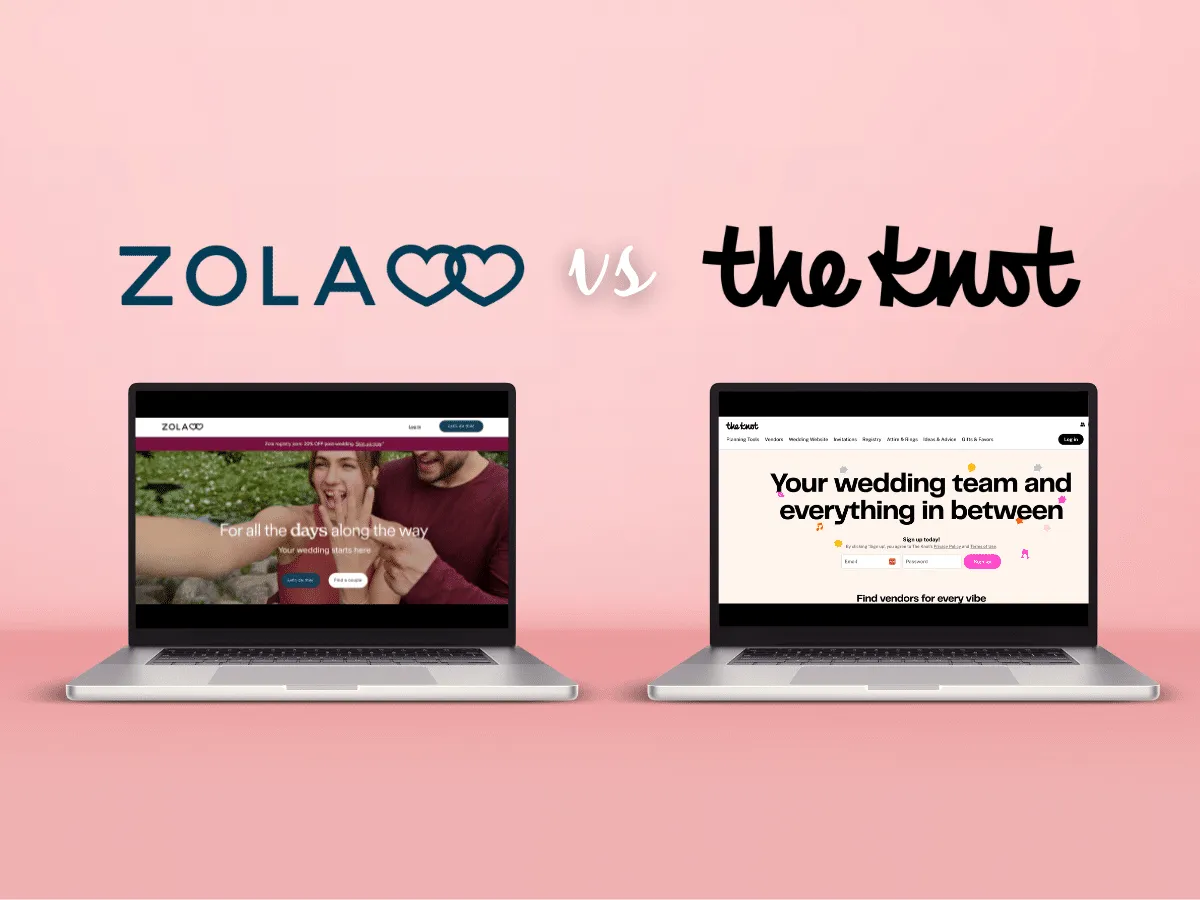
The Knot’s website presents a comprehensive navigation bar at the top, featuring direct links to a wide array of categories such as "Find Vendors," "Wedding Dresses," "Registry," "Invitations," "Planning Tools," "Wedding Websites," "Ideas & Advice," and "Community." This expansive menu reflects its deep and long-standing presence in the industry, offering a broad entry point to its extensive resources. The homepage typically highlights a diverse selection of vendors, outlines key planning steps, and prominently features its free wedding website builder. Testimonials and visually appealing wedding compilation videos further enhance the user experience, providing inspiration and social proof. The site’s footer offers additional navigation to planning resources, company information, and sister sites, reinforcing its vast ecosystem. This structure caters to couples who appreciate a wide range of options and detailed information readily available.
Zola, in contrast, opts for a more minimalist navigation structure. Its primary categories are "Plan your wedding," "Expert advice," and "Find a couple," with the first two being drop-down menus. Under "Plan your wedding," users find essentials like "Wedding Website," "Guest List," "Registry," "Invitations," "Vendors," "Checklist," and "Wedding Budget." The "Expert advice" section is further categorized into key areas like "Wedding Planning," "Style & Beauty," "Guests," and "Real Weddings." Zola’s main page mirrors this streamlined approach, immediately showcasing essentials like the free wedding website, guest list manager, and registry. It emphasizes its unique selling points, such as personalized wedding advisors ("Team-Z"), and maintains a clean, modern aesthetic. This design is particularly appealing to couples who prefer a less cluttered interface and a more guided, curated pathway through the planning process.

Comprehensive Planning Tools: A Comparative Analysis
Effective planning tools are the backbone of any successful wedding platform. Both Zola and The Knot offer a robust suite of digital aids designed to keep couples organized and on track.
The Knot provides an extensive collection of tools, including a personalized wedding checklist, a budget tracker, a guest list manager, and a unique style quiz. The style quiz is particularly beneficial for couples unsure of their aesthetic preferences, offering personalized ideas and inspiration. The budget tracker allows for detailed financial oversight, while the guest list manager facilitates guest communication and organization. A key differentiator for The Knot’s guest list tool is its ability to manage both RSVPs and thank-you notes, offering an integrated approach to guest communication post-event. The platform also includes a seating chart planner, a crucial tool for large weddings, and a vendor manager, allowing couples to track interactions with service providers.
Zola’s planning tools are equally comprehensive, featuring a wedding checklist, a budget tracker, a guest list manager, and a vendor manager. Its guest list manager is highly praised for its user-friendly interface and integration with other Zola services, such as invitations and RSVPs. While both platforms offer similar core functionalities, The Knot’s guest list manager often receives recognition for its slightly more advanced features, particularly the thank-you note tracking, which streamlines a frequently overlooked post-wedding task. Zola’s emphasis on seamless integration across its features, however, often results in a cohesive and intuitive user experience for managing these essential planning elements.
The Heart of the Gift-Giving: Registry Dynamics
The wedding registry is a critical component for many couples, simplifying the gift-giving process for guests and helping establish a new household. The approaches taken by The Knot and Zola to their registry services reveal distinct philosophies and partnerships.

The Knot’s registry service is highly integrated with major big-box retailers, allowing couples to easily add items from well-known stores. This broad retail partnership is a significant advantage for couples seeking traditional household items from familiar brands. A notable benefit is the potential for a 20% post-wedding discount on eligible leftover items, incentivizing guests to purchase directly from the registry. The Knot also facilitates cash gifts, a growing trend, and offers couples the flexibility to link to external registries, providing maximum choice. This flexibility caters to couples who may have already started a registry elsewhere or prefer specific retail partners not directly integrated with The Knot.
Zola’s registry distinguishes itself with a strong emphasis on a curated selection and advanced tracking features. It integrates products from both large retailers and smaller, local businesses, offering a more diverse and unique range of items. All items on a Zola registry are eligible for a 20% post-wedding discount, a competitive offering. A key feature is its gift-tracking capability, which helps couples monitor purchases and manage thank-you notes efficiently. However, a common critique of Zola’s registry is the potential for markups on certain items, although they do offer a price-matching policy, albeit with strict terms. Furthermore, some users have reported occasional issues with the processing or delivery of registry items, suggesting that while the platform aims for seamless e-commerce, operational challenges can arise. The platform’s ability to convert cash gifts into gift cards without transaction fees is a unique and attractive feature, aligning with modern preferences for flexible gifting.
Crafting Your Digital Invitation: Wedding Websites and Invitations
In today’s digital age, a wedding website serves as a central communication hub, and physical invitations remain a cherished tradition. Both platforms offer robust solutions for both.
The Knot provides free wedding websites with an impressive selection of over 380 pre-made templates, easily sortable by season, color, and style. These templates are designed for ease of use, allowing even non-tech-savvy couples to create a personalized site that integrates RSVP functionality, registry links, and cash fund options. For couples seeking a more bespoke touch, The Knot offers the option to purchase a custom domain for an additional $20, enhancing brand identity for their wedding. Its invitation suite mirrors the website templates, offering over 670 designs made from quality Signature paper. Couples can order three free samples before committing, and pricing averages around $2 per invite, with bulk discounts available. The platform also offers a free re-print option if wedding plans change, a thoughtful consideration.
Zola also offers free wedding websites with over 250 customizable templates and themes. The ability to customize these templates allows for a higher degree of personalization, making each website feel unique. Like The Knot, Zola’s websites support RSVP tracking, registry links, and honeymoon cash funds. Custom domain names are also available for an extra fee. Zola’s invitation offerings are particularly notable for being designed by Zola artists, adding an exclusive touch. With over 1,075 designs, couples have an even wider selection, sortable by style, color, shape, and even featured artist. A significant environmental commitment is Zola’s pledge to plant a tree for every paper order placed. The platform allows for five free invitation samples, catering to more indecisive couples. Zola’s invitations are generally more budget-friendly, costing around $1 per invite, though without bulk discounts, the per-unit price remains constant regardless of quantity.

Connecting Couples with Professionals: Venues and Vendors
Sourcing the right venues and vendors is arguably the most time-consuming aspect of wedding planning. Both Zola and The Knot provide extensive directories to assist couples in this critical task.
The Knot’s venue and vendor directory is renowned for its vastness and detailed filtering options. Couples can search by category (e.g., photographer, caterer, venue) and location, refining results by specific city, state, or popular metropolitan areas. Search results display vital information such as photos, guest capacity, estimated costs, and any accolades a vendor may have received (e.g., "Best of Weddings"). Clicking on a listing reveals comprehensive details, including contact information, pricing packages, portfolio images, genuine reviews from past clients, and direct links to the vendor’s website and social media. The platform also facilitates direct "request quote" actions, streamlining communication with potential service providers. The sheer volume of listings and historical data collected over decades makes The Knot a powerful resource for vendor discovery.
Zola approaches its vendor directory with a slightly different philosophy, emphasizing curation over sheer volume. A key differentiator is that vendors do not pay for listings; instead, Zola’s staff carefully vets businesses to ensure quality. This curated approach aims to provide couples with a more reliable and higher-quality selection. Zola offers a quiz to help couples narrow down venues and vendors based on their budget, location, and style preferences, which is particularly helpful for those feeling overwhelmed. Direct search by location and vendor type is also available, with subpages for top cities. Search results provide essential details like photos, pricing estimates, availability, and specific features. Like The Knot, Zola allows direct interaction through a "get a quote" button. While potentially offering fewer options than The Knot, Zola’s vetting process and guided discovery tools are highly valued by users seeking trusted recommendations.
Accessibility and Support in a Connected World
Modern wedding planning often occurs on the go, making mobile accessibility and responsive customer support crucial.

Both The Knot and Zola offer mobile applications to facilitate planning from anywhere. The Knot Wedding Planner app is available on both Android and iOS platforms, though currently, its full functionality is primarily restricted to users in the United States. This geographical limitation might pose a challenge for international couples or those planning destination weddings abroad.
Zola’s mobile app availability has seen recent changes. Currently, the Zola app is exclusively available on iOS devices, as its Android application was discontinued on January 1, 2023. While users who downloaded the Android app before this date can still access it, new Android users are unable to download it. This strategic decision by Zola signals a potential focus on optimizing the iOS experience, but it also creates a significant barrier for Android users, limiting the platform’s mobile accessibility for a large segment of the smartphone market.
In terms of customer support, The Knot offers assistance primarily through an online contact form and a telephone number. A notable absence is a live chat feature, which is increasingly common for online services. Some users have reported inconsistencies in the professionalism and responsiveness of The Knot’s support team, suggesting areas for improvement.
Zola, conversely, stands out for its personalized customer support model. It offers personal wedding advisors, a service provided at no additional cost. Couples can book sessions with these advisors via email or through direct messages on platforms like TikTok and Instagram, or by phone. This proactive and personalized approach is often cited as a significant advantage, providing couples with direct, expert guidance throughout their planning journey. The availability of multiple contact channels and a dedicated advisory service positions Zola favorably in terms of customer care.
Financial Considerations: Understanding Platform Costs
While both platforms are largely free to use for core planning functionalities, certain services, particularly related to cash gifts on registries, incur transaction fees.

On The Knot, if wedding guests opt to give cash gifts via credit card transactions, a 2.5% processing fee is applied. Importantly, this fee is typically borne by the guests, not the couple, which is a key consideration for gift-givers. Beyond this, The Knot does not impose additional fees or charges for its planning tools or website services.
Zola also applies a 2.5% credit card transaction fee for cash gifts. However, Zola offers flexibility regarding who pays this fee: either the guests or the couple. A unique feature of Zola is the option to convert cash gifts into gift cards, which entirely eliminates the transaction fee. This alternative provides a cost-effective solution for couples and guests alike, aligning with a broader trend of flexible financial arrangements in modern transactions.
Interoperability and Longevity: Key FAQs
For couples managing multiple digital platforms, the ability to sync information is crucial. Zola and The Knot offer some level of interoperability. Specifically, users can integrate their Zola registry into their The Knot account, and vice versa, providing a degree of cross-platform functionality that streamlines gift management.
Regarding Zola’s fee structure, beyond the 2.5% credit card transaction fee for cash gifts, it charges 0% for gifts paid via bank transfer, debit card, or Venmo balance, emphasizing fee-free alternatives for guests.
The longevity of wedding websites hosted on these platforms is also a common concern. The Knot typically maintains wedding websites for one year. Before expiration, the platform sends notifications, allowing couples to either let the site expire or, if a custom domain was purchased, renew it. Upon expiration, a custom domain reverts to a free address. This timeframe ensures that guests have ample opportunity to access information before and immediately after the wedding.

Strategic Choice for the Modern Couple: Conclusion and Implications
The comparative analysis of Zola and The Knot reveals that both platforms offer compelling, feature-rich solutions for wedding planning, each with distinct strengths and subtle differences that cater to varying couple preferences. The "battle" between them is not about one being definitively superior, but rather about which platform better aligns with a couple’s specific needs, priorities, and planning style.
The Knot, with its extensive history, vast vendor directory, comprehensive community forums, and wide selection of traditional retail partnerships for registries, appeals to couples seeking a broad, established resource with robust community support. Its long-standing presence in the market implies a deep understanding of traditional wedding planning elements, offering a reassuring sense of familiarity and comprehensive coverage.
Zola, on the other hand, with its modern, streamlined interface, curated vendor selection, integrated e-commerce experience, and personalized advisory services, resonates with tech-savvy couples who prioritize design, seamless functionality, and a guided planning journey. Its focus on a cohesive user experience and innovative features like fee-free gift card conversions positions it as a contemporary leader for those embracing digital solutions.
For couples on a tight budget, both platforms offer free wedding website creation and numerous complimentary planning tools, which is a significant advantage. However, the nuances in registry policies, invitation pricing, and customer support models warrant careful consideration. The choice between Zola and The Knot ultimately hinges on individual priorities: whether a couple values the extensive community and vendor breadth of The Knot, or the sleek design, curated offerings, and personalized support of Zola. Understanding these distinctions is paramount for making an informed decision that ensures a smoother, more enjoyable path to their dream wedding.