



The contemporary landscape of wedding planning is increasingly defined by digital interaction, yet a persistent hurdle remains for couples navigating vendor selection: the widespread practice of concealing pricing. This opacity, often inherited rather than deliberately chosen, leads to significant inefficiencies, fosters distrust, and creates accessibility barriers, ultimately hindering bookings rather than facilitating them. An in-depth analysis reveals that transparent pricing, particularly a visible starting rate, is not merely a courtesy but a strategic imperative for modern wedding vendors seeking to thrive in an evolving market driven by digital natives and artificial intelligence.
The Frustration of the Modern Couple: A Case Study in Inefficiency
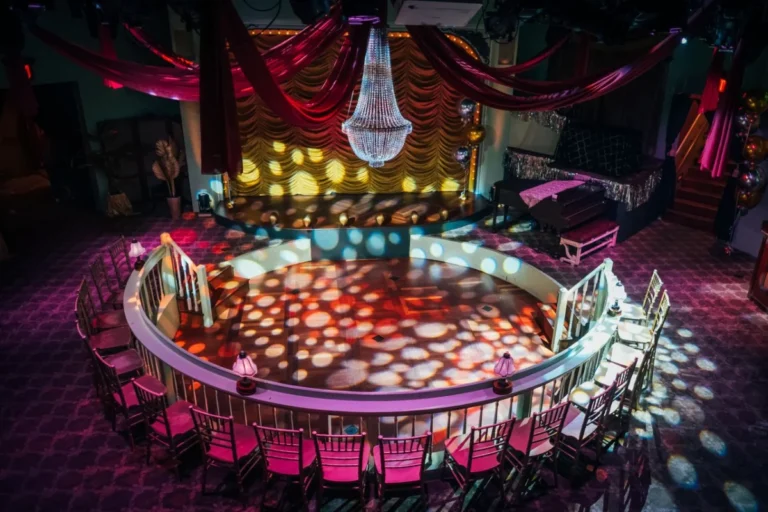
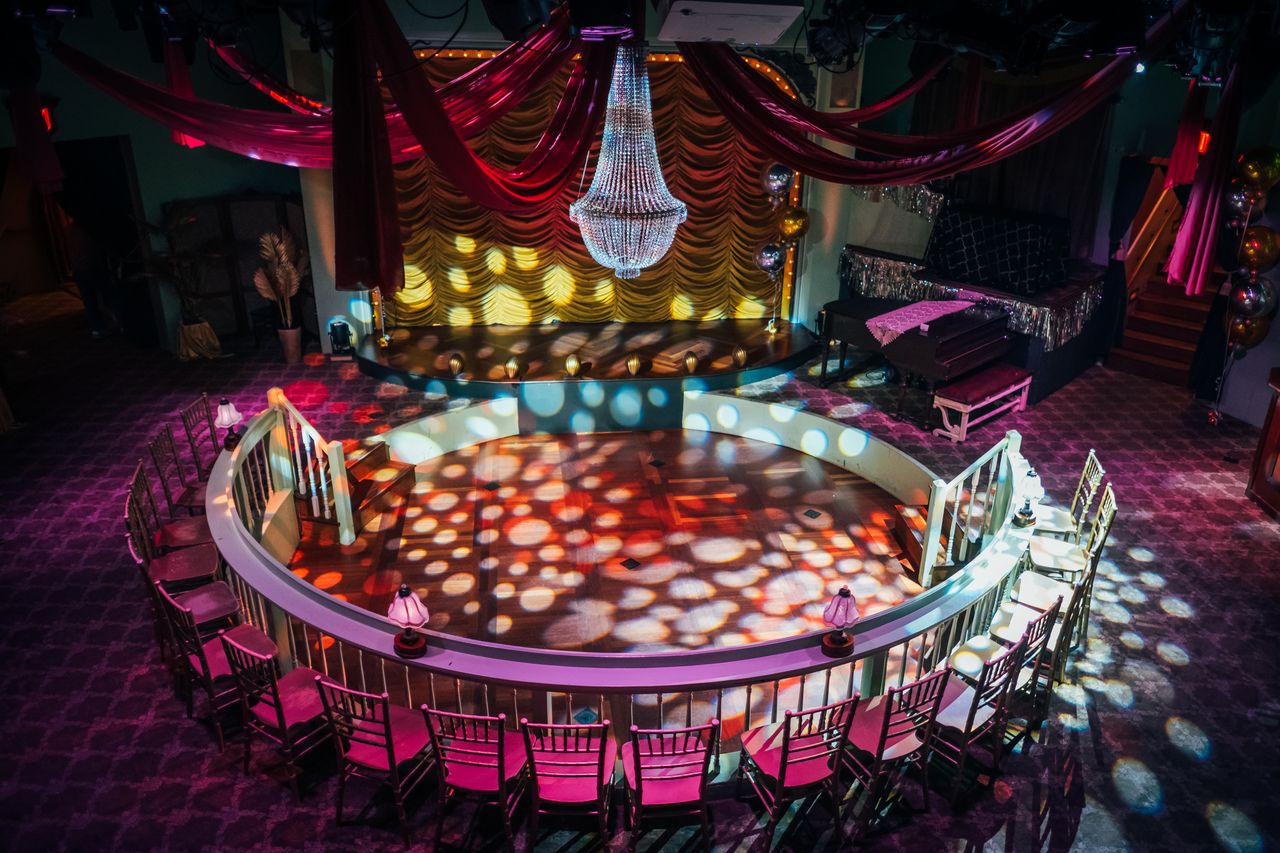
Consider the common scenario: a couple dedicates hours to online research, sifting through countless vendor websites and directories. They discover a venue that appears perfect – aesthetic appeal, suitable capacity, and an ambiance distinct from conventional ballrooms. Eager to ascertain its feasibility, they search for pricing information, only to be met with the ubiquitous "contact us for a custom quote." Dutifully, they complete an inquiry form, initiating a multi-day waiting period before a response arrives, scheduling a follow-up call. Forty minutes into this conversation, after detailed discussions about floor plans, bridal suites, and Pinterest aspirations, the critical piece of information finally emerges: the venue’s price point is double their entire wedding budget.
This sequence, while seemingly benign, epitomizes a fundamental disconnect. No party acted with malicious intent; the venue was responsive, the couple polite. Yet, nearly an hour of collective time was expended to uncover a detail that a single, clear line of text on a website could have communicated instantaneously. This inefficiency is not isolated; it is a systemic issue impacting both prospective clients and busy vendors alike, leading to a cascade of wasted resources and missed opportunities.
The Evolution of Vendor Pricing Strategies: From Secrecy to Scrutiny
The tradition of withholding specific pricing details, often framed as a means to offer "customized quotes," has deep roots in service industries, including wedding planning. In a bygone era, before the ubiquity of the internet, vendor discovery relied heavily on personal recommendations, bridal expos, and direct consultations. In this environment, a preliminary conversation was a necessary first step to gauge client needs and tailor offerings.
However, the digital revolution has fundamentally altered consumer expectations. The rise of online directories such as The Knot, WeddingWire, and Zola, while instrumental in democratizing vendor access, inadvertently perpetuated this pricing opacity. These platforms, often monetizing through lead generation rather than confirmed bookings, incentivized vendors to encourage inquiries. A visible price, which allows potential clients to self-qualify or disqualify, could be perceived as a "lost lead" from the platform’s business model perspective. Consequently, many vendors, adopting the norms of these dominant platforms, integrated "contact for pricing" into their digital presence without critically evaluating its long-term efficacy or its alignment with evolving client behaviors. This inherited practice, rather than a strategic choice, has become a default for many in the industry.
Understanding the Vendor’s Perspective: Customization Versus Clarity
It is crucial to acknowledge the motivations behind a vendor’s decision to withhold pricing. For many, the belief is that a direct conversation allows them to build rapport, understand a couple’s unique vision, and then present a tailored package where the value proposition is clearly articulated before the sticker shock potentially sets in. This approach aims to humanize the transaction, transforming a raw number into an investment in a personalized experience. Some vendors genuinely excel at these consultative sales processes, adept at reading client priorities and adjusting their pitch in real-time.
Furthermore, the bespoke nature of many wedding services—from elaborate floral arrangements to multi-course catering and complex venue logistics—can make a single, fixed price challenging to present. Variables such as guest count, seasonality, specific decor choices, and service hours often necessitate a degree of customization that traditional itemized lists struggle to capture comprehensively. Vendors might fear that a low starting price could undervalue their services, while a high one might deter inquiries from couples who might, with proper consultation, be convinced of the value.
However, this "relationship-first" sales model, while possessing inherent strengths, increasingly assumes a client who desires that specific experience. While such clients still exist, the digital age has ushered in a growing demographic that prioritizes immediate information and efficiency above all else, often perceiving ambiguity as a barrier rather than an invitation.
The Tangible Costs of Opacity: Time, Trust, and Lost Opportunities
The theoretical benefits of hidden pricing are increasingly overshadowed by its practical drawbacks. The "call for pricing" approach, intended to build rapport, often results in the opposite:
- Wasted Resources: Vendors spend invaluable time and effort on sales calls, emails, and follow-ups with leads that are fundamentally unqualified by budget. Each 45-minute call with a couple whose budget is misaligned represents lost time that could be dedicated to confirmed clients, business development, or more promising leads. Multiply this across dozens or hundreds of inquiries, and the cumulative operational inefficiency becomes substantial. From a business efficiency standpoint, automating the initial qualification through transparent pricing is a clear advantage.
- Erosion of Trust: For many consumers, the phrase "contact us for pricing" triggers immediate skepticism. It often implies that the price is either excessively high or subject to negotiation, leading to a perception of hidden agendas. This can breed distrust before any relationship even begins, causing potential clients to disengage entirely. Studies across various consumer sectors consistently show that transparency in pricing is a leading factor in building consumer trust and loyalty.
- Market Exclusion: The adage "if you have to ask, you can’t afford it" resonates deeply with many. Budget-conscious couples, or those simply wary of initiating a lengthy sales process for an unknown outcome, are likely to bypass vendors without clear pricing. This self-selection, while saving the vendor time on "unqualified" leads, also means potentially losing genuinely interested clients who simply prefer upfront information. According to various wedding industry reports, budgeting is consistently among the top stressors for engaged couples, making upfront financial clarity highly valued.
Accessibility in the Digital Age: Addressing Neurodiversity and Gen Z Preferences
Beyond efficiency and trust, the ambiguity inherent in "contact for pricing" is increasingly recognized as an accessibility issue. The practice presumes a client who is:
- Comfortable with initiating phone calls or lengthy email exchanges.
- Willing to invest time in a social sales process before receiving critical information.
- Capable of processing information best through verbal, extended dialogue.
This communication style, prevalent in the 20th century, is no longer universal. A growing segment of the population, particularly younger generations, exhibits a distinct preference for clear, direct, and written information. Research from organizations like Understood.org highlights that Gen Z respondents are significantly more likely than older generations to identify with learning or thinking differences, including ADHD. Some broader claims even suggest that over half of Gen Z identifies as neurodivergent. For individuals with ADHD, autism spectrum disorder, or other cognitive differences, ambiguous communication and protracted sales processes can be particularly challenging, increasing cognitive load and anxiety. They seek clarity and structure, preferring to process information at their own pace, often in written format, before engaging in direct communication. Treating "call for pricing" as the default effectively creates an unnecessary barrier for a substantial and growing demographic of potential clients.
The Rise of Algorithmic Discovery: How AI Shapes Vendor Selection
The demand for transparency extends beyond human interaction to the burgeoning realm of artificial intelligence. Couples are increasingly leveraging AI tools—such as chatbots, virtual assistants, and advanced search algorithms—to streamline their wedding planning process, including shortlisting potential vendors. These AI models operate by pattern-matching on specific, structured data points: budget, guest count, style preferences, location, and crucially, price.
A vendor whose pricing is hidden behind a contact form is effectively invisible to these powerful algorithmic tools. When an AI model is queried for "wedding venues under $10,000 in San Francisco," it can only return results where the pricing data is explicitly available and machine-readable. If a venue’s pricing exists solely in a human-read PDF, an image, or requires a personal inquiry, the AI cannot parse, cite, or recommend it. This means that even if a vendor offers the perfect service at the ideal price point, they will be omitted from AI-generated shortlists, losing out on a significant and growing channel of lead generation.
The concept of "AI-legible vendor listings" is gaining traction, emphasizing the need for concrete, structured information that chatbots can readily interpret. A visible starting price, clearly stated in plain text on a website, transforms a business from an unknown entity to a viable candidate in the eyes of an AI assistant, ensuring it appears in relevant search results and recommendations. This is not merely a futuristic trend; it is the present reality of how many consumers initiate their purchasing journeys, and the wedding industry must adapt to avoid being left behind.
Industry Voices and Expert Recommendations: A Call for Openness
Industry consultants and forward-thinking platforms are increasingly advocating for greater pricing transparency. They argue that this approach aligns with modern consumer behavior and offers tangible competitive advantages. For example, venues like San Francisco’s The Palace Theater and The Satanic Chapel in Salem, highlighted for their explicit listing of starting prices and packages, serve as compelling case studies. These vendors demonstrate that transparency does not detract from desirability but rather enhances it, attracting clients who are already qualified and genuinely interested.
Experts emphasize that transparent pricing streamlines the sales funnel, allowing vendors to focus their consultative efforts on clients who are already aligned with their service tier. This leads to higher conversion rates, more efficient use of sales resources, and ultimately, more satisfied clients who feel respected and informed from the outset. Rather than chasing every lead, transparent vendors attract the right leads. This shift represents a move from a volume-based inquiry model to a value-based, qualified lead model.
Implementing Transparency: Practical Steps for Vendors
Embracing pricing transparency does not necessitate abandoning a consultative sales process or publishing a full, complex itemized rate card for every possible scenario. Instead, it involves strategic disclosure that facilitates initial qualification and builds trust:
- Visible Starting Price: Clearly state a "packages start at" figure or a base rate for core services. This provides an immediate anchor for potential clients.
- Price Ranges: Offer a realistic range for services, acknowledging customization while still providing boundaries. For example, "Our photography packages typically range from $3,000 to $7,000 depending on hours and deliverables."
- Tiered Packages: Present 2-3 distinct packages with clear inclusions and price points. This allows clients to quickly understand different service levels and their associated costs.
- FAQ Section: Create a detailed FAQ section addressing common pricing questions and explaining what factors influence cost.
- Digital Legibility: Ensure all pricing information is presented as plain text on your website, not embedded in images or PDFs, making it accessible to both human readers and AI crawlers.
These measures empower clients to self-qualify, reducing the cognitive load and anxiety associated with planning. For vendors, it means fewer time-consuming calls with misaligned budgets and more meaningful conversations with genuinely interested, pre-qualified leads.
The Broader Implications: Redefining Vendor-Client Dynamics
The shift towards transparent pricing in the wedding industry is more than just a tactical adjustment; it represents a redefinition of the vendor-client dynamic. It fosters an environment of mutual respect and efficiency, where information is readily available, and trust is built from the first interaction. In a world increasingly dominated by digital interactions and AI-driven discovery, vendors who embrace transparency will not only meet contemporary client expectations but also gain a significant competitive edge.
The imperative is clear: adapting to the evolving preferences of digital-native clients and the capabilities of AI tools is no longer optional. By openly communicating pricing, wedding vendors can streamline their operations, cultivate stronger client relationships, and position themselves for sustained success in a rapidly changing marketplace. The future of wedding bookings is transparent, accessible, and efficient, demanding that vendors step out from behind the "contact us" curtain and into the light of clarity.