
Marrying in midlife, especially when teenagers or adult children are part of the equation, introduces a unique layer of considerations that traditional wedding planning advice often overlooks. Questions abound regarding their involvement: Should they be integrated into the planning process? What roles, if any, should they assume in the ceremony? Is walking a parent down the aisle an appropriate gesture? And perhaps most critically, how should parents navigate situations where a grown child expresses hesitancy or a lack of enthusiasm for the new union? These are not merely logistical concerns but deeply emotional ones, reflecting the intricate dynamics of forming a blended family.
The landscape of modern family structures has significantly evolved over the past few decades. According to various sociological studies and demographic analyses, blended families, defined as families composed of a couple and children from previous relationships, are becoming increasingly common. Data from organizations like the Pew Research Center consistently highlight that a substantial portion of adults in the United States have step-relations, underscoring the prevalence of these complex family units. This societal shift means that a growing number of couples are navigating second marriages or new partnerships with established children, bringing with them a rich tapestry of individual histories, emotional attachments, and expectations. Unlike first marriages, where the focus is primarily on the couple, a blended family wedding marks the intentional creation of a new, expanded family unit, requiring careful consideration of every member’s feelings and potential contributions.
To address these nuanced challenges, insights from experienced wedding professionals who regularly work with blended families offer invaluable guidance. These vendors, ranging from planners to photographers and officiants, have observed firsthand what strategies foster inclusivity and help bridge potential emotional gaps. Their experiences reveal a spectrum of approaches, from active roles in the ceremony and planning to more subtle, yet equally meaningful, forms of participation. Crucially, their collective wisdom emphasizes that authenticity and respect for individual comfort levels are paramount. The goal is not to force a "picture-perfect" blended family image, but to create a day that genuinely reflects the emerging family’s unique identity and celebrates its new beginning, acknowledging all its members.
Navigating the Nuances of Blended Family Wedding Planning
The journey to a blended family wedding often begins long before the actual ceremony, encompassing a chronology of conversations and decisions. Experts stress that early and consistent communication is the bedrock upon which a successful and inclusive event is built. The "main facts" gleaned from professionals underscore that flexibility and empathy are crucial.
1. Early and Sustained Engagement in Planning: Building a Foundation of Inclusion
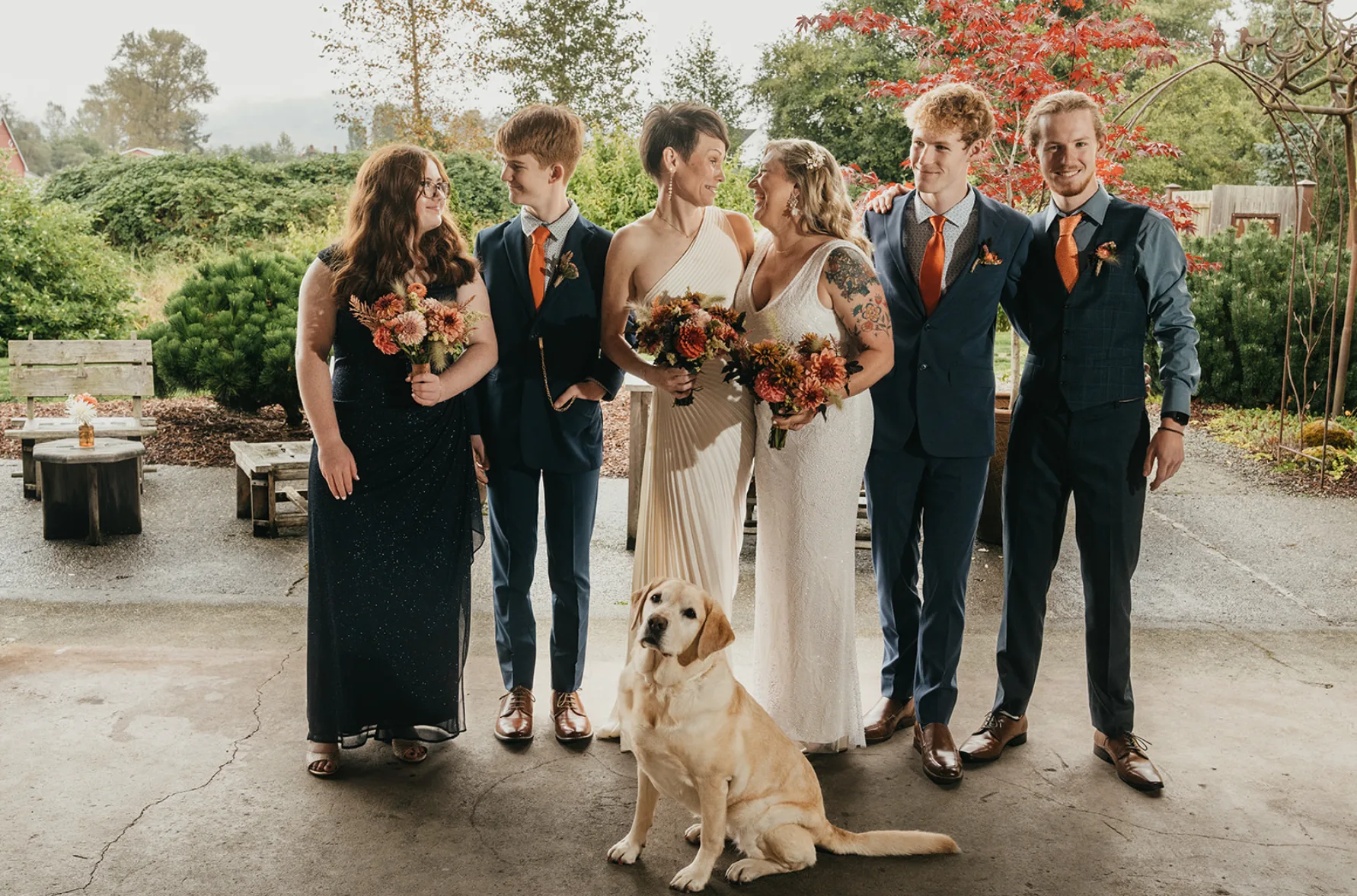
Involving teens or adult children in the planning process can be a powerful way to foster a sense of belonging and ownership, even if their direct ceremonial role is minimal. Emily Berg, the principal planner behind Emily Berg Weddings & Events in Ohio, recounted working with a groom whose 15-year-old daughter initially harbored reservations about the wedding. Berg’s strategic advice was to invite the hesitant teen into the planning process, offering concrete ways for her to contribute. For instance, bringing her to catering tastings and genuinely soliciting her opinion on the food choices not only made her feel valued but also gave her a tangible stake in the event. Similarly, allowing a teenager to have a say in their attire, rather than dictating it, can transform a potential point of contention into an opportunity for collaboration.
The implications of this early involvement extend far beyond menu selection. It signals to children that their opinions matter and that they are integral to this new chapter. For the aforementioned daughter, this approach paid dividends: by the wedding day, she enthusiastically served as one of her father’s attendants, delivered a heartfelt toast (which was met with a playful shower of tiny crackers from guests), and shared a memorable father-daughter dance. Berg’s cautionary note, however, is equally important: if a child is introverted or dislikes being the center of attention, pushing them into a prominent, performative role can be counterproductive. Respecting these boundaries is essential for fostering genuine connection rather than resentment. This fact-based analysis suggests that genuine pre-wedding involvement can significantly ease anxieties and build anticipation, turning potential reluctance into enthusiastic participation.
2. Prominent Roles in the Ceremony: Aisle Walks and Wedding Party Integration
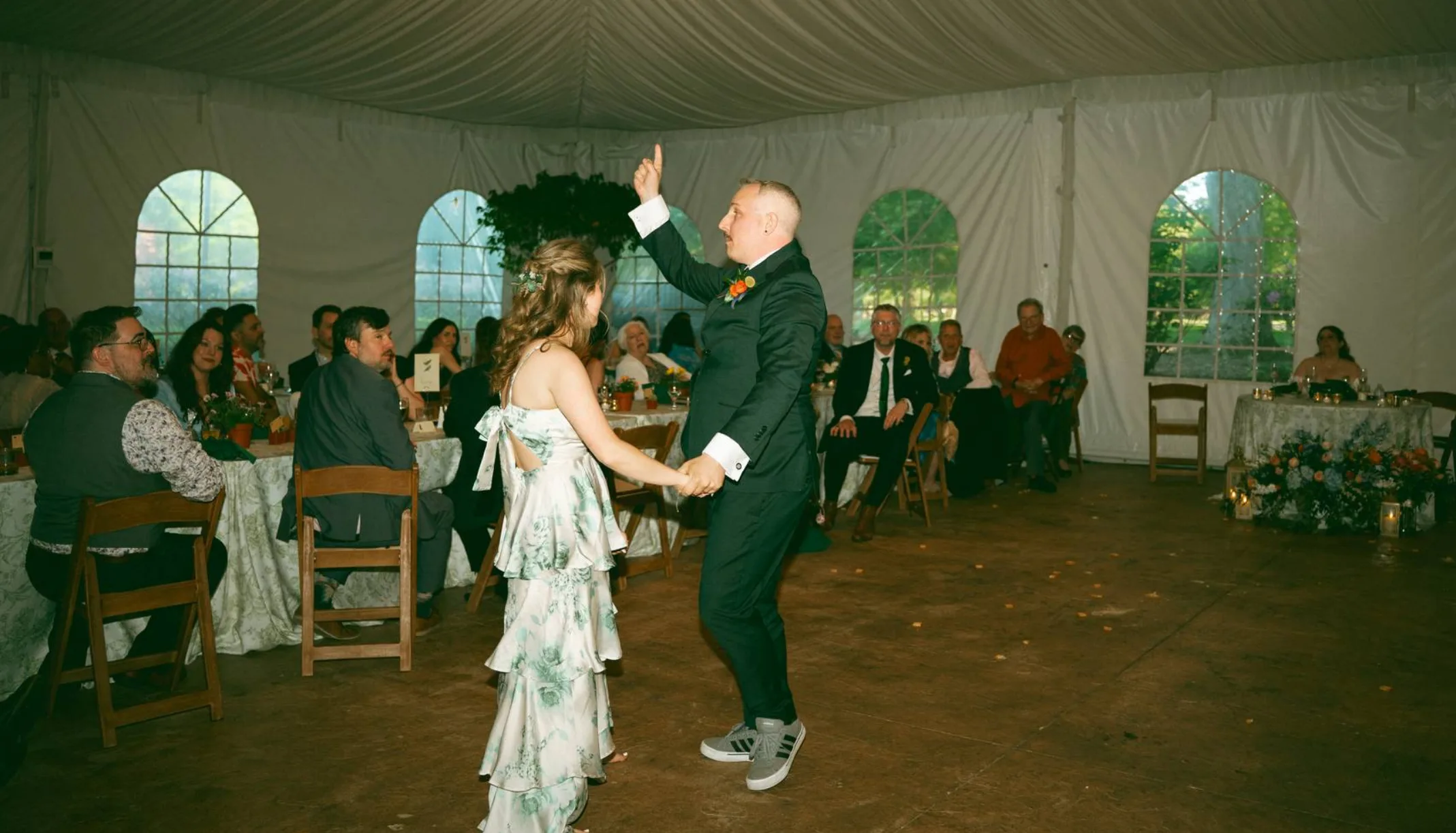
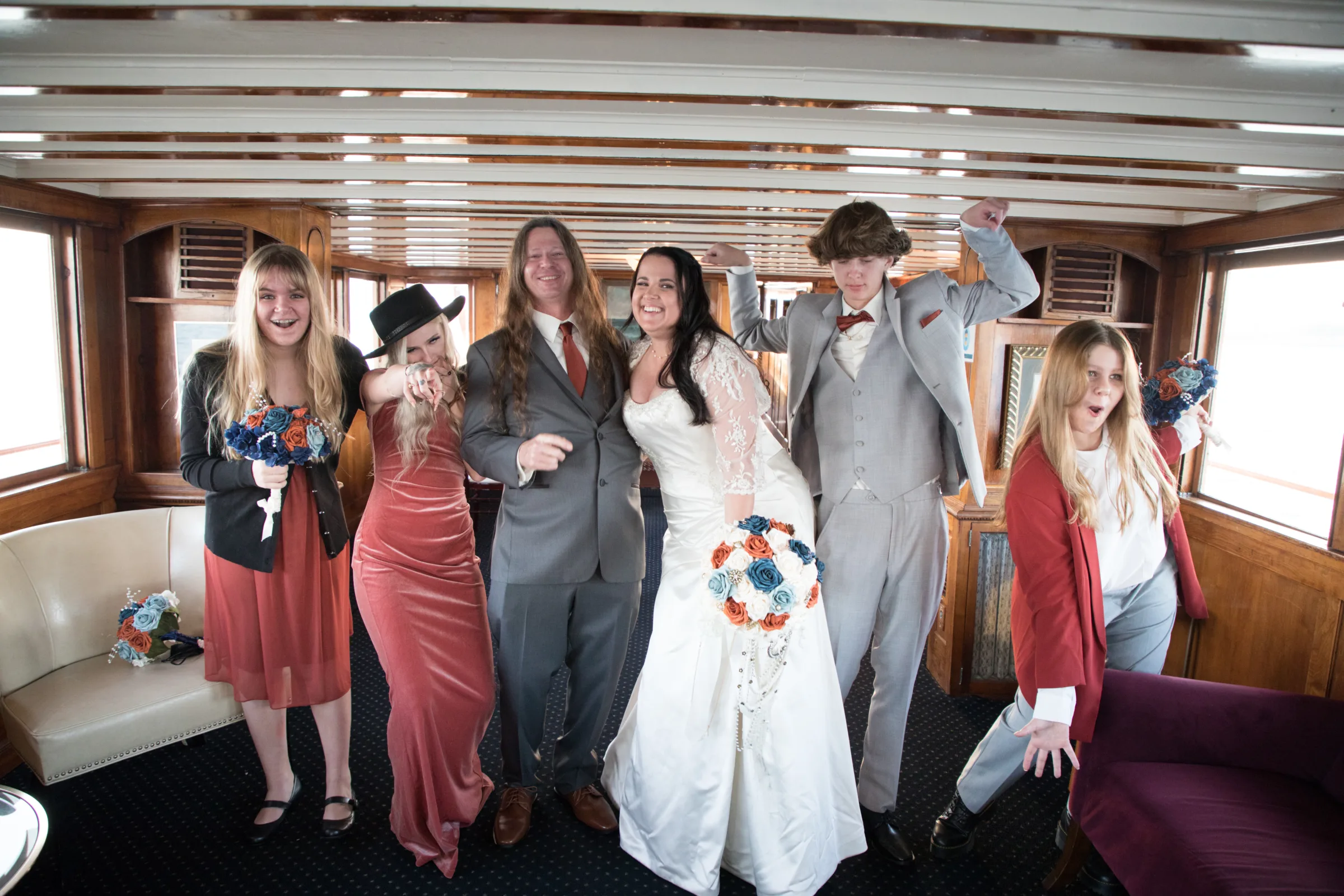
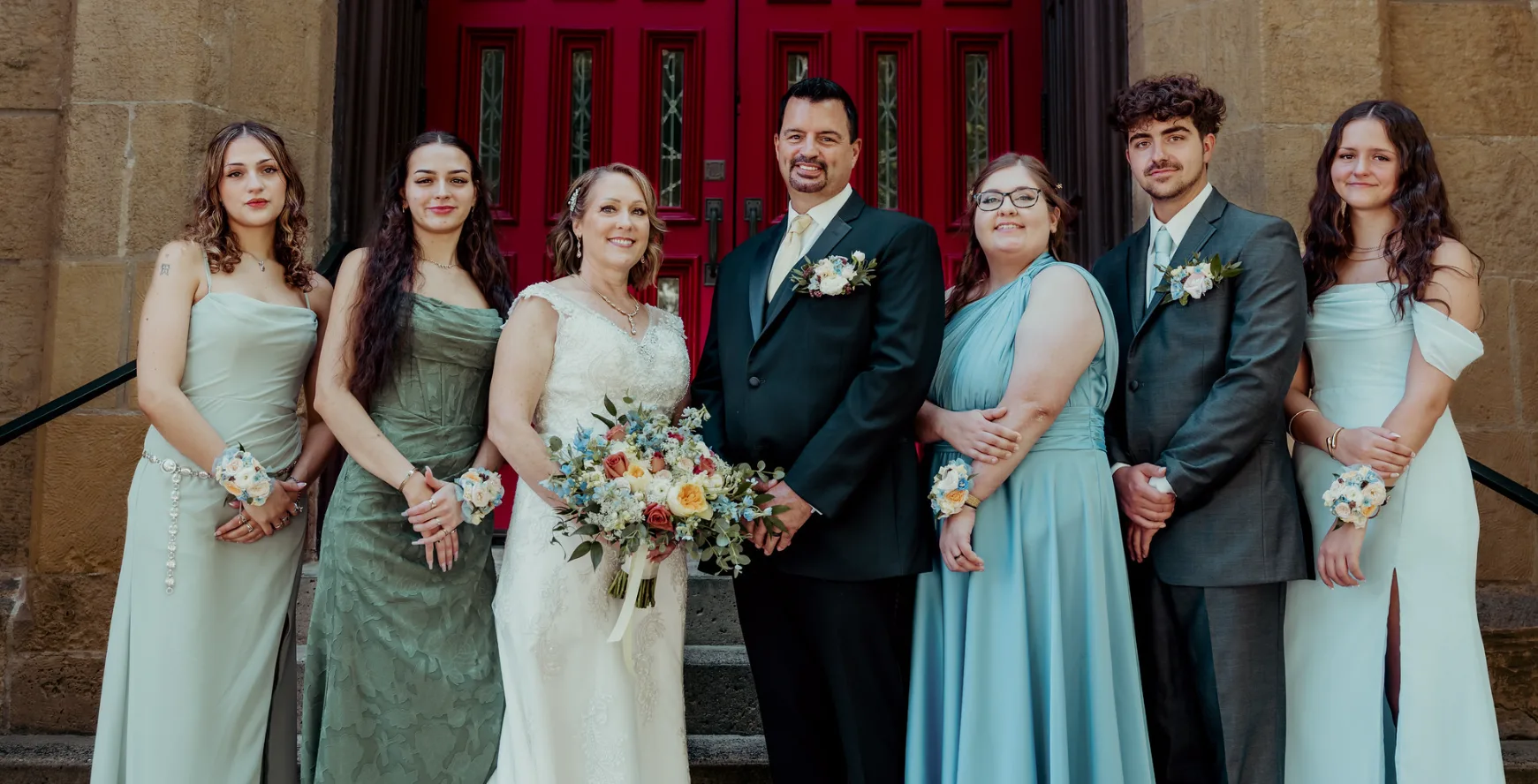
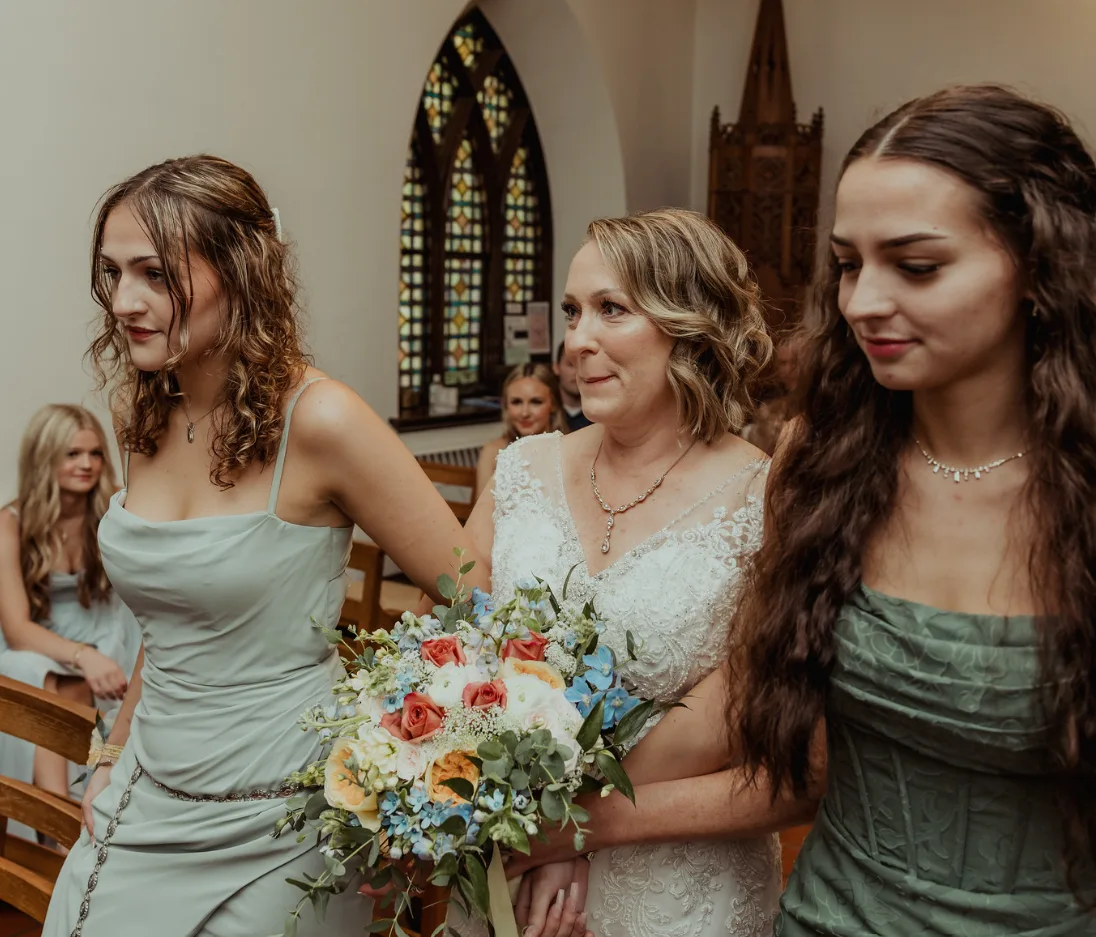
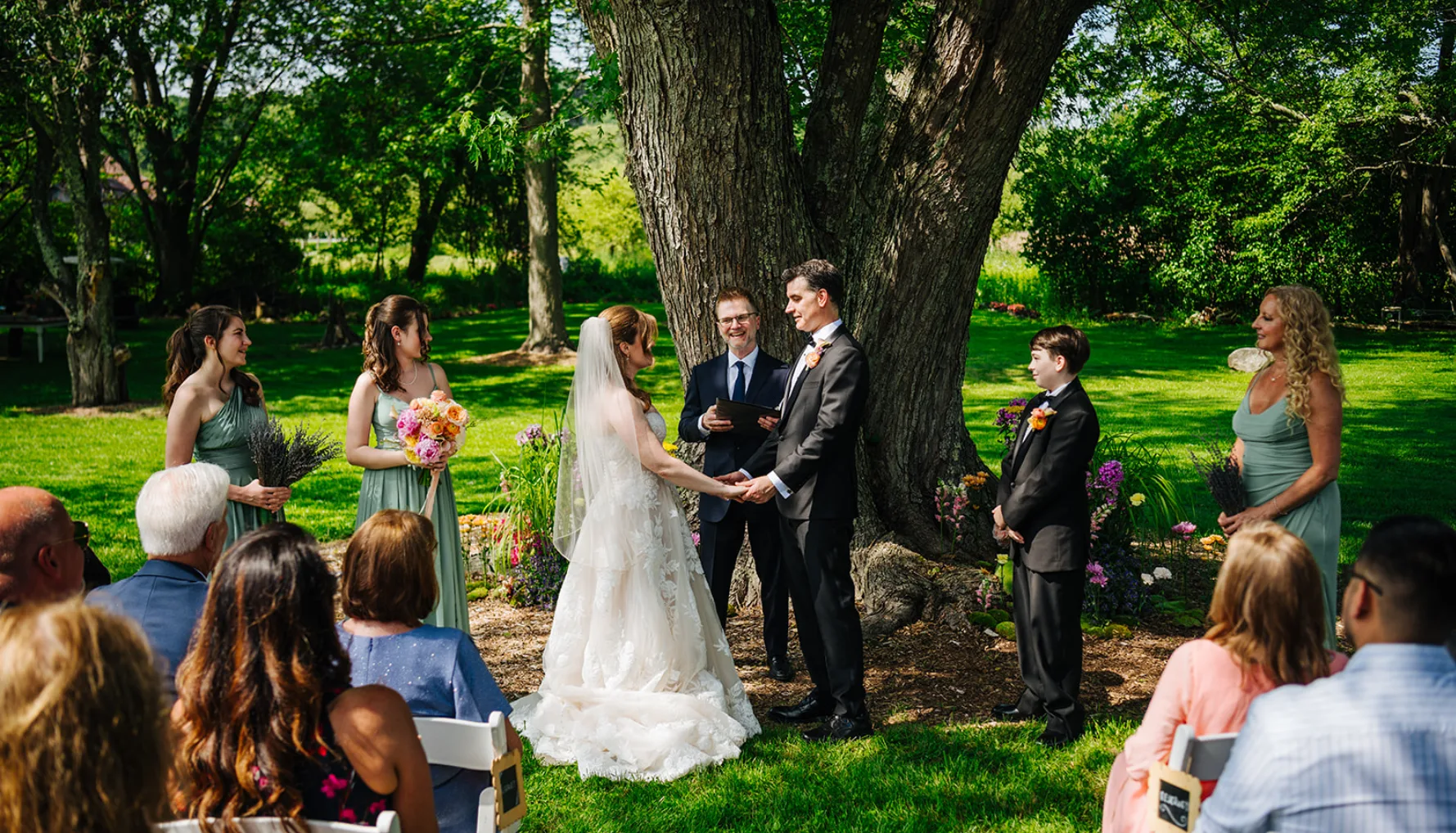
For many blended families, the wedding ceremony itself offers a profound opportunity to visually and symbolically unite the new family. Samantha Waldron, a photographer with Dutcher Photography in Wisconsin, captured Gloria and Jerry’s wedding, a poignant example of this integration. The couple’s five adult children – two from Gloria’s previous marriage and three from Jerry’s – formed their entire wedding party. This arrangement not only honored their children’s significance but also made a powerful statement about the family’s unity. Gloria was escorted down the aisle by her two adult daughters, while Jerry was accompanied by his two daughters, with his son assisting Jerry’s mother to her seat. These actions transformed traditional roles into deeply personal expressions of familial support and connection.
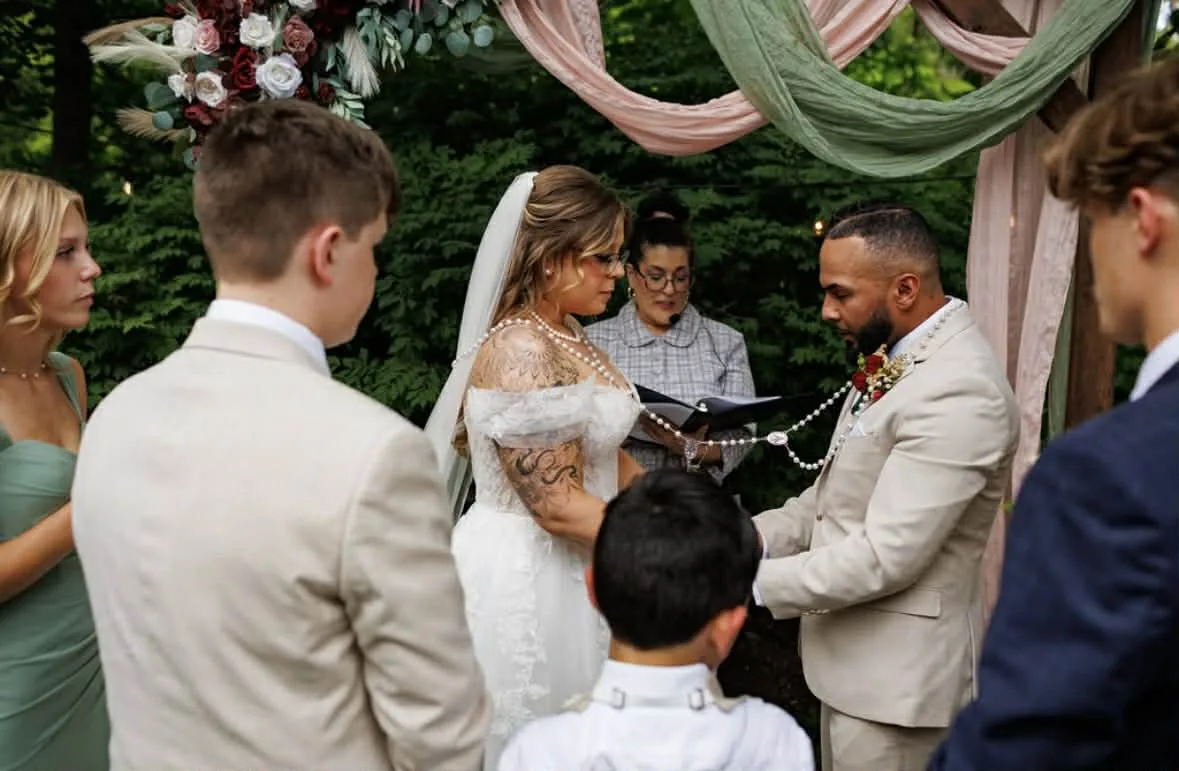
Waldron also shared her own experience, where her then 8-year-old son walked her down the aisle at her remarriage. For her and her husband, ensuring his special involvement was paramount. She often observes couples making vows not only to each other but also directly to their partner’s children, emphasizing that a remarriage is a commitment to the "entire family that you’re creating together." Giving children a "real job" within the ceremony, whether it’s walking an aisle or holding a significant item, helps the day "feel cohesive and like they’ve been considered." This approach underscores the broader impact of the ceremony as a public affirmation of the new family structure, solidifying bonds and publicly acknowledging each child’s place within it.
3. Empowering Voices: Toasts and Readings (With Respect for Individual Comfort)
While many parents dream of their children speaking at their wedding, the key, according to experts, is genuine willingness. Jamie Buckley, a Seattle-based photographer from Jamie Buckley Photography, documented a wedding where one partner had three teenage sons and the other a teenage daughter. Two of the children chose to give toasts, with one son notably expressing his joy at "always wanting a sister and now he had one." Such unprompted expressions of happiness are powerful indicators of successful integration.
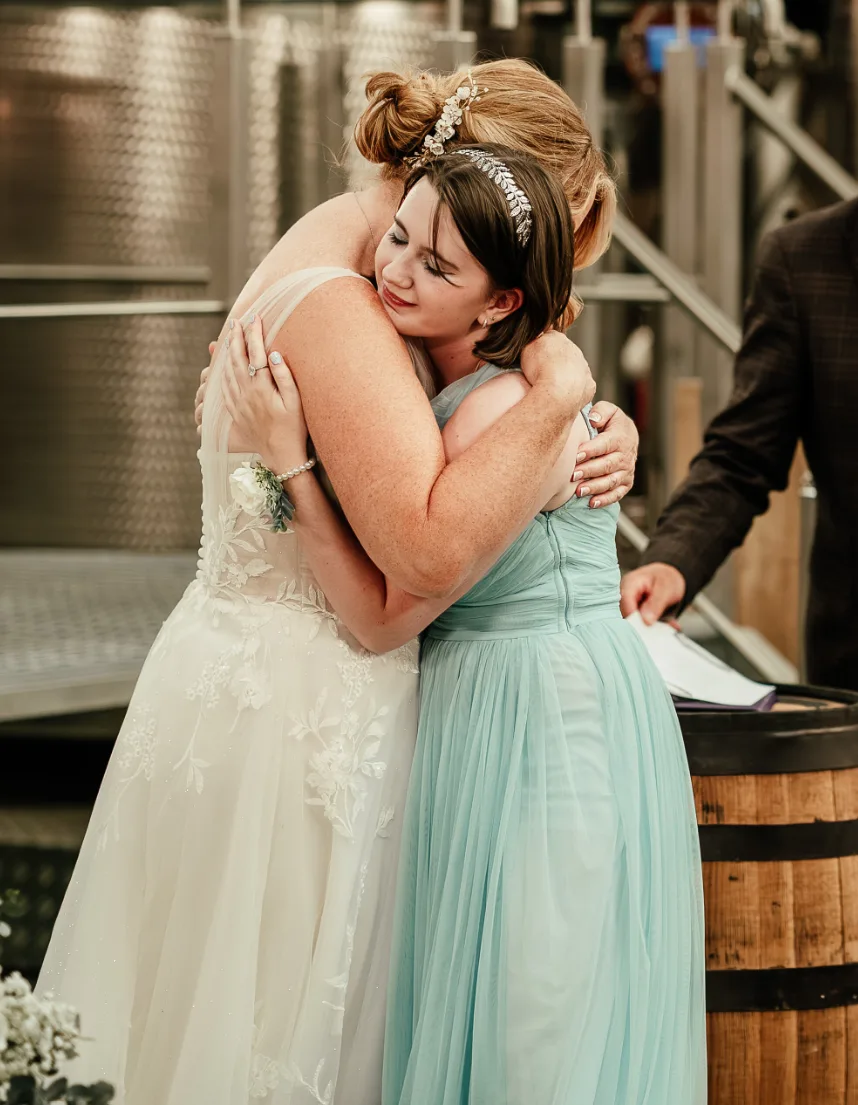
However, Buckley’s advice cuts both ways: "Meet your children where they are at. Don’t try to force cute moments if the kids aren’t there yet." He identifies a common mistake as couples attempting to perform a closeness with their grown children that the children may not genuinely be ready for. "There’s nothing wrong with kids being hesitant or reserved," he explains. "If it’s meant to be, those moments will come eventually." This perspective is crucial for understanding the psychological implications; forcing a public display of affection or acceptance can backfire, leading to discomfort and even resentment. Sarah Craig, a UK-based photographer with Joy Story, echoed this sentiment, noting that while one of her photographed couple’s youngest children delivered a reading that ended in a big hug, the two adult children acted as quiet witnesses, signing the marriage schedule. Their roles didn’t need to be "big or performative" but offered a chance to "be part of this new chapter as a family, rather than simply watching it happen."
4. "Jobs" with Real Significance: Witnessing and Official Roles
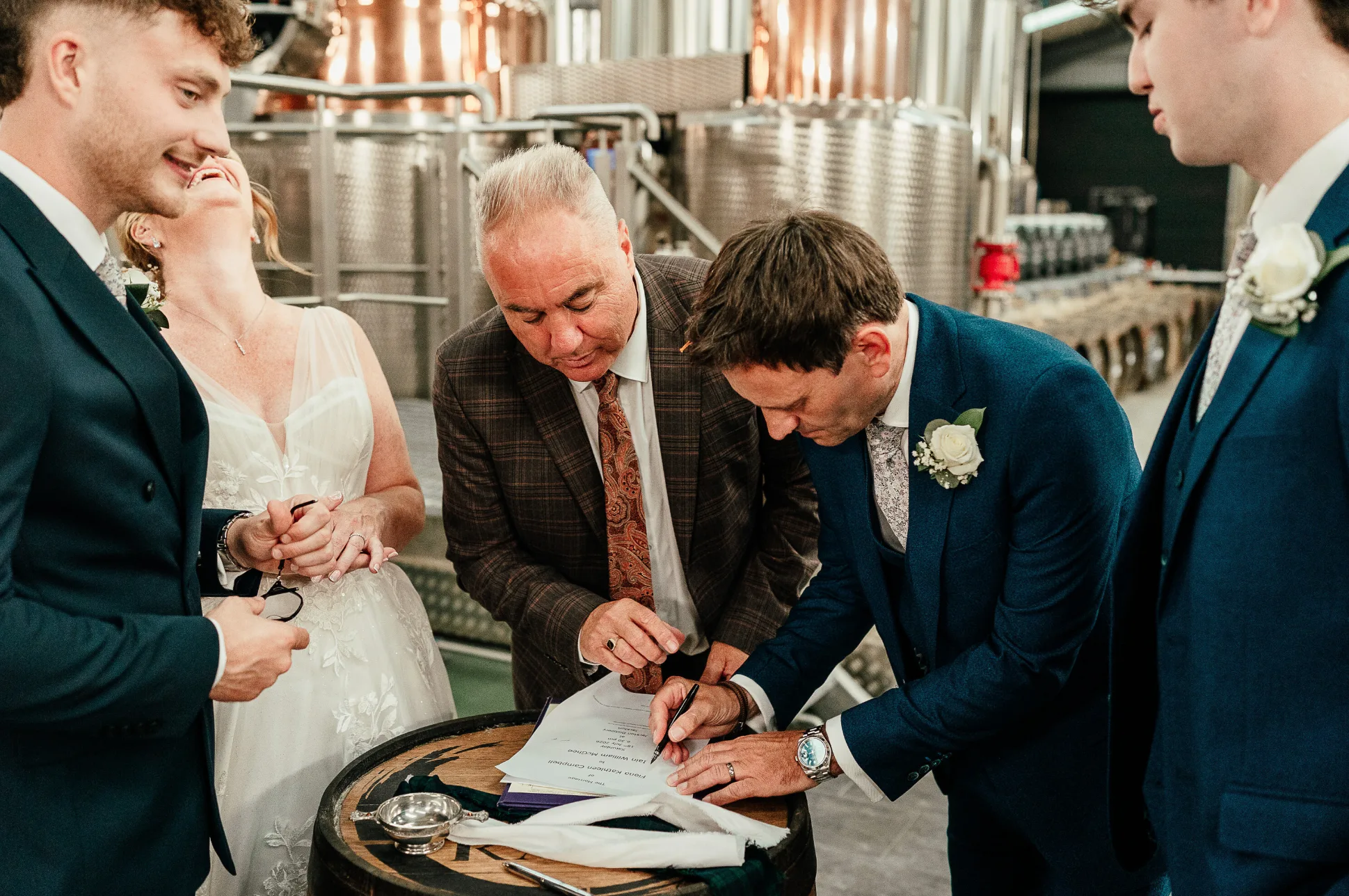
Beyond performative roles, assigning children tangible, official "jobs" can provide a strong sense of purpose and importance. Sarah Craig, the photographer mentioned above, captured a second wedding for a couple in their fifties at a Scottish distillery. Both partners had children from previous marriages. The celebrant cleverly drew a parallel between their blended family and blended whisky, noting that it "doesn’t dilute what came before," but rather creates something richer.
In this ceremony, all three children were involved. The youngest performed a reading, while the two adult children served as official witnesses, signing the marriage certificate. This act of signing carries legal weight and offers a profound sense of responsibility and inclusion without requiring a public speaking performance. Craig’s advice, "Don’t assume adult children don’t want to be involved," serves as a critical reminder. It emphasizes that while some roles might be uncomfortable, others, like being a witness to such a significant legal and emotional commitment, can be deeply meaningful. This demonstrates the broader impact of concrete, official roles in validating a child’s place within the new family structure.
5. Leveraging Unique Talents and Skills: Personal Contributions
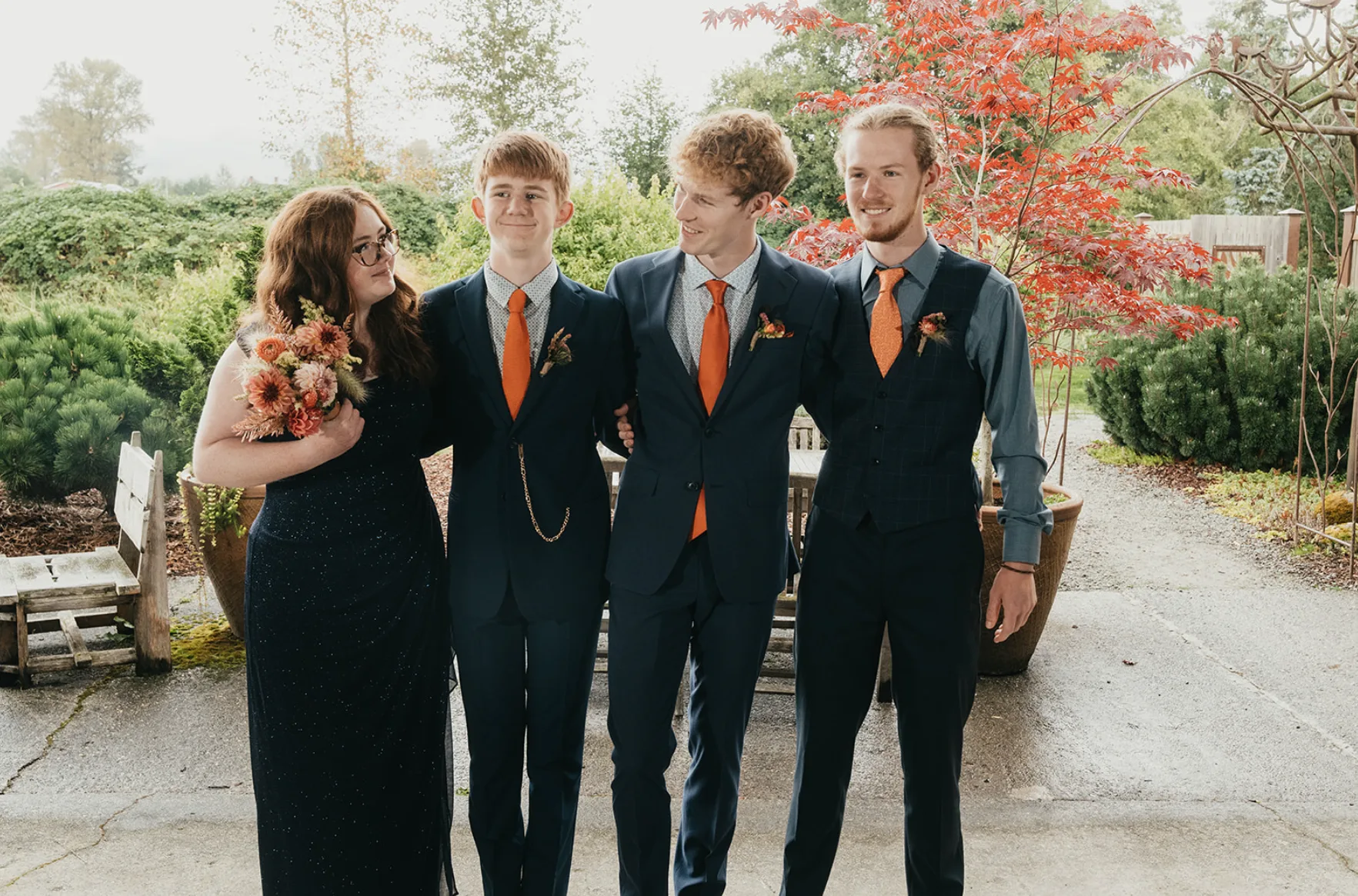
Not every child desires or thrives in a traditional wedding role, and recognizing this can open doors to more authentic forms of involvement. Kathryn Cooper, a New York-based photographer from Kathryn Cooper Weddings, photographed a ceremony where the bride’s teenage daughter, instead of being a flower girl or junior bridesmaid, sang beautifully during the ceremony. "She felt involved," Cooper observed, "and her parents were so proud." This approach allows children to contribute in a way that aligns with their personal strengths and preferences, making their participation genuine and heartfelt.
Cooper’s broader advice is both liberating and firm: "Your wedding doesn’t have to fit into a box anyway." She points out that a common mistake is assuming an older child’s feelings about the wedding are fixed. While planning can be stressful, it can also become "a unique opportunity to spend time with someone you may not know as well as you’d like." This analysis highlights the importance of individualizing roles, ensuring that each child feels celebrated for who they are and what they can genuinely offer, rather than being shoehorned into a predetermined role.
6. Symbolic Rituals for Collective Unity: Beyond Individual Roles
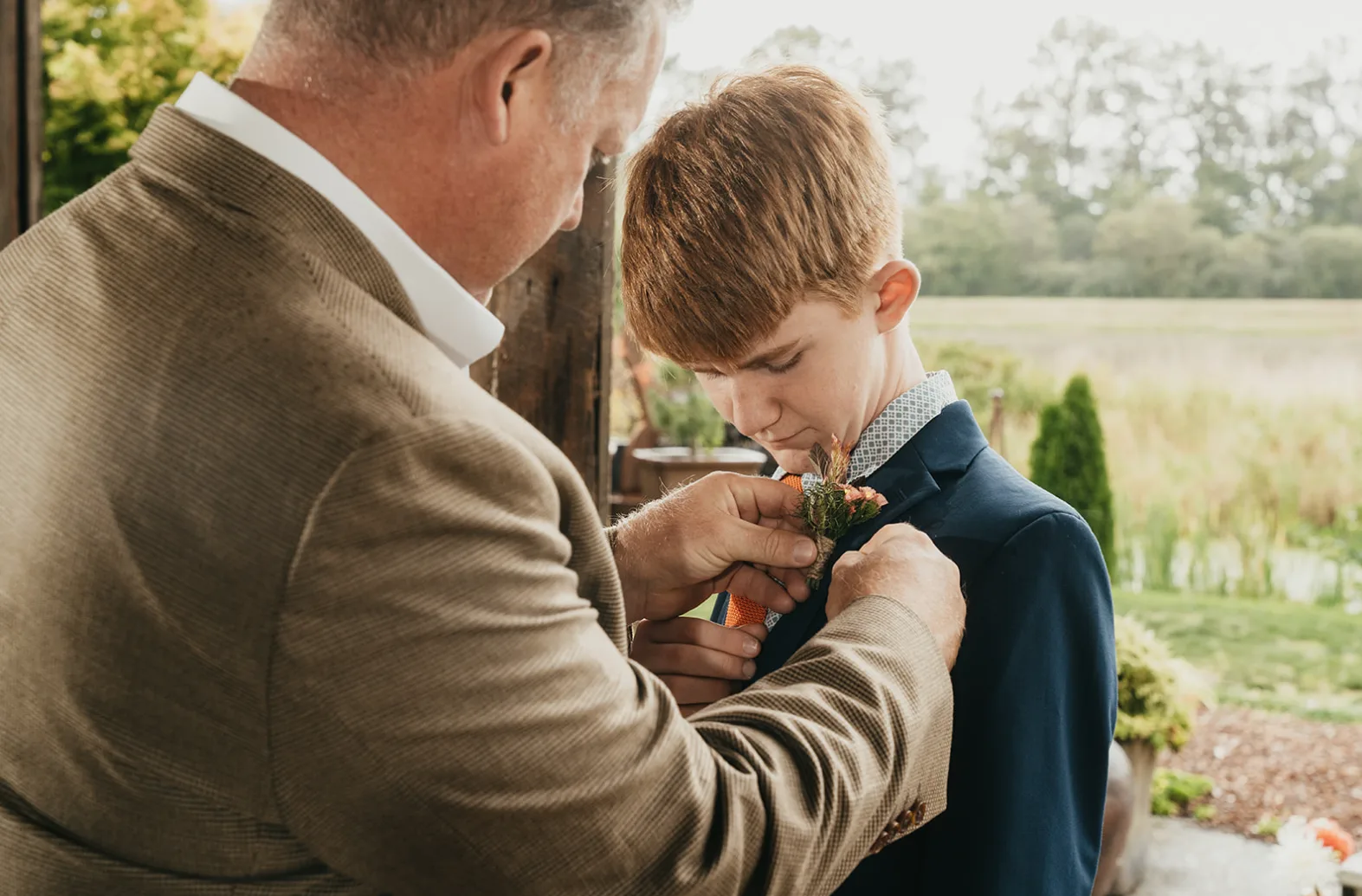
Sometimes, the most effective way to involve multiple children, especially those with varying comfort levels, is through a shared ritual that carries collective symbolism. Jen Sulak, the photographer behind Weirdo Weddings in the Dallas-Fort Worth area, photographed Kevin and Candy’s wedding, where every child in the blended family participated in a sand ceremony. Each child poured their own layer of colored sand into a shared vessel, symbolically blending their individual lives into a new, unified family. Sulak noted that they "nearly overfilled the sand bottle," a testament to their enthusiastic participation and the visual representation of their new bond.
Sulak’s advice is to "leave some space for that before, during, and after the wedding day," acknowledging the real emotions that may arise. She pinpoints a common mistake: "leaving kids out of the ceremony and reception planning entirely." Her analysis is that open, curious conversations about how they might be brought into the planning or wedding day itself are "such a unique gift." This underscores the broader impact of rituals in providing a non-verbal, yet profound, affirmation of family unity, particularly effective for children who might shy away from individual speaking parts.
7. Using One Shared Task to Level the Playing Field: Collective Participation
For couples aiming to involve multiple children without singling out individuals or creating performative pressure, a single, shared task can be incredibly effective. Reenie Panzini, an officiant with I Do For All, married Gabrielle and Eduardo, both of whom brought teenage children from previous relationships. The couple’s desire was to involve all children equally, recognizing that one child was comfortable being front and center, while the other three were not.
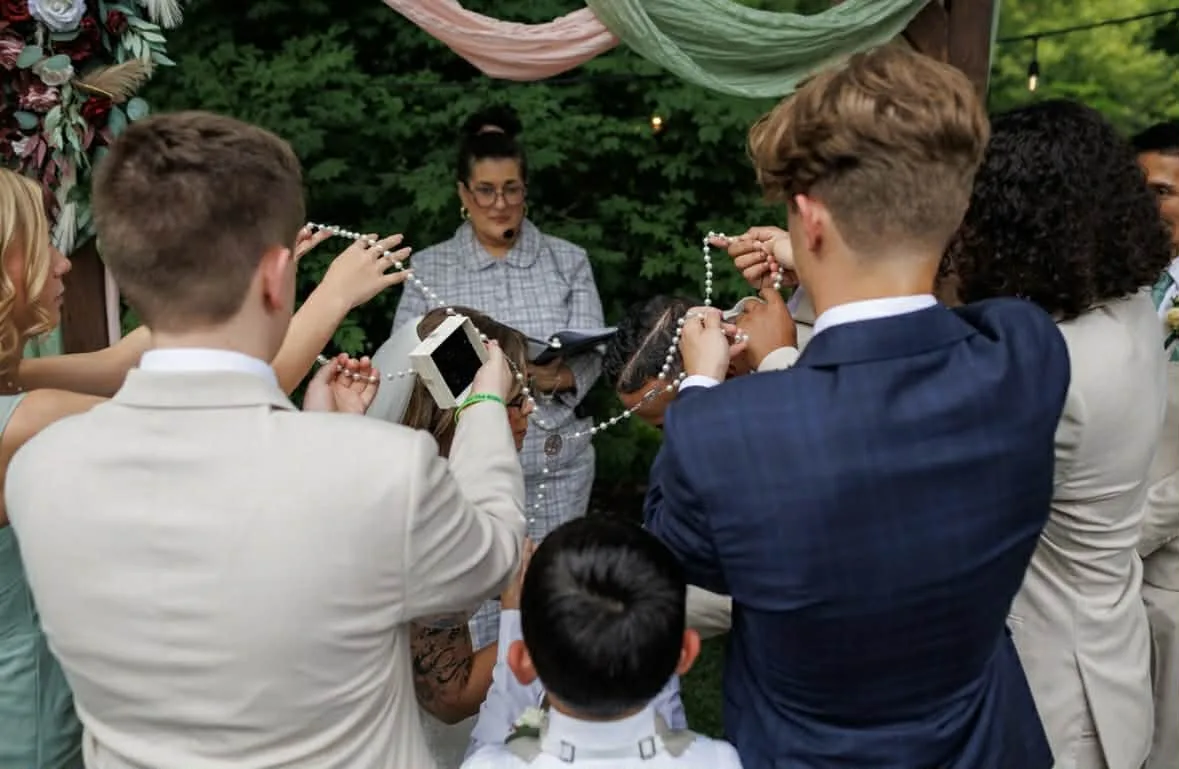
They centered a portion of their ceremony around El Lazo, a Hispanic tradition where godparents typically drape a lasso or oversized rosary around the couple to symbolize support and protection. Panzini’s couple adapted this tradition, having all four teenagers walk the lazo up together, stand while Panzini explained its significance, and then collectively unwind and carry it back to their seats. This approach offered no individual lines to deliver, no solo spotlight, just four teenagers performing the same small, symbolic task simultaneously.
Panzini’s advice, "You may think you know your children’s thoughts about taking part in the ceremony, but ask anyway," reinforces the absolute necessity of open, curious conversation. Her biggest red flag is parents drafting grown children into wedding readings they never wanted to do, often leading to projection issues, nerves, and flat, uncomfortable delivery. Her solution mirrors the El Lazo approach: give children something to do with their hands instead of their voices, such as a ring warming ceremony or carrying the lazo. This tactical recommendation ensures genuine engagement without the stress of public performance, preventing potential negative implications and fostering a more authentic experience for everyone involved.
The Critical Role of Open and Curious Communication
Across these varied scenarios and expert perspectives, a consistent throughline emerges: the indispensable value of open and curious conversation. Seven vendors, seven distinct real weddings, and nearly identical advice on communication. It is not merely about asking once, but maintaining an ongoing dialogue throughout the planning process.
This means asking questions, truly listening to the answers (even if they are "no"), validating feelings, and being prepared for opinions to evolve. The chronology of these conversations is important; what a child feels in March might differ significantly by September. What matters most is the consistent effort to understand their perspective and to create a space where their "no" is as respected as their "yes."
Questions to Spark Dialogue with Teens and Adult Children:
To initiate these crucial conversations, parents can employ thoughtful, open-ended questions designed to gauge comfort levels and preferences without imposing expectations. While no script is universal, these conversation starters can serve as a valuable guide:
- "We’re so excited about the wedding and forming our new family. We really want you to feel comfortable and involved. What are your initial thoughts about being part of the ceremony?"
- "Are there any parts of a wedding ceremony that you’ve seen that you really like, or any that you definitely wouldn’t want to do?"
- "Would you prefer a specific role, like being a bridesmaid/groomsman, or something more behind-the-scenes, like helping with music or photos?"
- "Some blended families do a special ritual, like a sand ceremony or a family vow. Does something like that appeal to you?"
- "Is there anything that would make you feel more included or celebrated on the day?"
- "Is there anything you’re worried about or any part that makes you feel uncomfortable?"
- "If you don’t want a formal role, would you be open to helping with some of the planning, like picking out a cake flavor or choosing some songs for the reception?"
- "We want this to be a happy day for everyone. Your comfort is really important to us. Please know you can always tell us if something doesn’t feel right."
The critical point is that these questions are not a one-time interrogation but part of an ongoing, curious dialogue. Children’s feelings and comfort levels can shift, and parents must remain flexible and attentive. A wedding where one child is prominently featured and three others quietly observe from the second row can be just as successful and meaningful as one where every child holds a candle. The true essence of a blended family wedding lies not in the rigid specifics of participation, but in the underlying process of open, empathetic, and continuous communication that honors each child’s unique place in the newly formed family.
Broader Implications: Building a Resilient Blended Family
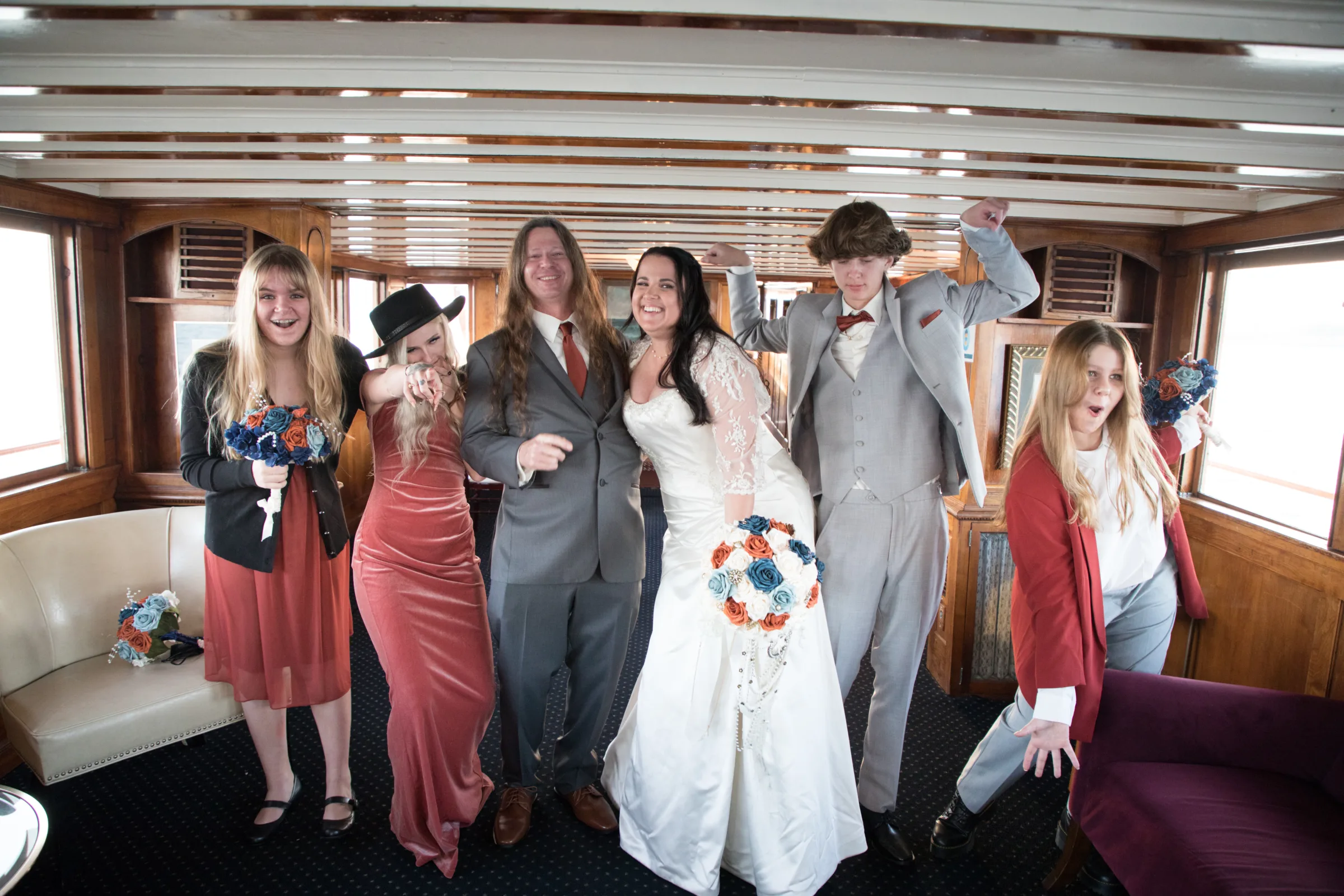
The strategies employed during a blended family wedding extend far beyond the single day of celebration. Successfully integrating teens and adult children into the wedding process lays a crucial foundation for the future dynamics of the blended family. It communicates that the new marriage is not just about the couple, but about the harmonious merging of lives and lineages.
When children feel seen, heard, and valued during this significant transition, it can mitigate feelings of displacement, insecurity, or resentment that can sometimes accompany remarriage. The psychological benefits are profound: children who feel genuinely included are more likely to embrace the new family unit, fostering stronger bonds with stepparents and stepsiblings. Conversely, failing to address their feelings or forcing uncomfortable roles can create lasting fissures, complicating the family’s integration long after the confetti has settled.
The wedding serves as a powerful symbolic start to a new, inclusive family narrative. By prioritizing genuine engagement, respecting individual boundaries, and fostering open dialogue, parents can transform what could be a challenging event into a joyful affirmation of their new, expanded family. This thoughtful approach ensures that the wedding day is not just a celebration of a couple’s love, but a heartfelt inauguration of a strong, resilient, and harmoniously blended family unit.