


The Evolving Landscape of Matrimony: A Historical Context
To fully grasp the contemporary clash between personalized and traditional wedding aspirations, it is crucial to examine the historical evolution of wedding customs and the role of the commercial industry. For centuries, weddings served primarily as contractual unions, often arranged, with celebrations reflecting communal or familial status rather than individual expression. The concept of the "dream wedding" as a highly individualized, romanticized event began to take shape more definitively in the post-World War II era, fueled by economic prosperity and the rise of mass media. Bridal magazines, Hollywood films, and eventually television shows began to propagate an idealized vision of what a wedding "should" be – a vision characterized by white dresses, tiered cakes, elaborate venues, and carefully choreographed rituals.
By the late 20th century, this idealized vision had solidified into what is widely known as the "wedding industrial complex." This term refers to the vast network of businesses—from venues and caterers to florists, photographers, and gown designers—that collectively promote and profit from the expectation of a grand, often expensive, wedding. The industry has masterfully cultivated a narrative that equates a wedding’s lavishness with the depth of a couple’s love and commitment, effectively creating a powerful societal pressure to conform to certain standards.
The dawn of the 21st century and the advent of the internet marked a significant turning point. Online forums, blogs (like Offbeat Wed, founded in 2007), and later social media platforms empowered couples to explore alternative styles, DIY aesthetics, and celebrations that more genuinely reflected their unique personalities and values. This digital revolution provided a counter-narrative to the mainstream industry’s monolithic vision, offering a space for individuality and challenging the notion that there was only one "right" way to get married. It is precisely at this intersection of entrenched tradition and burgeoning personalization that the current intergenerational conflicts frequently erupt.
The Wedding Industrial Complex’s Strategic Targeting: Beyond the Couple
A critical, often overlooked aspect of the wedding industry’s enduring influence is its sophisticated marketing strategy, which frequently targets not just the engaged couple, but their parents. While couples, particularly those from younger generations, are increasingly adept at sifting through diverse online opinions and questioning commercial mandates, many parents operate from a different framework shaped by decades of exposure to traditional media.
Industry reports and sociological studies indicate that parental contributions often constitute a substantial portion of wedding budgets. Data from various sources consistently shows that parents, typically the bride’s parents, contribute anywhere from 40% to 70% of the total wedding cost, with the average wedding expenditure in the United States hovering between $25,000 and $35,000 in recent years. This significant financial investment inherently grants parents a perceived right to influence the wedding’s aesthetics and execution.
The wedding industrial complex leverages this financial dynamic by crafting marketing messages that appeal directly to parental sensibilities. Advertisements, bridal expos, and even venue-mandated coordinators often emphasize "timeless elegance," "tradition," and "social standing"—concepts that resonate deeply with a generation that grew up with a different relationship to media authority and societal expectations. When a traditional florist or an established venue’s coordinator insists on certain elaborate arrangements or a specific guest count, many parents internalize these recommendations as non-negotiable facts. They perceive these directives as expert advice on what a "proper" wedding entails, largely because the industry has spent decades reinforcing these very notions.
Conversely, their children, having grown up immersed in a digital landscape flooded with diverse viewpoints and user-generated content, are often more skeptical of singular "authoritative" voices. They are accustomed to crowdsourcing opinions, seeking out unique vendors, and challenging conventional wisdom. This generational disparity in media literacy and consumer behavior creates a fertile ground for misunderstanding and conflict. What appears to be a dispute over floral arrangements or a guest list is frequently a deeper power negotiation, rooted in parents enforcing commercially driven traditions that the couple, having cultivated their own distinct vision, may not recognize as mandatory or even desirable. Ariel Meadow Stallings has previously characterized some mainstream wedding marketing as "predatory" in its exploitation of parental desires for a socially approved event, a perspective that gains significant traction when observing these dynamics unfold.
Weddings as a "Petri Dish": Exacerbating Family Dynamics

The intensity of wedding planning often transforms the event into a magnified reflection, or "petri dish," of pre-existing family dynamics. All the unspoken tensions, long-standing financial philosophies, and ingrained patterns of communication within a family tend to converge and intensify under the high-stakes pressure of wedding preparations. This period, typically lasting 12 to 18 months, is characterized by fixed deadlines, substantial financial outlays, complex logistical arrangements, and heightened emotional sensitivities for all parties involved.
For many couples in their twenties or early thirties, wedding planning represents the inaugural occasion they engage in a significant, emotionally charged negotiation with their parents as fellow adults. Prior to this, parental relationships might have been more hierarchical, with parents holding a greater degree of authority over decisions. The transition to an adult-to-adult negotiation, especially when intertwined with substantial financial contributions, can be profoundly challenging. Families that lack robust communication infrastructure—mechanisms for navigating disagreement respectfully, discussing finances openly, or treating adult children as fully autonomous individuals—are particularly susceptible to escalating conflicts.
These disagreements, while seemingly centered on superficial elements like menu choices or seating charts, often mask deeper issues:
- Financial Control vs. Autonomy: The classic dilemma of "he who pays the piper calls the tune." Parents contributing financially may feel entitled to dictate aspects of the wedding, while couples resent this implied control over what they consider their day.
- Social Validation vs. Authenticity: Parents may prioritize a wedding that aligns with societal expectations and impresses their peer group, viewing it as a public affirmation of their family’s status. Couples, conversely, often prioritize an event that genuinely reflects their relationship and personal values, even if it deviates from tradition.
- The Definition of Adulthood: For parents, relinquishing control over their child’s wedding can be a symbolic hurdle in acknowledging their child’s full adult autonomy. For the couple, asserting their vision is often a crucial step in defining their independent identity as a new family unit.
The predictable nature of these conflicts, once observed over many years, offers valuable insight for wedding vendors. When a couple expresses stress or frustration over parental conflict, they are rarely just articulating a disagreement over taste. Instead, they are navigating a complex power negotiation, often the first of its kind, with the wedding acting as the arena. Understanding this underlying dynamic allows vendors to shift their approach from merely problem-solving aesthetic disputes to offering empathetic support, asking more probing questions about family communication styles, and potentially guiding clients toward strategies for boundary-setting or mediation.
The New York Times’ Persistent Interest: A Reflection of Societal Relevance
The recurring interest from publications like The New York Times in Offbeat Wed’s perspective is not coincidental. Since its inception in 2007, Offbeat Wed has cultivated a reputation as a leading voice for nuanced, unconventional, and deeply insightful discussions about weddings. It has consistently offered a platform for exploring the cultural, social, and emotional complexities surrounding marriage and celebration, moving beyond the superficial glitz often presented by mainstream bridal media.
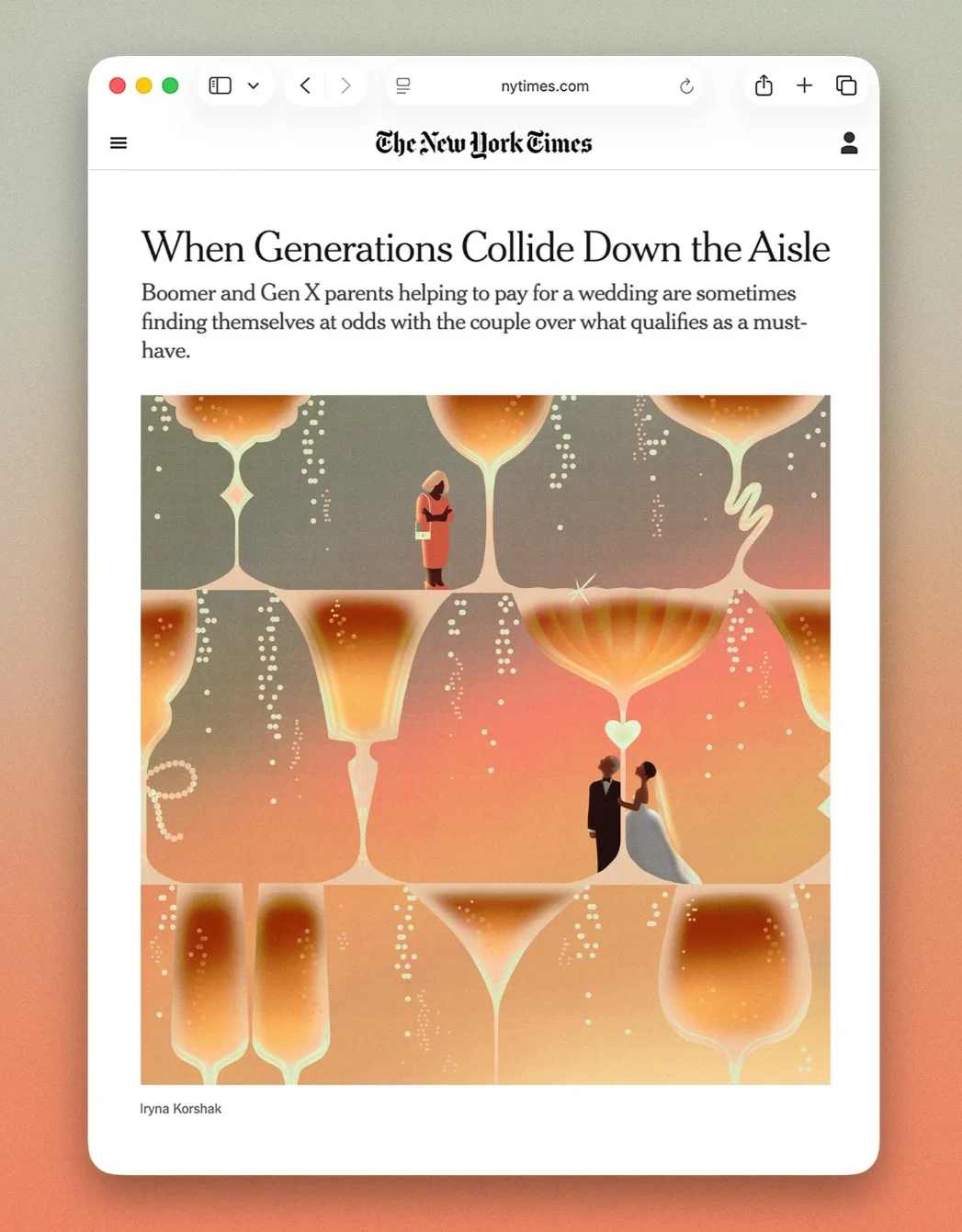
Reporters covering weddings, relationships, and family dynamics recognize Offbeat Wed as a repository of authentic experiences and critical analysis. When a journalist like Tammy LaGorce seeks sources who can offer a long-term perspective on specific dynamics—such as the evolution of intergenerational wedding conflict over two decades, spanning from Gen X couples to their now-adult children—Offbeat Wed provides a unique historical vantage point. Ariel Meadow Stallings’ deep engagement with these trends, observing them play out across generations, offers an unparalleled depth of understanding.
Furthermore, Offbeat Wed’s robust vendor community serves as an invaluable resource. These vendors, often specializing in non-traditional or personalized weddings, are on the front lines, witnessing these family dynamics firsthand. Their direct experiences provide tangible, real-world examples and perspectives that enrich journalistic inquiries. The fact that Offbeat Wed’s vendor members have been quoted in The Times multiple times this year—most recently on neurodivergent-friendly weddings and now on intergenerational conflict—underscores the community’s relevance and its collective expertise in navigating the evolving landscape of modern matrimony. These features highlight the growing recognition that wedding planning is not merely a logistical exercise but a profound cultural event laden with significant psychological and sociological implications.
Implications for the Future of Weddings and Family Relations
The persistent tension between traditional parental expectations and contemporary couple desires has broader implications for the wedding industry and societal norms around marriage. As younger generations continue to prioritize authenticity, sustainability, and personal expression over conventional displays of wealth or adherence to outdated rituals, the wedding industry will face increasing pressure to adapt. Vendors who can skillfully navigate these intergenerational differences, offering flexible solutions and acting as empathetic mediators, will likely thrive.
Moreover, these conflicts serve as a bellwether for changing family structures and communication patterns. The wedding, as a pivotal life event, forces families to confront how they manage finances, express love, assert control, and acknowledge the independence of their adult children. The way these conflicts are resolved—or not resolved—can set precedents for future family interactions, influencing relationships for years to come. As societal definitions of family, gender roles, and financial independence continue to evolve, the wedding ceremony will remain a powerful crucible where these shifts are both reflected and contested, making the insights offered by platforms like Offbeat Wed increasingly vital for understanding the complex tapestry of modern life.