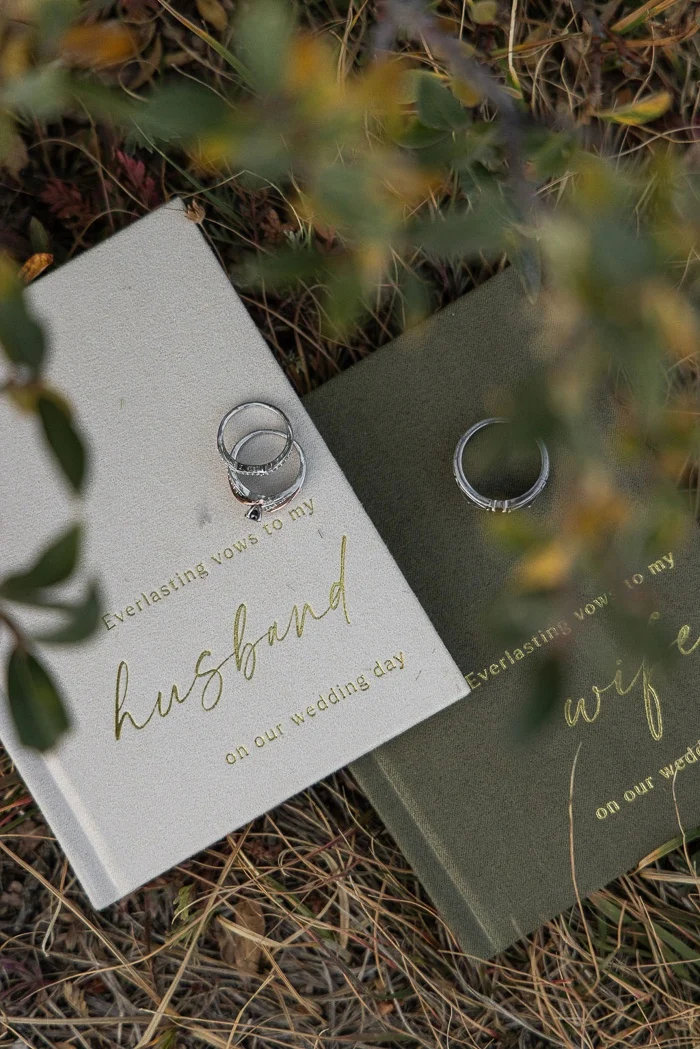
Choosing a wedding ring represents one of the most significant and enduring decisions in the wedding planning process. Unlike many other wedding-related purchases, which are largely ephemeral, the wedding ring is intended as a daily testament to lifelong commitment. This comprehensive guide, informed by industry insights and consumer trends, aims to equip individuals and couples with the essential knowledge required to select a ring that not only captivates aesthetically but also seamlessly integrates into their daily lives and stands the test of time. From understanding diverse metal properties and intricate design aesthetics to navigating practical considerations such as fit, budget, and long-term care, the journey to finding the perfect wedding ring is multifaceted, blending personal expression with informed decision-making.
Historical Roots and Enduring Symbolism
The tradition of exchanging rings as a symbol of eternal love and commitment dates back thousands of years, with archaeological evidence suggesting its origins in ancient Egypt. Early rings, often made from braided reeds or leather, symbolized an unbroken circle, representing unending love. The Romans later adopted the practice, often using iron rings to signify strength and permanence. Over centuries, the materials evolved, with gold and silver becoming prevalent among nobility and eventually the wider populace. The diamond engagement ring gained widespread popularity in the 20th century, largely due to marketing campaigns, but the wedding band itself has maintained its status as the primary symbol exchanged during the marriage ceremony. Historically, the wedding ring was placed on the fourth finger of the left hand, stemming from the ancient Roman belief in the "vena amoris" or "vein of love" that supposedly ran directly from this finger to the heart. While this anatomical belief has been debunked, the tradition largely persists in many Western cultures, though global customs vary, with some cultures favoring the right hand or other fingers. The enduring appeal of the wedding ring lies in its universal recognition as an emblem of devotion, fidelity, and the perpetual bond between two individuals.
The Modern Landscape of Wedding Ring Selection
In contemporary society, the selection of a wedding ring is less about rigid tradition and more about a harmonious blend of personal style, practicality, and informed consumer choices. Modern couples are presented with an unprecedented array of options, necessitating a structured approach to decision-making.
Practicality First: Lifestyle and Wearability
Before delving into the dazzling world of metals and gemstones, prospective buyers are advised by leading jewelers and industry experts to consider the practical implications of daily wear. A ring destined for a lifetime of wear must align with the wearer’s lifestyle. For individuals who engage in manual labor, active sports, or hobbies that involve heavy machinery or abrasive materials, a smooth, low-profile band is often recommended. Intricate details, raised stones, or delicate filigree, while beautiful, can be prone to snagging, damage, or discomfort in such environments. Conversely, those with more sedentary professions or who prioritize elaborate aesthetics may find a wider range of styles suitable.
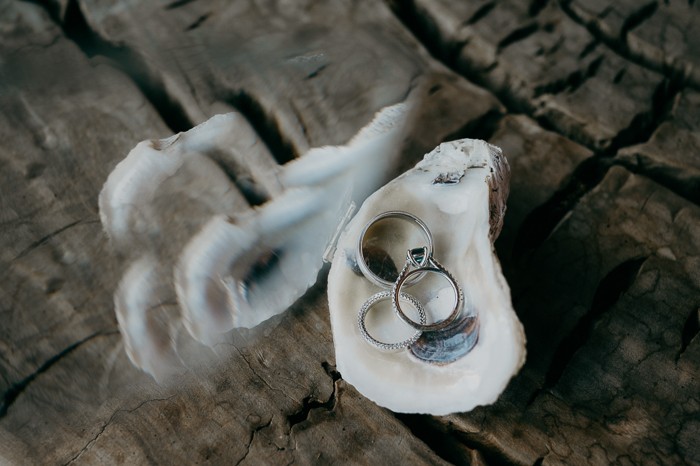
Another critical consideration is whether the wedding band will be worn alongside an engagement ring. If so, the two rings must coexist comfortably, both physically and aesthetically. A wedding band intended to be worn alone might warrant a wider design or more pronounced detailing to achieve a desired visual impact. The decision to remove the ring for certain activities, such as exercising or cleaning, is also a personal one, but a highly durable and low-maintenance ring might reduce the frequency of such removals. Industry consensus emphasizes that prioritizing comfort and durability from the outset can prevent future dissatisfaction and costly repairs.
Budgetary Considerations: A Key Determinant
The financial aspect of wedding ring acquisition is a significant factor, with prices varying dramatically based on material, design complexity, gemstone inclusion, and craftsmanship. According to recent market analyses, the average spend on wedding bands in the United States typically ranges from a few hundred to several thousand dollars per ring, with significant outliers for bespoke or high-karat diamond-encrusted pieces. For instance, a simple gold band might start around $300-$500, while a platinum eternity band with high-quality diamonds could easily exceed $5,000-$10,000.
Setting a realistic budget range early in the process is crucial. Factors that escalate cost include the type of metal (platinum generally costs more than gold due to its density and rarity), the width of the band (more metal means higher cost), the inclusion of diamonds or other gemstones (their size, quality, and quantity), and whether the design is custom-made. Full eternity bands, which feature stones around the entire circumference, are typically more expensive than half-eternity or classic bands due to the increased stone count and intricate setting work. Industry experts suggest allocating a portion of the overall wedding budget specifically for rings, allowing for flexibility but preventing overspending or disappointment when encountering options outside the established price point.
Metals of Endearment: A Deep Dive into Materials
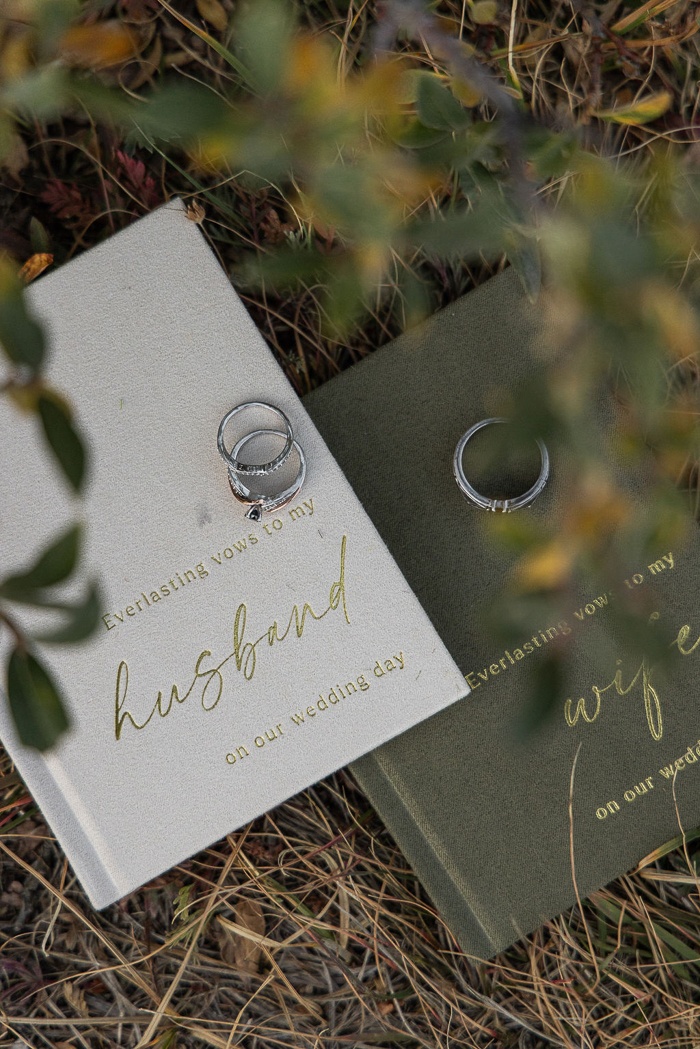
The choice of metal is fundamental, influencing a ring’s appearance, durability, and maintenance requirements. Each metal possesses unique characteristics that appeal to different preferences and lifestyles.
- Yellow Gold: The quintessential choice, yellow gold offers a classic, warm aesthetic. It is commonly available in 14k and 18k purities. 14k gold, composed of 58.3% pure gold, is alloyed with other metals to enhance its durability, making it more resistant to scratches and dents for everyday wear. 18k gold, containing 75% pure gold, boasts a richer, more vibrant yellow hue but is softer and thus slightly more susceptible to wear. Its enduring popularity is rooted in tradition and its timeless appeal.
- White Gold: Offering a contemporary, bright white-metal look, white gold is a popular alternative to platinum, often at a lower price point. Most white gold jewelry is rhodium-plated, a process that gives it its brilliant, silvery-white finish. This plating, however, can wear off over time, necessitating periodic re-plating (typically every 1-3 years) to maintain its lustrous appearance. This maintenance aspect is a key consideration for buyers.
- Rose Gold: Rose gold derives its distinctive pink or blush tone from an alloy blend, primarily copper. This metal has seen a significant surge in popularity over the last decade, appealing to those who desire a warm-toned ring with a unique, romantic flair that deviates from traditional yellow gold. Its copper content also contributes to its notable durability.
- Platinum: Renowned for its natural white luster, density, and exceptional durability, platinum is a premium choice. It is naturally hypoallergenic and develops a unique "patina" over time—a soft, matte finish that some wearers appreciate for its lived-in character. Unlike rhodium-plated white gold, platinum does not require re-plating; its color is inherent. While it is more expensive than gold, its longevity and low maintenance (in terms of color retention) make it a favored option for many seeking a high-end, lasting piece.
- Alternative Metals: The market for men’s wedding bands, in particular, has seen a substantial increase in alternative metals such as titanium, tungsten, and tantalum. These metals offer distinct advantages:
- Titanium: Lightweight, highly durable, and hypoallergenic, titanium is a popular choice for active individuals.
- Tungsten: Exceptionally scratch-resistant, tungsten is one of the hardest metals used in jewelry, though it can be brittle and challenging to resize.
- Tantalum: A darker grey metal, tantalum is highly durable, hypoallergenic, and more malleable than tungsten, allowing for some resizing.
These alternative metals often come at a more accessible price point than precious metals and cater to modern aesthetic preferences for industrial-chic or minimalist designs. However, a crucial consideration for these metals is their resizing capability; many cannot be conventionally resized, which should be confirmed with the jeweler prior to purchase.
Styles and Aesthetics: Crafting Personal Expression
With the metal selected, the focus shifts to the ring’s design, where personal style truly comes to the fore. The diversity of wedding band styles ensures there is a perfect match for every individual.
- Classic Bands: These are simple metal rings devoid of stones, their character defined by width, profile (e.g., flat, dome, D-shape), and finish. Finishes can range from highly polished for maximum shine to brushed, matte, hammered, or satin for a more understated or textured look. This versatility makes classic bands timeless and adaptable.
- Diamond Bands: For those seeking sparkle, diamond bands incorporate stones across part or all of the ring. The aesthetic varies significantly based on the setting style:
- Pavé: Small diamonds set closely together, creating a continuous surface of sparkle.
- Channel-Set: Diamonds are set within a channel, offering a smooth surface and protection for the stones.
- Shared-Prong: Diamonds are held by minimal prongs, maximizing light exposure and brilliance.
- Eternity and Half-Eternity Bands: These designs feature diamonds or gemstones encircling the band. Full eternity rings, with stones around the entire circumference, offer continuous sparkle but are notably more challenging to resize. Half-eternity or partial eternity styles, where stones cover only the top half or a portion of the band, provide a similar aesthetic with greater flexibility for future sizing adjustments.
- Gemstone Bands: Offering a vibrant alternative to diamonds, gemstone bands integrate colored stones like sapphires, rubies, or emeralds, either alone or paired with diamonds. When selecting a gemstone band for daily wear, the durability and care requirements of the specific stone are paramount, as some gemstones are softer and more susceptible to damage than others.
- Vintage-Inspired Bands: These designs evoke the charm of bygone eras through details such as milgrain (tiny decorative beads along the edges), intricate engraving, or distinctive antique-cut stone shapes. They appeal to individuals who appreciate historical elegance and unique craftsmanship.
- Curved or Contoured Bands: Specifically designed to sit flush against an engagement ring, these bands feature a shaped profile that accommodates the center setting of a solitaire or multi-stone engagement ring. They are an ideal solution for achieving a seamless, gap-free look when a straight band would otherwise leave an awkward space.
Precision and Comfort: Width, Stones, and Fit
Even subtle details can profoundly impact how a wedding ring looks and feels.
- Band Width Dynamics: Wedding band widths are typically measured in millimeters. A 2-3mm band appears delicate and understated, while a 3-4mm band offers a slightly more pronounced presence. Bands in the 5-6mm range present a substantial look, and 7mm or wider designs create a bolder, more noticeable profile. It’s crucial to note that these are general visual guides, and there are no gender-specific rules for width. Personal preference, finger proportions, and the presence of other jewelry should dictate the choice.
- Stone Settings and Practicality: For rings with diamonds or gemstones, the setting style is critical for both aesthetics and wearability. Low-profile settings are generally more practical for daily use, reducing the risk of snagging. If stacking rings, ensuring that exposed stones or settings do not rub against neighboring rings is important to prevent premature wear. Furthermore, the extent of stone coverage impacts future resizing; bands with stones only across a portion of the ring offer more flexibility than full eternity bands.
- Achieving the Perfect Fit: A correctly sized wedding ring should feel secure at the base of the finger, requiring gentle resistance to slide over the knuckle. It should not feel loose enough to slip off easily, nor so tight that it pinches or causes discomfort. Finger size can fluctuate due to temperature, hydration, and other factors, making professional sizing highly recommended. When trying on rings, it is advisable to do so at different times of the day and in varying temperatures. Wider bands often feel tighter than narrower ones of the same nominal size, so a slightly larger size may be necessary. For wider designs, a "comfort-fit" band, featuring a slightly rounded interior profile instead of a flat one, can significantly enhance wearability.
Harmonizing the Set: Engagement and Wedding Ring Synergy
For individuals planning to wear their engagement and wedding rings together, the interaction between the two pieces is paramount. While perfect matching is not a requirement, a cohesive aesthetic is often desired. Many couples opt for the same metal type and complementary design elements to create a unified look. However, mixed metals, contrasting textures, or different styles can also create a visually compelling and personalized stack. The practical fit is key:
- Some engagement ring settings are designed with enough clearance beneath the center stone to allow a straight wedding band to sit flush beside it.
- Others naturally create a small gap. If this gap is aesthetically pleasing to the wearer, there is no reason to avoid it.
- For those who prefer a seamless look, a curved or contoured wedding band is specifically shaped to follow the contours of the engagement ring, eliminating any gaps.
It is highly recommended to try on both rings together before purchasing the wedding band to assess their interaction. Jewelers often offer bridal sets, which include an engagement ring and a perfectly matching wedding band, guaranteeing an ideal fit and aesthetic harmony.
Beyond Tradition: Men’s Wedding Rings and Evolving Choices
The selection process for men’s wedding rings mirrors the core considerations for all wedding bands: lifestyle, budget, metal, style, width, and fit. While wider, plain metal bands have historically been the norm, modern trends have expanded options considerably. Men now frequently choose slimmer profiles, bands incorporating diamonds or other gemstones, mixed metals, intricate engraving, or textured finishes such as brushed, hammered, or satin. Personal preference and comfort are the driving forces behind these choices. For wider bands, particular attention to fit is crucial, as the increased surface area can change how the ring feels on the finger. Trying various widths and profiles in person is the most effective way to determine comfort. It is also increasingly common for couples to choose rings that complement each other rather than being identical. Shared elements, such as the metal type, finish, or a subtle engraving, can create a symbolic connection without requiring matching designs.
Safeguarding Your Investment: Protection and Maintenance
Once the ideal wedding ring has been chosen, ensuring its longevity and protecting its value becomes a priority.

- Insurance Essentials: Given the significant emotional and financial investment, securing appropriate insurance coverage is highly advisable. This may be available through existing homeowners or renters insurance policies as a rider or endorsement for valuable jewelry, or through a specialized standalone jewelry insurance policy. Coverage specifics and exclusions vary widely, so it is imperative to retain receipts and any appraisal documentation and thoroughly review policy details. Such coverage provides peace of mind against loss, theft, or damage.
- Longevity and Care: Regular professional cleaning and inspection are vital for maintaining a wedding ring’s appearance and structural integrity. Jewelers typically recommend an annual inspection, particularly for stone-set bands, to check for loose stones, worn prongs, or other signs of wear that could lead to damage or loss. Between professional visits, many wedding rings can be safely cleaned at home using mild jewelry cleaning solutions, specialized pens, or a soft brush with warm, soapy water. However, it is crucial to confirm that any cleaning product is suitable for the ring’s specific metal and gemstones to avoid discoloration or damage. Proper care ensures the ring remains a beautiful and cherished symbol for decades to come.
Key Considerations and Expert Consensus
Several common questions often arise during the wedding ring selection process, reflecting both traditional norms and contemporary flexibility:
- Hand and Order: In the United States, the wedding ring is traditionally worn on the fourth finger of the left hand, often beneath the engagement ring. However, this is a cultural tradition, not a universal rule, and personal preference or other cultural customs may dictate otherwise.
- Terminology: "Wedding ring" and "wedding band" are largely interchangeable terms, though "band" sometimes refers more specifically to simpler, unadorned designs.
- Necessity of Both Rings: An engagement ring traditionally signifies the intent to marry, while the wedding ring is exchanged during the ceremony. Couples can choose to wear both, only a wedding ring, or a single ring that serves both purposes, reflecting a growing trend towards personalization.
- Matching Rings: There is no requirement for couples’ wedding rings to match. Complementary designs that share a metal, finish, or engraving are popular alternatives to identical sets.
- Resizing: Many gold and platinum rings can be resized, but the feasibility depends on the metal type and design. Full eternity bands and certain alternative metal rings are often difficult or impossible to resize conventionally, a factor that should be discussed with the jeweler prior to purchase.
- Purchasing Timeline: Experts recommend beginning the wedding ring shopping process several months before the wedding (3-6 months) to allow ample time for comparing styles, confirming sizing, placing orders, and any necessary adjustments or engraving. Custom designs or unusual sizes may require even more lead time.
Ultimately, the selection of a wedding ring is a deeply personal journey, reflecting individual styles, values, and commitments. While traditions and trends offer valuable guidance, the paramount objective is to choose a ring that resonates with the wearer’s identity and lifestyle. By approaching this decision with a blend of practicality, aesthetic discernment, and informed consideration, couples can select a ring that not only symbolizes their union on their wedding day but continues to be a cherished and comfortable emblem of their love for all the years that follow.