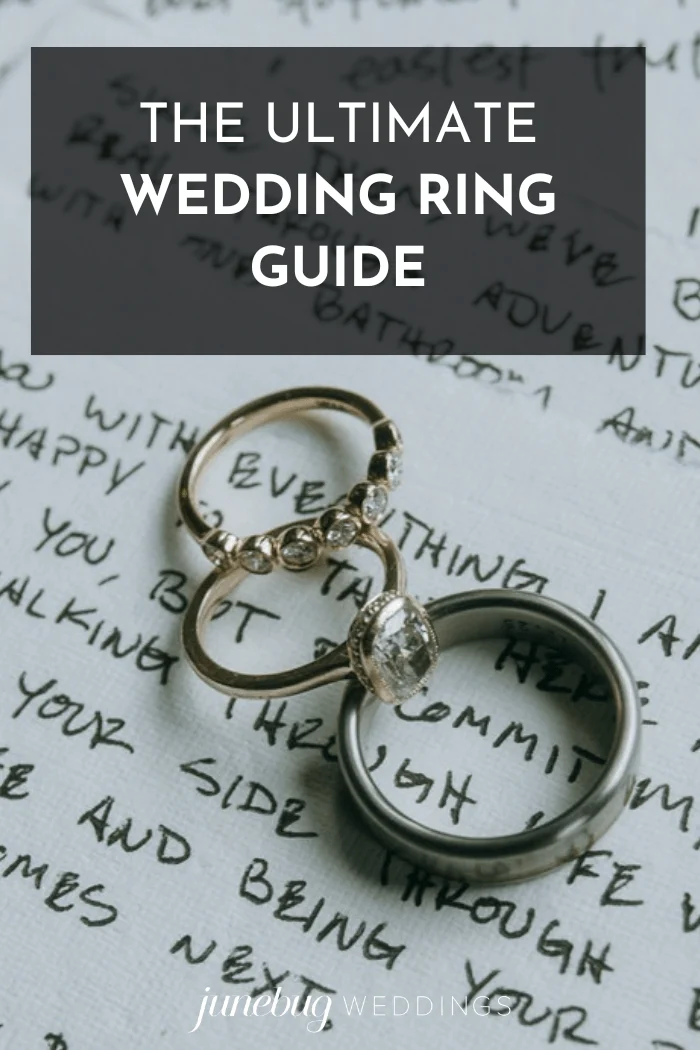
Choosing a wedding ring represents one of the most enduring decisions a couple will make in their journey towards marriage. Unlike many wedding-related purchases designed for a single celebratory day, the wedding ring is a symbol intended for daily wear, a constant reminder of vows exchanged and a commitment made. This guide aims to provide a comprehensive framework for navigating the selection process, ensuring the chosen ring not only resonates with personal style but also integrates seamlessly into daily life.
Historical Context and Evolving Traditions
The tradition of exchanging rings as a symbol of eternal love and commitment dates back thousands of years, with early evidence found in ancient Egyptian and Roman cultures. Initially, rings were crafted from various materials, including braided reeds, leather, or iron, signifying ownership or a contractual agreement. Over centuries, the symbolism evolved to represent everlasting love, fidelity, and the unbroken circle of marriage. Gold became the preferred metal during the medieval period, associated with purity and value. While the concept of a "wedding band" has remained constant, the styles, materials, and societal expectations surrounding these rings have continually adapted. Modern trends increasingly emphasize personalization, durability, and ethical sourcing, moving beyond rigid traditions to embrace individual preferences and lifestyles.
The Pragmatic Approach: Lifestyle and Budget
Before delving into the aesthetic nuances of metals, stones, and designs, a practical assessment of lifestyle and financial parameters is paramount. These foundational considerations will significantly narrow the vast array of options, guiding couples towards choices that are both meaningful and sustainable.
Lifestyle Considerations
The daily demands and activities of a person’s life critically influence the suitability of a wedding ring. For individuals engaged in professions requiring frequent manual labor, such as healthcare workers, mechanics, or artists, a low-profile, smooth band without prominent stones or intricate details may be more practical. Such designs minimize the risk of snagging on clothing or equipment, accumulating dirt, or causing discomfort. Similarly, those with active hobbies like rock climbing, weightlifting, or certain water sports might consider alternative materials known for extreme durability or even choose to remove their rings during these activities. The interaction with an existing engagement ring is another key lifestyle factor; if worn together, the two rings must coexist comfortably, both physically and aesthetically. Jewelers often advise considering the long-term wear and potential for friction between rings when selecting a wedding band that will sit alongside an engagement ring.
Budgetary Planning
Wedding rings represent a significant investment, with prices ranging from a few hundred to several thousand dollars, influenced by factors such as metal type, purity, width, stone presence, craftsmanship, and whether the design is custom. For instance, a simple 14k gold band will generally be more affordable than a platinum ring adorned with diamonds. Wider bands consume more precious metal, while full eternity designs, larger or higher-quality gemstones, intricate detailing, and bespoke craftsmanship naturally escalate the cost. Industry reports suggest that the average spend on wedding bands in recent years has varied widely, but a significant portion of couples allocate between $500 and $2,000 per ring. Establishing a comfortable budget range early in the process prevents distraction by options outside financial comfort zones and helps prioritize features most valued by the couple. There is no prescribed amount to spend; the value lies in the personal significance of the ring.
Delving into Metals: A Comprehensive Overview
The choice of metal is fundamental, impacting a ring’s appearance, durability, and care requirements. Understanding the properties of each popular option is crucial.
Yellow Gold
Yellow gold remains a timeless choice, cherished for its warm, classic luster. It is typically available in 14k and 18k purities. 14k gold, comprising 58.3% pure gold, is alloyed with other metals like silver and copper, enhancing its hardness and resistance to daily wear, making it a robust option. 18k gold, with 75% pure gold, offers a richer, more vibrant yellow hue but is slightly softer and thus more susceptible to scratching. Both require relatively low maintenance, though occasional polishing can restore their shine. Its hypoallergenic properties are generally good, making it suitable for most wearers.
White Gold
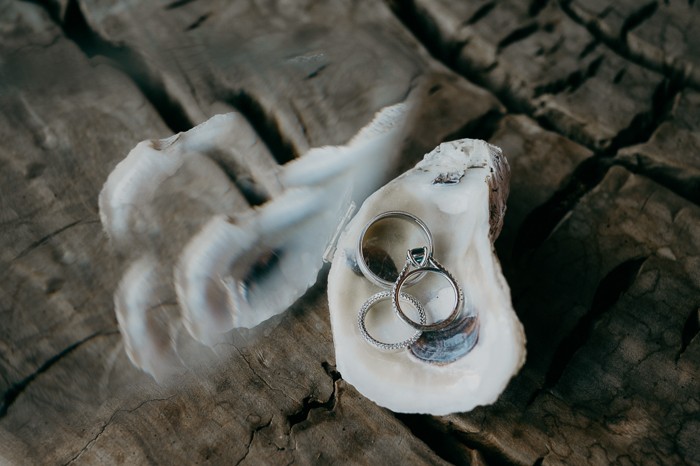
White gold presents a sleek, contemporary aesthetic, often chosen for its resemblance to platinum at a more accessible price point. Its bright white finish is achieved through rhodium plating, a process where the ring is coated with a thin layer of rhodium, a precious metal from the platinum family. While this plating provides a brilliant shine, it wears off over time, necessitating re-plating every 1-3 years depending on wear, to maintain its pristine appearance. Without rhodium, white gold typically has a slightly yellowish-gray tint due to its gold content.
Rose Gold
Rose gold, also known as pink gold or red gold, has surged in popularity for its distinctive blush or copper-toned hue. This color is achieved by alloying pure gold with copper and sometimes silver. The higher the copper content, the redder the shade. Rose gold is generally quite durable due to the strength of copper. It offers a unique warmth that complements various skin tones and pairs well with both traditional and modern designs. Its distinct color also means it doesn’t require rhodium plating, simplifying maintenance.
Platinum
Platinum is a naturally white metal, highly prized for its exceptional density, durability, and hypoallergenic properties. Unlike white gold, its color is inherent and will not fade or require re-plating. Platinum is renowned for its strength, making it an excellent choice for holding diamonds securely. Over time, platinum develops a natural patina—a soft, satiny finish—as the metal subtly shifts rather than being lost through scratching (as with gold). Some prefer this lived-in character, while others opt for professional polishing to restore its original luster. Its higher density contributes to a more substantial feel on the finger and typically commands a higher price than gold.
Alternative Metals
For those seeking options beyond traditional precious metals, a growing range of alternative metals offers unique combinations of weight, durability, appearance, and price.
- Titanium: Known for being incredibly lightweight, durable, and scratch-resistant. It’s also hypoallergenic, making it ideal for sensitive skin. Titanium rings are generally very affordable but cannot be resized conventionally, a crucial factor to consider.
- Tungsten: One of the hardest metals used in jewelry, tungsten carbide is exceptionally scratch-resistant and maintains its polish well. It has a significant heft, similar to platinum. Like titanium, tungsten rings are typically not resizable due to their extreme hardness.
- Tantalum: A rare, dark gray metal with a rich, lustrous finish. Tantalum is highly scratch-resistant, hypoallergenic, and notably malleable, allowing for resizing—a significant advantage over other alternative metals. Its unique color and workability contribute to a higher price point among alternative options.
- Cobalt Chrome: Offers a bright white appearance similar to platinum but is more affordable and very durable. It is hypoallergenic and can be slightly more flexible than tungsten or titanium, sometimes allowing for minor resizing.
Exploring Styles and Designs
With the metal selected, the focus shifts to the aesthetic elements that define a ring’s character. The diversity of wedding band styles allows for profound personal expression.
Classic and Modern Bands
Classic bands are characterized by their simplicity, featuring unadorned metal. Their elegance lies in their proportions and finish. These can range from a high-polish, mirror-like shine to brushed, matte, hammered, or satin finishes, each imparting a distinct visual texture. Profiles can vary from flat to domed (half-round), knife-edge, or comfort-fit (rounded interior). Modern interpretations might incorporate subtle geometric patterns, multi-toned metals, or unique ergonomic shapes, reflecting contemporary design sensibilities.
Diamond and Gemstone Bands
Adding stones introduces sparkle, color, and intricate detail.
- Diamond Bands: Diamonds can be set in various ways. Pavé settings feature tiny diamonds closely set, creating a continuous sparkle. Channel settings protect stones by embedding them within two metal walls. Shared-prong settings allow more light to enter the diamonds, maximizing brilliance. Bezel settings encase each stone in a metal rim, offering maximum protection and a sleek, modern look. The choice of setting significantly influences the ring’s overall durability and the level of sparkle.
- Eternity Bands: These rings feature diamonds or gemstones encircling the entire band (full eternity) or partially across the top half (half eternity). Full eternity bands symbolize unending love but can be challenging or impossible to resize due to the continuous line of stones. Half-eternity bands offer similar aesthetics with greater flexibility for sizing adjustments.
- Gemstone Bands: For a pop of color, bands can incorporate sapphires, rubies, emeralds, or other precious and semi-precious stones, either alone or interspersed with diamonds. When choosing gemstones for daily wear, considering their hardness and durability (e.g., sapphires and rubies are excellent for everyday wear, while emeralds require more care) is essential.
Vintage-Inspired Designs
These bands evoke the romance and craftsmanship of bygone eras. Common details include milgrain (tiny decorative beads along the edges), intricate engraving, filigree work, and distinctive stone shapes (e.g., marquise, pear, or old European cut diamonds). These designs often pair beautifully with antique or vintage engagement rings, creating a cohesive, historically resonant set.
Curved and Contoured Bands
Specifically designed to sit flush against an engagement ring, these bands feature a shaped profile that accommodates the engagement ring’s center setting. They eliminate the gap that a straight band might create, offering a seamlessly integrated look. While they provide a perfect fit, their custom shape means they are often less versatile if worn alone or paired with different engagement rings in the future.
Crucial Details: Width, Fit, and Personalization
Beyond style, the subtler elements of width, fit, and potential for personalization profoundly impact the ring’s comfort and visual presence.
Wedding Ring Width Dynamics
Ring width, measured in millimeters, significantly alters how a ring appears on the hand. A 2-3mm band offers a delicate, understated look, often favored for its subtlety. Bands of 3-4mm provide a slightly more noticeable presence while remaining elegant. Wider bands, typically 5-6mm, convey a more substantial, bolder statement, with 7mm and wider rings creating a distinctly pronounced profile. These are general visual guides, not strict rules. The most suitable width depends on individual finger proportions, existing jewelry, personal style, and, crucially, comfort. Jewelers often advise trying various widths to ascertain what feels most natural and balanced on the hand.
Precision Sizing and Comfort Fit
An ill-fitting ring can be a constant source of discomfort or, worse, a risk of loss. Professional finger measurement is indispensable, as finger size can fluctuate due to temperature, hydration, and other factors. It’s recommended to have fingers measured multiple times throughout the day and under different conditions. The width of the chosen band also influences sizing; wider bands often feel tighter than narrow ones of the same nominal size. For wider designs, a "comfort-fit" band, featuring a slightly rounded interior profile instead of a flat one, can significantly enhance comfort, reducing pressure and allowing for easier removal.
Engraving and Customization
Personalization transforms a ring into a unique heirloom. Engraving, whether a wedding date, initials, a meaningful phrase, or a secret message, adds an intimate touch. Custom designs allow couples to bring their specific vision to life, working with a jeweler to create a one-of-a-kind piece that perfectly reflects their relationship and style. These bespoke options require additional time for design, approval, and craftsmanship, emphasizing the importance of an early start to the purchasing process.
Harmonizing the Set: Pairing Wedding and Engagement Rings
For individuals who plan to wear both an engagement ring and a wedding ring, their harmonious coexistence is vital.
Matching vs. Complementary
The two rings do not necessarily need to be an exact match. While choosing the same metal and similar design elements can create a perfectly cohesive look, mixed metals, contrasting textures, or different styles can also create a visually compelling and intentional pairing. The overarching goal is a complementary aesthetic that reflects the wearer’s individual taste. Recent trends show a growing preference for mismatched or stacked sets that tell a unique story.
Bridal Sets
For those who prefer a coordinated aesthetic without the guesswork, bridal sets offer a convenient solution. These typically include an engagement ring and a wedding band specifically designed to fit together, often crafted from the same materials and featuring complementary designs. This ensures a seamless fit and consistent style.
Practical Considerations for Pairing
Beyond aesthetics, the practical interaction between the two rings requires attention. Examine where the rings touch; exposed stones, prongs, or sharp edges on one ring can, over time, cause wear and tear on the neighboring ring. Jewelers can often assess these potential friction points and recommend solutions, such as slight modifications or protective measures, to preserve both rings.
Considerations for Men’s Wedding Rings
The selection process for men’s wedding rings mirrors the core considerations for all wedding bands: lifestyle, budget, metal, style, width, and fit. However, specific trends and preferences often emerge.
Evolving Trends in Men’s Rings
While traditional, wider metal bands remain popular, the market for men’s wedding rings has diversified significantly. Slimmer profiles, diamond or gemstone accents, mixed metals (e.g., gold and titanium), intricate engraving, and textured finishes like brushed, hammered, or satin are increasingly common. These options allow men to express their personal style more fully, moving beyond conventional norms.
Durability and Comfort
Given that many men lead active lifestyles, durability and comfort are often paramount. Alternative metals like tungsten, titanium, and tantalum are popular choices due to their resilience and scratch resistance. For wider bands, the comfort-fit design is particularly beneficial, preventing pinching and ensuring ease of wear throughout the day. Trying on various widths and profiles in person is crucial to find what feels most natural and comfortable.
Couples’ Rings: Unity without Uniformity
The notion that couples’ wedding rings must match is a fading tradition. Many couples opt for rings that are individually chosen but share a subtle connection—perhaps the same metal type, a complementary finish, or a shared engraving. This approach celebrates individual style while symbolizing their shared union.
Long-Term Stewardship: Care, Maintenance, and Insurance
A wedding ring is a lifetime commitment, and proper care and protection are essential to preserve its beauty and value.
Professional Cleaning and Inspection
For a ring worn daily, an annual professional cleaning and inspection are highly recommended. A jeweler can meticulously clean the ring, removing accumulated dirt and oils, and more importantly, inspect for loose stones, worn prongs, or any structural damage that might compromise the ring’s integrity. Early detection of such issues can prevent loss of stones or further damage.
At-Home Care
Between professional visits, many wedding rings can be safely cleaned at home. A mild solution of warm water and dish soap, applied with a soft brush, is often effective for gold and platinum rings without delicate gemstones. Specialized jewelry cleaning solutions or pens are also available, but it is crucial to confirm their suitability for your specific metal and any stones present to avoid damage. Regular at-home cleaning helps maintain the ring’s luster and hygiene.
The Importance of Insurance
Protecting this significant investment is paramount. Wedding ring insurance offers peace of mind against loss, theft, or damage. Coverage options typically include:
- Homeowners or Renters Insurance: Some policies offer limited coverage for jewelry, but often with low limits or high deductibles. An additional "floater" or "endorsement" can be added to increase coverage for valuable jewelry.
- Standalone Jewelry Insurance Policy: Specialized jewelry insurers offer comprehensive policies specifically designed for rings, often covering a broader range of perils including mysterious disappearance and damage, with tailored deductibles and higher coverage limits.
It is imperative to obtain an appraisal for your ring and keep all receipts and documentation. Thoroughly review the policy’s terms, conditions, coverage limits, and exclusions before making a decision. This ensures that the chosen policy adequately protects your cherished symbol of commitment.
Frequently Asked Questions
What Hand Does a Wedding Ring Go On?
In many Western cultures, including the United States, the wedding ring is traditionally worn on the fourth finger of the left hand, often referred to as the "ring finger." This tradition is believed to stem from an ancient Roman belief in the vena amoris, or "vein of love," which supposedly connected this finger directly to the heart. However, wedding ring traditions vary significantly across different cultures and countries, with some customs dictating the right hand or even other fingers. Ultimately, the choice is a personal one.
What Is the Correct Order for Wedding Rings?
When both an engagement ring and a wedding ring are worn on the same finger, tradition dictates that the wedding band is placed first, closest to the heart, followed by the engagement ring. This order symbolizes the wedding vow preceding the engagement. However, this is a tradition, not a rule. Many individuals choose to wear their rings in an order that feels most comfortable or aesthetically pleasing to them, and some may even wear the engagement ring on a separate finger or hand.

Are Wedding Rings and Wedding Bands the Same Thing?
The terms "wedding ring" and "wedding band" are often used interchangeably to refer to the ring exchanged during a wedding ceremony. Historically, "wedding band" might have specifically referred to a simple, unadorned metal ring, while "wedding ring" encompassed a broader range of styles, including those with diamonds or gemstones. In contemporary usage, however, the distinction is largely moot, and both terms are widely understood to mean the same thing.
Do You Need Both an Engagement Ring and a Wedding Ring?
No, it is not a requirement to have both. An engagement ring traditionally signifies the intention to marry and is often presented during a proposal. The wedding ring is exchanged during the marriage ceremony as a formal symbol of the union. Couples can choose to wear both rings together, wear only a wedding ring, or opt for a single ring that serves both purposes. The decision is entirely personal and should reflect the couple’s preferences and cultural practices.
Do Couples’ Wedding Rings Have to Match?
Absolutely not. While matching wedding rings were once a common tradition, modern couples increasingly embrace individual expression. Rings can be entirely different in design, metal, and style, or they can share a subtle connecting element, such as a similar finish, a shared metal type, or a personalized engraving. The focus is on finding rings that each partner loves and will cherish.
Can Wedding Rings Be Resized?
Many gold and platinum wedding rings can be resized by a skilled jeweler. However, the feasibility and cost of resizing depend heavily on the metal type and the ring’s design. Full eternity bands, due to the continuous circle of stones, are often difficult or impossible to resize conventionally without disrupting the setting. Similarly, many alternative metals like tungsten and titanium cannot be resized due to their extreme hardness. It is crucial to inquire about resizing capabilities before purchasing, especially if future size adjustments are a concern.
When Should You Buy Wedding Rings?
It is advisable to start shopping for wedding rings at least three to six months before your wedding date. This timeline allows ample opportunity to explore various styles, confirm precise sizing, place an order, and allow for any necessary adjustments or engraving. For custom designs, rings that need to be made to fit a unique engagement ring, or unusual sizes, it is prudent to allocate even more time, often six to eight months, to accommodate the detailed craftsmanship and production timelines. Always confirm the expected delivery date with your jeweler.
How Often Should You Have Your Wedding Ring Professionally Cleaned?
For a wedding ring worn daily, a professional cleaning and inspection approximately once a year is a useful guideline. This routine allows a jeweler to thoroughly clean the ring and, more importantly, to check for any signs of wear, loose stones, or compromised settings that could lead to future issues. Jewelers may recommend more frequent visits depending on the ring’s design (e.g., intricate settings or softer gemstones) and the wearer’s lifestyle.
Conclusion
The journey of selecting a wedding ring is deeply personal, imbued with both practical considerations and profound symbolism. While traditions offer a rich historical tapestry, contemporary choices increasingly prioritize individual lifestyle, budget, and aesthetic preferences. There are no definitive rules regarding metal, width, or design; the ultimate goal is to choose a ring that resonates authentically with the wearer and stands as a comfortable, enduring symbol of commitment. By approaching this decision with careful consideration of these factors, couples can select a ring they will not only cherish on their wedding day but happily wear as a daily testament to their union for decades to come.