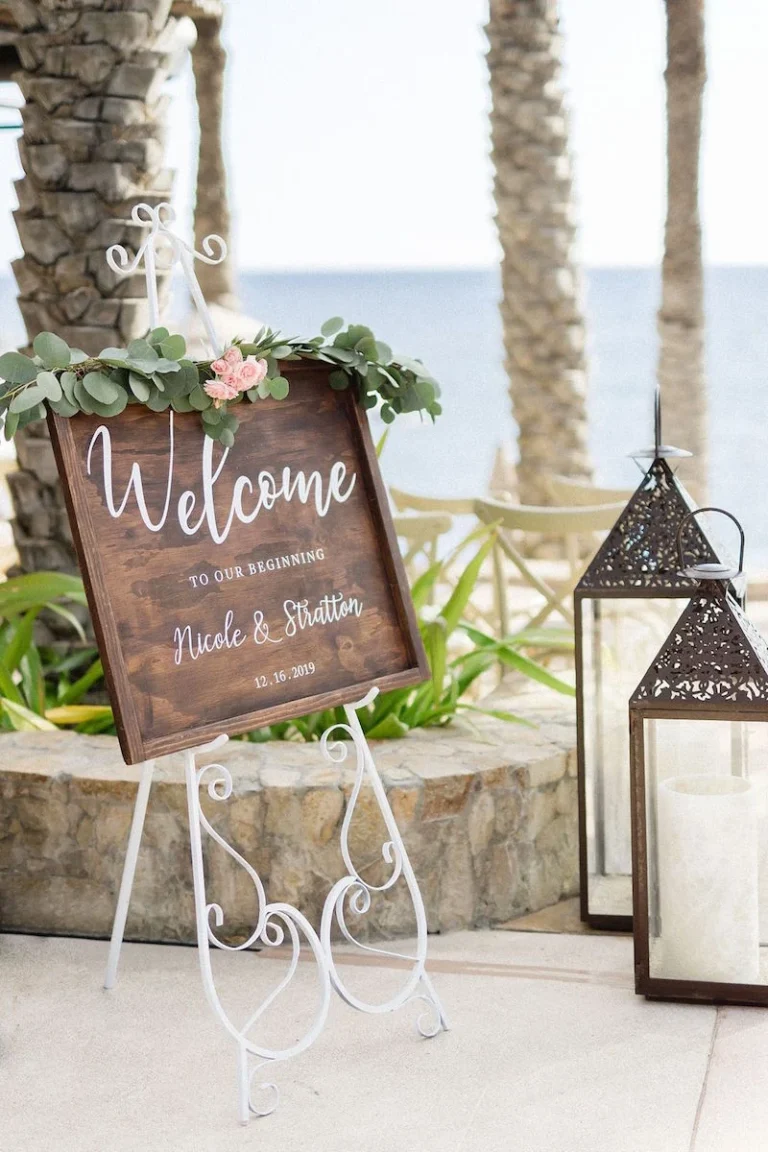
Planning a destination wedding is a cherished aspiration for many couples, transforming the traditional ceremony into an unforgettable travel experience. However, the allure of saying "I do" against a picturesque backdrop, be it a sun-drenched beach or a charming European village, necessitates meticulous planning beyond the typical local wedding arrangements. Once a dream location is pinpointed, a deep dive into the specifics of the area and its available resorts becomes paramount before committing to a date. To streamline this often complex research process, a targeted approach to questioning potential resort venues is crucial. By understanding the critical aspects of a resort’s offerings, couples can confidently select the perfect setting for their momentous occasion.
This comprehensive guide outlines ten essential questions that prospective couples should pose to destination wedding resorts. Armed with these answers, the decision-making process is significantly simplified, paving the way for a seamless and joyous wedding celebration.
Understanding Resort Packages and Guest Accommodations
A significant portion of destination wedding planning revolves around managing guest logistics and ensuring their comfort and enjoyment. Resorts catering to destination weddings often recognize the substantial investment couples make in bringing their loved ones together from afar. Consequently, they frequently offer integrated packages designed to enhance the overall experience.
1. Do You Offer Integrated Honeymoon Packages?
Many destination wedding resorts understand that couples often wish to extend their celebration into a honeymoon, seamlessly transitioning from wedding festivities to post-nuptial relaxation. Inquiring about honeymoon packages is a strategic move. These bundled offerings can provide significant cost savings compared to arranging a separate honeymoon at a different location. Couples should investigate the specifics of these packages, including duration, inclusions, and any potential discounts tied to their wedding booking. For instance, a resort might offer a discounted rate for an additional week on-site, allowing the newlyweds to unwind in familiar surroundings without the added stress and expense of travel. The average cost of a honeymoon can range from $3,000 to $7,000, depending on the destination and duration, making integrated resort honeymoon packages a financially prudent option.
2. Is a Room Block Discount Available for Wedding Guests?
Even for intimate destination weddings with 20 to 30 guests, securing a substantial number of rooms at a resort requires careful consideration. When engaging with resort representatives, couples should proactively inquire about the possibility of a room block discount. Furthermore, negotiation is often possible, especially if a commitment is made to book a specific quantity of rooms. To approach this negotiation effectively, thorough research into the average nightly rates in the local area is advised. According to industry data, hotel room block rates can often be 10-20% lower than standard booking rates, representing a tangible saving for guests. For example, if the average rate for a standard room is $250 per night, securing a block might reduce this to $200-$225, making the trip more accessible for attendees. This allows couples to offer their guests a more affordable travel option, thereby increasing attendance and fostering a more inclusive celebration.
On-Site Services and Venue Management
The operational aspects of a wedding are as critical as the aesthetic. Resorts that specialize in hosting events often provide a suite of on-site services that can significantly alleviate the planning burden and ensure a polished execution of the wedding day.
3. Is an On-Site Wedding Planner Included?
Resorts renowned for their wedding services frequently include the expertise of an on-site wedding planner as part of their event fees. This is a considerable advantage. An in-house planner possesses intimate knowledge of the resort’s venues, understands its operational nuances, and has established relationships with local vendors. They can leverage the space to its full potential, ensuring that the couple’s vision is translated into a flawless reality. This contrasts sharply with engaging an external planner who may be unfamiliar with the specific resort, requiring a steeper learning curve and potentially leading to unforeseen logistical challenges. The availability of an on-site planner can save couples considerable time and stress, particularly when planning from a distance.
4. Do You Offer Rental of Essential Event Supplies?
The logistical challenge of transporting numerous small but crucial event supplies, such as chargers, decorative candles, and linens, can be a significant hurdle for destination weddings. Resorts that offer rental services for these items are invaluable. If a resort does not provide these amenities, couples will need to identify and coordinate with external event rental companies. This can involve extensive research and potentially additional shipping costs. The ability to rent items directly from the resort, or from a closely affiliated vendor, simplifies the process immensely. For instance, a resort might have a dedicated inventory of elegant charger plates that complement their existing tableware, eliminating the need for guests to pack or ship them.
5. What Catering Services Are Provided?
Many resorts boast in-house restaurants and culinary teams, offering comprehensive catering solutions for weddings. This can encompass everything from plated multi-course dinners for the reception to intimate in-suite breakfasts for guests and professional bartending services. It is imperative for couples to clarify whether these catering services are included in the initial venue package or if they constitute an additional cost. Understanding the pricing structure, menu options, and any associated service fees is vital for budgeting. For example, a resort might offer a standard wedding menu at a set per-person price, with premium options available at an additional charge. The quality and diversity of the culinary offerings can significantly impact the guest experience.
Understanding the Event Environment and Logistics
Beyond the immediate wedding services, understanding the resort’s operational schedule and the local environment is crucial for effective planning and managing expectations.
6. Are Other Significant Events Scheduled During Our Wedding Dates?
To ensure a private and uninterrupted celebration, it is essential to ascertain if any other large-scale events are scheduled at the resort concurrently with the wedding dates. This inquiry helps couples gauge the potential busyness of the property and understand if there might be any impact on shared facilities or the overall ambiance. For instance, if a large conference is booked at the same time, it could mean more crowds in common areas or a need for more robust security. Conversely, a quieter period might offer a more exclusive feel. Knowing this information allows couples to plan accordingly, perhaps by booking private areas or liaising with the resort to minimize any potential disruptions.
7. What Are the Typical Weather Conditions for Our Chosen Dates?
Understanding the prevailing weather patterns for the selected wedding dates is fundamental to making informed decisions about ceremony and reception venues, as well as planning outdoor activities. If a region is consistently hot and sunny, couples can confidently plan for outdoor ceremonies and receptions, perhaps incorporating shaded areas or cooling stations. Conversely, if the area is prone to rain, robust indoor backup plans become a priority. Researching historical weather data for the specific location and time of year can provide valuable insights. For example, a tropical destination might experience a rainy season between June and November, necessitating a contingency plan for indoor festivities during those months. This knowledge directly influences choices regarding attire, decor, and the overall flow of the event.
Vendor Coordination and Entertainment
While resorts offer many services, certain elements may require external vendors. Understanding what the resort facilitates versus what couples need to arrange themselves is key.
8. Do You Have an In-House Photographer, or Do You Recommend Specific Vendors?
Some popular wedding resorts maintain an in-house photography team, often experienced in capturing the resort’s most photogenic spots and understanding its unique lighting conditions. For smaller hotels or those hosting fewer weddings annually, this feature might not be available due to budget constraints or a lower volume of events. Couples should inquire whether the resort offers a photographer as part of a package or if they maintain a curated list of recommended photographers. Having a photographer familiar with the venue can lead to more efficient and impactful photo sessions, capturing cherished moments of bridal portraits and the wedding day itself. The average cost of a wedding photographer can range from $2,000 to $6,000, so understanding this aspect upfront is critical for budgeting.
9. What Are Your Policies Regarding Hiring External DJs or Musicians?
While some resorts may offer basic sound systems, they often do not provide professional DJ services. Couples should inquire about the resort’s stance on hiring external DJs or live musicians. A skilled DJ plays a pivotal role in a wedding reception, managing everything from the ceremony’s processional music to directing toasts, introducing the wedding party, and keeping the energy of the reception high. Relying solely on a playlist can be a less engaging and potentially more chaotic experience. Understanding if the resort has any restrictions on external vendors, such as sound level limitations or preferred vendor lists, is important. The cost of a wedding DJ typically ranges from $800 to $2,000.
Financial Planning and Budget Management
Destination weddings can represent a significant financial undertaking. Understanding the resort’s payment structure and potential financial flexibility is essential for managing the budget effectively.
10. Are Payment Plans Available for Wedding Packages?
The cost of destination wedding resort packages can range from tens of thousands of dollars to considerably more, depending on the location, services, and guest count. Given the substantial financial outlay, inquiring about payment plans is a practical and often necessary step. Many resorts are amenable to working with couples to establish a payment schedule, allowing for payments to be made in installments rather than requiring the entire amount upfront in the days leading up to the ceremony. This financial flexibility can significantly ease the burden on the couple’s budget and alleviate pre-wedding financial stress. For example, a resort might require a deposit upon booking, with subsequent payments due at three-month intervals leading up to the wedding date.
Strategic Comparison for Optimal Selection
With a clear understanding of these ten critical questions, couples are well-equipped to navigate the complex landscape of destination wedding resort planning. The next crucial step involves a strategic comparison of offers from various resorts within the desired location. By reaching out to multiple venues, couples can gather comprehensive information on their respective packages, services, and pricing. This comparative approach ensures that they are not only securing a wedding package that aligns with their vision but also one that offers the best value and includes all desired elements for their dream day. A well-researched decision, informed by detailed inquiries and comparative analysis, is the foundation for a memorable and stress-free destination wedding.