


The contemporary landscape of professional photography, while inherently driven by artistic vision and human connection, is increasingly characterized by a complex web of administrative demands that often overshadow the creative core. What begins as a passion for capturing moments and connecting with subjects can quickly devolve into a relentless cycle of email responses, spreadsheet management, and an array of other behind-the-scenes tasks. This burgeoning administrative burden, often unaddressed, poses a significant challenge to the sustainability and growth of independent photography businesses. However, a growing trend, championed by industry innovators, points towards a strategic solution: the integration of virtual assistants (VAs). These professionals are not merely handling overflow; they are fundamentally reshaping operational paradigms, allowing photographers to reclaim their time and refocus on their primary craft.
The Evolving Landscape of Photography: A Business Imperative
For decades, the photography profession was largely defined by technical skill, artistic composition, and client interaction during shoots. The advent of digital photography, followed by the explosion of online marketing and social media, has profoundly transformed this model. Today’s successful photographer is not just an artist but also a savvy marketer, a meticulous accountant, a client relationship manager, and an IT troubleshooter. This multi-faceted role, while offering greater autonomy, comes with an unprecedented administrative load. Industry studies suggest that small business owners, including independent photographers, often spend upwards of 40% of their working hours on administrative tasks that do not directly generate revenue or contribute to their core creative output. This figure, often underestimated, highlights a critical bottleneck in business scalability and personal well-being.
The digital age has also amplified client expectations. Prompt responses, seamless booking processes, aesthetically pleasing online galleries, and a strong, consistent brand presence across multiple platforms are no longer luxuries but baseline requirements. Meeting these demands while simultaneously executing high-quality shoots and post-production work creates an unsustainable pressure point for many solo or small-team operations. It is within this context of escalating demands and finite resources that the virtual assistant has emerged as an indispensable strategic partner. Experts like Vancouver-based photographers Sara Rogers and Aileen Choi, co-owners of Together We Co, a firm specializing in business management and virtual assistant services for photographers, emphasize that VAs offer a sophisticated solution beyond mere task offloading. Their insights highlight a proactive approach to business optimization, enabling photographers to thrive in a competitive market.
Strategic Delegation: Reclaiming Time and Focus
The core value proposition of a virtual assistant lies in strategic delegation – the careful transfer of non-core, yet essential, business functions to a skilled professional. This allows the primary business owner, the photographer, to concentrate on high-value activities such as creative development, client engagement, and actual photography, which directly impact revenue and brand identity. The global virtual assistant market, valued at approximately $4 billion in 2022, is projected to grow at a compound annual growth rate (CAGR) of over 11% through 2030, underscoring the increasing recognition of its efficacy across various industries, including creative fields. For photographers, this translates into tangible benefits: increased productivity, reduced stress, and the capacity for business expansion without a proportional increase in personal workload.
Rogers and Choi, through their work at Together We Co, have identified ten critical areas where virtual assistants can deliver transformative impact. These are not just about completing tasks, but about building robust, efficient systems that support sustained growth.
Key Areas of Transformation: How VAs Empower Photographers
-
Streamlining Client Relationship Management (CRM) Setup and Maintenance:
Client relationship management is the bedrock of any service-based business, particularly in photography where personal connection is paramount. A CRM system helps manage leads, track client communications, schedule appointments, and monitor availability. The initial setup and ongoing maintenance of these systems can be daunting and time-consuming. A virtual assistant can expertly handle everything from organizing prospect lists and configuring automated workflows to following up with potential clients and troubleshooting system issues. This ensures that no lead falls through the cracks, client interactions are consistently professional, and the photographer maintains an organized overview of their client pipeline without direct involvement in the day-to-day administrative minutiae. The efficiency gained through a well-managed CRM can significantly improve client conversion rates and foster stronger, long-term client relationships. -
Enhancing Digital Presence Through SEO-Friendly Blogging:
In an increasingly digital marketplace, a robust online presence is non-negotiable. For photographers, this often means maintaining an active blog that showcases work, shares expertise, and provides valuable content to potential clients. Despite understanding the importance of blogging for search engine optimization (SEO) and client engagement, many photographers find themselves perpetually behind due to demanding schedules. A VA can become an invaluable content creation engine, crafting SEO-friendly blog posts ranging from detailed wedding stories and lifestyle shoot narratives to practical tips for engaged couples or curated lists of local venues. This not only keeps the photographer’s website fresh and relevant, improving search engine rankings and attracting organic traffic, but also positions them as an authority in their niche. Furthermore, VAs can repurpose blog content across various channels—email newsletters, social media, or even podcast scripts—maximizing the reach and impact of each piece of content. -
Strategic Image Curation and Submission for Publications:
Getting published in prestigious wedding blogs and magazines like Junebug Weddings offers unparalleled exposure, validates artistic skill, and serves as a powerful marketing tool. However, the process of curating specific images, optimizing them for web submission, navigating submission guidelines, and tracking publication opportunities is notoriously time-consuming. A virtual assistant can take ownership of this entire process, meticulously selecting the best images that align with publication criteria, preparing them to spec, managing the submission workflow, and tracking the status of features. This frees the photographer to focus on creative work while their VA actively pursues opportunities that elevate their brand profile, attract new clients, and foster connections with other industry vendors. -
Optimizing Monetization with Online Gallery Store Setup and Management:
Establishing an online gallery store for clients to order prints, albums, and other photographic products is a dual-benefit strategy: it enhances the client experience and creates a crucial passive income stream for the photographer. Despite its clear advantages, many photographers either delay setting up such a store or struggle with its ongoing management. A VA can design and integrate the store with preferred printing labs, manage product listings, oversee order processing, coordinate promotions, and handle shipping logistics. This seamless operation ensures clients have easy access to tangible memories of their events, while the photographer benefits from a consistent revenue stream with minimal direct effort, transforming what could be an administrative burden into a self-sustaining profit center.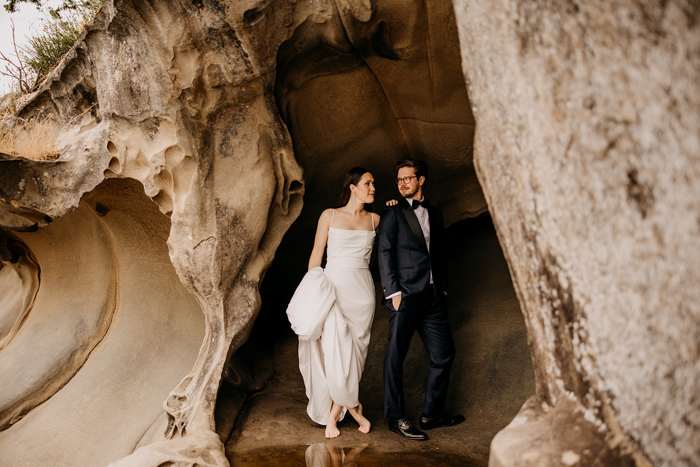
-
Crafting Client Legacies Through Album Design and Proofing:
A handcrafted wedding album represents a timeless keepsake, offering clients a tangible and enduring way to relive their special day. While highly valued, the album design and proofing process can be incredibly time-intensive, involving image selection, layout creation, and multiple rounds of client feedback. Delegating this to a virtual assistant ensures that clients receive beautifully designed albums without consuming the photographer’s precious time. VAs can manage the entire workflow, from initial design concepts to incorporating client revisions, ensuring that each album is a testament to the photographer’s brand quality and delivered efficiently. -
Mastering Communication: Email Management and Template Creation:
The modern photographer’s inbox is often a relentless tide of inquiries, confirmations, and administrative messages. Achieving "Inbox Zero" can feel like a mythical accomplishment, with new emails constantly arriving. This constant communication demand can be a significant drain on productivity and mental energy. A virtual assistant can assume full responsibility for email management, ensuring that every inquiry receives a prompt, professional, and consistent response. They can also design and implement a comprehensive suite of email templates for common scenarios—initial inquiries, booking confirmations, session reminders, post-shoot follow-ups—streamlining communication and ensuring brand consistency. This not only improves client satisfaction through timely responses but also liberates the photographer from a constant state of digital responsiveness. -
Ensuring Flawless Execution with Event Day Document Preparation:
The success of any photography event, be it a wedding, commercial shoot, or portrait session, hinges on meticulous preparation. This often involves creating detailed timelines, compiling essential shot lists, researching permits and licenses, and liaising with other vendors. These logistical tasks, though critical, can detract from the photographer’s ability to connect with clients and focus on the creative aspects of the shoot. A VA can expertly manage all event day document preparation, ensuring that every logistical detail is meticulously planned and communicated. This includes coordinating with other service providers, ensuring all necessary permissions are secured, and providing the photographer with a clear, concise operational plan, allowing them to arrive on set organized and ready to capture exceptional images. -
Driving Engagement Through Social Media Management and Content Creation:
Maintaining an active and engaging presence across various social media platforms is crucial for marketing a photography business and connecting with potential clients. However, the ever-changing algorithms, the demand for fresh content, and the sheer time commitment can be overwhelming. A virtual assistant can become a dedicated social media strategist and manager, overseeing account management, content creation (including graphics and video concepts), scheduling posts, engaging with followers, and staying abreast of platform trends and new features. This consistent, professional social media presence helps build brand awareness, foster community, and drive traffic to the photographer’s portfolio, all while freeing the photographer from the constant demands of digital marketing. -
Optimizing Workflow with Post-Production Coordination:
The post-production phase of photography, encompassing culling, editing, and final image preparation, is notoriously time-consuming and often involves late-night sessions. While the final creative touch remains with the photographer, much of the initial legwork and coordination can be delegated. A VA can streamline this process by coordinating with external editing teams or managing AI-powered culling and editing software. They can handle the initial organization of files, manage deadlines with editors, and prepare images for the photographer’s final review and approval. This collaborative approach, leveraging both human and technological assistance, significantly reduces the time burden on the photographer, allowing for more efficient delivery times and improved work-life balance. -
Elevating Brand Credibility Through Contest and Award Administration:
Participating in photography contests and awards offers a powerful avenue for showcasing work to a broader audience, networking with peers, and significantly boosting professional credibility and SEO. However, navigating the numerous opportunities, understanding diverse submission requirements, and adhering to strict deadlines can be a complex and daunting task. A virtual assistant can demystify this process by researching relevant contests, tracking submission calendars, preparing and submitting entries, and managing all associated administrative tasks. Should a win or nomination occur, the VA can also swiftly update the photographer’s website and social media channels to publicize the achievement, effectively leveraging the award for marketing and brand enhancement.
The Economic Imperative: ROI and Scalability
Beyond the immediate relief of administrative burden, the integration of a virtual assistant represents a sound economic investment. The time freed up allows photographers to take on more clients, pursue larger projects, or invest in professional development, directly leading to increased revenue. By offloading tasks that consume significant non-billable hours, photographers effectively increase their billable capacity and optimize their operational efficiency. The cost of a virtual assistant, when viewed as an investment in business scalability and personal bandwidth, often yields a substantial return on investment (ROI) through enhanced productivity, improved client satisfaction, and stronger market positioning.
Expert Insights and Industry Trends
Sara Rogers and Aileen Choi of Together We Co underscore the growing recognition within the photography community that sustainable business growth requires strategic support. Their firm’s specialization in catering to photographers reflects a broader industry trend towards tailored outsourcing solutions for creative professionals. They posit that the future of the photography business will increasingly rely on lean, efficient operational models, where specialized support roles like virtual assistants are not just beneficial but essential for competitive advantage. This paradigm shift enables photographers to not only survive but thrive, transforming the initial passion for imagery into a robust, well-managed, and continually growing enterprise.
Conclusion
The increasing administrative complexity of the modern photography business presents a critical juncture for many professionals. The choice is clear: either succumb to the overwhelming demands of non-creative tasks or strategically embrace solutions that foster efficiency and growth. The rise of the virtual assistant, as advocated by industry leaders like Sara Rogers and Aileen Choi, offers a compelling and proven path forward. By delegating key administrative, marketing, and operational functions, photographers can reclaim invaluable time, reduce stress, and most importantly, refocus on the artistic craft and client connections that ignited their passion in the first place. This strategic partnership is not merely about offloading tasks; it is about fundamentally transforming a photography business into a more resilient, scalable, and creatively fulfilling endeavor, ensuring that the passion for creating images remains at its vibrant core.