
The traditional image of a wedding reception, often centered around an extravagant open bar, is steadily evolving as more couples embrace dry or low-alcohol alternatives. This growing trend reflects a confluence of factors, including shifting societal attitudes towards alcohol consumption, a heightened focus on wellness and inclusivity, and a pragmatic desire for significant budget savings. Far from being a compromise, these tailored beverage offerings are increasingly seen as a deliberate, sophisticated, and celebratory choice that enhances the overall guest experience.
For many couples, the decision to opt for a dry or low-alcohol bar stems from deeply personal convictions or practical considerations. Some individuals and their families may prioritize sobriety, making an alcohol-free event a natural extension of their values. Others may not consume alcohol themselves or wish to create an environment where all guests, including those in recovery, pregnant friends, or children, feel equally catered to and comfortable. Economic realities also play a crucial role; with the average cost of weddings continuing to climb, reallocating a substantial portion of the bar budget to other memorable elements like photography, elevated cuisine, or a dream honeymoon presents a compelling argument.
This movement is not isolated but part of a broader cultural shift. The "sober-curious" phenomenon, where individuals consciously reduce or eliminate alcohol for health and lifestyle reasons, has gained considerable momentum, particularly among younger demographics. This cultural backdrop has fostered a market for high-quality non-alcoholic beverages that are far removed from the rudimentary offerings of the past. Today’s no-proof menus boast crafted mocktails, sophisticated zero-proof spirits, and a wide array of alcohol-free wines and beers, ensuring that a dry reception can be every bit as vibrant and luxurious as its traditional counterpart. This guide explores the motivations, practicalities, and benefits of constructing a dry or low-alcohol bar that feels like a conscious, elevated choice rather than a mere omission.
The Evolving Landscape of Wedding Celebrations and Beverage Choices
The paradigm shift in wedding beverage choices is a reflection of broader societal changes. Historically, alcohol has been deeply intertwined with celebrations, symbolizing festivity and luxury. However, the 21st century has brought increased awareness of health and wellness, leading many to re-evaluate their relationship with alcohol. This cultural pivot has significantly influenced event planning, prompting couples and wedding professionals alike to innovate beyond the standard open bar.
Data from recent years indicates a steady rise in non-alcoholic beverage consumption. Market research firms report consistent growth in the non-alcoholic beer, wine, and spirits sectors, with projections showing continued expansion. This consumer demand translates directly into the wedding industry, where caterers and beverage providers are increasingly asked to create sophisticated alcohol-free options. Furthermore, the economic pressures on couples are undeniable. According to industry reports, the average cost of a wedding in the United States has reached record highs, with catering and bar services often representing one of the largest expenditures. An open bar can easily consume 10-15% of a total wedding budget, making it a prime candidate for cost optimization without sacrificing the celebratory atmosphere.
Wedding planners and event coordinators have observed this trend firsthand. Many report an increase in inquiries for bespoke mocktail menus and limited alcohol packages. "Couples today are far more intentional about every aspect of their wedding," notes Sarah Jenkins, a seasoned wedding planner in New York. "They want their celebration to reflect their values, whether that’s sustainability, inclusivity, or mindful consumption. A dry or low-alcohol bar fits perfectly into that ethos, allowing them to personalize the experience and allocate resources more strategically." This sentiment underscores that the decision is often proactive, driven by a desire to create a unique and truly personal event.
Defining Your Approach: Fully Dry vs. Low-Alcohol
Before embarking on beverage selection, couples must determine the scope of their bar service. This foundational decision influences every subsequent planning step, from menu development to vendor coordination and budget allocation. The two primary models, fully dry and low-alcohol, offer distinct advantages.
The Fully Dry Bar: Uncompromising Inclusivity and Maximum Savings
A fully dry bar represents a complete commitment to an alcohol-free environment. No alcoholic beverages are served at any point during the reception. This approach offers several compelling benefits. Firstly, it ensures universal inclusivity, removing any potential discomfort for guests who do not drink for personal, health, religious, or recovery-related reasons. Everyone can partake in the same beautifully crafted beverages, fostering a sense of shared experience without differentiation.
Secondly, a fully dry bar delivers the most significant financial savings. Eliminating alcohol entirely cuts out the most expensive line items in a typical bar budget, including premium spirits, wine markups, and potentially specialized liquor licenses or highly skilled bartenders required for complex cocktail programs. This allows couples to either drastically reduce overall wedding costs or redirect those funds towards other high-impact elements, such as a top-tier photographer, an extended honeymoon, or enhanced decor.
This option is particularly well-suited for couples who are sober themselves, come from families with strong alcohol-free traditions, or wish to make a definitive statement about conscious celebration. It simplifies logistics, reduces the potential for alcohol-related incidents, and creates a clear, unambiguous atmosphere for all attendees.

The Low-Alcohol or Limited Bar: A Balanced Approach
For couples who wish to retain a degree of traditional beverage service while still embracing the benefits of a scaled-back bar, the low-alcohol or limited bar presents an attractive middle ground. This model typically involves offering a curated selection of alcoholic beverages alongside a robust non-alcoholic lineup. Common variations include:
- Beer and Wine Only: This is a popular choice, significantly reducing costs associated with spirits while still providing traditional alcoholic options. The selection can be thoughtfully curated to include craft beers, local wines, and even non-alcoholic counterparts.
- Signature Cocktail Plus Non-Alcoholic Offerings: Here, couples might select one or two signature alcoholic cocktails that reflect their personalities, served alongside a comprehensive menu of mocktails, zero-proof spirits, and other non-alcoholic drinks. This maintains a "cocktail" feel without the expense and complexity of a full liquor bar.
- Champagne Toast Only: Some couples opt for non-alcoholic beverages throughout the reception, with the sole exception of a champagne or sparkling wine toast. This preserves a classic wedding moment while keeping the overall alcohol footprint minimal.
The low-alcohol approach appeals to couples whose guest lists might include a mix of drinkers and non-drinkers, or those who simply prefer a more understated alcohol presence. It provides flexibility and can still yield substantial savings compared to a full open bar, while offering a familiar comfort to guests who appreciate a limited alcoholic option. The key is to ensure the non-alcoholic selection is equally prominent and appealing, so it never feels like an afterthought.
The Economic Imperative: Unlocking Significant Budget Savings
One of the most compelling arguments for a dry or low-alcohol wedding bar is the profound financial impact. Alcohol is notoriously one of the most variable and often underestimated expenses in wedding planning. A hosted open bar can easily range from $45 to $75 per guest for a standard four-hour reception, with premium liquor packages pushing those figures even higher. For a wedding with 150 guests, this translates to a potential expenditure of $6,750 to $11,250 on alcohol alone, excluding additional costs like staffing, glassware rentals, and potential corkage fees.
By contrast, the cost of a sophisticated non-alcoholic beverage program is significantly lower. Ingredients for mocktails, juices, sparkling waters, and zero-proof spirits typically run a fraction of the cost per head. Even accounting for premium non-alcoholic options and elegant presentation, the per-guest cost rarely exceeds $10-$20, representing a savings of 60-80% on the beverage line item. For a 150-guest wedding, this could mean reallocating $4,500 to $9,000 to other aspects of the celebration.
Consider the potential for reallocation:
- Enhanced Photography & Videography: Invest in an extra hour of coverage or a second shooter to capture every moment.
- Dream Honeymoon: Fund a significant portion of a luxurious post-wedding trip.
- Elevated Catering: Upgrade to premium menu options, add a late-night snack bar, or offer a more elaborate dessert spread.
- Entertainment: Secure a more renowned band or DJ, or add unique entertainment like a photo booth or live artist.
- Personalized Decor: Invest in more elaborate floral arrangements, custom lighting, or unique furniture rentals.
Even a low-alcohol bar, such as a beer and wine only option, can yield substantial savings. By eliminating expensive spirits and complex cocktail ingredients, couples can cut costs by 30-50% compared to a full open bar. Furthermore, many venues allow couples to provide their own beer and wine, often subject to a corkage fee, which can still be more cost-effective than purchasing through the venue’s marked-up packages. Careful calculation and understanding venue policies are crucial for maximizing these savings. Utilizing tools like wedding alcohol calculators can help estimate quantities needed for limited alcohol offerings, preventing overspending and waste.
Crafting an Exceptional Non-Alcoholic Bar Menu
The success of a dry or low-alcohol bar hinges on the quality and creativity of its menu. The objective is to present a diverse array of appealing, sophisticated drinks that stand on their own merits, ensuring no guest feels shortchanged or limited to basic sodas. Caterers specializing in these programs often recommend offering at least three distinct spirit-free options with varying flavor profiles—for instance, one tart and refreshing, one subtly sweet and fruity, and one sparkling or herbaceous.
Signature Mocktails: A Personalized Centerpiece
The single most impactful element for a dry bar is the introduction of signature mocktails. These custom-designed beverages serve as the bar’s focal point, offering a personalized touch that reflects the couple’s tastes. Couples can create two distinct mocktails, one representing each partner, with creative names that tie into their story or wedding theme. For example, a "Love Blooms Spritz" featuring elderflower, lemon, and sparkling water, alongside a "Everlasting Elixir" with muddled berries, ginger, and lime.
Modern mocktails transcend simple juice mixes. They incorporate fresh herbs (rosemary, basil, mint), exotic fruits, artisanal syrups, and even homemade infusions. Bartenders can leverage techniques typically reserved for alcoholic cocktails, such as muddling, shaking, and layering, to create complex and visually stunning drinks. Batching these mocktails in advance is a savvy logistical move, reducing wait times and ensuring consistent quality.
The Rise of Zero-Proof Wines, Beers, and Spirits

The non-alcoholic beverage market has exploded in recent years, offering an unprecedented range of sophisticated alternatives. Zero-proof wines, including sparkling varietals, have improved dramatically in flavor and mouthfeel, providing an excellent option for toasts and wine enthusiasts. Alcohol-free beers from craft breweries offer the taste and experience of traditional brews without the alcohol content.
Perhaps most revolutionary are non-alcoholic spirits. Brands like Ritual Zero Proof, Seedlip, and Lyre’s have developed distillates that mimic the flavor profiles of gin, whiskey, tequila, and rum. These allow bartenders to craft truly "grown-up" mocktails that visually and aromatically resemble their alcoholic counterparts. Stocking a selection of these high-quality zero-proof options signals intentionality and a commitment to providing a premium experience for all guests.
Interactive Self-Serve Stations: Engaging and Efficient
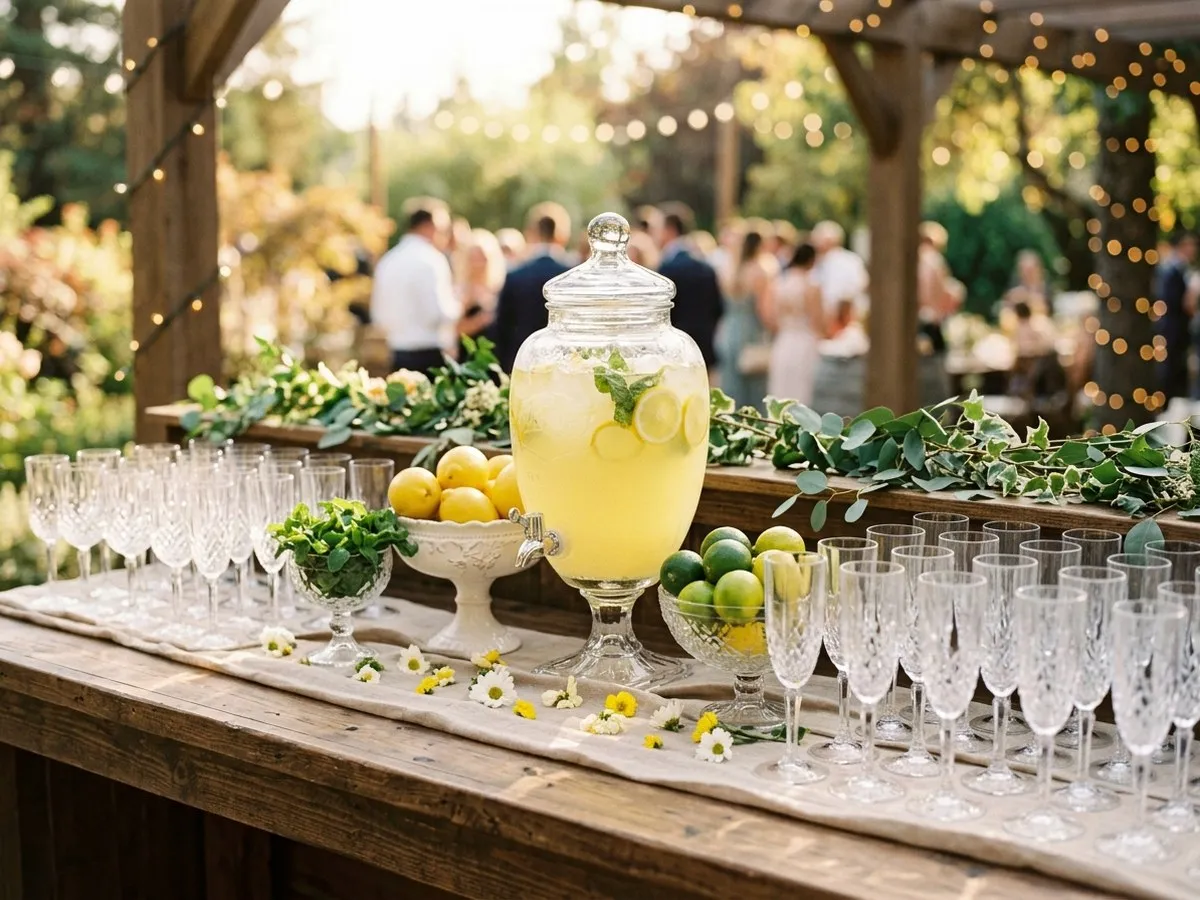
To enhance guest engagement and streamline service, consider incorporating self-serve stations. A "Build Your Own Spritz" bar, featuring sparkling water, a selection of fruit purees or artisanal syrups (e.g., lavender, hibiscus, ginger), fresh fruit slices, and herb sprigs, allows guests to customize their drinks. Similarly, a beautifully presented large-batch punch, infused waters (cucumber-mint, strawberry-basil), or a gourmet iced tea bar can provide abundant and refreshing options. These stations not only look impressive but also reduce pressure on bartenders, making them ideal for larger gatherings.
The Reliable Crowd-Pleasers: Essential Staples
While innovative options are crucial, do not overlook the importance of classic crowd-pleasers. High-quality sparkling cider is indispensable for toasts, ensuring everyone, from children to non-drinkers, can raise a celebratory glass. A selection of premium sodas (e.g., artisanal ginger ale, craft root beer), flavored sparkling waters, freshly brewed iced tea, and lemonade are familiar, comforting, and universally appreciated. For later in the evening, a well-appointed coffee and hot tea station provides a warm, comforting conclusion to the meal. These basic offerings are cost-effective and ensure there’s always a comforting option available.
Making It Feel Intentional: The Art of Presentation
The critical distinction between a dry bar that feels like a conscious choice and one that appears to be a cutback lies almost entirely in its presentation. Thoughtful styling and attention to detail can transform a non-alcoholic bar into a vibrant, celebrated focal point.
Elevated Glassware and Generous Garnishes:
Serving all beverages in real glassware, whether rented or provided by the venue, is paramount. Plastic cups instantly diminish the perceived value. Furthermore, generous garnishing is essential. Citrus wheels, elegant twists, fresh herb sprigs, edible flowers, and decorative skewers elevate a simple mocktail into a work of art, making it visually indistinguishable from a sophisticated alcoholic cocktail. These small details convey care and intention.
Branding and Themed Signage:
Give your signature mocktails creative, evocative names that tie into your wedding theme or personal story. Display these names prominently on elegant bar signage or a beautifully designed menu board. This "branding" reinforces that the drinks are a curated selection, not an afterthought. Consider incorporating the wedding’s color palette or motif into the bar’s decor.
Styled Bar as a Focal Point:
Treat the bar area as a significant design element, just as you would the dessert table or floral arrangements. Utilize high-quality linens, incorporate fresh floral arrangements, artfully arrange fresh fruits and herbs, and ensure good lighting. A well-designed bar invites guests to explore the offerings and enhances the overall aesthetic of the reception space. When the beverage station is meticulously styled and presented, the absence of alcohol becomes a design feature rather than a perceived lack.
Navigating Logistics and Communication: Planning for Success
A seamless dry or low-alcohol bar experience requires careful logistical planning and thoughtful communication with guests and vendors.
Subtle Guest Communication:
While a formal announcement on the wedding invitation is generally unnecessary and can sometimes draw undue attention, a gentle heads-up can be beneficial. A simple line on your wedding website under the "FAQs" or "Details" section, stating "Our celebration will feature a curated selection of signature mocktails, fine non-alcoholic beverages, and more," sets expectations gracefully. Similarly, elegant bar signage that prominently features the non-alcoholic menu can implicitly communicate the bar’s offerings without making a "thing" of the absence of alcohol.

Vendor Coordination:
Close collaboration with your venue, caterer, and any external beverage providers is crucial. Discuss your vision early in the planning process to ensure they can accommodate a dry or low-alcohol bar. Confirm their policies on outside beverages, potential corkage fees for non-alcoholic items (if you plan to supply your own), and staffing requirements for mocktail preparation or self-serve stations. Many modern caterers are well-versed in crafting innovative non-alcoholic menus, so leverage their expertise.
Quantity Planning:
Accurately estimating beverage quantities remains important, even without alcohol. A general guideline is to plan for 2-3 drinks per guest in the first hour and 1-2 drinks per guest for each subsequent hour. Consider factors like the time of day (more drinks at an evening reception than a daytime brunch), the weather (more refreshing drinks in warm weather), and the availability of other refreshments like water stations.
Legal and Insurance Considerations (for Low-Alcohol options):
If opting for a low-alcohol bar, understand any specific venue or local regulations regarding limited alcohol service. This may include requirements for licensed bartenders, liability insurance, or specific permits. Confirm these details well in advance to avoid last-minute complications or unexpected fees. For fully dry weddings, these concerns are typically minimized, simplifying the planning process.
Broader Implications for the Wedding Industry and Society
The rise of dry and low-alcohol wedding bars is more than just a trend; it signifies a deeper cultural shift with far-reaching implications for the wedding industry and society at large.
Innovation in Beverage Programs: This movement has spurred immense creativity and innovation within the beverage industry. Bartenders and caterers are challenged to think beyond traditional cocktails, leading to exciting new flavor combinations, ingredient sourcing, and presentation techniques for non-alcoholic drinks. This pushes the boundaries of what a "bar" can offer.
Market Growth and Consumer Choice: The increased demand from events like weddings further fuels the growth of the non-alcoholic beverage market, leading to more diverse and higher-quality products for everyday consumers. This provides greater choice and accessibility for individuals who prefer not to drink, helping to normalize and de-stigmatize alcohol-free living.
Enhanced Guest Experience and Inclusivity: By prioritizing a comprehensive and sophisticated non-alcoholic menu, couples are actively creating a more inclusive environment. Guests who might otherwise feel marginalized or limited in their choices are now fully integrated into the celebratory experience. This fosters a more comfortable and genuinely joyful atmosphere where everyone feels considered and valued. Anecdotal evidence suggests that guests at dry or low-alcohol weddings often report feeling more present, engaging in deeper conversations, and remembering the celebration more vividly.
Responsible Celebration and Wellness: The trend aligns with a broader societal emphasis on health and wellness. By offering alternatives, couples promote a model of responsible celebration that doesn’t rely on excessive alcohol consumption. This can reduce potential risks associated with over-drinking, ensuring a safer and more pleasant experience for everyone involved.
Conclusion: A Thoughtful, Modern, and Economical Choice
The decision to host a dry or low-alcohol wedding reception is no longer a niche choice but a savvy, inclusive, and increasingly popular option that aligns with modern sensibilities and financial prudence. By embracing this approach, couples can craft a celebration that is deeply personal, financially intelligent, and genuinely welcoming to all guests.
Building a successful dry or low-alcohol bar involves thoughtful menu curation, with an emphasis on signature mocktails and premium zero-proof alternatives. It demands meticulous attention to presentation, ensuring the bar is a visually appealing focal point rather than an overlooked corner. Crucially, it requires transparent yet subtle communication with guests and diligent coordination with vendors. The result is a vibrant, memorable reception that exudes sophistication and joy, all while offering significant budgetary advantages. This contemporary approach proves that a wedding celebration can be every bit as festive and unforgettable without a four-figure tab for liquor, demonstrating a commitment to a truly inclusive and mindful beginning to married life.