

The traditional image of a wedding reception, often centered around a bustling open bar, is undergoing a significant transformation as an increasing number of couples opt for dry or low-alcohol beverage offerings. This shift, driven by a confluence of economic, social, and personal factors, signals a deliberate move towards more inclusive and mindful celebrations, challenging long-held societal expectations for matrimonial events. Far from being perceived as a cost-cutting measure, these alternative bar setups are being embraced as an intentional choice, reflecting evolving lifestyle preferences and the burgeoning availability of sophisticated non-alcoholic options.
The Evolution of Wedding Beverage Culture
For decades, the open bar has been a seemingly indispensable element of the wedding experience in many Western cultures. It was often seen as a gesture of generosity, a catalyst for merriment, and a standard against which receptions were measured. However, this perception has gradually begun to erode, particularly over the last five to ten years. The emergence of the "sober curious" movement, which gained significant traction in the mid-2010s, encouraged individuals to critically re-evaluate their relationship with alcohol. This cultural wave, emphasizing health, wellness, and mindful consumption, inevitably extended its influence into social gatherings, including pivotal life events like weddings.
Initially, the idea of an alcohol-free wedding might have been met with skepticism or even mild apprehension from guests accustomed to traditional celebrations. Early attempts at dry bars often relied on basic, uninspired offerings like soda or juice, inadvertently reinforcing the notion that something was "missing." However, the beverage industry responded dynamically to the shifting consumer landscape. Over the past five years, there has been an explosion in the quality and variety of zero-proof spirits, non-alcoholic wines (including sparkling varietals), and craft alcohol-free beers. These innovations have empowered couples to curate sophisticated drink menus that rival their alcoholic counterparts in complexity, presentation, and taste, thereby normalizing and elevating the dry wedding experience. This chronological development from limited options to a diverse, high-quality non-alcoholic market has been crucial in enabling the current trend.
Driving Factors Behind the Shift
The decision to host a dry or low-alcohol wedding is multifaceted, stemming from a range of personal convictions and practical considerations.
Economic Prudence: Perhaps the most tangible and widely acknowledged benefit is the significant financial savings. Alcohol represents one of the most substantial and often escalating expenses in a wedding budget. A hosted open bar typically costs between $45 and $75 per guest for a standard four-hour reception, with premium liquor packages pushing these figures even higher. For a wedding with 150 guests, this can easily translate into an expenditure of $6,750 to $11,250 on alcohol alone, often reaching five figures when accounting for taxes, service charges, and bartender fees. By contrast, a well-curated non-alcoholic bar, even with high-quality ingredients and premium mocktails, can reduce this per-guest cost to a mere fraction, often less than $10-$15. These substantial savings can then be reallocated to other memorable aspects of the wedding, such as an enhanced culinary experience, a dream photographer, elaborate floral arrangements, or even contribute to a honeymoon fund or a down payment on a home.
Inclusivity and Guest Comfort: Modern couples are increasingly prioritizing an inclusive environment where every guest feels comfortable and celebrated, regardless of their drinking habits. Wedding guest lists are inherently diverse, often spanning multiple generations and lifestyles. They may include pregnant friends, guests who are in recovery from alcohol addiction, designated drivers, individuals with health conditions, children, or simply those who choose not to drink for personal, religious, or health reasons. An exclusively alcohol-centric bar can inadvertently alienate or make these guests feel overlooked. A thoughtfully designed dry or low-alcohol bar ensures that everyone has access to appealing, celebratory beverage options, fostering a more welcoming and comfortable atmosphere for all. As one wedding planner, Sarah Chen of "Everlasting Events," noted, "Couples today want to ensure no one feels like an outsider. Offering exquisite non-alcoholic options is a profound gesture of hospitality that truly resonates with a diverse guest list."

Personal Values and Lifestyle Choices: Many couples choosing this route are sober or sober-curious themselves, and their wedding serves as an authentic reflection of their lifestyle. For others, religious or cultural beliefs may guide the decision to host an alcohol-free event. The desire for a clear-headed, fully present celebration, free from the potential for excessive consumption or alcohol-induced incidents, is also a significant motivator. Couples often express a wish for guests to remember the joy, the music, and the union, rather than blurred memories from an overindulgent evening.
Responding to a Growing Trend: The broader societal trend towards mindful consumption and healthier lifestyles has also played a role. Alcohol-free events, from bachelorette parties to corporate gatherings, are becoming more commonplace. Couples recognize that their guests are increasingly open to, and even appreciative of, sophisticated non-alcoholic alternatives, making the transition to a dry or low-alcohol wedding feel less unconventional and more aligned with contemporary social norms.
Defining the Bar: Dry vs. Low-Alcohol Models
Before delving into menu specifics, couples typically decide between two primary models for their wedding bar:
The Fully Dry Bar: This model entails a complete absence of alcohol. Every beverage offered is non-alcoholic, from sparkling waters to elaborate mocktails. This choice provides the most significant cost savings and creates a uniform experience for all attendees, eliminating any potential awkwardness or differentiation between drinkers and non-drinkers. It is particularly well-suited for couples with strong personal convictions against alcohol, those operating on a very strict budget, or those whose guest list heavily features individuals who do not drink. The clarity of a fully dry bar simplifies logistics and messaging.
The Low-Alcohol or Limited Bar: This option strikes a middle ground, offering a modest selection of alcoholic beverages alongside an extensive and high-quality non-alcoholic lineup. Common variations include:
- Beer and Wine Only: Limiting alcoholic offerings to beer and wine significantly reduces costs associated with spirits and complex cocktails, while still providing traditional options for guests who prefer alcohol.
- Signature Cocktail + Mocktails: Couples might choose one signature alcoholic cocktail, often a personal favorite, alongside one or two signature mocktails and a broad range of other non-alcoholic choices. This keeps the alcoholic selection manageable and cost-effective while highlighting the creativity of the N/A menu.
This approach allows for some flexibility, catering to guests who might expect an alcoholic option, while still retaining many of the benefits of a fully dry bar, including substantial savings and an inclusive focus on non-alcoholic creativity.
Crafting an Exceptional Non-Alcoholic Menu
The success of a dry or low-alcohol bar hinges on the quality and creativity of its menu. The goal is to provide a diverse, appealing, and visually stunning array of drinks that feel intentional and celebratory, not like an afterthought. Caterers specializing in this area often recommend at least three distinct spirit-free options with varied flavor profiles to cater to different palates – perhaps a tart, refreshing option, a sweeter, fruit-forward choice, and a crisp, bubbly beverage for toasts.
Signature Mocktails: These are often the stars of a dry bar. Couples frequently create two signature mocktails, each reflecting their individual tastes or personalities. Examples include a "Blushing Bride Spritz" with raspberry, mint, and elderflower, or a "Groom’s Grove Cooler" featuring grapefruit, rosemary, and sparkling water. Naming these drinks creatively and presenting them with attractive signage elevates the entire bar experience, making the non-alcoholic options feel as special and personalized as any traditional cocktail. Many recipes for batch-ahead mocktails are now widely available, simplifying preparation and reducing bartender workload.

Premium Zero-Proof Options: The market for non-alcoholic spirits, wines, and beers has matured dramatically. Brands like Ritual Zero Proof, Seedlip, and Lyre’s offer convincing alternatives to gin, whiskey, rum, and tequila, allowing skilled bartenders to craft complex, layered mocktails that mimic the mouthfeel and flavor profiles of traditional cocktails. Similarly, non-alcoholic sparkling wines provide an elegant option for toasts, ensuring everyone, regardless of their drinking preference, can participate in the celebratory clinking of glasses. Stocking a selection of these sophisticated alternatives signals a commitment to quality and intention.
Self-Serve Stations: To enhance visual abundance and reduce pressure on bartenders, self-serve stations are an excellent addition. A large batch of a beautifully garnished punch or a build-your-own spritz bar with various sparkling waters, fresh fruit purees, herbal syrups, and an array of garnishes (citrus wheels, berries, mint, basil) allows guests to customize their drinks. This interactive element adds a fun, engaging dimension to the bar.
Reliable Crowd-Pleasers: While innovative options are key, the basics should not be overlooked. High-quality sparkling cider, a selection of gourmet sodas, flavored sparkling waters, freshly brewed iced tea, lemonade, and a well-appointed coffee and tea station for later in the evening are essential. These familiar, comforting options are often genuinely appreciated by guests and provide a solid foundation for the beverage service.
Elevating the Presentation: It’s All in the Details
The distinction between a dry bar that feels vibrant and celebratory versus one that feels like a compromise often lies entirely in its presentation. Thoughtful styling and attention to detail are paramount.
Glassware Matters: Serving beverages in elegant, real glassware, even if rented, immediately elevates the experience beyond disposable plastic cups. The weight and feel of a proper glass contribute significantly to the perception of quality and sophistication.
Garnish Generously: Garnishes are not merely decorative; they enhance the aroma, flavor, and visual appeal of a drink. Citrus wheels, fresh herb sprigs (mint, rosemary, basil), edible flowers, berries, and cucumber ribbons transform a simple mocktail into a visually stunning creation, making it every bit as appealing as an alcoholic cocktail.
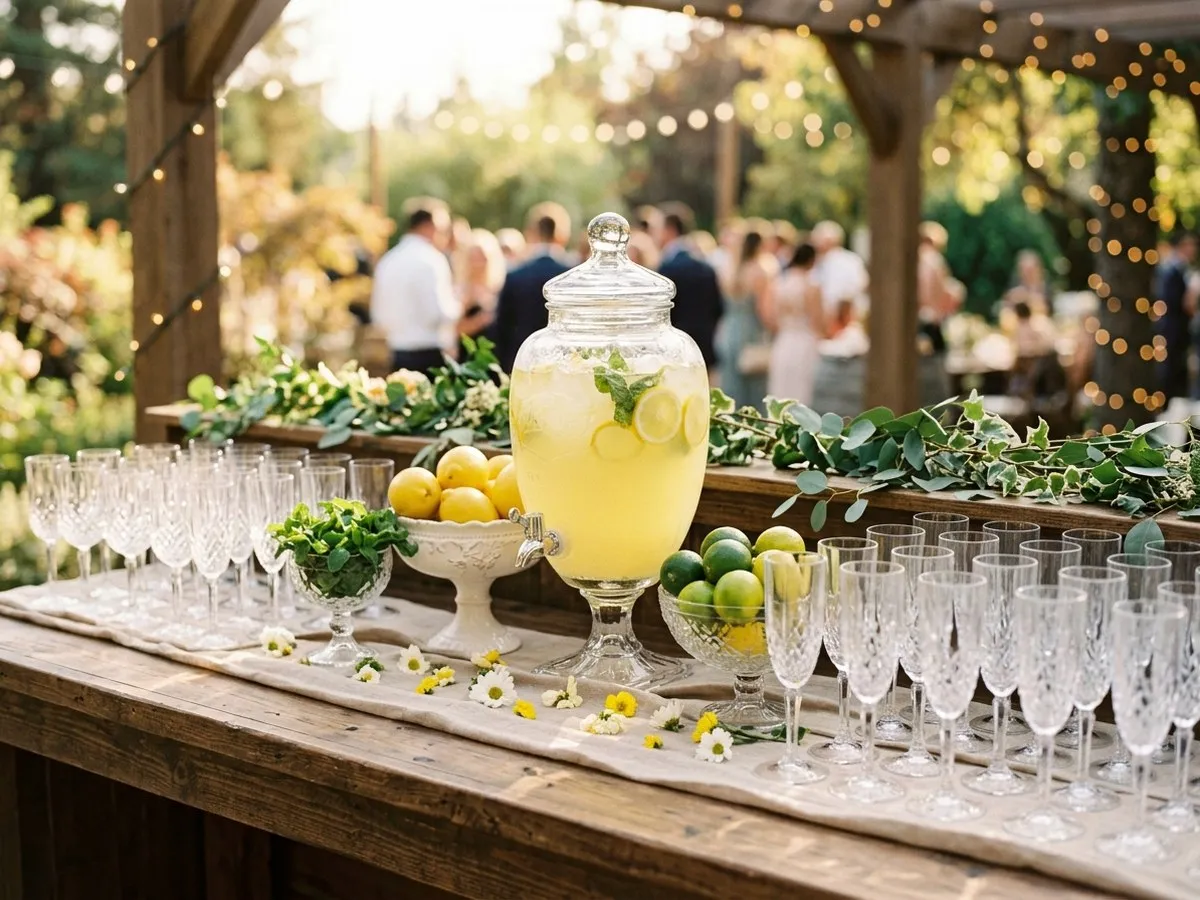
Styled Bar Area: Treat the dry bar as a focal point, just as one would a dessert table or floral display. Use attractive linens, incorporate fresh fruit displays, add subtle lighting, and utilize elegant serving vessels (e.g., glass dispensers for punches, stylish ice buckets). Clear, aesthetically pleasing signage that details the menu and names of the signature mocktails further reinforces the intentionality of the offerings. When the entire setup exudes care and artistry, guests are less likely to notice or lament the absence of alcohol.
Strategic Planning and Logistics

Successfully executing a dry or low-alcohol wedding bar requires careful planning and communication.
Guest Communication: While a formal announcement on the invitation is generally unnecessary and can sometimes feel defensive, a subtle heads-up can manage expectations gracefully. A line on the wedding website, such as "Our beverage service will feature signature mocktails, craft sodas, and a selection of refreshing non-alcoholic drinks," or describing the bar as "an artisan beverage experience" can set the tone without making it "a thing." Bartenders and servers should also be well-versed in the menu to confidently answer guest questions.
Staffing Considerations: The choice between a dedicated bartender and a self-serve setup depends on the desired level of polish and the complexity of the drinks. For elaborate, built mocktails and a more formal ambiance, a professional bartender adds a touch of elegance and ensures consistent quality. For simpler punches, spritzes, and bottled beverages, a well-stocked self-serve station can be cost-effective and efficient. Many venues and caterers are now experienced in handling dry bar setups.
Quantity Calculation: Even without alcohol, accurate quantity planning is crucial to avoid running out of popular options. A general rule of thumb is to estimate 2-3 drinks per guest in the first hour and 1-2 drinks per guest for subsequent hours. Considering peak consumption times and offering a good variety will ensure guest satisfaction.
Venue Policies and Vendor Collaboration: If opting for a low-alcohol bar and supplying some of your own beer and wine, it is imperative to check the venue’s corkage fees and external beverage policies well in advance. These fees can sometimes negate the savings of buying alcohol independently. Close collaboration with caterers and wedding planners experienced in dry bars is invaluable, as they can offer creative solutions, sourcing recommendations, and logistical expertise to ensure a seamless experience.
Broader Impact and Future Outlook
The rise of dry and low-alcohol wedding receptions is more than a fleeting trend; it reflects a broader societal evolution towards mindful consumption, greater inclusivity, and personalized celebrations. Economically, it offers couples significant flexibility in their wedding budgets, allowing them to prioritize other elements that hold deeper personal meaning. Socially, it fosters environments where all guests feel equally valued and respected, contributing to a more comfortable and genuinely joyous atmosphere. For the beverage industry, it has spurred innovation and the development of high-quality non-alcoholic alternatives, further solidifying this market segment.
As awareness grows and product offerings continue to expand, dry and low-alcohol weddings are likely to become increasingly commonplace, shedding any lingering perception of being a "lesser" option. Instead, they are emerging as a sophisticated, savvy, and deeply personal choice for couples who wish to celebrate their union in a way that authentically reflects their values and ensures every guest can raise a glass—whether sparkling cider or a crafted mocktail—to their happiness. This movement underscores a future where celebrations are defined not by what’s present in a drink, but by the shared joy, connection, and memories created.