
The traditional wedding industry, often a theatrical spectacle, frequently demands a performance of sustained joy, effusive romance, and unwavering normalcy from couples for hours on end. This expectation, while taxing for anyone, can be an overwhelming sensory and emotional gauntlet for autistic individuals, often leading to burnout or shutdown. Such an outcome is precisely what no couple desires on their wedding day.
In recognition of World Autism Month, a global initiative dedicated to raising awareness and promoting acceptance of autism, a growing number of wedding professionals are championing a radical, yet essential, paradigm shift. Their collective wisdom underscores a clear mandate: dispense with conventional wedding "shoulds" and meticulously construct a celebration system that elevates the couple’s comfort and well-being above traditional guest expectations. This tailored approach ensures that the day remains a sanctuary of authentic connection rather than a source of stress.
For couples navigating the complexities of planning an autistic-friendly wedding, the insights gleaned from these neurodiversity-affirming vendors offer invaluable strategies.
The Paradigm Shift: Prioritizing Comfort Over Performance
The wedding industry has historically thrived on aspirational imagery and tightly choreographed events designed for external presentation. From the grand entrance to the final dance, every moment is often curated for photographic perfection and guest enjoyment. However, this deeply ingrained focus on "the show" overlooks the diverse needs of couples, particularly those who are neurodivergent. For autistic individuals, the barrage of sensory inputs—loud music, bright lights, crowded spaces, unexpected interactions, and the pressure of constant social engagement—can quickly escalate to sensory overload. The demand to "perform" happiness or engage in prolonged eye contact can be exhausting, depleting vital energy that should be dedicated to celebrating love.
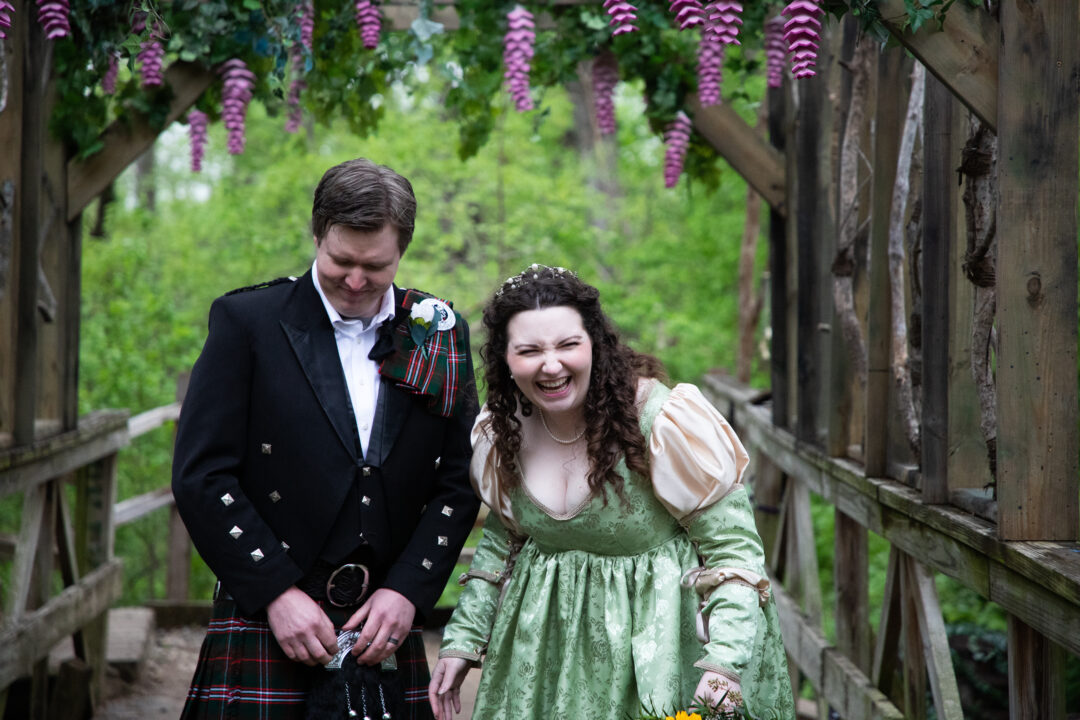
The emerging consensus among forward-thinking wedding vendors is that true joy on a wedding day stems from genuine comfort and authenticity. This means actively deconstructing the prescriptive nature of traditional weddings and rebuilding the experience around the specific sensory, emotional, and social needs of the autistic couple. It’s about empowering couples to define their own celebration, free from external pressures and neurotypical expectations.
Building a Robust Support System: The Advocate Role
One of the most profoundly effective mechanisms for fostering a low-stress autistic wedding experience is the establishment of a designated point person who acts as a dedicated advocate, distinct from the couple themselves. This individual serves as a vital buffer, managing external communications and mitigating potential stressors.
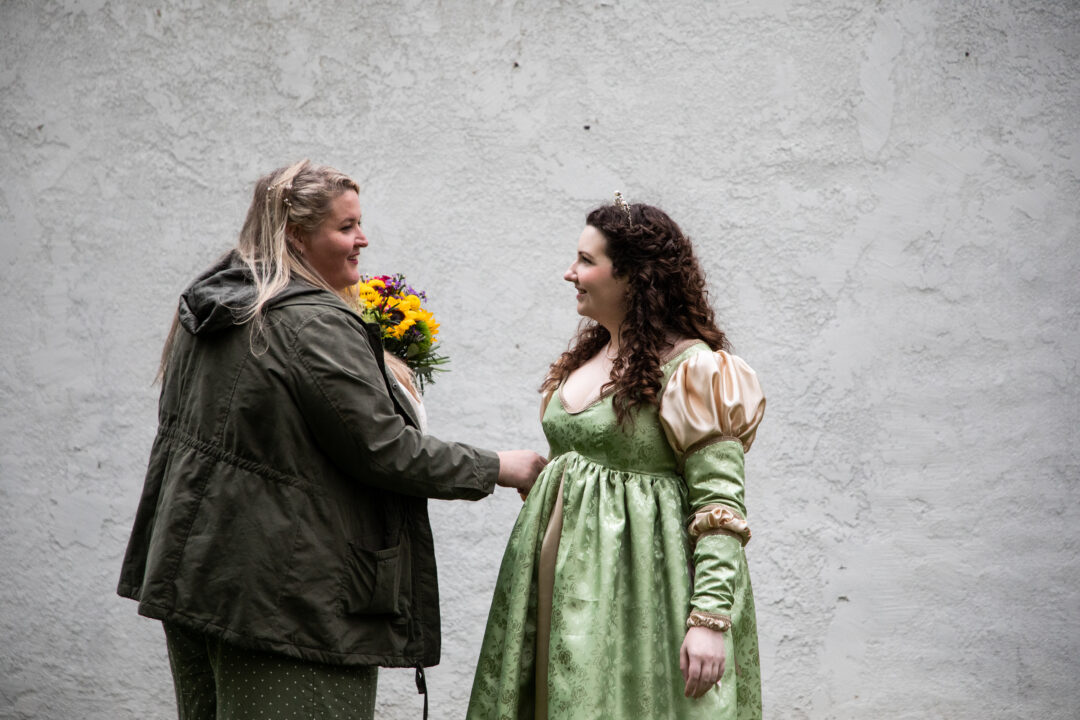
Jen Sulak of Weirdo Weddings in Texas recounts a compelling example of this strategy in action. "The bride’s cousin came up to me as her advocate and shared with me what I could expect and that she would be happy to support and assist during the day—especially the pictures," Jen explains. This proactive engagement allowed the cousin to preemptively address potential challenges, such as guiding the photography process to be less intrusive or managing interactions with other vendors.
The presence of such an advocate offers immense psychological relief to the couple. Knowing that a trusted individual is diligently monitoring their environment, fielding questions, and navigating social complexities allows them to disengage from constant vigilance. This significantly reduces the cognitive load associated with self-monitoring and social performance, enabling the couple to immerse themselves more fully in the emotional significance of their day. The advocate acts as a gatekeeper, filtering information and interventions, ensuring that only necessary or pre-approved interactions reach the couple, thereby preserving their emotional and sensory equilibrium. This role is not merely helpful; it is foundational to creating an emotionally safe and manageable environment.
Strategic Communication: Secret Languages and Safe Words
Advocacy extends beyond formal conversations; it can be subtly woven into the fabric of the day through pre-arranged, discreet communication methods. These "secret languages" or safe words empower autistic couples to communicate their internal state without drawing undue attention or feeling pressured to articulate complex feelings in the moment.
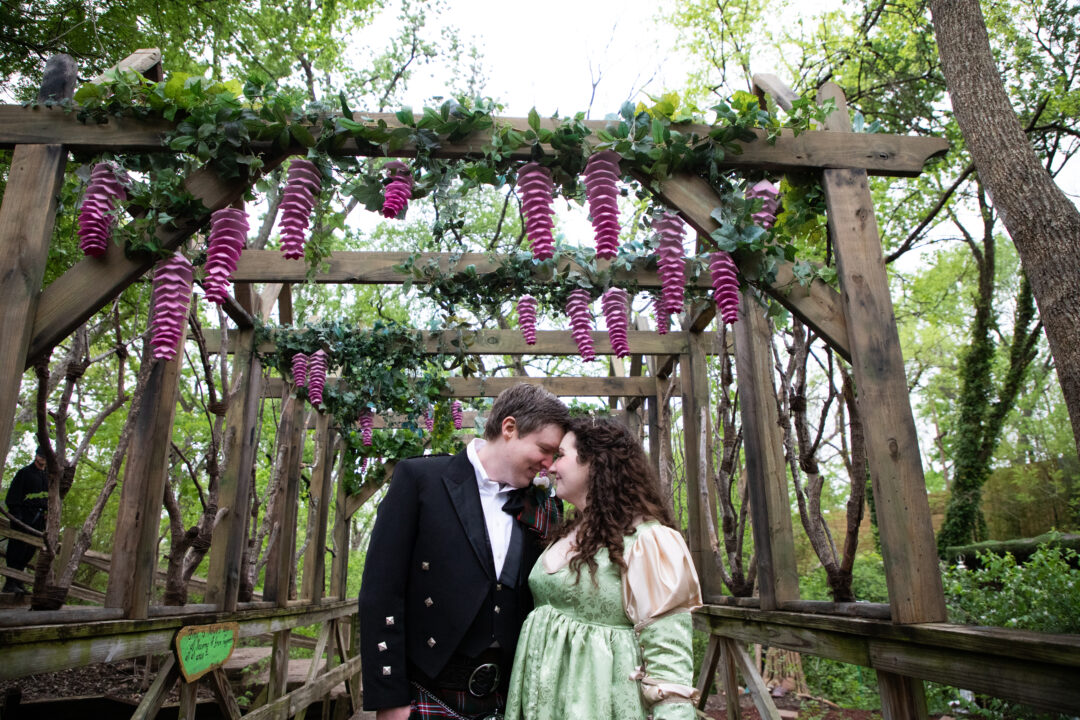
Jen Sulak further illustrates this point, noting that the advocate for one of her couples had a specific word designed to elicit a positive, spontaneous reaction from the bride. "Anytime we felt there was a moment we needed it, the cousin would say the word, and the bride would roar with laughter!" Jen recounts. This simple, pre-established cue served not only as a momentary release of tension but also as a signal to the support system that a gentle, positive intervention was beneficial.
Pennsylvania wedding planner Merida Alexander employs a similar, yet more direct, tactic to help her clients gracefully exit overwhelming social interactions. She advises couples to establish a safe word or hand signal with her. "If one of my people walks up and says it, I find a reason for them to be excused from any conversation they’re in, and immediately exit the room," Merida details. This swift, no-questions-asked extraction mechanism is invaluable. It provides the couple with an "escape hatch," allowing them to signal distress or the need for a break without having to explain themselves or disrupt the flow of the event overtly. This method validates their sensory and emotional experiences, ensuring that their comfort is paramount and their boundaries are respected instantly.
Redesigning the Guest Experience: Shifting the Spotlight
While many couples relish being the undisputed center of attention on their wedding day, for some autistic individuals, this sustained spotlight can be profoundly overwhelming. The constant gaze, the expectation of reciprocal engagement, and the pressure to perform can be sources of significant anxiety and sensory overload. Thoughtful wedding planners are increasingly devising strategies to subtly shift the focus, creating an enjoyable atmosphere for all while safeguarding the couple’s comfort.
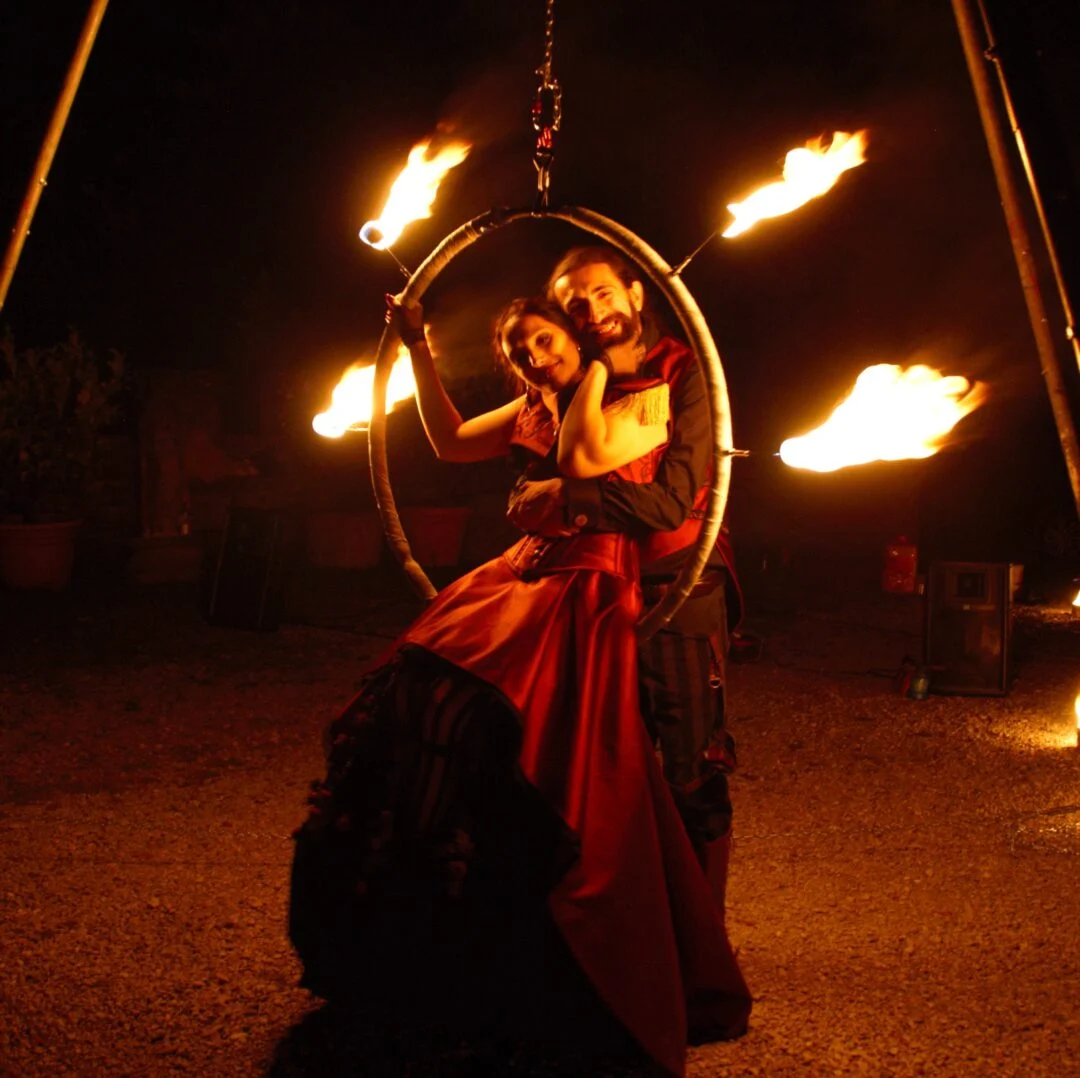
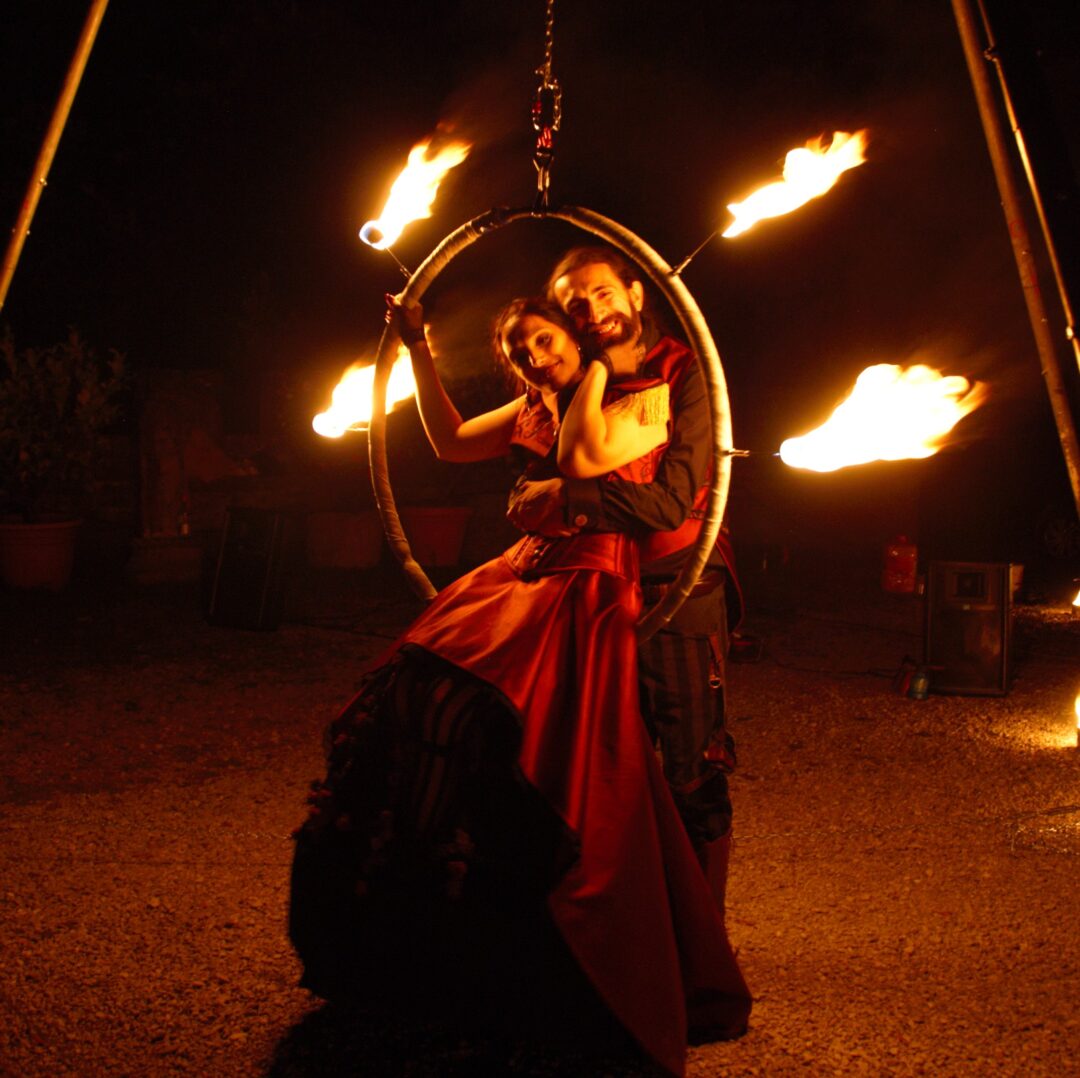
Costanza, from Magical Vows Wedding Planners and Emotion Designers in Italy, exemplifies this innovative approach. She describes a wedding where a traditional dancing party, often a high-stimulation environment, was reimagined. "In the evening, instead of having a traditional dancing party, I got a fire-dancing team to create a spectacle!" Costanza explains. This creative solution offered multiple benefits: it captivated guests, providing compelling entertainment that naturally drew attention away from the couple. Simultaneously, the inherent low lighting of a fire-dancing performance helped keep overstimulation at bay for the bride. The couple could relax and enjoy the spectacle alongside their guests, participating in the celebration without the intense, direct pressure of being the sole focus of observation and interaction. This strategy demonstrates how entertainment can be leveraged not just for enjoyment, but also as a crucial tool for sensory management and emotional regulation. Other similar strategies could include interactive food stations, live artists creating pieces, or curated quiet zones with engaging, low-sensory activities.
Crafting Sensory-Friendly Environments and Moments
Beyond shifting the spotlight, creating intentionally sensory-friendly environments and carving out quiet moments are critical components of an inclusive wedding design. These elements acknowledge that sensory needs vary widely and that providing options is key to ensuring comfort for both the couple and neurodivergent guests.
Jen Sulak describes a wedding where her autistic bride "created a quiet area for neurodivergent guests or guests with sensory needs to spend time in if the main room got too overwhelming." This dedicated space, thoughtfully equipped for comfort and calm, offers a vital refuge. It allows individuals to decompress, regulate their sensory input, and return to the main celebration feeling refreshed, rather than pushed to their limits. Furthermore, this couple "also had crafts available at each table for guests that preferred to have something to do with their hands, and worked with the DJ to keep the music volume slightly lower than is typical." These subtle adjustments—providing tactile engagement and moderating auditory stimulation—collectively contribute to a more inclusive and less overwhelming environment for everyone.
Even traditionally significant moments can be adapted for sensory comfort. The "First Look," for instance, typically a private moment between the couple before the ceremony, takes on heightened importance in an autistic wedding. "Giving the couple a space to just be together without the pressure of a crowd made a huge difference," Jen Sulak emphasizes. This quiet interlude offers a precious opportunity for genuine connection and emotional grounding, allowing the couple to share an intimate moment free from external observation or sensory demands, preparing them mentally and emotionally for the events ahead.
Attire and Personal Comfort: A Non-Negotiable Boundary
The choice of wedding attire represents one of the most consistent and intimate forms of sensory input a person experiences throughout their wedding day. For autistic individuals, certain fabrics, fits, or styles can transform what should be a celebratory outfit into a source of intense discomfort or distress. Therefore, prioritizing sensory comfort in fashion is not merely a preference but a crucial planning boundary.
Sam Waldron of Dutcher Photography in Wisconsin highlights a couple who perfectly integrated personal identity and sensory needs into their wedding fashion. "Both clients wore outfits that not only aligned with their gender expression (one partner is non-binary, the other is a trans man), but that were also comfortable from a sensory perspective: nobody wore a dress (they were in jumpsuits and suits) and both partners wore comfortable but stylish boots," Sam notes. This demonstrates a deliberate rejection of traditional, often restrictive, wedding attire in favor of clothing that allowed them to move freely, feel comfortable, and express their authentic selves. The implication is clear: if a traditional gown with its intricate lace, stiff corsetry, or restrictive layers, or a stiff tuxedo with tight collars and rigid fabrics, feels like a sensory nightmare, it absolutely should be avoided. Wedding attire should evoke feelings of confidence, celebration, and ease, not irritation or constraint. Exploring alternatives like tailored jumpsuits, comfortable suits, flowing fabrics, or even well-chosen casual wear allows couples to look and feel their best without sensory compromise.
Merida Alexander, the Pennsylvania wedding planner, goes a step further in practical sensory support. She proactively manages her clients’ sensory items throughout the day. "I keep any sensory things my clients don’t need at the moment in my pocket," Merida shares. "Once the reception starts, it usually lands on the client’s chair, or in their quiet space, depending on what they prefer." This attentive foresight ensures that fidget toys, noise-canceling headphones, or comfort objects are readily accessible when needed, providing immediate relief and support.
Vendor Best Practices: Listening, Observing, and Direct Communication
For wedding professionals seeking to genuinely serve their neurodivergent clients, the foundational advice from Costanza at Magical Vows is deceptively simple yet profoundly radical: "You must stop trying to anticipate, and start listening." This principle underscores the critical importance of personalized understanding over generalized assumptions.
Costanza elaborates, "Educate yourself… the best source is always your client, so, LISTEN. Don’t try to anticipate, but listen to their needs and make sure to research properly anything you don’t really understand. Everyone is different, this goes for neurodivergent folk as well." This emphasizes that neurodiversity is a spectrum, and what works for one autistic individual may not work for another. Vendors must approach each client with an open mind, a willingness to learn, and a commitment to tailoring their services precisely to articulated needs. Beyond active listening, Costanza also stresses the importance of astute observation. Even with thorough preparation, moments of overstimulation can occur. A skilled vendor can detect early signs of distress and gently guide clients to pre-arranged quiet spaces, demonstrating proactive support and adaptability. This requires a nuanced understanding of non-verbal cues and a responsive approach to the unfolding event.
The way vendors communicate is equally crucial. Merida Alexander points out that directness is often the kindest and most effective approach for autistic clients. This means eschewing vague language, metaphors, or implied meanings, and instead asking specific, unambiguous questions about preferred communication styles and needs. "I usually will test out some turns of phrase to see how literal someone will be; again, it’s not one-size-fits-all," Merida explains. "The last thing I want is someone to either be confused, or think I’m talking down to them by being too literal." This thoughtful calibration ensures that information is conveyed clearly and respectfully, fostering trust and preventing misunderstandings that can arise from communication differences. For many autistic individuals, the wedding planning process marks the first time they encounter professionals who genuinely accommodate their unique ways of processing information. Finding such a vendor can transform what might otherwise be a confusing and stressful endeavor into a joyful and empowering journey.
Beyond the "Show": Embracing Authentic Joy
Ultimately, the wedding day belongs unequivocally to the couple. It is not a stage for demonstrating proficiency in navigating a neurotypical world or adhering to societal expectations. By consciously setting clear boundaries, employing discrete communication tools like secret signals, and surrounding themselves with a dedicated, advocate-led support system, autistic couples can cultivate an environment where they can be truly present and authentic.
When the mental and emotional burden of masking—the effort to suppress natural autistic traits to conform to neurotypical norms—is lifted, and concerns about eye contact or uncomfortable attire are alleviated, a profound shift occurs. Couples gain the vital emotional and sensory space to genuinely experience the profound joy and significance of marrying their beloved. Leaning into tools and strategies that honor their unique neurological wiring is not merely accommodating; it is an act of self-celebration. A wedding that is meticulously designed to respect and nurture an autistic couple’s needs is, in its most authentic form, the most beautiful and resonant way to embark on a neurospicy married life together. This evolving approach to wedding planning not only enriches the lives of neurodivergent couples but also champions a broader, more inclusive vision for the entire industry, proving that true celebration flourishes when authenticity and comfort are paramount.