
In a significant stride towards fostering universal inclusivity within the celebratory sphere, California wedding planner Kaitlin Howell of Conjured Events, a respected member of the Offbeat Wed community, is spearheading an innovative approach to wedding planning that prioritates neurodivergent accessibility. This initiative, highlighted during World Autism Month, transcends traditional event coordination, advocating for a planning methodology that is inherently flexible, deeply empathetic, and meticulously structured to cater to diverse cognitive and sensory needs. Howell’s work is not merely about making accommodations but about redefining the foundational principles of event design, ensuring that the most significant day in a couple’s life is a source of joy and comfort, not stress and sensory overload.
The Evolving Landscape of Event Accessibility: Beyond Physical Barriers
The concept of accessibility in public and private spaces has seen a profound evolution over the past decades. Initially focused predominantly on physical accessibility—such as ramps, elevators, and wide doorways for individuals with mobility impairments—the conversation has expanded significantly to encompass cognitive, sensory, and communication accessibility. This shift acknowledges that disabilities and diverse needs extend far beyond what is visibly apparent, impacting how individuals perceive, process, and interact with their environment. Neurodiversity, an umbrella term that encompasses conditions like autism spectrum disorder (ASD), ADHD, dyslexia, and Tourette’s syndrome, represents a natural variation in the human brain regarding sociability, learning, attention, mood, and other mental functions. According to the World Health Organization, an estimated 15-20% of the global population is neurodivergent, underscoring the vast segment of society for whom conventional environments can pose significant challenges.
Within the high-stakes, often chaotic world of event planning, particularly weddings, the traditional model frequently overlooks these nuanced needs. Weddings are inherently high-stimulation events: crowded spaces, loud music, flashing lights, complex social interactions, and unpredictable schedules are commonplace. For neurotypical individuals, these elements might be exciting; for neurodivergent individuals, they can trigger sensory overload, anxiety, and profound discomfort, potentially detracting from the joyous occasion. The absence of specific considerations for communication styles, sensory sensitivities, and the need for predictable structures has historically left many neurodivergent couples, their families, and even vendors feeling overwhelmed and marginalized. Howell’s proactive approach directly addresses this gap, positioning her work at the forefront of a movement advocating for truly universal design in celebrations.
From Day Programs to Dream Weddings: A Foundational Philosophy
Kaitlin Howell’s unique perspective is deeply rooted in her extensive professional background prior to entering the wedding industry. For over four years, she dedicated her expertise to a day program serving adults with developmental disabilities. This experience provided her with invaluable insights into the diverse ways individuals process information, interact with their environment, and express their needs. Beyond facilitating art and wellness programs, Howell was responsible for planning events for the program attendees. This role was instrumental in cultivating a profound understanding of the importance of individualized support, clear communication, and adaptable structures – lessons that she has seamlessly translated into her current profession.
Howell observes that in the wedding industry, clients do not always explicitly disclose a neurodevelopmental diagnosis. However, through her work, she has encountered numerous couples, staff, and vendors who identify as being on the spectrum. These lived experiences, coupled with her professional foundation, have meticulously shaped her approach to wedding and event planning. Her methodology is not theoretical; it is a practical application of empathy and specialized knowledge, aiming to create environments where everyone feels understood, supported, and celebrated. This transition from a therapeutic-educational setting to a celebratory one underscores a powerful message: the principles of compassionate, individualized care are universally applicable and profoundly beneficial, especially in contexts that are traditionally rigid or high-stress.
Deconstructing the "Playbook": Tailored Approaches for Unique Minds
A cornerstone of Howell’s philosophy is the radical notion that "there is no playbook" for neurodivergent wedding accessibility. This statement, seemingly paradoxical, emphasizes the profound individuality within the neurodivergent community. There is no single set of rules or accommodations that will universally apply because each person’s experiences, sensitivities, and communication preferences are unique. Instead, accessibility, in Howell’s practice, begins with an open, non-judgmental dialogue at the very outset of the planning process.
This initial conversation is crucial for outlining clear expectations and, most importantly, for identifying the couple’s specific communication needs. Howell consciously avoids making assumptions about how someone processes information. Rather than expecting clients to conform to a pre-established planning mold, she actively asks a comprehensive set of questions designed to elicit a deep understanding of their cognitive styles. These questions might delve into:
- How do you best absorb information? (e.g., visual, auditory, written, hands-on)
- What communication methods do you prefer? (e.g., email, text, video calls, in-person meetings, structured agendas)
- Are there any particular sensory triggers you are aware of? (e.g., loud noises, bright lights, specific textures, strong smells)
- How do you typically manage stress or feeling overwhelmed?
- What aspects of planning feel most daunting to you?
- Do you have any specific routines or preferences that help you feel comfortable and organized?
Based on the insights gathered from these discussions, Howell customizes every aspect of the planning process. This might involve adapting her standard templates by removing extraneous information, pre-filling sections to reduce cognitive load, employing color-coding for clarity, adjusting fonts and formatting for readability, incorporating images for visual learners, or even switching to different digital applications that better suit the couple’s preferences. The goal is a highly personalized system, meticulously built to support how each specific couple thinks and processes information, ensuring that the planning journey itself is as comfortable and stress-free as the wedding day. This bespoke approach reflects a deep respect for individual differences and a commitment to genuine inclusion.
Precision and Clarity: The Cornerstone of Neurodivergent-Friendly Planning
Ambiguity and uncertainty are often significant sources of anxiety for neurodivergent individuals, who may thrive on predictability and explicit instructions. Howell’s experience reinforces this, particularly through feedback from a current autistic couple. They shared that interactions with other vendors often left them feeling confused—unsure about what services were included, the meaning of certain industry terms, or what to expect in subsequent steps. This lack of clarity can lead to increased stress, misinterpretations, and a feeling of being constantly on edge.
In stark contrast, this couple found Howell’s planning process to be remarkably clear and reassuring. This effectiveness stems from her commitment to specificity and structure. Everything is meticulously broken down into digestible, logical steps, leaving minimal room for ambiguity. For wedding professionals across the industry, while each may have their unique way of presenting services, Howell’s observations strongly suggest that individuals on the spectrum, and indeed many others, profoundly appreciate step-by-step clarity.
This translates into practical applications such as:
- Explicit Contracts and Service Descriptions: Clearly detailing what is included, what is an add-on, and what specific terms mean, avoiding jargon.
- Detailed Timelines and Checklists: Providing a granular view of the planning journey, outlining each task, its deadline, and who is responsible.
- Structured Meetings: Utilizing agendas, sending pre-meeting notes, and providing post-meeting summaries with action items.
- Visual Aids: Employing diagrams, mood boards, and flowcharts to illustrate complex ideas or event layouts.
- Predictable Communication Channels: Sticking to agreed-upon methods and response times, minimizing unexpected calls or spontaneous requests.
By adopting such clear and structured communication, Howell not only caters to neurodivergent needs but also inadvertently enhances the experience for all clients, reducing stress and fostering trust. This universal benefit underscores the power of inclusive design—what works well for a specific group often improves usability and experience for everyone.
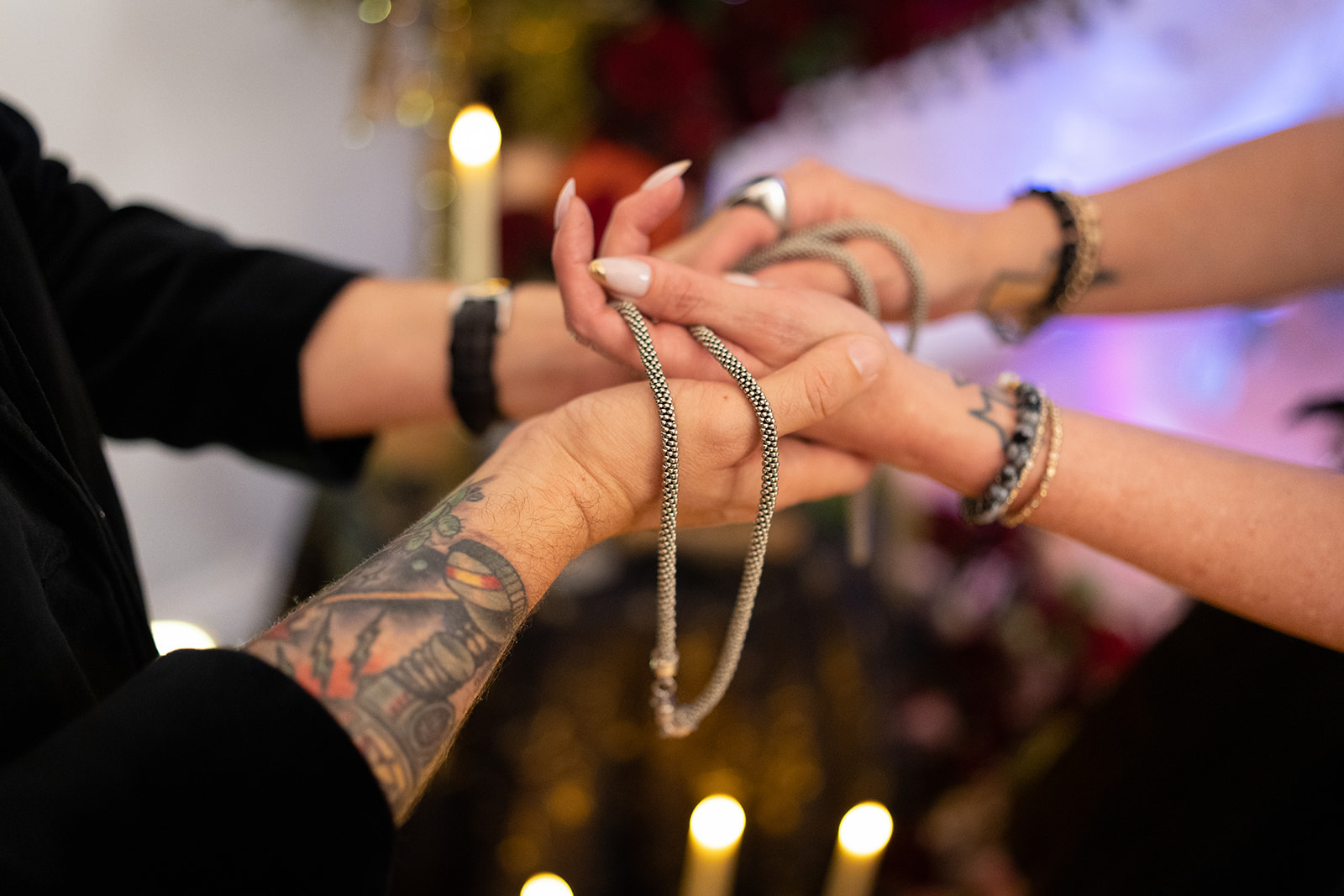
Addressing Sensory Sensitivities: "Banishing the Evil Silverware" and Beyond
One of the most vivid examples of Howell’s practical accommodations highlights the often-overlooked aspect of sensory sensitivities, which can be a significant challenge for many neurodivergent individuals. Her evocative phrase "banishing the evil silverware" refers to an instance where a specific type of silverware triggered discomfort for a client due to its texture, weight, or sound. This seemingly minor detail can, for someone with sensory processing differences, escalate into a major source of distress, detracting from the entire dining experience.
This example serves as a powerful metaphor for the myriad sensory inputs that can be overwhelming at a wedding. Howell’s approach extends to anticipating and mitigating these potential triggers:
- Lighting: Adjusting ambient lighting to avoid harsh glares or flickering, incorporating dimmer switches, and being mindful of flashing lights during dancing.
- Sound: Managing music volume, providing noise-canceling headphones for guests who might need them, designating quiet areas away from speakers, and communicating microphone usage in advance.
- Textures: Being mindful of fabrics for linens, attire, or even seating, and offering alternatives if certain textures are problematic.
- Scents: Avoiding strong perfumes or heavily scented candles, especially in dining areas, as certain smells can cause discomfort or nausea.
- Food Sensitivities: Going beyond common allergies to understand specific texture or taste aversions, and ensuring a diverse menu with clear labeling.
- Crowd Management: Strategically planning guest flow, creating clear pathways, and identifying less crowded areas for those who need to avoid intense social density.
These accommodations move beyond basic event logistics, delving into the nuanced experience of being present in a celebratory space. By considering these details, Howell creates an environment where physical and emotional comfort is paramount, allowing everyone to fully engage in the joy of the occasion without being overwhelmed by their surroundings. This proactive sensory management represents a sophisticated understanding of inclusive event design.
Prioritizing Well-being: The Power of the "Step Away"
The concept of "normalizing the Step Away" is arguably Howell’s number one priority, extending its benefits not just to the couple but also to her staff and vendors. Weddings, by their very nature, are high-energy, long-duration events that can be incredibly stimulating and, at times, overwhelming. For neurodivergent individuals, continuous exposure to such stimuli can lead to sensory overload and exhaustion.
Howell addresses this by meticulously scheduling quiet moments in designated safe places. These spaces are carefully chosen to be calm, low-stimulation environments where individuals can retreat, regulate their senses, and recharge. She emphasizes the importance of proactively identifying high-stimulating moments within the event timeline—such as the ceremony, cocktail hour, grand entrances, or lively dance sets—and building in buffer times between these major transitions.
Practical strategies include:
- Designated Quiet Rooms: A private, comfortable space with soft lighting, comfortable seating, and perhaps some calming elements, accessible to the couple and anyone else needing a break.
- Scheduled Breaks: Explicitly adding short intervals into the timeline for the couple to step away, perhaps after the ceremony, before photographs, or during cocktail hour, for a moment of quiet and a snack.
- Proactive Check-ins: Howell and her team regularly check in with the couple and key individuals to gauge their comfort levels and offer the option of a break before they become overwhelmed.
- Availability of Comfort Items: Ensuring easy access to preferred snacks, drinks, or any personal comfort items that might aid in regulation.
By normalizing the "Step Away," Howell transforms what might otherwise be perceived as an inconvenience into an expected and essential part of a well-managed event. This approach fosters a culture of self-care and emotional regulation, acknowledging that everyone, regardless of their neurotype, benefits from moments of respite in intense environments. It demonstrates a deep understanding that true celebration can only occur when all participants feel safe, comfortable, and respected.
Broader Implications: Universal Design for the Wedding Industry
Howell articulates a powerful and universally applicable principle: "Why would these ideas just be for folks on the spectrum?" Her core argument is that because many individuals are either undiagnosed or do not feel the need to disclose a diagnosis, it is imperative for the event industry to approach every event with a foundational level of flexibility, autonomy, and accessibility built in from the start. This proactive stance moves beyond reactive accommodation (only making adjustments upon request) towards a model of universal design, where events are thoughtfully planned to be inclusive for the widest possible range of human abilities and needs from the outset.
The implications of this philosophy for the broader wedding and event industry are significant:
- Enhanced Client Experience for All: While directly benefiting neurodivergent individuals, clear communication, structured planning, sensory considerations, and designated quiet spaces reduce stress and enhance comfort for all clients and guests, including children, elderly attendees, or those with social anxieties.
- Market Differentiation and Competitive Advantage: Planners who adopt these inclusive practices can differentiate themselves in a competitive market, appealing to a growing segment of clients who prioritize accessibility and empathetic service. This can lead to increased bookings and positive word-of-mouth referrals.
- Ethical Imperative: As societal awareness of neurodiversity and accessibility grows, event planners have an ethical responsibility to ensure their services are inclusive and equitable. Adopting these practices aligns with broader movements towards social justice and inclusivity.
- Professional Development and Industry Standards: Howell’s work sets a new benchmark for professional excellence. It encourages other planners to invest in training, education, and the development of their own inclusive methodologies, potentially leading to industry-wide shifts in best practices.
- Positive Brand Image: Companies like Conjured Events that champion accessibility cultivate a reputation for thoughtfulness, compassion, and innovation, enhancing their brand image and appeal.
In essence, Howell’s "neurodivergent wedding accessibility playbook" is not a niche guide but a blueprint for universal event design. It posits that all nearlyweds deserve mindful attention to how they process information and robust support for finding quiet and safety during what is inevitably an exciting, yet potentially overwhelming, day. This redefines what constitutes a truly successful and memorable wedding: one where every individual feels genuinely at ease, celebrated, and able to fully participate in the joy.
The Future of Inclusive Events: A Call to Action
The pioneering efforts of wedding planners like Kaitlin Howell represent a crucial turning point for the event industry. Her dedication to understanding and integrating the diverse needs of neurodivergent individuals into the core of her planning process is not just commendable; it is transformative. By sharing her valuable lessons, Howell is not only empowering her clients but also providing a powerful framework for her peers.
As the understanding of neurodiversity continues to grow, so too will the demand for events that are thoughtfully designed to be inclusive of everyone. The future of event planning will undoubtedly see a greater emphasis on personalized experiences, sensory considerations, flexible structures, and empathetic communication. Howell’s work with Conjured Events and her contributions to the Offbeat Wed community serve as an inspiring example of how genuine inclusion can elevate the entire experience of celebration, making dream weddings truly accessible and joyful for all. Her approach underscores a fundamental truth: by designing for the most diverse needs, we ultimately create richer, more meaningful experiences for humanity as a whole.