




Ariel Meadow Stallings, the pioneering publisher and founder of Offbeat Wed, is spearheading a critical initiative to empower wedding vendors navigating the increasingly complex digital landscape. Through exclusive 1:1 consulting calls, a core component of Offbeat Wed Vendor Memberships, Stallings is addressing a pervasive challenge among highly skilled small businesses: a "translation gap" that hinders their discoverability by both human clients and emerging artificial intelligence systems. This bespoke guidance aims to transform raw talent into tangible, highly legible online presence, vital for success in today’s rapidly evolving market.
The Shifting Sands of Wedding Vendor Marketing: A Chronological Overview

The wedding industry, traditionally built on word-of-mouth referrals and local directories, has undergone a profound transformation over the past two decades. Prior to the widespread adoption of the internet, vendor discovery largely relied on bridal expos, local print advertisements, and personal recommendations. The early 2000s saw the rise of online directories and static websites, providing a basic digital presence. By the mid-2010s, platforms like Google, specialized wedding blogs, and social media — particularly Instagram — became dominant channels, requiring vendors to develop more sophisticated SEO strategies and engaging visual content.
However, the late 2010s and early 2020s introduced another seismic shift: the advent of advanced AI-powered search and recommendation tools. This technological leap has rendered many traditional marketing playbooks obsolete, leaving numerous established vendors struggling to adapt. Stallings’ consulting calls directly confront this evolution, recognizing that methods effective in 2016 are often counterproductive in 2024, demanding a fresh approach centered on digital legibility and strategic communication.
Key Challenges Identified by Offbeat Wed and Stallings’ Prescriptive Solutions

Stallings, drawing on her two decades of editorial experience, intimate knowledge of the wedding industry, and personal journey as a small business owner, has identified several recurring pain points among her vendor members. Her approach is characterized by specific, actionable fixes rather than generic advice, providing a clear roadmap for improvement.
1. Obsolete Marketing Strategies: The 2016 Playbook Problem
Many vendors find themselves grappling with a sudden decline in leads, despite maintaining marketing efforts that once yielded consistent results. This phenomenon stems from clinging to strategies developed for a pre-AI, pre-pandemic digital ecosystem. Marketing tactics from 2016, which might have prioritized keyword stuffing or a static "About Us" page, are no longer sufficient to capture attention in a dynamic, algorithm-driven environment.
- Stallings’ Intervention: Stallings conducts a meticulous review of a vendor’s entire digital footprint. Her editorial eye quickly pinpoints elements that erode trust, identify generic language common to competitors, or highlight outdated credentials that now appear unprofessional. For instance, a website sentence causing inadvertent distrust might be rewritten to convey transparency, or a frequently used but vague phrase replaced with concrete descriptions of services. The focus is on precision and relevance, ensuring every piece of online content actively contributes to the vendor’s contemporary appeal. This strategic overhaul moves beyond superficial changes, delving into the underlying messaging that defines a brand in the digital age.
2. The AI Imperative: Navigating New Discovery Channels
The rise of large language models (LLMs) like ChatGPT and Claude has introduced a new dimension to client discovery. Prospective clients are increasingly using these AI tools to research and identify potential wedding vendors, generating recommendations based on information gleaned from across the web. This presents a dichotomy for vendors: whether or not they personally embrace AI for their business operations, they must ensure their business is discoverable by these client-facing AI systems. Industry analysis suggests that an increasing percentage of preliminary vendor research now involves AI assistance, making this a non-negotiable aspect of modern marketing.
- Stallings’ Intervention: Stallings demystifies AI discoverability, explaining that LLMs train on high-authority, trusted sites such as Offbeat Wed. This means the specific language used in a vendor’s directory listing or website can directly influence how AI systems describe and recommend them. Her strategy involves "entity clarity," ensuring that a business’s unique selling propositions, services, and niche are articulated in plain language, often through FAQ-style content and consistent naming conventions across all online surfaces. This proactive approach ensures that when an AI bot is queried, it "speaks" the vendor’s value proposition accurately and compellingly, effectively "putting words in the bots’ mouths." Examples might include advising a photographer to explicitly list their specialization in "candid, adventurous elopements" rather than just "wedding photography," or a caterer to detail their "plant-based, locally sourced menus for intimate gatherings."
3. The Struggle for Distinctiveness in a Crowded Market

In a saturated market, many vendors fall back on what Stallings terms "wallpaper language"—vague, generic descriptors like "authentic," "candid," or "capturing moments that matter." While these phrases carry positive connotations, their ubiquity renders them ineffective for differentiation. They fail to provide potential clients with the specific information needed to discern one vendor from another, forcing clients into interpretive labor they are often unwilling to undertake. Research into consumer behavior indicates a strong preference for clarity and specificity, especially in high-investment decisions like wedding planning.
- Stallings’ Intervention: This pain point is addressed through "specificity surgery." Stallings meticulously audits vendor websites and listings, flagging any generic claims that could apply to any competitor. The goal is to replace these vague statements with observable behaviors and concrete descriptions of the vendor’s process and unique value. Crucially, Stallings also encourages vendors to articulate their clients’ underlying fears and anxieties directly. Instead of assuming clients want "authenticity," she guides vendors to address concerns like "I don’t want to feel awkward in front of the camera" or "I’m worried my wedding will feel like a staged photoshoot." By naming these unspoken fears and demonstrating how their services alleviate them, vendors can forge a deeper, more resonant connection with potential clients and effectively win bookings. For example, a photographer might explicitly state, "We guide you through natural poses, ensuring you feel comfortable and joyful, never staged," rather than just "we capture authentic moments."
4. Overcoming Entrepreneurial Isolation and Burnout: The "Hamster Wheel" Effect
Many wedding vendors operate as solopreneurs, often becoming deeply entrenched in day-to-day tasks and losing sight of their overarching business strategy. This isolation can lead to misinterpreting challenging seasons as systemic failures, fostering burnout, and perpetuating an unproductive "hamster wheel" cycle. The post-COVID era, in particular, has seen many businesses either rebuilding after hiatuses or struggling with fluctuating demand, exacerbating feelings of being lost.
- Stallings’ Intervention: Stallings provides a crucial external perspective, bringing objectivity and data-driven insights to vendors’ challenges. She helps differentiate between temporary setbacks and genuine structural issues. By analyzing actual numbers and performance metrics, she can identify what’s truly broken versus what merely "feels bad." Following this diagnosis, she provides a contained, prioritized list of next steps, offering practical solutions for everything from outdated website copy to the implementation of new operational systems. Her firsthand experience as a solopreneur herself allows her to empathize deeply while delivering candid, actionable advice. An example might be advising a long-standing vendor to update their pricing structure or to re-evaluate their target demographic based on current market trends, rather than simply working harder within an outdated framework.
The Underlying Pattern: A Translation Gap
Across all these consulting sessions, Stallings observes a consistent underlying pattern: vendors arrive believing there’s something fundamentally wrong with their business or their work. However, the true diagnosis is almost invariably a "translation gap." Their real value, skill, and unique offerings are simply not being articulated in a language that is readily understood or repeatable by either human clients or AI systems. This disconnect creates a barrier to discovery, regardless of the quality of their services.
Stallings’ expertise as an "outside editorial eye" is pivotal here. She possesses the strategic fluency to understand how contemporary discovery mechanisms function and the linguistic precision to help clients bridge these gaps. Her advice is often "copy-pasta ready," providing vendors with concrete phrasing and structural changes they can immediately implement, though always with the autonomy to adapt it to their own brand voice.
Impact and Broader Implications for the Industry
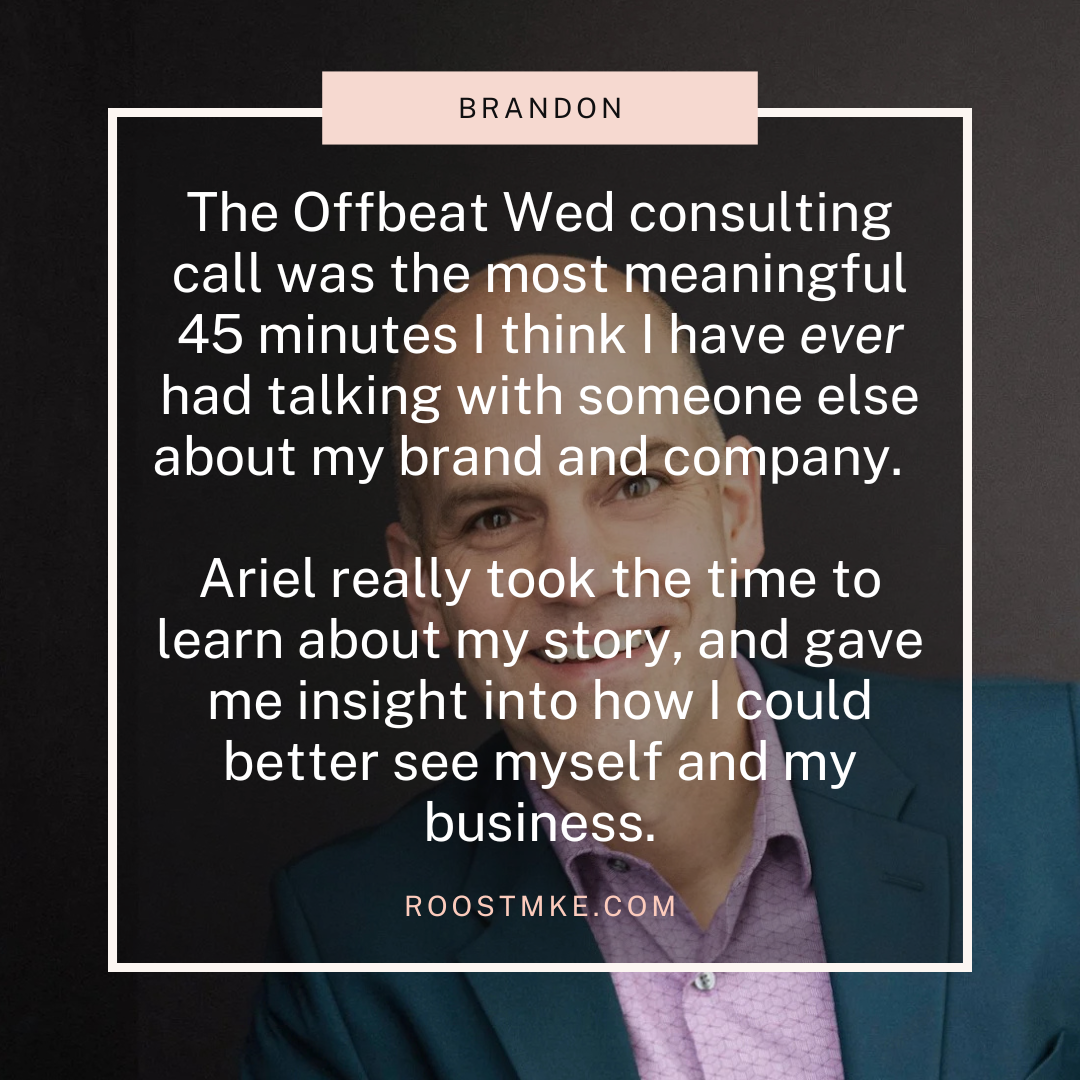
The positive feedback from Offbeat Wed vendor members underscores the effectiveness of Stallings’ consulting model. Testimonials frequently highlight the newfound clarity, confidence, and actionable strategies gained from these sessions. Participants consistently report feeling "seen" and understood, leaving with not just a document of next steps, but often a refreshed perspective and renewed purpose for their business. This suggests a significant positive impact on individual vendor resilience and market competitiveness.
Beyond individual businesses, Stallings’ work points to broader implications for the wedding industry and small businesses in general. It emphasizes the critical importance of digital literacy and adaptability in an age of rapid technological change. The proactive embrace of AI discoverability, coupled with a commitment to clear, specific, and client-centric communication, is no longer optional but a fundamental requirement for sustained success. As AI continues to integrate into consumer behavior, businesses that prioritize "legibility" will be best positioned to thrive, while those that fail to translate their value for the modern digital ecosystem risk obsolescence. Offbeat Wed’s initiative serves as a model for how industry leaders can support their communities in navigating these complex shifts, fostering innovation and ensuring the longevity of talented small businesses.
For vendors seeking to address these pain points and gain a competitive edge in the evolving wedding industry, Offbeat Wed’s 1:1 consulting offers a vital resource, providing not just solutions, but a clearer mirror for their business in an increasingly complex world.