



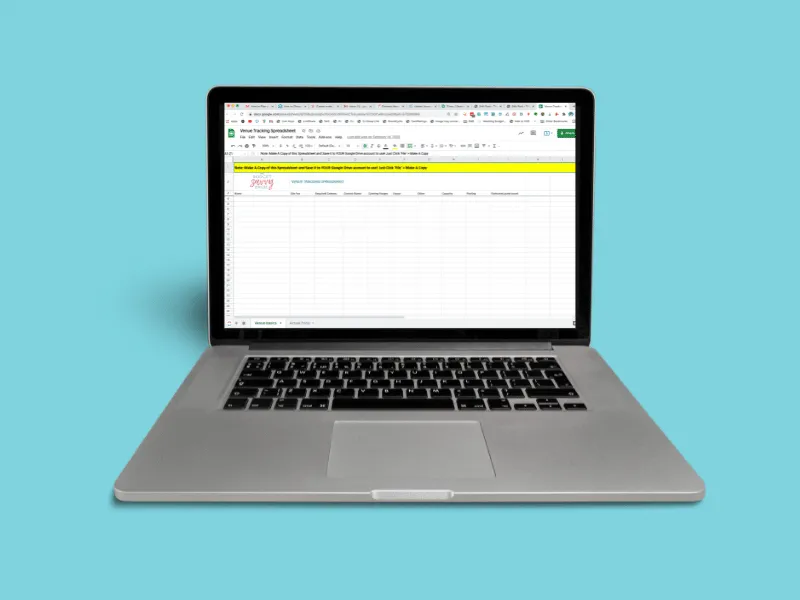
The labyrinthine process of selecting a wedding venue, often romanticized as a joyous quest, frequently devolves into a bewildering series of tours, half-remembered conversations, and a growing stack of disparate quotes. Couples often find themselves adrift in a sea of options, struggling to differentiate between venues, recall specific inclusions like corkage fees, or discern if the aesthetically pleasing choice aligns with their budgetary constraints. This pervasive challenge underscores the critical need for a structured approach, with a comprehensive wedding venue spreadsheet emerging as an indispensable tool. Such a digital ledger transforms nebulous impressions into quantifiable data, enabling a side-by-side comparison that underpins clear, confident decision-making.
The selection of a wedding venue is almost universally acknowledged as the single most significant financial commitment within a wedding budget, demanding meticulous scrutiny beyond mere mental tallies. Industry analyses consistently place venue and catering costs combined at approximately 40 to 50 percent of the total wedding expenditure. This substantial allocation positions the venue decision as a foundational element that irrevocably shapes every subsequent planning choice, from the wedding date and guest capacity to the overall aesthetic and the remaining funds available for critical elements like floral arrangements, photography, and the honeymoon. Consequently, a methodical approach to venue comparison, facilitated by a dedicated spreadsheet, allows couples to visualize genuine trade-offs, moving beyond the ephemeral glow of a Monday tour to a fact-based assessment that includes every potential cost.
The Evolving Landscape of Wedding Planning and Budgetary Pressures
Modern wedding planning has evolved significantly, moving beyond traditional church and reception hall models to embrace a diverse array of unique and personalized venues, from historic estates and urban lofts to rustic barns and botanical gardens. While this expansion offers unparalleled customization, it simultaneously introduces layers of complexity regarding pricing structures, vendor policies, and logistical requirements. The average cost of a wedding in the United States, for instance, has fluctuated but generally hovers around the $30,000 mark, with significant regional variations. In major metropolitan areas, this figure can easily exceed $50,000 or even $80,000. Given these escalating costs, the potential for budget overruns—often driven by unforeseen venue-related expenses—is a significant concern for many couples. A 2022 study by The Knot indicated that approximately 45% of couples went over their initial wedding budget, with unexpected costs being a primary contributor. This trend highlights the increasing imperative for robust financial planning tools that provide transparency and control throughout the planning journey.
The Centrality of Venue Selection in Budgetary Frameworks
As the primary cost driver, the venue dictates more than just the location; it sets the tone, scale, and practical limitations of the entire event. A venue’s capacity directly influences the guest list, which in turn impacts catering costs, stationery, favors, and even the size of the cake. Its aesthetic defines the decor and floral needs, while its operational policies can determine the choice of external vendors, the timeline for setup and breakdown, and even the type of entertainment permissible. Choosing a venue within budget is therefore not merely a cost-saving measure but a strategic decision that underpins the feasibility and financial health of the entire wedding project. A spreadsheet, by offering a direct, comparative view of each option’s full financial impact, empowers couples to make this pivotal decision with confidence, mitigating the risk of future financial strain.
A Strategic Approach: The Indispensable Venue Comparison Spreadsheet
The fundamental principle behind a wedding venue comparison spreadsheet is to standardize data collection, ensuring an "apples-to-apples" evaluation across all prospective options. This tool typically structures information with each venue occupying a dedicated row, and various critical data points organized into columns. This systematic arrangement facilitates a clear, objective analysis, moving beyond subjective impressions to concrete facts and figures.
Key Data Points for Comprehensive Venue Evaluation
To achieve true comparability, specific categories of information must be consistently captured for every potential venue. These can be broadly divided into logistical parameters and detailed financial metrics.
-
Initial Logistical Parameters: These foundational details help in the initial screening process, determining which venues warrant a personal visit.

- Venue Name and Location: Essential for identification and geographical assessment.
- Capacity: Crucial for aligning with the anticipated guest count.
- Available Dates: Specific dates (e.g., Saturday, peak season) for which the quote applies, as pricing varies significantly.
- Overall Vibe/Aesthetic: A subjective but important note on whether the venue aligns with the couple’s desired theme (e.g., rustic, elegant, modern).
- Key Inclusions: Initial understanding of what the base package typically covers (e.g., tables, chairs, basic linens).
- Contact Information: For follow-up inquiries.
- Website/Brochure Link: Quick reference to visual and detailed information.
-
Unpacking the Financial Layer: Beyond the Sticker Price: This section is where the spreadsheet truly demonstrates its value, dissecting the true cost of each venue. The initial rental fee is rarely the final figure; a multitude of additional charges frequently inflate the overall expense.
- Base Rental Fee: The core cost for securing the venue space for the event duration.
- Per-Person Food Cost: If catering is in-house or mandated, this is a significant component.
- Per-Person Drink Cost: Similar to food, whether it’s an open bar package or consumption-based.
- Service Charge/Gratuity: Often a non-negotiable percentage (e.g., 18-25%) applied to food and beverage, which is separate from taxes.
- Sales Tax: Applied to rental fees, food, and beverages, as per local regulations.
- Security Deposit: A refundable sum required to secure the booking.
- Overtime Fees: Charges incurred if the event extends beyond the agreed-upon timeframe.
- Corkage Fee: A charge for bringing in external alcoholic beverages.
- Cake Cutting Fee: A charge for staff to cut and serve the wedding cake.
- Setup/Teardown Fees: Costs associated with preparing and dismantling the event space.
- Mandatory Equipment Rental: Specific items (e.g., specialized lighting, sound systems) that must be rented through the venue or a preferred vendor.
- Insurance Requirement: Whether the venue requires event liability insurance and its approximate cost.
- Bridal Suite/Getting Ready Room Fee: Sometimes an additional charge.
- Parking Fees: For guests or vendors.
A critical nuance in comparing costs is ensuring that all quotes correspond to the same type of date—for instance, a Saturday in peak season versus a Friday or Sunday during off-peak periods. Venue rates can vary dramatically based on the day of the week, month, and time of year, making direct comparisons misleading if this factor is not standardized.
Crucial Inquiries for Venue Stakeholders
Successful venue evaluation hinges on asking the right questions during tours and consultations. Walking into a venue with a pre-prepared checklist ensures that all necessary data points for the spreadsheet are gathered efficiently, preventing blanks and reliance on guesswork. This proactive approach forms the backbone of a robust comparison.
-
Operational and Contractual Clarifications:
- "Is our desired date available, and what is the specific pricing for that date?"
- "What exactly is included in the base rental fee? (e.g., tables, chairs, linens, basic decor, sound system)."
- "What is the payment schedule, and are there any early booking incentives or late payment penalties?"
- "What is your cancellation policy, and what happens to the deposit if we cancel?"
- "Do you require event liability insurance, and can you recommend providers?"
-
Vendor and Logistics Protocols:
- "Do you have a preferred vendor list, or are we free to bring in outside caterers, florists, and other vendors?" (Crucial for budget flexibility).
- "What are the setup and breakdown times available to us and our vendors?"
- "What are the parking arrangements for guests and vendors?"
- "Is the venue accessible for guests with disabilities?"
- "Are there any noise restrictions or curfews?"
-
Mitigating Hidden Costs: Direct Questions on Ancillary Charges: This category directly addresses the "surprise costs" that can significantly inflate the final bill. These are often the elements that cause budgets to "quietly blow up," as financial planners frequently observe.
- "Are there mandatory service charges or gratuities applied to food and beverage? If so, what is the percentage?"
- "What are the applicable sales tax rates?"
- "Do you charge a corkage fee if we bring our own alcohol, or a cake cutting fee?"
- "Are there additional fees for specific room setups, cleanup, or security personnel?"
- "Are there any mandatory upgrades or equipment rentals we should be aware of?"
- "What are the charges for extending the event beyond the contracted time?"
By meticulously logging these details into the spreadsheet, couples gain an accurate financial picture. A venue that initially appears affordable, such as a charming barn, might reveal itself to be equally, if not more, expensive than an all-inclusive hotel once every hidden fee, service charge, and mandatory extra is factored in. This clear, written record is paramount to avoiding budget pitfalls.
Expert Perspectives on Prudent Venue Procurement
Financial advisors consistently highlight the perils of emotional decision-making in high-stakes expenditures like wedding venues. "Couples, swept up in the romance, often overlook the practicalities and ancillary costs associated with venues," states Sarah Jenkins, a certified financial planner specializing in personal finance. "A structured approach, using tools like detailed comparison spreadsheets, is not just helpful, it’s critical to avoid post-wedding financial strain or even debt."
Wedding planners echo this sentiment, emphasizing the venue’s foundational role. "The venue isn’t just a backdrop; it’s the anchor for your entire wedding budget and aesthetic," explains industry veteran Mark Thompson. "It dictates so much—from the available dates to the type of catering you can have. Transparency from venues on all potential charges is improving, but it’s not universal. Couples need to be their own advocates and ask pointed questions, recording every answer." Industry analysts further note that the sustained demand for unique and personalized wedding experiences continues to drive up venue costs, making comprehensive cost comparison tools increasingly essential for couples navigating a competitive market.
Leveraging Digital Tools for Streamlined Decision-Making

Modern venue tracking spreadsheets, often built on platforms like Google Sheets, offer an accessible and dynamic solution. These typically feature multiple tabs designed for different stages of the comparison process. A primary "Comparison" tab allows couples to input the initial details and high-level costs for each venue, serving as a quick reference for narrowing down options. A secondary "Cost Calculation" tab then facilitates a more granular breakdown, integrating base rental fees, per-person food and drink charges, service charges, taxes, and all identified mandatory extras and hidden fees. This tab can be configured with formulas to automatically calculate the "all-in" cost for each venue, providing an unequivocal financial bottom line that eliminates surprises upon contract review. The digital format also allows for easy sharing and collaborative editing between partners or with a wedding planner.
Strategic Decision-Making: Interpreting Comparative Data
Once the spreadsheet is populated with comprehensive data, the decision-making process becomes significantly more data-driven. However, interpreting this data requires a blend of quantitative analysis and personal prioritization.
First, couples must explicitly weight what matters most to them. If a breathtaking outdoor setting is the paramount dream, a slightly higher rental fee might be justifiable. Conversely, if providing an exceptional culinary experience for guests is the top priority, couples might opt for a venue that allows greater allocation of funds towards catering, even if it means a less dramatic architectural setting. This involves defining core values and aligning financial choices accordingly.
Second, a crucial metric for comparison is the "all-in cost per guest." Dividing each venue’s calculated total cost by the anticipated guest count provides a standardized financial measure. This often reveals that an option initially perceived as "expensive" might actually offer better value per guest once all catering, services, and fees are comprehensively factored in. This metric helps to normalize diverse pricing structures.
Third, couples should think creatively and explore non-traditional venue options. Restaurants, public parks, community centers, and even private residences can deliver beautiful and memorable events for significantly less cost than conventional wedding venues. Many restaurants, for example, are keen to host wedding receptions, especially on Fridays or Saturdays, as a full buyout guarantees substantial revenue. A significant advantage of non-traditional venues is their often-simpler fee structure, potentially allowing couples to bypass common wedding-specific charges such as corkage, cake cutting, and inflated service fees, redirecting those savings towards high-quality food or other desired elements. This approach requires a willingness to step outside conventional expectations but can yield substantial financial benefits.
Broader Implications for Wedding Budget Management
The adoption of comprehensive planning tools like wedding venue spreadsheets carries significant implications beyond the immediate decision. Financially, it promotes fiscal responsibility, minimizes the likelihood of going into debt for the wedding, and optimizes resource allocation. Logistically, it streamlines the planning process, reducing stress and overwhelm for couples navigating complex vendor negotiations. From a decision-making perspective, it fosters a data-driven approach, transforming an emotionally charged choice into an objective assessment of value and fit. For the broader wedding industry, the increasing demand for transparency and structured planning tools may encourage venues to adopt clearer pricing models and offer more inclusive packages. Ultimately, technology-enabled planning tools empower couples, shifting the dynamic from being overwhelmed consumers to informed decision-makers.
Conclusion: Empowering Couples Through Data-Driven Planning
In conclusion, a meticulously maintained wedding venue spreadsheet is more than just an organizational tool; it is a strategic asset that demystifies the most expensive and complex decision in wedding planning. By tracking standardized details for every option, facilitating the asking of pertinent questions during tours, diligently logging all potential hidden fees, and allowing for a clear side-by-side comparison of "all-in" costs, couples are empowered to make a choice that is not only emotionally resonant but also financially sound and transparent.
This approach embodies intelligent planning, ensuring that the substantial investment in a wedding venue is made with clarity and confidence. As couples move forward in their planning journey, armed with such structured insights, they are better positioned to manage their entire wedding budget effectively. This foundation enables them to allocate resources wisely, prioritizing aspects of their special day that truly matter to them, thereby fostering a celebratory experience that is both beautiful and financially prudent.