Flowers play an indispensable role in shaping the aesthetic and emotional landscape of a wedding day, serving as more than mere decorations; they are critical elements that weave together a cohesive visual narrative, infuse spaces with character, and add a vital splash of natural beauty to photographic memories. From grand, cascading arrangements to subtle, thoughtful accents, the strategic deployment of florals can transform a venue, elevate a theme, and create an unforgettable atmosphere. This comprehensive guide, enriched by insights from leading industry experts such as Kay Seehra, founder of Amarante London—a luxury event and wedding florist renowned for styling prestigious venues including Kew Gardens, Syon Park, and Claridges—aims to demystify the process of wedding floral planning. It provides couples with a structured checklist and practical advice to confidently navigate the world of wedding blooms, from initial concept to the final dance.
The Evolving Landscape of Wedding Floristry
The wedding industry, a multi-billion-dollar global market, places significant emphasis on visual appeal, with floristry forming a substantial segment. In recent years, trends have shifted towards highly personalized, experiential weddings, where floral designs are no longer generic but deeply reflective of a couple’s individual style, cultural background, and values. This evolution has elevated the role of the wedding florist from a mere vendor to a creative partner, an artisan who translates abstract visions into tangible floral artistry. Data suggests that floral expenditures typically account for 8-15% of a total wedding budget, though this can vary wildly based on scale, seasonality, and the rarity of chosen blooms. The average cost of wedding flowers in the United States, for instance, can range from $2,000 to $5,000, with luxury arrangements easily exceeding $10,000. This financial commitment underscores the need for meticulous planning and informed decision-making.
Beyond aesthetics, there’s a growing consciousness around sustainability in floristry. Couples are increasingly seeking florists who prioritize local and seasonal sourcing, employ eco-friendly practices (such as foam-free mechanics), and offer options for repurposing or donating flowers post-event. This shift reflects a broader societal movement towards more ethical and environmentally responsible consumption, even within celebratory events. The florist, in this context, becomes an advisor on sustainable choices, guiding couples towards options that align with both their vision and their environmental conscience.
The Strategic Timeline of Floral Planning
Effective floral planning is a journey that unfolds over several months, requiring collaboration, communication, and a clear understanding of expectations. A chronological approach ensures that every detail is considered, from the grand statement pieces to the delicate finishing touches.
- Initial Vision and Budget Allocation (12-18 Months Out):
This foundational stage involves conceptualizing the overall wedding aesthetic, color palette, and desired atmosphere. Couples should gather inspiration (mood boards, Pinterest, bridal magazines) and discuss their floral preferences. Crucially, an initial budget allocation for flowers should be established. Understanding that the number of bouquets, boutonnieres, and corsages, along with the scale of venue decorations, are major budget drivers is paramount. Research into average floral costs in your region can provide a realistic baseline. - Selecting Your Floral Partner (9-12 Months Out):
With a preliminary vision and budget in place, the next step is to research and interview potential florists. Look for professionals whose portfolios align with your aesthetic, who demonstrate strong communication skills, and who can articulate how they will bring your vision to life within your budget. Many couples seek florists who specialize in certain styles, such as rustic, modern, classic, or bohemian. Verifying their experience with venues similar to yours, as well as their logistical capabilities for setup and teardown, is essential. - Design Consultation and Proposal Refinement (6-9 Months Out):
Once a florist is selected, a detailed design consultation will take place. This is where your vision is translated into a concrete floral plan. The florist will present a comprehensive proposal outlining specific flower types, arrangement styles, quantities, and associated costs. This stage often involves refining choices, exploring seasonal alternatives, and discussing potential cost-saving measures, such as repurposing ceremony arrangements for the reception. - Finalizing Details and Logistics (3-6 Months Out):
As the wedding date approaches, final confirmations are made regarding flower selections, quantities, and delivery/setup schedules. This includes confirming the wedding party count, which directly impacts the number of personal florals needed. Discussions around specific delivery times for personal flowers to the bridal suite and venue setup schedules are crucial for seamless execution. - The Week Of: Preparation and Execution:
In the days leading up to the wedding, the florist will be busy sourcing, conditioning, and arranging the chosen blooms. On the wedding day itself, their team will handle delivery, installation, and any necessary on-site adjustments, ensuring every floral element is perfectly placed and fresh for the duration of the event.
A Detailed Floral Blueprint: From "I Do" to Last Dance
This expanded checklist guides couples through the various touchpoints where flowers can make a significant impact, ensuring no detail is overlooked.
I. Wedding Party Personal Florals
These are the intimate floral elements that adorn the couple and their closest attendants, appearing prominently in portraits and throughout the ceremony. Their design should inherently coordinate with the overall wedding style and color palette.
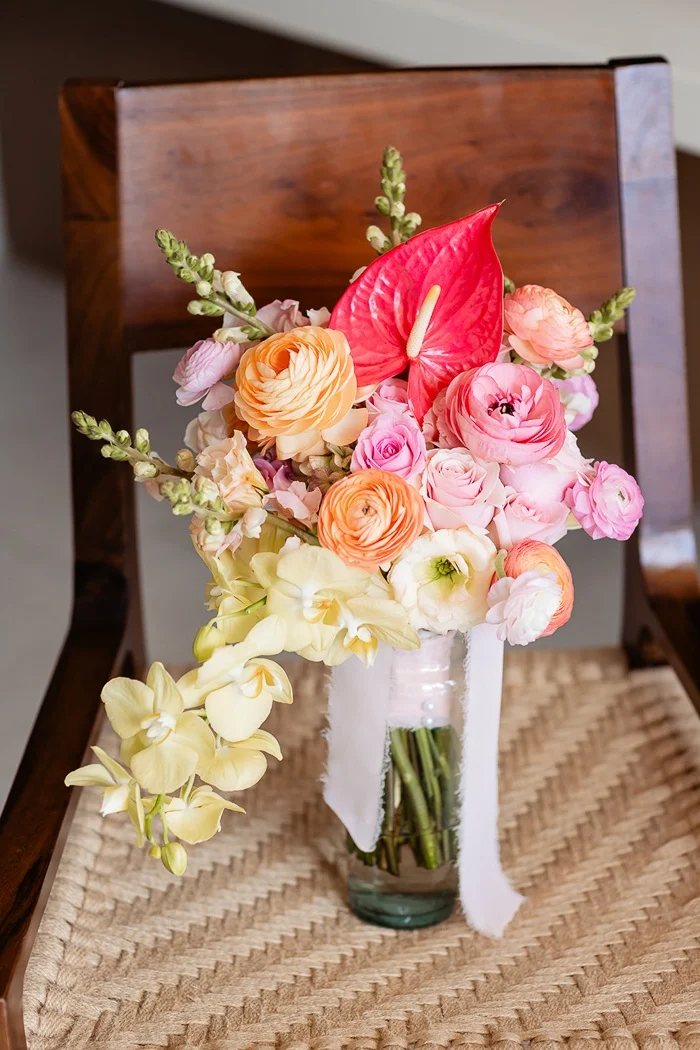
- Bridal Bouquet: The quintessential floral accessory for the bride. Styles range from classic round to cascading, hand-tied, or dramatic asymmetrical designs. Considerations include the gown’s silhouette, the bride’s height, and comfort. Many brides choose to preserve their bouquet as a keepsake.
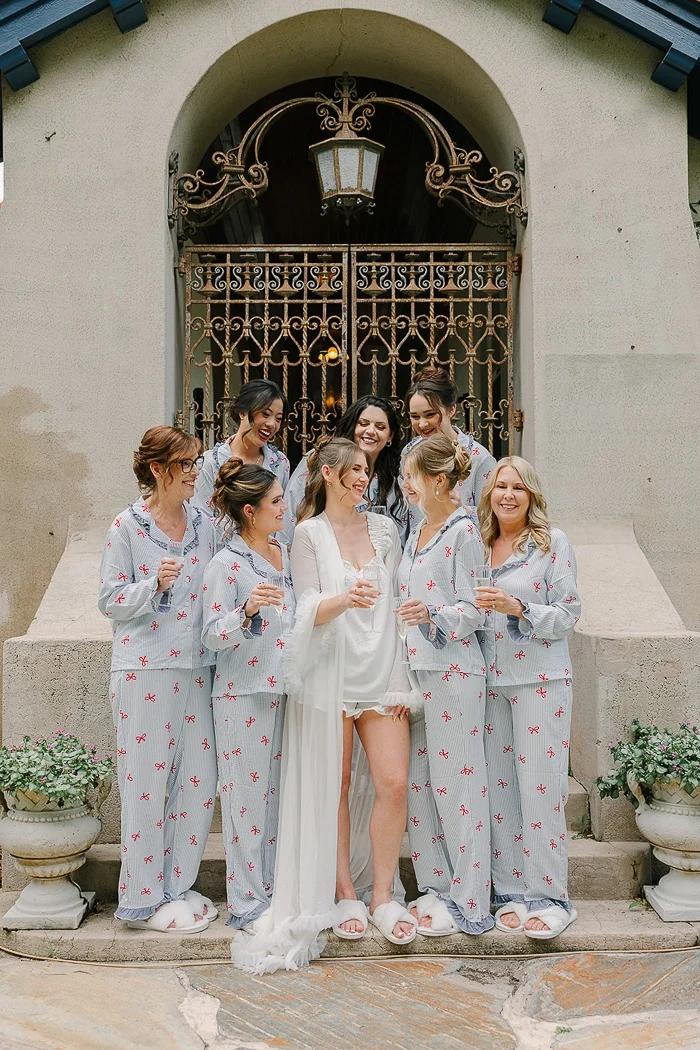
- Bridesmaids’ Bouquets: Smaller, complementary versions of the bridal bouquet, designed to harmonize without overshadowing the bride. They can also be single stems or floral hoops for a modern touch.
- Boutonnieres: Worn by the groom, groomsmen, fathers, and sometimes ring bearers. Typically a single bloom or a small cluster, pinned to the lapel. The groom’s boutonniere often features a distinct flower to set him apart.
- Corsages: Elegant floral adornments for mothers, grandmothers, and other honored female guests. They can be pinned (pin corsage) or worn on the wrist (wrist corsage).
- Flower Crowns/Hair Florals: A popular choice for brides, bridesmaids, or flower girls, offering a bohemian or whimsical aesthetic. Delicate floral combs or individual blooms can also be woven into updos.
- Children’s Attire: Smaller, simpler versions for flower girls (mini bouquets, baskets of petals, floral wands) and ring bearers (mini boutonnieres).
JB Tip: Finalizing your wedding party count early is critical. The precise number of bouquets, boutonnieres, and corsages represents a significant factor in your wedding flower checklist and overall budget, as it directly impacts material costs and labor.
II. Ceremony Setting Florals
These arrangements frame the pivotal moment of vows, creating a sacred and visually stunning backdrop for meaningful photos. The aim is to design elements that are impactful yet allow the focus to remain on the couple.
- Altar/Arch Decor: The focal point of the ceremony, often featuring grand arrangements, floral arches, or chuppahs adorned with abundant blooms and greenery. This element serves as the primary visual anchor.
- Aisle Markers: Small bouquets, garlands, or individual flowers attached to chairs or pews lining the aisle, guiding the eye towards the altar.
- Entrance Arrangements: Large urns or statement pieces flanking the entrance to the ceremony space, welcoming guests and setting the tone.
- Pew/Chair Decorations: More subtle embellishments, such as single roses, small sprigs of greenery, or ribbons, enhancing the seating area.
- Unity Ceremony Decor: If incorporating a unity candle or sand ceremony, a small floral arrangement can adorn the table where this takes place.
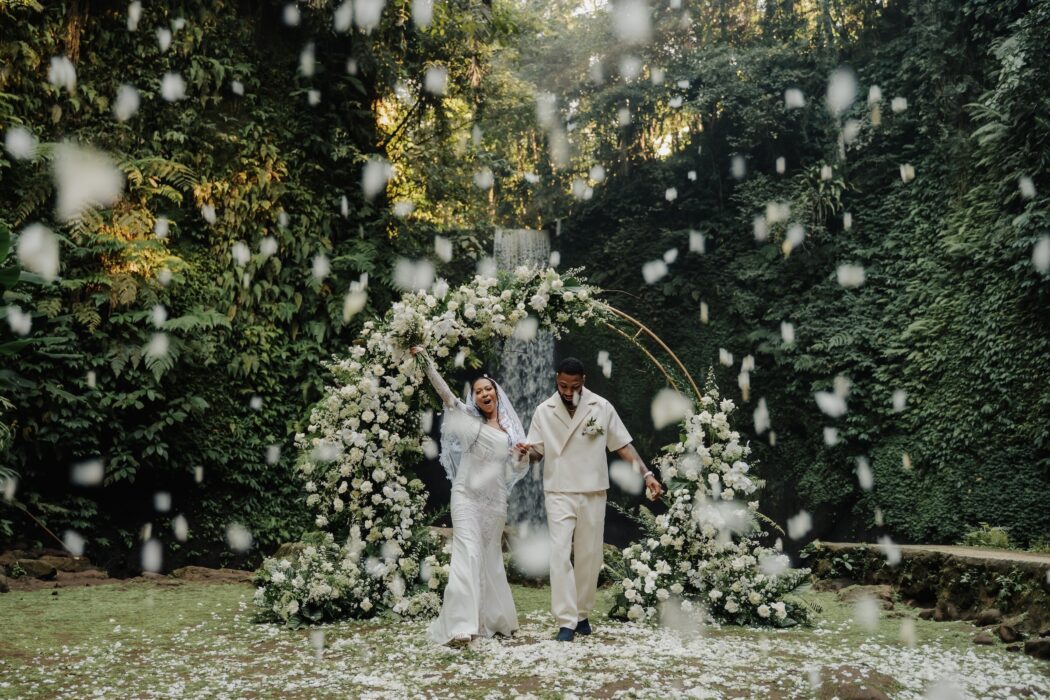
- Petal Toss: Baskets or cones filled with fresh petals for guests to toss as the couple exits the ceremony, creating a joyful and photogenic moment.
Florist Kay Seehra advises, "Start with the framing: whatever is behind you is what your guests and photographer look at for the whole ceremony. Then design for reuse. Aisle arrangements can become table arrangements, and the urns or arch framing your altar can later frame the sweetheart table. It’s the easiest way to make a wedding flower budget go further." This expert insight highlights the importance of strategic planning for sustainability and cost-effectiveness. Couples should proactively ask their florist or wedding planner about repurposing ceremony arrangements for the reception or cocktail hour, aligning with modern trends for more sustainable weddings.
III. Cocktail Hour Ambiance Florals
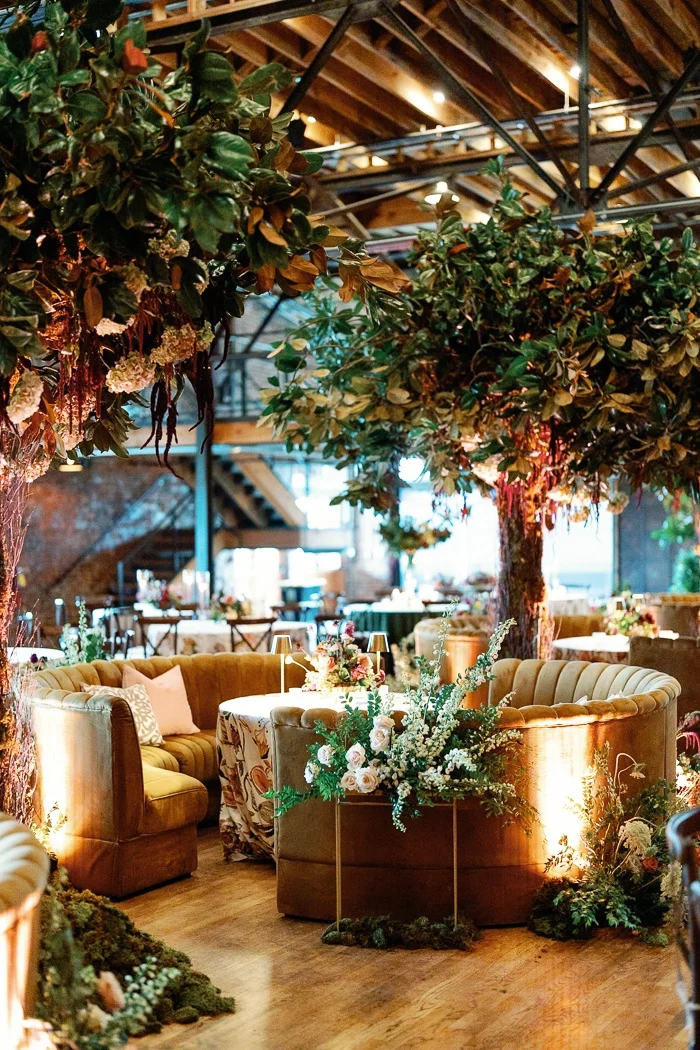
The cocktail hour serves as a transitional period where guests mingle and relax. Thoughtfully placed floral arrangements in this separate space maintain design continuity and elevate the atmosphere without excessive expenditure.
- Bar Arrangements: Small to medium-sized arrangements on the main bar or satellite bars, adding a touch of elegance to a high-traffic area.
- High-Top Table Accents: Bud vases with a few delicate blooms or small posies on cocktail tables, encouraging conversation.
- Lounge Area Decor: Larger, more relaxed arrangements on coffee tables or side tables within lounge seating areas, enhancing comfort and style.
- Restroom Florals: Small, unexpected floral touches in guest restrooms, offering a moment of beauty and attention to detail.
- Buffet/Food Station Accents: If food stations are present, small floral elements can be integrated to complement the culinary presentation.
Florist Kay Seehra shares practical advice for this segment: "It’s one hour, so don’t go crazy. A few touches where guests gather is plenty, and if you’re outdoors, landscaping is usually already there. There’s no need to pay to decorate a garden." This underscores the importance of strategic placement and avoiding unnecessary expense in areas with natural beauty.
IV. Reception Grandeur Florals
The reception is where the majority of the day is spent, making its floral design paramount. These flowers are instrumental in bringing the wedding’s color palette and style into the space, fostering a warm, inviting, and celebratory atmosphere.
- Guest Table Centerpieces: The most prominent reception florals. These can be tall, dramatic arrangements, low and lush compositions, or a mix of varying heights to create visual interest. Designs should allow guests to comfortably see and converse across the table.
- Head Table/Sweetheart Table Decor: A focal point for the couple and their closest attendants, often featuring a more elaborate garland, a continuous floral runner, or a series of coordinated arrangements.
- Cake Table Florals: Flowers adorning the wedding cake table, complementing the cake’s design and making it a beautiful display piece. This can include a floral topper, cascading blooms, or arrangements surrounding the base.
- Buffet/Food Station Arrangements: Larger floral pieces integrated with food displays, enhancing the culinary presentation and overall aesthetic of serving areas.
- Escort Card/Seating Chart Display: Floral accents can transform a functional seating chart into an artistic installation, guiding guests with beauty.
- Welcome Sign Florals: Decorating the welcome sign at the reception entrance, continuing the thematic floral journey.
Kay Seehra of Amarante emphasizes, "You and your guests spend most of the day here, so make it count." This highlights the reception’s importance as the longest-held segment of the wedding day. When planning guest table arrangements, a crucial consideration is ensuring that tall designs are elevated sufficiently to allow for unobstructed views and comfortable conversation across the table, preventing them from becoming visual barriers.
V. Thoughtful Floral Finishing Touches
These smaller, often unexpected, details can elevate the wedding from beautiful to truly memorable, imbuing the event with charm and personality. While not always essential, they contribute significantly to the overall guest experience.
- Favors with Florals: Incorporating small floral elements into guest favors, such as seed packets, miniature potted succulents, or dried floral sachets, provides a lasting memory.
- Getaway Car Decor: A floral garland or bouquet adorning the getaway car for a grand, picturesque exit.
- Photo Booth Backdrops: Floral walls, garlands, or creative arrangements designed as backdrops for photo booths, encouraging interactive guest engagement.
- Gift Table Florals: A small arrangement on the gift and card table, ensuring even utilitarian spaces are aesthetically pleasing.
- Powder Room/Restroom Amenities: Beyond cocktail hour, ensuring fresh, small floral touches are present throughout the event.
Kay Seehra’s final piece of advice for these details is to "put the last of your budget where feet and cameras actually go, the high-traffic and highly photographable spots. That’s what guests remember." This strategic allocation of resources ensures maximum impact. Furthermore, some of these smaller details, like creating simple bud vase arrangements or decorating a welcome sign, can be excellent DIY projects for couples seeking to personalize their wedding and manage their budget effectively. Picking up flowers a day or two before the wedding and arranging them with friends or family can be a budget-friendly and enjoyable option.
Budgeting and Sustainability: Modern Floral Imperatives
Managing the floral budget effectively requires a clear understanding of its drivers. The type of flowers (rare vs. common, imported vs. local), seasonality, quantity, complexity of arrangements, and labor involved in design, setup, and teardown all contribute to the final cost. To optimize a floral budget, couples can consider:
- Prioritizing Key Areas: Focus larger, more impactful arrangements on high-visibility areas like the ceremony arch and reception focal points.
- Seasonal and Local Blooms: Opting for flowers that are in season and locally available can significantly reduce costs and environmental impact.
- Repurposing: As advised by Kay Seehra, designing ceremony florals with the intention of moving them to the reception is a smart budget strategy.
- Mix of High and Low: Combining a few elaborate centerpieces with simpler, smaller arrangements on other tables can create a luxurious feel without uniform high costs.
- Foliage and Greenery: Incorporating more greenery can add volume and texture while being more cost-effective than an abundance of rare blooms.
The emphasis on sustainable floristry continues to grow. Couples are encouraged to discuss eco-friendly options with their florists, such as:
- Sourcing: Prioritizing local flower farms and growers reduces carbon footprint.
- Seasonal Flowers: Choosing blooms that naturally grow during the wedding month minimizes the need for energy-intensive greenhouses or long-distance shipping.
- Eco-Friendly Mechanics: Utilizing chicken wire, floral frogs, and compostable vessels instead of single-use floral foam, which is a microplastic pollutant.
- Donation/Composting: Arranging for flowers to be donated to hospitals or nursing homes, or composted, post-event.
The Broader Impact: Beyond Aesthetics
The thoughtful integration of flowers transcends mere visual appeal. They contribute significantly to the overall sensory experience of the wedding day. The fragrance of fresh blooms, the soft texture of petals, and the vibrant hues create a multi-sensory environment that enhances mood and memory.
From a photographic perspective, flowers provide natural depth, color, and texture, elevating wedding photos from simple snapshots to artistic compositions. They frame moments, add elegance to portraits, and provide cohesive visual elements that tie the entire album together.
Ultimately, the choice of wedding flowers is a deeply personal reflection of the couple’s personality, style, and values. Whether minimalist and modern, opulent and traditional, or whimsical and wild, the florals communicate a distinct message, creating an atmosphere that is uniquely theirs. This intentionality, combined with professional expertise, ensures that the floral narrative is as rich and memorable as the love story it celebrates.
This wedding flower checklist serves as a comprehensive starting point, a guide to inspire rather than a rigid set of requirements. Couples are encouraged to select elements that resonate most deeply with them, aligning their choices with their budget, venue, and personal style. With a clear plan and the guidance of skilled florists, wedding flowers can transcend their decorative function, imbuing every part of the day with continuity, intention, and breathtaking natural beauty.