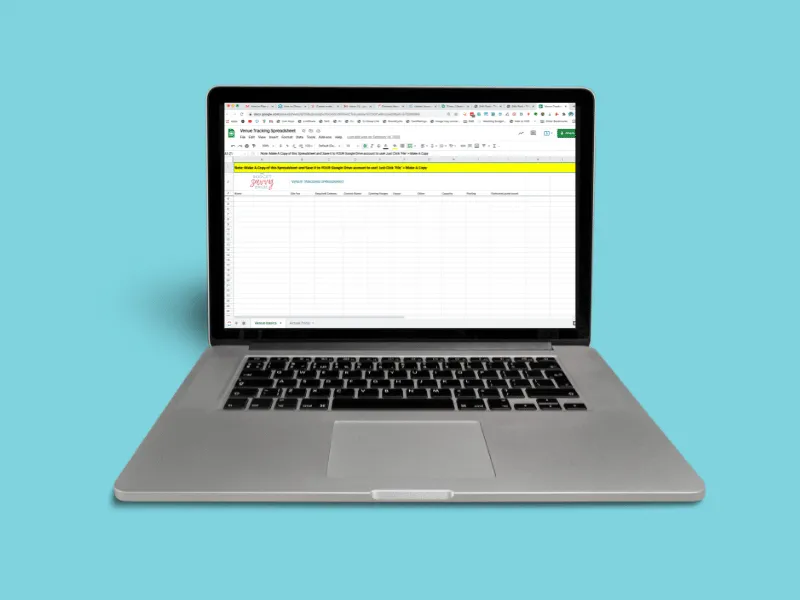
Navigating the intricate landscape of wedding planning often presents couples with a labyrinth of choices, particularly when it comes to selecting the perfect venue. The initial excitement of touring picturesque locations can quickly dissipate into a blur of half-remembered details, pricing structures, and contractual nuances. One day, a charming ballroom seems ideal; the next, a rustic barn captures the imagination, leaving couples struggling to recall which option included catering, which levied a corkage fee, or if the most aesthetically pleasing choice was also the most financially prohibitive. In this complex environment, a meticulously structured wedding venue spreadsheet emerges as an indispensable tool, transforming subjective impressions into objective data points, thereby facilitating clear, confident decision-making.
The Centrality of Venue Selection in Wedding Logistics and Budgeting
The wedding venue transcends its role as merely a backdrop for celebration; it fundamentally dictates the entire event’s scope and character. Industry analyses consistently show that the venue and catering combined typically consume between 40 to 50 percent of the total wedding budget. This substantial financial commitment underscores the necessity for a strategic, data-driven approach rather than relying on mental tallies or fleeting impressions. The chosen venue sets the wedding date, establishes the maximum guest count, defines the overall aesthetic and ambiance, and critically, determines the remaining budget available for other essential elements such as floral arrangements, photography, entertainment, and the honeymoon. Consequently, the decision of where to host the wedding is not merely a logistical one but a foundational determinant of the entire wedding experience and its financial viability.
The current wedding market offers an unprecedented array of venue types, from traditional banquet halls and grand hotels to unique, non-traditional spaces like industrial lofts, botanical gardens, historic estates, and even private restaurants. This diversity, while offering abundant choices, simultaneously amplifies the complexity of comparison. Each venue often operates with distinct pricing models, service inclusions, and contractual obligations, making direct comparisons challenging without a standardized framework.
Background Context: Navigating the Modern Wedding Planning Landscape
Modern wedding planning is characterized by both aspirational visions and pragmatic budget constraints. Couples, often influenced by social media and wedding publications, arrive with detailed ideas for their special day. However, translating these visions into reality within a defined budget requires rigorous organization. The digital age has brought forth a plethora of planning tools, but many still fall short of providing a unified, side-by-side comparison for the most significant financial outlay: the venue. The absence of such a tool often leads to decision fatigue, potential budget overruns due to overlooked fees, and ultimately, a less-than-optimal choice.
Statistics from various wedding industry reports highlight the average cost of a wedding in [insert a generic region, e.g., North America] ranging from $25,000 to $35,000, with venue and catering often accounting for the largest share. Given these figures, a small oversight in venue selection or a miscalculation of hidden costs can have significant financial repercussions. The typical planning timeline, often extending 12 to 18 months prior to the wedding date, also underscores the need for early and systematic venue evaluation. Beginning the venue search with a robust comparison tool ensures that initial inquiries and subsequent tours are productive and contribute to a well-informed final decision.
Chronology of Venue Search and Spreadsheet Integration

The integration of a comprehensive spreadsheet into the venue search follows a logical chronology, enhancing efficiency at each stage:
-
Phase 1: Initial Research and Shortlisting (12-18 Months Out):
- Couples typically begin by identifying potential venues based on location, estimated guest count, desired aesthetic, and preliminary budget considerations. At this stage, the spreadsheet serves as a preliminary data capture tool. Basic information such as venue name, general location, capacity estimates, and initial price ranges (if available online) are logged. This allows for a broad comparison and the creation of a shortlist of venues warranting further investigation.
- The primary goal here is to filter out options that clearly do not meet core requirements, such as capacity limitations or an unsuitable aesthetic, before investing time in tours.
-
Phase 2: Detailed Inquiry and Venue Tours (10-15 Months Out):
- Once a shortlist is established, couples schedule site visits. This phase is critical for gathering granular data. Armed with a pre-populated spreadsheet, couples can ensure they ask the same set of questions at each location, thereby collecting truly comparable information. This prevents the common scenario where one venue’s impressive presentation overshadows a lack of crucial details, while another, less flashy, might offer a more comprehensive package.
- During tours, emphasis is placed on understanding the nuances of pricing, package inclusions, and potential hidden fees, which are immediately recorded into the designated columns of the spreadsheet.
-
Phase 3: Comprehensive Analysis and Decision-Making (8-12 Months Out):
- With all data points meticulously entered, the spreadsheet facilitates a side-by-side comparison of "apples to apples." This allows couples to move beyond surface-level impressions and delve into the real trade-offs between options. Calculations for "all-in" costs, including all fees, taxes, and service charges, are performed.
- The final stage involves weighing priorities. For instance, if an exceptional culinary experience is paramount, a higher catering cost might be acceptable if other expenses are lower. Conversely, if a breathtaking aesthetic is the primary driver, a higher venue rental might be justified. The spreadsheet makes these trade-offs transparent.
Supporting Data: Essential Columns for Comprehensive Tracking
To ensure a truly "apples to apples" comparison, the spreadsheet must be structured to capture consistent details across all venues. These details can be broadly categorized into basic information, critical financial metrics, and operational/logistical factors.
A. The Basics: Foundational Venue Information
These columns help in the initial screening and identification of each option:
- Venue Name and Location: Essential for identification and geographical context.
- Contact Information: Names, phone numbers, and email addresses for easy follow-up.
- Maximum Guest Capacity: Differentiated for seated dinners and standing receptions, crucial for guest list planning.
- Available Dates/Seasons: Noting peak vs. off-peak rates and availability for desired wedding dates.
- Venue Style/Aesthetic: (e.g., Rustic, Modern, Historic, Ballroom, Garden) to align with wedding vision.
- Parking Availability: On-site, valet, or nearby options.
- Accessibility: ADA compliance, ease of access for all guests.
- Inclusions: Basic items provided, such as tables, chairs, standard linens, basic dinnerware.
B. Critical Financial Metrics: Unveiling the True Cost
This section is paramount as the "sticker price" rarely reflects the final expenditure. Hidden fees are a notorious pitfall in wedding budgeting.
- Venue Rental Fee: Itemized by day of the week (e.g., Saturday vs. Friday/Sunday often differ significantly), time of day, and season.
- Catering Costs: Per-person charges for food (if in-house), or a breakdown of minimum spend requirements for external caterers.
- Beverage Packages: Detailed pricing for open bars, consumption bars, cash bars, and crucially, corkage fees if external alcohol is permitted.
- Service Charge: Often a percentage (18-25%) applied to food, beverage, and sometimes the rental fee itself. This is distinct from gratuity.
- Sales Tax: Applicable to various components of the package.
- Ceremony Fee: A separate charge if the ceremony is held on-site.
- Setup/Breakdown Fees: Costs associated with preparing and dismantling the event space.
- Overtime Fees: Charges for extending the event beyond the contracted time.
- Security Deposit: Refundable amount held against damages.
- Insurance Requirement: Whether the venue requires couples to purchase event liability insurance.
- Payment Schedule: Breakdown of deposit amounts and due dates.
- Cancellation Policy: Terms and conditions for cancellation, including forfeiture of deposits.
C. Operational and Logistical Factors: Ensuring a Smooth Event
Beyond cost, the operational aspects significantly impact the wedding day experience.

- Exclusive Vendor List: Whether the venue mandates using their preferred vendors or allows outside choices.
- Bridal Suite/Getting Ready Rooms: Availability and cost.
- Backup Plan for Outdoor Spaces: Essential for venues with outdoor ceremony or reception areas.
- Sound System/AV Equipment: Availability and cost of in-house equipment.
- Decor Restrictions: Rules regarding candles, hanging decor, glitter, etc.
- Food and Beverage Minimums: The minimum spend required, irrespective of guest count.
- Proximity to Accommodations: Importance for out-of-town guests.
- Required End Time: Strict adherence to local noise ordinances or venue policies.
Official Responses and Expert Insights
Wedding planning professionals unanimously endorse the use of structured comparison tools. "A spreadsheet isn’t just a convenience; it’s a non-negotiable strategic asset for couples," states Sarah Chen, a veteran wedding planner with over 15 years of experience. "Many couples, initially swept up by aesthetics, only realize the true cost of a venue after receiving the final invoice. A detailed spreadsheet forces transparency from the outset, empowering them to make financially astute decisions."
Venue managers also acknowledge the benefits of well-prepared couples. "When a couple arrives with a comprehensive list of questions derived from a comparison sheet, it signals their serious intent and helps us provide precise, tailored information," comments Mark Davidson, manager of a popular event space. "It streamlines the quoting process and minimizes misunderstandings down the line."
Feedback from couples who have utilized such tools often highlights a significant reduction in stress. "Initially, the sheer number of options was overwhelming," recalls newlywed Jessica Lee. "But once we started inputting everything into our spreadsheet, the choices became incredibly clear. We could see exactly where our money was going and make trade-offs that aligned with our priorities, rather than just guessing." This sentiment underscores the psychological benefit of organized data in a high-stakes decision-making process.
Broader Impact and Implications
The diligent use of a wedding venue spreadsheet extends beyond individual decision-making, influencing broader aspects of wedding planning and the industry itself.
- Enhanced Budgetary Control: By meticulously tracking all potential costs, couples gain unprecedented control over their wedding budget, significantly reducing the likelihood of unexpected expenses and overspending. This allows for more deliberate allocation of funds to elements that hold personal significance.
- Reduced Decision Fatigue: The objective nature of a side-by-side comparison mitigates the emotional exhaustion often associated with high-pressure choices. Data-driven decisions are less prone to post-decision regret.
- Empowered Negotiation: Armed with detailed quotes and a clear understanding of market offerings, couples are better positioned to negotiate with venues, potentially securing better terms or additional inclusions.
- Promotion of Transparency: As more couples adopt these structured approaches, it implicitly encourages venues to be more transparent in their pricing and package disclosures, benefiting the entire consumer base.
- Facilitating Alternative Venue Exploration: The spreadsheet framework particularly benefits those exploring non-traditional venues. Restaurants, public parks, community centers, or university spaces often operate with different fee structures, sometimes entirely bypassing "wedding-specific" surcharges like corkage or cake-cutting fees. By comparing the "all-in cost per guest" (total venue cost divided by guest count), couples can often uncover significantly better value in these unconventional locations, aligning their budget with a unique experience.
- Strategic Prioritization: The ability to visualize costs allows couples to identify where their money truly goes. If a gourmet meal is a priority, they can consciously choose a venue that allows for a larger catering budget by potentially sacrificing a more expensive aesthetic. Conversely, if a grand setting is paramount, they can adjust other categories accordingly.
Conclusion and Next Steps
In the intricate journey of wedding planning, the selection of a venue stands as arguably the most impactful decision, both financially and experientially. A dedicated wedding venue spreadsheet transforms this potentially overwhelming task into a systematic, objective process. By providing a standardized framework to capture essential details, uncover hidden fees, and compare "all-in" costs, it empowers couples to make a choice that is not only emotionally resonant but also financially sound.
This strategic approach, characteristic of savvy planning, ensures that every dollar spent is a conscious investment towards the desired celebration. For couples embarking on this exciting yet challenging phase, embracing such a tool is a fundamental step towards a calm, confident, and budget-savvy wedding. Further steps in planning would naturally involve extending this meticulous approach to other vendors, ensuring that the entire wedding budget remains aligned with the couple’s vision and financial parameters. Resources like comprehensive wedding budget blueprints, often building upon the foundation of a venue comparison, can provide a holistic framework for managing expenditures across all categories, from the initial deposit to the final vendor payment.