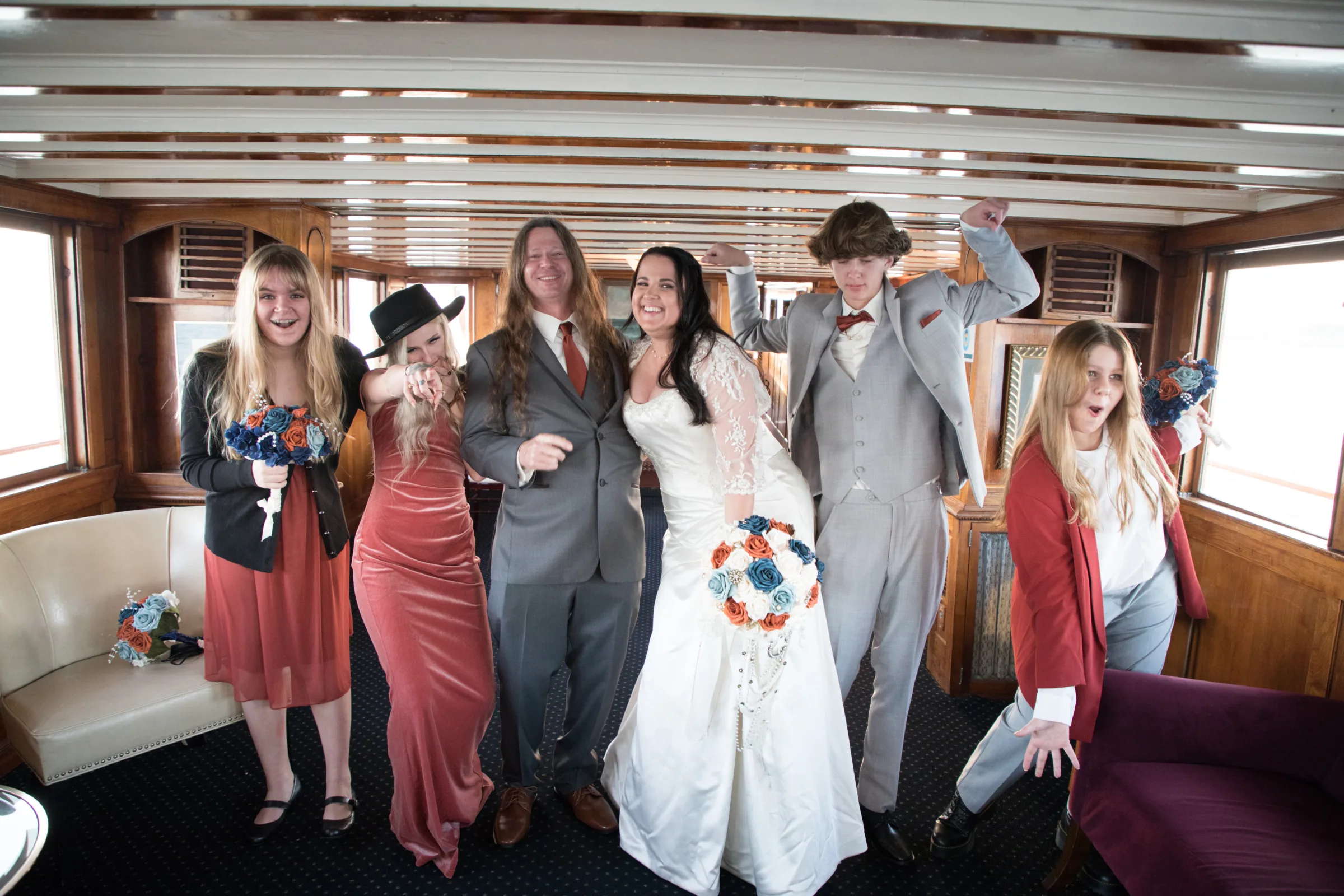
The landscape of modern family structures increasingly features blended families, where individuals remarry and bring together children from previous relationships. This growing demographic presents unique considerations for wedding planning, particularly concerning the involvement of teenagers and adult children. Unlike first marriages, these unions often require careful navigation of existing family dynamics, established loyalties, and diverse emotional landscapes. Traditional wedding advice, largely centered on younger children or adult-focused celebrations, frequently overlooks the complex questions that arise when teens and adult children are central to the new family unit. This article delves into expert insights from wedding professionals, offering strategies for respectful and meaningful inclusion, underscoring the critical role of open communication in fostering a cohesive blended family.
The Evolving Family Landscape: Contextualizing Blended Unions
According to the Pew Research Center, a significant portion of American children, approximately 16%, live in blended families. Furthermore, remarriage rates, particularly for individuals aged 45 and older, continue to be substantial, indicating a societal shift towards these multi-layered family structures. A wedding in this context is not merely the union of two individuals; it is the genesis of a new family system, requiring the integration of existing members. For teenagers and adult children, this transition can evoke a spectrum of emotions, from excitement and anticipation to apprehension, loyalty conflicts, or even grief over past family configurations. The challenge for couples is to celebrate their love while acknowledging and honoring the established identities and feelings of their children, ensuring they feel valued and integral to this new chapter.
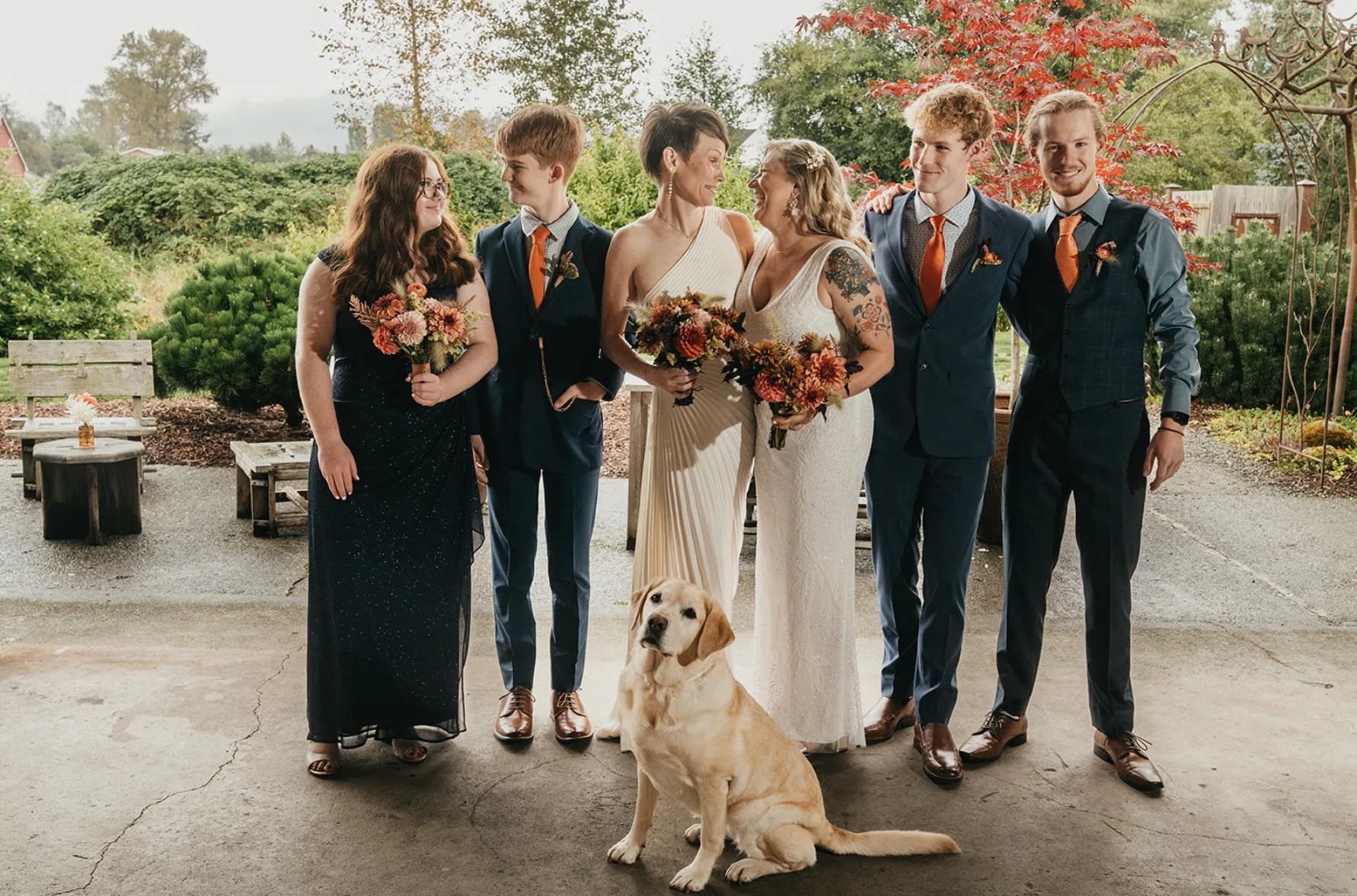
Wedding vendors, with their extensive experience in diverse celebrations, are often privy to the nuanced dynamics of blended family weddings. Their observations highlight that successful integration hinges on more than just assigning a ceremonial role; it requires genuine consideration and an understanding of each child’s comfort level. The consensus among these professionals is that proactive, empathetic, and ongoing communication forms the bedrock of a positive experience for all.
Expert Strategies for Meaningful Engagement
Drawing from the collective wisdom of seasoned wedding planners, photographers, and officiants, several key strategies emerge for involving teens and adult children in a blended family wedding. These approaches prioritize authenticity and respect for individual preferences over forced participation.
1. Early Engagement in the Planning Process
Involving teenagers and adult children in wedding preparations long before the actual day can be a powerful tool for fostering acceptance and enthusiasm. Emily Berg, an Ohio-based wedding planner with Emily Berg Weddings & Events, emphasizes the importance of extending genuine invitations to participate in decision-making. For instance, including a hesitant 15-year-old daughter in catering tastings and genuinely valuing her input on food choices can transform her perspective. Similarly, allowing older children a say in their attire ensures they feel comfortable and respected. This early involvement grants them agency and signals that their opinions matter, shifting their role from passive observers to active contributors. Berg cautions, however, against forcing individuals into roles that demand public attention if they are naturally reserved. Respecting such boundaries is crucial for maintaining trust and comfort.
2. Formal Roles and Symbolic Gestures
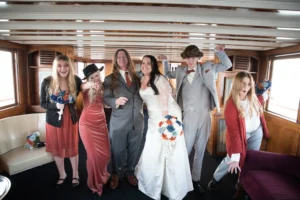
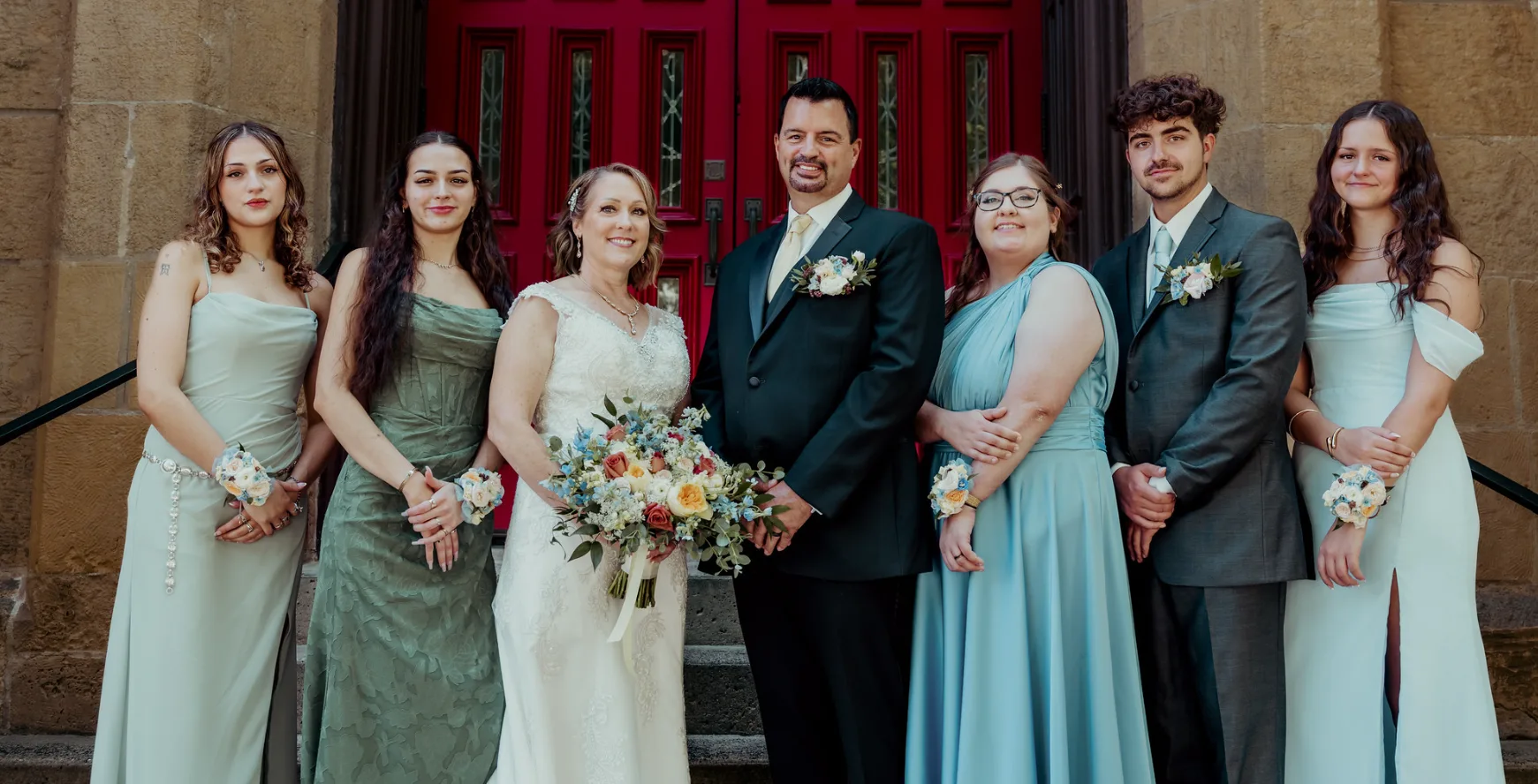
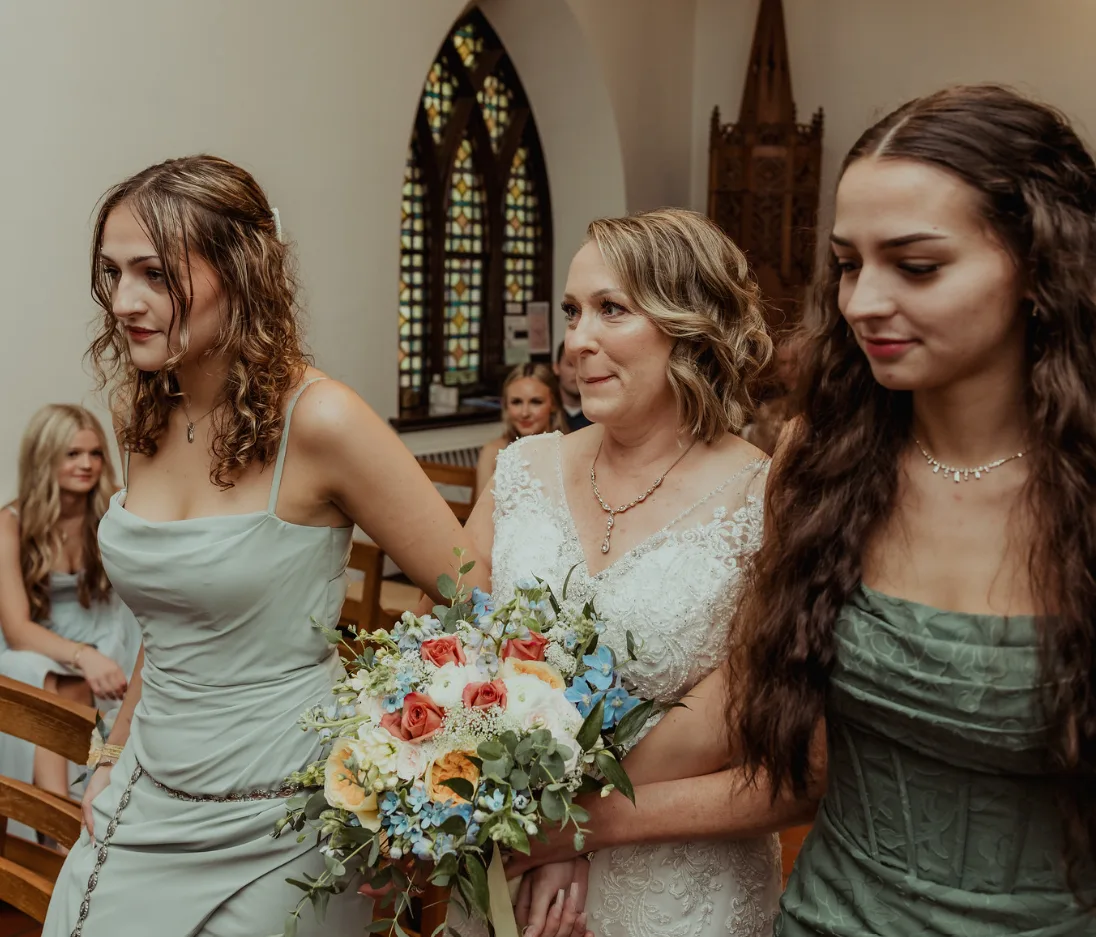
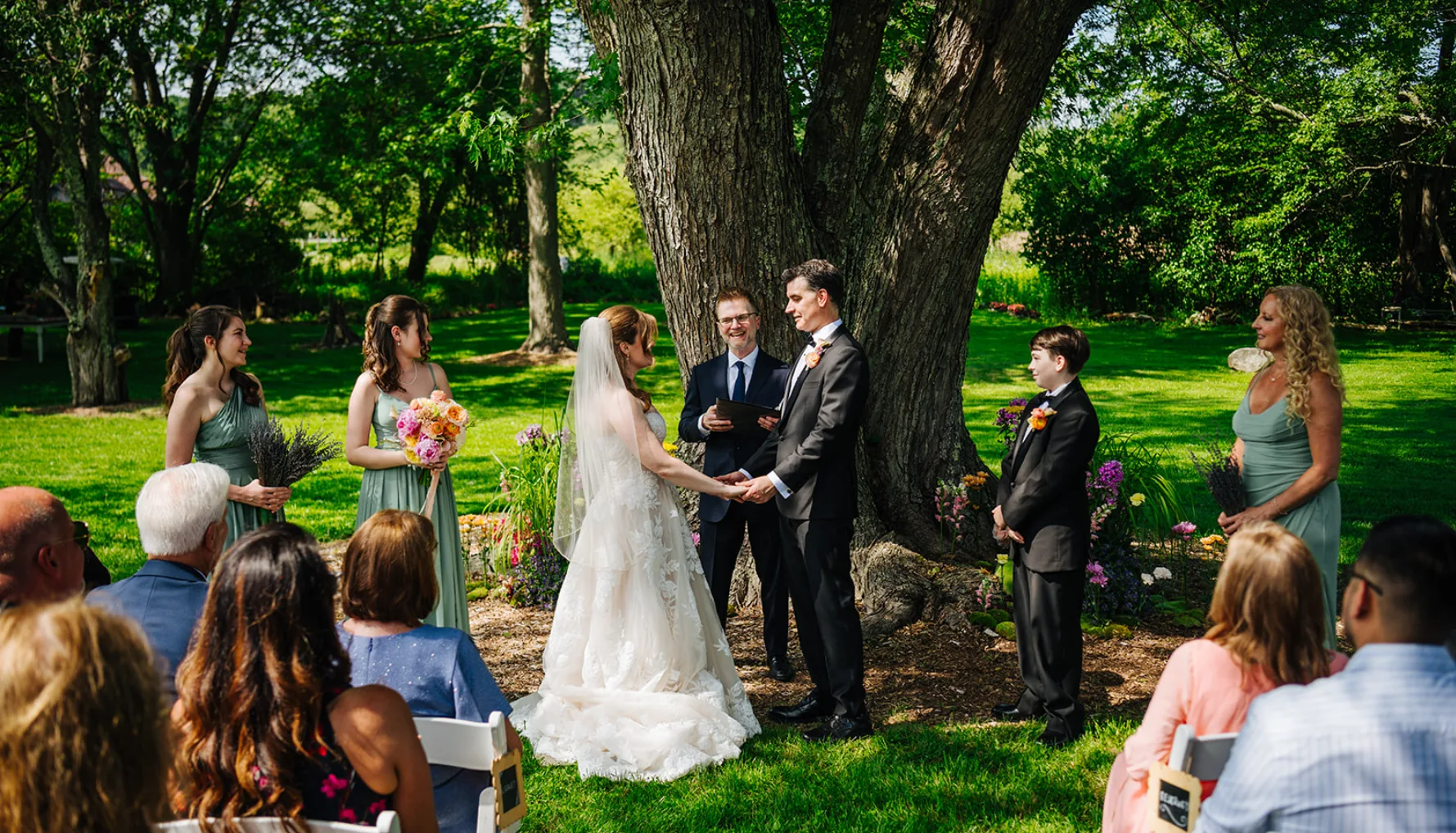
For children who are comfortable with a more prominent presence, formal roles within the wedding party or ceremony can be deeply significant. Samantha Waldron, a photographer at Dutcher Photography in Wisconsin, documented a wedding where the couple’s five adult children formed the entire wedding party. Gloria’s two adult daughters walked her down the aisle, while Jerry’s two daughters and son participated in escorting him and his mother. Waldron highlights that such roles are not merely ceremonial but symbolize the commitment to the entire family being created. She notes the profound impact when couples extend their vows not only to each other but also to their partners’ children, solidifying the formation of a new, inclusive unit. These "real jobs" contribute to a sense of cohesion and demonstrate that the children have been thoughtfully considered in the day’s proceedings.
3. Empowering Their Voices, with Permission
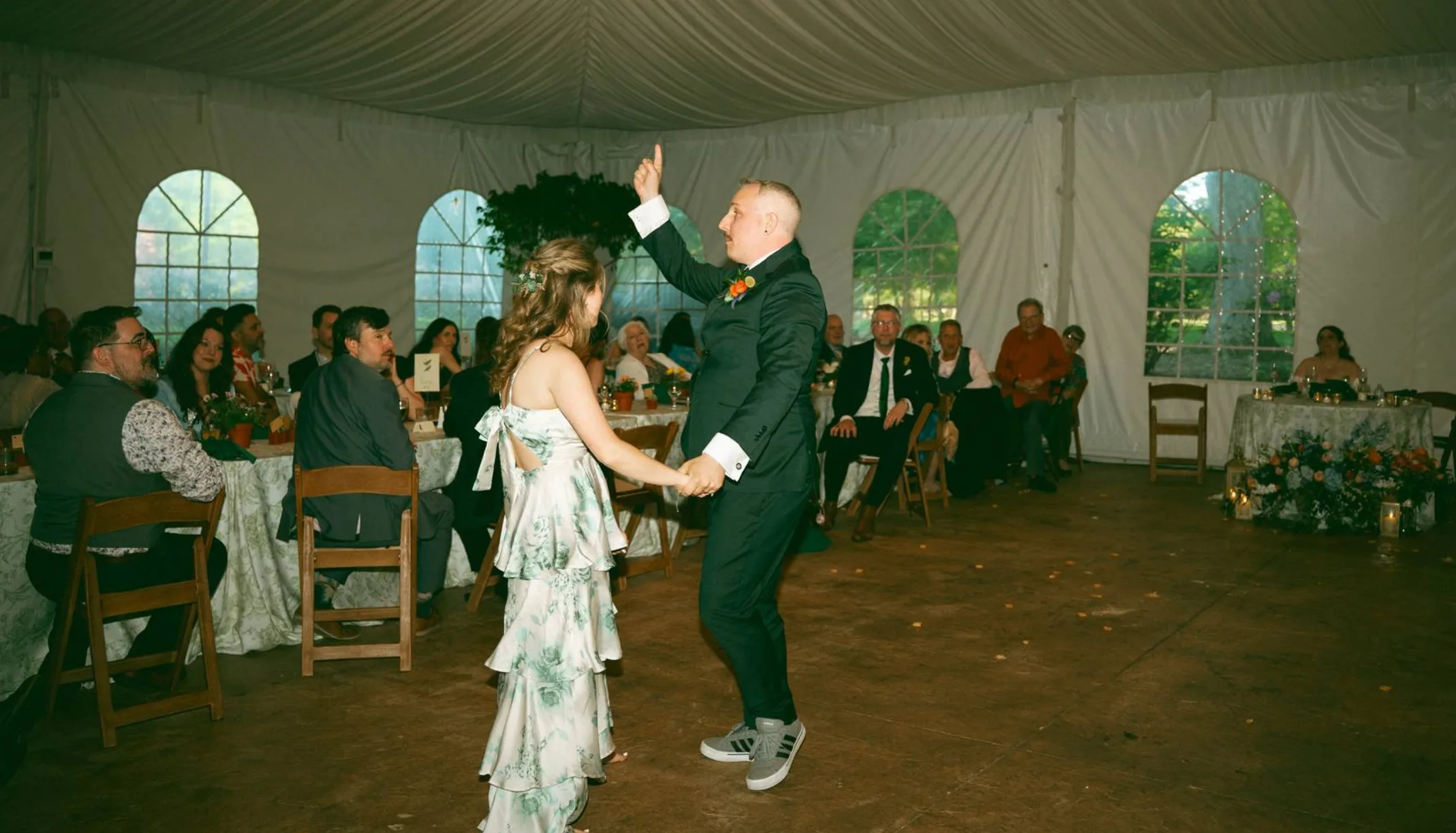
Allowing teens and adult children to speak during the ceremony or reception, such as giving toasts, can be a touching moment of integration, but only if it genuinely aligns with their comfort levels. Jamie Buckley, a Seattle-based photographer from Jamie Buckley Photography, captured a wedding where two of the couple’s blended teenage children delivered heartfelt toasts, with one son expressing his joy at gaining a sister. Buckley’s crucial advice is to "meet your children where they are at." He warns against contriving "cute moments" or performing a closeness that the children may not yet feel. Respecting hesitancy or reservedness is paramount, as authentic connection, if meant to be, will develop organically over time.
4. Substantive, Non-Performative Contributions
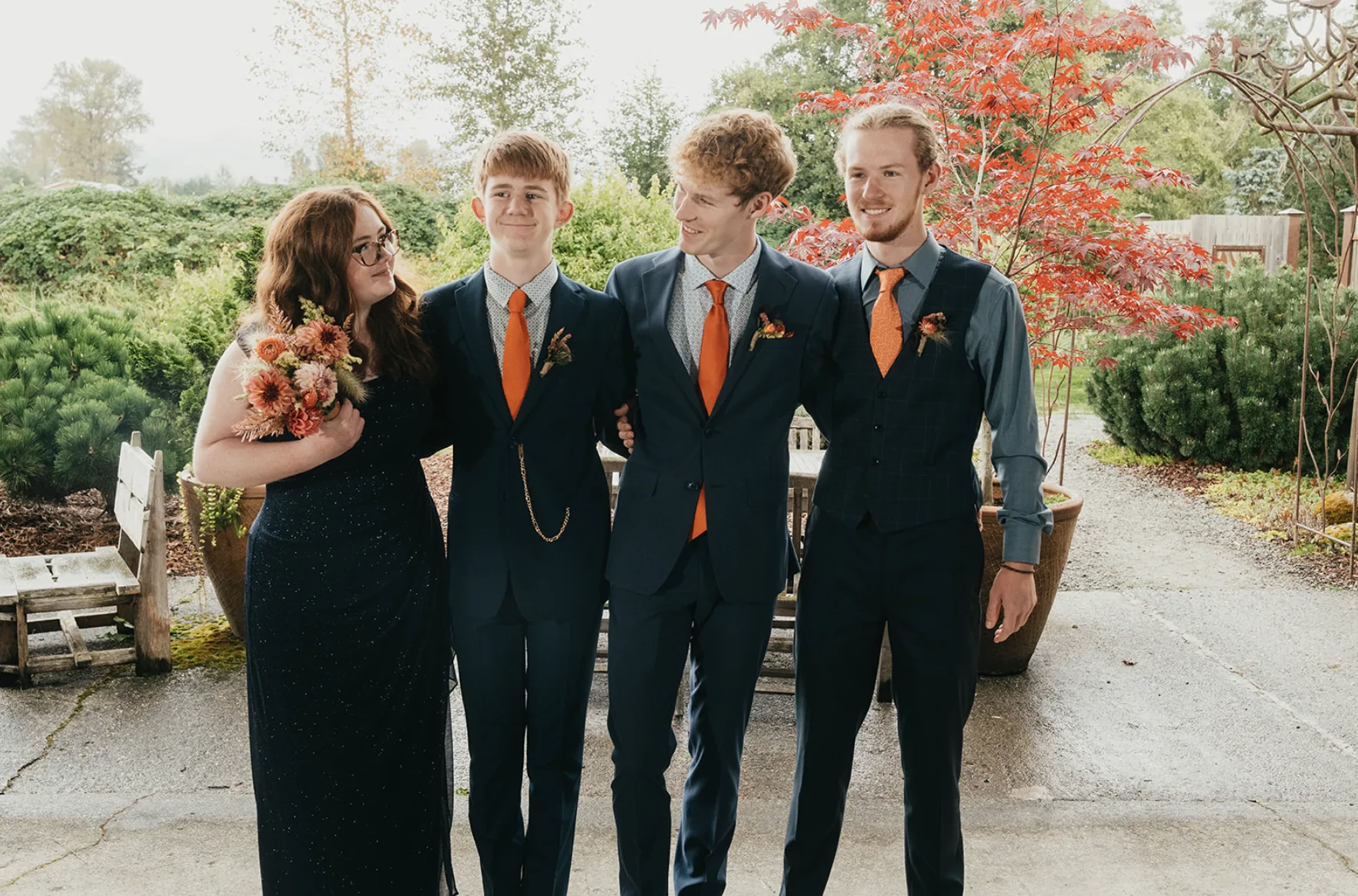
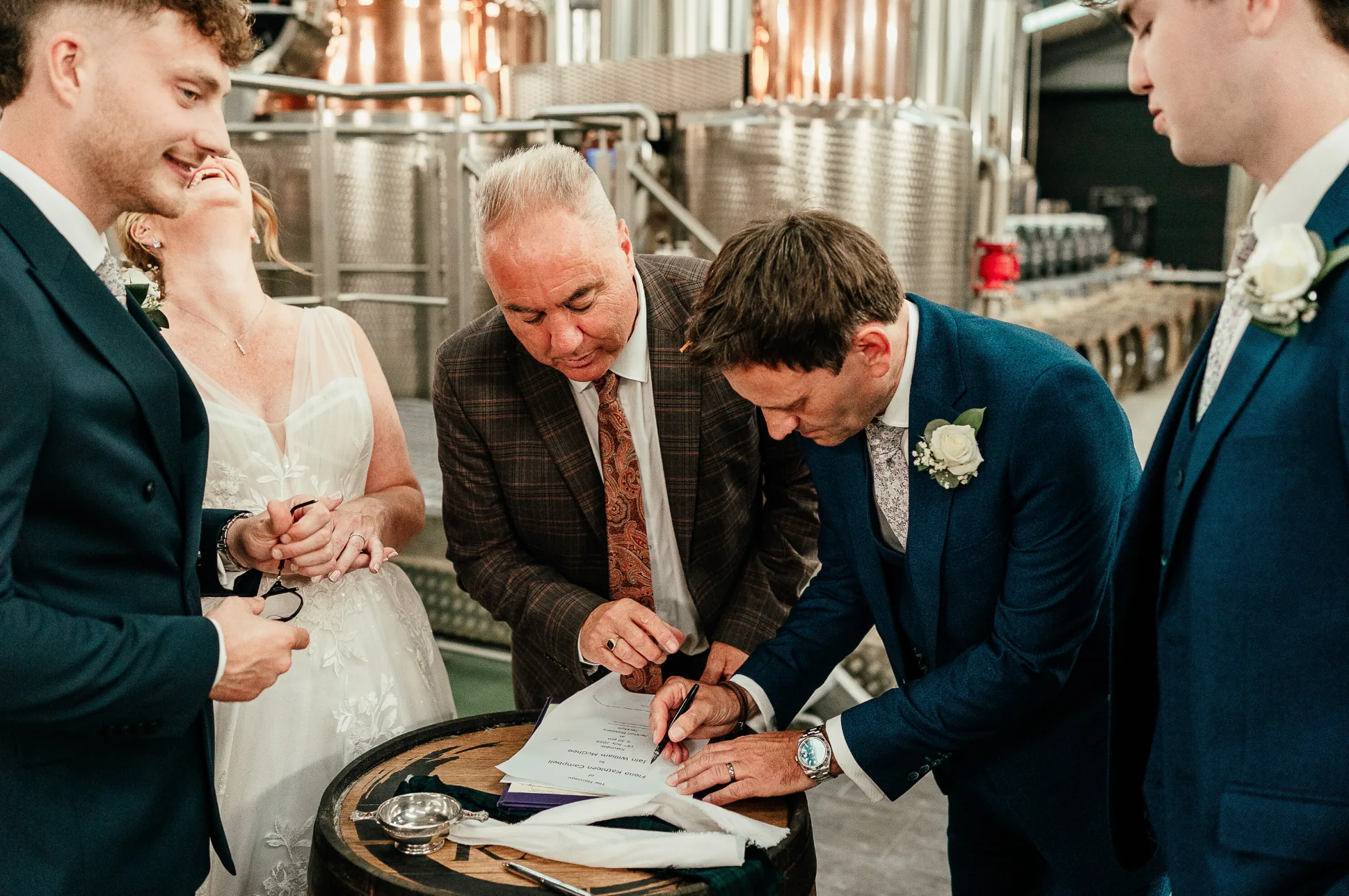
Not all meaningful involvement requires being in the spotlight. Roles that carry real weight but don’t demand a performance can be ideal for many. Sarah Craig, a UK-based photographer with Joy Story, documented a wedding at a Scottish distillery for a couple in their fifties, each with children from previous marriages. The celebrant cleverly drew a parallel between a blended family and a blended whisky, noting that "it doesn’t dilute what came before." In this ceremony, the youngest child gave a reading, while the two adult children served as official witnesses, signing the marriage certificate. Craig emphasizes that these roles, though not "big or performative," allowed everyone to be an active participant in this new family chapter. Her advice challenges couples not to assume older children are unwilling to be involved; rather, open and curious conversation is the most effective approach.
5. Leveraging Unique Skills and Talents
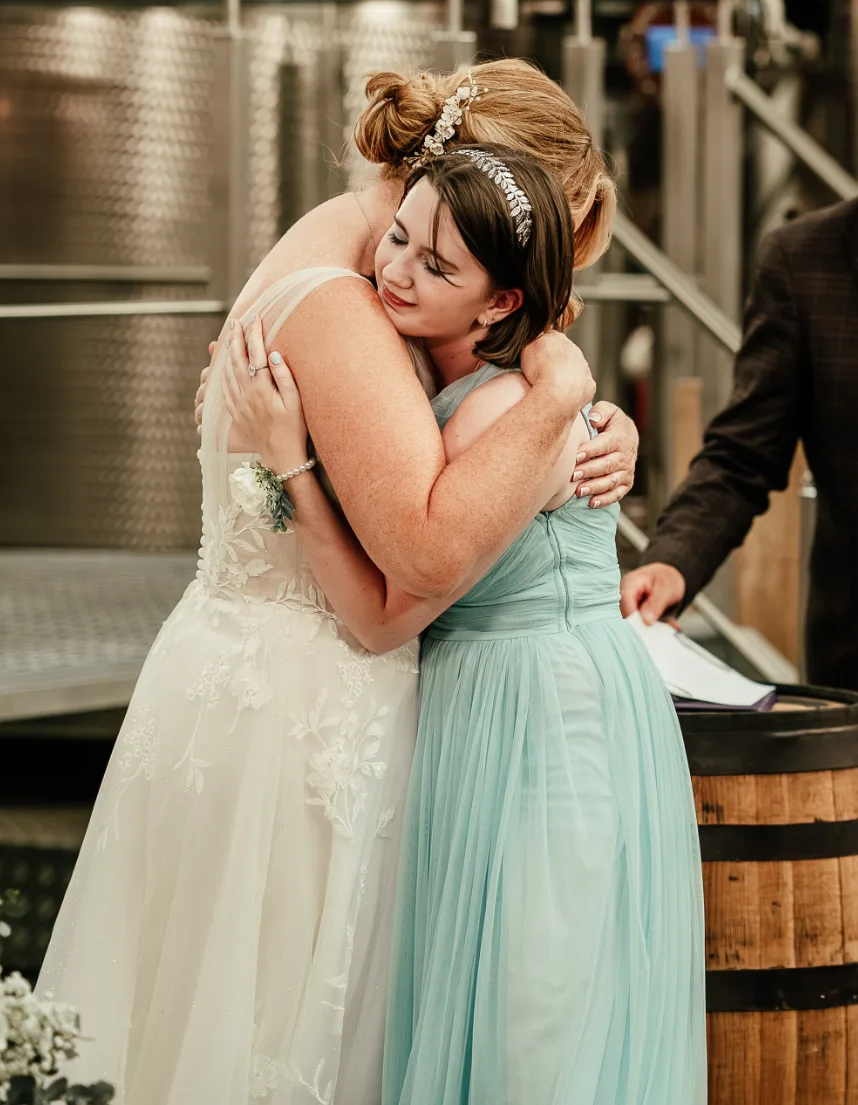
Instead of shoehorning children into traditional roles, couples can invite them to contribute their unique skills. Kathryn Cooper, a New York-based photographer with Kathryn Cooper Weddings, photographed a wedding where the bride’s teenage daughter sang during the ceremony. This personal contribution resonated deeply, allowing the daughter to feel involved in a way that genuinely reflected her talents, while her parents beamed with pride. Cooper advocates for breaking free from conventional wedding molds, asserting that a wedding "doesn’t have to fit into a box." She points out that the planning process, while potentially stressful, can also become a unique opportunity to strengthen relationships with children, especially those one might not know as intimately.
6. Unity Rituals for Collective Symbolism
Rituals that involve all children simultaneously can create a powerful visual and emotional representation of family unity without singling anyone out. Jen Sulak, a photographer with Weirdo Weddings in the Dallas-Fort Worth area, captured a sand ceremony where every child in the blended family poured their own layer of sand, symbolizing the merging of individual lives into a single entity. Sulak advises anticipating real emotion, both positive and challenging, and allocating space for it throughout the wedding experience. Her strongest caution is against excluding children from ceremony and reception planning entirely, labeling open, curious conversations as "such a unique gift."
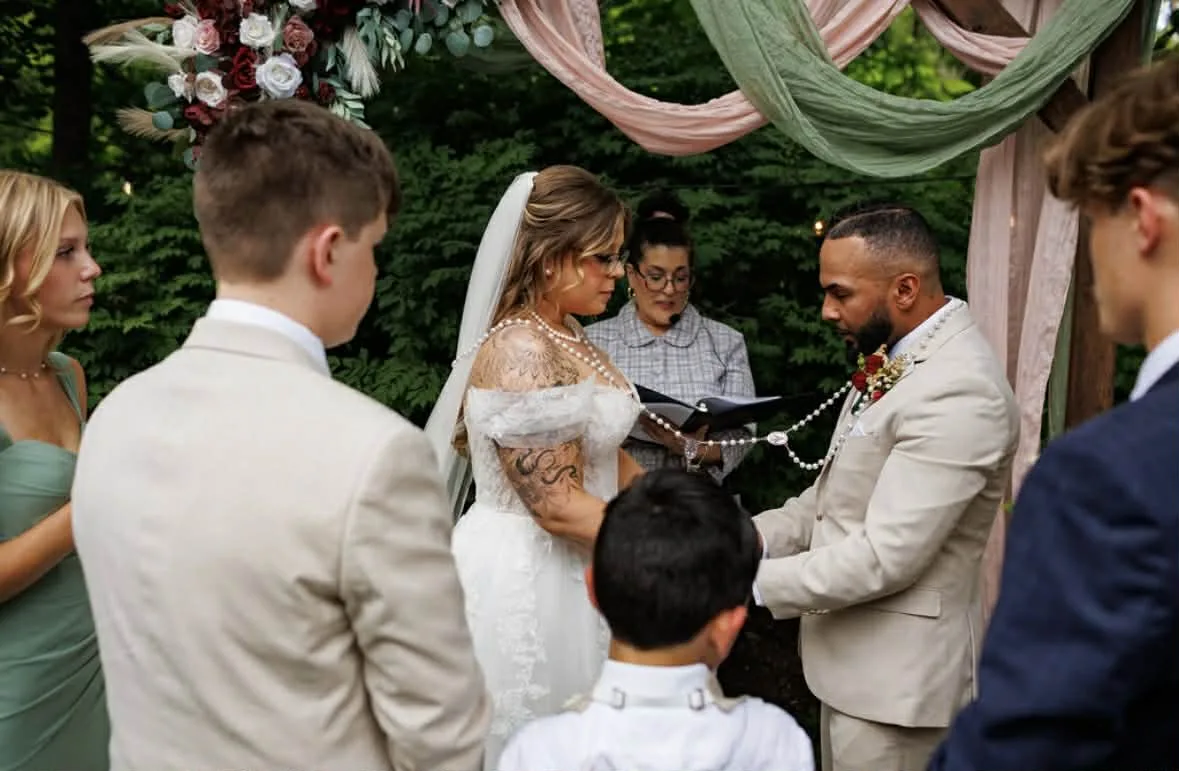
Reenie Panzini, an officiant with I Do For All, highlights the effectiveness of the El Lazo tradition for blended families. In a wedding she officiated, both partners brought teenage children, some of whom were uncomfortable with public speaking. Instead of assigning individual roles, all four teenagers collectively walked the El Lazo (a Hispanic tradition where a lasso or oversized rosary is draped around the couple) to the altar, stood as the tradition was explained, and then carried it back. This shared, physical task allowed for inclusion without demanding individual performance. Panzini strongly advises against forcing children into readings they are reluctant to do, as this can lead to awkwardness and resentment. She suggests alternative physical tasks like a ring warming ceremony or carrying the El Lazo, which offer meaningful participation without the pressure of speaking.
The Throughline: Open and Curious Conversation
Across all these expert accounts, a consistent theme emerges: the indispensable role of open, curious, and ongoing conversation. The specifics of a child’s role are secondary to the process of communication and respect.
To facilitate these crucial discussions, couples can initiate dialogue with questions designed to explore feelings and preferences without pressure. Examples include:
- "We’re starting to think about the wedding, and we’d love to know how you feel about it and what parts you might like to be involved in."
- "What feels important to you about this day?" (This invites their perspective without dictating a role.)
- "Are there any parts of the ceremony or celebration you’d rather sit out, or that you think would be awkward for you?" (This provides an "out" and validates their potential discomfort.)
- "Is there anything you’ve seen at other weddings that you thought was cool or that you’d want to avoid?" (This empowers their opinion.)
- "We’re making a list of things that need doing, and we wondered if there are any areas where you might like to help out?" (This offers practical involvement.)
- "Are there any friends or family members you’d like to make sure are included in the celebrations?" (This shows consideration for their existing social circles.)
- "How can we best support you through this transition and on the wedding day?" (This focuses on their well-being.)
These questions are not a rigid script, and answers may evolve over time. The critical elements are the act of asking, maintaining curiosity, and genuinely welcoming a "no" as readily as a "yes." A wedding featuring one child at the forefront and others quietly observing from their seats can be just as much a blended family celebration as one where everyone holds a candle. The true significance lies in the respectful and communicative process that underpins their choices.
Implications for Long-Term Family Cohesion
The way teens and adult children are integrated into a blended family wedding carries profound long-term implications for the new family unit. Thoughtful inclusion, characterized by respect, empathy, and open communication, lays a strong foundation for future family cohesion. When children feel heard, valued, and genuinely part of the new beginning, it can foster stronger bonds, reduce potential resentment, and ease the adjustment to stepfamily life. Conversely, exclusion or forced participation risks alienating children, making them feel unvalued, and potentially sowing seeds of long-term family friction.
Ultimately, a blended family wedding is more than a celebration of a couple’s love; it is a declaration of a new family identity. The intentionality and grace with which older children are involved set a precedent for the ongoing relationships within this newly formed unit. The goal is not merely a picture-perfect ceremony but the cultivation of genuine connection and mutual respect, positioning the wedding day as a launching pad for a resilient and harmonious blended family future.