


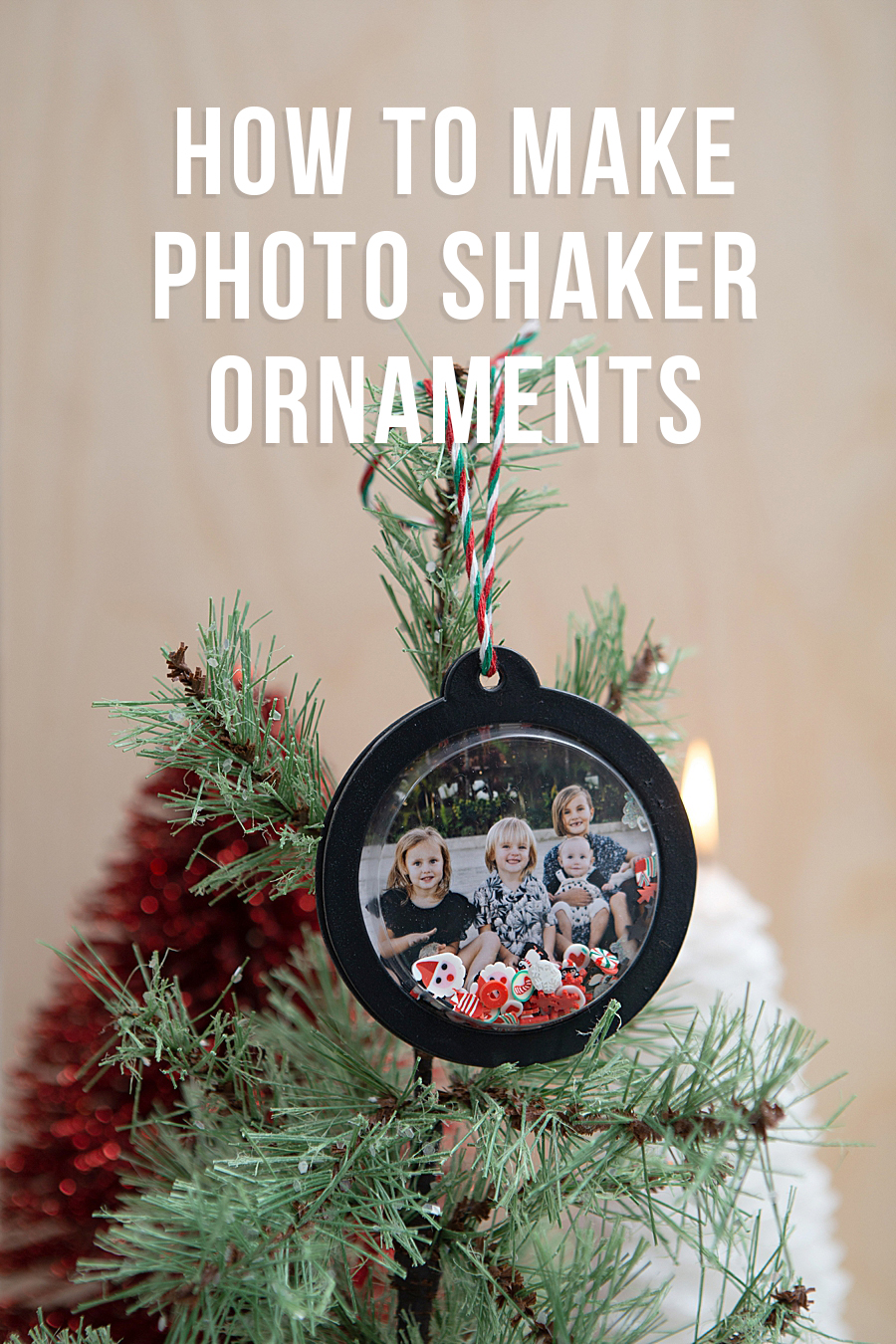
The consumer electronics sector has witnessed a significant shift toward "phygital" products—devices that bridge the gap between digital convenience and physical tangibility. At the forefront of this movement is Canon U.S.A., Inc., which has recently emphasized the utility of its SELPHY Square QX10 Photo Printer within the growing domestic crafting and DIY (Do-It-Yourself) markets. By integrating high-fidelity dye-sublimation technology into a handheld form factor, the device is being positioned not merely as a peripheral for mobile devices, but as a central tool for home-based creative projects, such as the production of personalized "Photo Shaker Ornaments."
Technological Overview: The Mechanics of Dye-Sublimation
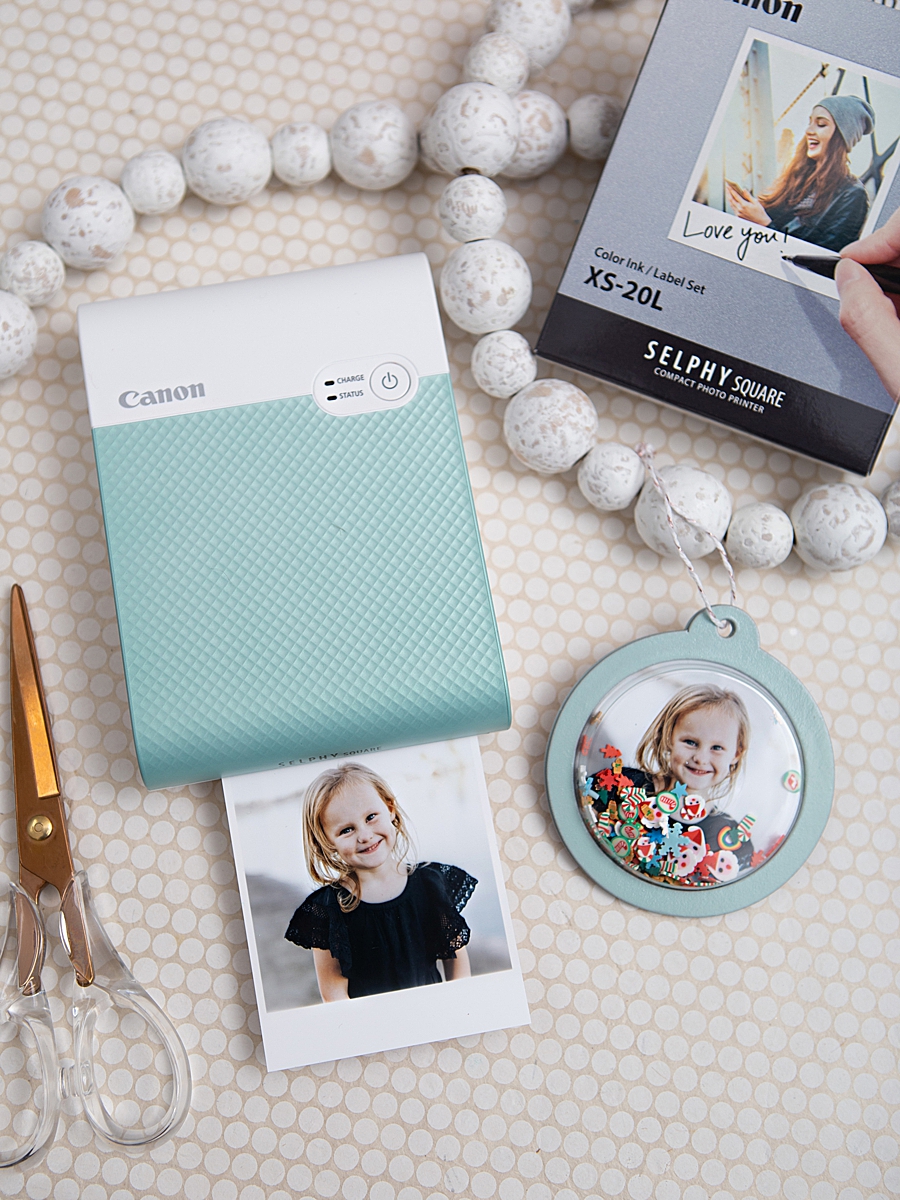
The Canon SELPHY Square QX10 distinguishes itself from competitors in the portable printer market through its use of dye-sublimation thermal transfer technology. Unlike ZINK (Zero Ink) technology, which utilizes heat-sensitive crystals embedded in the paper, dye-sublimation employs a ribbon-based heating process. This method allows for a more nuanced color gradation and a wider gamut, resulting in prints that mirror the quality of traditional laboratory processing.
A critical feature of the QX10 is the longevity of its output. Canon asserts that when stored under proper conditions, these prints can maintain their vibrancy for up to 100 years. This is achieved through a four-pass printing process: the device applies successive layers of yellow, magenta, and cyan dye, followed by a final clear overcoat. This "overcoating" layer serves a dual purpose: it provides an immediate dry-to-the-touch finish and protects the image against environmental factors such as water, oil, and gas.

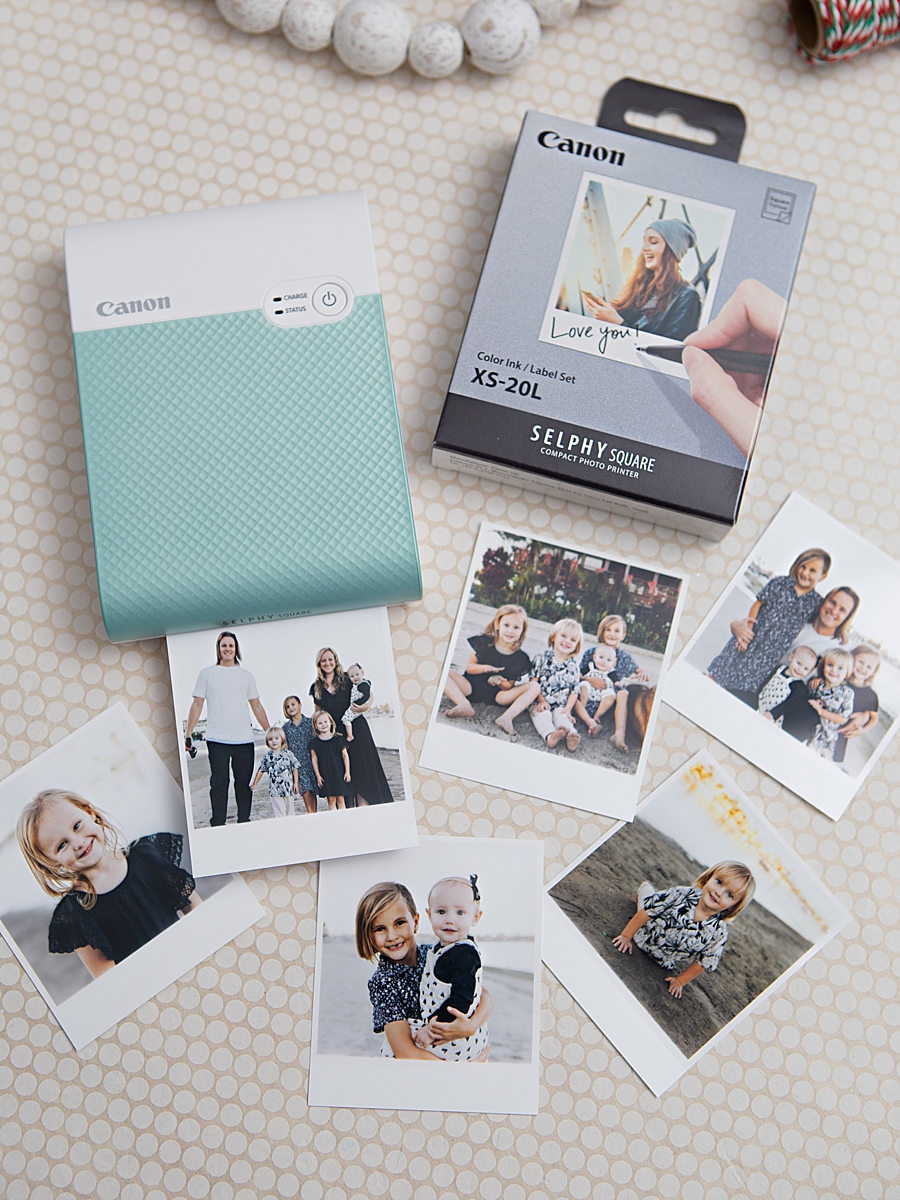
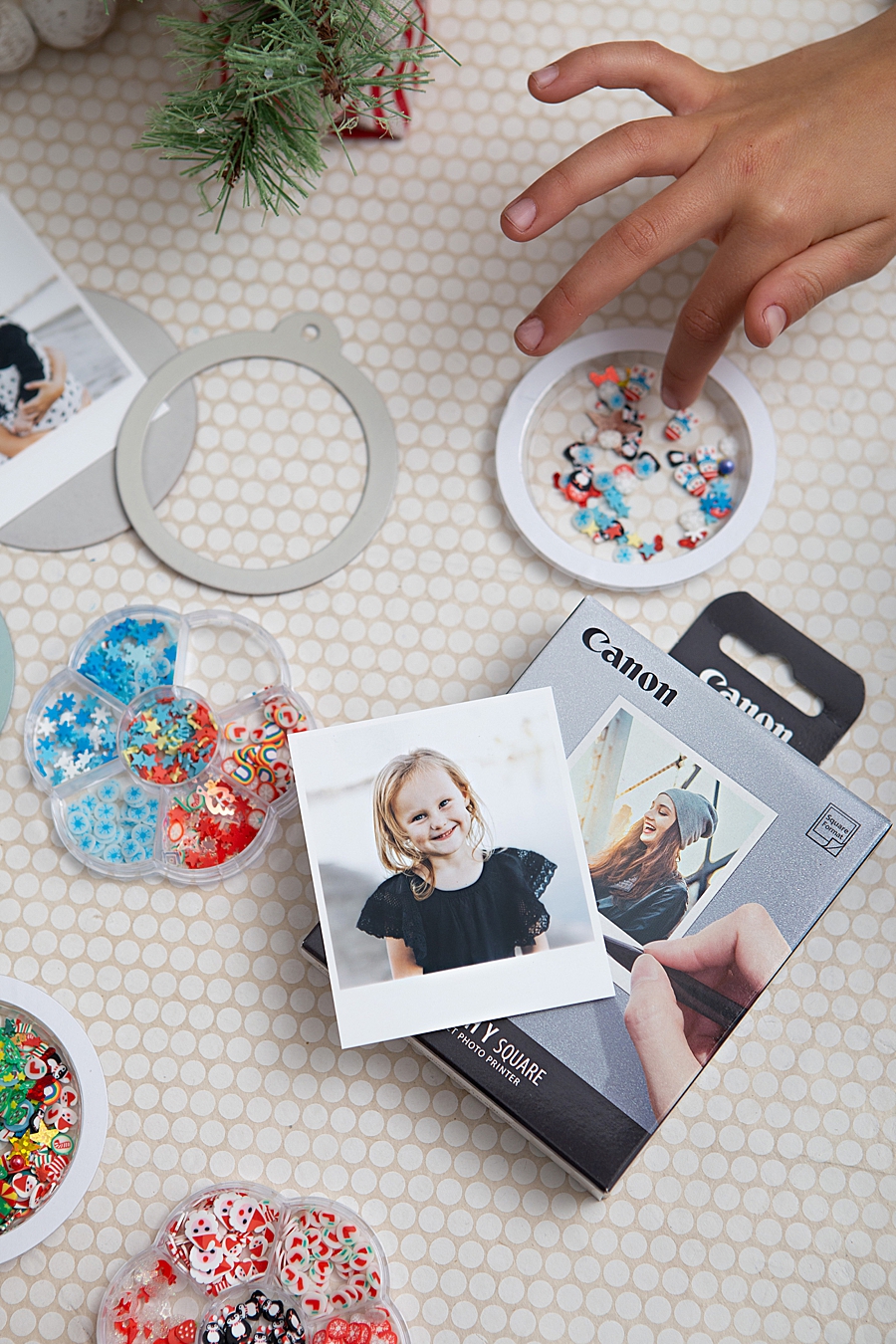
The device’s physical specifications support its role as a mobile creative station. Weighing less than one pound and powered by an internal rechargeable battery, the QX10 eliminates the need for external power sources during operation. It produces 2.7” x 2.7” square prints, a format popularized by social media platforms like Instagram, which are printed on 2.8” x 3.3” sticker paper. This adhesive backing is a strategic design choice, facilitating immediate application to various surfaces without the need for additional mounting materials.
Chronology of a Creative Implementation: The Photo Shaker Ornament Project
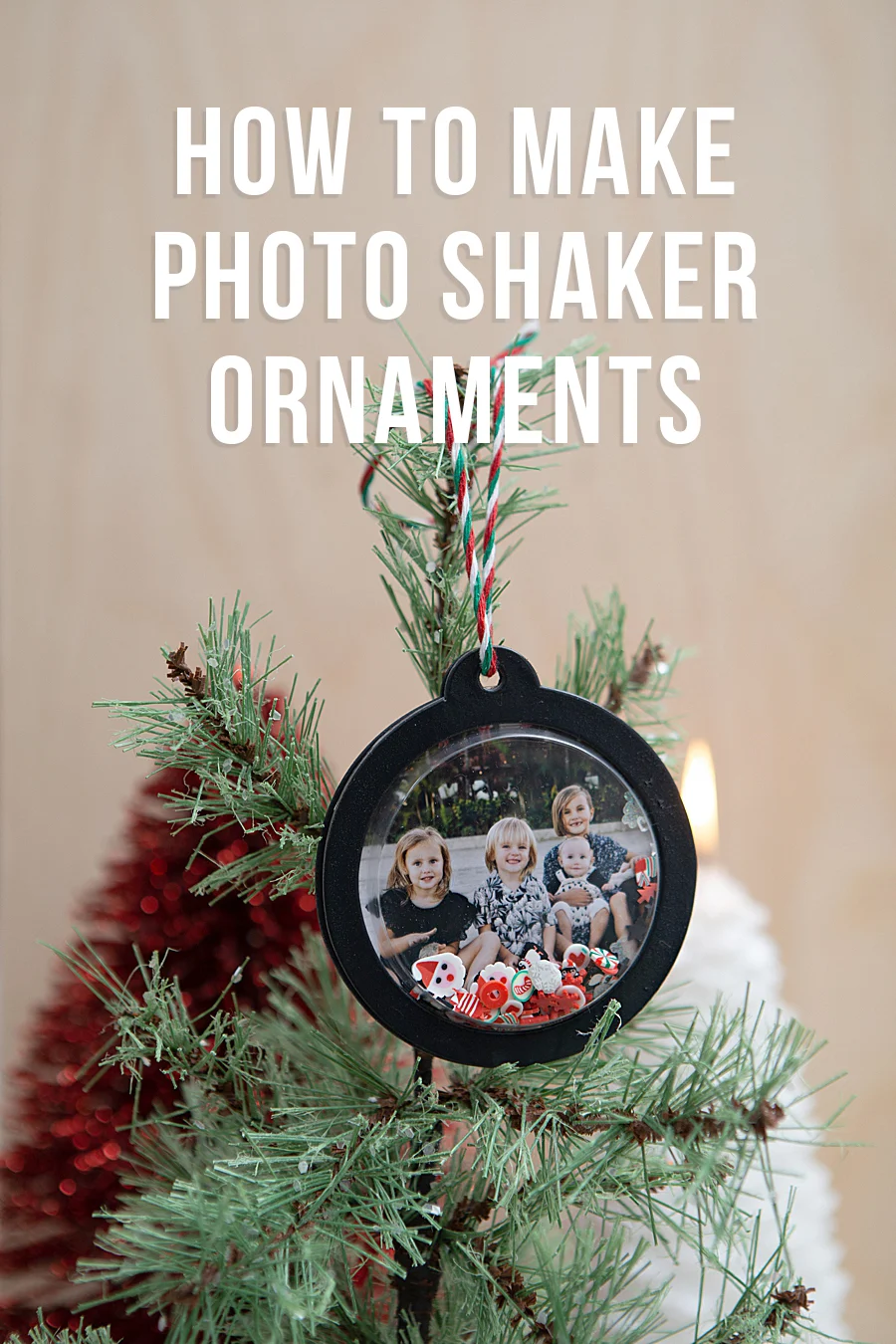
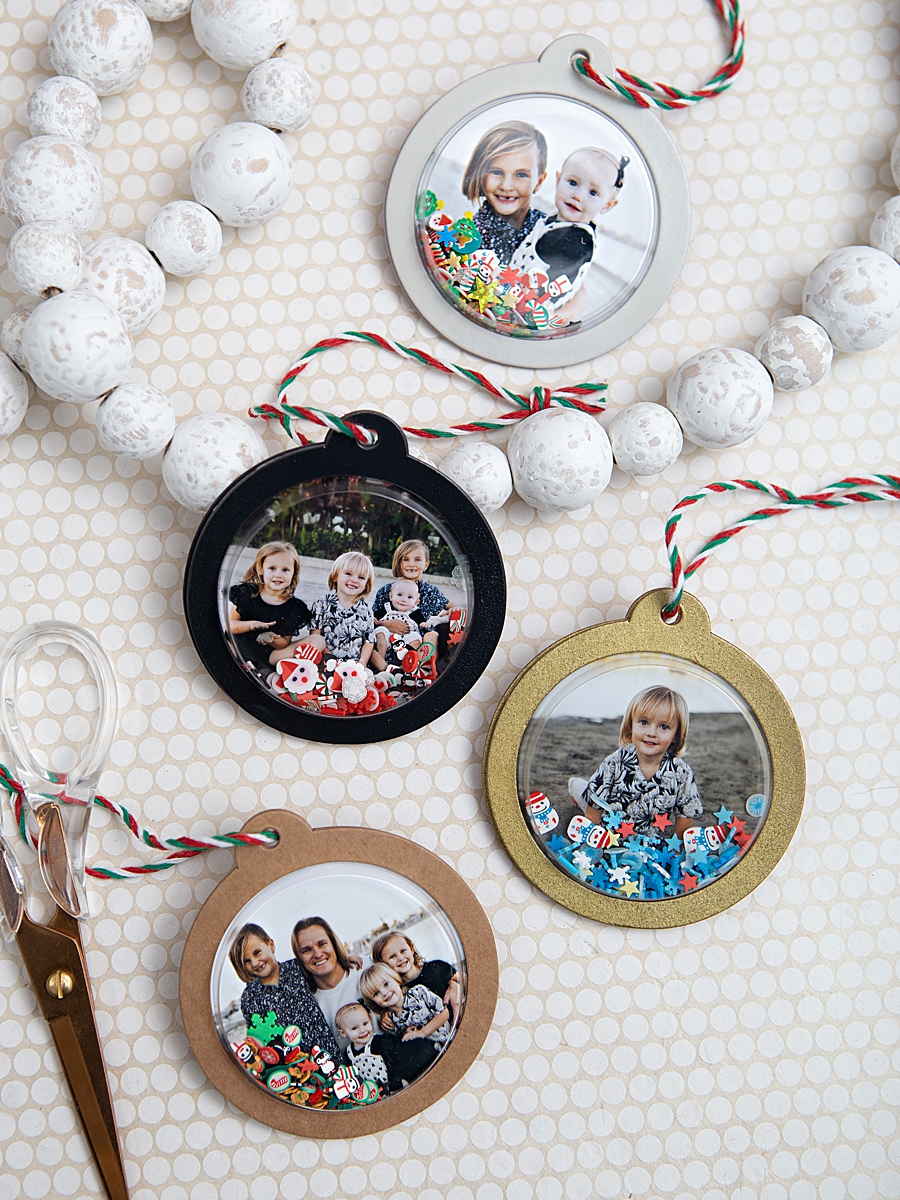
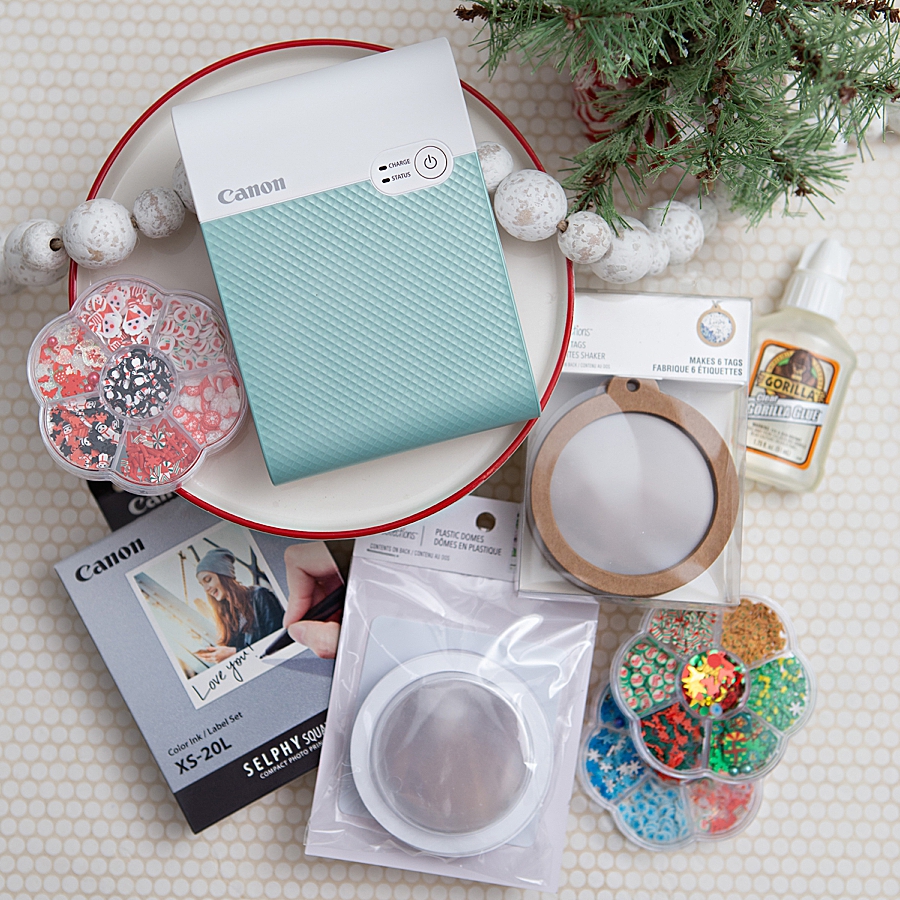
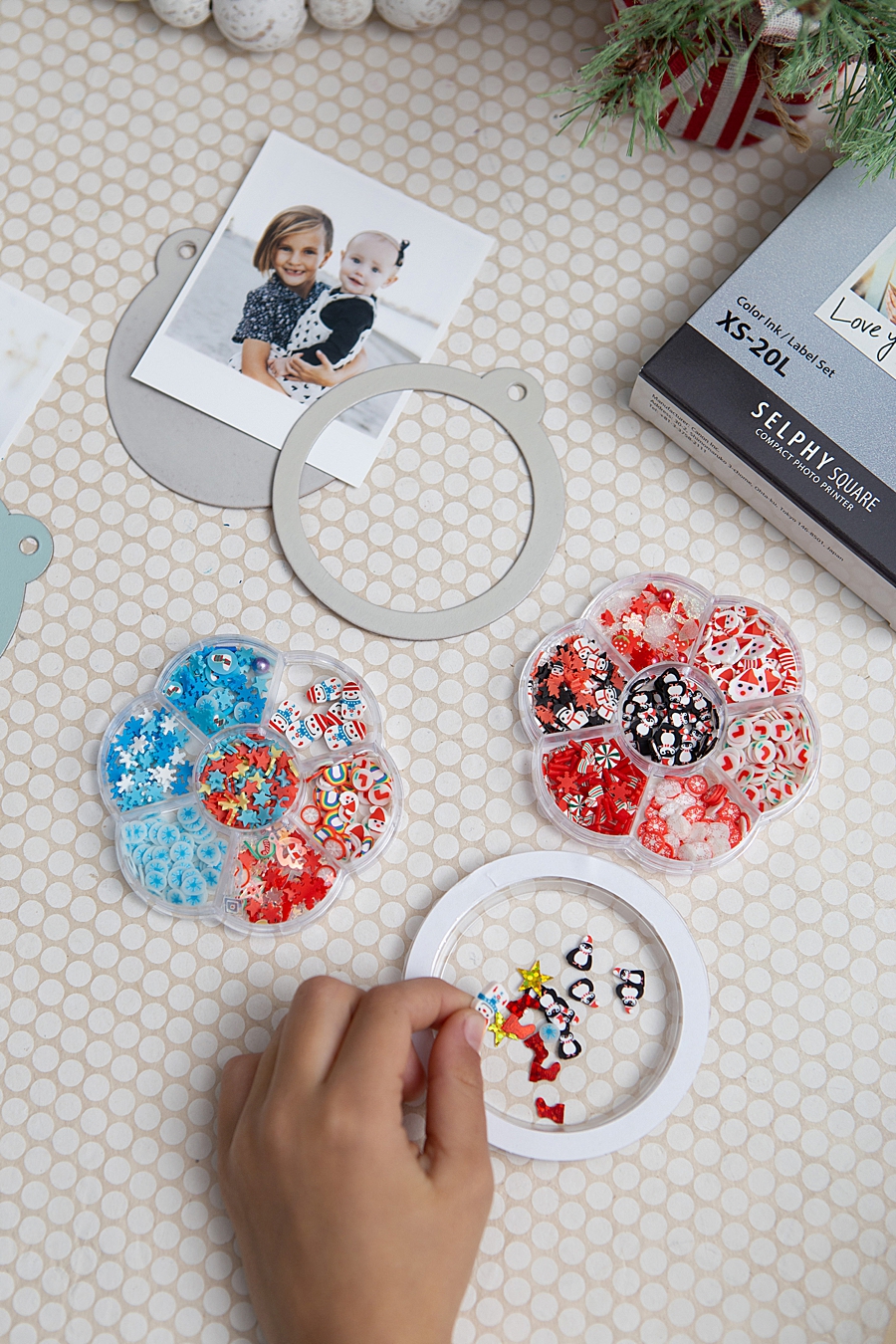
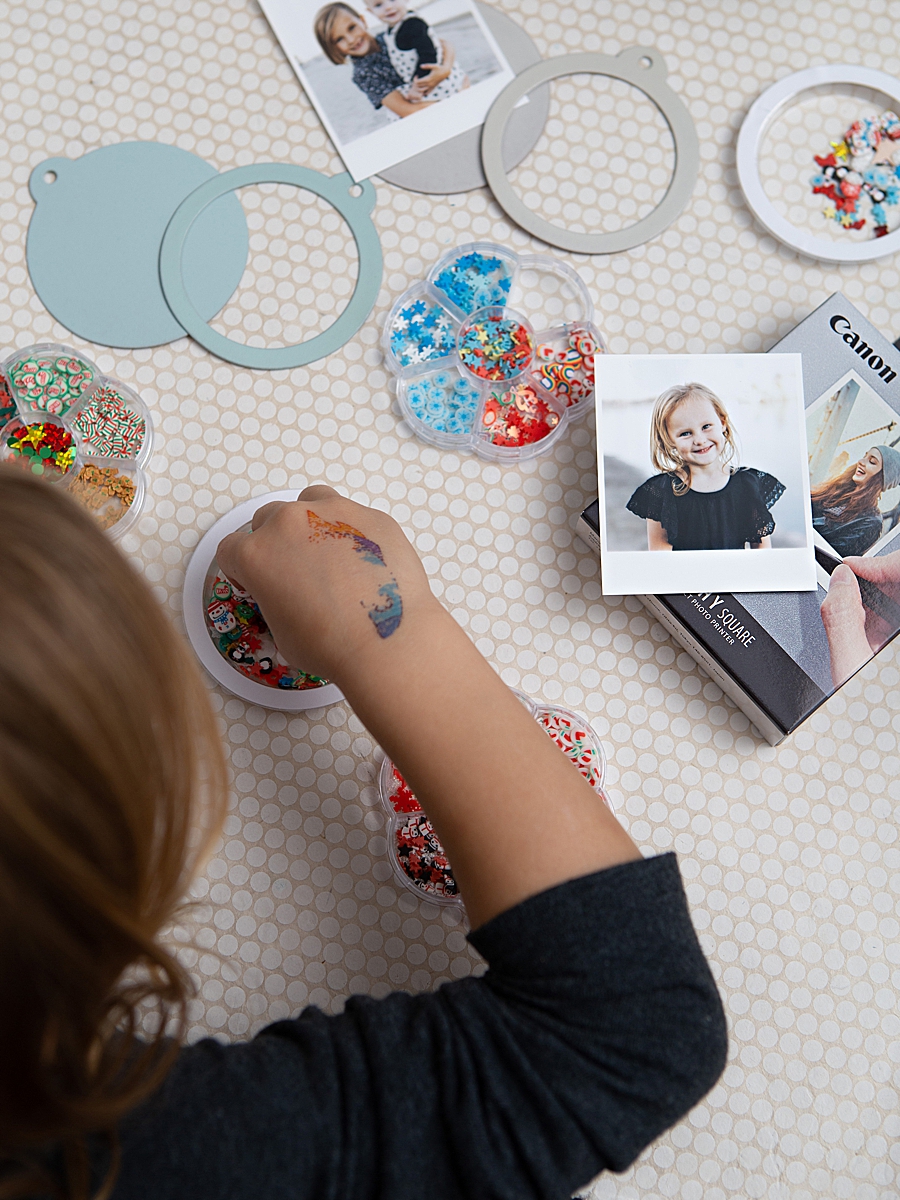
The versatility of the SELPHY Square QX10 is demonstrated in its application within holiday-themed home decor. A recent project showcased by creative influencer Jen Causey-Kidder of Something Turquoise illustrates the step-by-step integration of digital photography and traditional craft materials to create "Photo Shaker Ornaments." This process serves as a functional case study for the printer’s application in the DIY sector.
Phase 1: Digital Preparation and Printing
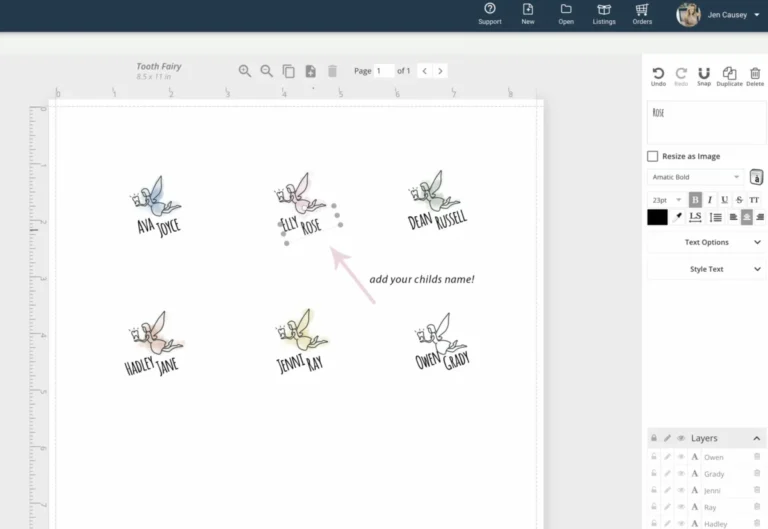
The workflow begins with the Canon SELPHY Photo Layout 2.0 app, available on iOS and Android. Users select digital assets from their smartphone galleries, utilizing the app’s internal editing tools to adjust framing or apply filters. Once the "print" command is initiated via a wireless connection, the QX10 executes its four-pass printing sequence. Observers of the process note the educational and entertainment value of the visible printing stages, as the paper moves in and out of the device to receive each color layer.
Phase 2: Structural Preparation
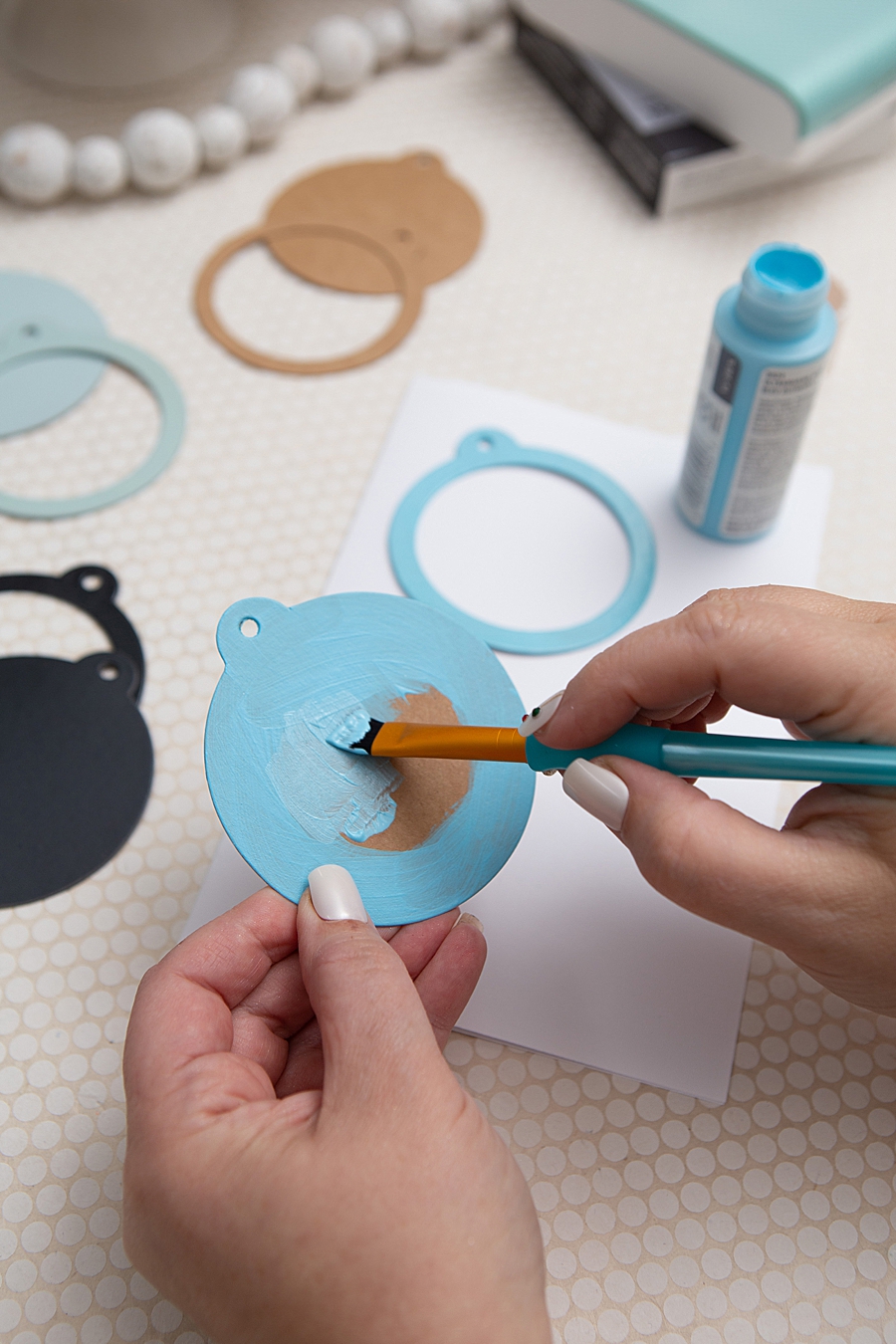
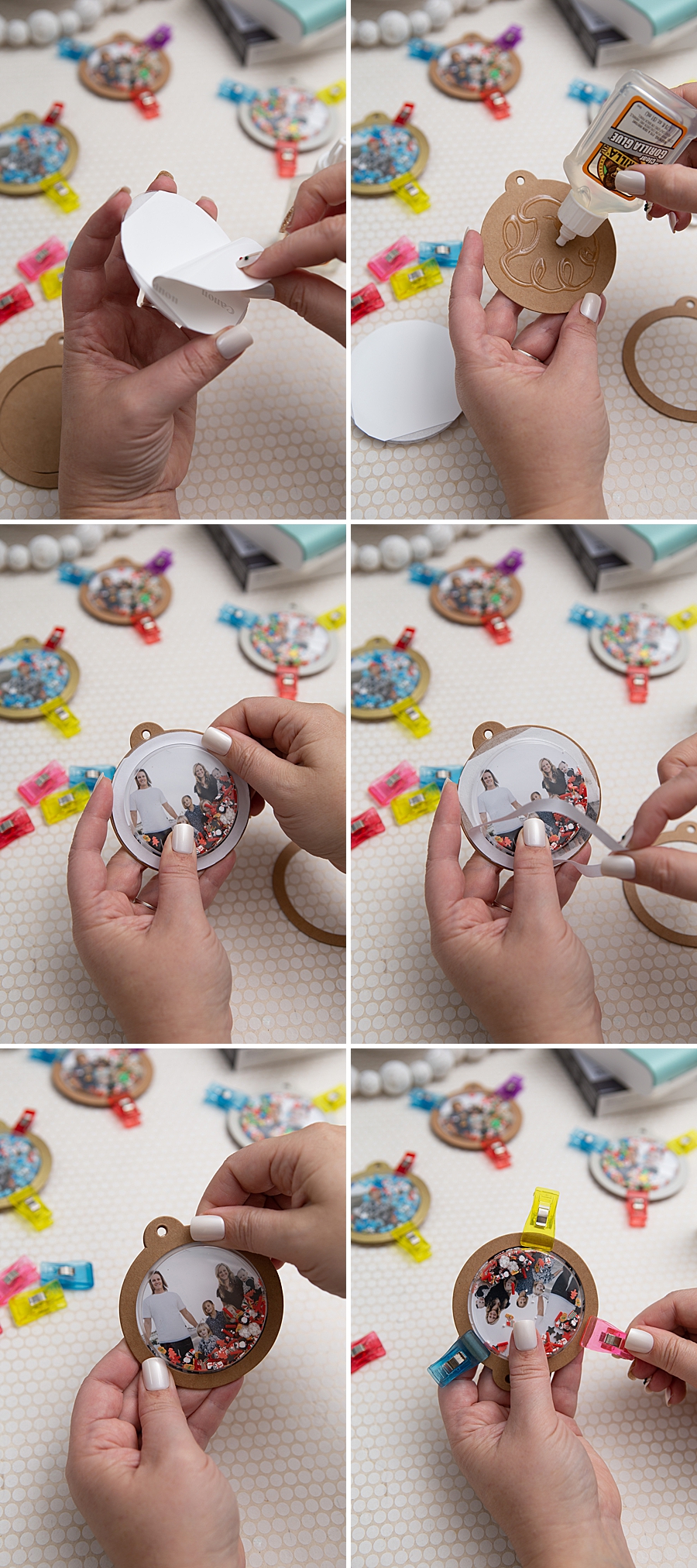
Parallel to the printing process, the physical components of the ornament are prepared. This involves "kraft" shaker tags and plastic domes. For those seeking a specific aesthetic, the kraft tags may undergo a painting phase. Standard procedure involves three coats of craft paint or two coats of spray paint, followed by a clear gloss sealant to ensure durability and a professional finish.
Phase 3: Assembly and Encapsulation
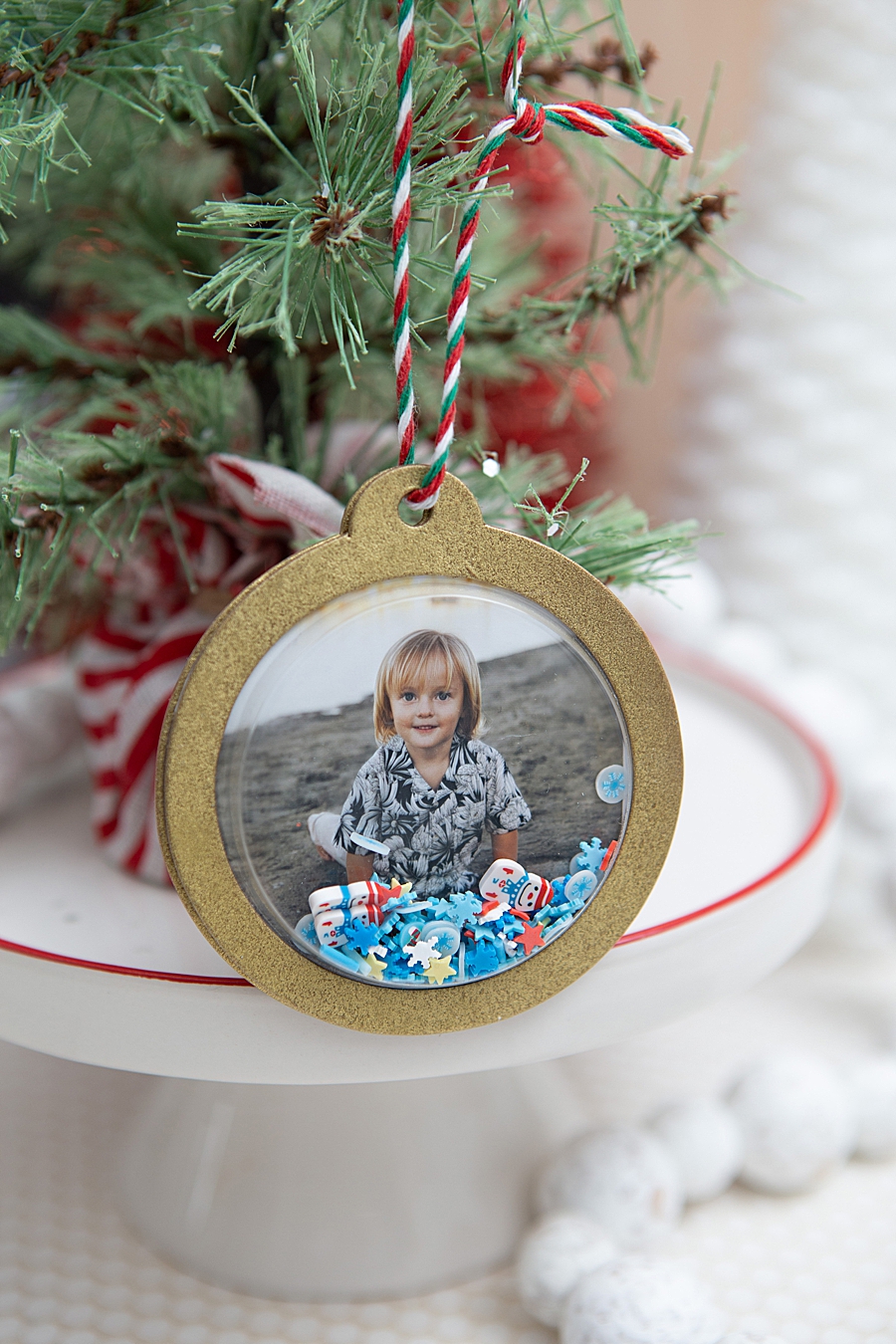
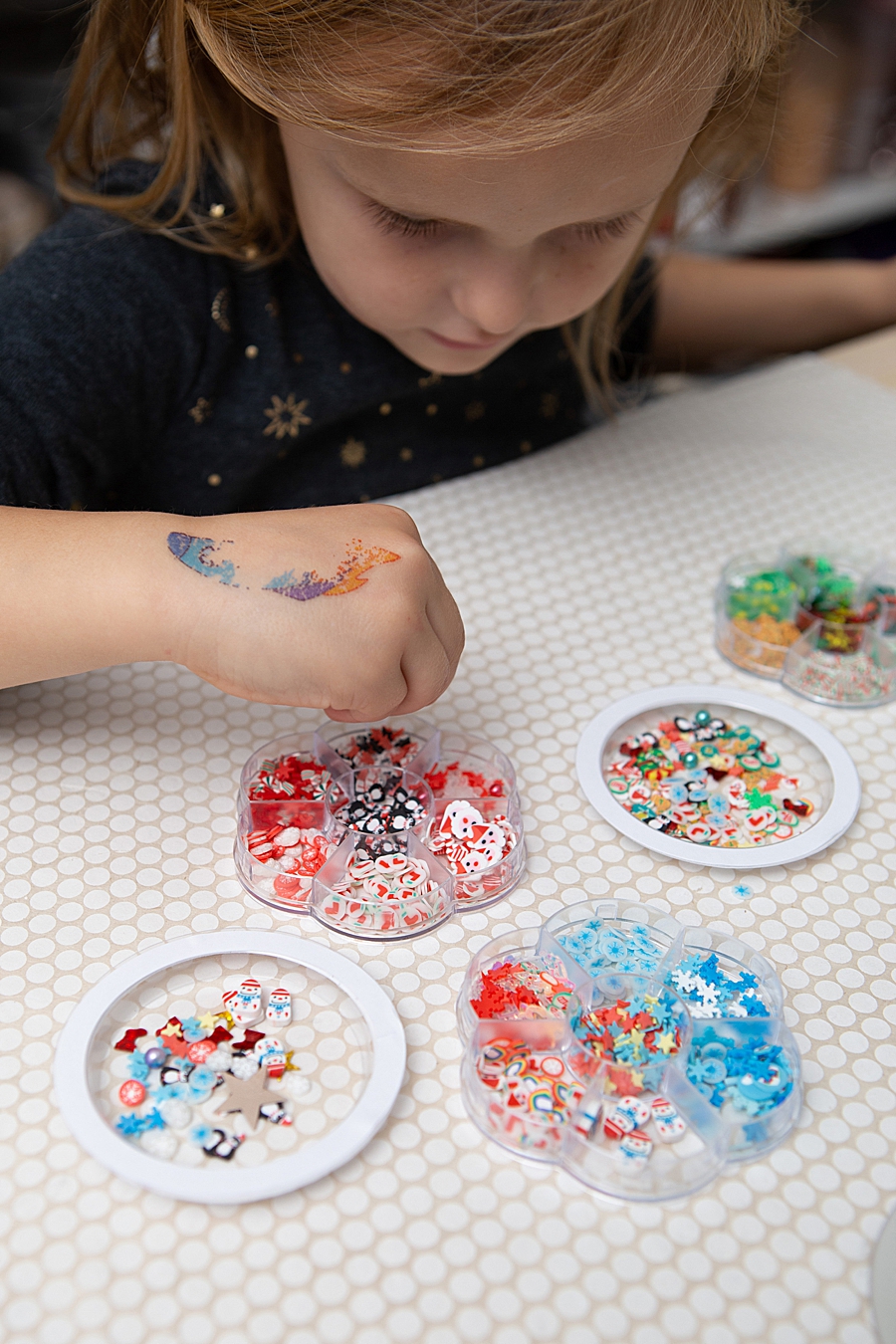
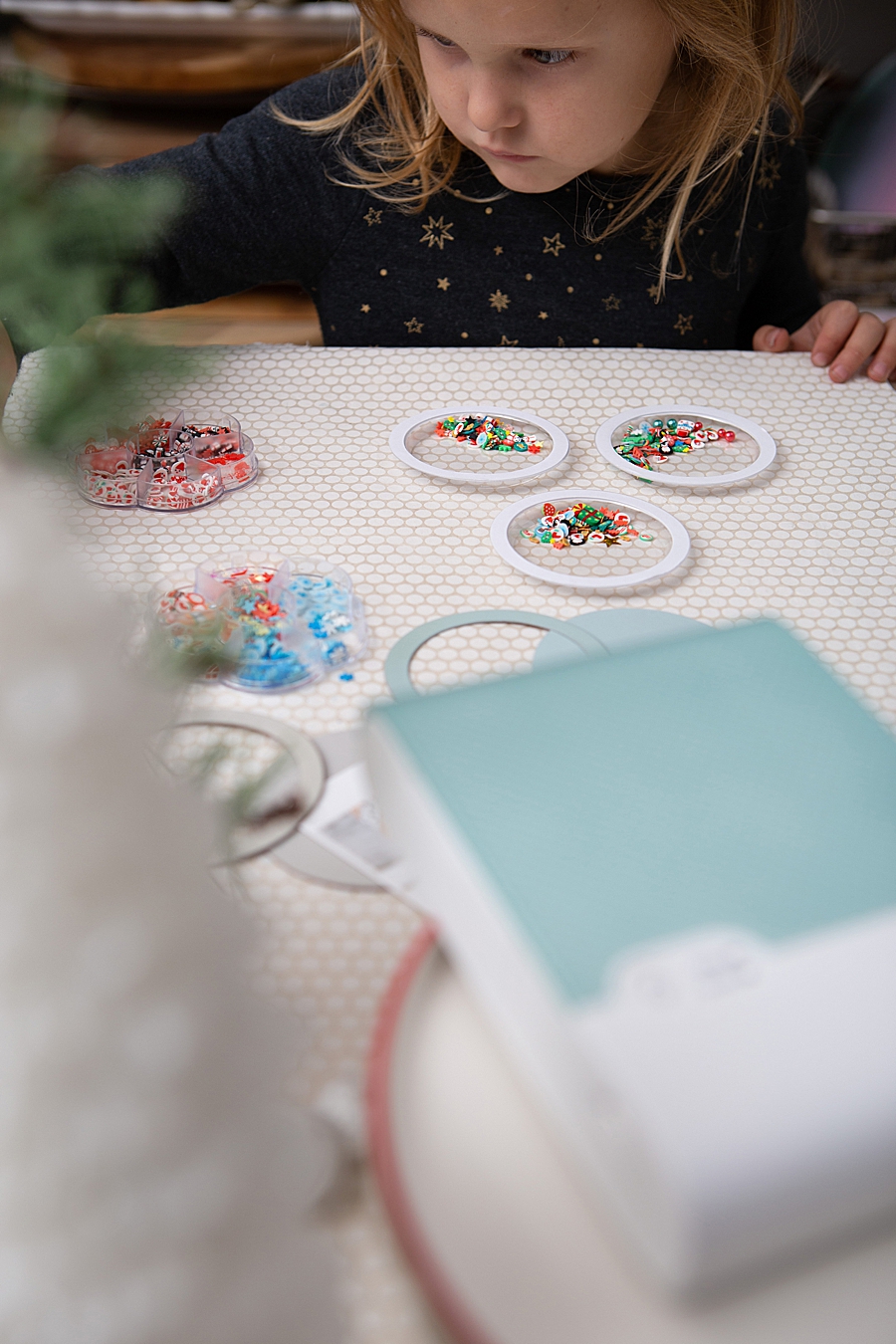
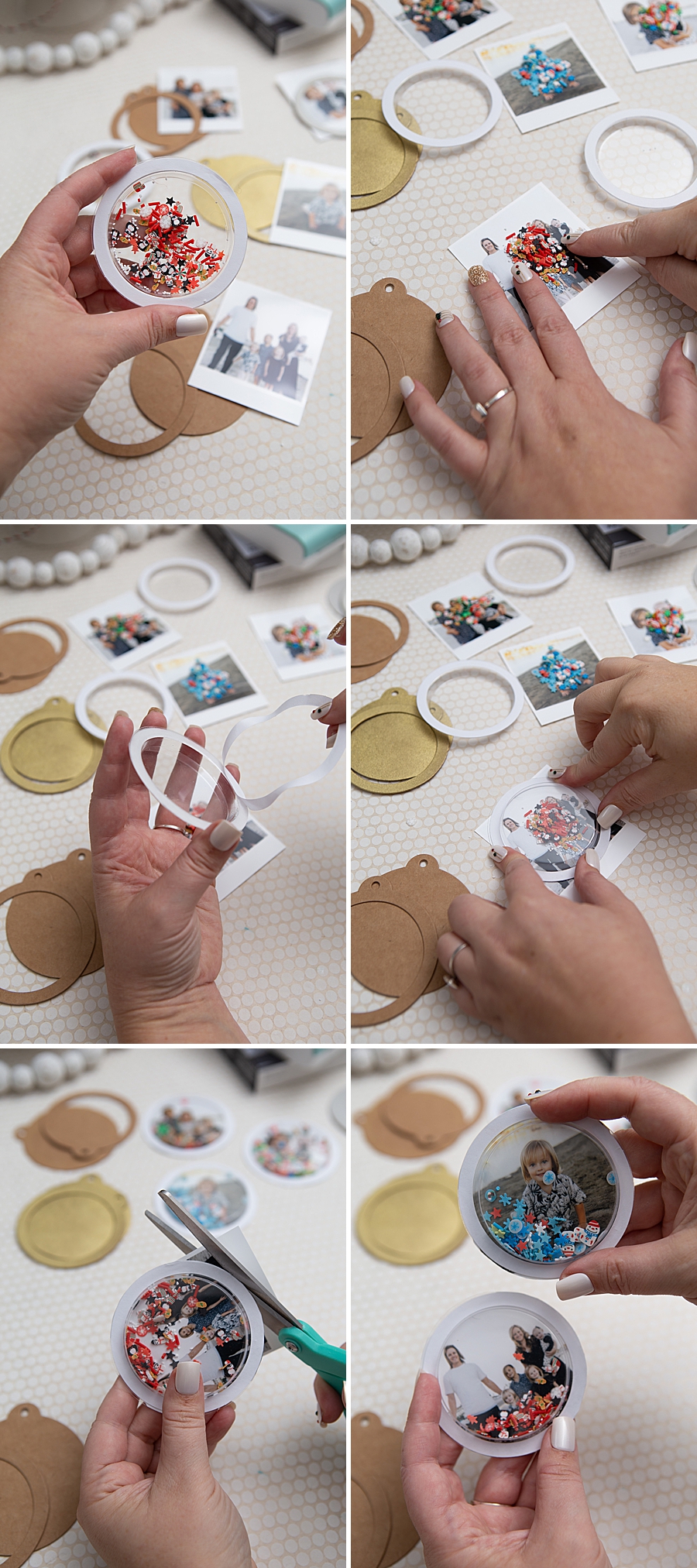
The core of the "shaker" mechanic involves filling the plastic domes with "shaker bits"—small, reflective materials such as sequins, glitter, or specialized nail art supplies. Technical precision is required here; the domes are typically filled to approximately 1/8 of their capacity to ensure the printed photograph remains visible behind the moving elements.
Phase 4: Final Integration
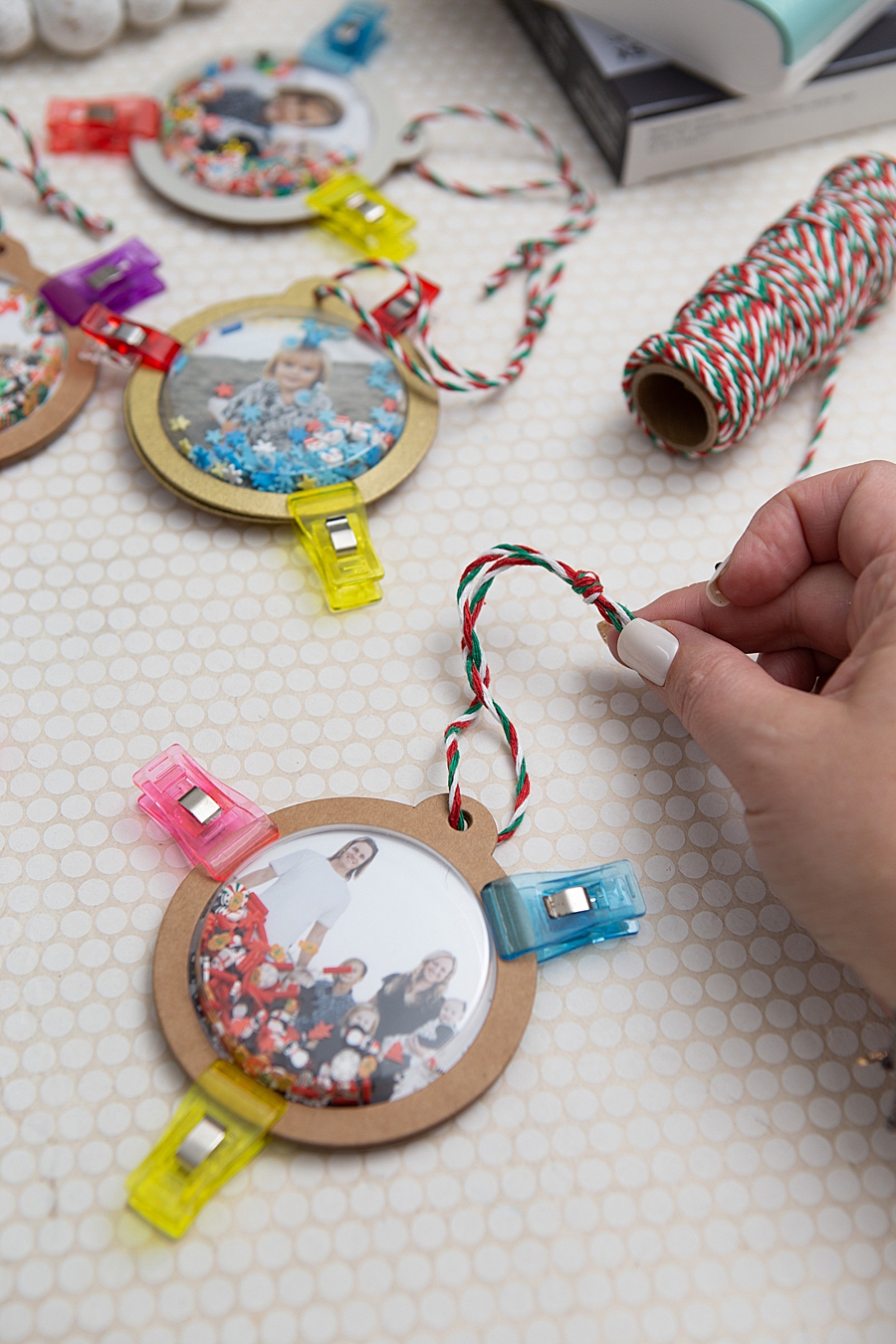
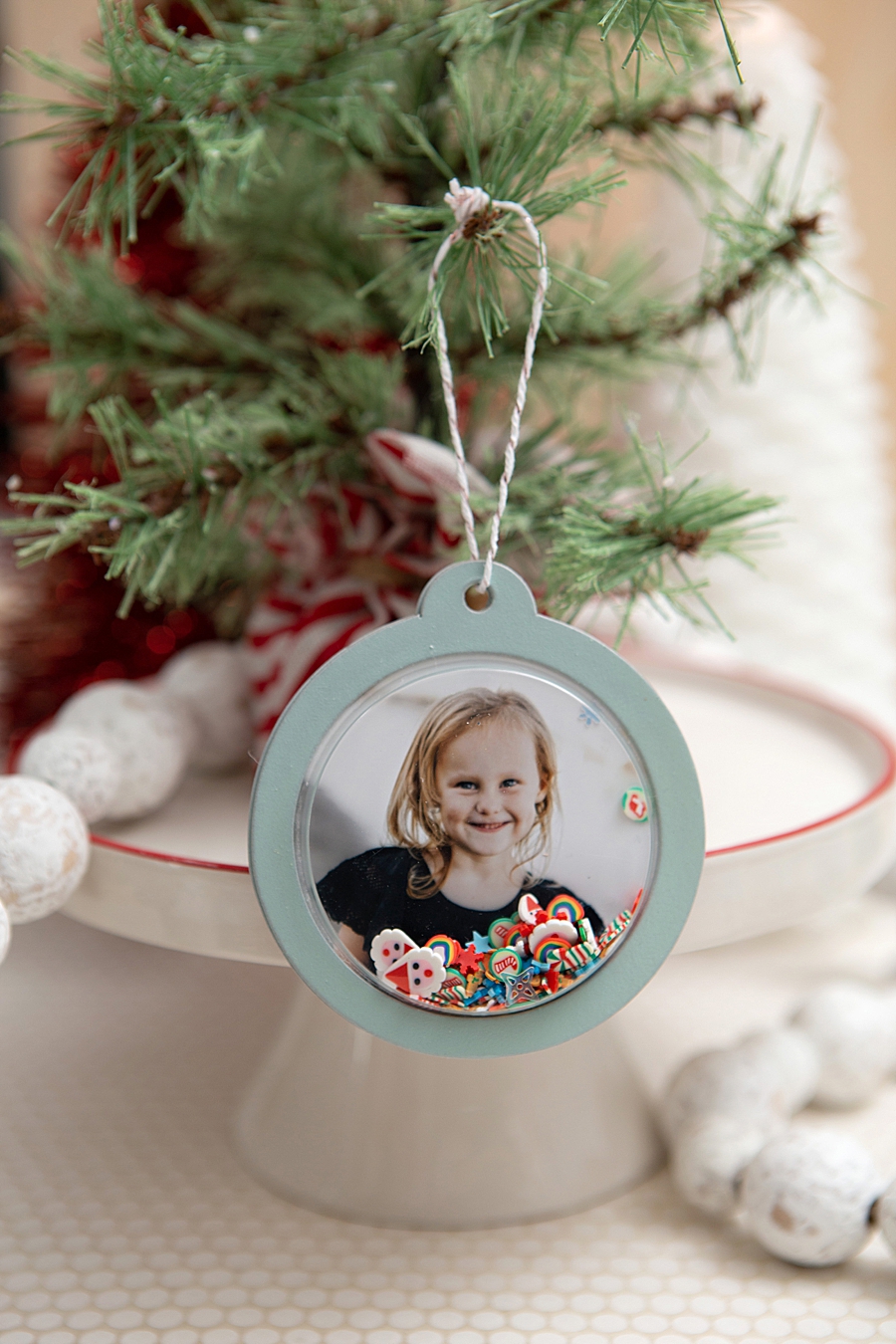
The final phase involves the use of high-strength adhesives, such as Gorilla Glue, to bond the plastic dome, the shaker bits, and the adhesive-backed photo print to the kraft tag base. Because the QX10 prints have a peel-off backing, they can be secured directly to the tag before the dome is sealed over them. The assembly requires a drying period of approximately two hours, with a full 24-hour cure time recommended for structural integrity. The addition of twine or ribbon completes the transformation from a digital file to a physical heirloom.
Market Context and Supporting Data
The rise of devices like the SELPHY Square QX10 coincides with a broader resurgence in the global photo printing market. Market analysis indicates that while digital storage remains the primary method for photo preservation, the "instant print" segment is experiencing a compound annual growth rate (CAGR) of approximately 5.2%. This growth is driven by a demographic that values physical mementos as a reprieve from "digital fatigue."
Supporting data suggests that 65% of consumers in the 18–35 age bracket express a preference for physical photos for home decor over digital displays. Furthermore, the DIY and crafting industry in the United States alone was valued at over $36 billion in 2023. By targeting the intersection of these two markets—instant photography and home crafting—Canon is positioning the SELPHY line as an essential lifestyle tool rather than a niche tech gadget.
The QX10’s consumables model also reflects market trends. Each pack of XS-20L paper includes 20 sheets and a dedicated ink cassette. This ensures that the ink and paper are perfectly matched, reducing user error and maintenance requirements—a significant selling point for the "hobbyist" consumer who prioritizes ease of use.
Corporate Strategy and Official Position
Canon U.S.A., Inc. has maintained a consistent narrative regarding its SELPHY line, emphasizing the empowerment of the consumer. In official communications, the company states that it "prides itself on allowing consumers to create and preserve beautiful imagery, from capture to print." This strategy focuses on "seamless printing capabilities" and "precision," aiming to lower the barrier to entry for high-quality physical output.
Industry analysts suggest that Canon’s focus on the SELPHY Square QX10 is a strategic response to the dominance of analog instant cameras. While analog cameras offer a "lo-fi" aesthetic, the QX10 allows users to utilize the high-resolution sensors of modern smartphones while still obtaining a physical, sticker-backed result. This "best of both worlds" approach is central to Canon’s attempt to capture market share from both the traditional photography and modern social media demographics.
Broader Impact and Implications for the Crafting Industry
The integration of high-quality portable printing into the crafting workflow has several long-term implications. First, it democratizes the production of personalized merchandise and gifts. Previously, creating a "shaker ornament" or a custom journal would require professional printing services or bulky desktop printers. The QX10’s portability allows these activities to become social and communal, as seen in the "shaker ornament" project where family participation is a key element.
Second, the longevity of the prints (the "100-year" claim) addresses a major criticism of earlier instant print technologies, which were prone to fading and discoloration. By providing archival-quality prints in a consumer-grade device, Canon is encouraging the creation of "modern heirlooms." This shift could influence how families document their histories, moving away from ephemeral digital clouds and back toward tactile albums and physical decorations.
Finally, the success of such products highlights the importance of software ecosystems. The SELPHY Photo Layout 2.0 app acts as the gatekeeper for the hardware. As Canon continues to update the app with new templates, collage layouts, and creative tools, the hardware remains relevant. The ability to create "shaker ornaments" is just one example of how software-driven creative prompts can drive hardware sales and consumable usage.
Conclusion
The Canon SELPHY Square QX10 represents a calculated intersection of advanced imaging technology and the timeless human desire for physical expression. Through its high-quality dye-sublimation process, portable design, and integration with creative workflows, the device has found a robust niche in the DIY and home decor sectors. As demonstrated by the production of specialized items like photo shaker ornaments, the utility of the printer extends beyond simple documentation, fostering a new era of personalized, "phygital" craftsmanship. As the DIY market continues to expand, the role of accessible, high-fidelity printing technology is expected to become increasingly central to the domestic creative experience.