

The preservation of a wedding gown represents a critical intersection of textile science and sentimental value, yet many newlyweds find themselves unprepared for the technical requirements of long-term garment storage. While the modern bridal industry emphasizes the purchase and "the big day," the post-event care of high-value textiles is an intricate process governed by a strict chronological window. Industry experts and preservation specialists suggest that the success of gown archiving depends heavily on the speed of intervention and the chemical sophistication of the cleaning agents used.
The Critical Window and the Chemistry of Invisible Stains
The most pressing factor in wedding gown preservation is the timeline. According to data cited by bridal resource The Knot, the optimal window for beginning the preservation process is within three to four weeks of the wedding ceremony. Beyond this 30-day threshold, stains that appear invisible at first—such as champagne spills, perspiration, and sugar-based residues from cake or cocktails—begin to undergo a chemical process known as caramelization.
Caramelization occurs when sugars oxidize over time, turning into stubborn, brittle brown spots that are often impossible to remove without damaging the underlying fabric. Professional preservationists note that while a bride may believe her dress is clean because there are no obvious mud or wine marks, the latent presence of salts and sugars poses the greatest long-term risk. Once these stains set, they can weaken the fibers of silk, lace, and tulle, leading to irreparable yellowing or "shattering" of the fabric.
To mitigate this, specialists recommend that brides document every known spill or contact point immediately following the event. Placing a descriptive note inside the garment bag helps technicians target specific areas with the appropriate solvents rather than relying on general cleaning cycles.
Professional Intervention vs. DIY Limitations
The debate between professional preservation and do-it-yourself (DIY) methods often centers on cost, but the technical disparity is significant. While a DIY approach is viable for the storage phase—utilizing acid-free boxes and pH-neutral tissue paper—the cleaning phase remains a professional necessity.
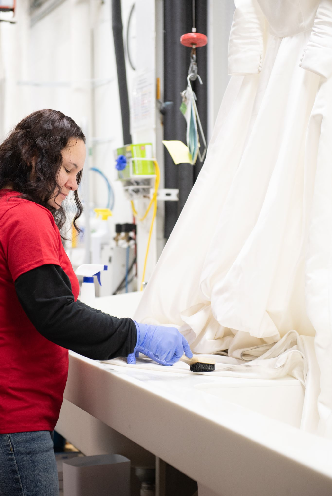
Home cleaning attempts often prove disastrous for high-end bridal wear. Conventional detergents and household stain removers are rarely formulated for the delicate balance of silk proteins or the intricate beadwork common in bridal design. Furthermore, home drying processes can cause shrinkage or "heat-setting" of stains.
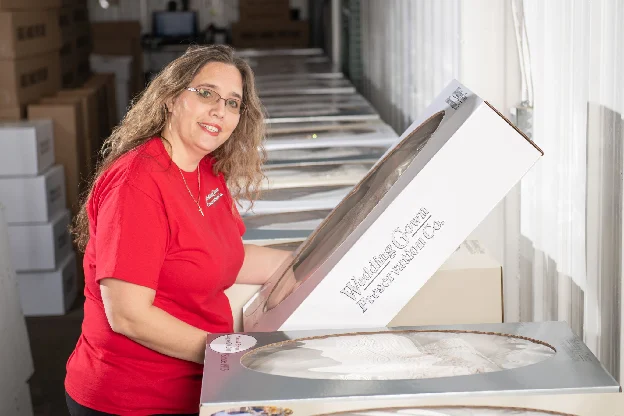
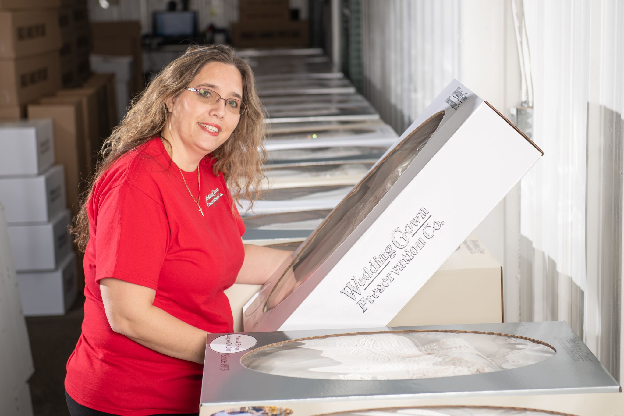
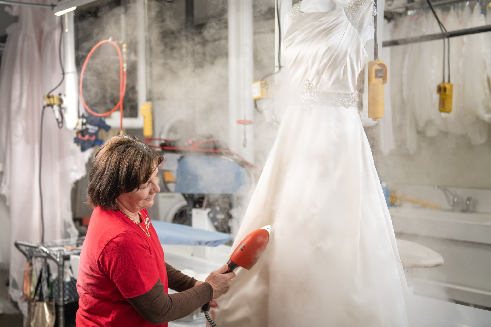
In contrast, professional services utilize specialized equipment and chemicals, such as System K4—an environmentally friendly, halogen-free solvent—to deep-clean fabrics without stripping natural oils or damaging structural integrity. These services also provide a guarantee against yellowing, often spanning 100 years, which acts as a form of long-term insurance for the garment’s value.
Economic Analysis of Preservation Costs
The financial investment required for gown preservation varies based on the complexity of the garment and the level of service selected. Based on current market trends, a comprehensive professional cleaning and preservation package typically ranges from $250 to $700. For couture gowns involving heavy beading, hand-painted silks, or extensive lace, costs can escalate to $1,000 or more.
Conversely, a DIY storage setup—assuming the dress has already been professionally cleaned by a specialist—costs between $60 and $100 for archival-grade materials. This includes acid-free boxes, unbuffered tissue, and muslin wraps. However, when the cost of a standalone professional cleaning (which can range from $150 to $300) is added to the DIY storage materials, the price gap between "doing it yourself" and purchasing a comprehensive "mail-in kit" narrows significantly.
Mail-in kits, which range from $260 to $460, have become the industry standard for their convenience and included protections. These kits typically cover the cost of the cleaning, the archival box, and, crucially, insured two-way shipping. Given that the average wedding dress in the United States now costs approximately $2,000, the insurance coverage provided by these kits (often ranging from $500 to $3,000) represents a significant value proposition for the consumer.
Comparative Overview of Leading Preservation Services
Several key players dominate the U.S. wedding gown preservation market, each offering different tiers of service to accommodate various budgets and garment types.
| Service | Price Range | Turnaround Time | Key Features |
|---|---|---|---|
| Trusted Wedding Gown Preservation | $260–$460 | 6–8 Weeks | Includes $2,000–$3,000 insurance; 100-year guarantee; up to 5 accessories. |
| Wedding Gown Preservation Kit | $260–$460 | 6–8 Weeks | Embossed chest with UV-coated viewing window; System K4 cleaning. |
| David’s Bridal | Variable | 2–6 Weeks | Convenient retail-integrated service; $500–$1,000 insurance options. |
| Elegance Preserved | $448–$764 | ~12 Weeks | Specialized hand-cleaning; ideal for delicate lace and couture items. |
Trusted Wedding Gown Preservation, based in New Jersey, categorizes its services by the gown’s value and age. Their "Traditional" kit is designed for dresses under $2,000, while the "Celebrity" kit caters to couture pieces over $3,000. They also offer a "Restoration" service specifically for vintage gowns that have already begun to yellow, a process that requires oxygen-based bleaching and delicate fiber stabilization.
Elegance Preserved, which operates primarily in California, focuses on a boutique approach. Their emphasis on hand-cleaning rather than mechanical cycles makes them a preferred choice for garments with three-dimensional floral appliqués or antique lace that cannot withstand the agitation of standard dry-cleaning machines.
Archival Storage Standards and DIY Implementation
For those who choose to handle the storage aspect of preservation at home, adhering to archival standards is non-negotiable. The primary enemies of textile preservation are light, moisture, and acid.
- Material Selection: All paper products in contact with the dress must be acid-free and lignin-free. Standard cardboard contains acids that will transfer to the fabric, causing brown "scorch" marks over time.
- Buffering: For synthetic fabrics (polyester), buffered tissue is acceptable. However, for protein-based fibers like silk or wool, unbuffered, pH-neutral tissue is required to prevent chemical reactions with the fibers.
- Environmental Control: The gown should be stored in a "living space"—an area with consistent temperature and humidity. Attics and basements are unsuitable due to extreme temperature fluctuations and the risk of dampness, which invites mold and mildew.
- Handling: When packing a gown, preservationists recommend using white cotton gloves to prevent the transfer of skin oils to the fabric.
Creative Upcycling: The Keepsake Shadow Box
While the gown itself is often destined for a box under the bed or in a closet, many brides are turning to "shadow box" projects to display smaller mementos from the event. This DIY trend allows for the preservation of the day’s aesthetic without risking the integrity of the primary garment.
Specialists suggest using leftover fabric from alterations—scraps that would otherwise be discarded—as the backdrop for these displays. By combining fabric swatches with invitations, dried floral elements from the bouquet, and small charms or photos, the shadow box becomes a piece of archival art.
The technical requirements for a shadow box are similar to gown storage: UV-protective glazing (glass or acrylic) is recommended to prevent the fading of ink and fabric, and all mounting adhesives should be archival-grade to ensure that the mementos do not degrade over time. The typical cost for a high-quality DIY shadow box project ranges from $60 to $100, depending on the size and the quality of the frame.
Broader Implications for the Bridal Industry
The rise of professional preservation services reflects a broader shift in consumer behavior toward sustainability and the "heirloom economy." As the secondary market for wedding dresses (resale platforms like Stillwhite or PreownedWeddingDresses.com) continues to grow, preservation has become a tool for maintaining a garment’s resale value. A dress with a certified preservation record and a 100-year anti-yellowing guarantee commands a significantly higher price on the used market than a dress that has been stored in a standard plastic garment bag.
Furthermore, the environmental impact of the bridal industry is under increasing scrutiny. By preserving and maintaining high-quality garments, the industry moves away from the "single-use" stigma of wedding attire. Preservation allows for the possibility of "re-wearing"—whether by the original bride for an anniversary event or by future generations—thereby extending the lifecycle of the textile.
In conclusion, wedding gown preservation is a dual-track process. The cleaning and chemical stabilization of the fabric require professional expertise and specialized solvents to counteract the inevitable decay caused by organic stains. Conversely, the long-term storage and creative commemoration of the event offer opportunities for DIY engagement, provided archival standards are strictly maintained. By understanding the chemistry of the fabrics and the timeline of stain setting, newlyweds can ensure that their garment remains a pristine artifact of their history for decades to come.