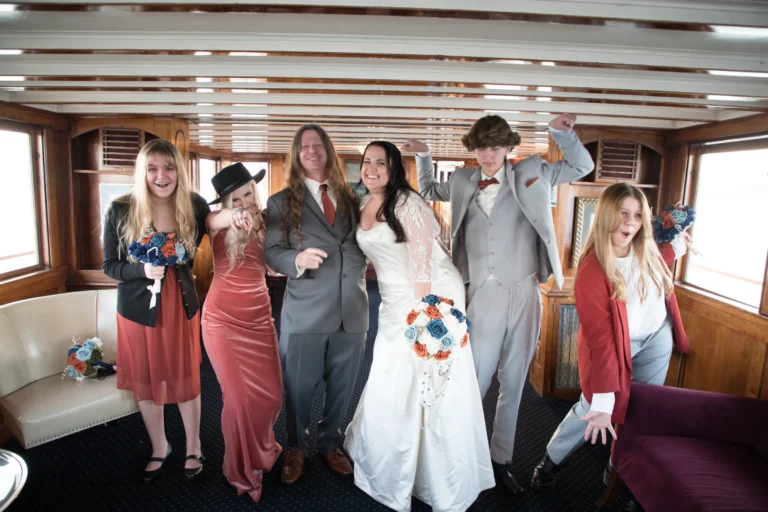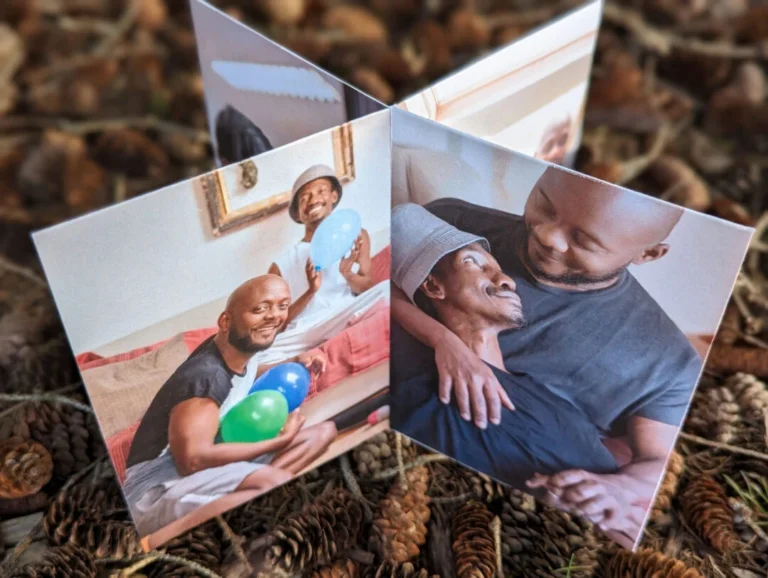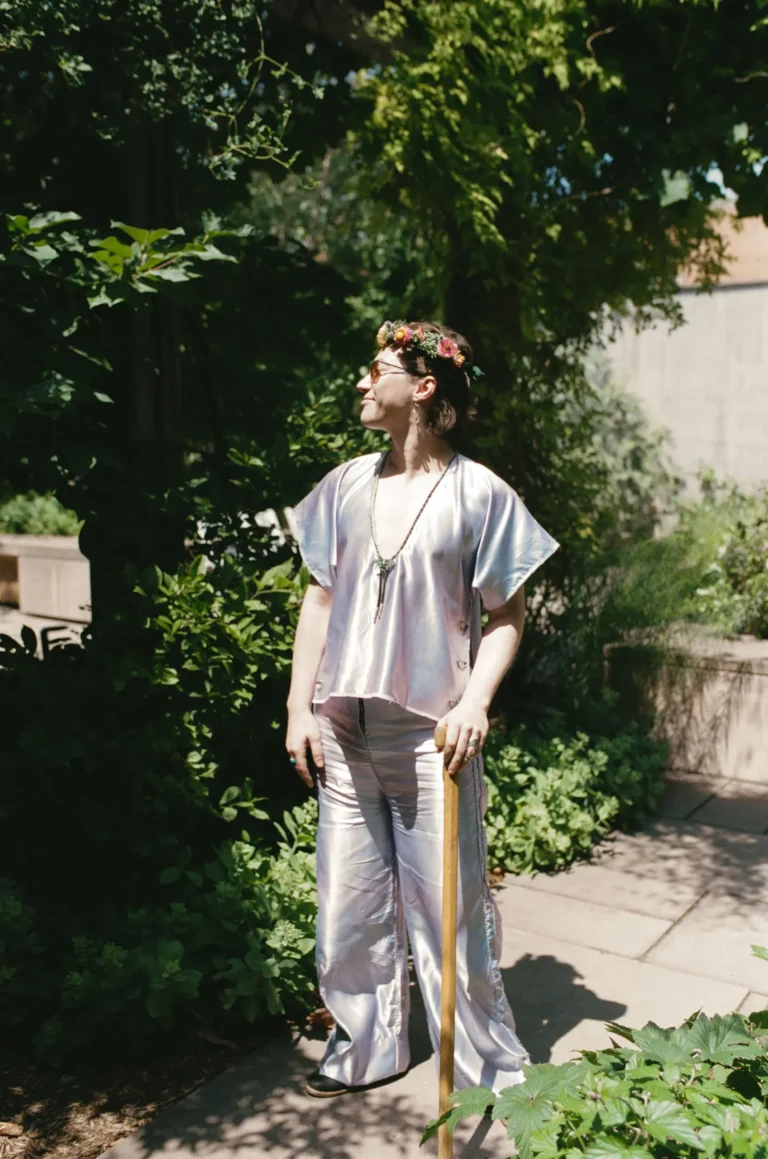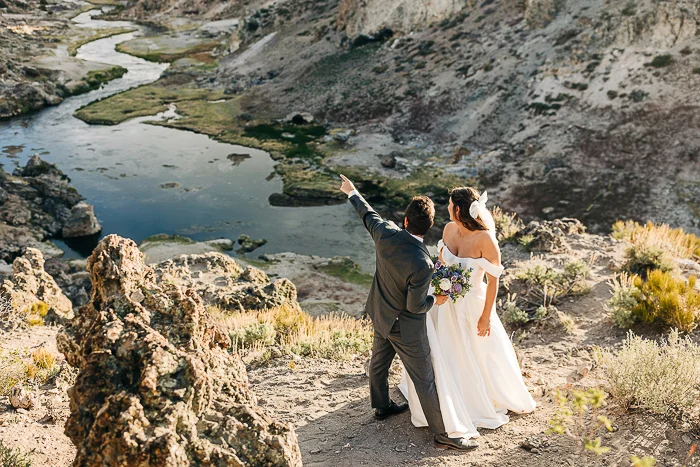

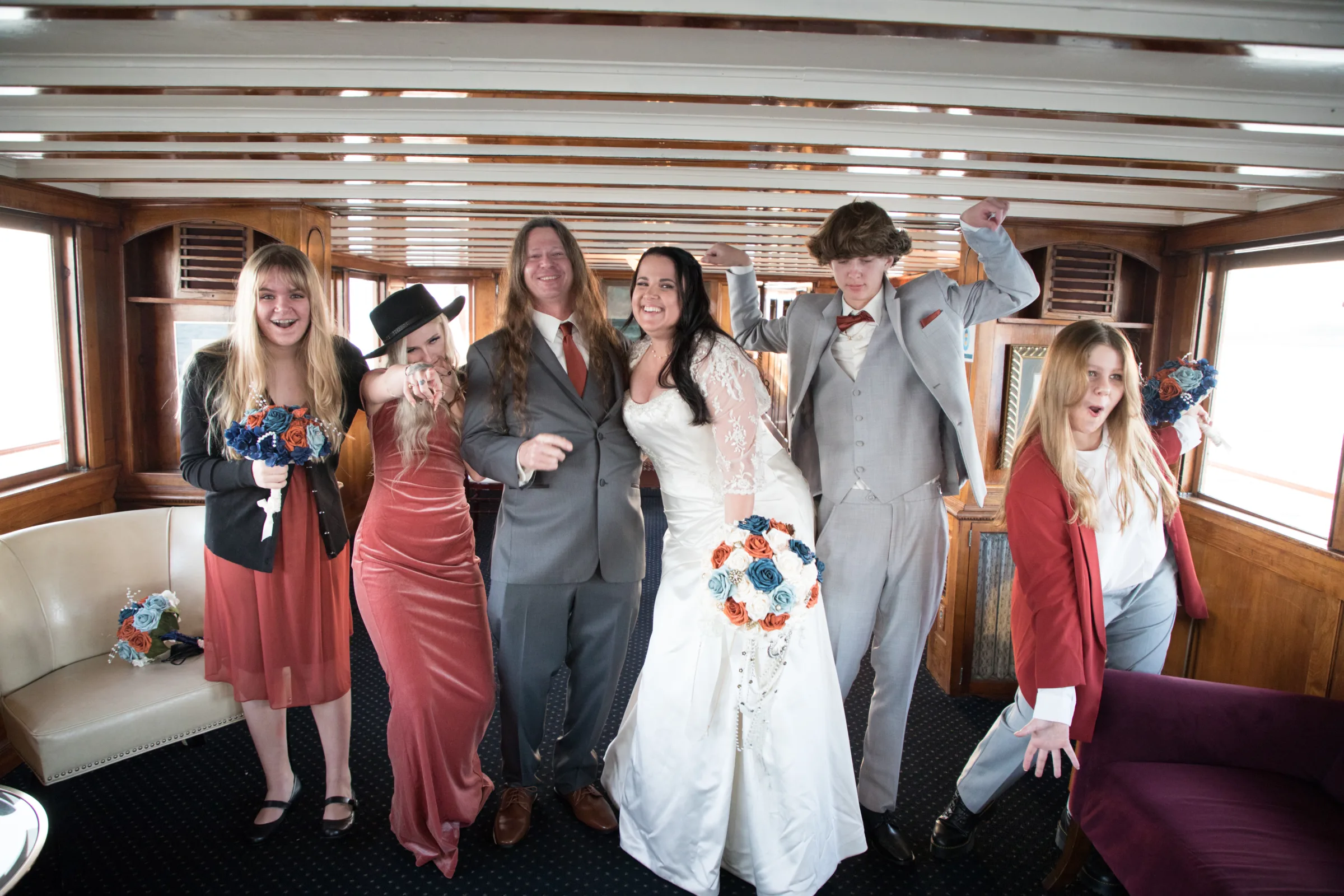
Marrying in midlife, especially when teenagers or adult children are part of the family picture, introduces a unique set of considerations that traditional wedding advice often overlooks. The conventional playbook, designed for first marriages and younger bridal parties, seldom addresses the nuanced dynamics of integrating older offspring into a new union. Questions abound: Should these children be involved in the planning? What roles should they play in the ceremony? Is walking a parent down the aisle appropriate, and perhaps most critically, how does one navigate situations where a grown child may not yet be entirely enthusiastic about the impending nuptials?
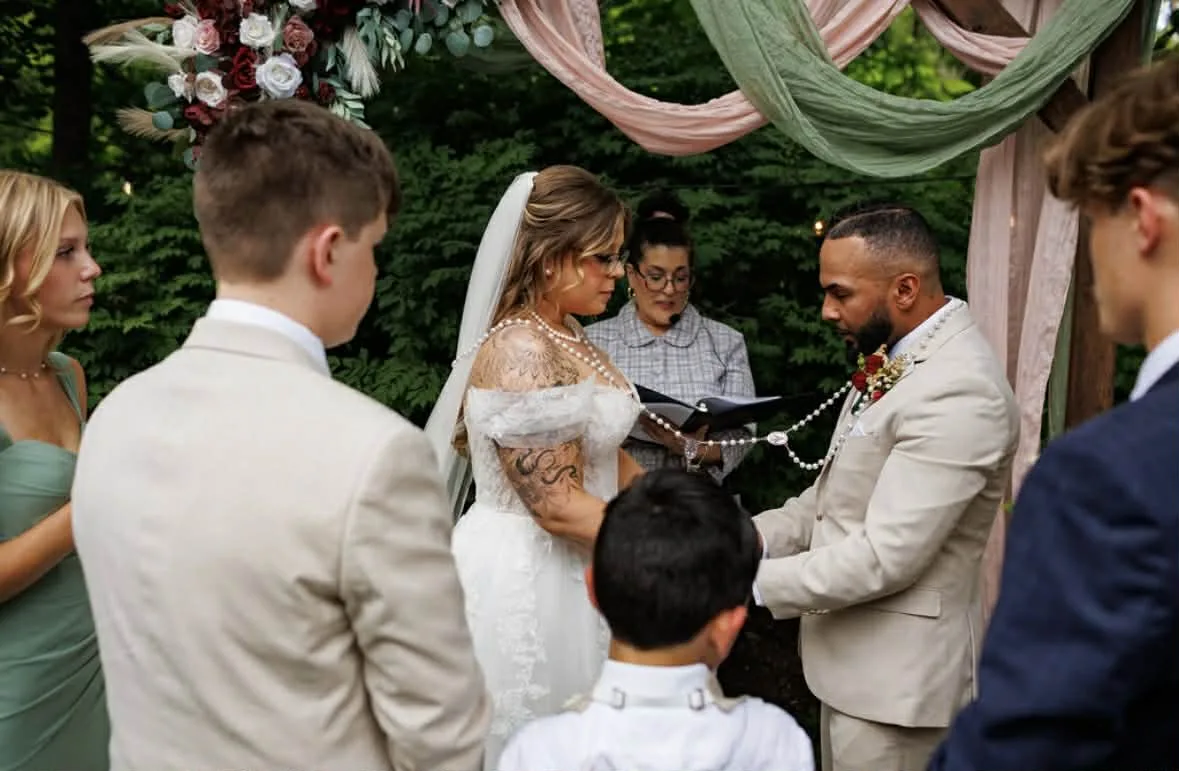
This evolving landscape of modern family structures necessitates a re-evaluation of wedding customs. With a growing number of individuals remarrying and forming blended families, wedding professionals are increasingly encountering couples seeking guidance on how to create inclusive and meaningful celebrations that honor every family member. Insights from seasoned vendors who specialize in blended family weddings reveal a spectrum of successful approaches, from children actively participating in the planning process to symbolic roles within the ceremony, and even the respectful decision to allow hesitant children to observe from a comfortable distance. The common thread woven through these diverse experiences is the paramount importance of open, curious, and empathetic communication.
The Rise of Blended Families and the Modern Wedding
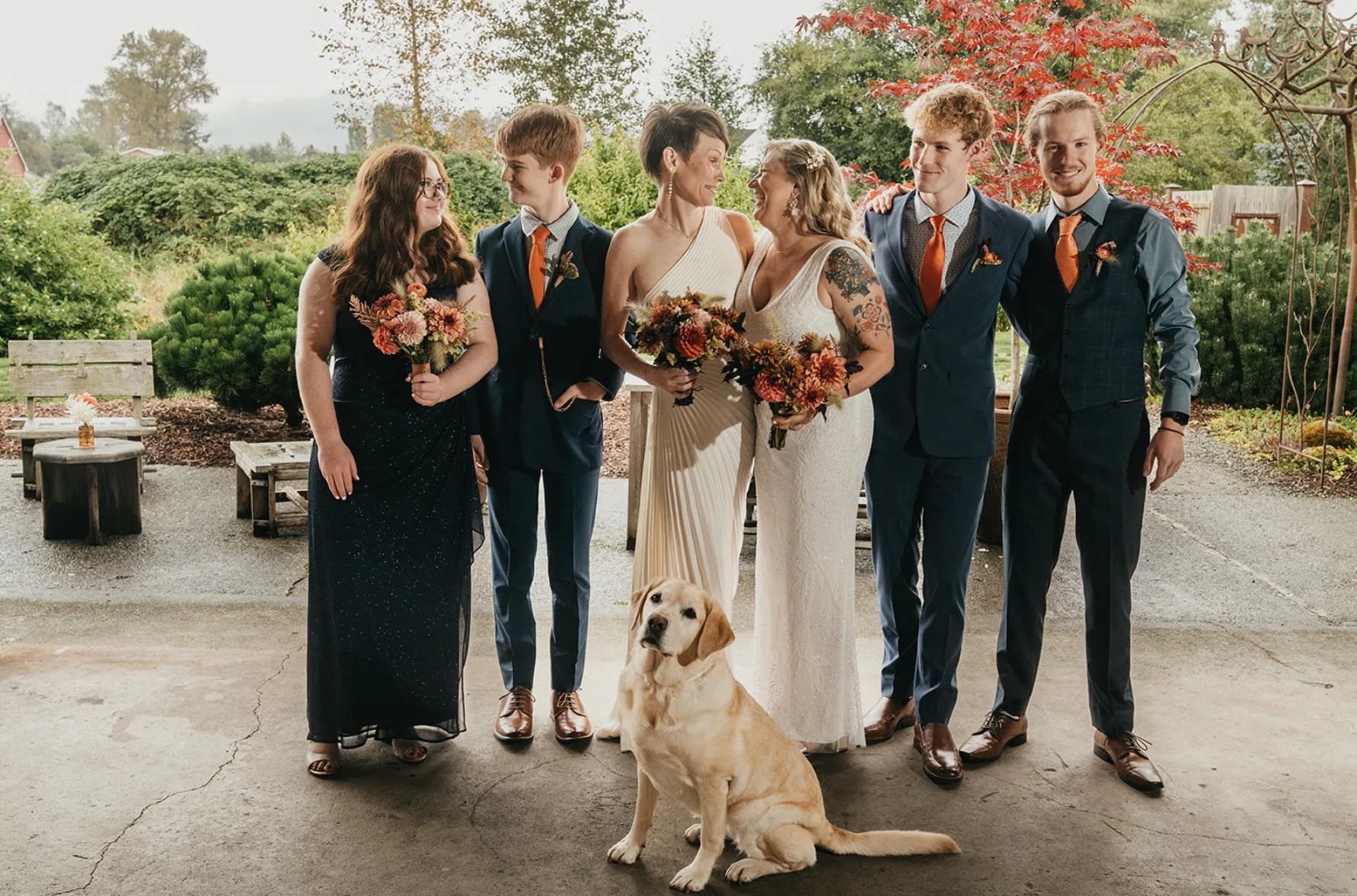
The phenomenon of blended families is not new, but its prevalence continues to shape societal norms, including those surrounding marriage. According to recent demographic analyses, a significant portion of marriages today involve at least one partner who has been previously married, leading to the formation of stepfamilies or blended families where children from prior relationships are integrated. This demographic shift means that more couples are approaching their wedding day not just as the union of two individuals, but as the deliberate coming together of two existing family units.
For teens and adult children, a parent’s remarriage can evoke a complex mix of emotions. While some may embrace the new partnership with excitement, others might experience feelings ranging from apprehension and uncertainty to loyalty conflicts or a sense of loss regarding the original family structure. Understanding these underlying emotions is crucial for parents planning a wedding, as it directly impacts how their children might wish to participate, or not participate, in the celebration. The goal shifts from merely assigning roles to fostering an environment of acceptance and recognition for every individual’s journey within the new family narrative.
Key Strategies for Inclusive Ceremonies: Expert Insights
Wedding professionals, having witnessed numerous blended family celebrations, offer invaluable strategies for navigating these sensitive dynamics. Their collective wisdom underscores a flexible, child-centered approach.
1. Genuine Involvement in Pre-Wedding Planning:
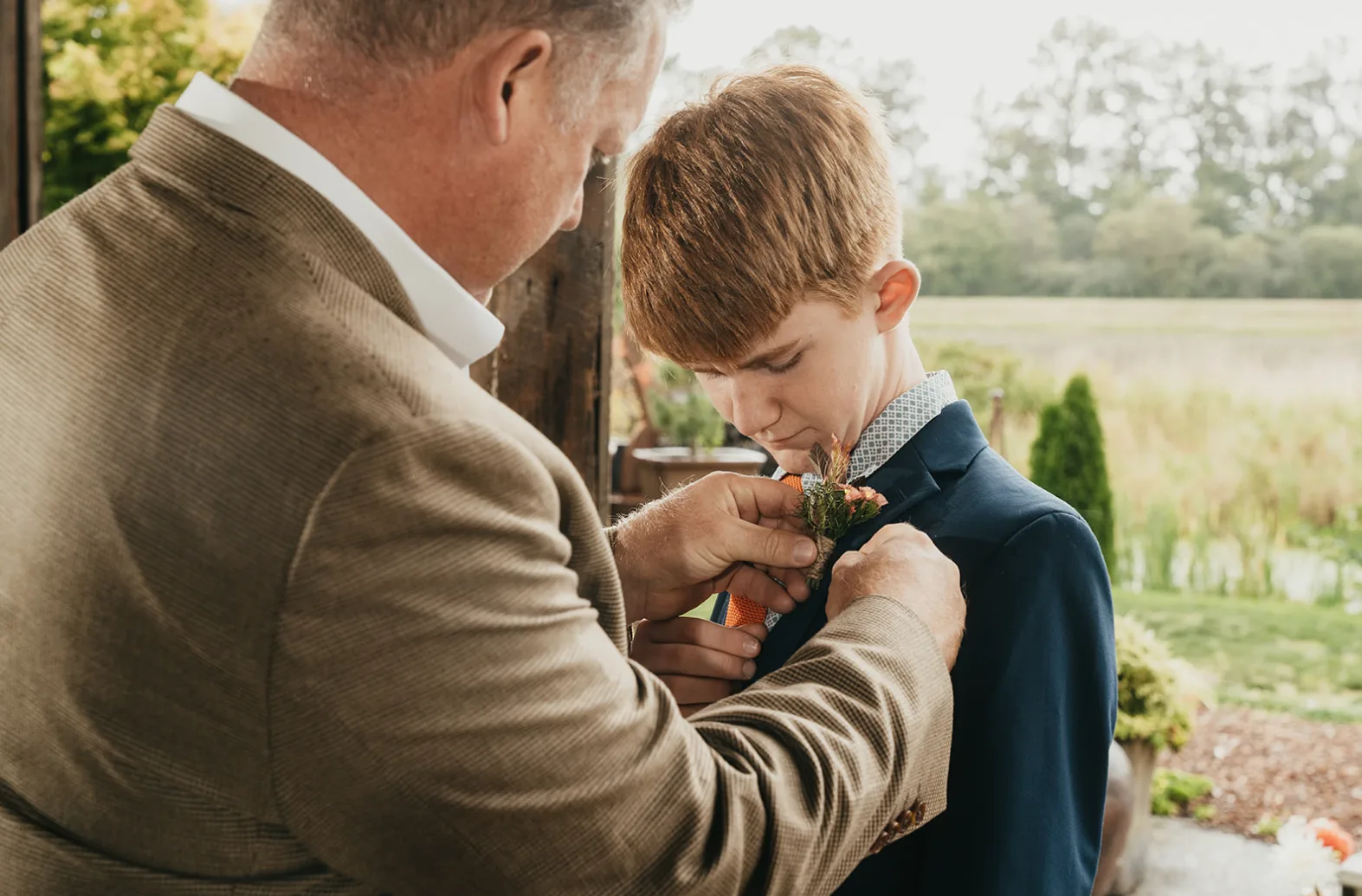
Engagement doesn’t have to be limited to the wedding day itself. Inviting teens or adult children into the planning process long before the ceremony can be a powerful way to foster connection and a sense of ownership. Emily Berg, a planner with Emily Berg Weddings & Events in Ohio, recounted working with a groom whose 15-year-old daughter was initially hesitant. Berg’s advice was simple yet profound: involve them authentically. This could mean bringing them to catering tastings and genuinely valuing their input on menu choices, or allowing them significant say in their attire. This pre-wedding engagement can transform initial skepticism into enthusiastic participation. In Berg’s example, the daughter ultimately stood as an attendant, gave a heartfelt toast, and shared a father-daughter dance, demonstrating a profound shift from her earlier reservations. Berg cautions, however, against forcing children into roles that demand being the center of attention if they are uncomfortable with it, emphasizing the importance of respecting individual boundaries.
2. Meaningful Roles in the Wedding Party or Processional:
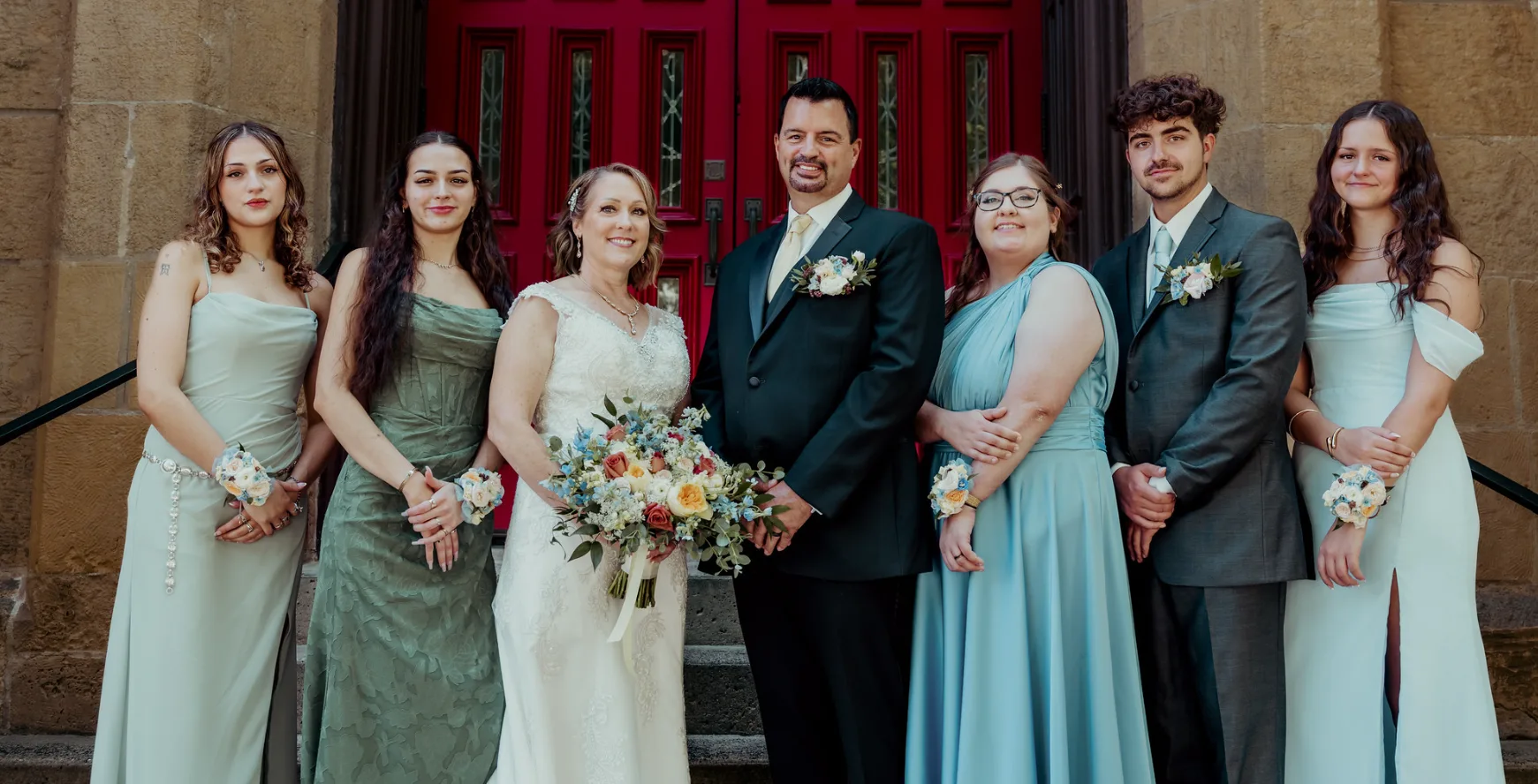
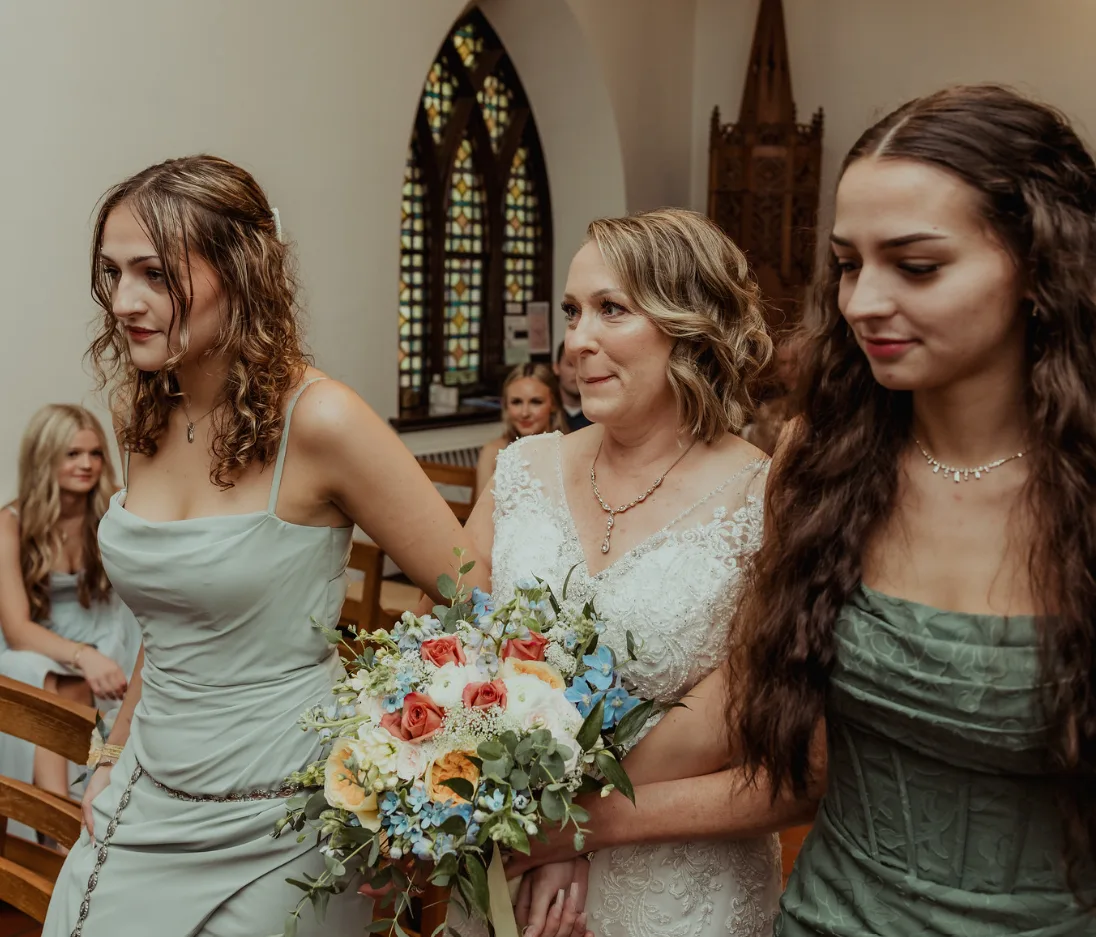
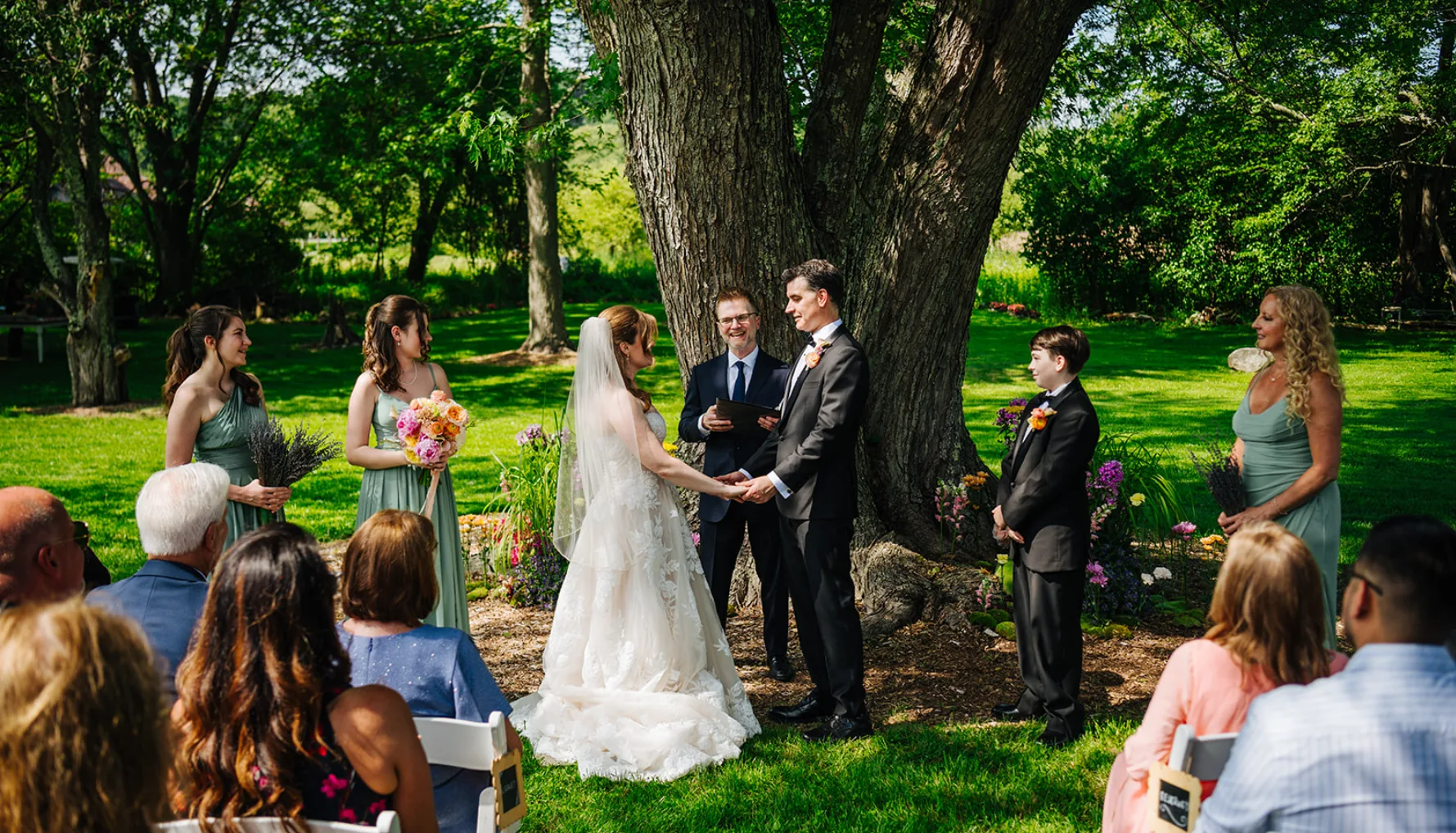
Assigning older children roles within the wedding party or processional offers a visible and significant way to acknowledge their place in the newly forming family. Samantha Waldron of Dutcher Photography in Wisconsin captured a wedding where Gloria and Jerry’s five adult children—two from Gloria’s previous marriage and three from Jerry’s—formed the entire wedding party. Gloria was escorted down the aisle by her two adult daughters, while Jerry was accompanied by his two daughters, with his son escorting Jerry’s mother. Waldron herself drew from personal experience, recalling how her then 8-year-old son walked her down the aisle at her remarriage, a moment that held deep meaning for both of them. She emphasizes the power of couples making vows not only to each other but also to their respective children, signifying a commitment to the entire family being created. Giving children a tangible job, she notes, helps the day feel cohesive and ensures they feel considered.
3. Empowering Voice, With Respect for Readiness:
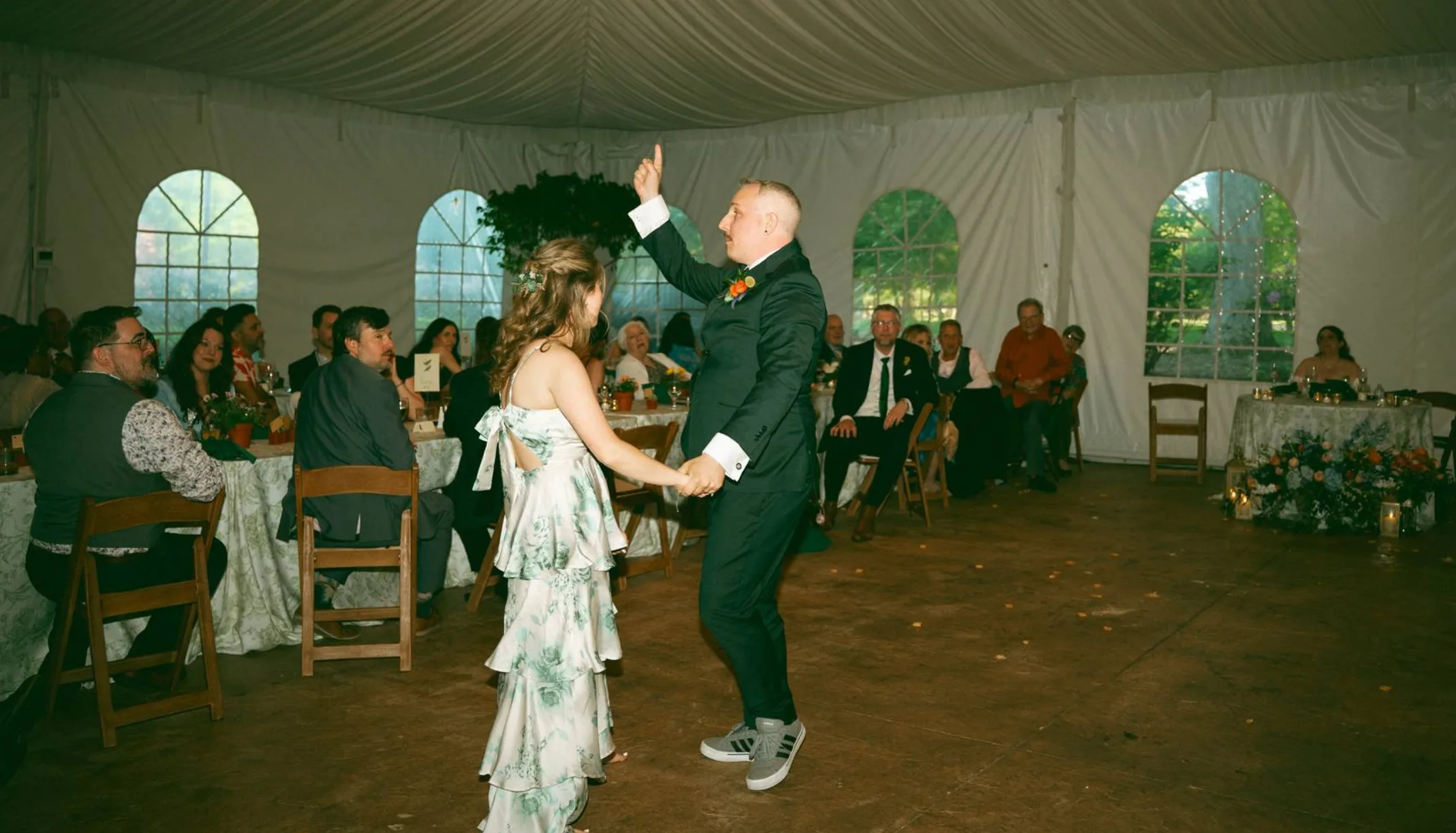
Allowing a teen or adult child to speak during the ceremony, such as leading a toast, can be incredibly impactful—but only if the individual genuinely desires the spotlight. Jamie Buckley, a Seattle-based photographer with Jamie Buckley Photography, photographed a wedding where one partner had three teenage sons and the other a teenage daughter. Two of the sons gave toasts, with one particularly touching moment when a son expressed his long-held wish for a sister, now fulfilled. Buckley’s advice is unequivocal: "Meet your children where they are at. Don’t try to force cute moments if the kids aren’t there yet." He warns against the common mistake of couples projecting a closeness with grown children that the children may not yet feel ready for. "There’s nothing wrong with kids being hesitant or reserved," he adds, asserting that genuine connections will develop organically over time.
4. Substantive Tasks with Symbolic Weight:
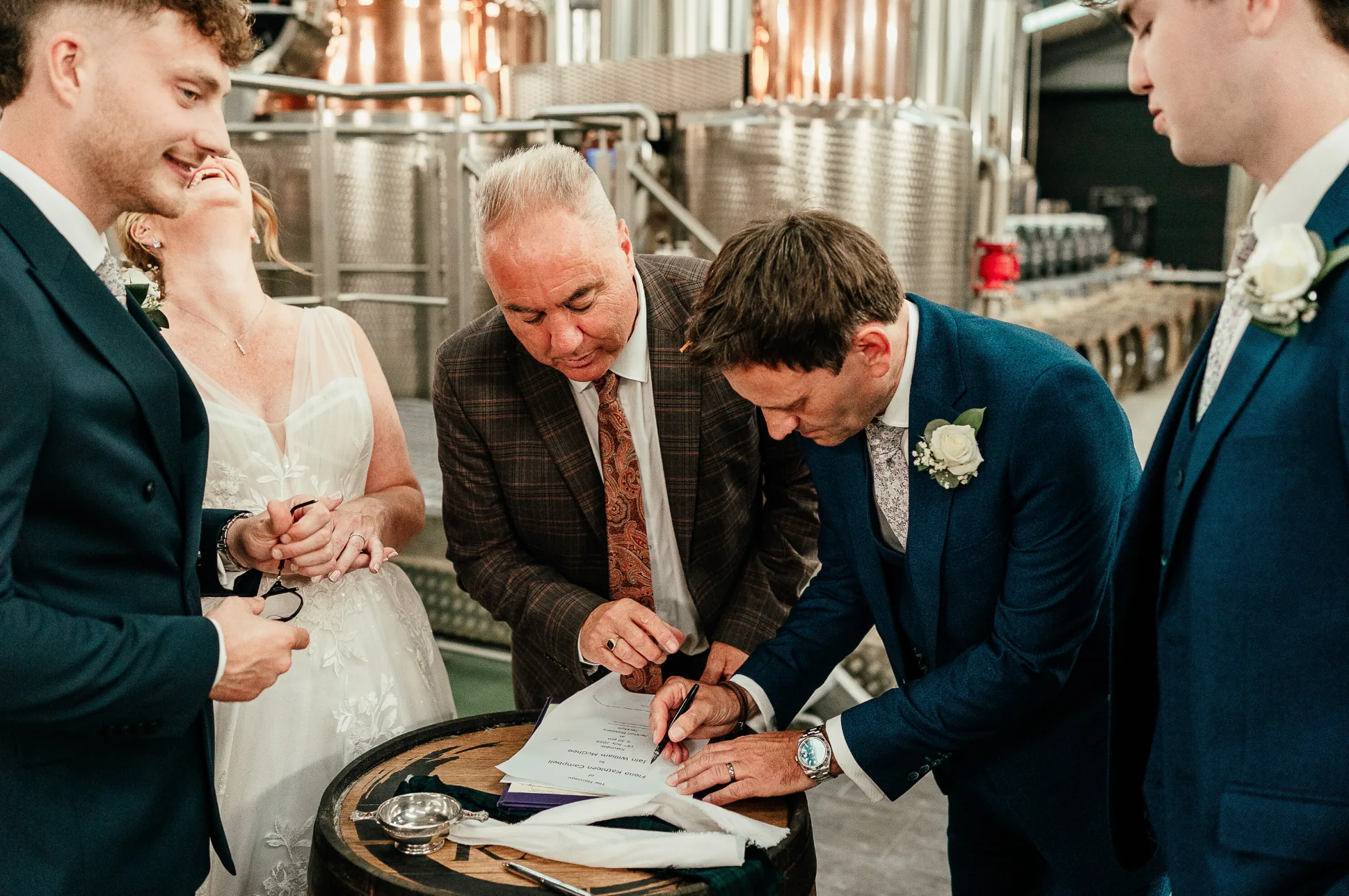
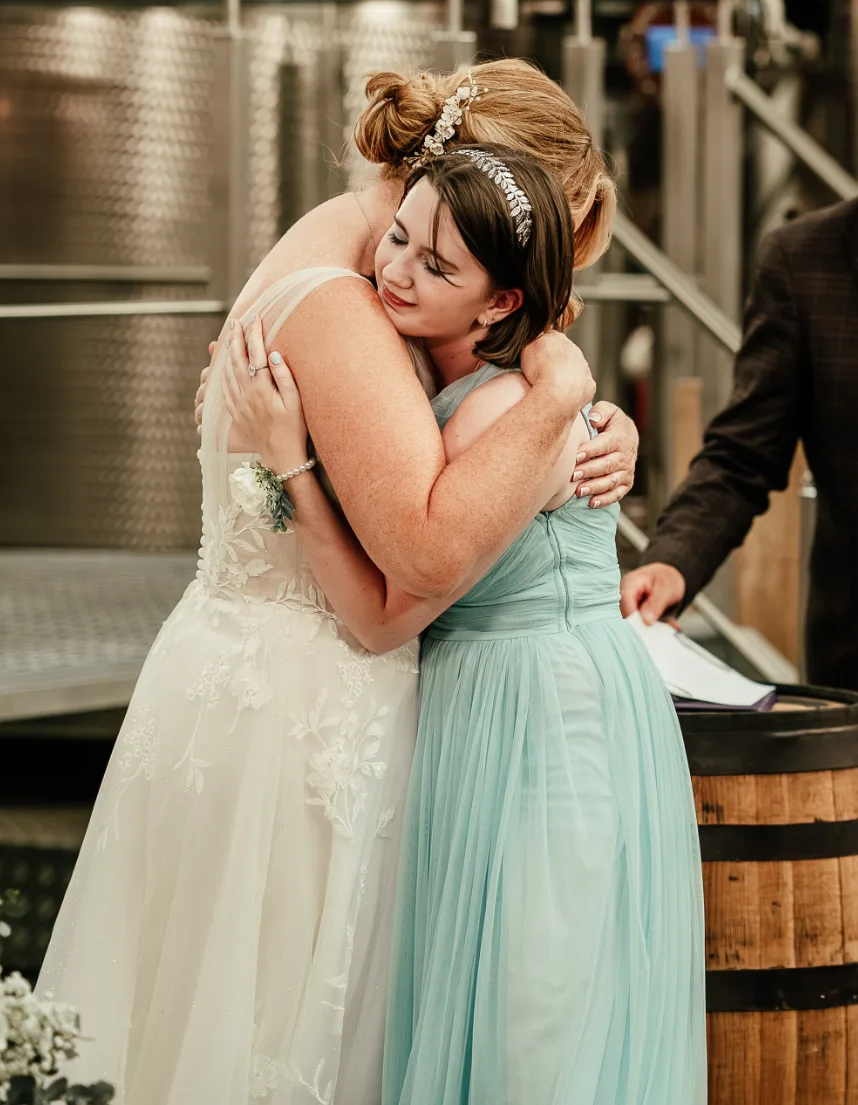
Beyond traditional roles, offering older children jobs with real weight, such as performing a reading or witnessing the marriage certificate, can provide meaningful participation without the pressure of a highly performative role. Sarah Craig, a UK-based photographer with Joy Story, documented a second marriage for a couple in their fifties at a Scottish distillery. The celebrant skillfully wove the blended family theme into the ceremony, drawing an analogy between the couple’s new family and a blended whisky: "it doesn’t dilute what came before." All three children had roles: the youngest delivered a reading that concluded with a warm embrace, while the two adult children acted as official witnesses, signing the marriage schedule. Craig highlights that these roles "didn’t need to be big or performative; they just gave everyone a chance to be part of this new chapter as a family, rather than simply watching it happen." Her crucial advice for parents fearing resistance from older children is not to assume their disinterest, but rather to initiate open, curious conversations.
5. Leveraging Unique Skills and Talents:
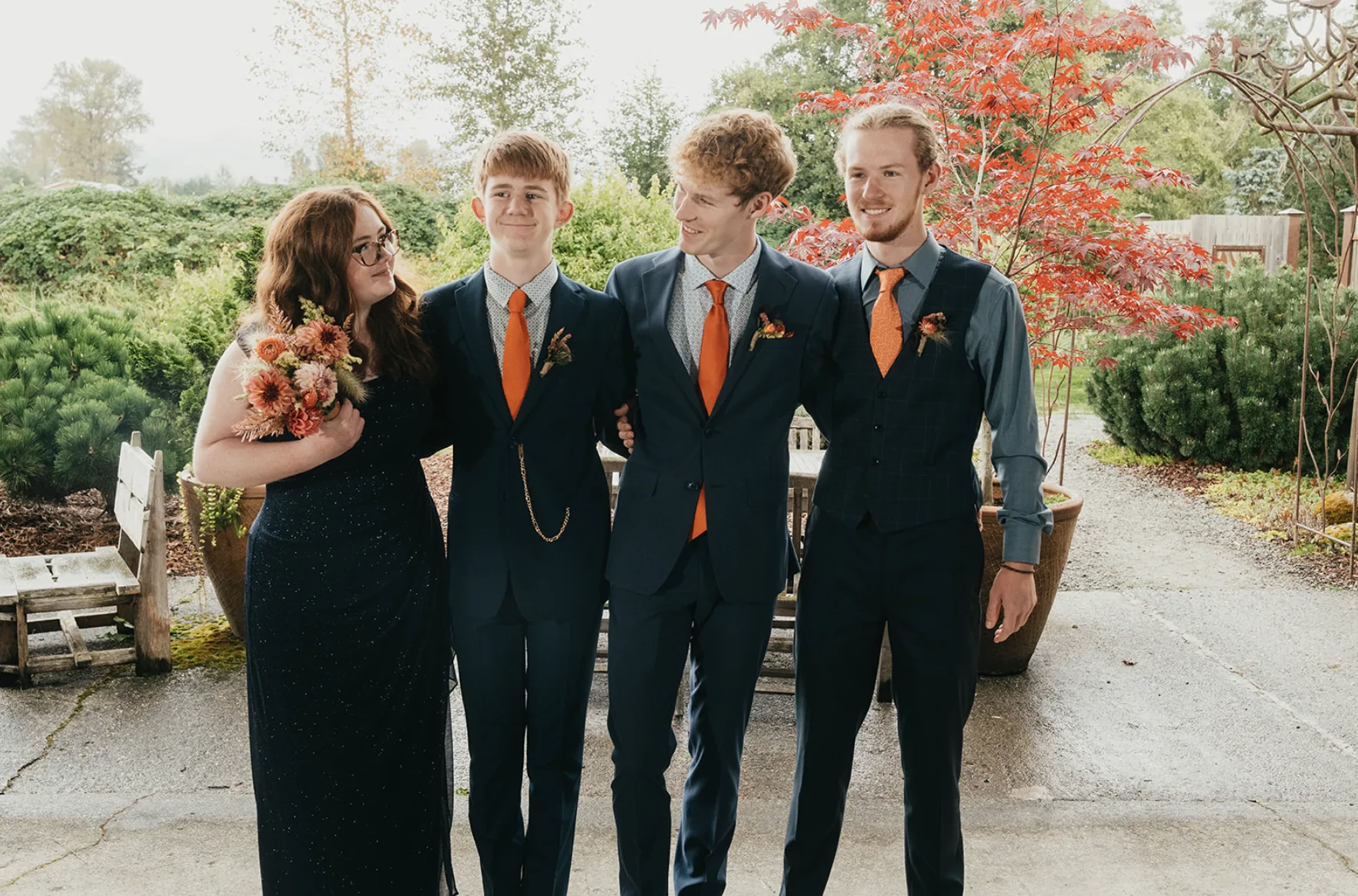
Not every child desires a front-and-center role in a matching outfit, and recognizing this is key to authentic inclusion. Kathryn Cooper, a New York-based photographer with Kathryn Cooper Weddings, photographed a wedding where the bride’s teenage daughter sang during the ceremony. This allowed her to contribute her unique talent, fulfilling a role that resonated with her personally, rather than being placed in a traditional flower girl or junior bridesmaid position she might not have wanted. "She felt involved," Cooper recalls, "and her parents were so proud." Cooper’s broader philosophy emphasizes that "your wedding doesn’t have to fit into a box anyway." She observes that while wedding planning can sometimes strain family relationships, it also presents "a unique opportunity to spend time with someone you may not know as well as you’d like."
6. Shared Rituals to Carry Symbolism:
For families where individual roles might feel awkward or highlight differences, a collective ritual can be a powerful symbol of unity. Jen Sulak, a photographer with Weirdo Weddings in the Dallas-Fort Worth area, captured Kevin and Candy’s wedding where every child in the blended family participated in a sand ceremony. Each child poured a layer of sand into a shared vessel, symbolically blending their individual lives into a new, unified family. Sulak advises couples to "expect real emotion (in both directions!) and leave some space for that before, during, and after the wedding day." She identifies a common mistake as entirely excluding children from ceremony and reception planning, underscoring that open, curious conversations about their potential involvement are "such a unique gift."
7. Leveling the Playing Field with One Shared Task:
Sometimes, the most effective solution is not to find a distinct job for each child, but rather to identify a single, significant ritual large enough to encompass all of them simultaneously. Reenie Panzini, an officiant with I Do For All, married Gabrielle and Eduardo, both of whom had teenage children from previous relationships. The couple sought to involve all four teens without singling anyone out, as some were more comfortable with attention than others. They centered a portion of their ceremony around El Lazo, a Hispanic tradition where godparents typically drape a lasso or oversized rosary around the couple to symbolize support. Panzini’s couple adapted this: all four teenagers walked the lazo up together, stood as the tradition was explained, then unwound it and returned to their seats. This required no lines to deliver, no solo spotlight, just a shared, meaningful task. Panzini reiterates the critical importance of asking children about their preferences, even if parents believe they already know. Her primary red flag is parents coercing grown children into performing readings they genuinely do not wish to do, often resulting in projection issues, visible nerves, and a flat delivery. Her solution mirrors the El Lazo approach: give them something tangible to do with their hands rather than their voices, such as a ring warming ceremony or carrying the lazo.
The Indispensable Role of Communication
Across all these varied experiences and expert recommendations, a consistent theme emerges: the indispensable role of open, curious conversation. Successful integration of teens and adult children into a blended family wedding hinges on a communication strategy that is proactive, empathetic, and respectful of individual feelings and boundaries.
Initiating Dialogue: Conversation Starters for Parents
Parents navigating this delicate process can benefit from structured, non-pressuring conversation starters designed to gauge their children’s comfort levels and desires for involvement. These are not scripts, but rather prompts for genuine dialogue:
- "How are you feeling about the wedding plans overall?" (This open-ended question allows for a broad range of responses, from excitement to apprehension.)
- "We’re starting to think about different ways people can be involved in the ceremony and celebration. Is there anything specific you’d love to do, or anything you’d definitely prefer not to do?" (This empowers them to voice preferences and boundaries.)
- "Some people choose to walk a parent down the aisle, give a toast, or do a reading. Do any of those sound interesting or appealing to you?" (Offers concrete examples without pressure.)
- "Would you be comfortable helping with a specific task, like choosing the music, designing an element, or helping with guest welcome?" (Shifts focus from performance to practical contribution.)
- "What would make you feel most comfortable and celebrated on the wedding day?" (Focuses on their emotional well-being and sense of belonging.)
- "Is there anything you’re worried about or would like us to consider as we plan?" (Creates a safe space for concerns.)
It is vital to remember that children’s feelings can evolve. An answer received in March might differ significantly by September. The true essence of this process lies not in securing a "yes" to a specific role, but in the ongoing, respectful dialogue itself. A wedding where one child enthusiastically stands front and center, while three others quietly observe from the second row, can be just as much a successful blended family wedding as one where every child holds a candle. The specifics of participation are secondary to the process of fostering open communication, validating their feelings, and respecting their choices.
Broader Implications and Lasting Impact
The thoughtful integration of teens and adult children into a blended family wedding extends far beyond the event itself. It sets a crucial precedent for the future dynamics of the new family unit. When children feel heard, respected, and valued during this significant transition, it can significantly ease their acceptance of the new marriage and foster stronger bonds within the blended family. For the wedding industry, this trend highlights a growing demand for nuanced, empathetic services that go beyond traditional event planning to address complex family dynamics.
Ultimately, a truly successful blended family wedding is not defined by elaborate displays or rigid adherence to tradition, but by the authenticity of its moments. It is a celebration that prioritizes genuine connection, mutual respect, and the foundational understanding that a new family is being formed, one built on communication and care for all its members. By embracing flexible approaches and maintaining open lines of dialogue, couples can create a wedding day that not only celebrates their love but also honors the unique journey of their entire blended family.