
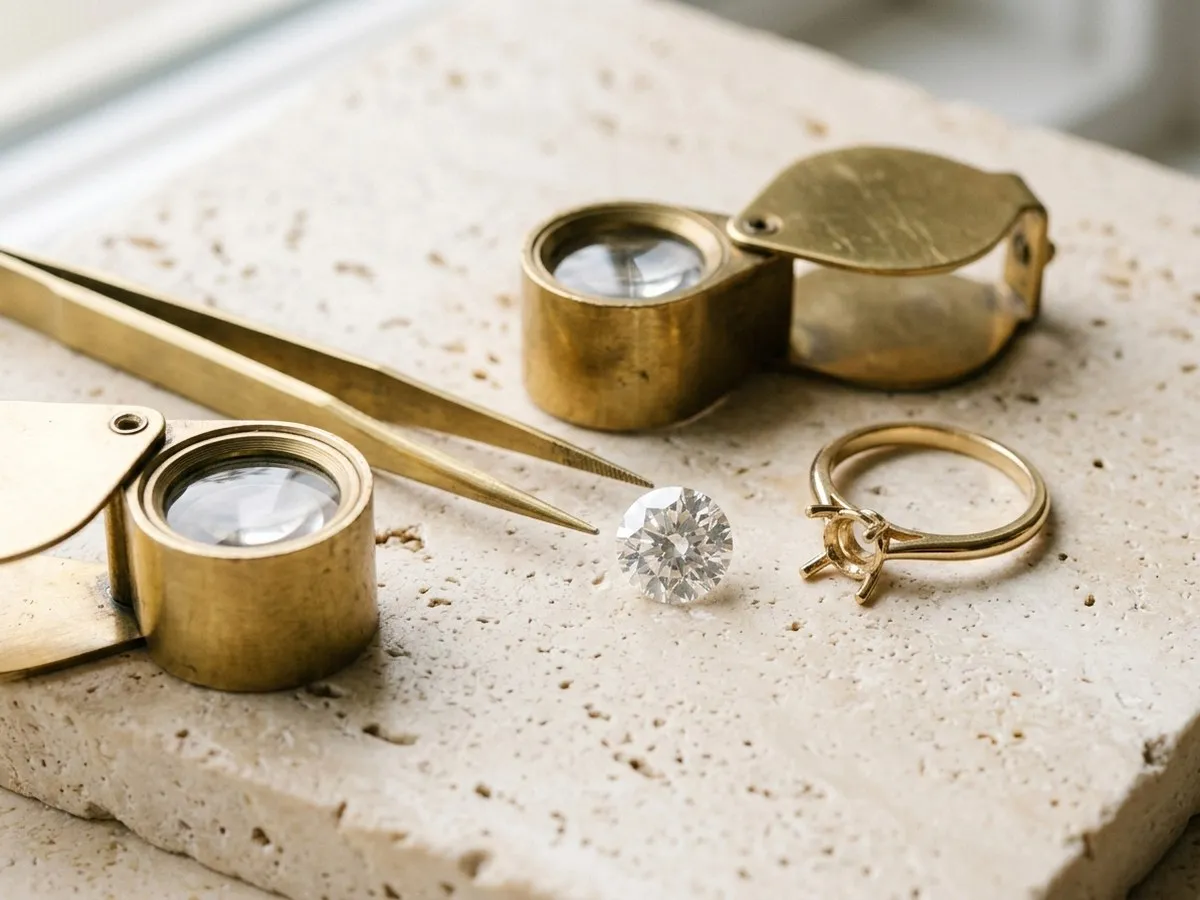
For many, an inherited diamond carries an immeasurable weight of family history, a tangible link to generations past. Whether it’s a cherished piece passed down over coffee or a poignant memento received after a loss, this precious stone often arrives cradled in a setting that, while historically significant, may not align with contemporary aesthetics or personal style. The immediate question that arises for many recipients is practical yet deeply personal: what is the actual cost of transforming this heirloom into a piece that reflects their own journey, without losing its soul? This article aims to provide a definitive guide to the financial and emotional landscape of heirloom diamond resetting, moving beyond vague estimations to offer clear, actionable insights for those considering this significant undertaking. It’s crucial to understand that the primary investment has already been made; one is not acquiring a new diamond, but rather commissioning a new vessel for a timeless legacy.
Deeper Dive into Costs: Unveiling the Price Spectrum
The financial aspect of resetting an heirloom diamond is often shrouded in ambiguity, leading to consumer frustration. However, industry data and expert insights clarify the general cost parameters. Most professional heirloom diamond resets typically fall within a range of $500 to $2,500. This spectrum reflects various levels of complexity and customization, from straightforward stone transfers to more intricate designs.
-
Average Professional Reset Costs: At the most accessible end, a basic stone swap, involving the transfer of a diamond into a readily available, pre-fabricated setting, can cost as little as $80 to $250. Industry sources like Scott’s Custom Jewelers often cite an average around $300 for such services. This option is ideal for those seeking a minimal aesthetic change without extensive bespoke work. Some designers, such as Melanie Casey, simplify the process by offering a flat fee, often around $500, for resetting a client’s stone into any of their existing signature settings. This approach provides transparency and predictability for those who appreciate a specific designer’s aesthetic.
-
The Realm of Custom Design: When the vision extends beyond existing templates to a truly unique, one-of-a-kind creation, costs naturally escalate. Fully custom work, where a jeweler designs and crafts a setting from scratch to perfectly complement a specific stone, typically starts around $5,500 and can climb significantly based on complexity. For instance, Kinn, a fine jewelry studio specializing in repurposing, indicates that their bespoke "Repurpose" projects begin at $2,500. This initial price covers a more streamlined custom design with less intricate customization and a relatively simple setting. However, as clients engage in the creative process, they often discover the expansive possibilities for personalization, leading to increased investment in heavier gold weights, additional accent stones, altered proportions, or more elaborate bespoke elements. There is no practical ceiling to custom design costs, as the final price is directly proportional to the client’s design aspirations, material choices, and the artisan’s labor.
-
Beyond the Metal: What Your Investment Covers: A reset price encompasses far more than just the new metal. It accounts for the meticulous labor involved in safely extracting a stone from its original, often decades-old, setting without causing damage. It covers the cost of the new setting itself, whether a pre-made component or the intricate design and casting of a custom piece. The price also includes the weight of the precious metal (gold, platinum) used, the highly skilled work of securely setting the diamond into its new home, and critically, the jeweler’s professional guarantee. This guarantee assures the client that their irreplaceable heirloom diamond will survive the entire transformation process intact. This last, often invisible, component on a quote, representing expertise and liability, holds significant value. Jewelers also factor in the initial evaluation, gemological inspection, and the various design iterations, including CAD (Computer-Aided Design) renderings and wax models, especially for custom projects.
Factors Influencing the Final Price Tag
Understanding the variables that influence resetting costs empowers consumers to navigate quotes and make informed decisions. Different jewelers may present varying price points for the same stone due to differing approaches: one might offer a catalog swap, another a semi-custom modification, and a third a fully bespoke creation. Each is pricing a distinct project.
- Material Choices and Metal Market Dynamics: The type and weight of the precious metal are primary cost drivers. Gold (14k, 18k, 22k) and platinum are popular choices, with platinum generally being denser and more expensive per gram than gold. The current market price of these metals fluctuates, directly impacting the cost of the new setting. Heavier, more substantial settings naturally require more metal and thus incur higher costs.
- Design Complexity and Craftsmanship: Intricate designs demand more labor and specialized skill. Features like pavé settings (where tiny diamonds are set closely together), filigree work (delicate, ornamental metalwork), detailed engraving, or complex geometric patterns significantly increase the jeweler’s time and expertise required. A custom design process, involving multiple sketches, CAD models, and wax prototypes for client approval, also adds to the overall cost. Kinn highlights that for bespoke pieces, the process of developing the design, creating the CAD, printing it in wax, testing proportions, and making adjustments before casting is highly labor-intensive and varies greatly per stone.
- Additional Gemstones and Embellishments: Incorporating accent stones, such as side diamonds, a halo around the main stone, or additional gemstones, will increase the material cost and the labor required for setting them securely. The quality (cut, color, clarity) and size of these additional stones also play a role.
- Jeweler’s Expertise and Reputation: Highly reputable jewelers with extensive experience in heirloom work, particularly those known for bespoke craftsmanship, may command higher fees. This premium reflects their specialized skill, attention to detail, and the assurance of quality and safety for a cherished family artifact. Studios like Kinn, which build their entire service around the "Repurpose" concept, embody this specialized expertise, offering a two-year warranty and complimentary resizing as part of their commitment to quality.
Crucial Pre-Reset Evaluation: Safeguarding Your Legacy
Before any design conversations begin, an essential, non-negotiable step is a thorough professional inspection of the heirloom diamond. This precautionary measure protects both the stone and the client’s investment.
- The Imperative of Stone Inspection: A diamond that has resided in its original setting for decades can conceal hidden vulnerabilities. Chips along the girdle (the stone’s widest edge) or internal fractures may only become apparent once the stone is carefully removed and examined under magnification. As WeddingWire’s resetting guide notes, these latent issues can significantly impact the feasibility and cost of resetting.
- The Role of Gemological Assessment: A qualified jeweler or gemologist will use specialized tools, including high-powered microscopes, to assess the stone’s integrity. They will determine if the diamond can safely withstand the stresses of removal from its old setting and secure placement in a new one. This assessment includes identifying any existing damage, evaluating the stone’s overall condition, and advising on potential risks. They may also retest the stone against any existing appraisals to confirm its specifications.
- Preventing Costly Surprises: Discovering a hidden flaw after a new setting has been ordered can derail a project, turning a projected $600 reset into a $2,000 endeavor due to necessary repairs or modifications. An initial inspection, with findings documented in writing, safeguards the stone, the budget, and the timeline. This upfront due diligence ensures that any necessary repairs or adjustments are factored into the plan and cost estimate from the outset.
The Ethical and Economic Calculus: Resetting vs. Purchasing New
The decision to reset an heirloom diamond versus purchasing a new ring is often framed as a purely financial one. However, this perspective overlooks critical aspects of value—both sentimental and environmental.
-
Weighing the Financials: While owning the diamond eliminates the single largest cost component of a new ring, resetting is not always the absolute cheapest option. The cost of a bespoke setting, especially with precious metals and intricate designs, can sometimes approach or even exceed the price of a mass-produced new ring, particularly if considering a lab-grown diamond. A careful comparison involves pricing a new setting for the heirloom, versus the total cost of a new engagement ring (including both a new diamond, whether natural or lab-grown, and its setting).
-
The Unquantifiable Value: Sentiment and Story: The true differentiator for an heirloom diamond lies in its "fifth C" – its unique story and sentimental value. A lab-grown diamond, while optically and chemically identical to a natural diamond, cannot replicate the lineage, memories, and personal history embedded within an heirloom. Resetting allows one to wear this tangible family legacy daily, transforming it into a personal emblem of continuity and love. This emotional resonance is an investment in meaning, far outweighing purely financial considerations for many.
-
A Sustainable Choice: Environmental Impact: In an era of increasing environmental consciousness, repurposing an heirloom diamond stands as a remarkably sustainable choice. It aligns with principles of the circular economy by utilizing existing resources, thereby reducing the demand for new mining operations, which can have significant ecological footprints. Choosing to reset contributes to a more ethical and eco-friendly jewelry industry, offering a compelling environmental argument in addition to the sentimental one. The use of recycled and reclaimed stones further amplifies this sustainable approach.
Beyond the Engagement Ring: Creative Repurposing Options
Not every heirloom diamond is destined for an engagement ring, and recognizing this opens a world of creative possibilities for honoring its legacy in a new form.
- Versatile Jewelry Transformations: A diamond’s versatility allows it to be reimagined into various cherished pieces.
- Pendant: A classic and elegant choice, suitable for all ages and styles. It keeps the diamond close to the heart without the daily wear and tear a ring might endure.
- Earrings: For smaller diamonds, a pair of stud earrings offers timeless sophistication. Larger stones can be set as drops or incorporated into more elaborate designs.
- Cocktail Ring: A statement piece that allows for bold, artistic settings, often incorporating other gemstones or intricate metalwork, perfect for special occasions.
- Stacking Ring: A smaller heirloom diamond can be set into a delicate band, designed to be worn alongside other rings, creating a personalized stack that tells a story.
- Bracelet: Incorporating the diamond into a charm bracelet or a more substantial bangle provides another elegant way to wear it.
- Men’s Jewelry: For men, a diamond can be set into a signet ring, a tie tack, or even custom cufflinks, offering a unique personal touch.
- Trends in Heirloom Adaptation: Modern jewelry trends frequently draw inspiration from vintage aesthetics. Heirloom diamonds are particularly well-suited for vintage-inspired settings, allowing for a harmonious blend of historical charm and contemporary design. Custom and made-to-order designs are also gaining popularity, giving clients full creative control over how their heirloom is reimagined.
Navigating the Timeline: From Concept to Adornment
An heirloom reset is not an instantaneous process; it requires time, precision, and artistry. Unlike purchasing an off-the-shelf item, the design and crafting process must be meticulously built around an existing, unique stone.
- The Multi-Stage Process: Clients should anticipate the entire project, from initial consultation to the finished piece, to take a couple of months, with more complex or bespoke designs extending this timeline. Kinn outlines a typical timeline for their bespoke Repurpose projects:
- Evaluation and Design Phase (Variable, often several weeks): This includes unmounting and meticulously inspecting the stones, verifying their specifications, developing the design concept, creating detailed CAD models, printing and testing wax prototypes for fit and proportion, and making any necessary adjustments based on client feedback. This phase is crucial as the design must adapt to the stone’s unique dimensions, not the other way around.
- Production Phase (Typically 6 to 8 weeks): Once the design is finalized and approved, the actual crafting begins. This involves casting the metal, meticulously setting the diamond, polishing, and performing final quality control checks.
- Factors Affecting Duration: The complexity of the design, the jeweler’s current workload, the availability of specific materials (if additional stones are being sourced), and the number of revisions requested by the client can all influence the overall timeline.
- Strategic Planning for Special Occasions: For significant events like a proposal or wedding, it is crucial to plan well in advance. For a holiday proposal, the stone should ideally be with the jeweler by early fall. For a wedding ring, working backward from the wedding date with a generous buffer is advisable, as heirloom work is a process that should never be rushed.
Key Questions for Your Jeweler: Ensuring a Seamless Process
Before entrusting a precious heirloom to a jeweler, a thorough consultation is essential. These questions help establish trust, clarify expectations, and ensure the stone’s safety and the project’s success.
- A Comprehensive Checklist:
- Insurance and Liability: "What is your policy regarding insurance for my stone while it is in your possession? What happens if it’s damaged or lost?" (Crucial for irreplaceable items.)
- Experience: "Do you have specific experience with heirloom diamonds and their unique challenges?" (Ensures specialized care.)
- Process Overview: "Could you walk me through your entire resetting process, from inspection to final delivery?" (Provides clarity and sets expectations.)
- Design Iterations: "How many design revisions or CAD renderings are included in the quote?" (Important for custom work.)
- Guarantee/Warranty: "What guarantee do you offer on your craftsmanship and the security of the setting?" (Assurance of quality and durability.)
- Timeline: "What is the estimated timeline for this project, and how will I be kept updated on its progress?" (Manages expectations and allows for planning.)
- Payment Structure: "What is the payment schedule, and what are your cancellation policies?" (Financial transparency.)
- Aftercare: "What advice do you have for cleaning and caring for the new piece?" (Ensures longevity.)
- Stone Inspection Findings: "Can I get a written report of the initial stone inspection?" (Documentation for peace of mind.)
- Red Flags and Trust Indicators: A reputable jeweler will answer these questions clearly and confidently, without hesitation. Any vagueness, especially concerning liability or insurance, should be a significant red flag prompting further inquiry or seeking another jeweler. Written agreements for all aspects of the project, including costs, timelines, and guarantees, are paramount.
When to Preserve: Understanding the Limits of Transformation
A truly trustworthy guide to heirloom resetting must also address situations where the best course of action is to leave the original piece untouched or opt for minimal intervention. Resetting is not always the ideal solution.
- Recognizing Unsuitable Stones or Settings:
- Stone Fragility: Some diamonds, due to their internal structure, existing inclusions, or previous damage, may be too fragile to safely withstand the stresses of removal and re-setting. For example, a diamond with a significant feather inclusion near the girdle might be at high risk of fracturing.
- Historical Value of Original Setting: The original setting itself may possess significant historical, artistic, or monetary value that would be destroyed by dismantling it. In such cases, the combined value of the stone and its original setting might be greater than the sum of its parts. Kinn advises that sometimes the original setting is exceptional and warrants restoration rather than deconstruction.
- Delicate Stones in High-Impact Rings: Certain softer or more delicate gemstones, while beautiful, may not be suitable for the daily wear and tear of a ring. A jeweler might recommend transforming such a stone into a pendant, where it is exposed to significantly less daily impact and thus faces a lower risk of damage.
- The Art of Restoration vs. Redesign: Sometimes, clients assume a complete overhaul is necessary when a more subtle approach would suffice. Preserving the original design, rebuilding a worn setting, replacing a broken chain, or adding a discreet engraving can breathe new life into an heirloom without losing its original essence. As Kinn suggests, repurposing does not always mean starting over; it can involve thoughtful restoration and enhancement.
- Alternative Uses for Delicate Gems: If a diamond is deemed too fragile for a ring, or if the original setting holds too much intrinsic value, alternative approaches can still honor the heirloom. Consider creating a shadow box display, integrating the piece into a decorative object, or even using the stone in a non-wearable art piece.
Conclusion: A Legacy Reimagined
The journey of resetting an heirloom diamond is a deeply personal one, merging sentiment with practicality. The core understanding is that the diamond is already yours; the investment is in crafting a setting that reflects your individual story while honoring its historical roots. Expect professional resets to range from approximately $500 to $2,500 for standard options, escalating for bespoke designs. Crucially, always initiate the process with a thorough professional inspection of the stone to preempt any unforeseen complications or costs.
Whether you choose a full redesign or opt for respectful preservation, the decision to engage with an heirloom thoughtfully is inherently wise. It’s about channeling resources into a piece that carries profound meaning, a tangible connection to family history that a new stone, regardless of its brilliance, cannot replicate. This thoughtful approach ensures that your money is invested where it truly matters: in a piece of jewelry that will tell a story every day of your marriage.
Finally, one critical step often overlooked: once the reimagined heirloom ring graces your hand, secure its future. Acquire comprehensive jewelry insurance. A piece so rich in history and irreplaceable in sentiment deserves nothing less than complete protection, ensuring its legacy for generations to come.