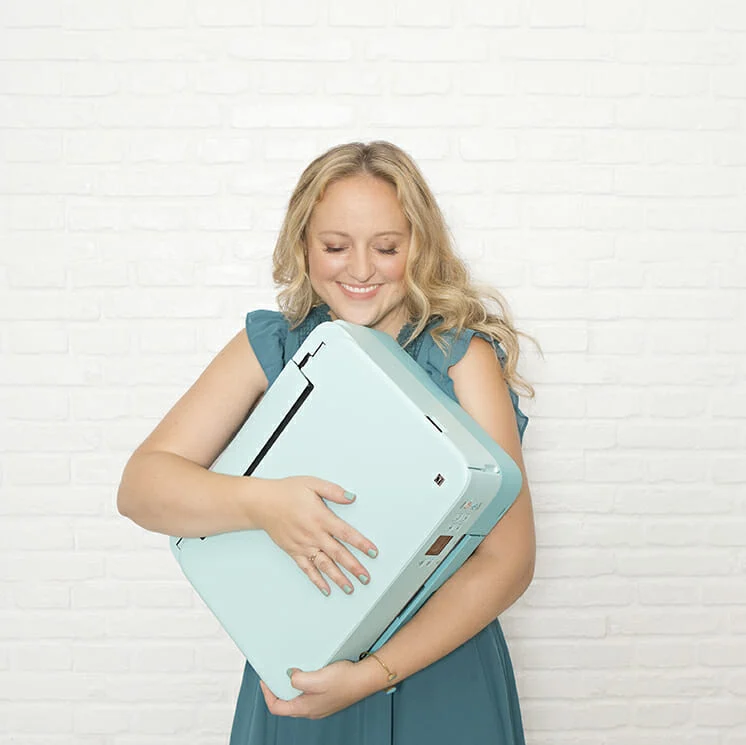


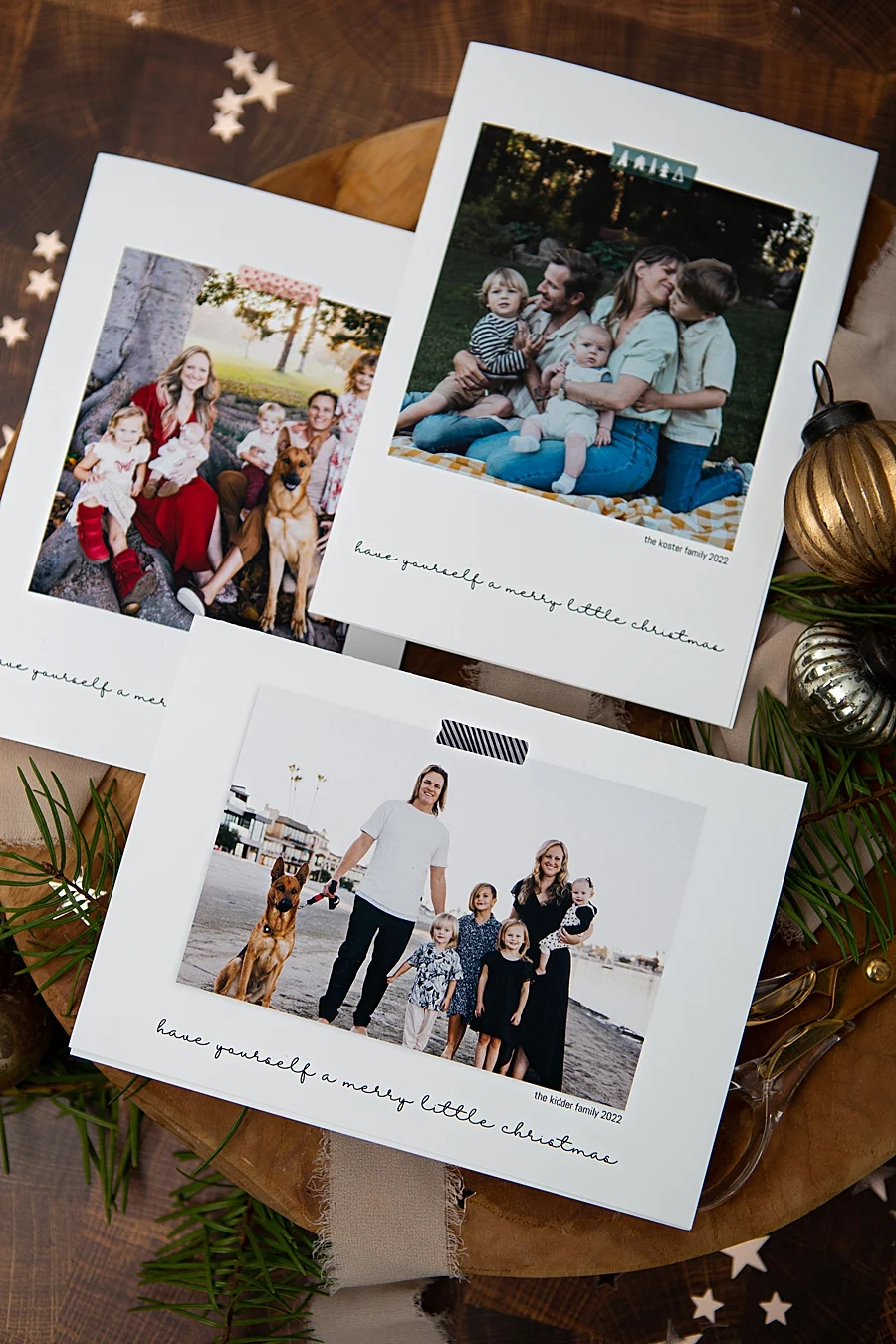
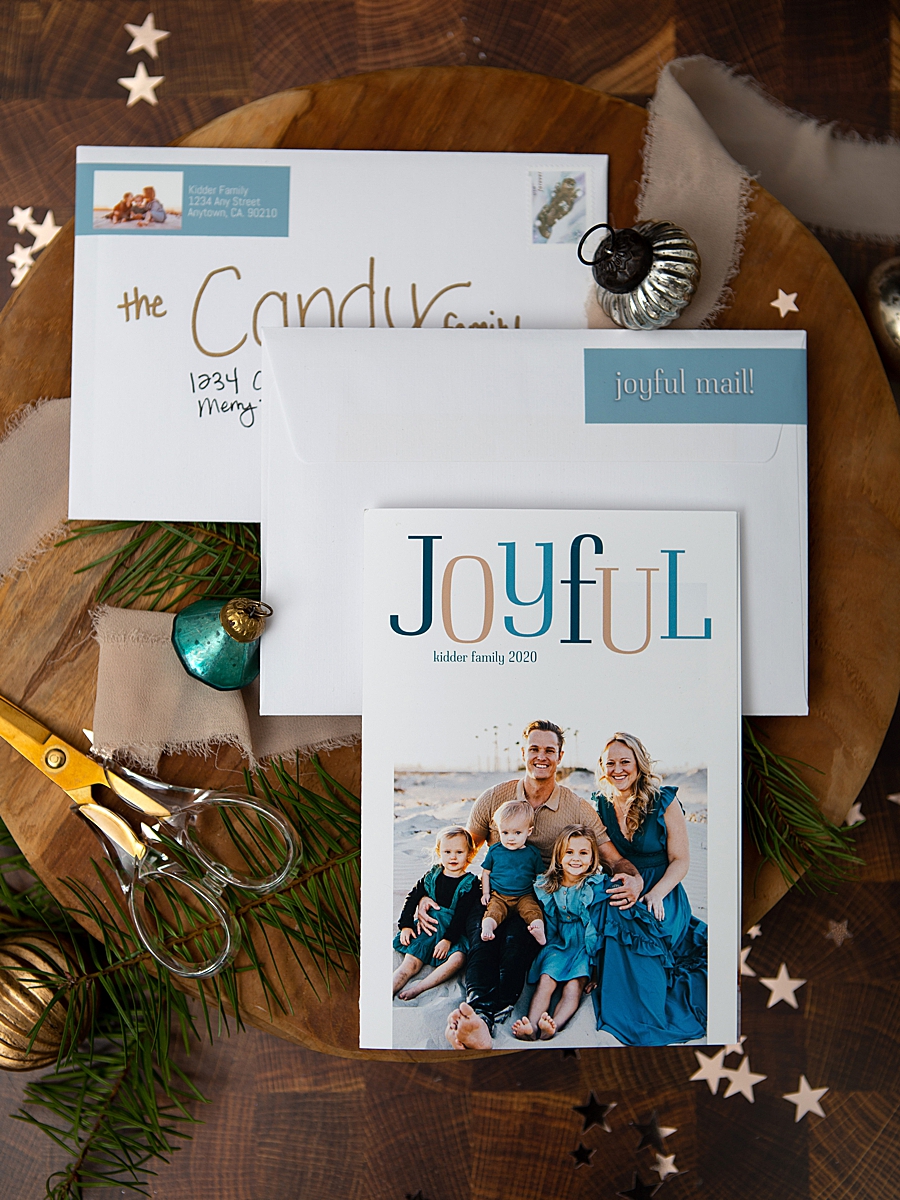
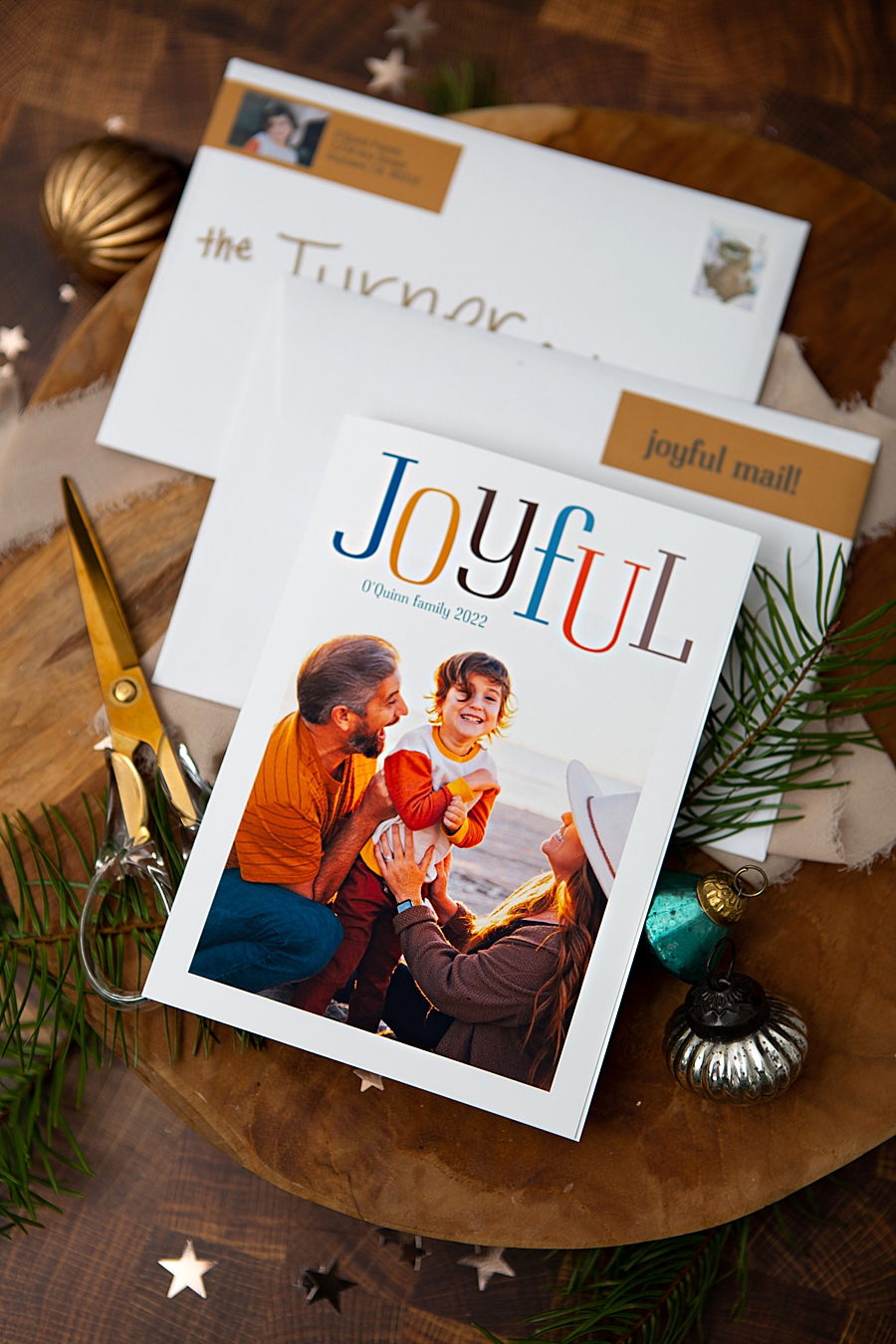
The integration of advanced inkjet technology and user-friendly design software has fundamentally altered the landscape of the home crafting industry, as evidenced by a strategic partnership between Canon U.S.A., Inc. and the lifestyle brand Something Turquoise. This collaboration focuses on the deployment of the Canon PIXMA TS9521C Crafting Printer, a specialized hardware solution designed to meet the high-fidelity demands of personalized stationery. By utilizing the 7×10 Double-Sided Greeting Card Paper Pack—which includes 20 pre-cut and pre-scored sheets of double-sided matte photo paper accompanied by 5×7 envelopes—consumers are now able to bypass traditional commercial printing services in favor of an in-house production model. This initiative is supported by the release of three distinct holiday card design suites: "Joyful," "Tape," and "Berries," which are being offered to the public via the Corjl software platform. This technological ecosystem allows for the granular customization of holiday greetings, including photo integration and text modification, reflecting a broader market trend toward bespoke consumer goods during the fourth-quarter holiday season.
The Evolution of Home-Based Stationery Production
The shift toward home-based manufacturing of high-quality greeting cards is a direct result of advancements in thermal and piezoelectric inkjet technology. Traditionally, consumers seeking professional-grade holiday cards were required to utilize third-party vendors, often facing long lead times and high unit costs for small print runs. The Canon PIXMA TS9521C represents a pivot toward consumer empowerment in the crafting space. Engineered specifically for the needs of scrapbooking and stationery enthusiasts, the printer supports a variety of media types and sizes that standard office printers cannot accommodate.
According to market analysis, the global greeting card market remains a multi-billion dollar industry, with a significant portion of annual revenue generated during the November-December window. However, consumer preferences have increasingly leaned toward personalization. The "Do-It-Yourself" (DIY) movement, bolstered by social media platforms and digital design tools, has created a demand for hardware that can replicate the finish of professional print shops. The use of double-sided matte photo paper is a critical component of this transition, as it provides the tactile weight and ink absorption necessary for a premium aesthetic, while the pre-scored nature of the media ensures structural integrity during the folding process.
Technical Specifications and Software Integration
The workflow presented in the Canon and Something Turquoise collaboration relies heavily on the synergy between hardware and the Corjl software platform. Corjl, a web-based editor, allows users to manipulate digital templates without the need for complex graphic design software like Adobe Illustrator or Photoshop. This accessibility is vital for the mass-market adoption of home printing solutions.
The three design suites released—Joyful, Tape, and Berries—demonstrate the versatility of this digital-to-physical pipeline:
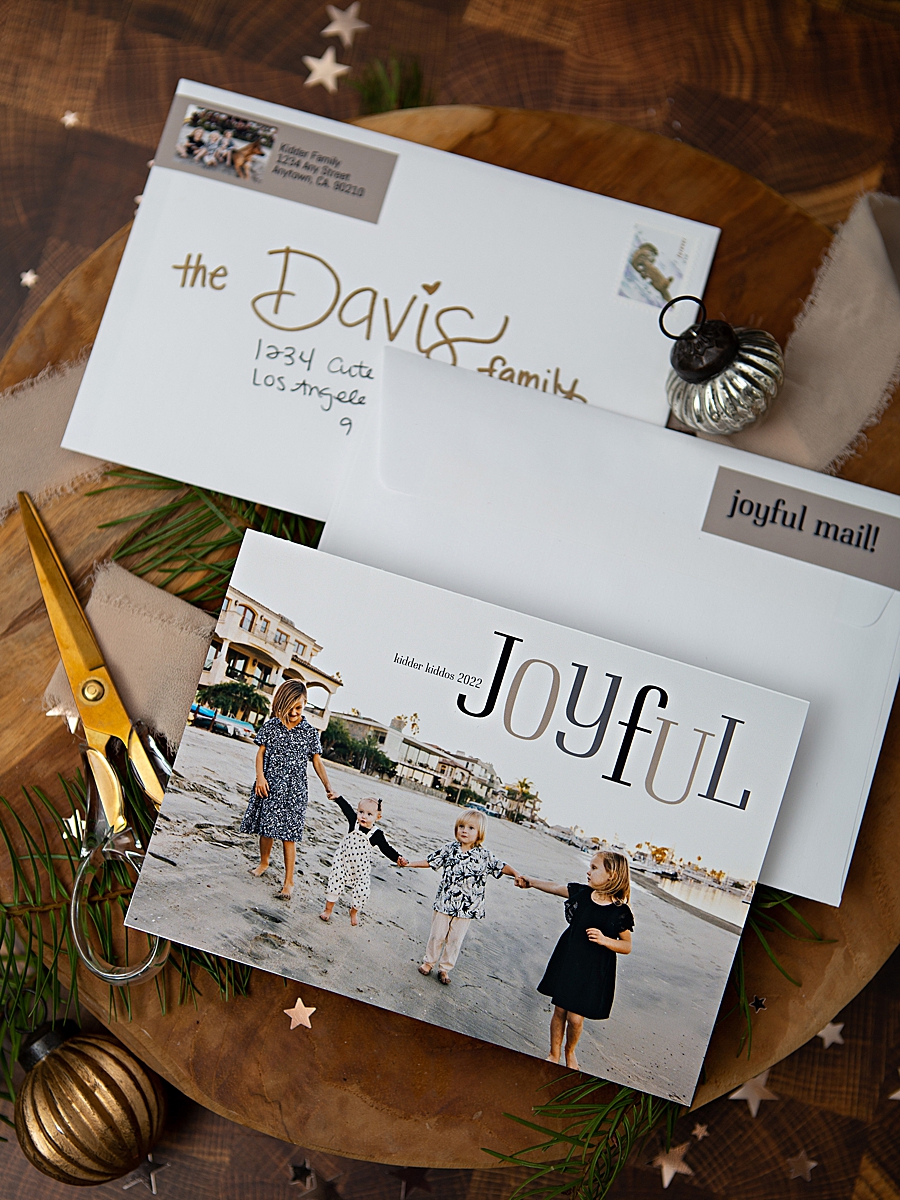
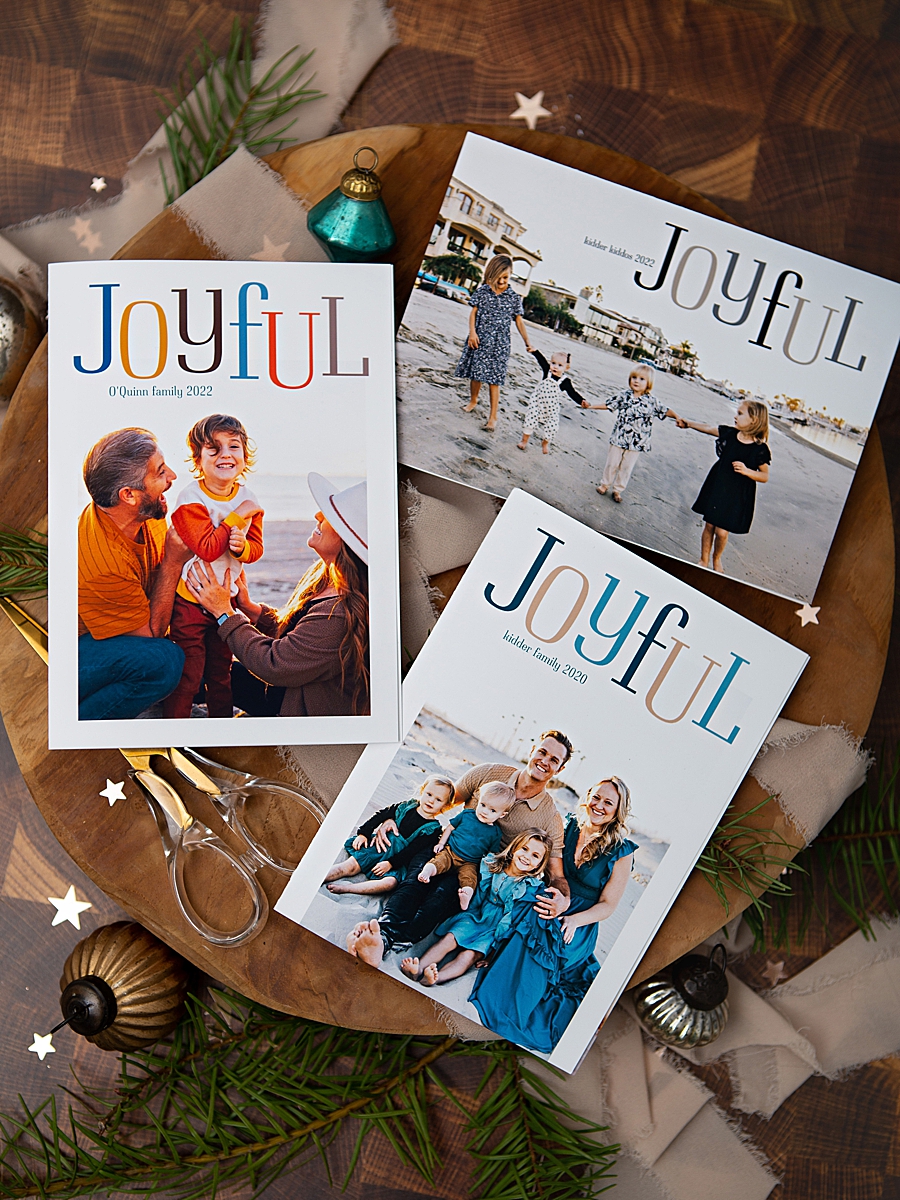
- The Joyful Suite: This design focuses on typography and color coordination. It allows users to adjust the hexadecimal color values of the central "Joyful" motif to harmonize with the color palette of uploaded family photography.
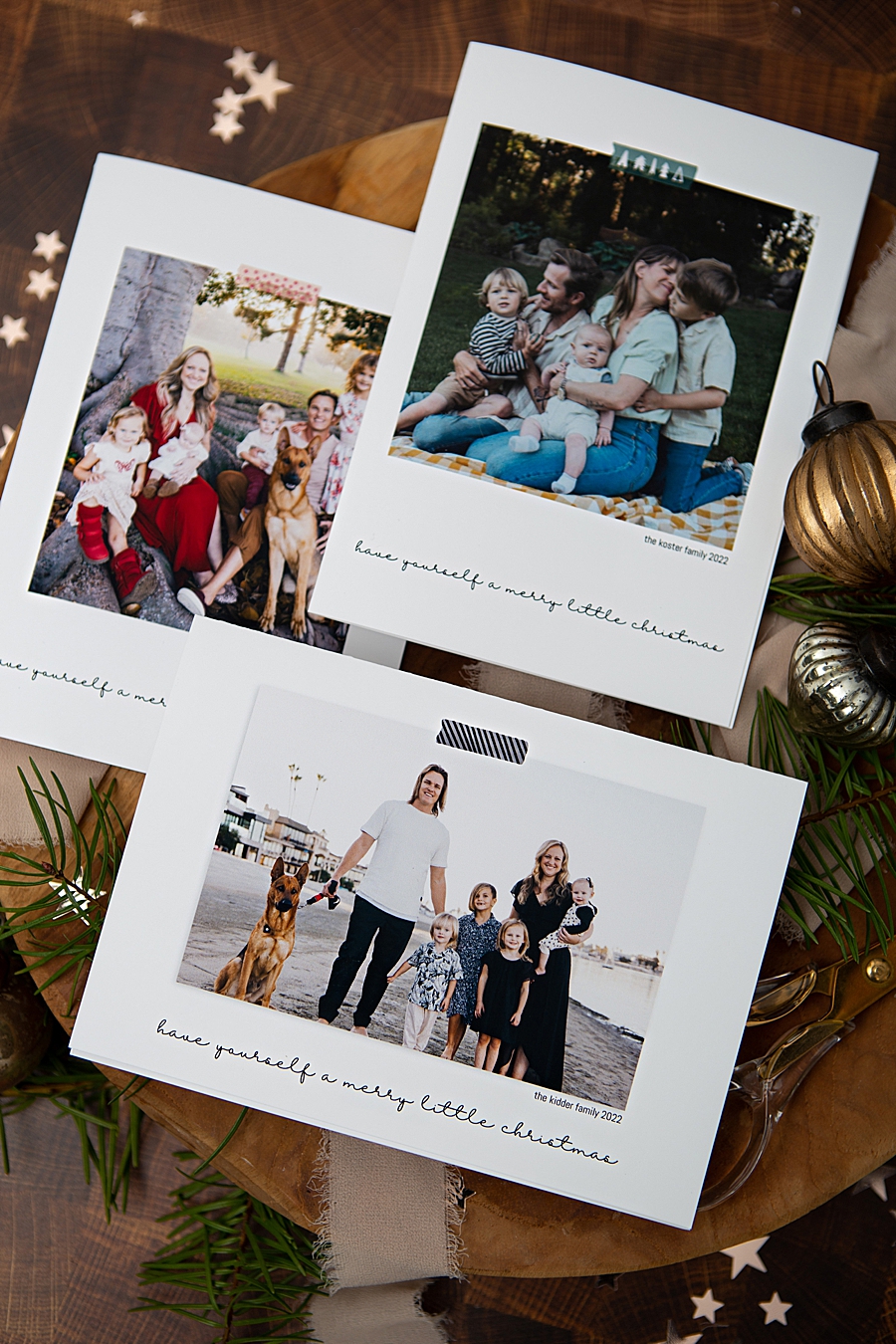
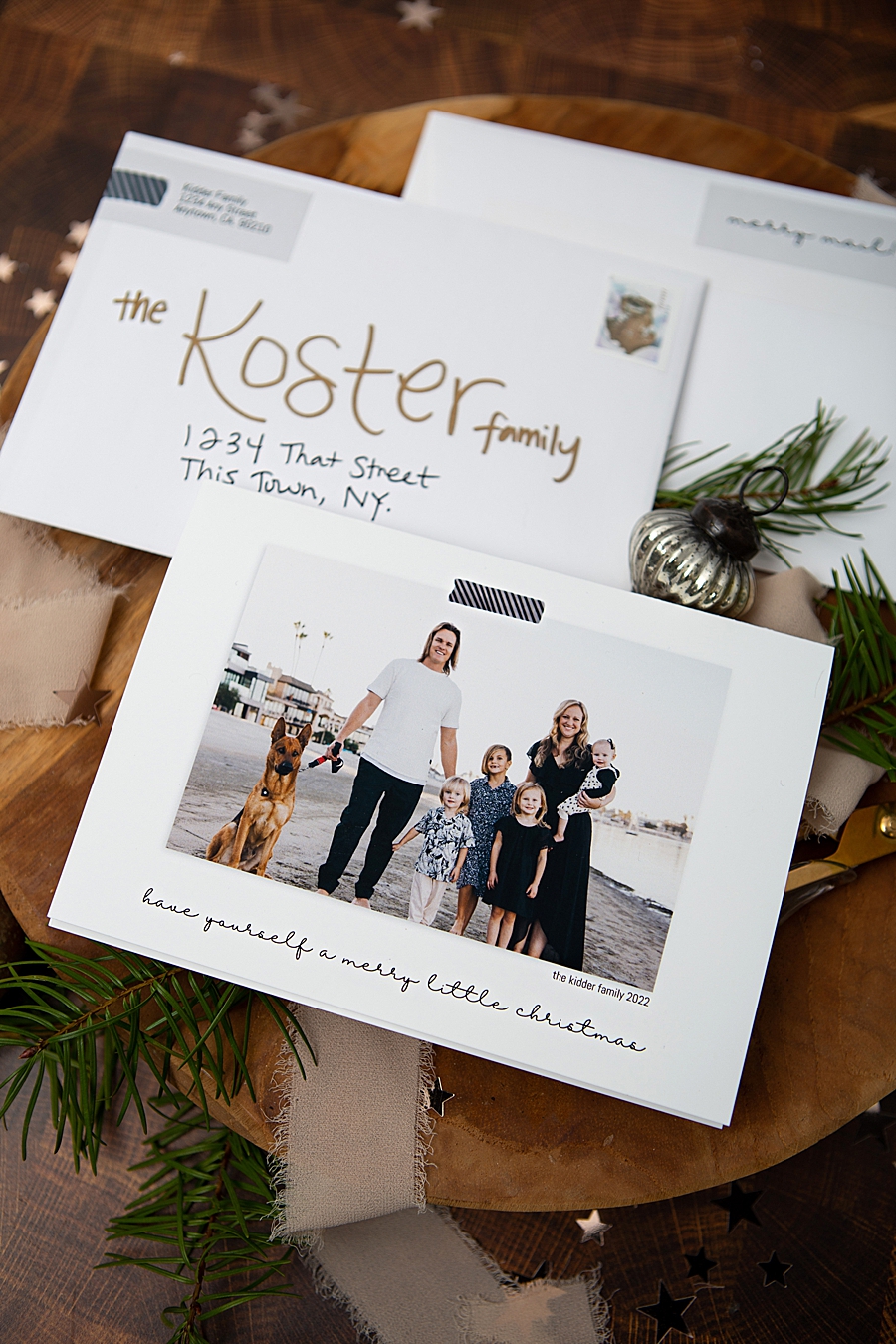
- The Tape Suite: Drawing inspiration from the scrapbooking aesthetic, this design utilizes digital "washi tape" elements. Users can choose from various patterns, including black and white stripes, pink polka dots, and seasonal motifs like green trees, to "anchor" their photos within the layout.
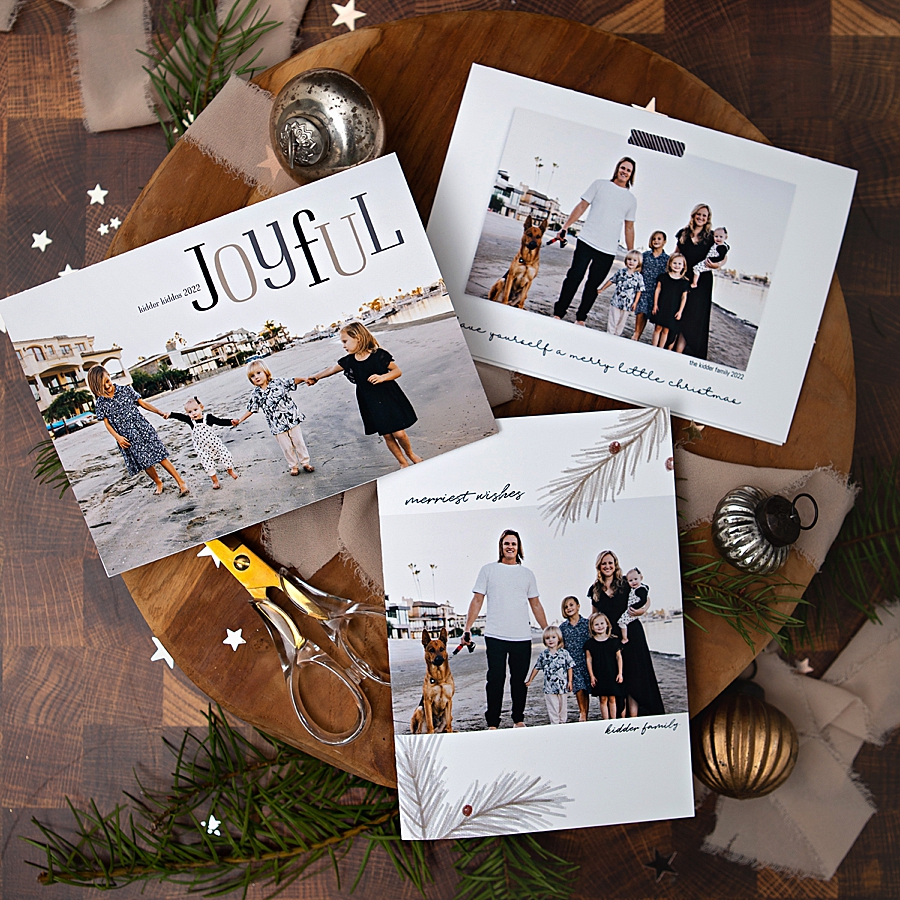
- The Berries Suite: This botanical-focused design incorporates hand-drawn berry branches in green, pink, and beige schemes. It serves as an example of how illustrative elements can be used to frame personal content while maintaining a minimalist professional look.
Each design is optimized for both vertical and horizontal orientations, ensuring compatibility with a wide range of photographic compositions. Furthermore, the inclusion of matching address labels ensures a cohesive visual identity from the envelope to the card interior.
Chronology of the DIY Stationery Initiative
The development and rollout of this holiday card initiative followed a structured timeline designed to coincide with peak consumer interest in seasonal preparation.
- Phase I: Product Development and Media Optimization: Canon U.S.A. identified a gap in the consumer market for high-quality, double-sided matte media that could be handled by home printers without jamming or ink smearing. The 7×10 Double-Sided Greeting Card Paper Pack was developed to address this specific niche.
- Phase II: Creative Partnership and Template Design: In late 2022, Canon partnered with Jen Causey-Kidder of Something Turquoise to develop templates that would showcase the printer’s color accuracy and the paper’s finish. The designs were curated to reflect contemporary aesthetic trends in the wedding and lifestyle sectors.
- Phase III: Software Onboarding: The designs were uploaded to the Corjl platform, and a specialized access system was implemented. Using the promotional code "canonholiday," consumers were granted free access to the design assets, lowering the barrier to entry for high-end card production.
- Phase IV: Consumer Education and Market Launch: A comprehensive tutorial series, including video demonstrations, was released to guide users through the technical aspects of printer settings, such as "Rear Tray" feeding and "Double-Sided" printing configurations. This phase focused on ensuring that the end-user could achieve professional results on the first attempt.
Market Data and Consumer Behavior Analysis
The economic implications of home-printed stationery are significant. Industry data suggests that the average American household sends approximately 20 to 30 holiday cards annually. At a retail price point of $3.00 to $5.00 per card for premium custom designs, the cost can become prohibitive. By contrast, the home-printing model utilizing the PIXMA TS9521C and bulk paper packs reduces the per-unit cost significantly after the initial hardware investment.
Furthermore, the "Tactile Premium" remains a strong driver in consumer behavior. Despite the prevalence of digital greetings and social media updates, the physical act of receiving a card in the mail is associated with higher levels of emotional resonance. A study on consumer psychology indicates that physical media leaves a "deeper footprint" in the brain, leading to better brand or personal recall. Canon’s focus on the "Double-Sided Matte" finish is a strategic response to this data, as matte surfaces are often perceived as more sophisticated and "artisan" than high-gloss alternatives.
Stakeholder Perspectives and Industry Reaction
While official corporate statements from Canon U.S.A., Inc. emphasize the company’s pride in "allowing consumers to create and preserve beautiful imagery," industry analysts view this move as a play for the "Prosumer" crafting market. By providing free, high-quality templates, Canon is effectively driving the consumption of proprietary ink and specialized paper, which are high-margin consumables in the printing industry.
Jen Causey-Kidder, representing the creative side of the partnership, noted that the process of printing at home adds a "relaxing and joyful" element to the holiday season. This sentiment is echoed by many in the DIY community who view the creation of holiday cards not as a chore, but as a seasonal ritual. The use of hashtags like #somethingturquoisediy on platforms such as Instagram and Twitter has created a feedback loop where consumers share their results, providing Canon with organic marketing and real-world proof of concept.
From a technical standpoint, the feedback from the crafting community has highlighted the importance of the PIXMA TS9521C’s ability to handle 12×12 inch paper, a standard in scrapbooking. While the holiday cards use 7×10 inch sheets, the printer’s versatility across various sizes makes it a central hub for multiple creative projects, increasing its value proposition for the consumer.
Broader Impact and Future Implications
The success of the Canon and Something Turquoise collaboration points toward a future where the line between professional printing and home crafting continues to blur. As 3D printing and high-resolution 2D printing become more affordable, the "Creator Economy" is shifting from purely digital content to physical, manufactured goods.
There are also environmental considerations to account for in this shift. Home printing allows for "on-demand" production, which can reduce the waste associated with over-ordering from commercial printers. However, it also places the responsibility of recycling ink cartridges and paper offcuts on the consumer. Canon’s participation in various recycling programs is a necessary component of this business model to ensure long-term sustainability.
In conclusion, the initiative to provide free, customizable holiday card designs for use with the Canon PIXMA TS9521C represents a sophisticated intersection of hardware capability, software accessibility, and seasonal marketing. By addressing the consumer’s desire for personalization and high-quality tactile media, Canon and Something Turquoise have established a blueprint for the future of home-based creative manufacturing. As technology continues to evolve, it is expected that more brands will adopt this "ecosystem" approach, providing not just the tools, but the creative assets necessary to facilitate professional-grade production in a domestic setting.