

The modern bridal industry, currently valued at billions of dollars globally, has seen a significant shift in how consumers approach the post-nuptial care of high-value garments. For many brides, the wedding dress represents the single most expensive and emotionally significant piece of clothing they will ever own, leading to a surge in demand for sophisticated preservation techniques. While the "Do-It-Yourself" (DIY) movement has permeated many aspects of wedding planning, the technical requirements of textile conservation often necessitate a hybrid approach—combining professional chemical cleaning with personal archival storage and creative sentimental displays.
The Chemistry of Fabric Decay and the Necessity of Professional Intervention
The primary challenge in wedding gown preservation lies not in the visible dirt—such as mud on a hemline or wine spills—but in the "invisible" contaminants that degrade fibers over time. According to textile conservationists, substances like perspiration, clear soda, and white wine contain sugars and acids that are initially transparent. However, through a process known as caramelization, these substances oxidize over months or years, turning into unsightly brown or yellow brittle patches that are often impossible to remove once they have set.
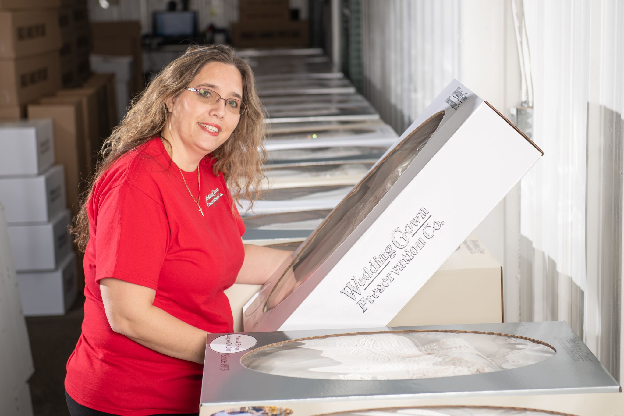
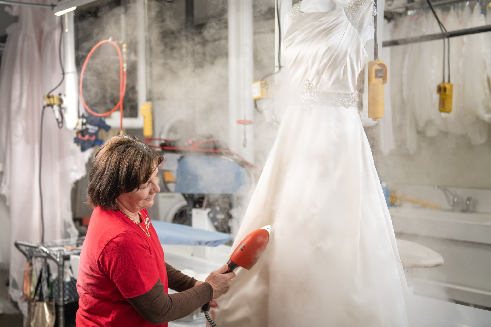
Professional preservation services utilize specialized solvents, such as System K4, which are designed to dissolve these organic compounds without damaging delicate silk, lace, or synthetic fibers. Unlike standard dry cleaning, which may use perchloroethylene (perc) that can damage certain beads or sequins, archival-grade cleaning involves a meticulous inspection and hand-treatment process. This technical barrier is the primary reason industry experts advise against purely DIY cleaning methods. A home-based attempt to scrub a stain can often fray the fabric or "set" the chemical bond of the stain, rendering professional restoration ineffective later.
A Chronological Timeline for Optimal Gown Conservation
The window for effective preservation is narrower than many realize. Industry standards, frequently cited by bridal authorities such as The Knot, suggest that the cleaning process should ideally begin within three to four weeks of the wedding ceremony. This timeline is dictated by the chemical stability of common wedding-day stains.
- Zero to 48 Hours Post-Wedding: The gown should be placed in a breathable fabric bag, never plastic, which can trap moisture and lead to mildew.
- One to Two Weeks: The owner should document all known "incidents"—grass stains from outdoor photography, makeup transfers at the neckline, or cake spills. This documentation serves as a roadmap for the preservationist.
- One Month: The gown should be handed over to a professional service. Beyond this point, the risk of permanent oxidation increases significantly.
- Six to Eight Weeks: Professional cleaning and boxing are typically completed, involving a multi-stage inspection, cleaning, and archival packing process.
- Long-Term (1-100 Years): The gown is stored in a pH-neutral environment, protected from light, humidity, and temperature fluctuations.
Comparative Analysis of Professional Preservation Services
For consumers navigating the market, the choice often comes down to four major US-based providers, each offering different levels of insurance, technical rigor, and price points.
Trusted Wedding Gown Preservation
Based in Freehold, New Jersey, this service operates a tiered mail-in system tailored to the gown’s value and condition. Their "Traditional" kit is designed for dresses valued under $2,000, while the "Celebrity" tier caters to couture garments exceeding $3,000. Their model is noted for its inclusivity, offering cleaning for up to five accessories (such as veils or garters) at no additional cost. With a 100-year anti-yellowing guarantee and insured shipping ranging from $2,000 to $3,000, they represent a middle-to-high-end market standard.
Wedding Gown Preservation Kit
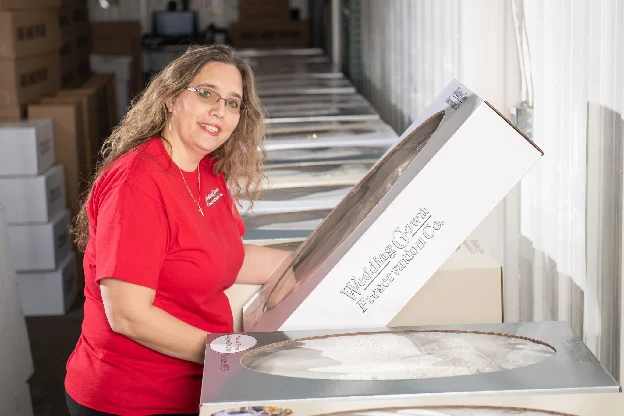
Similar in structure to the Jersey-based competitors, this service focuses on a streamlined logistics experience. Their kits typically arrive within five to seven business days. A distinguishing feature of their service is the use of an embossed chest with a UV-coated viewing window, allowing the owner to inspect the garment without breaking the archival seal—a critical factor in maintaining the internal environment of the box.
David’s Bridal
As a major retailer, David’s Bridal offers a highly accessible mail-in kit. While their standard shipping insurance is lower (starting at $500), they offer a $60 premium upgrade to double that coverage. This service is often favored for its speed, with turnaround times as short as two weeks, making it a viable option for simpler gowns or brides on a tighter post-wedding schedule.
Elegance Preserved
Operating primarily out of California with a presence in San Francisco and San Diego, Elegance Preserved focuses on hand-cleaning techniques. Their approach is more bespoke, selecting either dry or wet cleaning methods based on the specific fabric composition. This service is frequently recommended for high-complexity garments featuring delicate lace or heavy beading. Their pricing reflects this labor-intensive process, often separating the cleaning costs from the preservation boxing fees.
The Economics of Preservation: Cost-Benefit Analysis
The financial commitment for preservation ranges from $250 to upwards of $1,000. This expenditure must be weighed against the gown’s original cost and its intended future. A DIY storage setup, consisting of an acid-free box and tissue, may cost less than $100, but it lacks the critical chemical cleaning component.
Data suggests that the "price gap" between DIY and professional kits—roughly $150 to $300—is essentially an insurance policy. Professional kits include insured shipping, which is vital given the gown’s value, and a guarantee against yellowing that often spans a century. For a gown that is heavily beaded or made of genuine silk, the cost of professional preservation is generally considered a fraction of the potential loss in the garment’s resale or heirloom value.
Archival DIY: The Shadow Box and Sentimental Displays
While the gown itself requires professional handling, the "DIY" spirit finds its place in the creation of shadow boxes. These displays allow brides to retain a visual connection to their wedding day without compromising the integrity of the main garment.
Expert seamstresses often recommend saving offcuts from the alteration process—scraps of lace, silk, or tulle—specifically for this purpose. A professional-grade shadow box requires specific materials to prevent the "burn" of acidic backing boards:
- Archival-grade shadow box: Deep enough to house 3D objects like dried flowers.
- Acid-free foam board: To prevent the yellowing of fabric and paper invitations.
- UV-protective glazing: Essential if the box will be hung in a room with natural light.
- Stainless steel pins: To avoid rust spots over time.
The process involves a methodical layout of the invitation, a swatch of the dress, dried bouquet elements, and perhaps a photograph. By using remnants rather than the dress itself, the bride preserves the gown’s integrity for future generations or resale while enjoying a daily memento.
Storage Requirements for Home Preservation
For those who choose to handle the storage aspect themselves after a professional cleaning, the environment must be strictly controlled. The "cool, dark, and dry" rule is the gold standard of museum conservation.
- Avoid Attics and Basements: These areas suffer from extreme temperature swings and high humidity, both of which accelerate fiber breakdown and mold growth.
- pH Neutrality: All tissue paper used for stuffing sleeves and lining the box must be acid-free and unbuffered (for silk) or buffered (for cotton/linen).
- Regular Inspection: Conservationists recommend inspecting the gown every few years, using white cotton gloves, to ensure no new spots have developed and to refold the garment, which prevents permanent creases from weakening the fibers.
Broader Implications and the Future of Textile Preservation
The rise of the "second-hand" bridal market, fueled by platforms like Stillwhite and Poshmark, has added a commercial layer to preservation. A professionally preserved gown maintains a significantly higher resale value than one that has been stored in a standard garment bag. Buyers are increasingly looking for "preserved" status as a mark of quality and hygiene.
Furthermore, as environmental concerns become more prominent, the industry is shifting toward eco-friendly solvents and sustainable packaging. The move away from "perc" toward "System K4" and other biodegradable cleaning agents reflects a broader trend in the textile industry toward reducing the chemical footprint of garment care.
Ultimately, wedding gown preservation is a confluence of chemistry, logistics, and emotion. By delegating the technical cleaning to experts and focusing personal efforts on creative displays like shadow boxes, the modern bride can ensure that the centerpiece of her wedding day survives as both a pristine artifact and a visible part of her home’s history. The decision to preserve is not merely an act of nostalgia; it is a calculated investment in the longevity of textile art.