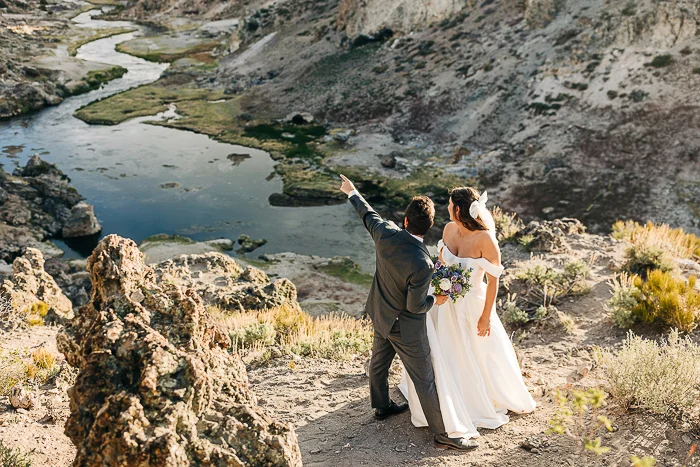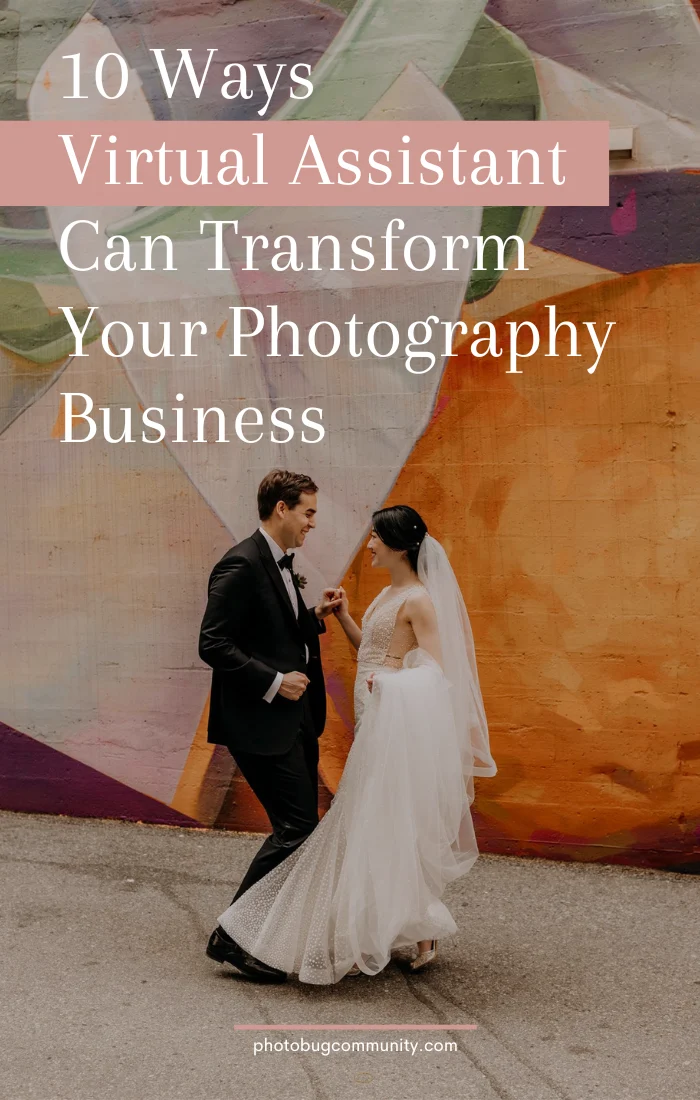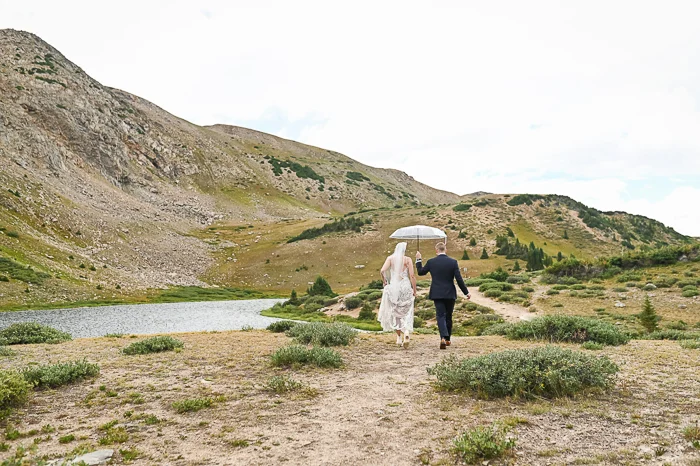


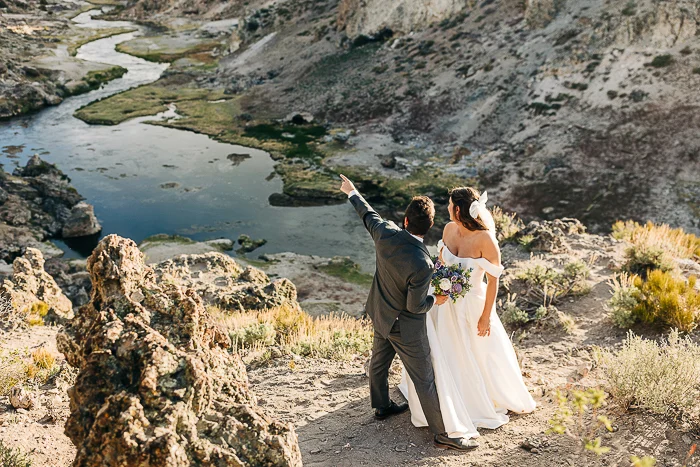
A single visual frame possesses the profound capacity to articulate a spectrum of human emotions, from profound joy to acute sorrow and enduring pain. Yet, a compelling question arises: does the capacity to evoke and interpret these sentiments diminish when the subject’s face, traditionally considered the primary conduit of emotion, is intentionally obscured or omitted? The Photobug Community, a global network dedicated to wedding photography excellence, addressed this query directly with its "Body Language" photo challenge in June, unequivocally demonstrating that the human form alone can convey narratives as rich and moving as any facial expression. This initiative tasked photographers with capturing the essence of human connection and feeling through posture, gesture, and interaction, proving that the nuanced conversation between two individuals in love resonates deeply, regardless of whether their faces are visible. The resulting collection of images, shared by the community’s talented members, underscores a fundamental truth in visual communication: the eloquence of the body often speaks volumes that transcend the need for direct eye contact or overt facial cues, ensuring that the love between subjects invariably shines through.
The Genesis of the ‘Body Language’ Challenge: Redefining Emotional Capture
The "Body Language" challenge emerged as a cornerstone of Photobug Community’s ongoing commitment to fostering artistic growth and pushing the boundaries of photographic expression within the wedding industry. Established as a recurring thematic initiative, these monthly challenges serve as a crucible for photographers to hone specialized skills, experiment with novel perspectives, and collectively elevate the craft. For June’s iteration, the explicit directive was to focus exclusively on non-verbal communication, compelling participants to move beyond conventional portraiture and delve into the intricate subtleties of human interaction. The objective was multifaceted: to challenge photographers to cultivate a heightened observational acuity, to refine their ability to compose shots that prioritize physical interaction and posture, and ultimately, to validate the universal legibility of body language as a storytelling device.
A spokesperson for the Photobug Community, commenting on the challenge’s philosophical underpinnings, articulated, "Our aim with the ‘Body Language’ challenge was to strip away the reliance on facial expressions and instead spotlight the powerful, often subconscious, ways in which bodies communicate. We firmly believe that true emotion is not solely confined to a smile or a tear seen upfront; it’s woven into the lean of a shoulder, the intertwining of fingers, the shared space between two people. This challenge was designed to affirm that the human form, in its subtle and overt gestures, can tell a complete and compelling story of love, intimacy, and connection, resonating just as profoundly with the viewer." This statement encapsulates the ambitious yet foundational goal of the initiative: to expand the accepted visual vocabulary of emotional capture, encouraging photographers to explore the full expressive potential of the human figure.
The Science Behind Unseen Emotions: The Psychology of Non-Verbal Communication
The premise of the "Body Language" challenge is firmly rooted in established principles of human psychology and neuroscience, which underscore the pervasive influence of non-verbal cues in interpersonal communication. Scientific research indicates that non-verbal communication, encompassing aspects such as kinesics (body movements), proxemics (use of space), haptics (touch), and paralanguage (vocal cues beyond words), constitutes a significant portion of how humans convey and interpret messages, particularly emotional ones. Pioneering work in this field, such as that by psychologist Albert Mehrabian, suggests that non-verbal elements can account for a substantial majority of the impact in face-to-face communication, often exceeding the semantic content of spoken words when emotions are involved. While Mehrabian’s specific percentages (7% verbal, 38% vocal, 55% visual) are frequently misapplied, the overarching principle that non-verbal signals are paramount in conveying emotional state remains widely accepted.
Humans possess an innate, often subconscious, capacity to decode body language, a skill honed through evolutionary processes that favored rapid assessment of social and emotional cues for survival. Neuroscientific studies have highlighted the role of mirror neurons in this process, suggesting that these specialized brain cells activate not only when an individual performs an action but also when they observe the same action performed by another, facilitating empathy and understanding of others’ physical and emotional states. In a photographic context, a skillfully captured image of body language effectively taps into this inherent human ability. Photographers who master this art leverage compositional elements, lighting, and framing to emphasize specific gestures, postures, and spatial relationships, thereby activating viewers’ empathetic responses and allowing them to intuit the emotions being expressed, even without direct visual access to faces. This profound connection between visual art and innate psychological processing forms the scientific bedrock upon which the Photobug Community’s challenge is built.
Historical Precedents in Visual Arts: The Enduring Power of the Form
The emphasis on body language as a primary narrative tool is not a novel concept but rather a continuation of a rich tradition within the visual arts spanning millennia. Long before the advent of photography, artists across various mediums intuitively understood and exploited the expressive power of the human form to convey complex narratives and emotions. Ancient Greek and Roman sculptors, for instance, masterfully depicted agony, triumph, and despair through the contorted muscles and dramatic postures of their subjects, as exemplified by the iconic "Laocoön and His Sons." Renaissance masters like Michelangelo conveyed profound grief and spiritual connection through the carefully rendered drapery and weighty embrace in his "Pietà," where the posture of Mary communicates boundless sorrow and maternal love.
Throughout art history, movements like Impressionism and Expressionism, while often focusing on light and color, frequently utilized abstracted or exaggerated forms to evoke emotional states, sometimes deliberately obscuring facial details to amplify the impact of overall composition and bodily expression. Early photographers also explored these avenues, with pioneers in portraiture often capturing subjects in full body to showcase not just their likeness but their social status, mood, and personality through their stance, attire, and interaction with their environment. The development of silhouette photography, for example, relies entirely on the outline of the body to convey identity and emotion, proving that the essence of a subject can be distilled to its most fundamental shape. This historical lineage firmly establishes that the human body has always been a potent canvas for emotional storytelling, a legacy that contemporary photographers continue to explore and expand upon, as demonstrated by the "Body Language" challenge.
Modern Wedding Photography’s Evolving Narrative and the Quest for Authenticity
The landscape of wedding photography has undergone a significant transformation in recent decades, moving decisively away from rigid, overtly posed setups towards a more photojournalistic and candid approach. Modern couples increasingly seek authentic visual narratives that capture the genuine emotions and spontaneous moments of their special day, valuing raw, unscripted intimacy over conventional, smiling portraits. This shift reflects a broader cultural appreciation for authenticity and a desire for photographs that tell a deeply personal story, rather than merely documenting an event.
The Photobug Community’s "Body Language" challenge aligns perfectly with this evolving demand. By encouraging photographers to concentrate on non-verbal cues, the initiative trains their eyes to identify and capture the subtle interactions that truly define a couple’s connection: the gentle touch of a hand, the protective curve of an arm, the shared lean of two heads, or the way bodies naturally gravitate towards each other. These elements, often fleeting and subconscious, are the hallmarks of genuine intimacy and provide a more profound insight into a couple’s relationship than a forced smile. The challenge thus serves not only as an artistic exercise but also as a practical tool for wedding photographers seeking to meet and exceed the contemporary client’s expectations for emotionally resonant, timeless imagery. Furthermore, the global reach of platforms like the Photobug Community, facilitated by social media, plays a crucial role in disseminating these evolving styles and fostering a dynamic exchange of creative ideas among professionals worldwide, collectively pushing the boundaries of what wedding photography can achieve.
Featured Work: Samsul Hidayat’s Poignant Capture of Unspoken Love
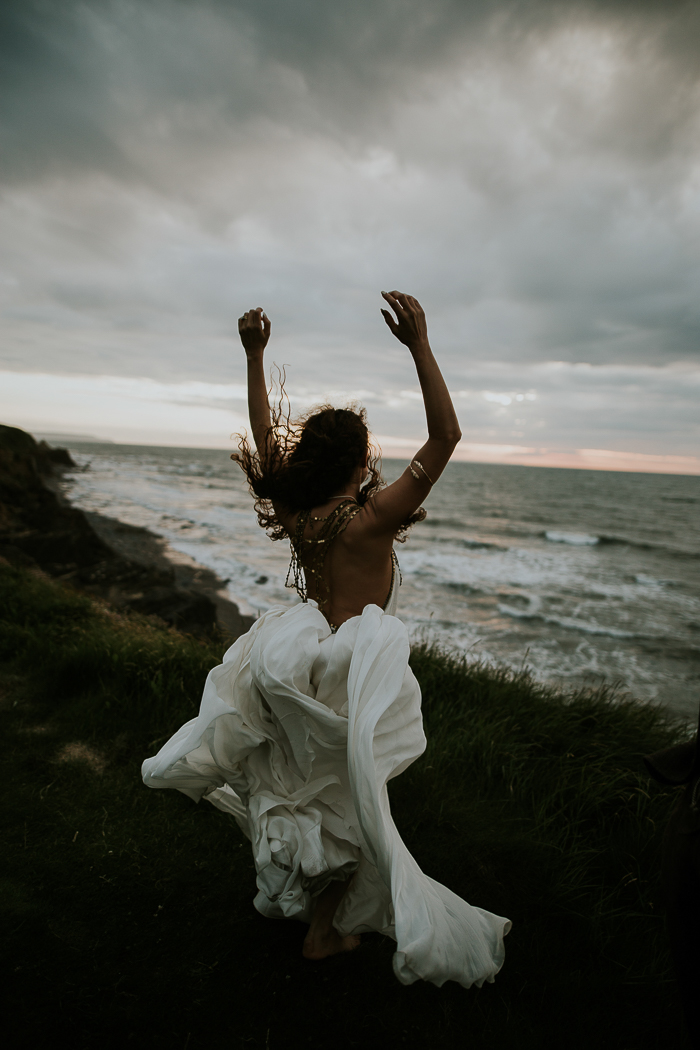
Among the myriad submissions to the June "Body Language" challenge, one image by Samsul Hidayat stood out as a particularly compelling illustration of the power of unseen emotion. The photograph, presented in a vertical format, depicts a couple in an intimate embrace, their faces obscured, allowing the viewer’s attention to be drawn entirely to their intertwined bodies and the implied narrative. The composition is masterfully executed, utilizing natural light to create soft highlights and deep shadows that sculpt the figures and add a sense of depth and dimensionality. The couple’s posture communicates profound comfort, trust, and connection. One partner’s arm is wrapped gently around the other’s waist, while the other’s hand rests softly on a shoulder or back, forming a protective and affectionate hold. Their bodies are pressed closely together, creating a singular, unified form that speaks volumes about their bond. The slight tilt of their heads, though faces are hidden, suggests a shared moment of tenderness and quiet understanding.
The artistic decision to omit facial visibility in Hidayat’s photograph is not a limitation but a deliberate enhancement. It forces the viewer to engage with the image on a deeper, more visceral level, interpreting the emotions through universal bodily cues. The way the fabric drapes, the subtle tension or relaxation in their stance, and the intimate proximity all contribute to an overwhelming sense of love and security. An inferred statement from a photographer participating in such a challenge might articulate this intent: "My aim was to strip away the distractions of facial expressions and focus purely on the silent conversation between two people. It’s about how bodies lean into each other, how hands connect, how a shared space is created. When you remove the face, the viewer is compelled to feel the emotion rather than just observing it, making the connection more universal and powerful." Hidayat’s image serves as a testament to the fact that a photograph can be profoundly moving and tell a complete story of love without ever revealing a single facial feature, thus perfectly embodying the spirit and objective of the "Body Language" challenge.
Cultivating Artistic Growth: The Photobug Community’s Enduring Role
The Photobug Community has solidified its position as a vital hub for wedding photographers worldwide, transcending geographical boundaries to create a vibrant ecosystem of learning, inspiration, and collaboration. Its mission extends beyond merely showcasing exceptional photography; it actively cultivates artistic growth and professional development through a range of resources, educational content, and, crucially, its thematic photo challenges. These challenges are not merely competitions but pedagogical tools, designed to push photographers outside their comfort zones, encourage experimentation, and refine specific technical and artistic skills.
The "Body Language" challenge is a prime example of this pedagogical approach. By focusing on a nuanced aspect of visual storytelling, it compelled participants to:
- Enhance Observational Skills: Developing a keener eye for subtle gestures, postures, and interactions that often go unnoticed.
- Refine Compositional Mastery: Learning to frame shots effectively to emphasize bodily forms and their emotional implications.
- Deepen Emotional Intelligence: Understanding how to translate complex human feelings into visual cues without explicit facial expressions.
- Foster Peer Learning: The community platform allows for constructive feedback and inspiration among members, creating a virtuous cycle of improvement.
- Provide Global Visibility: Exceptional work from these challenges receives widespread recognition, offering invaluable exposure to talented photographers.
The consistent chronology of these monthly challenges underscores the Photobug Community’s ongoing commitment to professional development. By regularly introducing diverse themes—ranging from intricate lighting scenarios to environmental portraiture and, as seen in June, the subtleties of non-verbal communication—the community ensures that its members are continually engaged in a dynamic process of artistic evolution. This sustained effort not only elevates the individual portfolios of its members but also collectively raises the bar for creativity and technical excellence across the entire wedding photography industry.
Implications for Photographic Storytelling: Expanding the Visual Vocabulary
The success of the "Body Language" challenge carries significant implications for the broader field of photographic storytelling. Firstly, it challenges conventional notions of what constitutes a "complete" or "expressive" portrait, demonstrating that emotional depth is not solely dependent on direct facial engagement. This expands the visual vocabulary available to photographers, offering new avenues for creative expression and narrative construction. It encourages artists to think beyond the obvious, to seek out and emphasize the subtle, often overlooked, interactions that truly define human connection.
Secondly, this approach fosters a more nuanced understanding of visual empathy. When a viewer is denied the immediate gratification of a facial expression, they are compelled to actively interpret other cues, engaging their own emotional intelligence to understand the narrative. This often leads to a deeper, more personal connection with the image, as the viewer becomes an active participant in constructing the story. The resulting photographs can be incredibly powerful, evoking a sense of universality because the emotions are conveyed through fundamental human gestures that transcend cultural or individual specificities. For clients, this means a wider appreciation for diverse artistic styles, moving beyond the expectation of purely smile-focused imagery to embrace photographs that capture the full spectrum of authentic, unscripted moments. Ultimately, the "Body Language" challenge reinforces the idea that photographic storytelling is an art of observation, interpretation, and profound empathy, capable of communicating complex human truths through the most subtle of visual cues.
The Future of Non-Verbal Narratives in Photography
As the photographic landscape continues to evolve with technological advancements, the enduring relevance of non-verbal narratives, as championed by initiatives like the "Body Language" challenge, is poised to grow. While artificial intelligence and computational photography may offer new tools for image creation and analysis, the human element of capturing authentic emotion through nuanced observation remains paramount. The emphasis on body language encourages photographers to maintain a deeply humanistic approach to their craft, focusing on the genuine interactions and unspoken connections that define our experiences.
The trend towards authentic, emotionally resonant imagery is unlikely to wane. As visual communication becomes increasingly saturated, photographs that can cut through the noise with profound emotional depth will hold even greater value. The lessons learned from the "Body Language" challenge—the importance of composition, lighting, and an acute understanding of human interaction—will serve as foundational skills for future generations of photographers. The universal language of the body, with its innate ability to convey love, joy, sorrow, and myriad other emotions, will continue to be a powerful and timeless wellspring for photographic storytelling, ensuring that the human connection, in all its unspoken glory, remains at the heart of the visual narrative.