

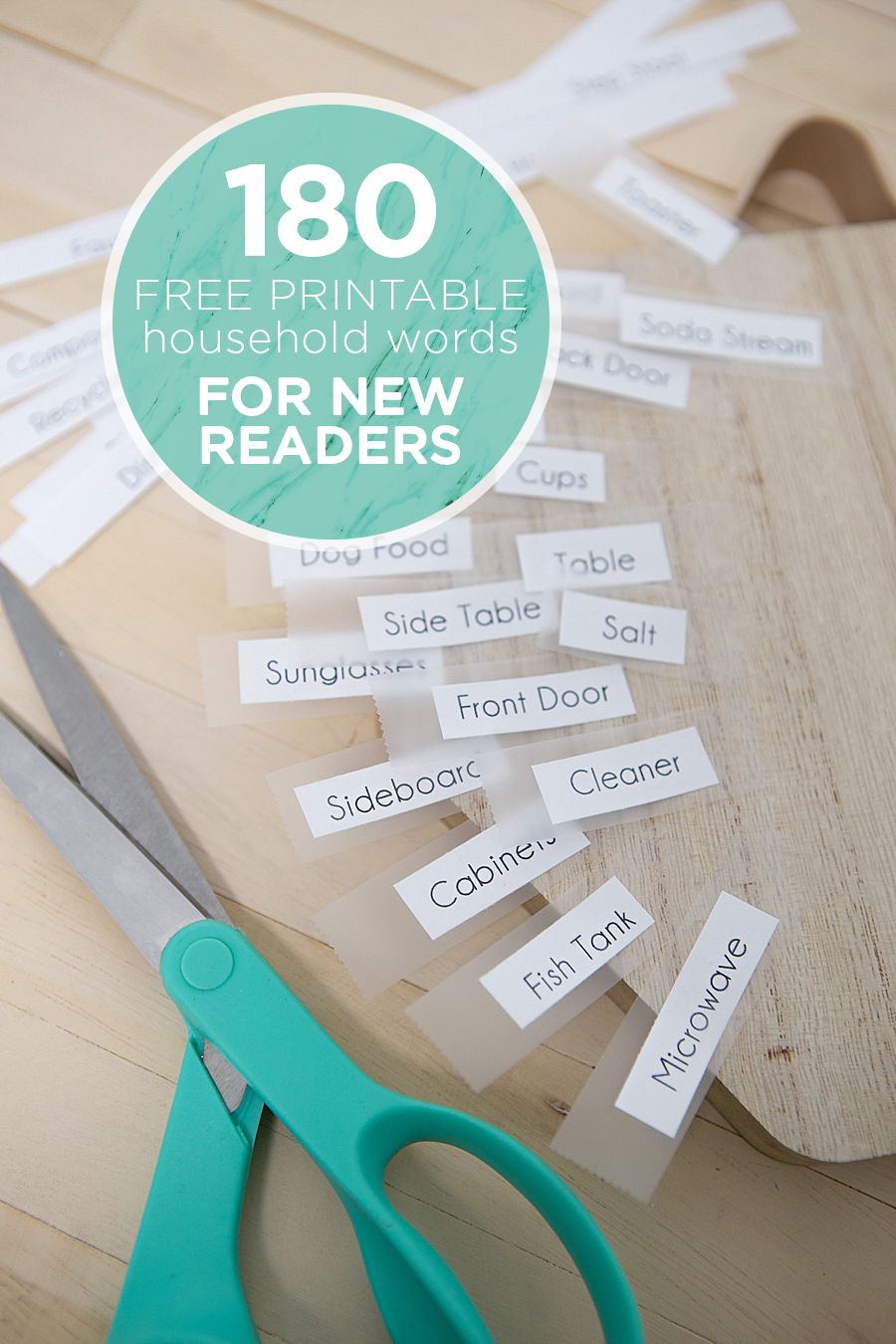
The integration of environmental print into the domestic sphere has emerged as a significant strategy for fostering early literacy, as evidenced by a comprehensive new initiative released by the educational and lifestyle platform Something Turquoise. Developed by Jen Causey-Kidder, the "Household Words for New Readers" project provides a structured, 180-word toolkit designed to bridge the gap between verbal recognition and orthographic mapping in young children. By systematically labeling common objects within the home environment, the project leverages the "whole-word" recognition method, transforming a living space into a functional classroom. This approach, while prioritizing utility over traditional home aesthetics, addresses a critical phase in child development where visual familiarity with written symbols becomes the catalyst for independent reading.
The Pedagogical Foundation of Environmental Print
The methodology behind the labeling project is rooted in the concept of "environmental print," which refers to the print of everyday life—the signs, labels, and logos that children encounter daily. Educational experts suggest that for a child who is just beginning to decode language, the transition from spoken word to written text is significantly eased when the text is attached to a physical object they already recognize and name.
According to reading specialists consulted during the development of this toolkit, the strategy functions by removing the cognitive load of identifying an object, allowing the child’s brain to focus entirely on the visual representation of the word. When a child sees the word "refrigerator" attached to the appliance, they are not learning what the object is; rather, they are mapping the sequence of letters to a concept they have already mastered. This process, known as orthographic mapping, is essential for building a "sight word" vocabulary—words that a reader can recognize instantly without needing to sound them out phonetically.
Project Chronology and Development Phases
The development of the "Household Words for New Readers" initiative followed a specific four-stage timeline, moving from pedagogical consultation to domestic implementation.
Phase I: Research and Lexicon Selection
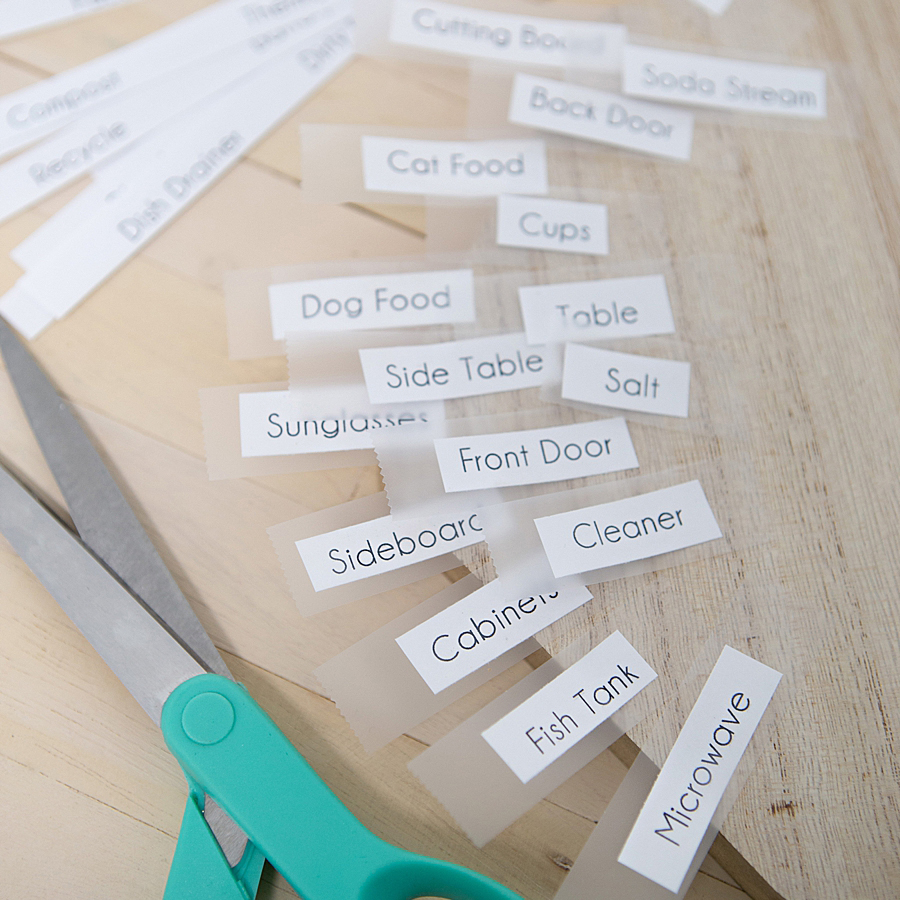
The initial phase involved the selection of 180 key terms. The criteria for selection were based on the frequency of use within a standard household and the relevance to a child’s daily routine. The list was curated to include not only basic furniture (e.g., "bed," "chair") but also more specific architectural features and household items (e.g., "pantry," "banister," "dishwasher"). This comprehensive list was designed to be modular, allowing parents to skip items not present in their specific living environments while ensuring a high density of text throughout the home.
Phase II: Typographic Design and Legibility Analysis
A critical component of the project was the selection of a typeface. Causey-Kidder identified a common pitfall in early literacy materials: the use of complex or "fancy" fonts. In many standard typefaces, the letters "a," "g," and "t" feature flourishes or "double-story" constructions that do not match the "ball-and-stick" method typically taught in primary schools. To mitigate this, the project utilized "Champagne & Limousines," a clean, sans-serif font. The choice was predicated on the need for high legibility and a visual style that mirrors the manuscript handwriting children are expected to produce themselves.
Phase III: Production and Technical Execution
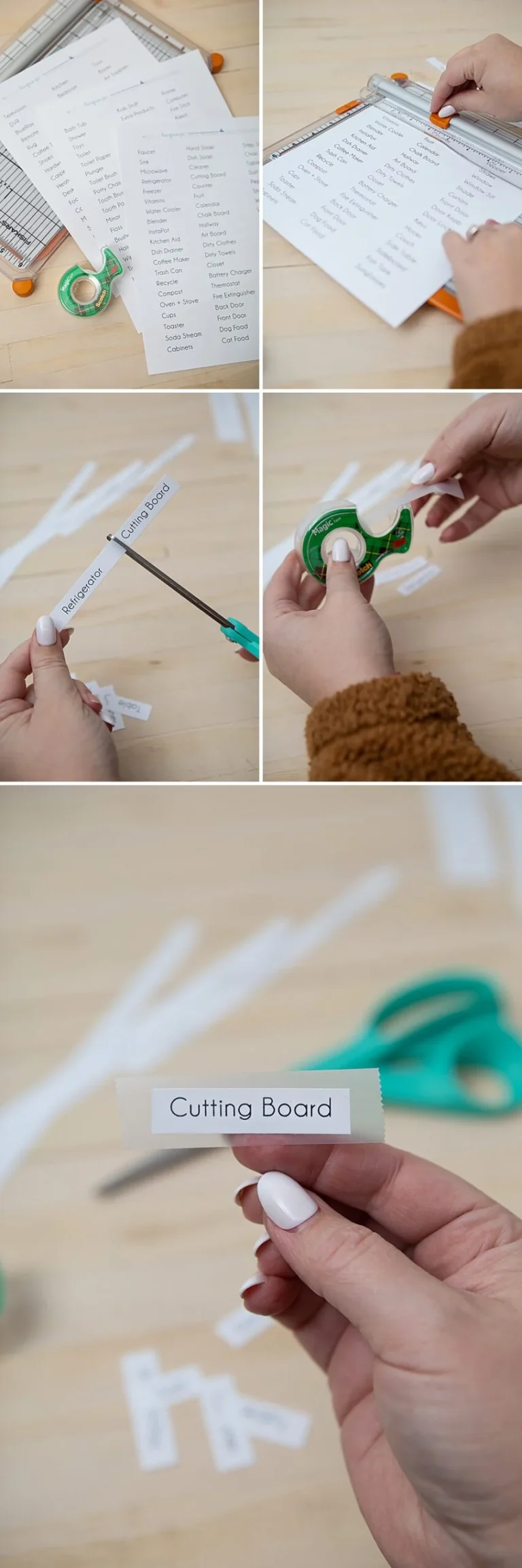
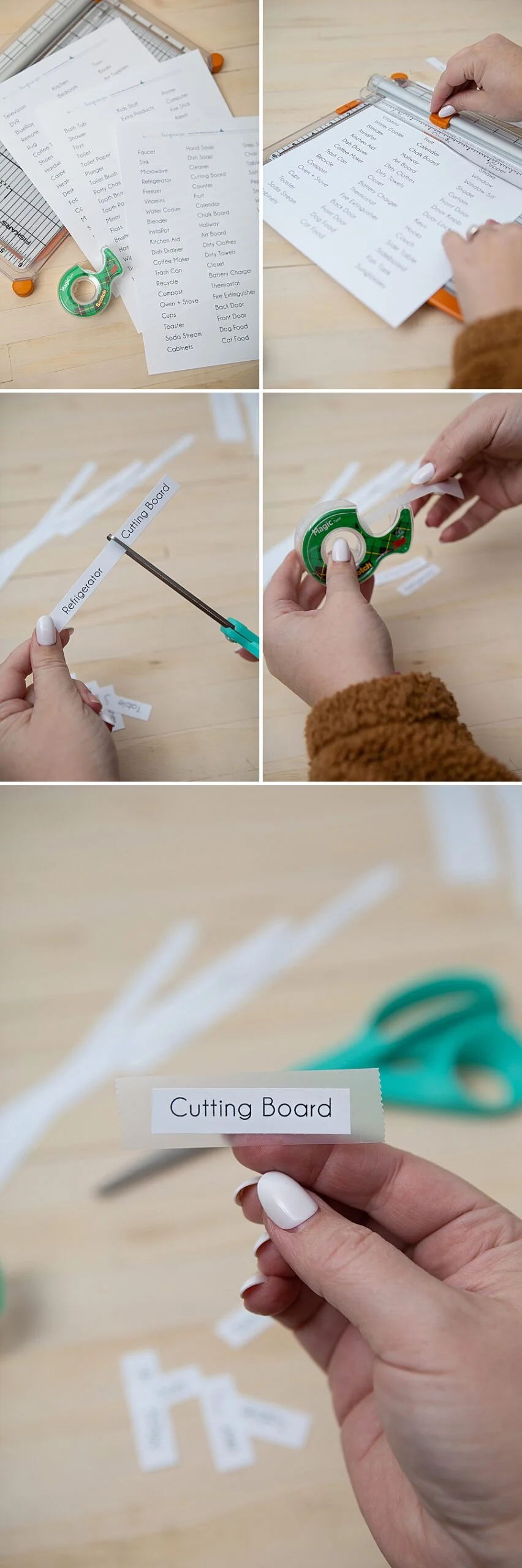
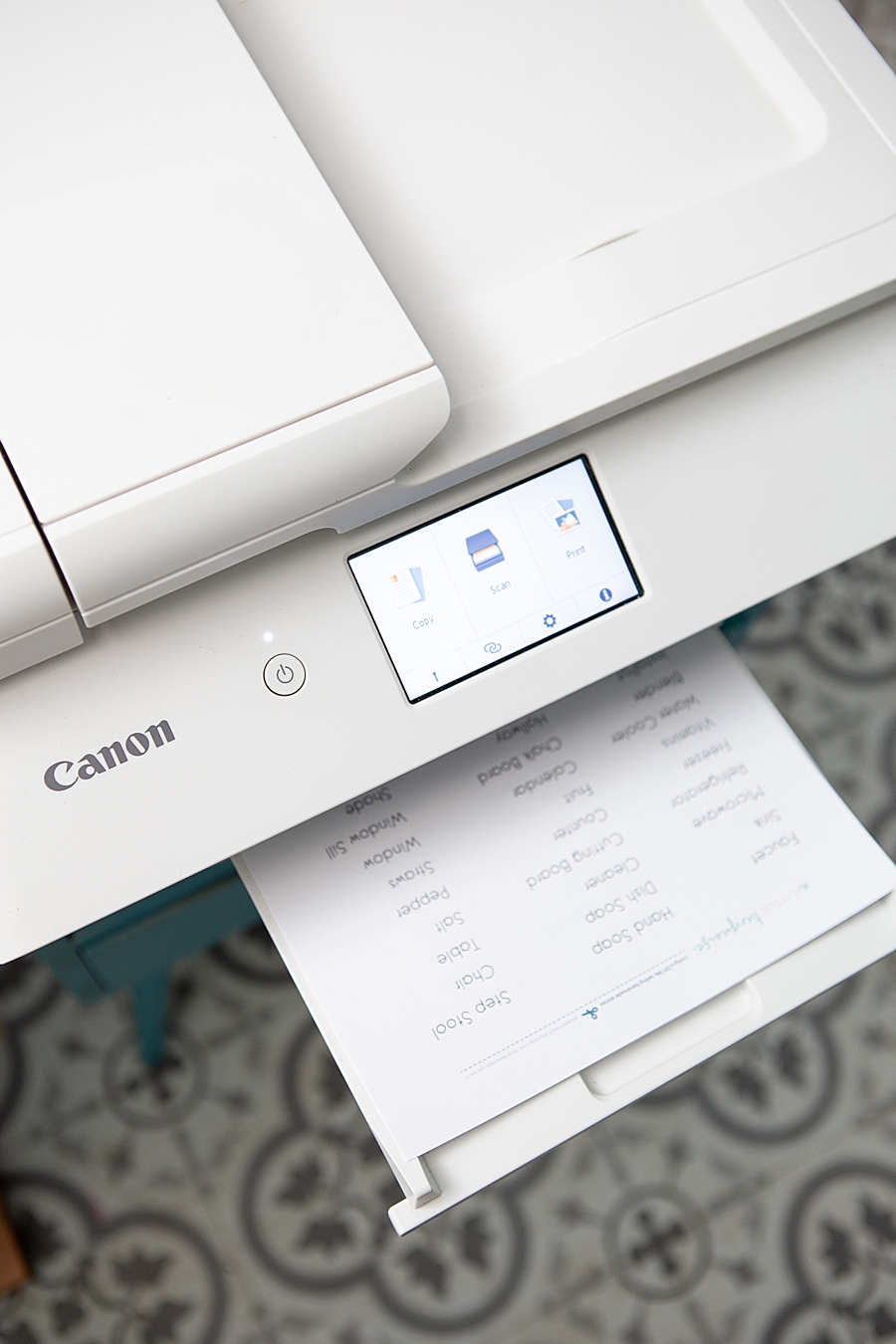
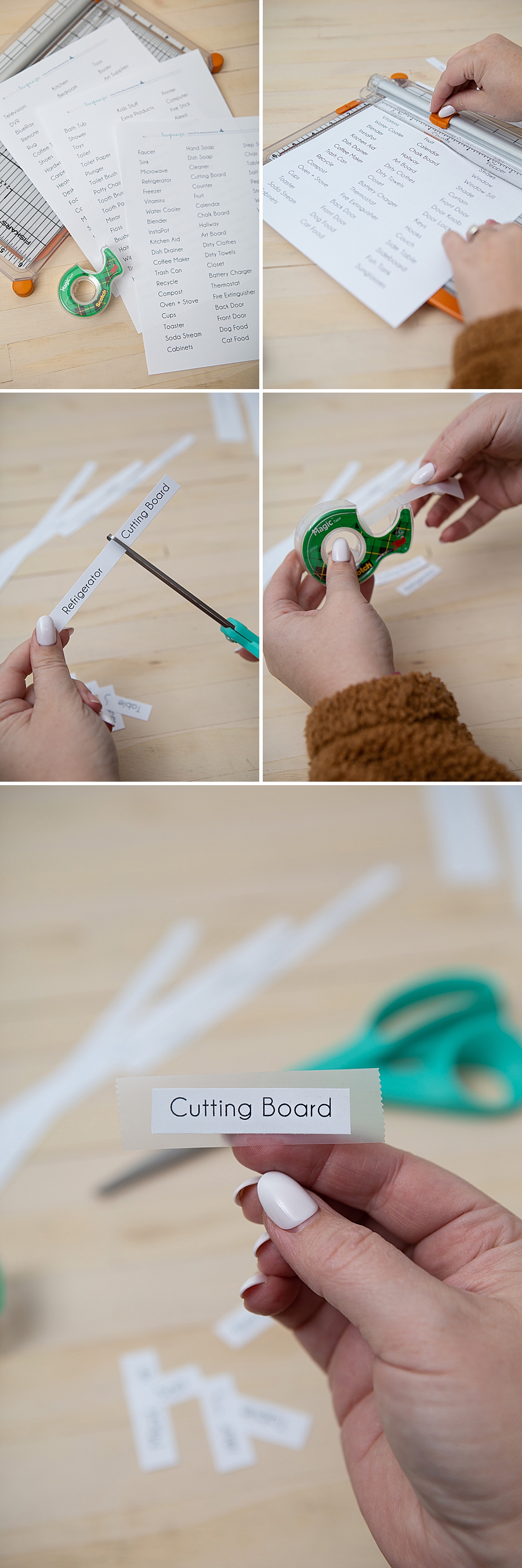
The physical production of the labels utilized consumer-grade crafting technology to ensure accessibility for the average household. The toolkit was designed for printing on standard letter-sized paper (sourced from Staples) using high-quality inkjet technology, specifically the Canon TS9521C Crafting Printer. The technical workflow involved a three-step process: "Print, Trim, and Tape." By keeping the production requirements minimal, the initiative aimed to lower the barrier to entry for parents who may be intimidated by complex DIY educational projects.
Phase IV: Domestic Integration
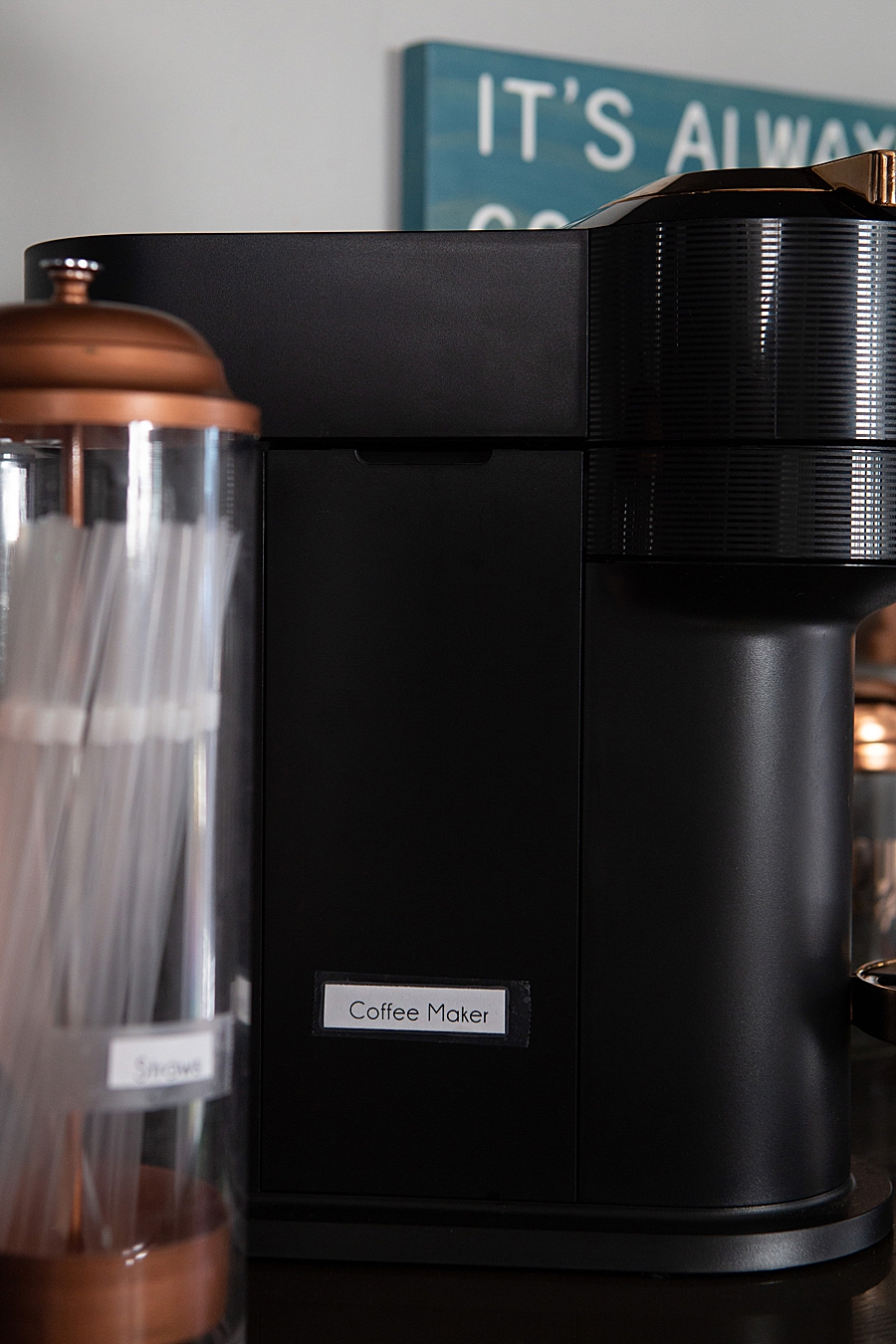
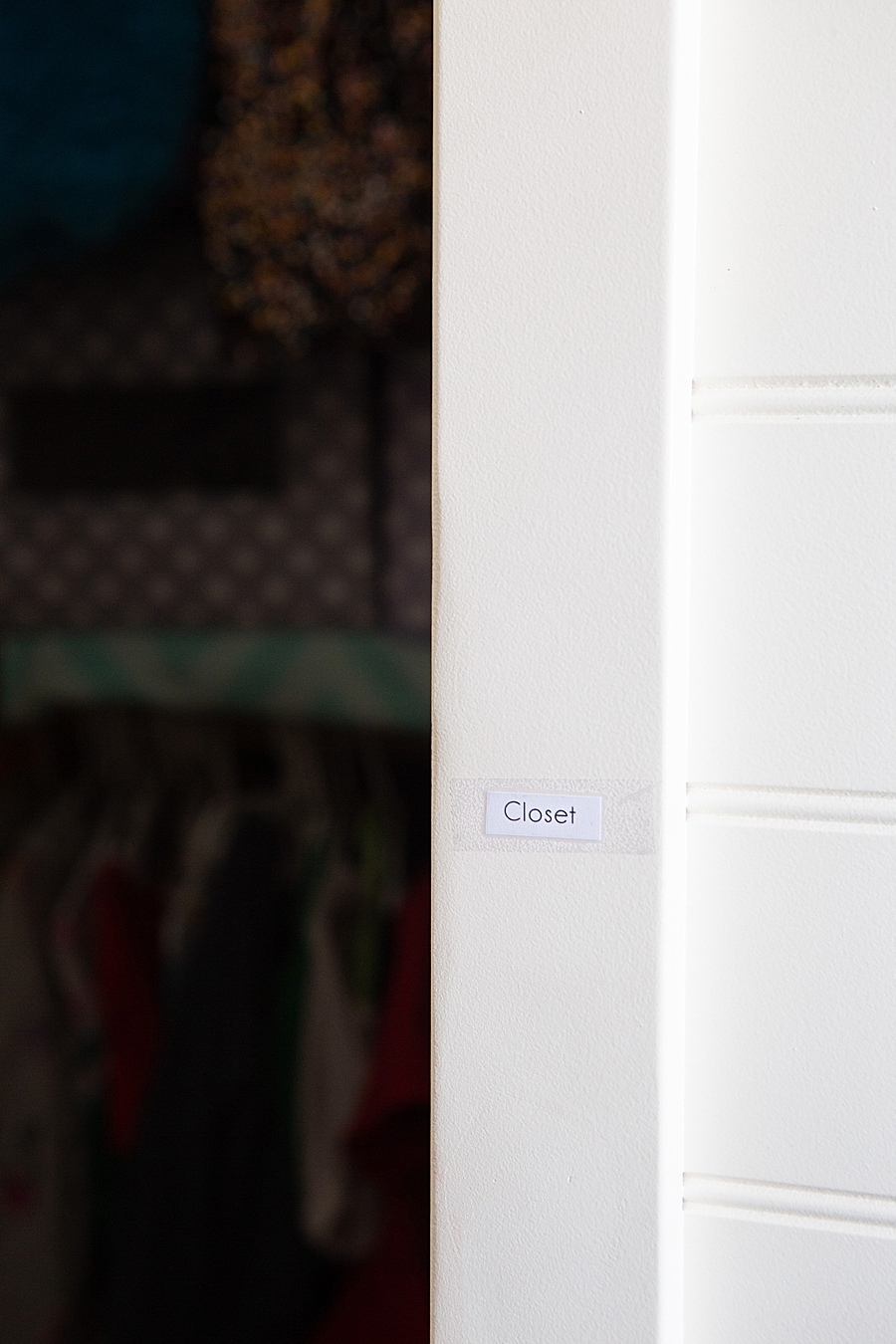
The final phase involved the physical placement of the labels, a process that reportedly took approximately four days in the pilot household. This phase was designed to be participatory, involving children in the placement of the "stickers." This engagement serves a dual purpose: it provides a sense of agency to the learner and initiates an immediate tactile connection between the word and the object.
Supporting Data and Educational Context
The importance of such initiatives is underscored by national literacy statistics. Research from the National Center for Education Statistics (NCES) suggests that children who are exposed to a print-rich environment before entering kindergarten demonstrate significantly higher reading readiness scores. Furthermore, the "Word Gap" study—a seminal piece of research by Hart and Risley—highlights that the sheer volume of words a child is exposed to in their early years is a primary predictor of later academic success.
By providing 180 labels, the Something Turquoise project introduces a high density of vocabulary into the child’s peripheral vision. Unlike a book, which requires a dedicated session and a focused "sit-down" effort, environmental labeling provides "passive learning" opportunities. Every time a child reaches for a "cup" or walks through a "door," they are receiving a micro-lesson in literacy.
Analysis of Functional vs. Aesthetic Design
One of the more striking aspects of the project is its rejection of traditional interior design aesthetics in favor of educational functionality. Causey-Kidder noted that while the labels are not "cute" in the conventional sense of home decor, their utility outweighs their visual impact. This shift represents a broader trend in "functional parenting," where the home is increasingly viewed as a tool for development rather than merely a curated living space.
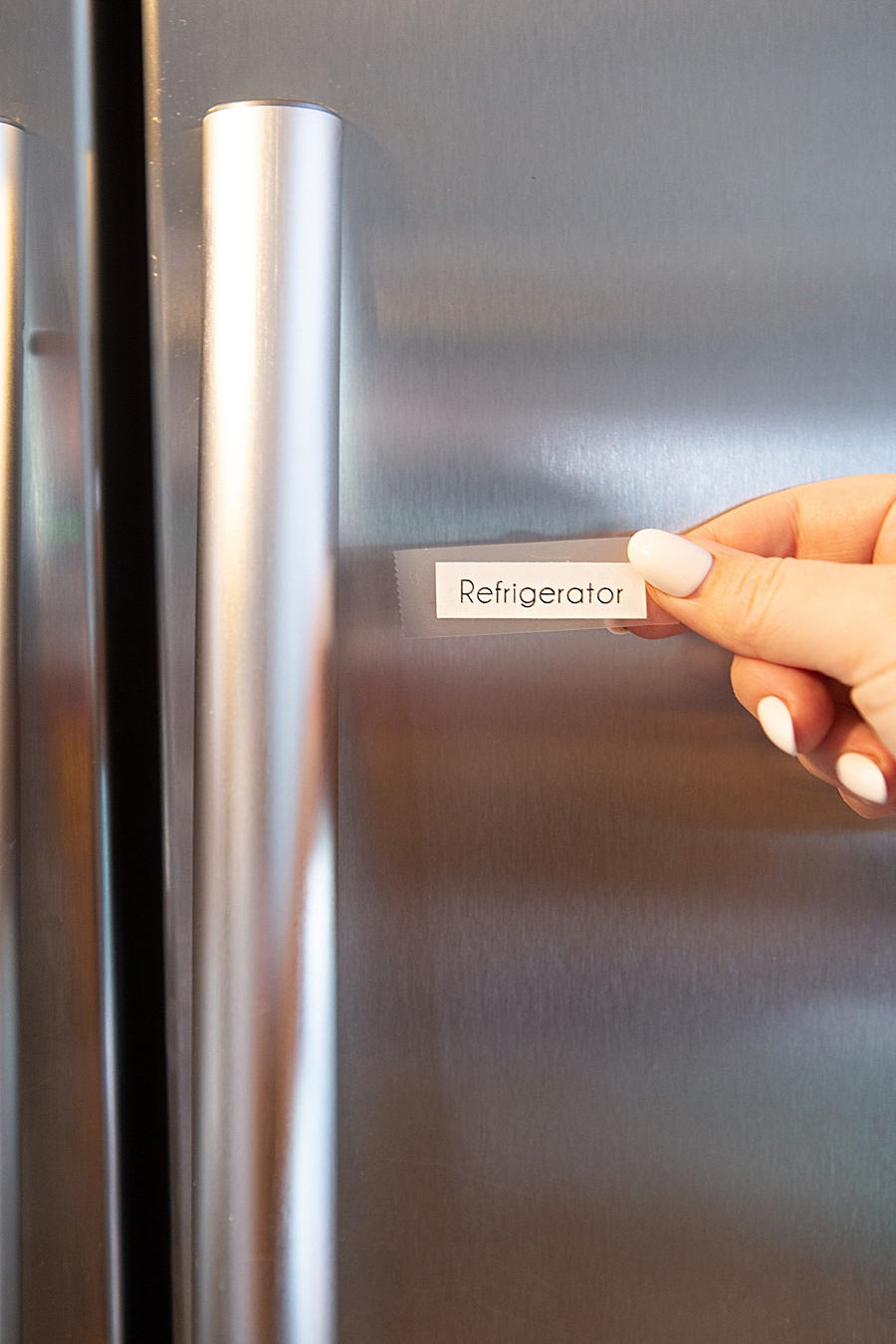
The labels are deliberately minimalist. There are no illustrations or decorative borders, which forces the child to focus on the graphemes (the letters) rather than using a picture as a crutch. In pedagogical terms, this is a "pure" reading exercise. While guests in the pilot home expressed curiosity or amusement at the ubiquitous labeling, the reported consensus was one of admiration for the commitment to the child’s learning process.
Community Response and Broader Implications
Following the release of the project via social media platforms, specifically Instagram Reels, the response from the parenting and homeschooling communities has been robust. The use of the hashtag #somethingturquoisediy has allowed for a decentralized exchange of stories and results. Many parents have reported that the "scavenger hunt" aspect of placing the labels served as a high-engagement activity that transitioned naturally into daily reading practice.
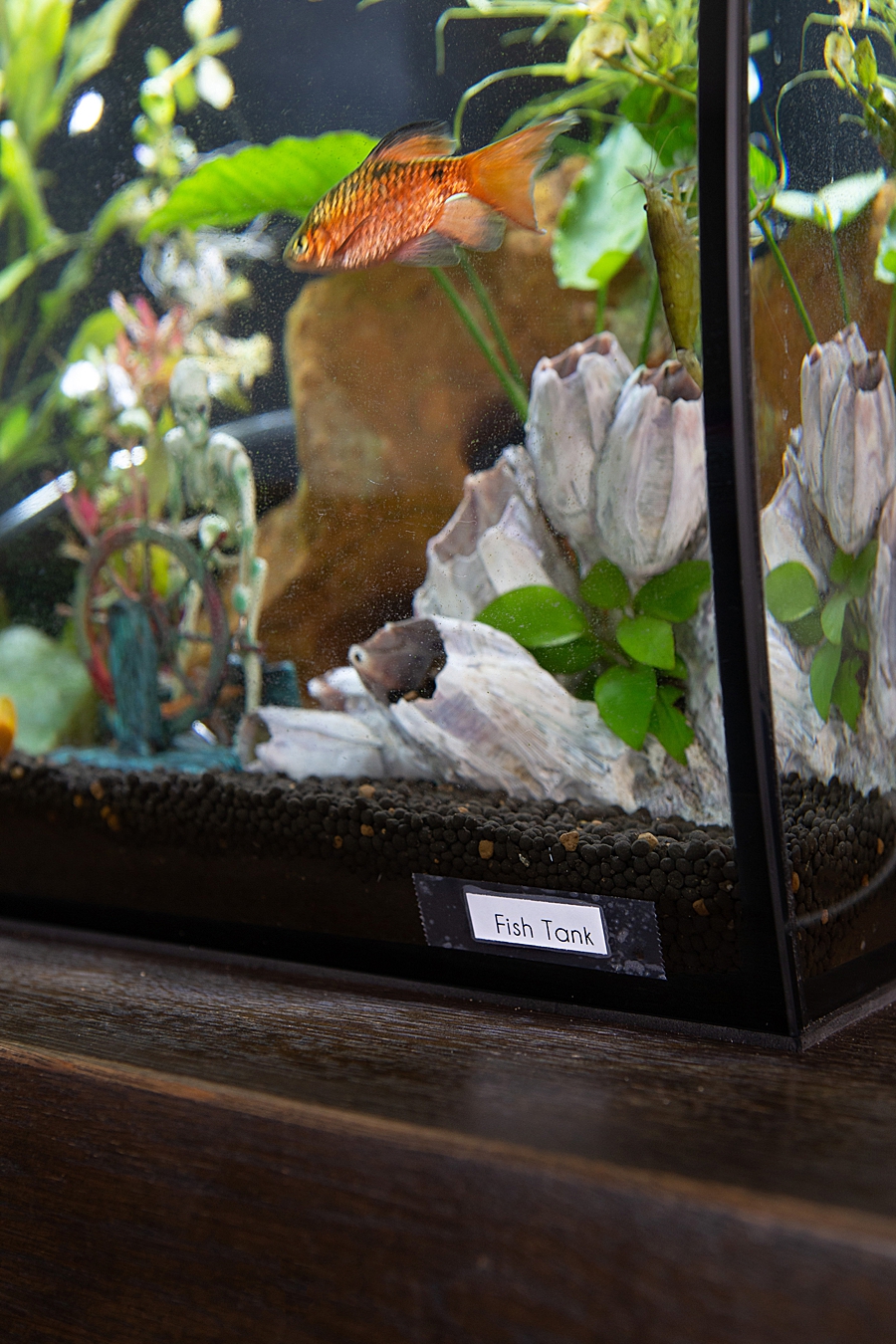
The implications of this project extend beyond simple vocabulary acquisition. For children with English as a Second Language (ESL) or those with certain learning disabilities, the constant visual reinforcement of household terms can provide a necessary layer of support that traditional classroom settings may lack. It also democratizes literacy tools, providing a low-cost alternative to expensive educational software or private tutoring.
Technical Specifications and Resource Availability
For those seeking to replicate the initiative, the project remains available as a free resource. The technical requirements are as follows:
- Document Format: 3-page PDF printable.
- Word Count: 180 unique household terms.
- Recommended Hardware: Canon TS9521C or equivalent inkjet printer.
- Media: Standard 20lb or 24lb white printer paper.
- Typography: Champagne & Limousines (available via DaFont).
The "Household Words for New Readers" project serves as a case study in how simple, evidence-based interventions can be implemented at the domestic level to support early childhood education. As the labels eventually come down—once the child has successfully mapped the words to their long-term memory—the project leaves behind a foundation of literacy that is essential for future academic achievement. While the labels themselves are temporary, the cognitive structures they help build are intended to be permanent.