

Cricut Infusible Ink represents a significant technological shift in the home-crafting and DIY personalization industry, moving beyond traditional surface-level applications toward a permanent molecular bond known as sublimation. For artisans, small business owners, and hobbyists, this technology offers a professional-grade alternative to Heat Transfer Vinyl (HTV), enabling the creation of custom apparel, home decor, and gifts that are indistinguishable from factory-manufactured goods. Unlike traditional iron-on materials that adhere to the surface of a substrate using heat-sensitive glue, Infusible Ink permeates the fibers of the material itself. This results in a finished product that is resistant to flaking, peeling, cracking, or fading, even after repeated laundering or heavy use. As the global handicrafts market continues to expand—projected by some analysts to reach values exceeding $1 trillion by 2028—accessible sublimation technologies like Cricut’s are playing a pivotal role in the democratization of high-end manufacturing processes.
The Technical Foundations of Infusible Ink Technology
To understand the utility of Cricut Infusible Ink, one must first grasp the chemical process of sublimation. In a standard heat transfer application, a layer of vinyl or plastic-based material is bonded to the top of a fabric or ceramic. In contrast, Infusible Ink utilizes a specialized ink formula that, when subjected to high heat (typically between 385°F and 400°F), undergoes a phase transition from a solid state directly into a gaseous state, bypassing the liquid phase entirely.
During this process, the pores of the compatible base material—which must be polyester-based or polymer-coated—open up to receive the gas. Once the heat source is removed and the material cools, the ink returns to a solid state, becoming permanently trapped within the structure of the substrate. This "infusion" ensures that the design is not a layer on top of the item but is integrated into the material’s DNA. This technical distinction is what allows the finished product to maintain the original texture of the fabric or the smooth finish of a ceramic coaster.
Chronology of a Professional Infusible Ink Project
The successful implementation of an Infusible Ink project follows a rigorous chronological workflow. Deviating from these steps can result in ghosting (blurred edges), marbling (uneven color), or incomplete transfers.
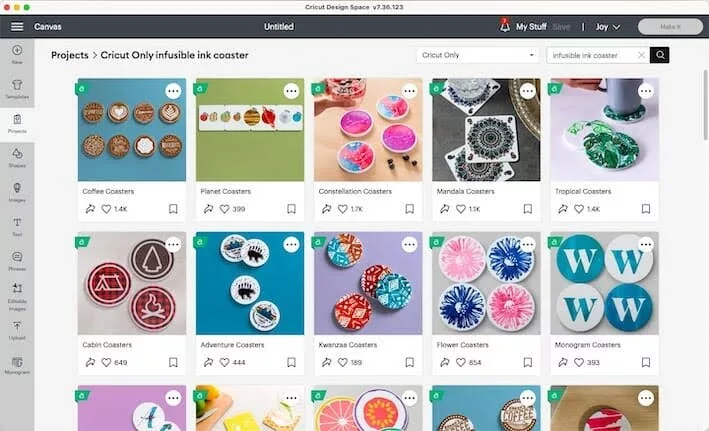
- Design and Digital Preparation: The process begins in a digital environment, typically Cricut Design Space. Users select or create vector-based artwork. A critical technical requirement at this stage is the "Mirror" function; because the ink is transferred face-down, the design must be horizontally flipped to appear correctly on the final product.
- Substrate Preparation: Before the application of heat, the "blank" or base material must be meticulously cleaned. For fabrics, this involves using a lint roller to remove microscopic fibers that could create "blue dots" (reaction of the ink with dust). For ceramics, a lint-free cloth is used to remove oils or debris.
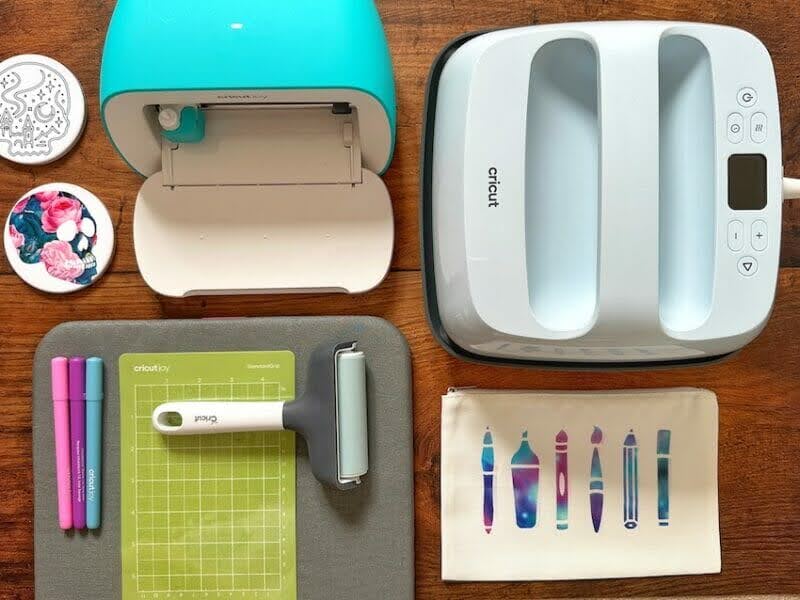
- Thermal Application: Using a high-heat press, such as the Cricut EasyPress, the design is subjected to consistent temperature and pressure for a specific duration (usually 40 to 240 seconds, depending on the material). This is the "Sublimation Window" where the chemical transformation occurs.
- Cooling and Stabilization: The "peel" phase—removing the transfer sheet—is dictated by the specific material. Some require a "warm peel," while others require the item to be completely cool to ensure the gas has fully solidified, preventing "ghosting" or smudging.
Market Context and Supporting Data
The rise of Infusible Ink technology mirrors broader trends in the "Prosumer" (professional-consumer) market. Data from market research firms indicate that the DIY personalization sector has seen a 15% year-over-year increase in consumer spending since 2020. This growth is driven by the desire for durability. According to consumer surveys, 68% of DIY enthusiasts cite "longevity of the design" as their primary concern when choosing a transfer method.
Furthermore, the environmental impact of crafting has come under scrutiny. Traditional HTV is often PVC-based, which can be difficult to recycle and may peel off over time, contributing to microplastic waste. Infusible Ink, by becoming part of the fabric, eliminates the risk of physical shedding, aligning with a growing market preference for sustainable and long-lasting consumer goods.
Material Compatibility and Technical Constraints
A common point of failure for novice users is the attempt to use Infusible Ink on incompatible materials. The chemistry of sublimation requires a synthetic receptor.
- Polyester Requirements: For fabric projects, a minimum of 65% polyester content is generally required. Designs applied to 100% cotton will not bond; the ink will simply wash away during the first laundry cycle because cotton fibers do not have the molecular structure to "lock in" the sublimation gas.
- Polymer Coatings: For hard surfaces like mugs or coasters, the item must be treated with a special polyester/polymer coating. Standard ceramic mugs from a department store will not work.
- Color Constraints: Because the ink is translucent, it is most effective on white or very light-colored substrates. If applied to a black T-shirt, the ink will be absorbed but will not be visible, as there is no white "base" to reflect the color back to the eye.
Operational Procedures: Case Studies in Application
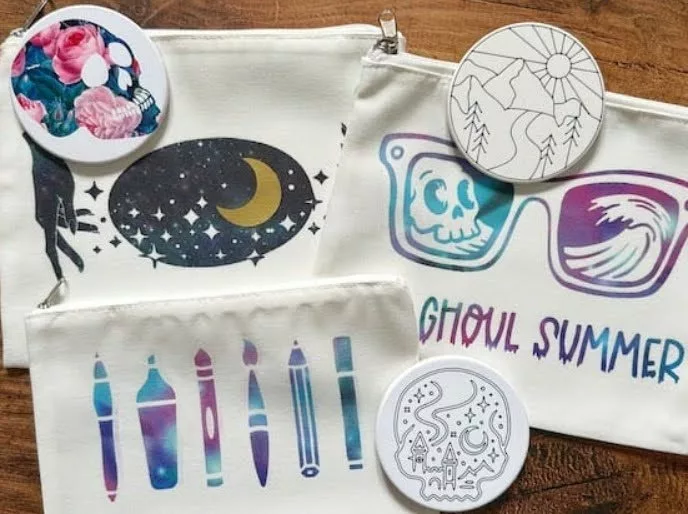
Case Study 1: The Polyester-Based Cosmetic Bag
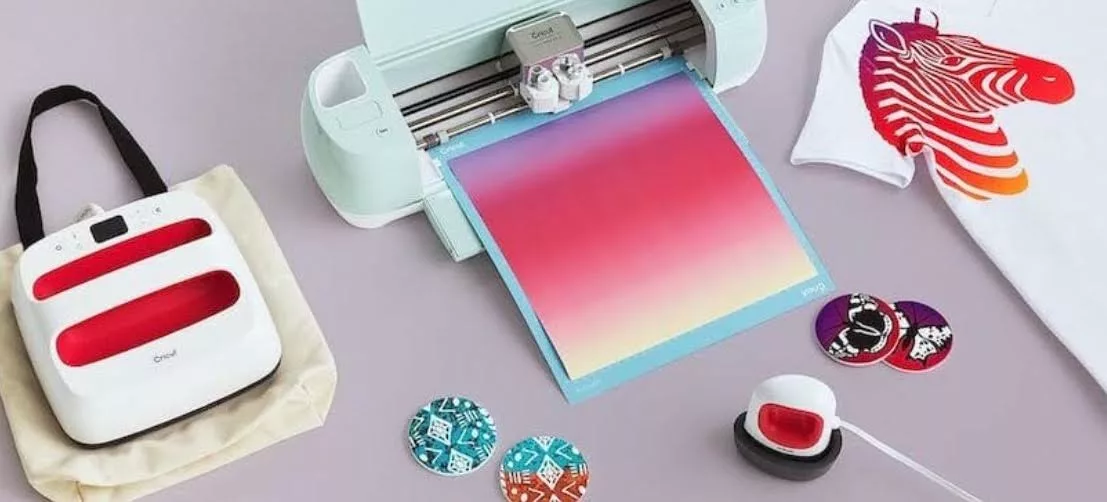
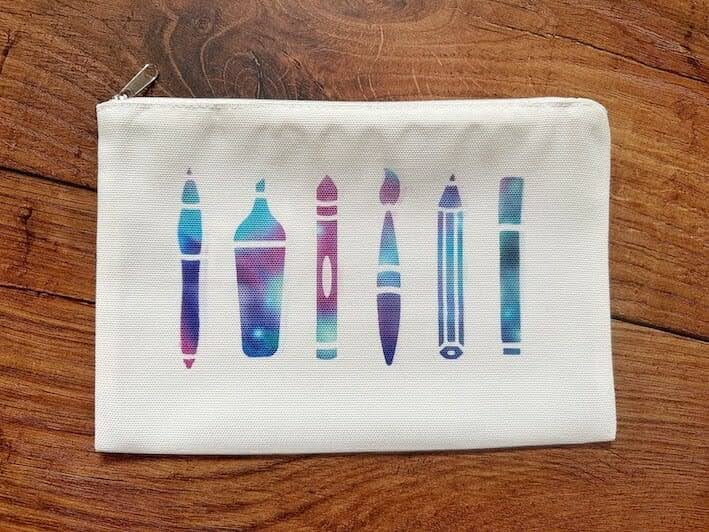
To produce a professional-grade cosmetic bag, the operator must utilize Infusible Ink Transfer Sheets. These are pre-inked sheets of solid color or patterns.
Procedure:
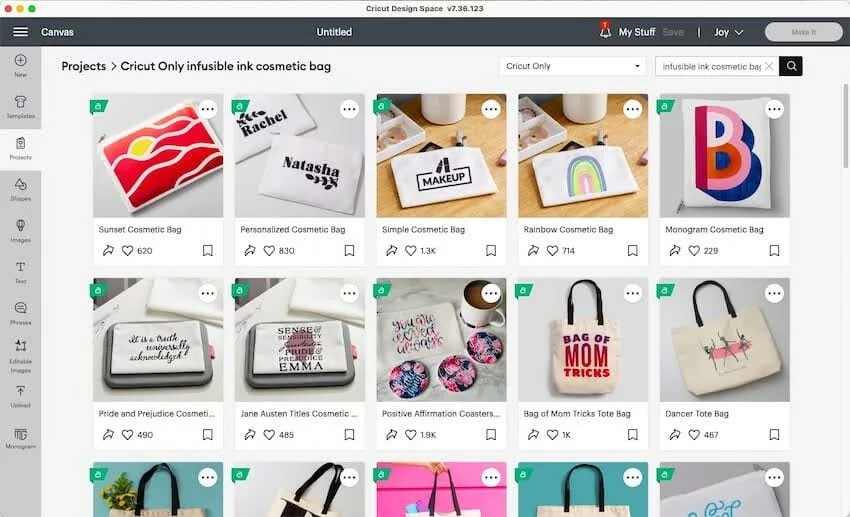
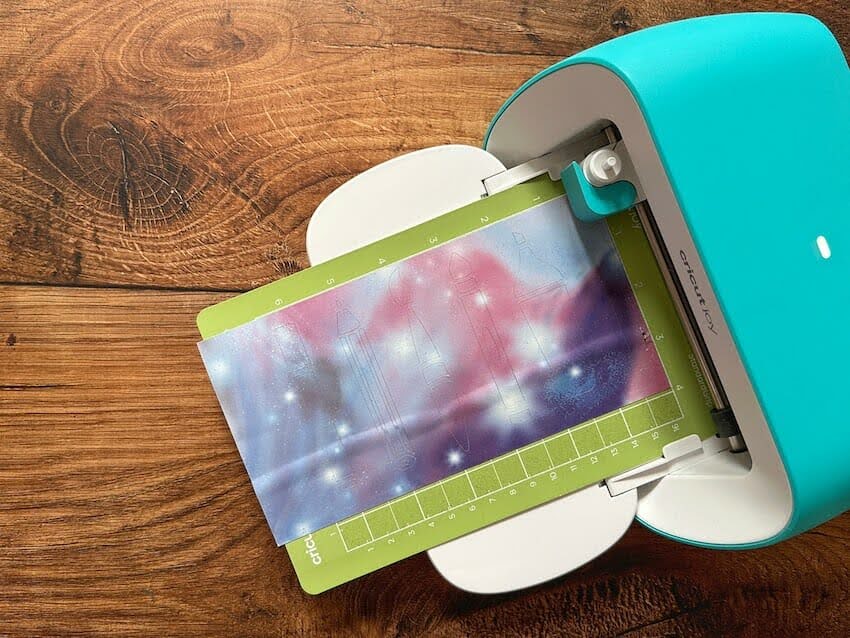
- Step 1: The design is cut using a precision blade (Cricut Maker or Explore series). The user must ensure the "Mirror" toggle is active.
- Step 2: "Weeding" the design involves removing the excess ink sheet that is not part of the design. Unlike vinyl, Infusible Ink sheets feel like thick paper and are often weeded by hand or with tweezers.
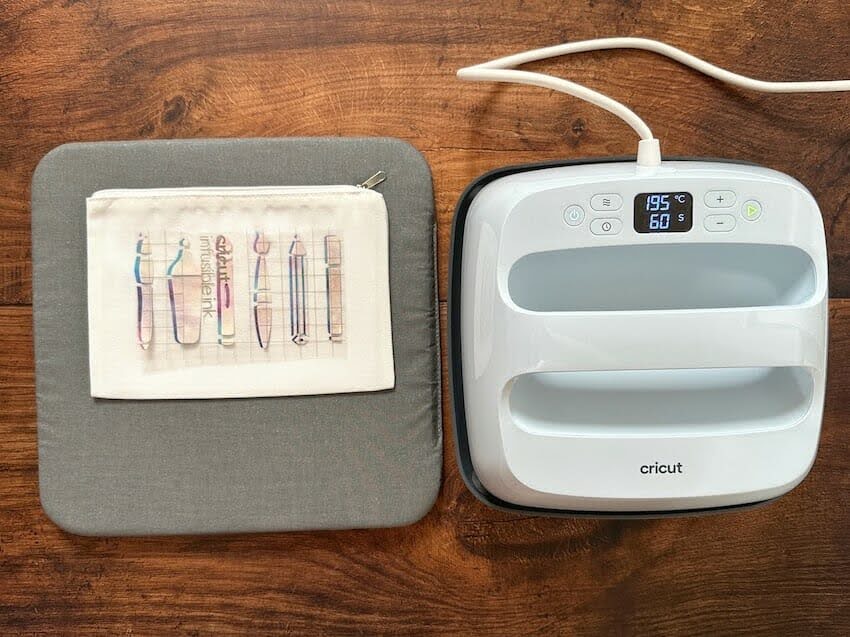
- Step 3: The EasyPress is preheated to 385°F. The cosmetic bag is pre-pressed for 15 seconds to remove moisture and wrinkles.
- Step 4: A piece of cardstock is placed inside the bag to prevent the ink from "bleeding" through to the back side.
- Step 5: The design is placed face-down, covered with butcher paper (to protect the heat press from stray gas), and pressed for 60 seconds with light pressure.
Case Study 2: The Ceramic Coaster via Infusible Ink Pens
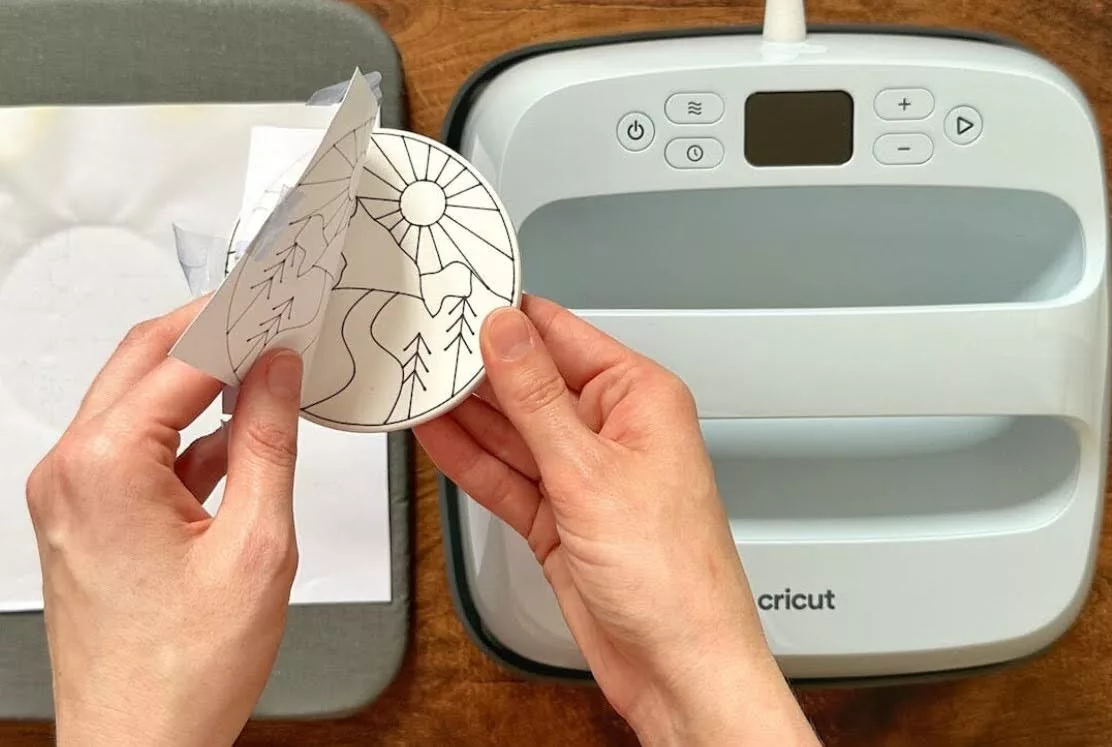
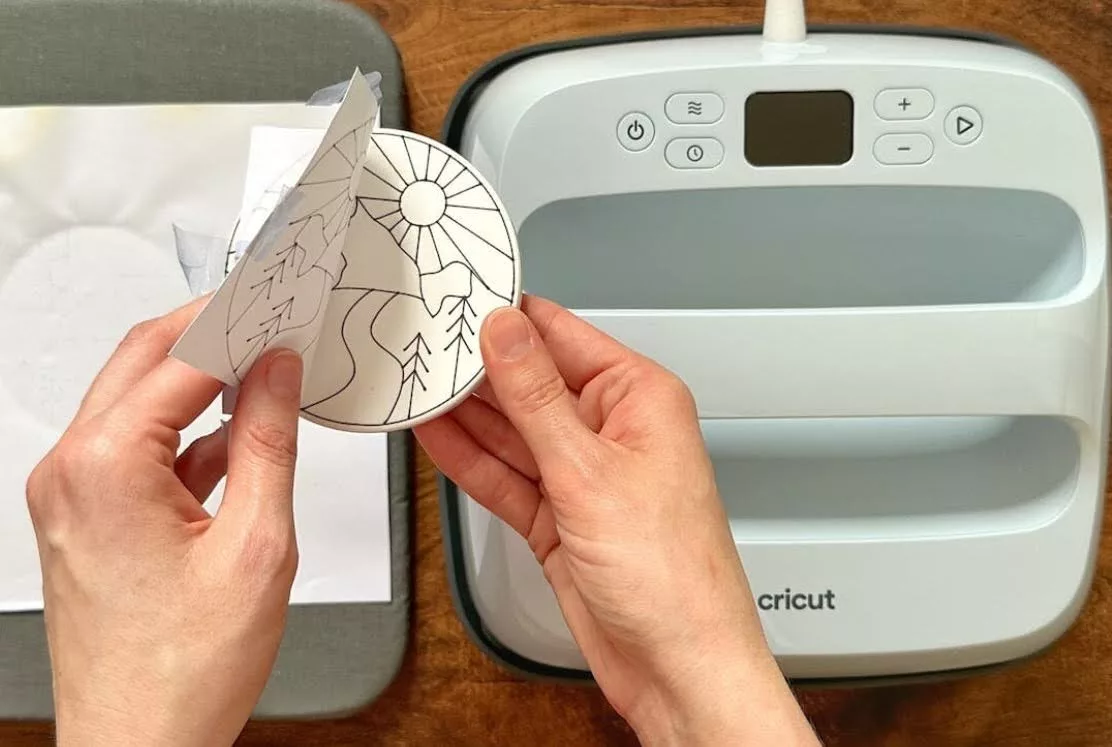
Infusible Ink Pens allow for a "freestyle" or "plotted" approach, where the machine draws a design on standard laser copy paper, which then acts as the transfer vehicle.
Procedure:
- Step 1: The machine draws the design in reverse on laser paper.
- Step 2: The ceramic coaster is cleaned with a lint-free cloth.
- Step 3: The paper design is taped securely to the coaster using heat-resistant tape. Any movement during the heating process will result in a blurred image.
- Step 4: The coaster is placed face-down on a heat mat. The heat is applied to the bottom of the coaster (the side without the cork) or directly onto the paper, depending on the specific press model.
- Step 5: After a 240-second press at 400°F, the coaster is left to cool completely before the paper is removed.
Industry Reactions and Expert Insights
Design experts and textile engineers have noted that the accessibility of sublimation has lowered the barrier to entry for small-scale entrepreneurship. "We are seeing a shift where the ‘homemade’ aesthetic is being replaced by ’boutique quality,’" says industry analyst Marcus Thorne. "Technologies like Infusible Ink allow a person working from a kitchen table to produce a product that rivals the quality of a major retail brand. This has significant implications for the Etsy economy and the rise of hyper-localized manufacturing."
However, experts also warn of the "learning curve" associated with thermal management. The most common feedback from professional crafters involves the precision required in heat settings. A variance of even 10 degrees can lead to "scorching" (where the fabric turns yellow) or "under-saturation" (where the colors appear dull).
Broader Impact and Future Implications
The integration of sublimation technology into the home market is more than a hobbyist trend; it is an indicator of the future of personalized manufacturing. As consumers move away from mass-produced, "fast fashion" items, the ability to create high-durability, customized goods at home becomes a valuable commodity.
The long-term implications suggest a move toward a "print-on-demand" household model. Rather than purchasing pre-printed goods, consumers may increasingly purchase "blanks" and customize them as needed, reducing inventory waste and allowing for immediate response to cultural trends. Cricut Infusible Ink serves as a foundational tool in this shift, bridging the gap between industrial capability and consumer accessibility.
Technical FAQ and Troubleshooting
Q: Can Infusible Ink be used on wood?
A: Only if the wood has been treated with a specialized polyester coating. Untreated wood is too porous and lacks the chemical receptors for the ink to bond permanently.
Q: Why do my colors look dull on the transfer sheet?
A: This is a common point of confusion. The ink on the sheet is in a solid state and appears muted. The true, vibrant color is only revealed once the chemical reaction of sublimation is triggered by heat.
Q: Is the finished product food-safe?
A: Once the ink is infused into a Cricut-compatible mug or coaster and has cooled, it is considered permanent. However, it is always recommended to follow the specific care instructions for the "blank" used, such as hand-washing for certain treated ceramics.
In conclusion, Cricut Infusible Ink represents a sophisticated intersection of chemistry and creativity. By mastering the sublimation process, users can transcend the limitations of traditional crafting, producing items that offer industrial-level durability and aesthetic brilliance. As the technology continues to evolve, it remains a cornerstone for anyone looking to professionalize their creative output.