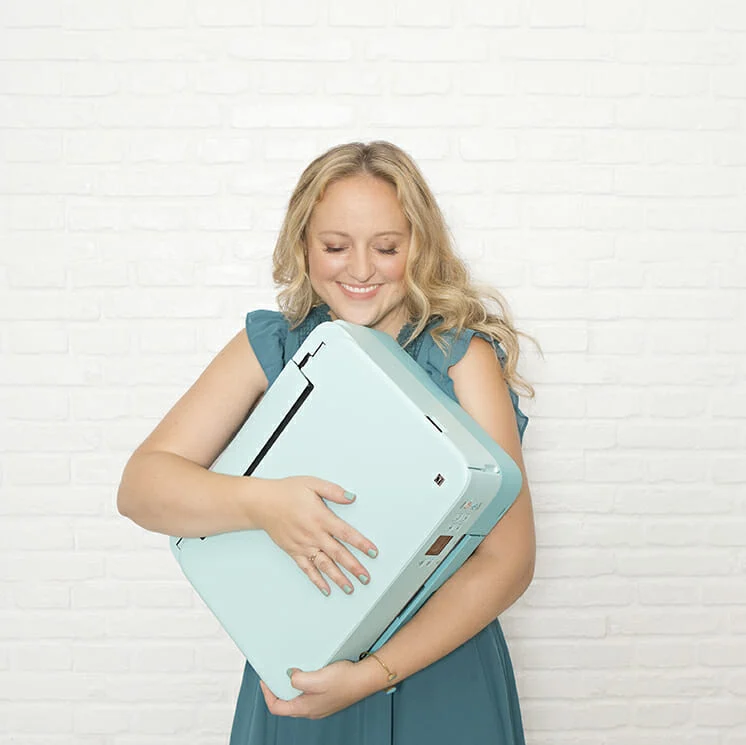


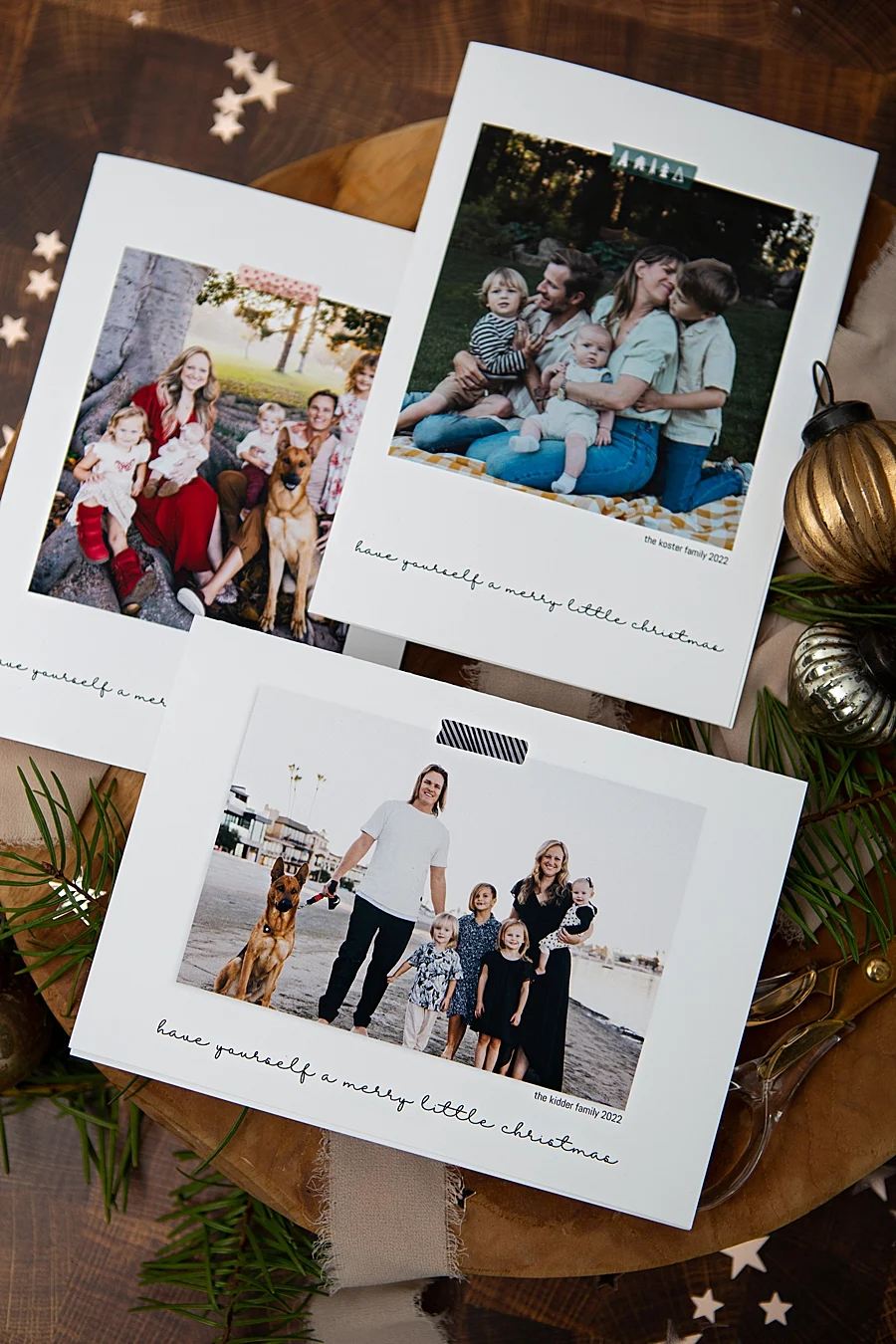
The Evolution of Home Crafting and Digital Personalization Canon USA Collaborates with Something Turquoise for Custom Holiday Card Initiatives represents a significant shift in the consumer stationery market, where high-end hardware and digital design platforms are converging to empower individuals to produce professional-grade holiday greetings from their homes. This collaboration, featuring Jen Causey-Kidder of the prominent DIY lifestyle brand Something Turquoise and technology leader Canon U.S.A., Inc., highlights a growing trend toward hyper-personalization in the billion-dollar greeting card industry. Central to this initiative is the deployment of the Canon PIXMA TS9521C Crafting Printer, a specialized device engineered to bridge the gap between traditional home office utility and the high-fidelity demands of the creative community. By providing consumers with free access to sophisticated design templates through the Corjl software platform, the partnership aims to lower the barrier to entry for high-quality, bespoke holiday communications.
The Technological Foundation of Modern DIY Stationery
The resurgence of interest in physical mail during the holiday season has been met with a corresponding advancement in home printing technology. The Canon PIXMA TS9521C, marketed specifically as a "crafting printer," serves as the technical cornerstone of this DIY movement. Unlike standard inkjet printers designed for document text, the TS9521C is built to handle varied media weights and sizes, including the 12×12 inch cardstock frequently used in scrapbooking. For the current holiday initiative, the focus shifts to the 7×10 Double-Sided Greeting Card Paper Pack. This specific medium consists of pre-cut and pre-scored matte photo paper, which, when folded, produces a standard 5×7 inch card.
The technical specifications of the printer allow for five individual ink tanks, which provide a broader color gamut and deeper blacks than traditional four-color systems. This is particularly relevant for photo-centric holiday cards, where skin tones and festive landscapes require precise color graduation. Furthermore, the ability to print on double-sided matte paper ensures that the interior of the card can feature high-resolution graphics or personalized text without the ink bleeding through or compromising the structural integrity of the paper.

A Chronology of the Personalized Greeting Card Industry
To understand the impact of the Canon and Something Turquoise collaboration, one must examine the historical trajectory of the greeting card. The tradition of the commercial Christmas card began in 1843 with Sir Henry Cole in the United Kingdom, who sought a way to simplify the process of responding to a large volume of seasonal correspondence. Throughout the 20th century, the industry was dominated by mass-production giants like Hallmark and American Greetings, which offered convenience but limited personalization.
The early 2000s saw the rise of digital photo services such as Shutterfly and Vistaprint, which allowed consumers to upload digital photos to pre-set templates. However, these services required a lead time for shipping and offered limited control over the tactile quality of the final product. The current era, exemplified by the PIXMA TS9521C, marks the third wave of this evolution: the democratization of the production line. Consumers now have the ability to manage the entire workflow—from design and color correction to printing and assembly—within their own living spaces. This chronology illustrates a return to the artisanal roots of card-making, albeit supported by 21st-century digital precision.
Strategic Integration of Design and Software
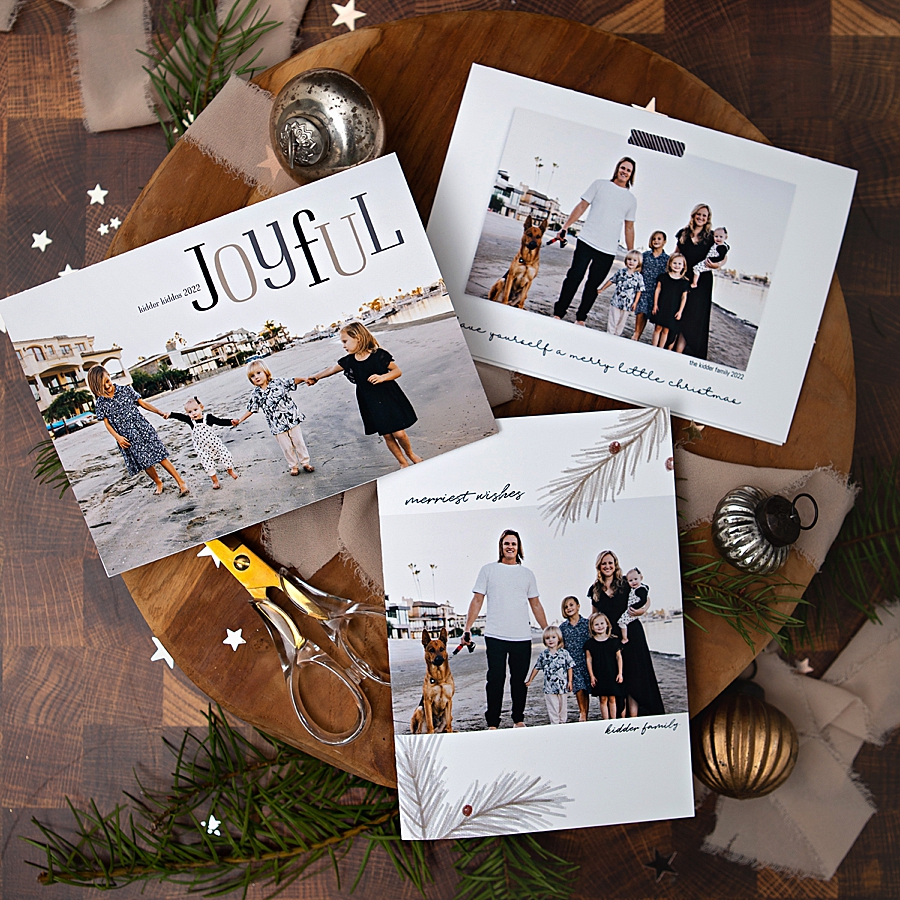
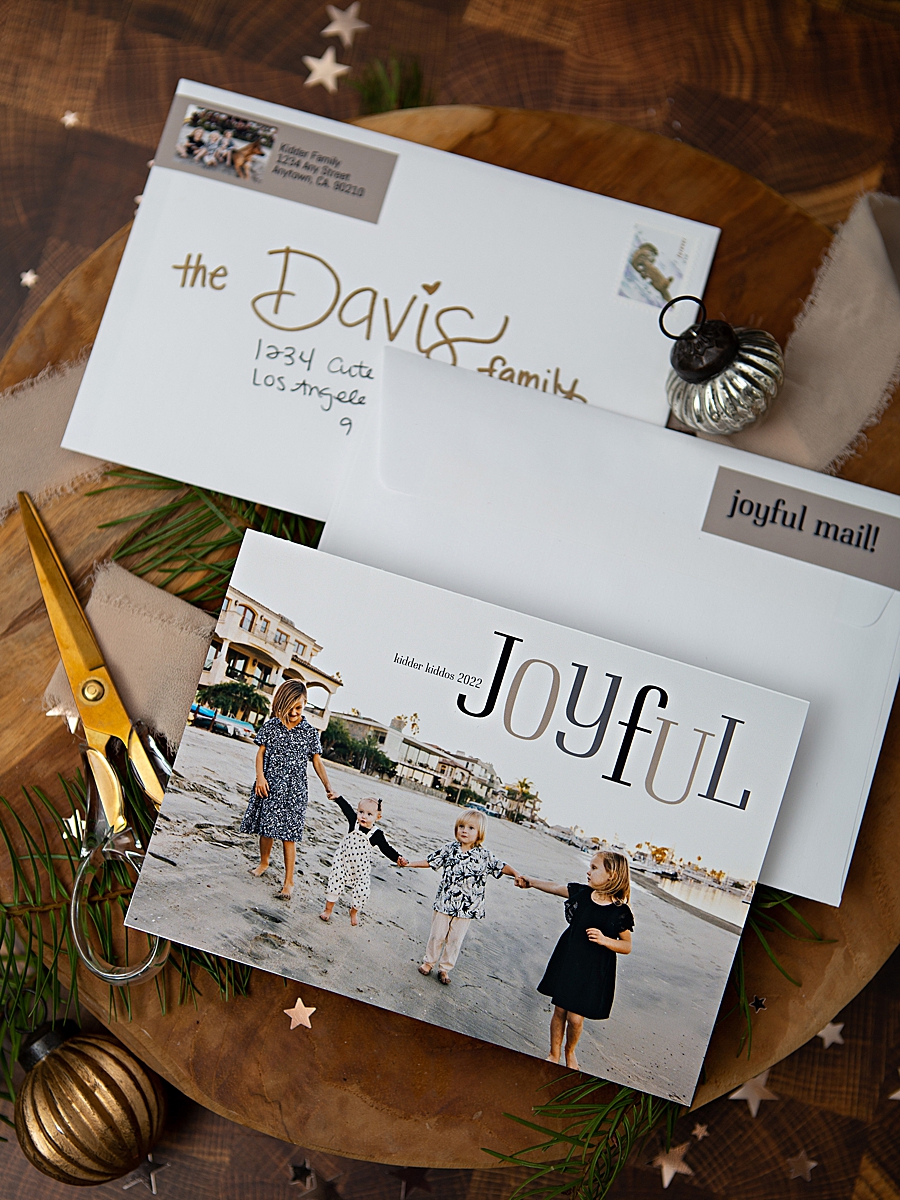
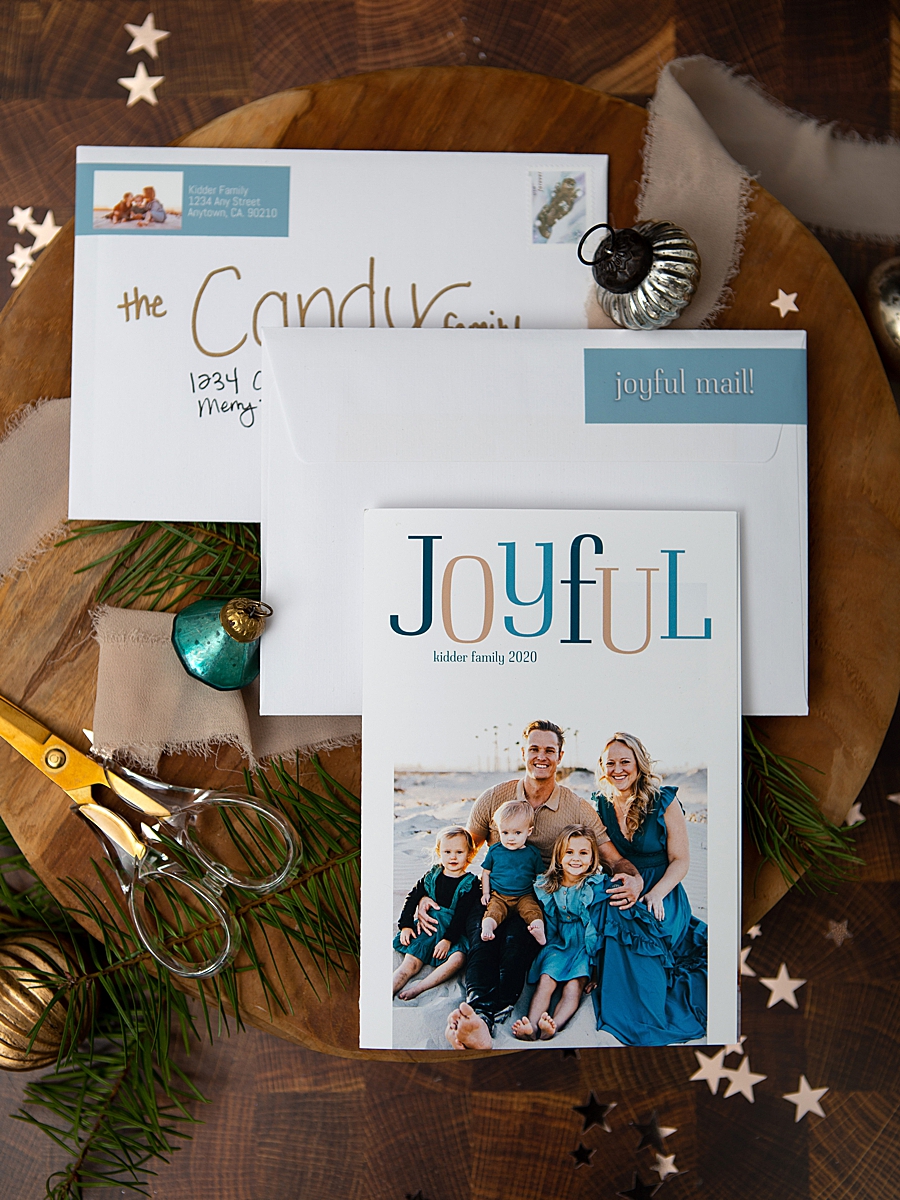
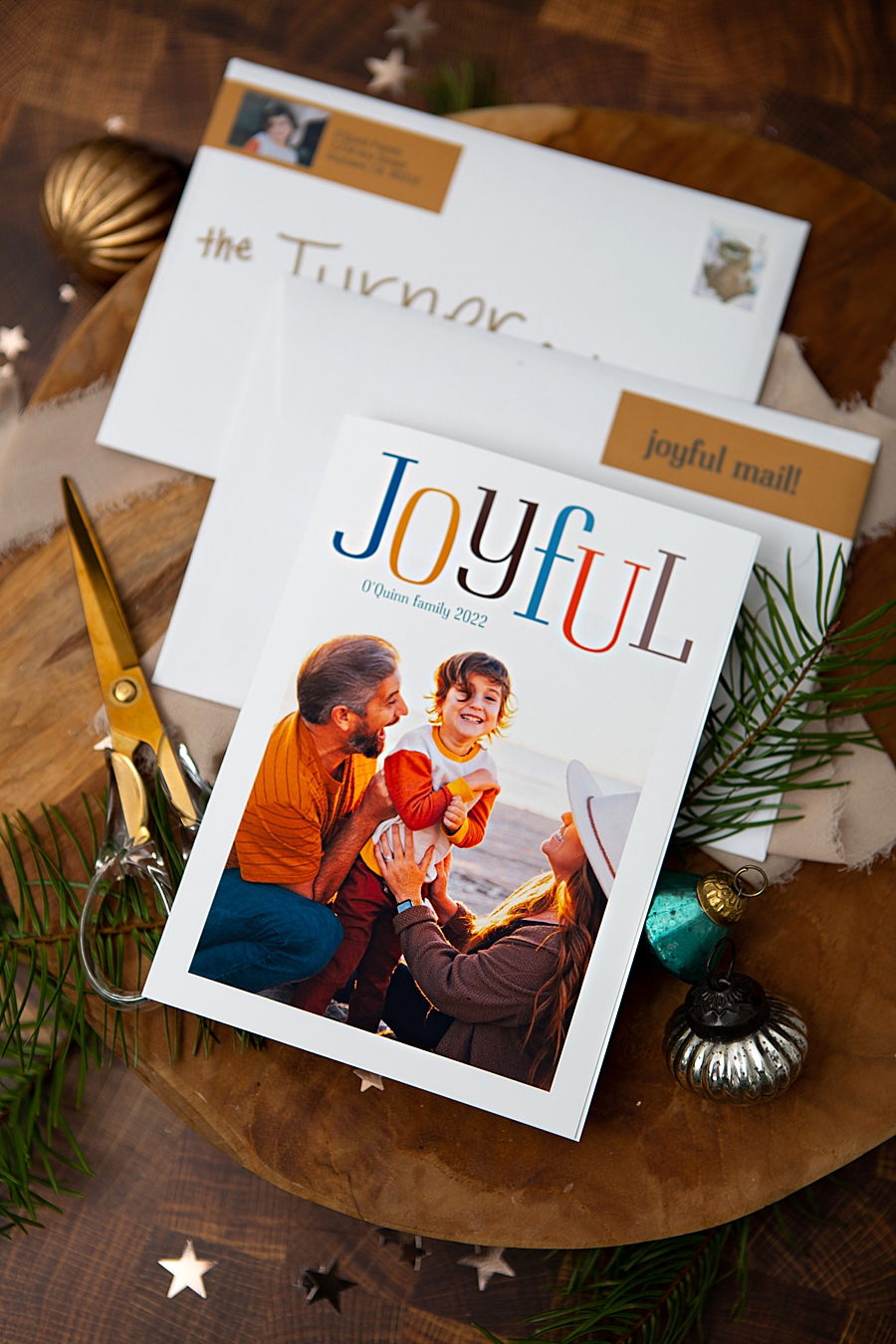
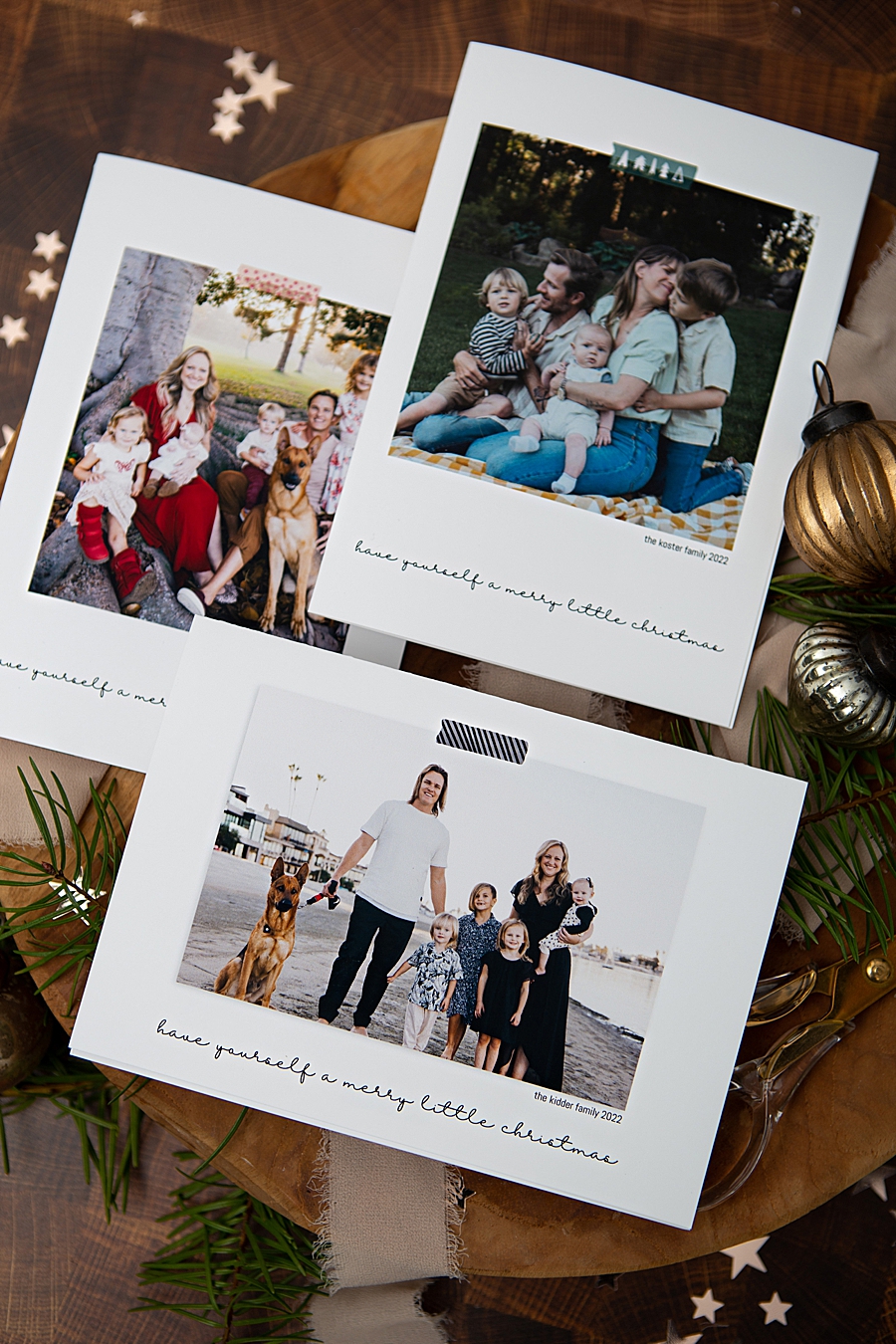
The collaboration introduces three distinct design motifs—Joyful, Tape, and Berries—each catering to different aesthetic preferences within the modern consumer demographic. These designs are not static images but are hosted on Corjl, a powerful online editing platform that allows for real-time customization. This software integration is a critical component of the initiative, as it addresses the "design gap" that often prevents casual crafters from attempting home production.
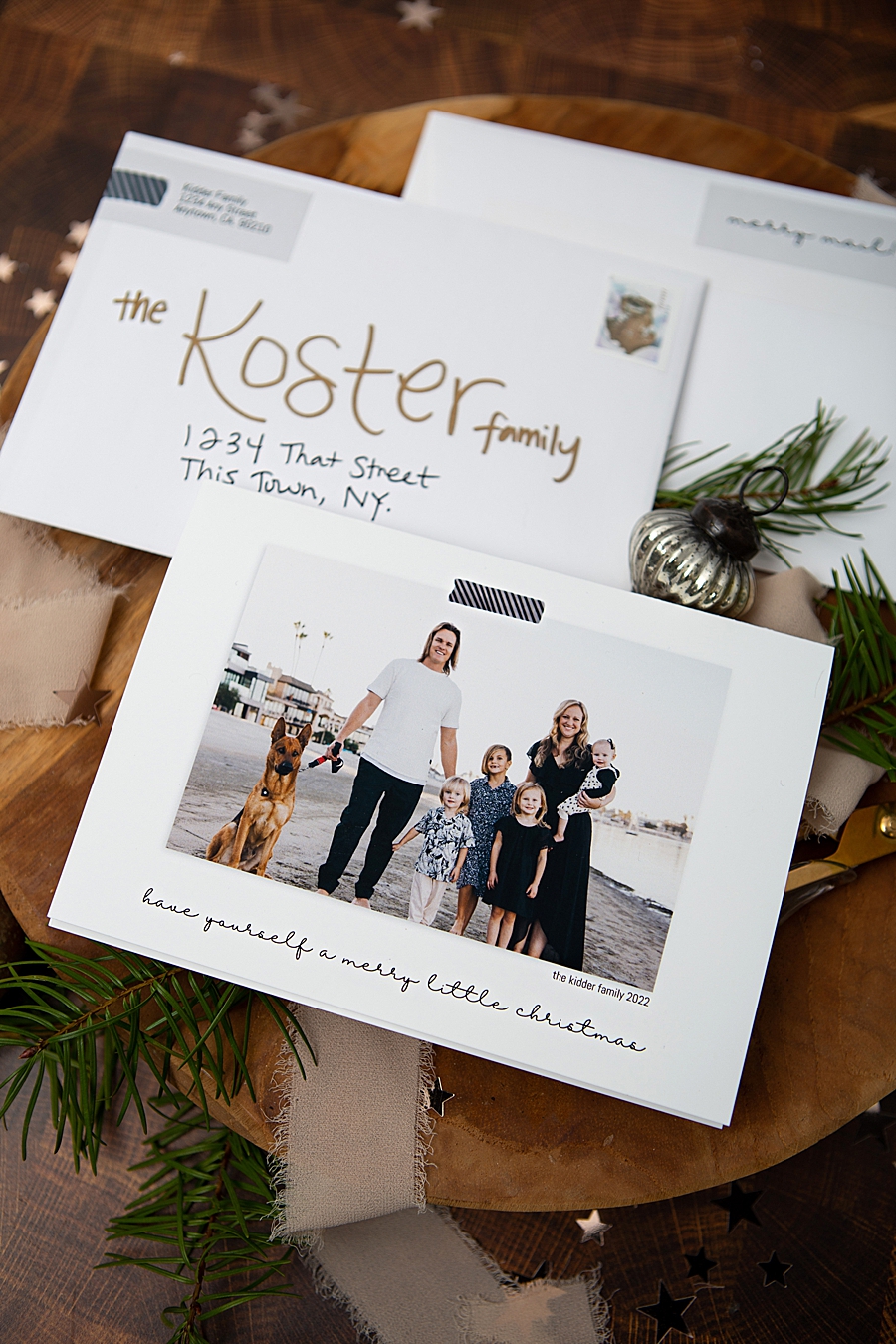
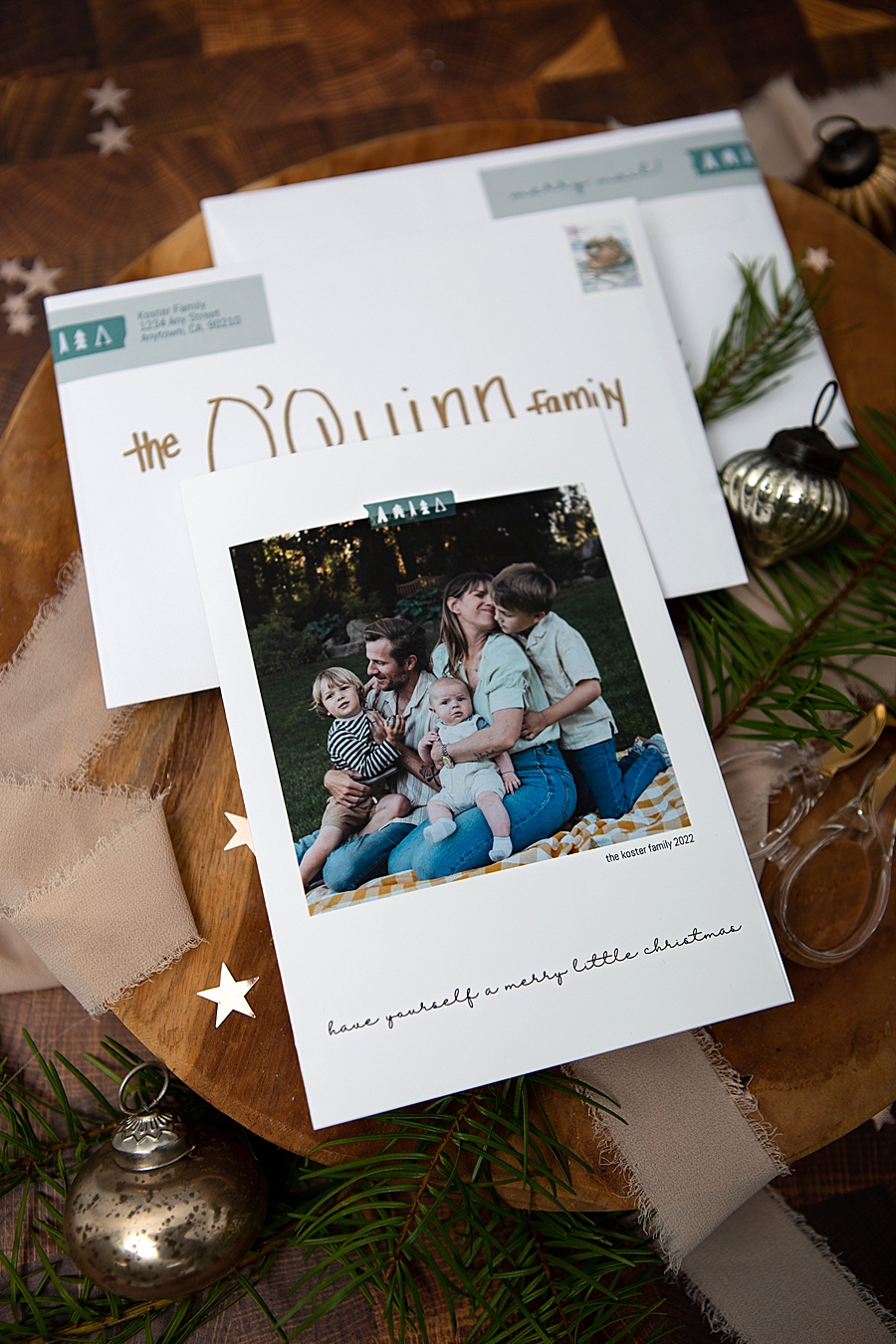
The "Joyful" design emphasizes typographic flexibility, allowing users to alter color palettes to match the specific hues of their family photography. The "Tape" motif utilizes a digital scrapbooking aesthetic, incorporating faux-washi tape elements like black and white stripes, pink polka dots, and botanical patterns to create a layered, multi-dimensional look. The "Berries" design offers a more traditional, hand-drawn illustration style with various color schemes including green, pink, and beige. By providing these assets for free via a promotional code—"canonholiday"—Canon and Something Turquoise are effectively subsidizing the creative process to encourage brand loyalty and hardware utilization.
Market Data and Consumer Behavior Analysis
The greeting card industry remains a robust sector of the economy despite the prevalence of digital communication. According to data from the Greeting Card Association, Americans purchase approximately 6.5 billion greeting cards annually, with annual retail sales estimated between $7 billion and $8 billion. Christmas cards remain the most popular category, accounting for approximately 1.6 billion cards sold each year.
However, consumer behavior is shifting toward "meaningful consumption." A 2022 consumer survey indicated that 80% of Gen Z and Millennial respondents prefer receiving physical cards over digital greetings, but they also place a higher value on cards that feel unique or handmade. This data supports the logic behind the Canon PIXMA crafting line. By enabling home production, Canon is tapping into the "maker economy," which has seen exponential growth since 2020. The DIY craft market was valued at approximately $40 billion in 2021 and is projected to continue expanding as more consumers seek creative outlets that result in tangible, shareable products.
Professional Implications for the Crafting Industry
Industry analysts suggest that the move toward home-based high-end printing has significant implications for traditional print shops and mass-market retailers. As the cost of high-quality inkjet technology decreases and the ease of use increases, the value proposition of third-party printing services diminishes for small-batch runs. For a family sending 20 to 50 cards, the ability to print on demand avoids the waste associated with minimum order quantities and the logistical delays of shipping.
Furthermore, the integration of matching address labels and double-sided printing capabilities within the Something Turquoise designs suggests a move toward "lifestyle ecosystems." Canon is not merely selling a printer; they are providing a comprehensive solution for personal branding. This strategy mirrors broader trends in the tech industry where hardware manufacturers provide proprietary or curated software content to ensure their devices remain central to the user’s creative workflow.
Statements and Industry Perspectives
While official corporate statements from Canon U.S.A., Inc. emphasize the "seamless printing capabilities" and "precision" of their wireless technology, independent crafting experts view this collaboration as a validation of the professional hobbyist. Jen Causey-Kidder’s role as the intermediary between the technology and the end-user is pivotal. Her expertise in DIY tutorials provides the instructional scaffolding that transforms a piece of hardware into a creative tool.
Market analysts note that by partnering with a specialized influencer like Causey-Kidder, Canon is effectively reaching a niche but highly engaged audience that is willing to invest in premium consumables, such as the 7×10 double-sided matte paper. This "razor and blade" business model—where the printer serves as the platform for high-margin specialized paper and ink—remains a cornerstone of the home imaging industry’s profitability.
Environmental and Logistical Considerations
The shift toward home printing also presents a complex picture regarding sustainability and logistics. On one hand, home printing eliminates the carbon footprint associated with shipping finished products from a centralized factory to the consumer’s home. On the other hand, the environmental impact of individual ink cartridges and specialized photo paper remains a point of discussion within the industry.
Canon has addressed some of these concerns through recycling programs for their ink tanks, but the DIY movement’s primary environmental contribution is the reduction of overproduction. Because users only print the exact number of cards they need, there is less paper waste compared to bulk orders that often result in unused surplus. Additionally, the use of the PIXMA TS9521C for multiple purposes—from holiday cards to school projects and wedding invitations—increases the "utility-per-unit" of the hardware, aligning with consumer desires for versatile, multi-functional appliances.
Future Outlook: The Intersection of AI and Crafting
As the 2024 holiday season approaches, the precedent set by the Something Turquoise and Canon collaboration is likely to expand. Future iterations of this model may incorporate artificial intelligence to further assist in the design process, such as AI-driven photo enhancement or automated layout suggestions based on the content of the uploaded images.
The success of the current initiative, characterized by the use of Corjl and high-quality matte media, demonstrates that there is a substantial market for tools that provide a "professional-adjacent" experience. As long as the desire for physical connection and tangible sentiment remains a hallmark of the holiday season, the demand for sophisticated home-printing solutions will likely continue to grow. The Evolution of Home Crafting and Digital Personalization Canon USA Collaborates with Something Turquoise for Custom Holiday Card Initiatives stands as a testament to the enduring power of the printed word and the modern technologies that make it more accessible than ever before.