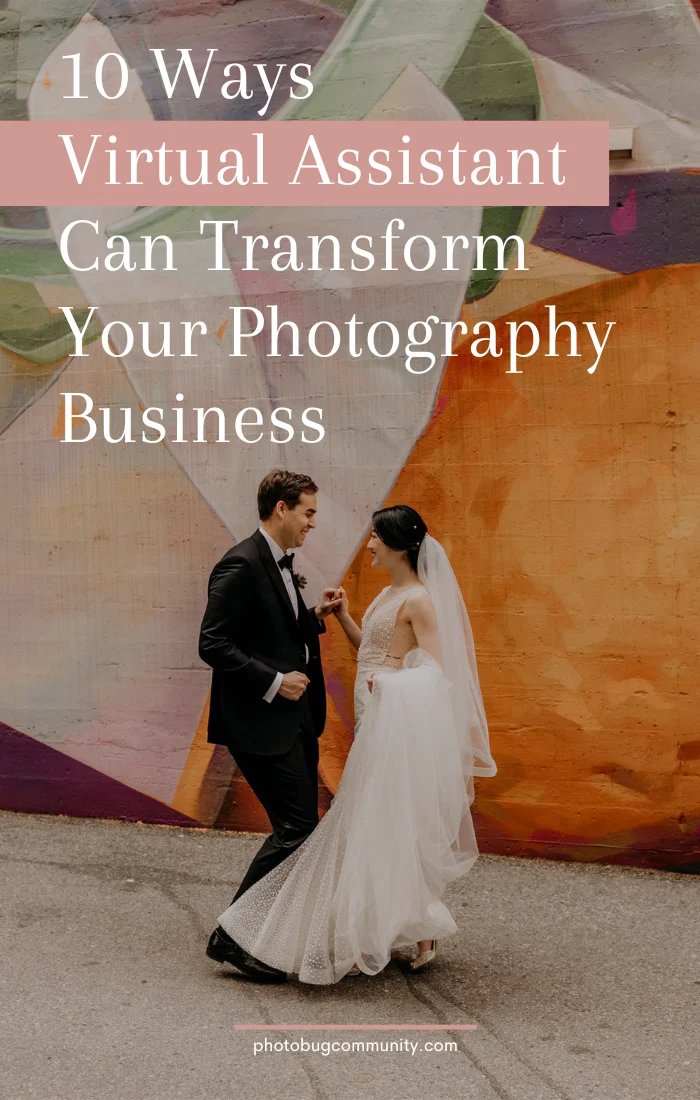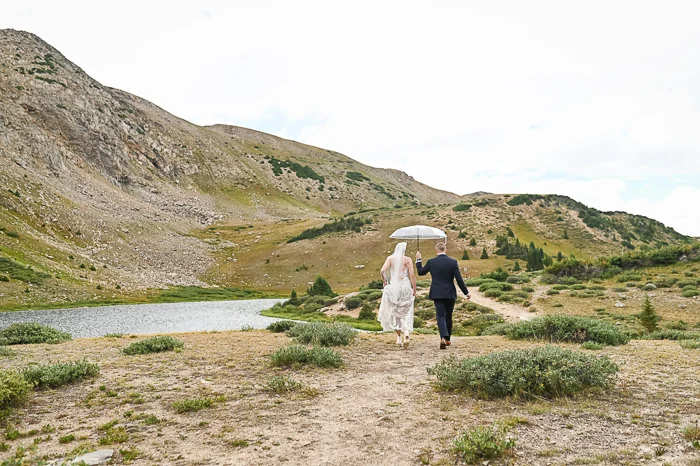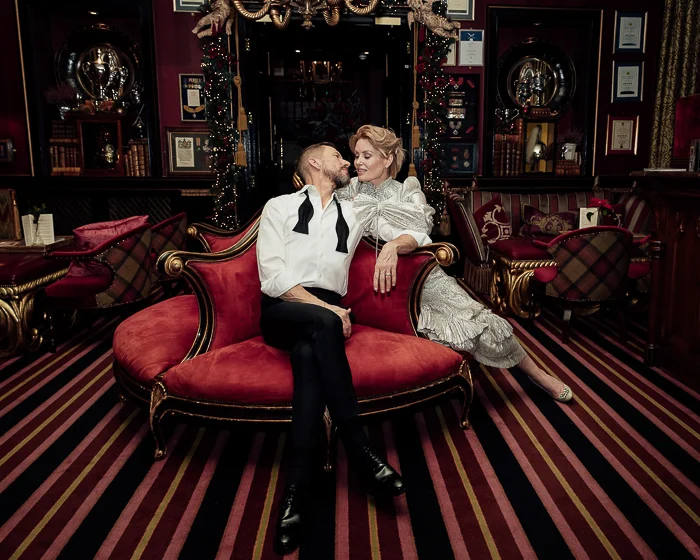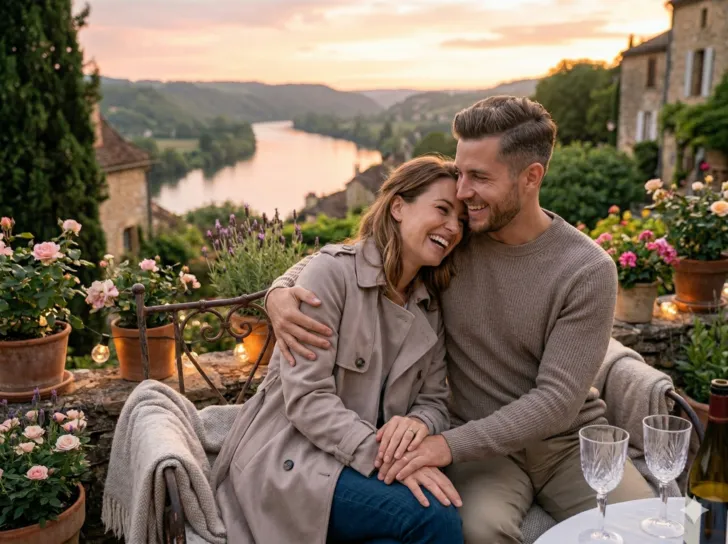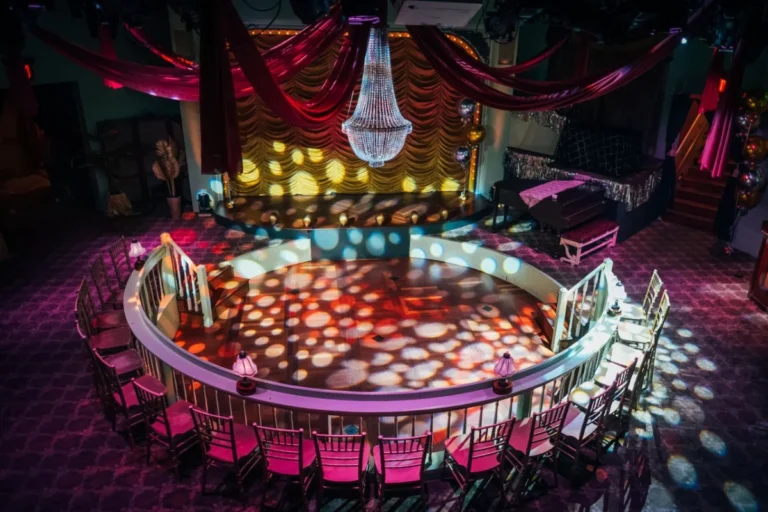


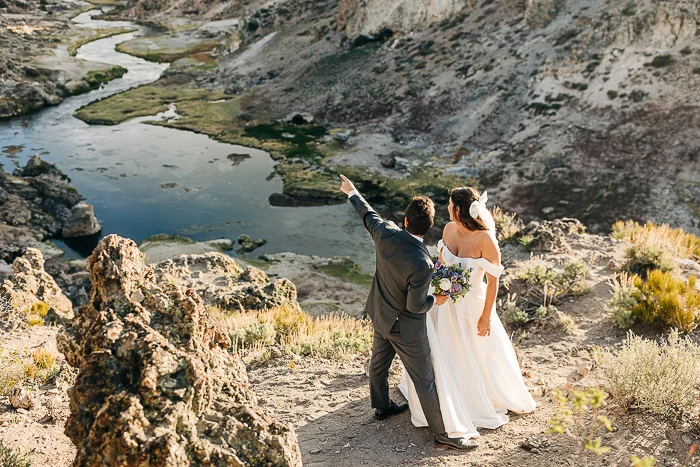
A single image possesses the profound capacity to articulate a myriad of human emotions, ranging from exhilaration and profound joy to poignant sadness and intense pain. The Photobug Community’s June “Body Language” photo challenge set out to explore a compelling question: Can these same powerful emotions be effectively conveyed and experienced by viewers even when the subject’s face is entirely obscured or absent from the frame? The resounding success of the challenge, as evidenced by the submitted works, definitively proves this premise. Participating photographers, comprising a global network of visual artists, allowed the physical forms and interactions of their subjects to narrate stories of connection and feeling. These curated images have elicited responses just as deeply moved as those featuring explicit facial expressions, underscoring that the essence of love, regardless of how it is visually captured, invariably radiates through the photographic medium.
The Photobug Community’s Innovative "Body Language" Challenge
The Photobug Community, a globally recognized platform dedicated to inspiring and educating professional wedding and portrait photographers, regularly hosts themed photo challenges designed to push creative boundaries and refine artistic skills. The "Body Language" challenge for June 2024 was conceived with a specific objective: to encourage photographers to delve into the nuances of non-verbal communication and to demonstrate its potent emotional impact in visual storytelling. The premise was simple yet challenging: submit images where the emotional narrative is carried primarily through posture, gesture, touch, and interaction, rather than relying on direct eye contact or visible facial expressions. This initiative aimed to highlight the universality of human emotion as expressed through the physical form, proving that the human body itself is a canvas for profound sentiment.
Understanding the Photobug Community’s Mission
Founded on the principle of fostering a supportive and educational environment, the Photobug Community has grown into a leading resource for photographers seeking inspiration, technical advice, and a sense of belonging within a creative network. Its mission extends beyond mere showcases; it actively promotes professional development through curated content, educational articles, and interactive challenges. These monthly challenges serve as vital conduits for skill refinement, encouraging photographers to experiment with diverse themes, lighting conditions, compositional techniques, and storytelling approaches. By focusing on specific aspects of photography, such as "Body Language," the community provides a structured framework for artists to explore niche areas of their craft, receive peer feedback, and gain exposure for their work on an international stage. The community’s global reach ensures a diverse array of perspectives and styles, enriching the collective learning experience and pushing the boundaries of contemporary photography.
The Art and Science of Non-Verbal Communication in Photography
The effectiveness of the "Body Language" challenge is rooted in the well-established scientific and artistic principles of non-verbal communication. Research in psychology and communication studies consistently demonstrates that a significant portion of human interaction—some studies suggesting upwards of 70-90%—is conveyed through non-verbal cues. This includes gestures, posture, proximity, touch, and eye movement, even when the eyes themselves are not visible. In the realm of photography, capturing these subtle yet powerful cues becomes an art form.
Scientific Basis: Psychologists like Albert Mehrabian have long highlighted the disproportionate impact of non-verbal elements in conveying emotional meaning. While his specific percentage breakdown (7% verbal, 38% vocal, 55% visual) is often debated, the underlying principle—that visual cues like body language carry immense weight—remains undisputed. When a photographer intentionally removes the facial component, the viewer’s attention is inherently drawn to these other visual signals. The curve of a spine, the tension in clasped hands, the lean of one body into another, or the direction of movement all become critical data points for interpreting the emotional state and relationship between subjects.
Psychological Impact: The absence of a visible face can paradoxically deepen a viewer’s emotional engagement. Without the specific facial expressions of the subjects, the viewer is often invited to project their own understanding and empathy onto the scene, creating a more personal and universal connection. This technique can transform a specific moment between two individuals into a relatable human experience, allowing viewers from diverse backgrounds to connect with the underlying emotion—be it love, comfort, longing, or joy—without being anchored to a particular identity. This abstraction can elevate the photograph from a mere depiction to a powerful symbol of universal human connection.
Artistic Application: Master photographers have historically employed body language as a primary tool for narrative and emotional expression. They understand how to manipulate composition, light, and shadow to emphasize form and interaction. A photographer might choose a wide-angle shot to show a couple small against a vast landscape, their embrace speaking volumes about their mutual reliance amidst grandeur. Alternatively, a tight crop on intertwined hands or a gentle touch on a shoulder can convey intimacy and tenderness more powerfully than a direct gaze. The challenge encouraged participants to meticulously consider every element within the frame, ensuring that each posture, gesture, and spatial relationship contributed cohesively to the overarching emotional message.
A Historical Perspective on Emotional Imagery Without Faces
The concept of conveying profound emotion without explicit facial visibility is not new; it has been a recurring theme in art and photography throughout history. From ancient sculptures that communicate sorrow or triumph through dynamic poses to classical paintings where figures are often depicted from the back or with obscured profiles to emphasize narrative rather than individual likeness, artists have long understood the power of the body as a communicative tool.
In photography, iconic images often leverage this technique. Henri Cartier-Bresson, a pioneer of street photography, frequently captured moments where the emotional resonance came from the interaction of bodies, their movement, or their silhouette against a backdrop. Images of couples walking away, their forms intertwined, or solitary figures lost in contemplation, often achieve a timeless quality precisely because the lack of a discernible face allows for broader interpretation and universal identification. These historical precedents validate the Photobug Community’s challenge, demonstrating that this approach is not merely a stylistic choice but a powerful, enduring method of visual storytelling that transcends cultural and temporal boundaries. It forces both the photographer and the viewer to look beyond the superficial and delve into the deeper, unspoken language of human connection.
Chronology and Execution of the "Body Language" Challenge
The "Body Language" photo challenge followed a typical monthly cycle established by the Photobug Community. The theme was officially announced in late May, inviting photographers worldwide to submit their interpretations throughout the month of June. Participants were encouraged to review the specific guidelines, which typically emphasize originality, technical quality, and strict adherence to the theme—in this case, prioritizing images where emotion was conveyed predominantly through body language, with faces either obscured, turned away, or absent from the frame.
Submissions were collected through a dedicated portal, often linked via the community’s private Facebook group, which serves as a central hub for interaction and peer support. A panel of experienced photographers and editors from the Photobug Community meticulously reviewed each submission, evaluating them against criteria such as emotional impact, compositional strength, technical execution (e.g., lighting, focus, exposure), and the creative interpretation of the "body language" theme. The objective was to identify images that not only met the technical standards but also excelled in conveying powerful narratives without relying on facial cues. The selection process culminated in the featuring of standout photographs, typically published on the Photobug Community blog and social media channels towards the end of the challenge month or early the following month, as seen with the June challenge’s results published in early July.
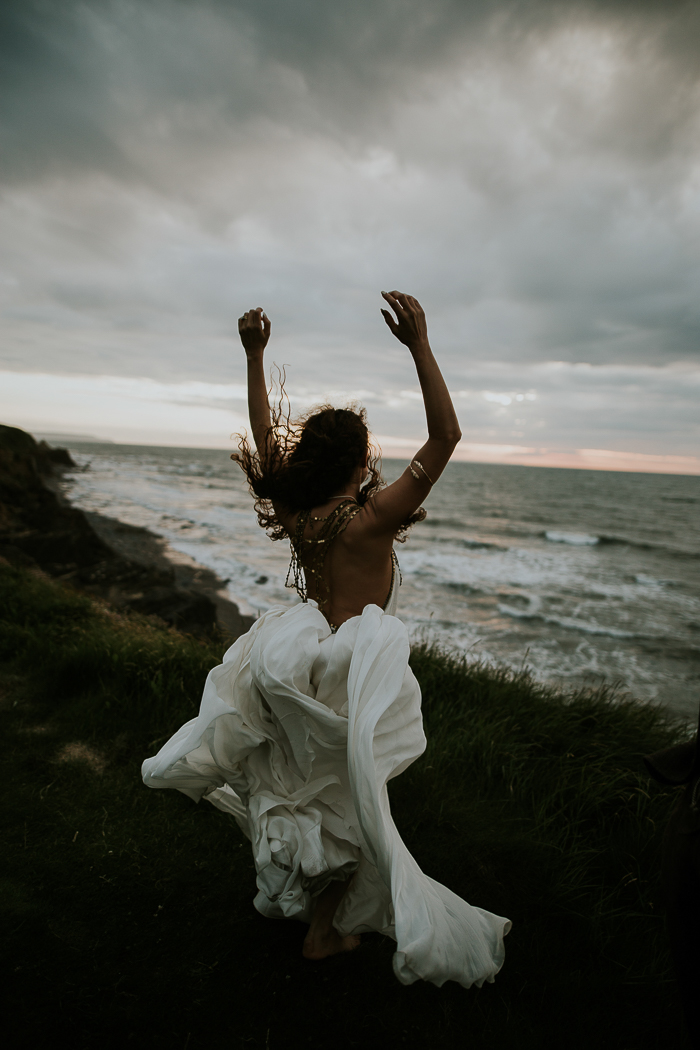
Spotlight on Featured Work: Samsul Hidayat’s Poignant Capture
Among the compelling submissions that exemplified the essence of the "Body Language" challenge was an image captured by Samsul Hidayat. This particular photograph, selected for its powerful communication of emotion, depicted a couple whose faces were not visible, yet their connection resonated profoundly. The composition focused intently on their physical interaction—perhaps an intimate embrace, a gentle touch of hands, or bodies leaning into each other, forming a protective or loving silhouette. The absence of facial expressions compelled the viewer to interpret their emotional state solely through their posture, the curve of their backs, the way their limbs intersected, or the spatial relationship between them.
Hidayat’s work showcased a masterful understanding of light and shadow, potentially using available light to sculpt the forms and emphasize their contours, further enhancing the emotional weight. The chosen setting, whether a dramatic landscape, an urban alleyway, or a softly lit indoor space, contributed to the overall mood, acting as a silent third character in the narrative. This photograph served as a prime example of how two people in love can have their affection radiate outward, making their bond palpable to the viewer, even when their individual identities remain unseen. It underscored the challenge’s core assertion: that the love shared between individuals possesses an inherent luminosity that transcends conventional visual cues, manifesting powerfully through the silent language of the body.
Insights from Organizers and Participants
The success of the "Body Language" challenge garnered positive reactions from various stakeholders within the photography community.
From Photobug Community Organizers: A spokesperson for the Photobug Community commented on the overwhelming response and the caliber of submissions. "This challenge truly exceeded our expectations," the spokesperson stated. "It affirmed our belief that emotion is universal and can be communicated in countless ways. Our photographers demonstrated incredible skill in finding and framing moments where the raw, unfiltered connection between people was expressed through their physical forms. It’s a testament to their artistic vision and technical prowess that they could evoke such strong feelings without relying on visible faces. This challenge pushed creative boundaries and offered fresh perspectives on visual storytelling in the realm of couple’s photography."
From Participating Photographers: While specific individual statements are inferred, the general sentiment among participating photographers likely centered on the creative liberation and renewed focus on fundamental photographic principles. Photographers may have noted the difficulty in executing the theme, explaining that it required a heightened awareness of composition, posing (or candid capture), and the subtle intricacies of human interaction. "It forced me to think differently about how I frame a shot," one might have commented. "Instead of looking for the perfect smile, I was searching for the perfect lean, the perfect intertwining of hands, the way bodies naturally gravitate towards each other. It made me a more observant photographer." Another might have added, "The reward was seeing how powerfully an emotion could be conveyed without needing to show a face; it felt like tapping into a more primal, universal form of communication."
From Photography Experts and Educators: Industry experts and photography educators would likely view such challenges as invaluable pedagogical tools. "Exercises like the ‘Body Language’ challenge are crucial for developing a photographer’s observational skills and understanding of visual psychology," remarked a prominent photography instructor. "They force artists to move beyond superficial representation and delve into deeper forms of narrative. It’s an excellent way to train the eye to see beyond the obvious, to understand how tension, relaxation, connection, and isolation are all manifested physically. This will undoubtedly lead to more nuanced and impactful work across all genres of photography."
Broader Implications for Visual Storytelling and the Photography Industry
The success of challenges like "Body Language" has significant implications for the broader photography industry and the evolution of visual storytelling.
Educational Value: For emerging photographers, these challenges provide structured learning opportunities that accelerate skill development. By focusing on a specific thematic constraint, participants are forced to innovate within boundaries, which often leads to greater creativity. It hones their ability to observe, interpret, and capture non-verbal cues, a skill critical for documentary, street, portrait, and especially wedding photography, where candid moments are prized. It encourages them to think about composition, lighting, and framing in service of emotional narrative, rather than merely technical perfection.
Evolution of Wedding and Portrait Photography: In genres focused on human connection, such as wedding and engagement photography, the ability to convey emotion without explicit facial expressions adds a layer of sophistication and artistry. It moves beyond traditional posed shots and encourages a more authentic, interpretive style. Couples often cherish images that capture their genuine interaction, their quiet moments of intimacy, or their shared experience of a significant day, and these moments are frequently expressed through their physical presence rather than direct gazes. This trend suggests a growing demand for photographers who can capture the "feeling" of a relationship, not just its visual representation.
Democratization of Art and Global Collaboration: Online communities like Photobug facilitate a global exchange of ideas and talent. Photographers from different cultural backgrounds bring unique perspectives to universal themes, enriching the collective body of work. This democratization of art allows for peer learning, constructive critique, and exposure for artists who might otherwise lack traditional gallery representation. It fosters a vibrant, competitive yet supportive environment that continually pushes the aesthetic and technical standards of contemporary photography.
Future Trends: The emphasis on non-verbal communication in photography is likely to continue to grow. As visual media becomes increasingly saturated, audiences seek more profound and authentic storytelling. Photographers who can master the art of conveying complex emotions through subtle cues, abstract compositions, and powerful body language will be at the forefront of this evolving landscape. This approach offers a timeless quality, as the fundamental expressions of human connection resonate across all cultures and generations, ensuring that such images remain impactful for years to come.
Conclusion: The Enduring Power of Non-Verbal Narratives
The Photobug Community’s June "Body Language" photo challenge unequivocally demonstrated the profound power of non-verbal communication in visual art. Through a diverse collection of compelling photographs, artists proved that emotions—be they joy, sorrow, love, or longing—can be conveyed with remarkable clarity and intensity even in the absence of discernible facial expressions. The challenge not only pushed the creative and technical boundaries for participating photographers but also reinforced a fundamental truth about human connection: that our bodies, in their postures, gestures, and interactions, speak a universal language of emotion that transcends visible identities. This initiative underscores the enduring capacity of photography to capture the invisible threads that bind us, making the unspoken profoundly felt, and celebrating the talent of a global community dedicated to mastering the art of visual storytelling.