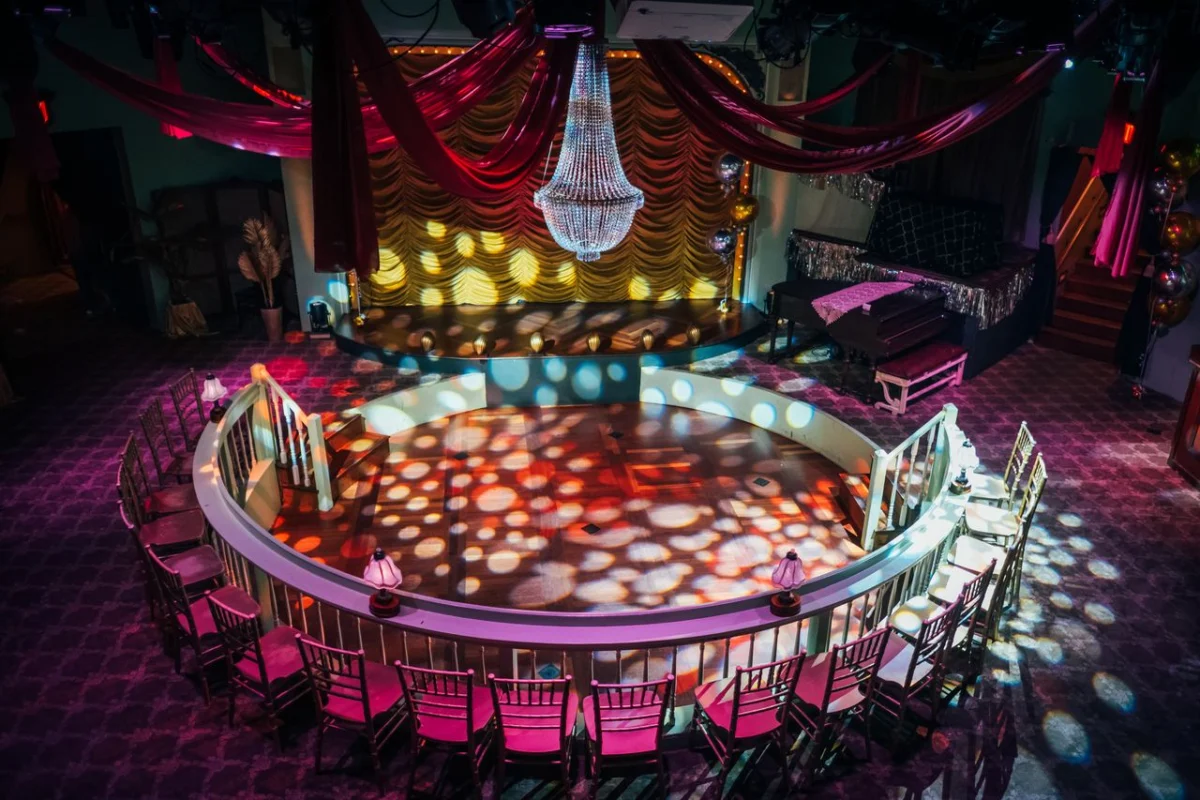
Consider a common scenario: A couple meticulously researches potential wedding venues online, drawn in by compelling imagery, appealing aesthetics, and a floor plan that perfectly accommodates their guest list. Yet, their search for crucial financial information invariably leads to a ubiquitous "contact us for a custom quote" prompt. Dutifully, they submit an inquiry, often waiting several days for a response. This typically culminates in a scheduled call, during which a significant amount of time – often 30 to 45 minutes – is invested in a rapport-building conversation, a virtual tour, and questions about their vision, only for the price to finally be revealed as vastly exceeding their entire wedding budget. This cycle, replicated countless times daily across the industry, highlights a systemic inefficiency where valuable time is expended by both parties to ascertain information that could have been conveyed in a single, clear line of text.
The Genesis of Opaque Pricing: An Inherited Norm
The prevalence of hidden pricing in the wedding industry is not always a calculated strategic decision by individual vendors. Often, it is an inherited practice, deeply embedded in the operational models of mainstream directory platforms that have historically dominated the market. Giants like The Knot, WeddingWire, and Zola operate on a business model that prioritizes lead generation. For these platforms, an inquiry, regardless of its conversion potential, represents a revenue point. Consequently, a vendor listing that prompts a direct inquiry is inherently more valuable to the platform than one that allows a couple to self-qualify out based on visible pricing. This incentive structure has inadvertently fostered an industry norm where price transparency is deprioritized, leading many vendors to adopt this approach without critical examination of its long-term efficacy or impact on client relations.
This established pattern is increasingly being challenged by independent platforms and industry consultants who advocate for a more transparent approach. For instance, Offbeat Wed’s vendor directory explicitly champions visible pricing, recognizing that the objective should be to generate the right leads, not merely the most leads. This philosophical divergence underscores a growing movement towards re-evaluating long-standing practices in light of modern consumer behavior.
The Tangible Costs of Ambiguity: Wasted Time and Eroding Trust
The primary theoretical justification for hidden pricing often posits that it allows vendors to build rapport with potential clients before disclosing figures, thereby softening the impact of the cost. However, in practical application, this approach frequently backfires, leading to significant inefficiencies and a diminished client experience.
From the couple’s perspective, "call for pricing" or "contact us for a custom quote" often triggers a sense of apprehension. It can be interpreted as a signal that the price is likely prohibitive, invoking the adage, "if you have to ask, you can’t afford it." This initial psychological barrier can lead some couples, particularly those with limited time or a strict budget, to simply disengage without inquiry, resulting in lost opportunities for vendors. Conversely, many still feel compelled to inquire, knowing it’s the only way to obtain the necessary information, even if it means navigating a protracted sales process.
For vendors, this translates into a considerable expenditure of resources. Each "unqualified" lead necessitates a full sales conversation, often involving multiple exchanges and a dedicated phone call, merely to convey basic pricing information. This iterative process is time-consuming and diverts attention from genuinely interested clients, impacting overall operational efficiency. A study by Salesforce indicated that companies with transparent pricing models experience a 10-15% higher lead-to-conversion rate due to better initial qualification, underscoring the efficiency gains. Furthermore, a 2022 survey by PwC found that 85% of consumers value transparency more than ever before, directly linking it to trust and brand loyalty. Hidden pricing, by contrast, can inadvertently foster a perception of evasiveness or lack of confidence, undermining the foundational trust essential for significant life events like weddings.
The Shifting Demographics: Accessibility and the Neurodivergent Generation
Beyond the economics of time and trust, the imperative for transparent pricing is increasingly framed as an issue of accessibility and legibility, particularly for younger generations. The assumption embedded in the "call for pricing" model is that clients are readily available, comfortable with phone calls, eager to engage in extended conversations, and adept at navigating ambiguous social sales processes. This communication style, largely a product of the 20th century, is no longer universally preferred or even feasible for a significant portion of the modern populace.
Research highlights a pronounced shift in communication preferences, especially among Gen Z. A study by Understood.org revealed that Gen Z respondents were twice as likely as Gen X and five times as likely as Baby Boomers to report a learning or thinking difference (30% vs. 14% vs. 6%). Specifically, ADHD diagnoses showed an even sharper disparity (25% vs. 9% vs. 2%). Further, some research indicates that over half of Gen Z identifies as neurodivergent. This demographic shift has profound implications for how businesses should present information. Neurodivergent individuals, along with many others, often prefer clear, structured, and readily available information over open-ended, rapport-building sales interactions. Ambiguity can be a significant source of anxiety and a tangible barrier to engagement.
For vendors targeting this increasingly dominant demographic, understanding and adapting to these preferences is paramount. A transparent pricing model that provides immediate, concise information directly addresses this need, creating a more inclusive and less intimidating client experience. It acknowledges that not all clients desire or benefit from a protracted sales conversation; many simply want clear facts to inform their decision-making process.
The AI Revolution: Ensuring Digital Visibility and Recommendations
The argument for transparent pricing extends beyond direct human interaction to the burgeoning realm of artificial intelligence. Couples are increasingly leveraging AI tools, such as advanced chatbots and personalized recommendation engines, to assist in their wedding planning. These tools are designed to filter and short-list vendors based on specific, structured data points: budget, guest count, style, location, and, crucially, price.
A vendor whose pricing information is sequestered behind a contact form becomes virtually invisible to these AI algorithms. When an AI model encounters a "Contact us for pricing" prompt, it has no concrete data to parse, cite, or recommend. This lack of machine-readable information means that even if a vendor perfectly aligns with a couple’s other criteria, they will be omitted from AI-generated shortlists, effectively losing potential leads that are increasingly being channeled through these digital intermediaries.
Platforms like Offbeat Wed are already adapting by building "AI-legible vendor listings," recognizing that future customer discovery will heavily rely on the ability of AI to efficiently process and recommend services. This isn’t about endorsing or rejecting AI, but rather acknowledging its growing role in consumer behavior. Vendors who proactively integrate visible pricing, presented in plain text rather than embedded images or PDFs, are not just enhancing accessibility for human clients; they are also future-proofing their businesses by making them discoverable and recommendable by the intelligent systems that are becoming integral to modern search and planning.
Beyond the Transaction: Fostering Trust and Streamlining Operations
While the initial instinct for some vendors may be to view transparent pricing as a purely transactional disclosure, its benefits extend far beyond. It is a powerful trust-building mechanism. When a vendor openly displays their starting prices or package ranges, it communicates honesty, confidence, and respect for the client’s time and budget. This upfront sincerity can forge a stronger initial connection than any protracted sales call.
Furthermore, transparency significantly streamlines a vendor’s operational workflow. By allowing unqualified leads to self-select out early in the process, vendors can dedicate their time and energy to genuinely interested clients who have already determined that the service falls within their financial parameters. This shift leads to more productive conversations, higher conversion rates, and a more efficient allocation of sales resources. Industry analysis suggests that businesses that provide clear pricing information experience up to a 20% reduction in customer service inquiries related to cost, freeing up staff to focus on more complex client needs.
It is important to clarify that advocating for transparent pricing does not equate to demanding a fully itemized rate card for every single service. Many vendors, particularly those offering highly customized services, thrive on a consultative sales process where they can tailor proposals to unique client needs. The recommendation is to provide a visible starting price, a rate range, or a clear "packages start at" statement. This provides the essential initial qualification without sacrificing the ability to customize and build relationships with genuinely engaged clients.
Expert Perspectives and the Evolving Landscape
Marketing and business development experts within the wedding industry are increasingly echoing the call for greater transparency. "The modern consumer values authenticity and efficiency above all else," states Dr. Eleanor Vance, a consultant specializing in wedding business strategy. "Hidden pricing models are an anachronism in an era where information is expected to be immediate and accessible. Vendors who embrace transparency will not only attract a broader client base but also cultivate deeper trust and loyalty."
The implications are clear: vendors who adapt to this evolving landscape by adopting transparent pricing practices will gain a significant competitive advantage. They will be perceived as more trustworthy, more efficient, and more aligned with the communication preferences of the next generation of clients. Moreover, they will ensure their digital footprint is robust enough to be recognized and recommended by the sophisticated AI tools that are rapidly reshaping how consumers discover and engage with businesses.
In conclusion, the practice of obscuring pricing behind a "contact us" barrier, while deeply entrenched in the wedding industry, is increasingly unsustainable. It wastes invaluable time for both vendors and couples, erodes trust, creates significant accessibility barriers for neurodivergent and younger clients, and renders businesses invisible to the growing number of AI-powered search tools. Embracing transparent pricing, even if it’s just a clear starting point or range, is not merely a courtesy; it is a strategic imperative that fosters trust, enhances operational efficiency, and positions wedding vendors for success in a rapidly digitizing and increasingly discerning market. The future of wedding bookings belongs to those who prioritize clarity, accessibility, and honest communication from the outset.