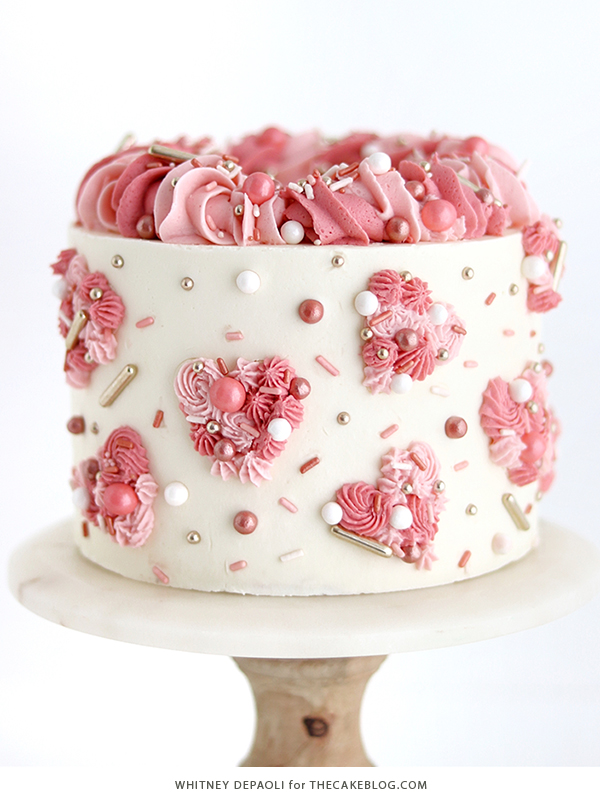
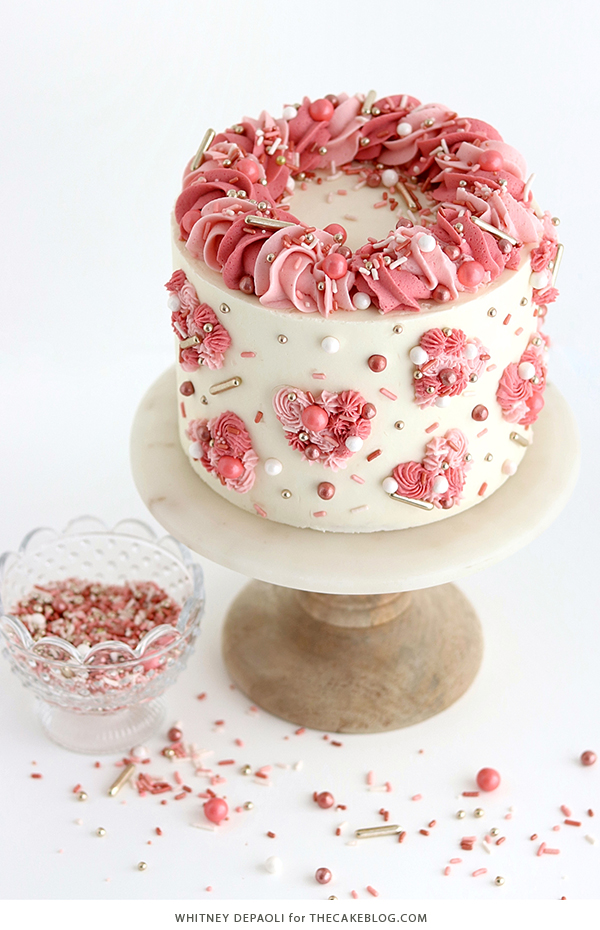
The intersection of traditional romantic symbolism and modern confectionery techniques has reached a new milestone with the release of a specialized design methodology centered on the Piped Hearts Valentine’s Cake. Developed by Whitney DePaoli, a prominent contributor to the industry-leading platform The Cake Blog, the technique introduces a structured approach to creating high-texture, multi-tonal floral and geometric heart patterns on buttercream surfaces. This development arrives as the artisanal baking sector continues to experience a shift toward "imprint-and-fill" styles, a trend largely accelerated by digital visual platforms. The design serves as a case study in how professional-grade aesthetics are being codified into accessible tutorials for the broader culinary community.
Technical Methodology and Execution
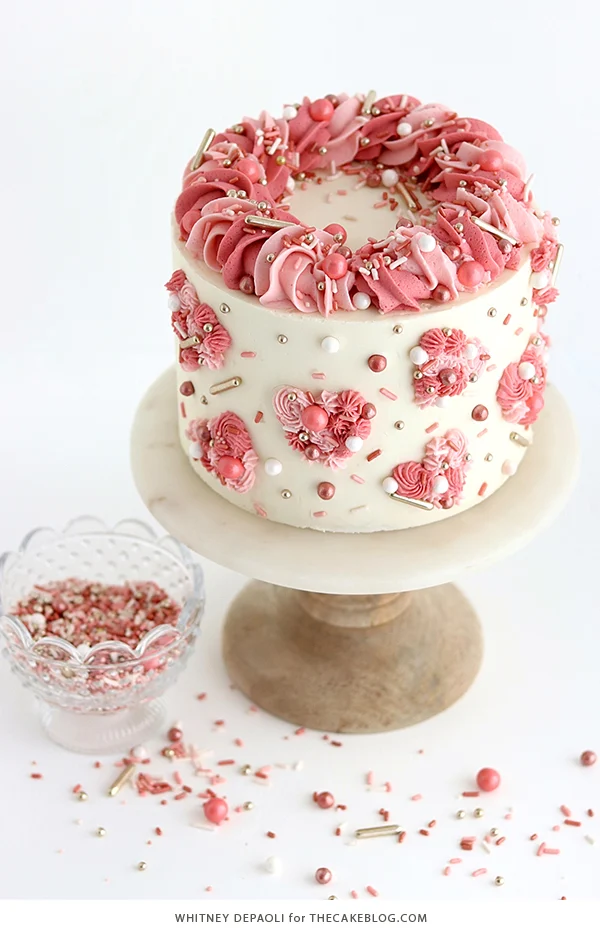
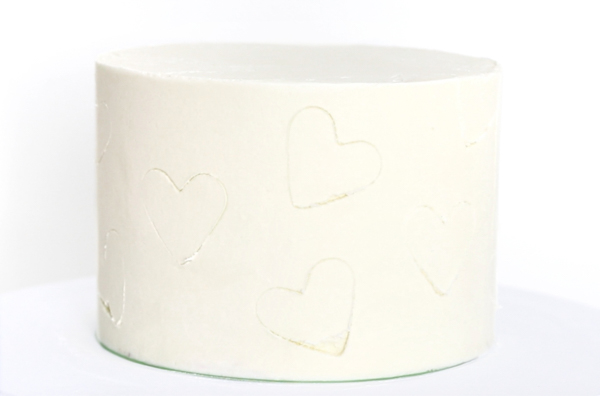
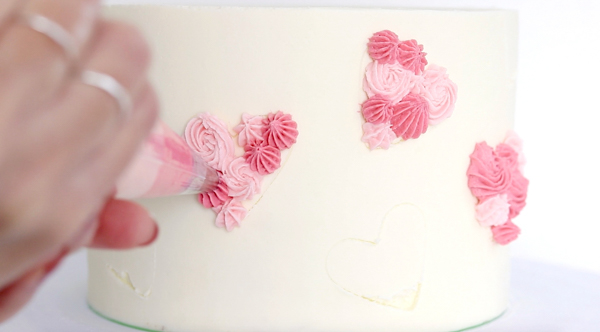
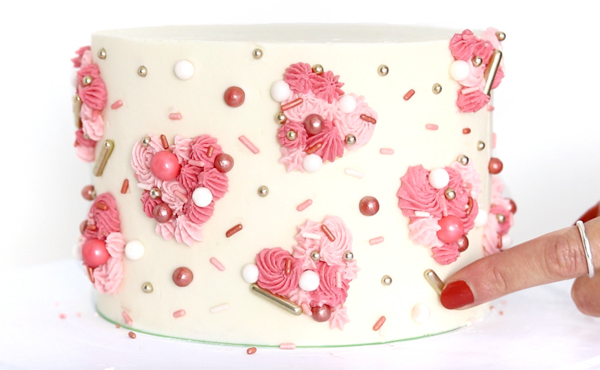
The core of the Piped Hearts Valentine’s Cake technique relies on a systematic "imprint-and-fill" process that ensures geometric precision while allowing for organic texture. According to the technical specifications provided by DePaoli, the process begins with a foundation of chilled, smooth-frosted buttercream. The use of a physical heart-shaped cookie cutter as an imprinting tool serves as a guide for the subsequent piping, a method that minimizes the margin for error in spatial distribution.
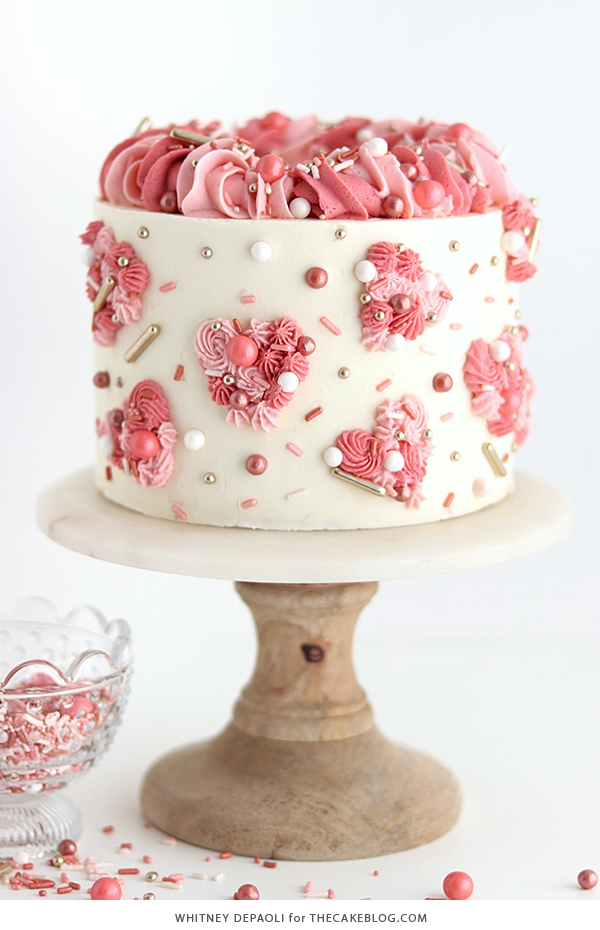
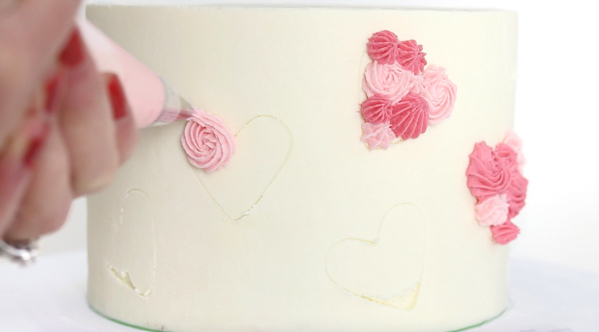
Practitioners are advised to space these imprints approximately two inches apart to maintain visual balance and prevent the design from appearing overcrowded. The filling phase utilizes a variety of stainless steel piping tips—specifically the 1M, 199, and 21 tips. This selection is intentional, as it allows for the creation of varied textures, including rosettes and star-shaped flourishes, within the confines of the imprinted shapes. The integration of "American Buttercream" is highlighted as the preferred medium due to its structural stability and high tinting capacity, which are essential for maintaining the integrity of the intricate piped details at room temperature.
Evolution of the Modern Aesthetic in Confectionery
The design is acknowledged as being heavily influenced by the work of contemporary digital creators, specifically the Instagram-based baker known as @frostedfujicakes. This lineage highlights a broader trend in the 21st-century culinary arts: the democratization of high-end design through social media. Historically, intricate piping techniques were the guarded secrets of professional pastry chefs in high-output kitchens. However, the current landscape favors transparent sharing of methodologies.
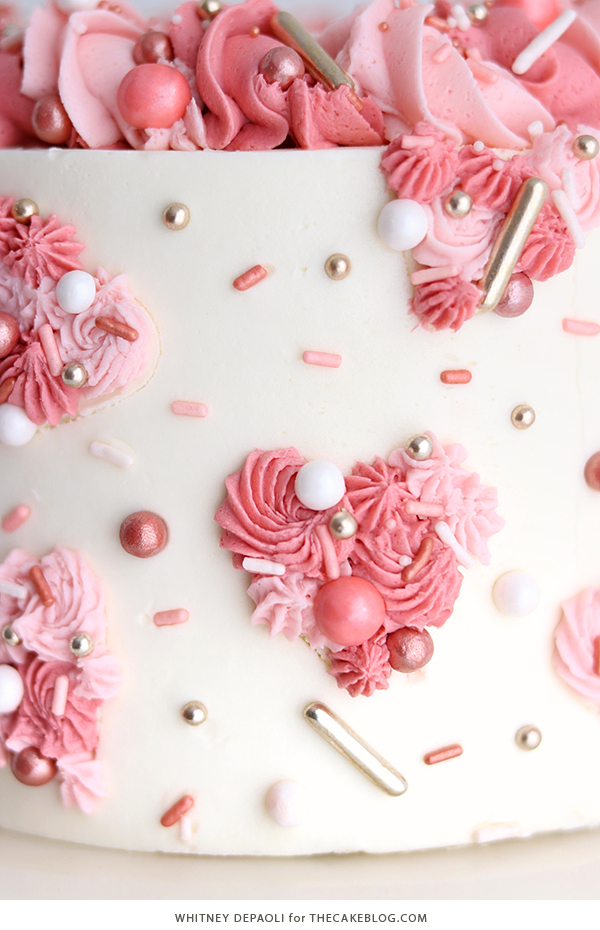
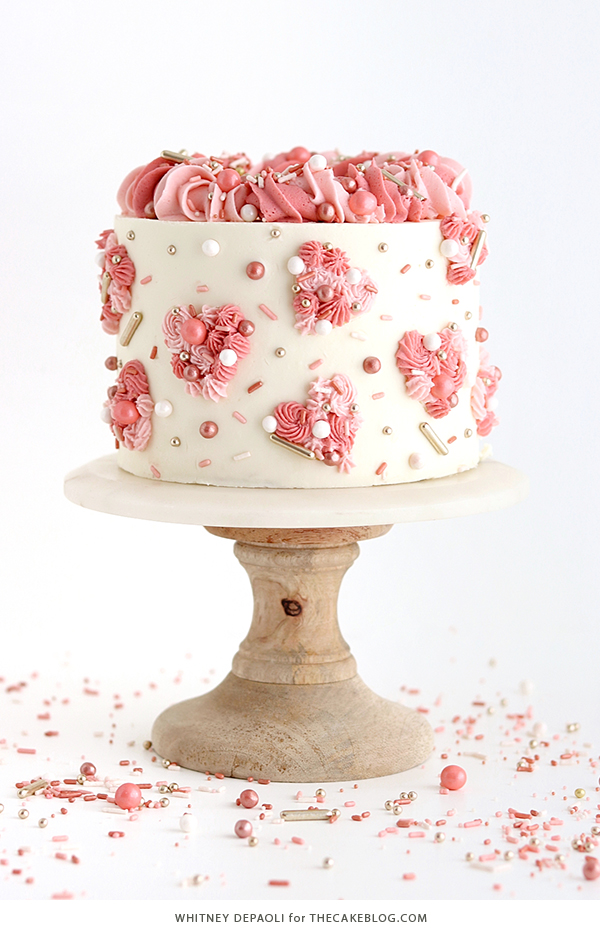
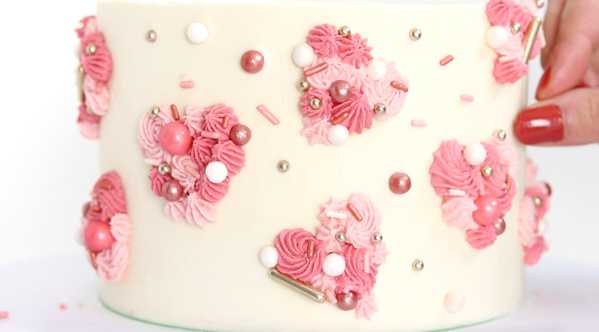
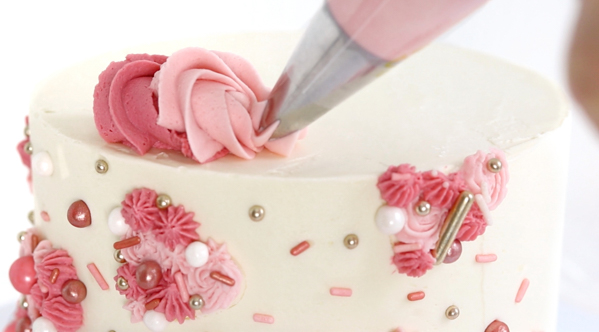
The Piped Hearts design represents a departure from the minimalist "naked cake" trends of the mid-2010s, moving instead toward a "maximalist" approach that emphasizes texture, depth, and metallic accents. By utilizing a rose gold color palette—achieved through specific gels like Americolor Dusty Rose—the design aligns with broader luxury trends in fashion and interior design. The addition of varied sprinkles and metallic rods adds a tertiary layer of complexity, transforming the cake from a standard baked good into a piece of edible sculpture.
Economic Impact and Seasonal Market Data
The release of such tutorials is strategically timed to coincide with the surge in consumer spending during the Valentine’s Day season. According to data from the National Retail Federation (NRF), Valentine’s Day spending in the United States regularly exceeds $20 billion annually. A significant portion of this expenditure is directed toward food and confections. In 2020, the year of this design’s emergence, consumers spent an estimated $2.4 billion on candy and sweets alone.
The demand for "experience-based" baking—where consumers create professional-quality items at home—has seen a compound annual growth rate (CAGR) of over 5% in the home baking supplies market. Tutorials like the Piped Hearts Valentine’s Cake drive sales for specific hardware, including piping tips, food coloring gels, and decorative sprinkles. This "tutorial economy" benefits not only content platforms but also manufacturing giants in the baking industry, such as Wilton and Americolor, as hobbyists seek the exact tools required to replicate professional results.

Regulatory Standards and Food Safety Considerations
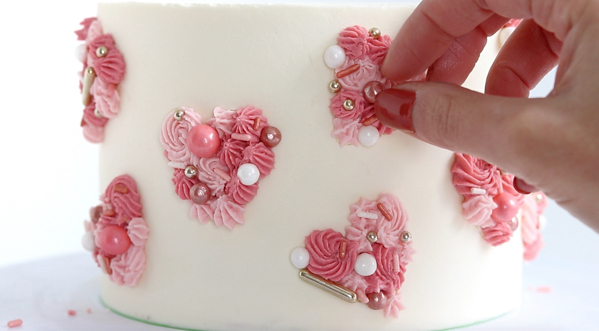
A critical component of the Piped Hearts Valentine’s Cake report involves the use of metallic dragees and decorative rods. The tutorial includes a mandatory safety advisory regarding the use of gold and silver accents. While these items are widely sold for cake decoration, the U.S. Food and Drug Administration (FDA) has historically maintained a complex stance on their consumption.
In 2017, the FDA issued a clarification regarding "edible" glitters and dusts, noting that many products labeled as "non-toxic" are intended for decorative use only and should be removed before consumption if they do not meet the criteria for food additives. The Piped Hearts design utilizes long gold rods which, while safe for contact with frosting, are generally recommended to be removed by guests. This adherence to safety protocols is a standard requirement for reputable culinary journalism and highlights the ongoing dialogue between aesthetic ambition and consumer safety.
Chronology of the Design Process
The development of the Piped Hearts technique follows a rigorous chronological path to ensure consistent results across different skill levels:
- Preparation and Stabilization: The cake is frosted and chilled. Chilling is a non-negotiable step as it provides a firm canvas for the imprinting tool.
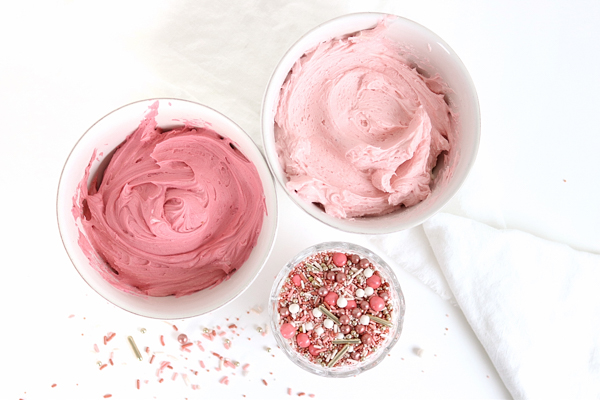
- Color Formulation: Buttercream is divided and tinted using a gradient approach. For the Rose Gold theme, two distinct shades of pink are created to provide depth.
- The Imprinting Phase: The heart-shaped cutter is pressed lightly into the cold frosting, creating a blueprint for the design.
- Piping Execution: Using a combination of 1M, 199, and 21 tips, the practitioner fills the hearts with a mix of rosettes and stars.
- Textural Layering: Sprinkles are applied individually. The report suggests using a damp paper towel or tweezers to facilitate precise placement, a technique borrowed from professional food styling.
- Final Bordering: The "Rosette Rope Border" is applied to the top edge. This involves piping rosettes in a counter-clockwise motion at a 45-degree angle, creating a braided appearance that frames the central design.
Industry Response and Professional Analysis
Professional bakers have noted that the Piped Hearts design is a significant example of "modular decorating." By breaking down a complex-looking visual into repeatable, small-scale piping tasks, the design reduces the "intimidation factor" for novice bakers. Industry analysts suggest that this modularity is key to the success of modern baking tutorials.
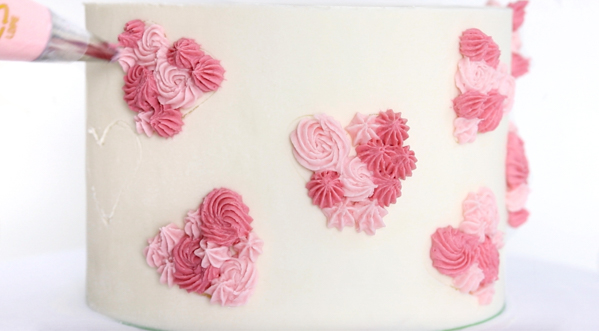
"The brilliance of the imprint-and-fill method lies in its ability to hide imperfections," says an industry consultant. "When you fill a shape with multiple small rosettes and stars, the eye perceives a unified, complex heart rather than individual piping strokes. It allows a hobbyist to achieve a level of detail that would otherwise require years of steady-hand practice."
Furthermore, the versatility of the color palette is cited as a major strength. While the tutorial focuses on Valentine’s Day, the methodology is being adapted for other holidays and events, such as baby showers (using blues and yellows) or weddings (using monochromatic whites and creams).
Broader Implications for the Culinary Arts
The Piped Hearts Valentine’s Cake is more than a seasonal recipe; it is a reflection of the current state of the culinary arts in the digital age. It represents a synthesis of social media influence, technical precision, and economic opportunity. As the line between professional pastry chefs and home "content creators" continues to blur, the standardization of these techniques ensures a higher level of aesthetic quality across the industry.
The emphasis on specific tools and safety warnings also indicates a maturing market where consumers are increasingly savvy about both the "how" and the "why" of food design. As we move forward, the "imprint-and-fill" technique pioneered in designs like this is expected to evolve into more complex shapes, perhaps incorporating 3D-printed templates or augmented reality guides for even greater precision.
In conclusion, the Piped Hearts Valentine’s Cake stands as a testament to the power of shared knowledge in the baking community. By combining traditional symbols of affection with a modern, high-texture approach, Whitney DePaoli and The Cake Blog have provided a blueprint that serves the dual purpose of artistic expression and commercial viability. As Valentine’s Day continues to evolve as a major economic and social event, the role of such innovative designs will only grow in importance, shaping the way we celebrate and consume in an increasingly visual world.