The seasonal home decor market is currently witnessing a significant shift toward artisanal, domestically produced goods as consumers increasingly move away from mass-manufactured imports. This trend is exemplified by a growing interest in customized holiday accents, such as dip-dyed bottle brush trees, which allow for precise aesthetic alignment with existing household textiles. Recent developments in the DIY sector highlight a preference for high-quality, natural materials sourced from independent American creators, such as Rachel of Studio59 Handmade, and the utilization of specialized coloring agents like Rit Dye to achieve specific, high-end design results. This movement toward "slow-made" holiday decor reflects a broader economic and cultural pivot toward sustainability, domestic manufacturing, and the preservation of heirloom-quality crafts.
The Rise of the Domestic Artisanal Market
In recent years, consumer sentiment has evolved to prioritize transparency in the supply chain and the quality of raw materials. According to industry reports from the craft and hobby sector, the demand for "Made in the USA" products has surged as shoppers express dissatisfaction with the perceived lack of durability and uniqueness in mass-marketed items. This shift has revitalized platforms like Etsy, where independent artisans provide specialized components that are otherwise unavailable in big-box retail environments.
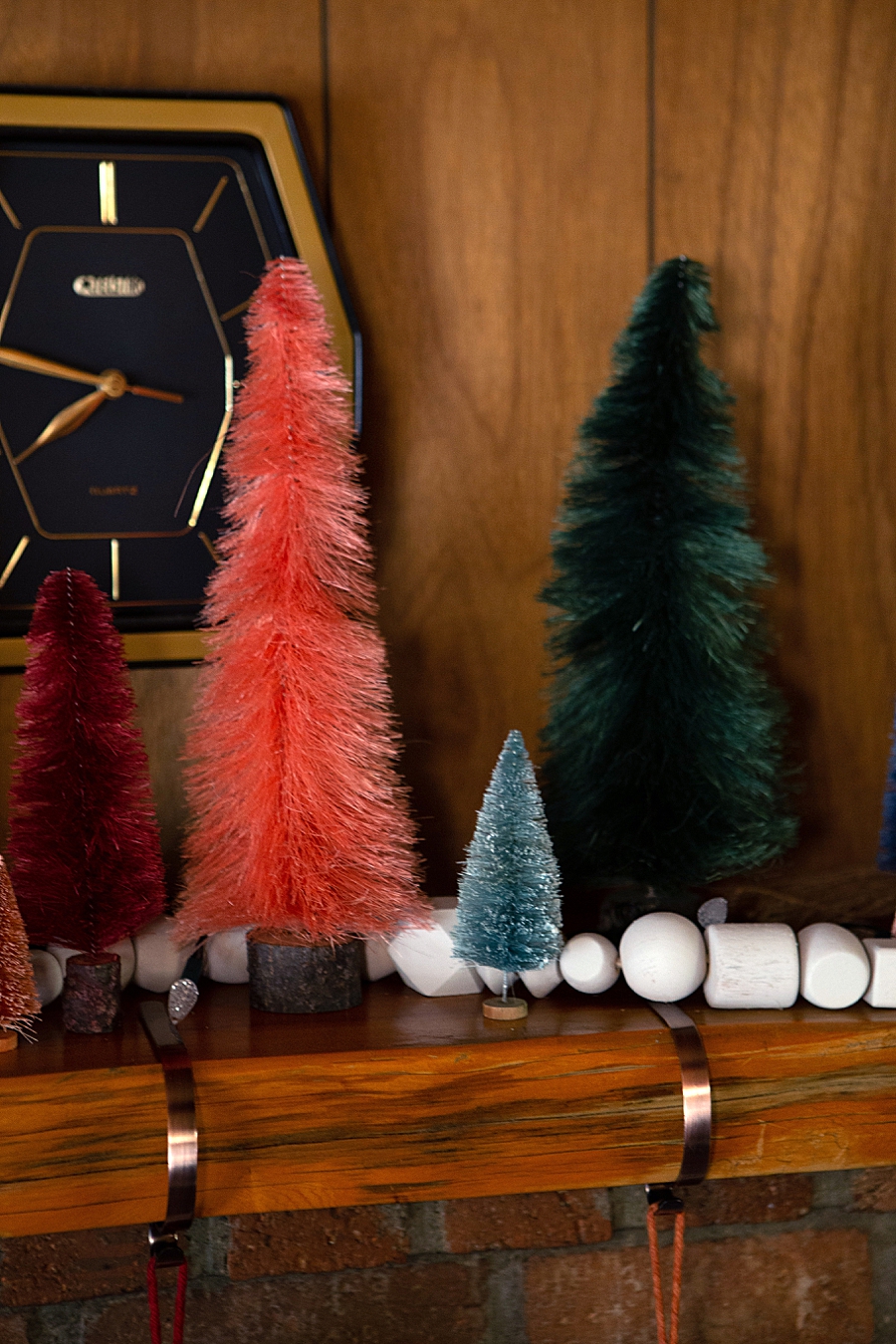
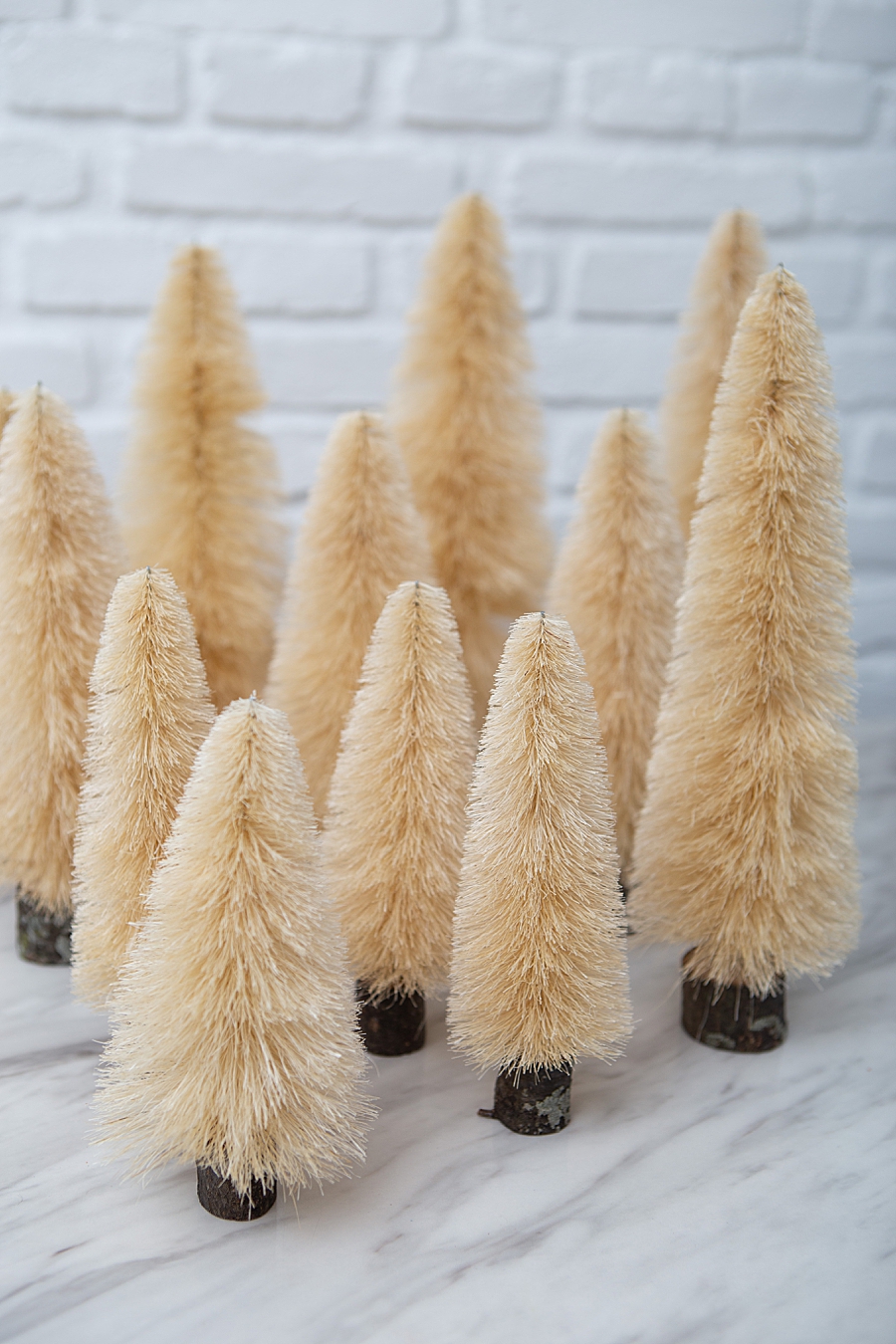
The sourcing of natural sisal bottle brush trees from Studio59 Handmade represents a critical component of this movement. Unlike plastic-based alternatives, these handmade trees are crafted in various widths—including classic, thin, and wide profiles—and range in height from 4 to 12 inches. By providing these items in a "natural" state, artisans allow consumers to take on the role of the designer, facilitating a level of customization that aligns with the "Grandmillennial" and "maximalist" interior design trends currently dominating the market.
Technical Chronology of the Customization Process
The transformation of natural sisal trees into custom-colored holiday accents involves a systematic approach rooted in textile science. The process documented by industry experts and DIY practitioners follows a specific chronological sequence to ensure color fastness and aesthetic uniformity.
Phase I: Material Procurement and Color Matching
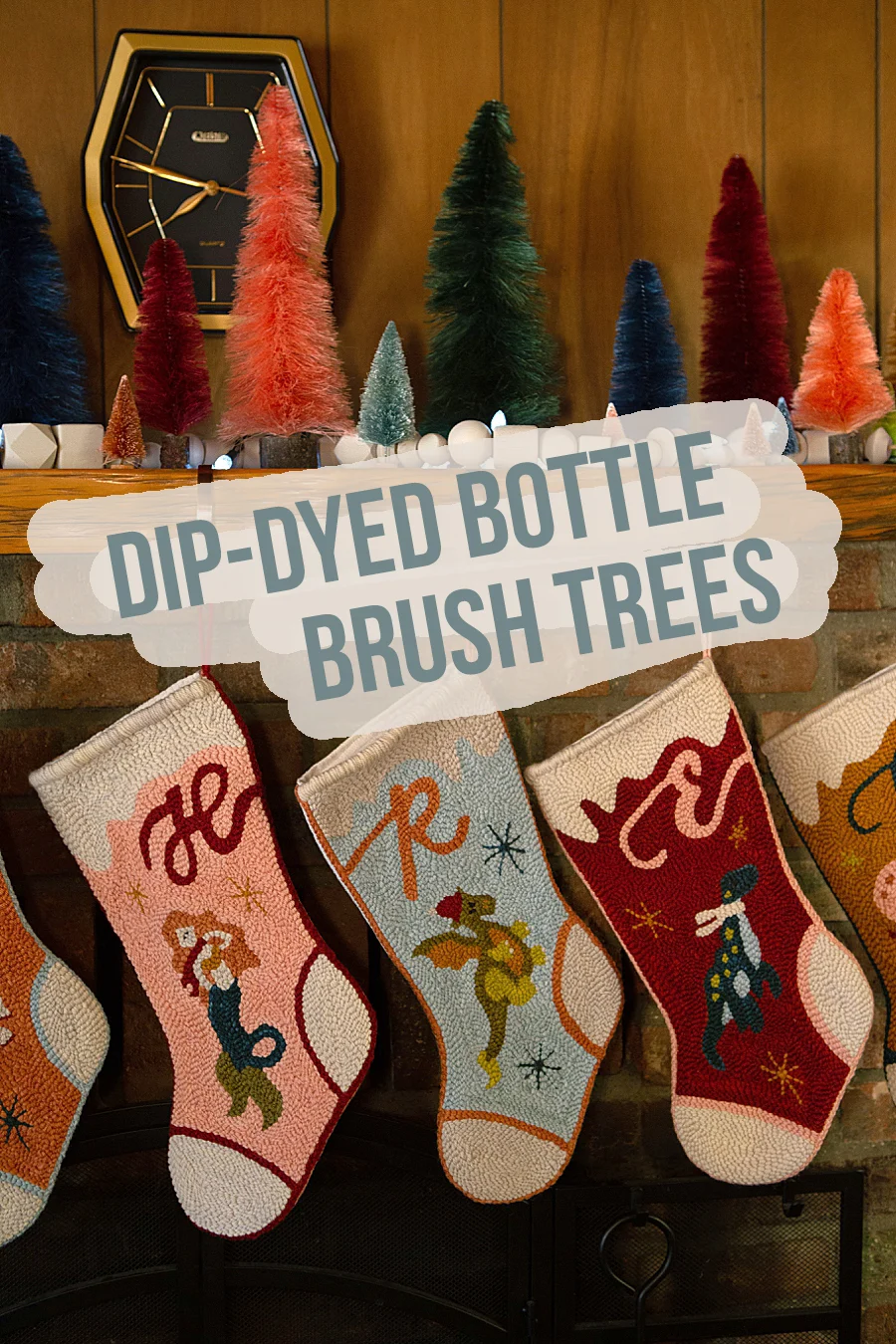
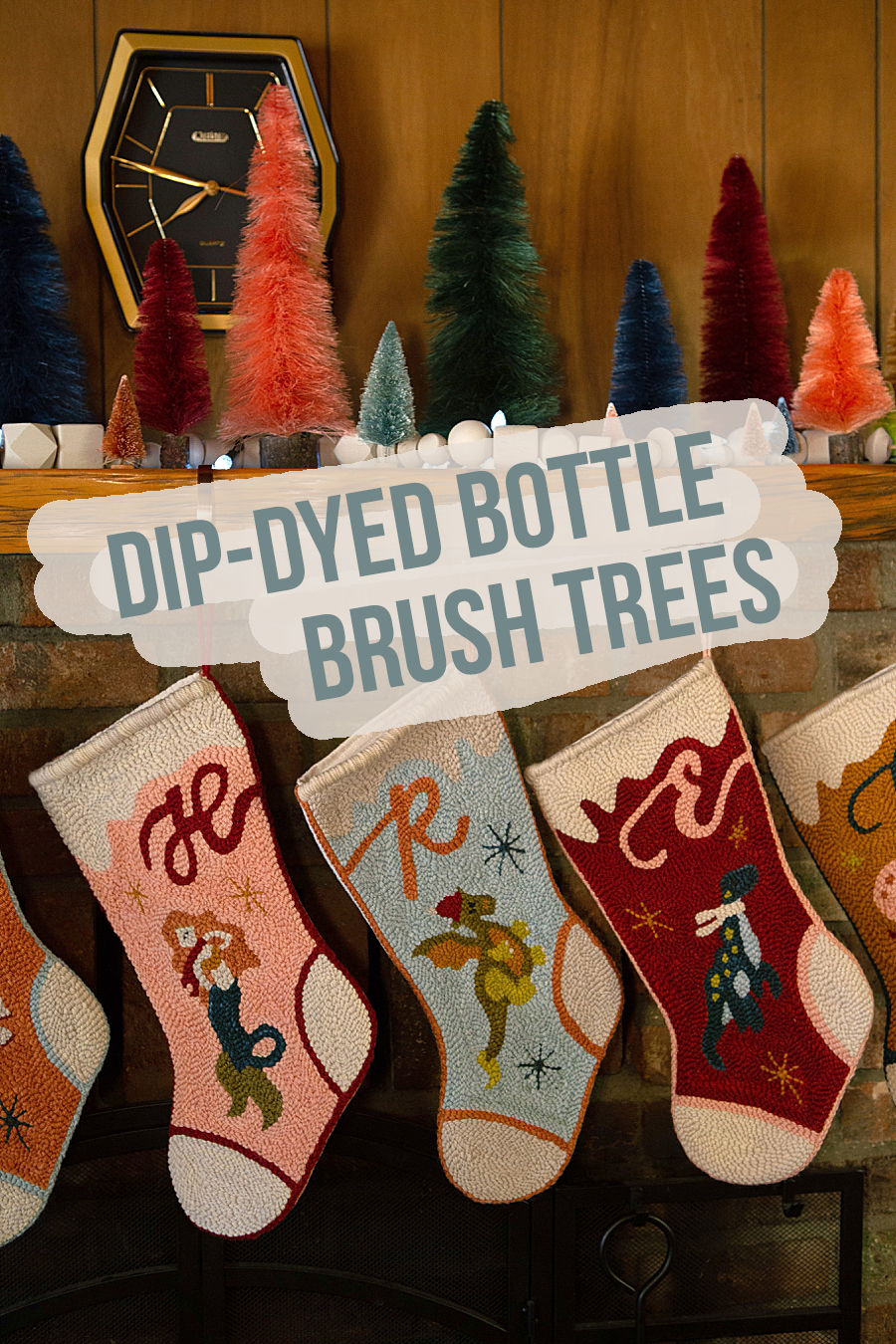
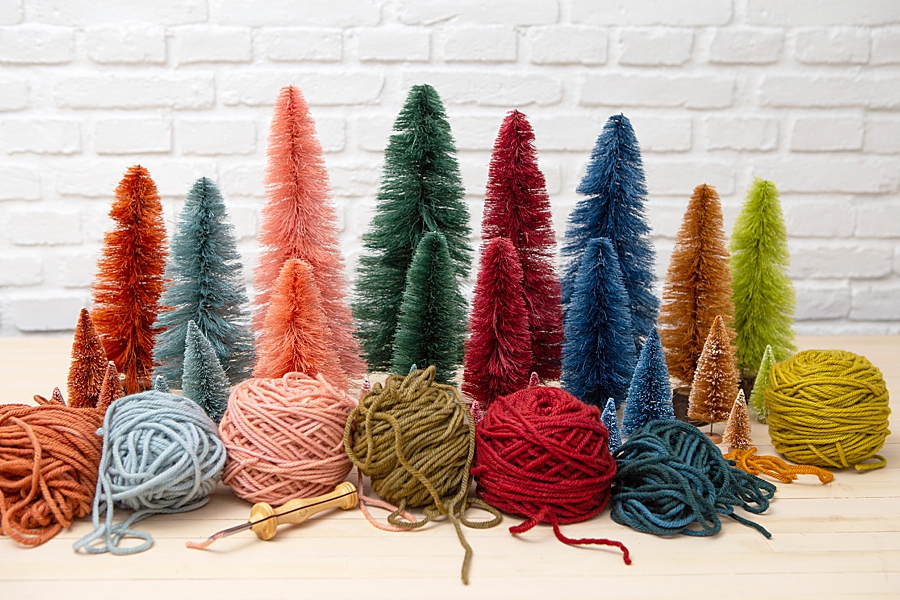
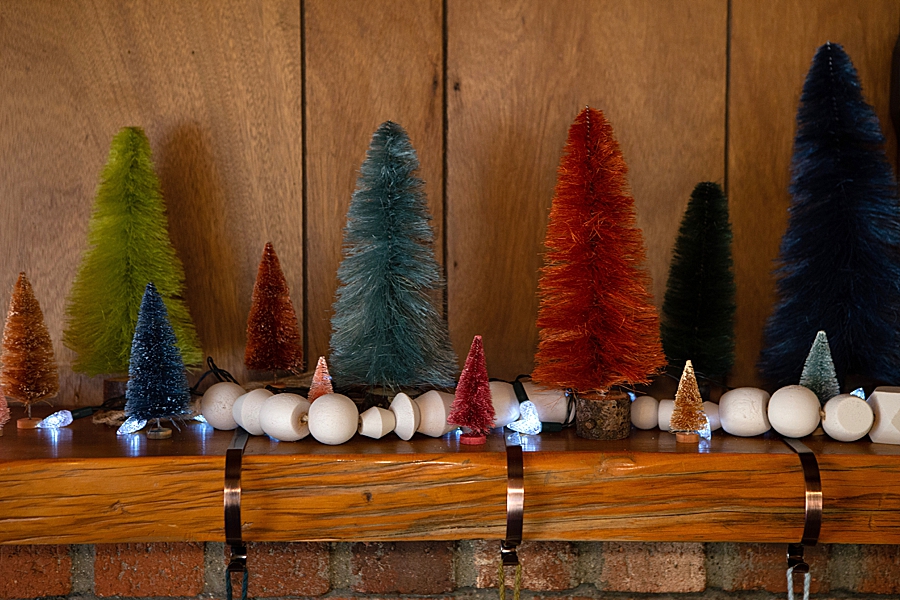
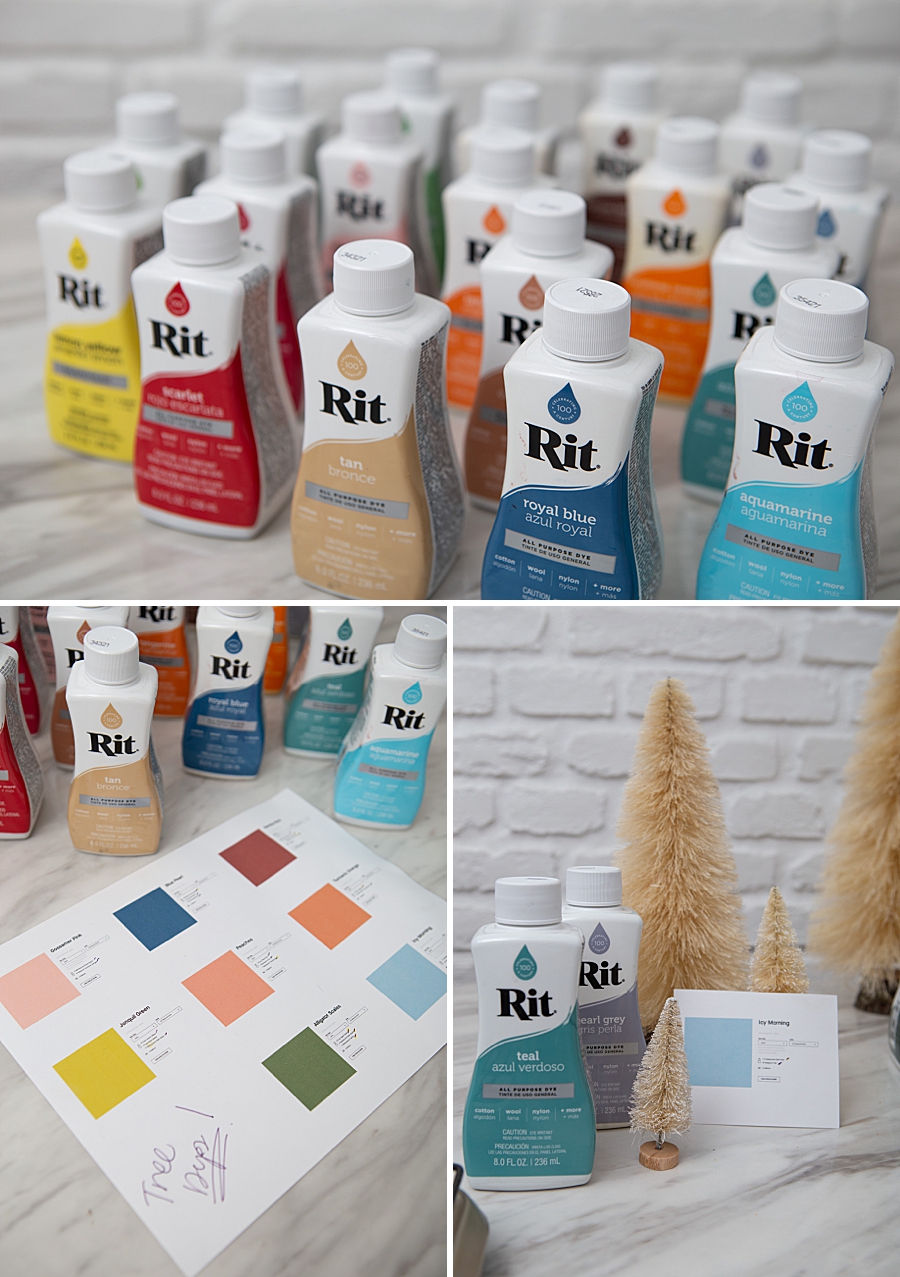
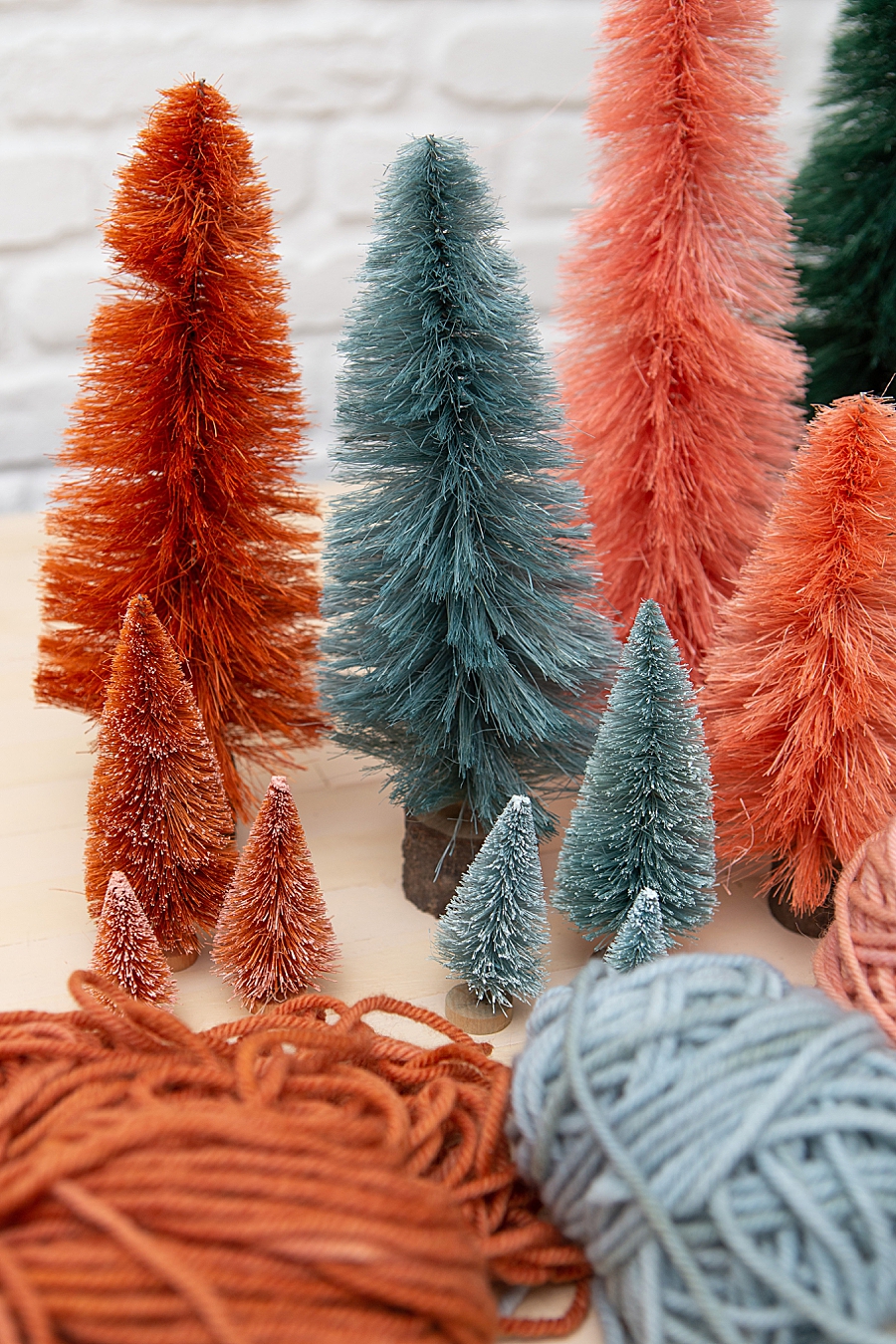
The process begins with the identification of a target color palette. In many high-end decor projects, the goal is to match seasonal accents to existing heirloom pieces, such as punch needle stockings. For instance, the use of Cardo by Manos del Uruguay yarn—a fair-trade, high-quality wool—often serves as the color benchmark. To bridge the gap between textile and decor, designers utilize the Rit Dye Color Formulas database, a digital tool that provides precise ratios for thousands of shades. This phase ensures that the final product will integrate seamlessly into a curated interior environment.
Phase II: Chemical Preparation of the Dye Bath
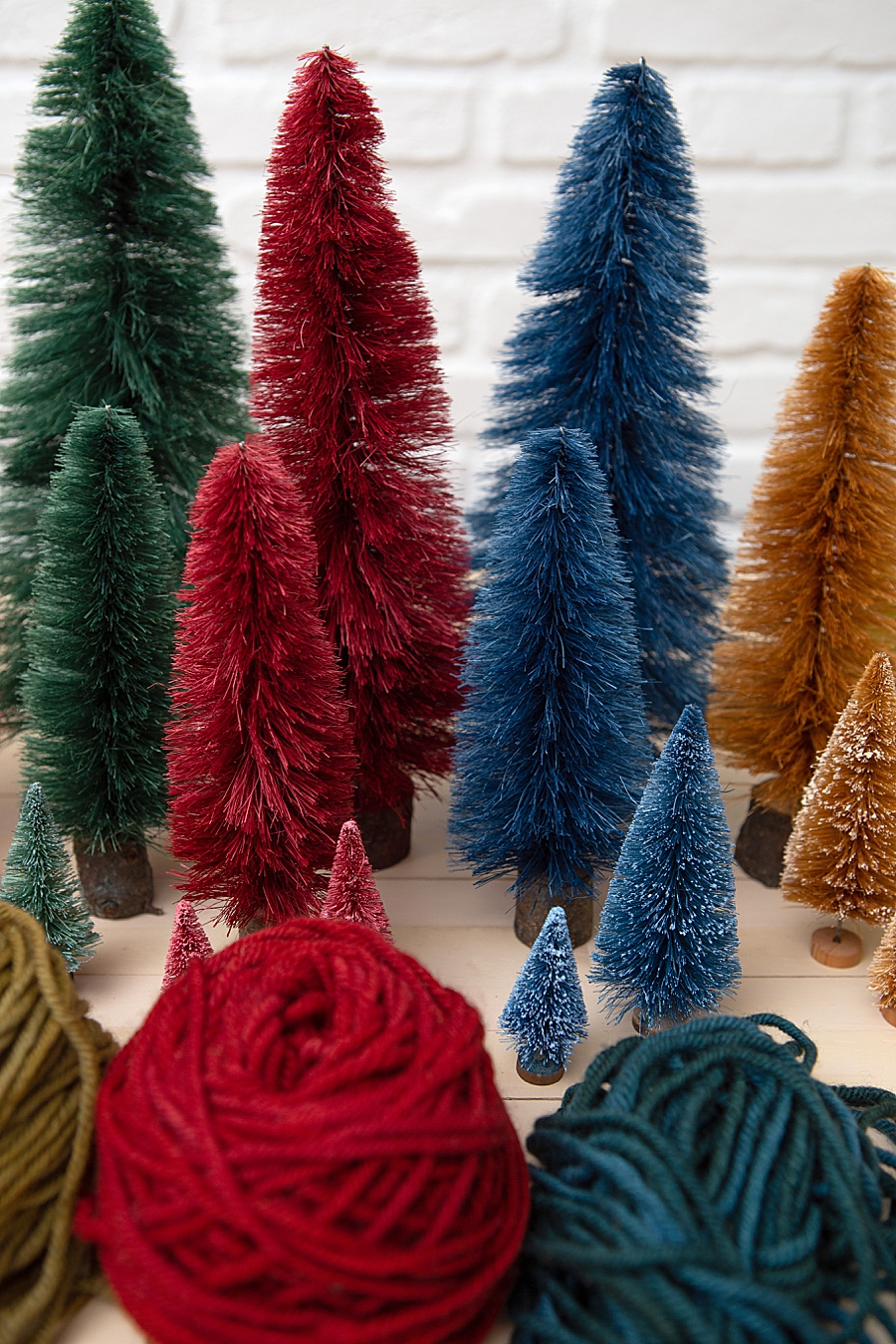
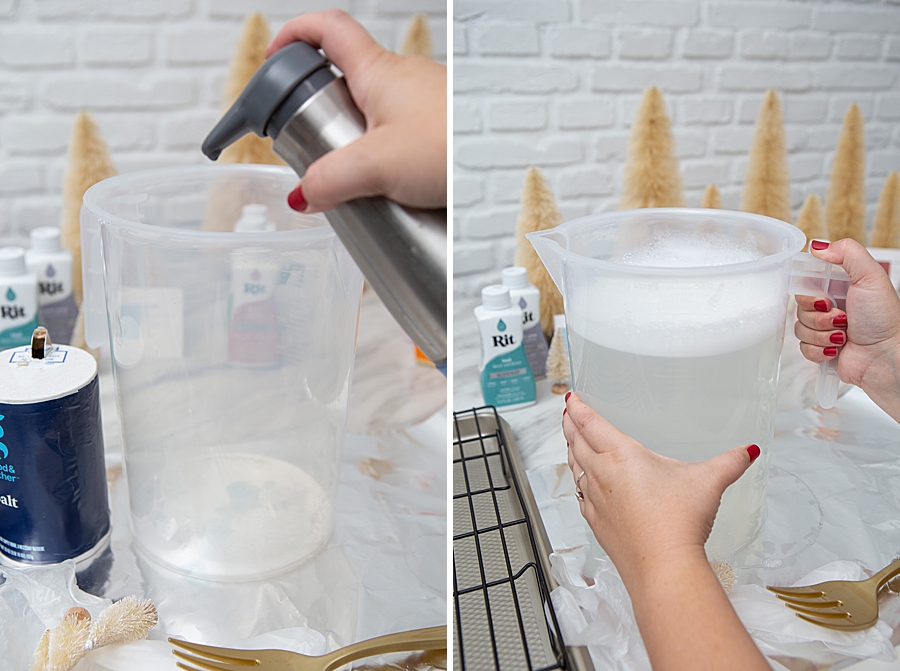
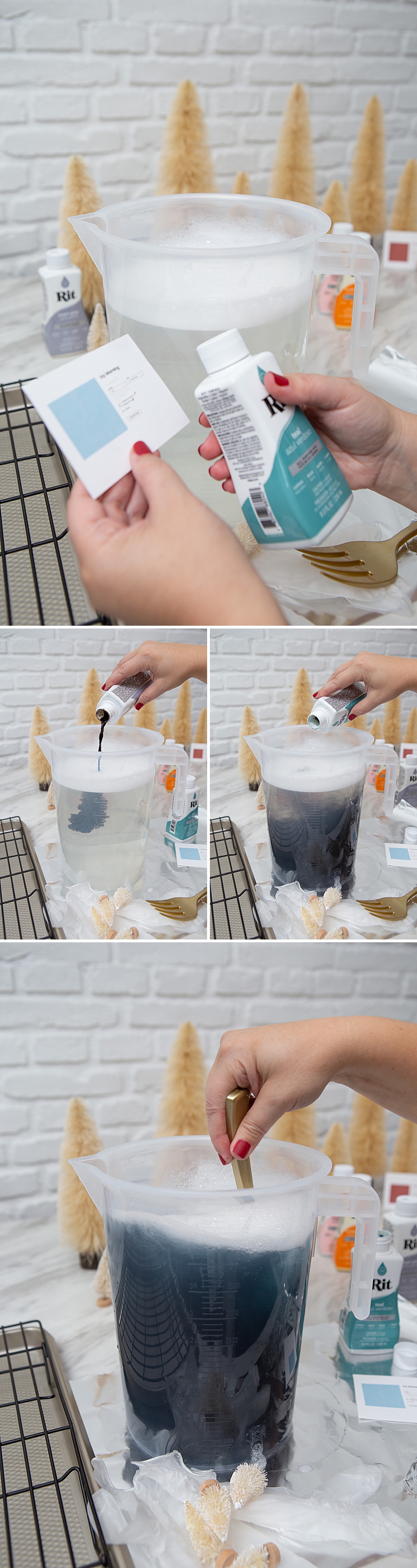
To achieve an even application of color on sisal fibers, the preparation of the water is paramount. The formula typically requires the following:
- High-Temperature Water: Utilizing the hottest available tap water (or near-boiling water) to open the fibers of the sisal.
- Surfactants: The addition of a small quantity of dish soap (approximately one tablespoon) serves as a surfactant, reducing the surface tension of the water and allowing the dye to penetrate the dense "needles" of the bottle brush tree.
- Mordants: The inclusion of salt (approximately one teaspoon) acts as a fixative, particularly when working with natural fibers, ensuring the dye bonds effectively and resists fading.
Phase III: The Dipping and Curing Sequence
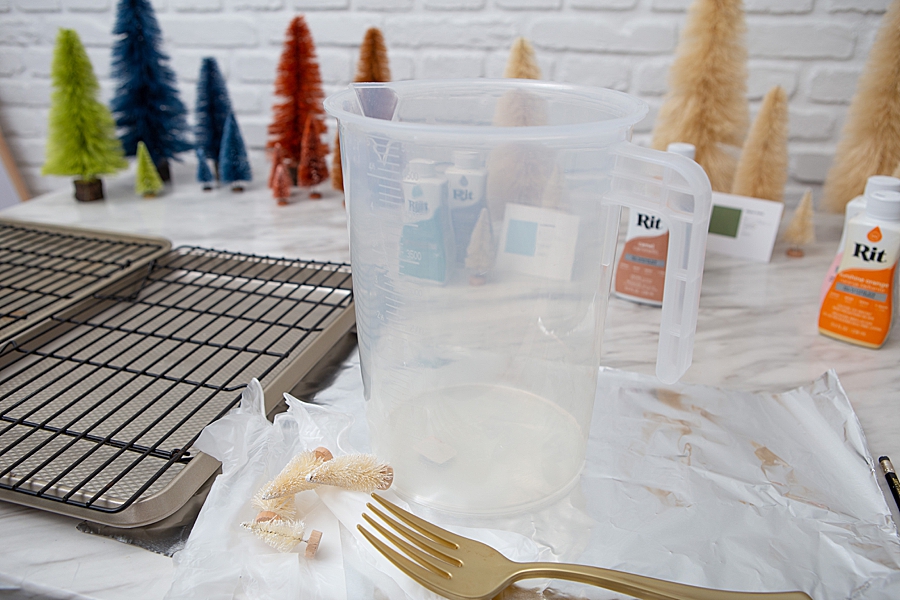
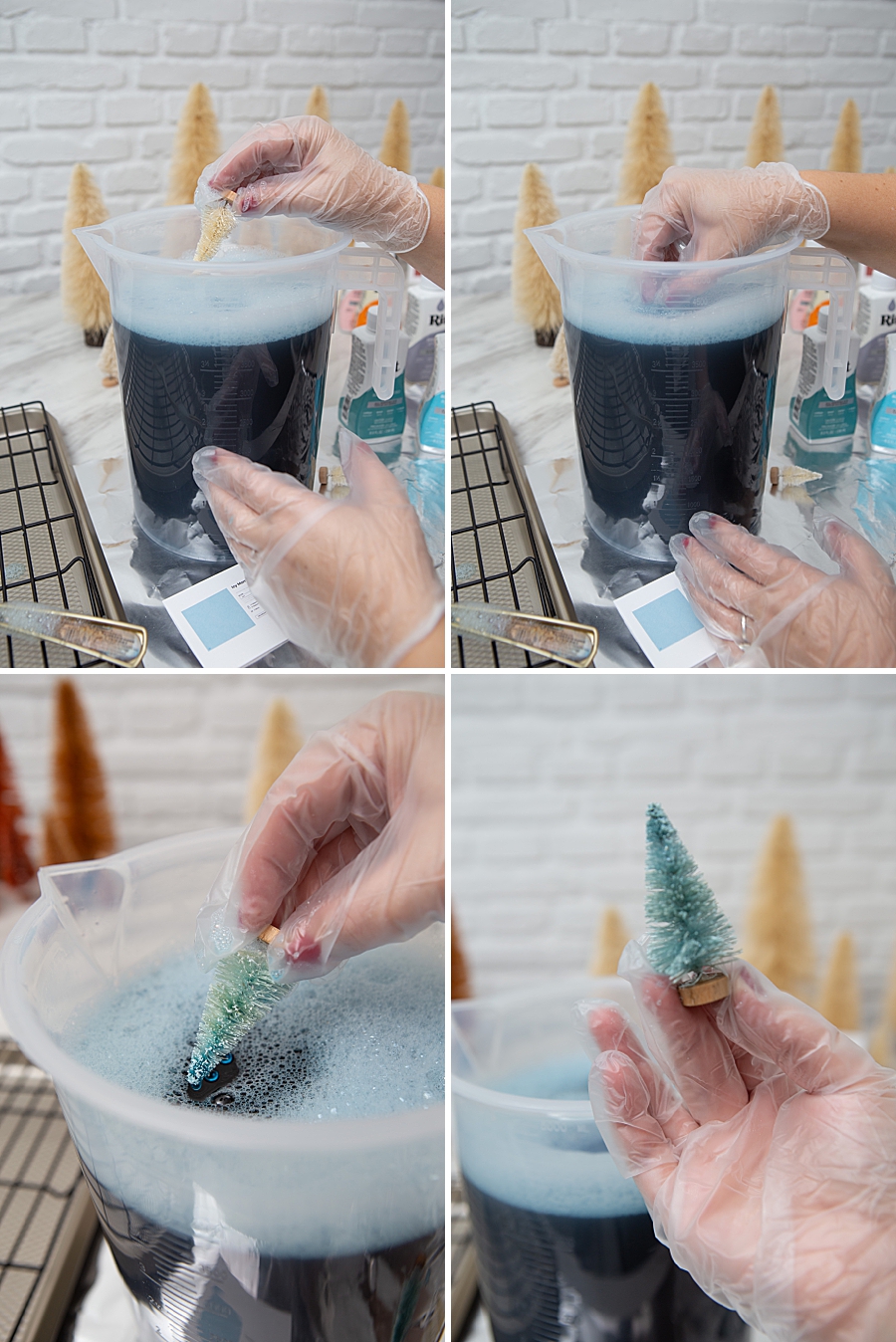
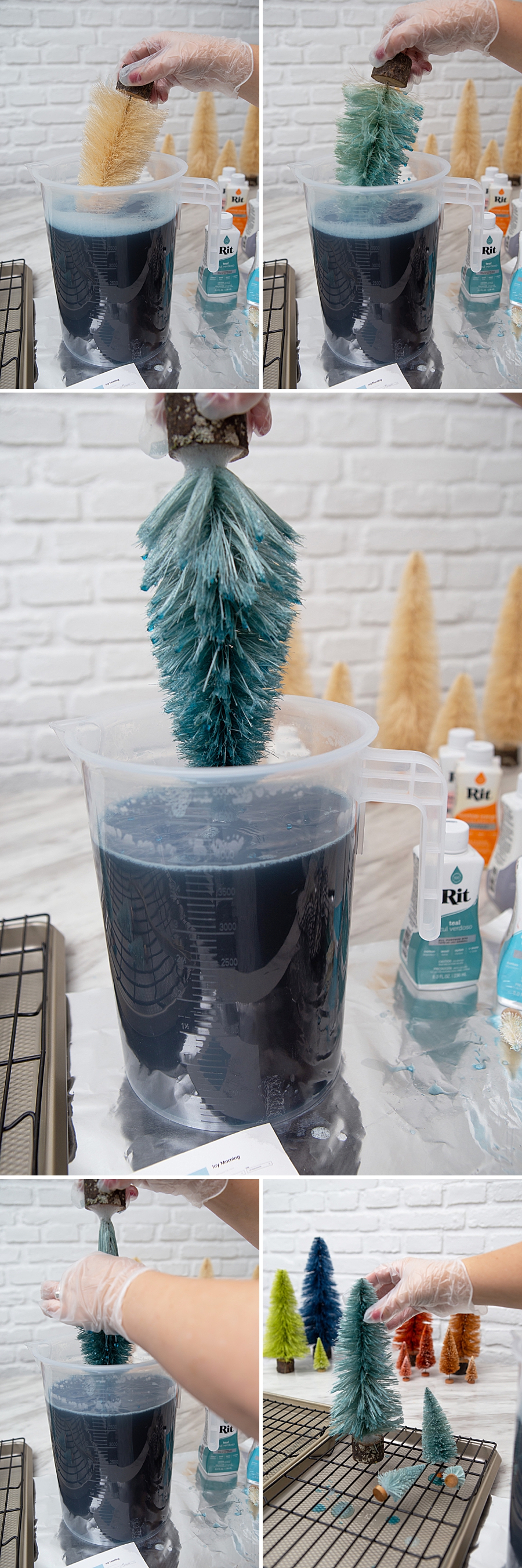
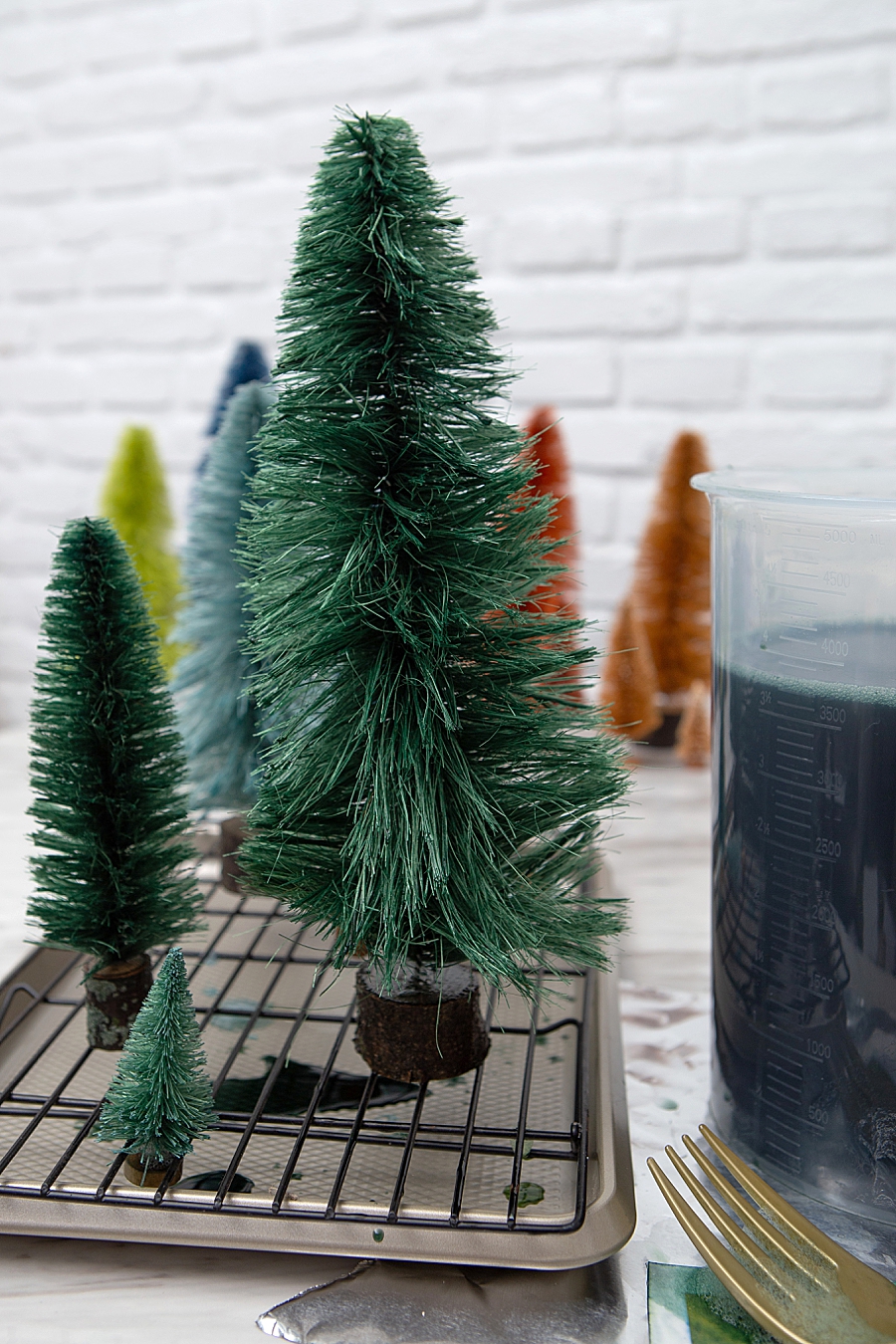
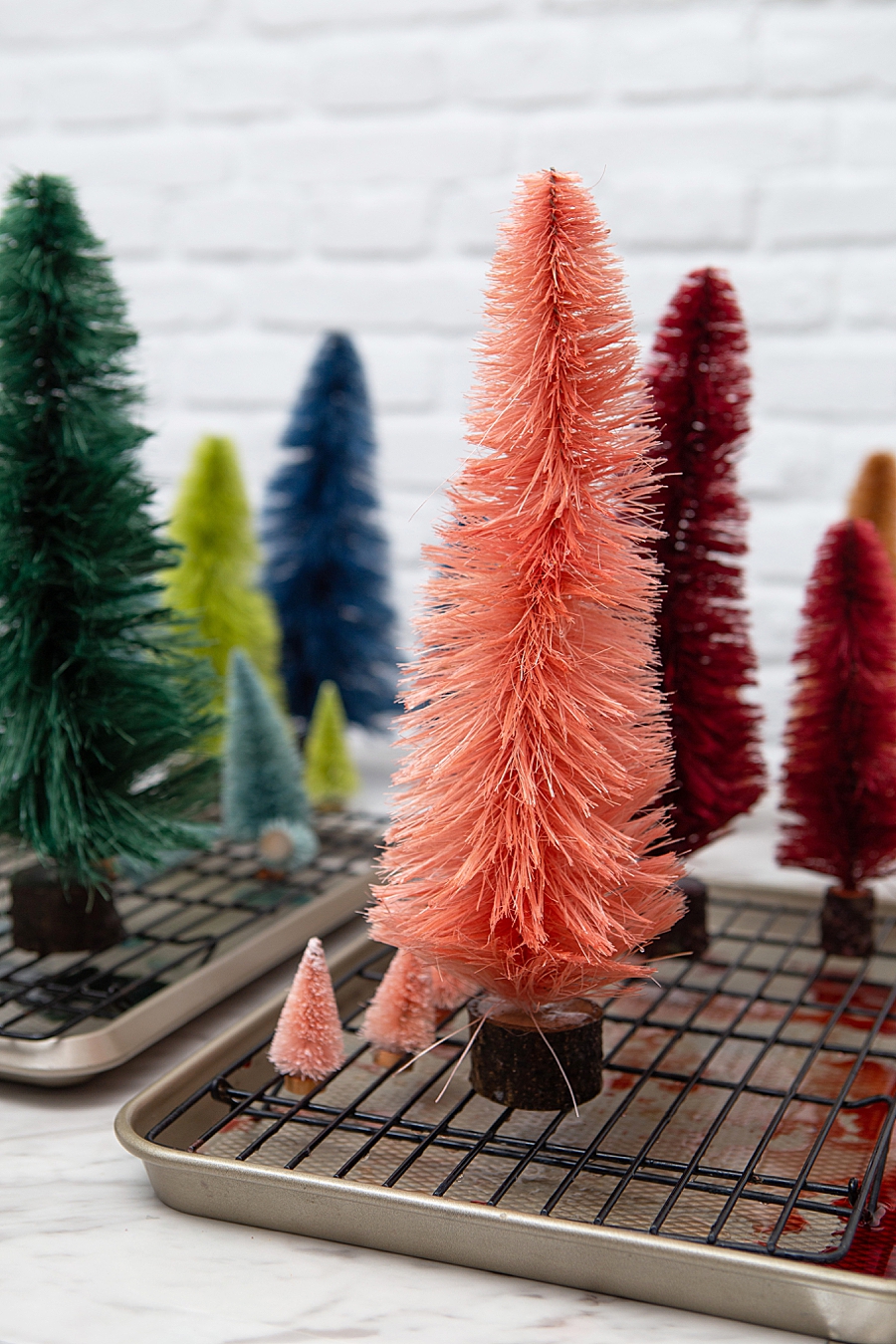
Once the dye mixture is prepared and adjusted to a one-gallon volume, the trees undergo a controlled immersion. Industry standards suggest a dip duration of approximately 45 seconds to one minute, depending on the desired saturation. Following immersion, excess moisture must be removed manually or through gravity to prevent "pooling" of color at the base of the tree. The final curing process requires the trees to dry on elevated racks for a minimum of 12 to 24 hours, ensuring the core of the tree is completely moisture-free before display.
Supporting Data and Market Context
The DIY and home decor industry has seen a substantial increase in valuation over the last five years. According to market research, the global "do-it-yourself" market is projected to reach over $1 trillion by 2027. This growth is driven by a demographic of "prosumers"—consumers who produce as well as consume—who are willing to invest more in raw materials to achieve a bespoke result.
The cost-benefit analysis of artisanal DIY projects reveals a preference for quality over quantity. While handmade sisal trees from domestic sources carry a higher price point than imported multipacks, the longevity and aesthetic versatility of the product are cited as primary motivators for the investment. Furthermore, the ability to reuse these items as "heirlooms" aligns with the growing sustainability movement, which seeks to reduce the environmental impact of "disposable" holiday decorations.
Industry Responses and Expert Insights
Artisans and small business owners have noted that the "personal touch" is becoming a commodity in itself. Rachel of Studio59 Handmade, an Etsy-based creator, has garnered significant attention for her manufacturing process, which involves traditional techniques to create trees that serve as a blank canvas for designers.
"The beauty of a natural sisal tree is its ability to take on a new identity through color," says one textile expert. "When you use a professional-grade dye like Rit, you aren’t just painting a surface; you are fundamentally changing the fiber. This is why we see such a high success rate with dip-dyeing in the hobbyist community. It allows for professional-level results with a relatively low barrier to entry."
Moreover, the integration of digital tools, such as Rit’s online formula library, has democratized high-end design. By providing consumers with the exact measurements needed to replicate sophisticated hues, the company has positioned itself as a bridge between industrial manufacturing and home-based craft.
Broader Impact and Implications for Holiday Retail
The trend of customizing holiday decor has broader implications for the retail sector. Large-scale retailers are beginning to notice the shift toward "component-based" shopping, where customers purchase raw materials to assemble their own displays rather than buying pre-finished goods. This has led to an increase in the availability of "unfinished" or "natural" holiday items in mainstream stores, though the quality often remains inferior to that of independent artisans.
Furthermore, the emphasis on domestic production addresses ongoing concerns regarding global supply chain stability. By sourcing components from US-based creators, consumers mitigate the risks of shipping delays and international logistics hurdles that have plagued the retail industry in recent years. This "hyper-local" sourcing model not only supports the domestic economy but also fosters a sense of community between the maker and the end-user.
From an environmental perspective, the shift toward dyeing high-quality, natural materials is a positive development. Sisal, derived from the Agave sisalana plant, is a biodegradable fiber. In contrast to the PVC (polyvinyl chloride) often used in mass-produced artificial trees, sisal offers a more eco-friendly alternative that does not contribute to long-term plastic waste. When paired with non-toxic dyes, these custom trees represent a more conscious approach to seasonal celebration.
Conclusion
The practice of dip-dyeing bottle brush trees to match specific artisanal textiles is more than a simple craft project; it is a micro-representation of a shifting economic landscape. As consumers continue to prioritize domestic craftsmanship, color precision, and sustainable materials, the market for high-quality DIY components is expected to expand. By combining the traditional manufacturing techniques of creators like Studio59 Handmade with the scientific precision of modern dye formulas, individuals are able to create sophisticated, heirloom-quality holiday environments that reflect personal values and professional design standards. This evolution in the holiday decor industry underscores a collective move toward intentionality, quality, and the celebration of the American maker.