Technical Foundations of Modern Holiday Baking
The development of the Christmas Wreath Cupcakes begins with a conceptual phase, often involving literal sketches and architectural planning before any ingredients are mixed. In the professional baking sphere, this "drawing board" phase is essential for ensuring that the final product maintains structural integrity while meeting aesthetic benchmarks. The designs are predicated on the use of buttercream, a versatile medium that provides the necessary tension for intricate piping. While various styles of frosting exist, American Buttercream is frequently cited as the preferred choice for such projects due to its crusting properties, which allow detailed textures—such as the serrated edges of a leaf or the fine needles of a pine sprig—to remain distinct after application.
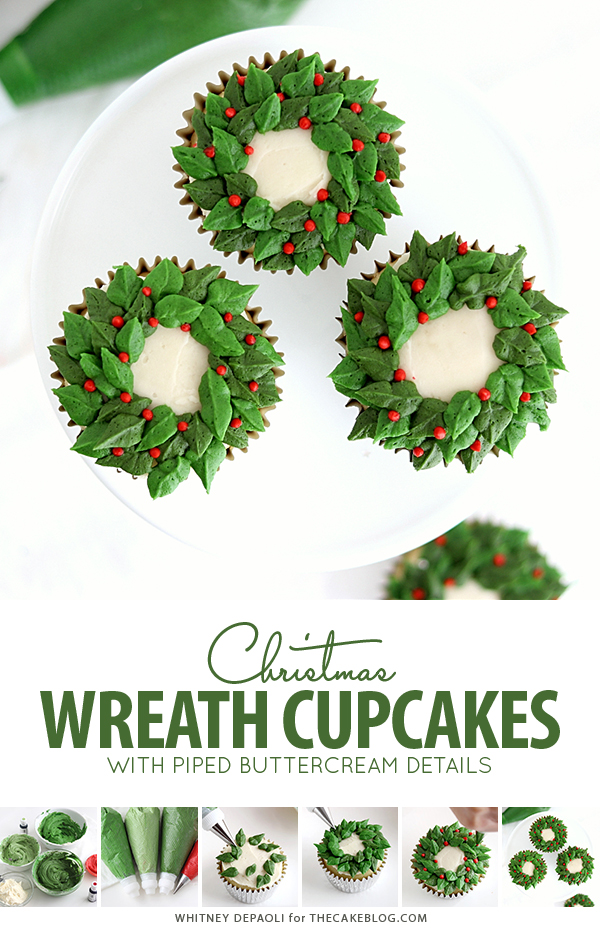
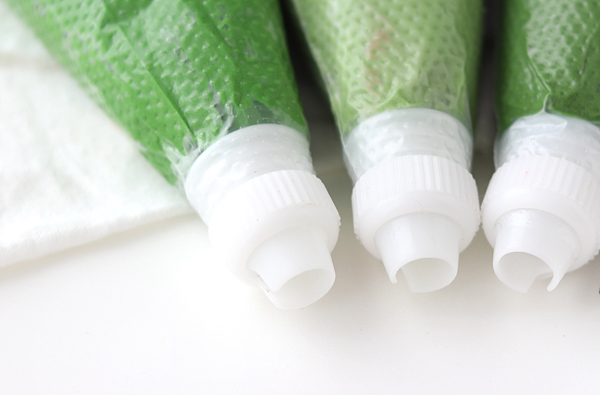
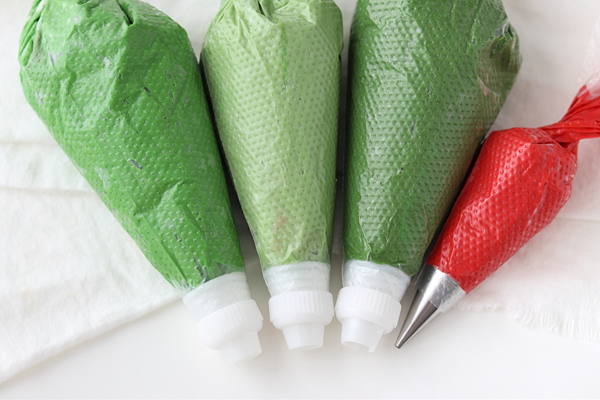
A critical component of the technical setup involves the use of piping couplers. In high-volume or multi-design baking, the coupler acts as a mechanical interface that allows the baker to switch piping tips without emptying the contents of the piping bag. This efficiency is paramount when working with a limited color palette across various textures. For the wreath assortment, the tutorial necessitates three distinct shades of green: a light, medium, and dark variant. By utilizing couplers, the baker can maintain three primary bags of colored frosting and rotate through leaf tips, round tips, and star tips as the specific design dictates. This methodology not only optimizes the workflow but also minimizes waste, aligning with modern sustainability practices within the culinary arts.
Chronology of the Wreath Design Process
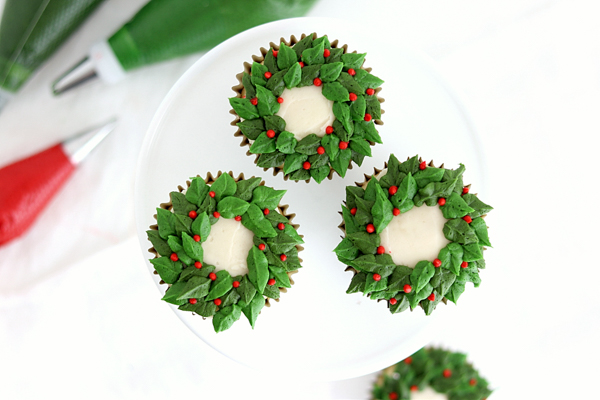
The execution of these festive cupcakes follows a rigorous chronological sequence designed to ensure consistency across the batch. The process is divided into four primary stages: preparation and coloring, base frosting, specialized piping, and final ornamentation.
Preparation and Pigmentation
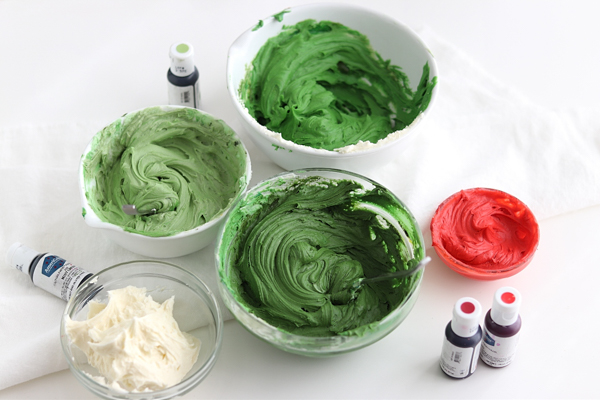
The initial phase requires the precise division of buttercream into specific quantities for color treatment. According to the technical specifications, approximately 1/3 cup of frosting is reserved in its natural, uncolored state for the base layer. A smaller portion, roughly 1/5 cup, is dyed a vibrant red—specifically using high-pigment gels such as Americolor Super Red—to create the berries and decorative accents. The remaining volume is distributed among three medium bowls to be tinted into the green spectrum. The use of gel-based colors over liquid dyes is a standard professional recommendation, as gels provide intense color saturation without altering the moisture content or stability of the buttercream.
Base Application
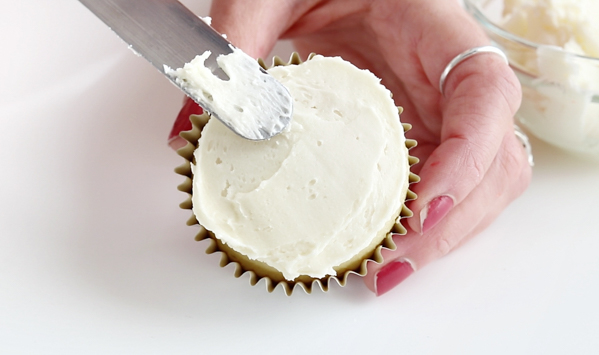
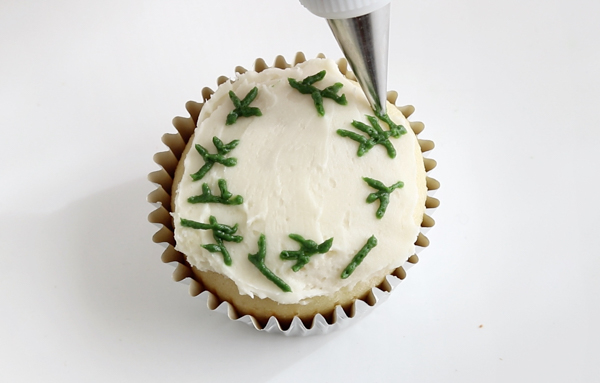
Each cupcake receives a "crumb coat" or a thin, even layer of white buttercream applied with a small icing spatula. This serves as a neutral canvas, ensuring that the dark green pigments do not bleed into the cake base and providing a smooth surface for the piped elements to adhere to. This step is foundational for the "wreath" illusion, as the white center of the cupcake mimics the void in the middle of a traditional door wreath.
Design One: The Berry Wreath
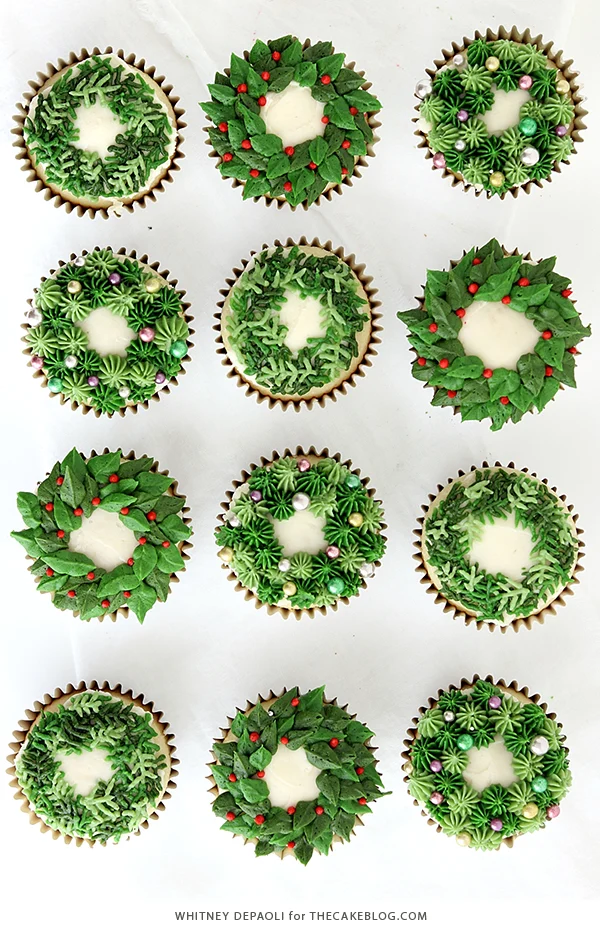
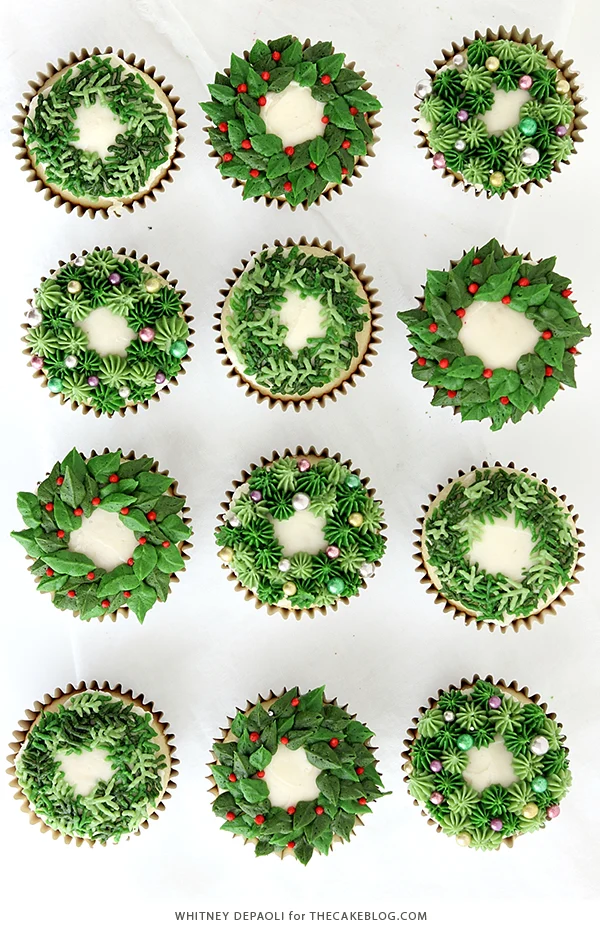
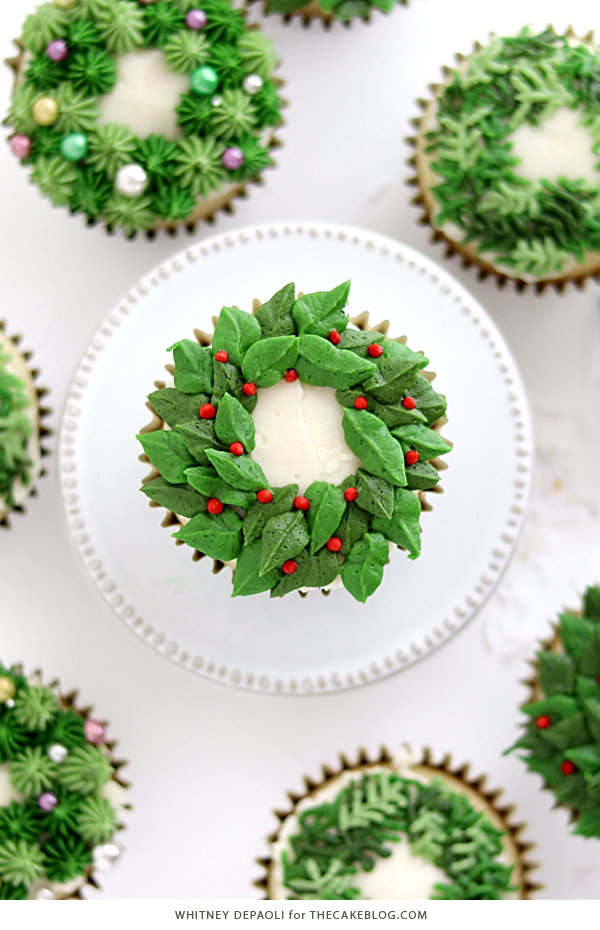
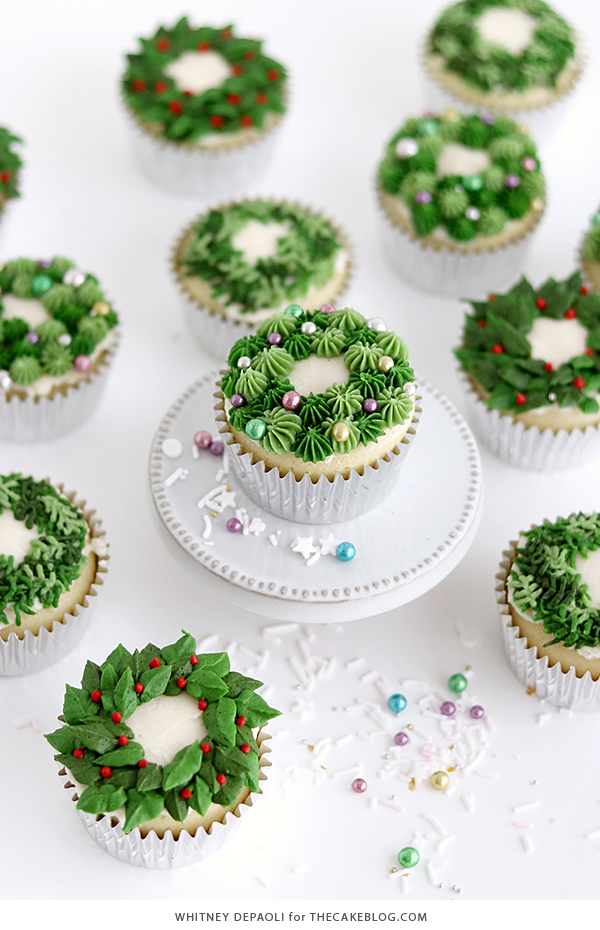
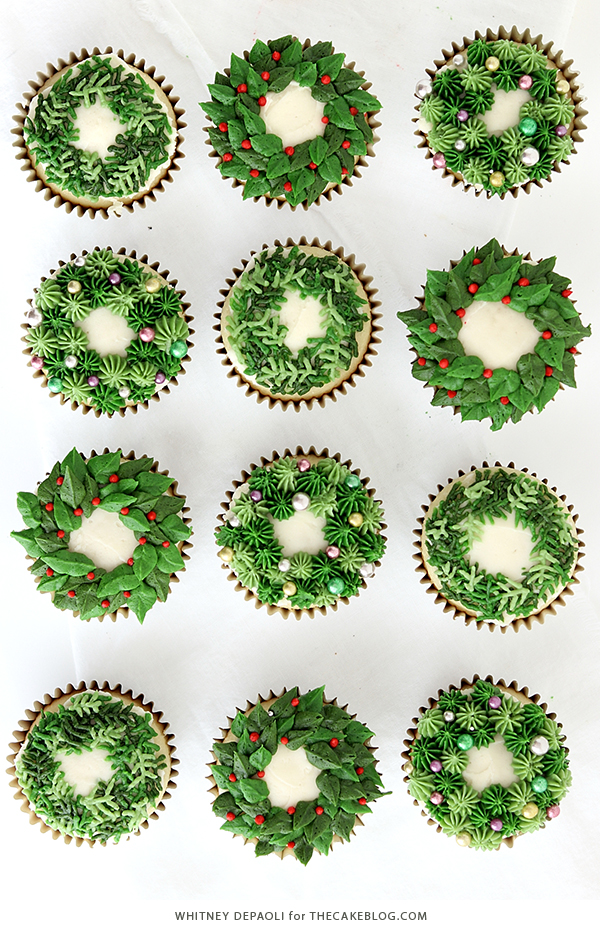
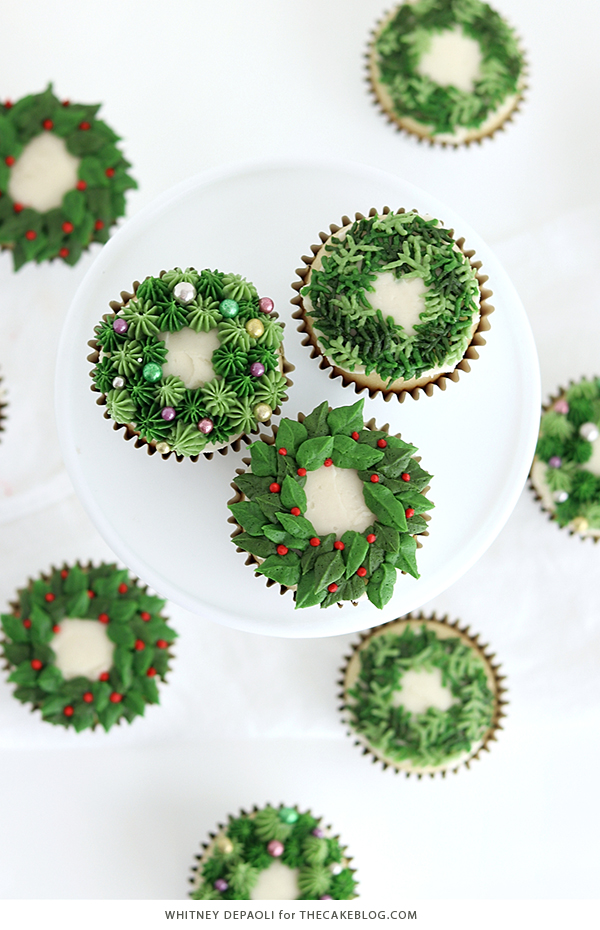
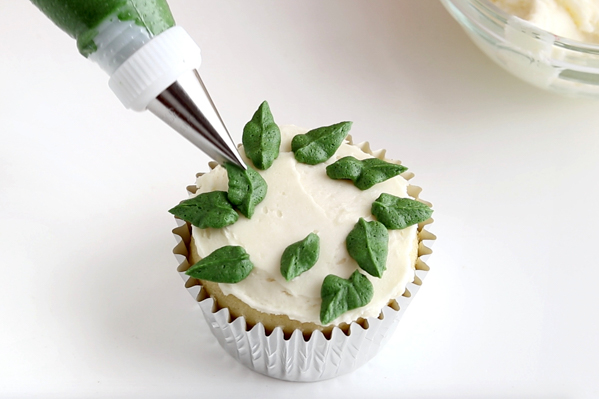
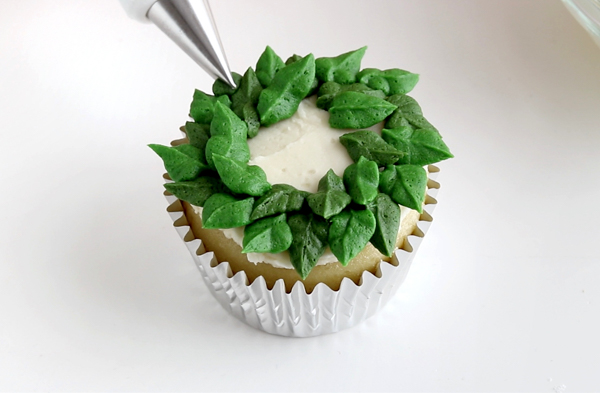
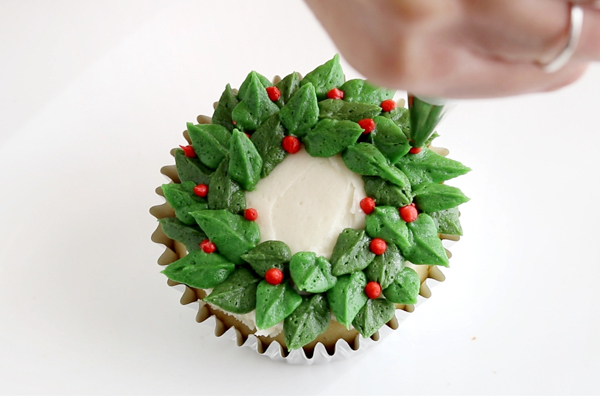
The Berry Wreath utilizes the #352 leaf tip, a tool characterized by its "v-shaped" or beak-like aperture. The technique involves holding the bag parallel to the cupcake surface and applying steady pressure while pulling the tip away to create individual leaf shapes. By alternating between medium and dark green shades and leaving strategic gaps, the baker creates a multi-tonal, organic appearance. The design is finalized with the application of red buttercream "berries" using a #3 round tip, placed in clusters to mimic holly.
Design Two: The Pine Sprig Wreath
The Pine Sprig Wreath is the most labor-intensive of the three, requiring a #3 round tip for all green shades. The process involves piping a central "stem" line followed by a series of overlapping "v" shapes to simulate the needle-like texture of coniferous branches. This design relies heavily on the layering of light, medium, and dark greens to create depth and shadow, effectively transforming a flat surface into a three-dimensional representation of holiday greenery.
Design Three: The Sprinkled Wreath
The final design in the trio, the Sprinkled Wreath, employs the #199 open star tip. This technique produces "drop stars"—small, textured dollops that, when clustered together, create a dense, bushy texture reminiscent of a tinsel-wrapped or heavily decorated evergreen wreath. This design is concluded with the application of spherical sprinkles, such as the "Serendipity" mix from Fancy Sprinkles, which serve as miniature ornaments.
Market Context and Consumer Trends
The release of specialized holiday baking tutorials reflects broader economic trends within the global confectionery market. Data from the American Bakers Association indicates that the fourth quarter of the year consistently sees the highest consumer spending on baking supplies, with a notable shift toward "do-it-yourself" (DIY) luxury goods. As consumers increasingly prioritize personalized and "Instagrammable" food items, the demand for professional-grade techniques that can be replicated at home has skyrocketed.
Furthermore, the "miniature" food trend continues to dominate the dessert landscape. Cupcakes, by their nature, provide a controlled portion size that appeals to modern health-conscious consumers while allowing for a high degree of decorative complexity. The Christmas Wreath Cupcake project taps into this trend by offering a "variety pack" aesthetic, where the visual interest is generated by the collection of different textures rather than a single, large-scale centerpiece.
Industry Implications and Professional Standards
The methodologies outlined by DePaoli underscore the importance of precision in the culinary industry. For professional pastry chefs, the ability to produce uniform yet varied designs is a key differentiator in a competitive market. The use of specific tools—such as the Americolor Forest Green and Avocado gels—highlights the industry’s reliance on specialized chemical formulations to achieve consistent branding and visual appeal.
From a pedagogical perspective, the tutorial emphasizes the "drawing board" approach, which is a staple of professional design thinking. By encouraging bakers to sketch their ideas before execution, the tutorial promotes a higher level of intentionality in food design. This shift from "impulse baking" to "architectural baking" is a hallmark of the modern era of pastry arts, where the aesthetic value of the product is often considered equal to its flavor profile.
Broader Impact on the Baking Community
The dissemination of these techniques through digital platforms has a democratizing effect on the culinary world. High-level piping skills, once reserved for those with formal culinary school training, are now accessible to a global audience of hobbyists. This has led to a "leveling up" of the home-baking industry, where the lines between amateur and professional work are increasingly blurred.
Social media metrics suggest that holiday-themed tutorials have a significant "ripple effect" on the supply chain. When a tutorial featuring specific piping tips (like the #352 or #199) goes viral, retail outlets often see a corresponding spike in the sale of those specific items. This interconnectedness between content creation and retail commerce is a defining characteristic of the 21st-century baking economy.
Conclusion and Final Observations
Christmas Wreath Cupcakes are more than a seasonal treat; they are a testament to the evolving nature of food as a medium for artistic expression. By combining traditional symbols of the holiday season with rigorous technical standards, Whitney DePaoli and TheCakeBlog provide a blueprint for excellence in festive baking. The project serves as a reminder that with the right tools—specifically high-quality buttercream, professional piping tips, and a structured methodology—the boundary between the professional kitchen and the home kitchen continues to dissolve. As the holiday season approaches, these designs offer a versatile and sophisticated option for those looking to elevate their culinary contributions to the festive table, ensuring that the spirit of the season is captured in every piped leaf and buttercream berry.