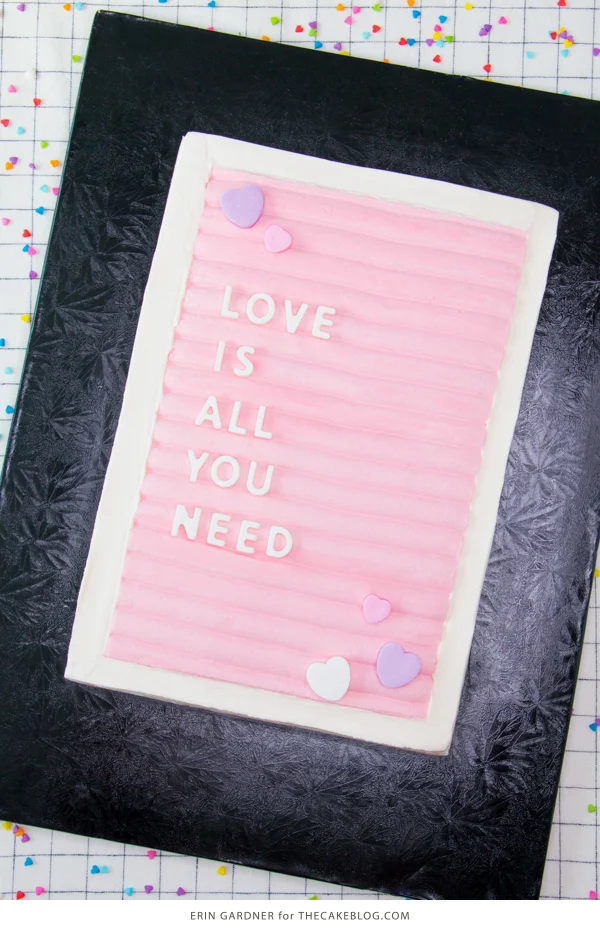
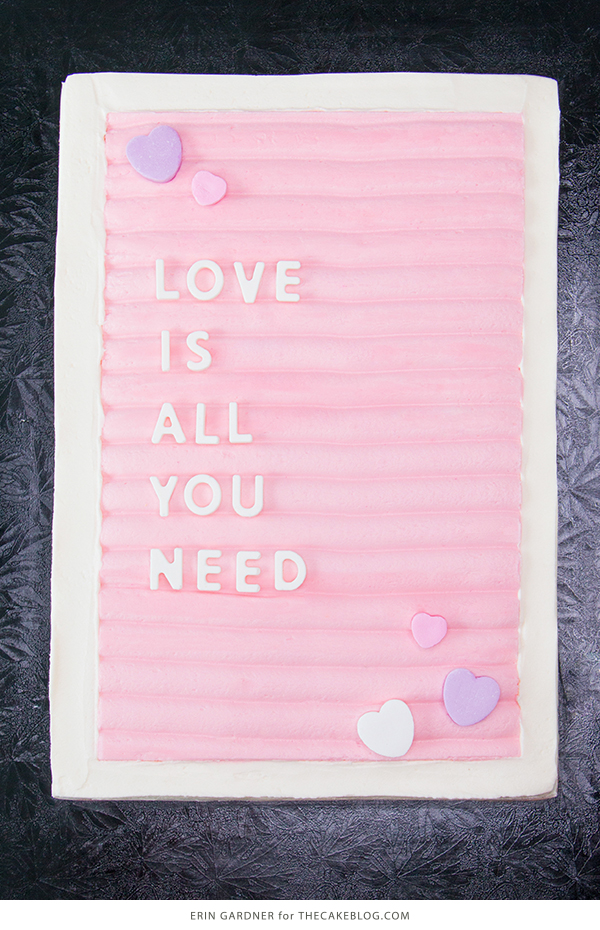
The Message Board Sheet Cake represents a significant intersection between contemporary home decor trends and modern confectionery arts, offering a customizable platform for celebrations ranging from Valentine’s Day to corporate milestones. Developed by culinary contributor Erin Gardner, this design utilizes specific texturing techniques to replicate the aesthetic of a classic felt letter board, a staple of modern interior design. By adapting professional-grade textures to the accessible format of a sheet cake, the tutorial provides a scalable solution for both amateur bakers and professional pastry chefs seeking to modernize traditional dessert formats.
The Evolution of the Customizable Dessert Aesthetic
The rise of the "message board" cake coincides with a broader cultural shift toward personalized, "Instagrammable" food items. Historically, sheet cakes were viewed as a pragmatic choice for large gatherings, often prioritizing volume over intricate design. However, the integration of letter board aesthetics reflects a movement in the 2020s toward minimalist, high-contrast, and text-heavy designs. According to market research in the specialty food sector, consumer demand for personalized cakes has increased by approximately 20% over the last five years, driven largely by social media platforms that reward visual clarity and clever messaging.
The letter board itself—a mid-century tool originally used for menus and directories—saw a resurgence in the 2010s as a home decor item. Its transition into the medium of buttercream and chocolate is a logical progression of the "lifestyle baking" trend, where domestic objects are reimagined as edible centerpieces. Gardner’s approach democratizes this high-end look by offering multiple methodologies, ensuring that the final product is achievable regardless of the baker’s access to specialized equipment.
Technical Specifications and Procedural Chronology
The construction of the Message Board Sheet Cake follows a rigorous technical sequence designed to ensure structural integrity and visual precision. The process is divided into three distinct phases: the preparation of the textured base, the creation of the typographic elements, and the final assembly.
Phase I: Creating the Textured Foundation
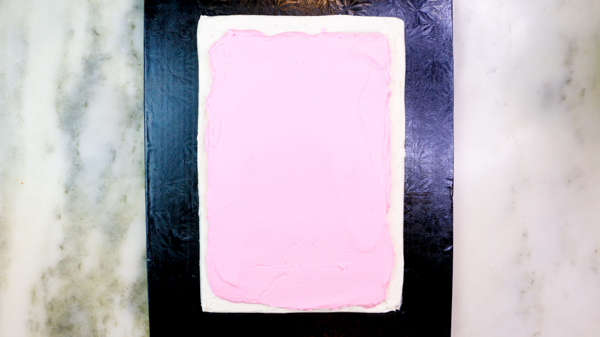
The aesthetic core of the design is the ridged "felt" surface. This is achieved through the application of a thick layer of tinted buttercream. Journalistic observation of the technique reveals that the levelness of the initial application is paramount; any slope in the frosting will result in uneven lines when the texturing tool is applied.
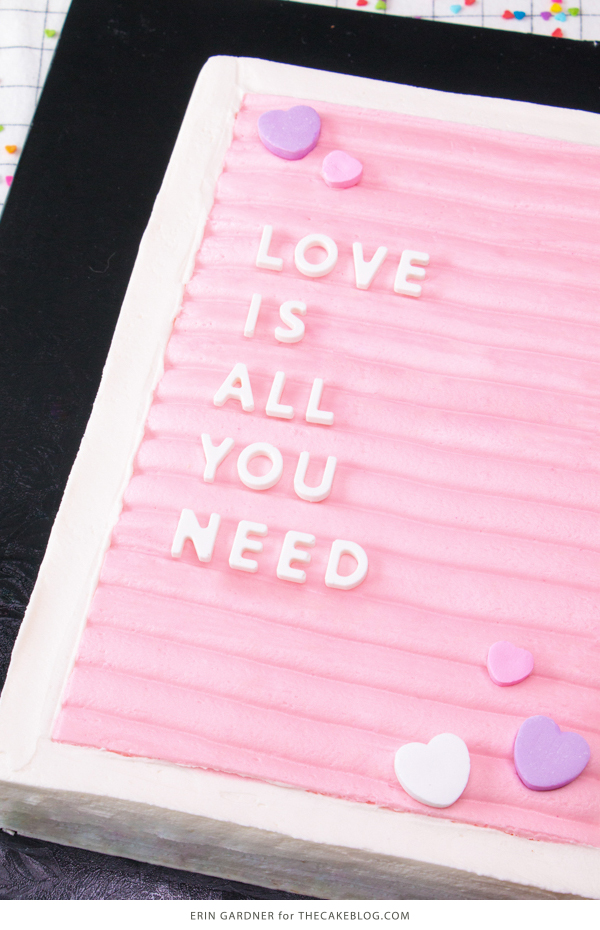
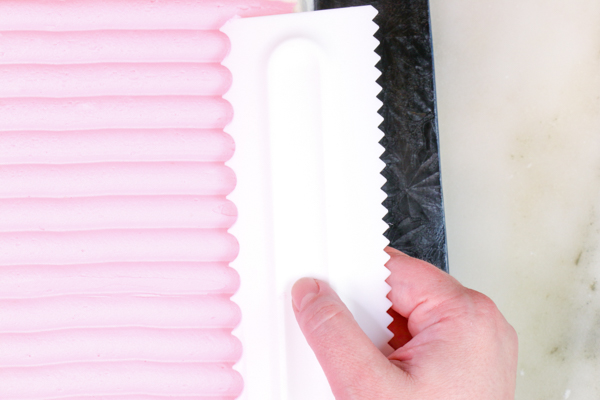
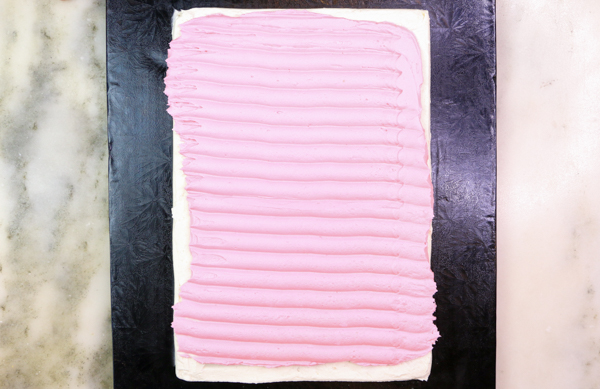
A scalloped cake comb is the primary instrument for this phase. By dragging the comb through the chilled buttercream, the baker creates parallel horizontal grooves that mimic the slats of a plastic letter board. For practitioners without a scalloped comb, an alternative method involves the use of a piping bag fitted with a large round tip. This secondary method, while more resource-intensive—requiring approximately double the volume of buttercream—allows for a similar ridged effect through individual piped lines.
Phase II: Border Construction and Framing
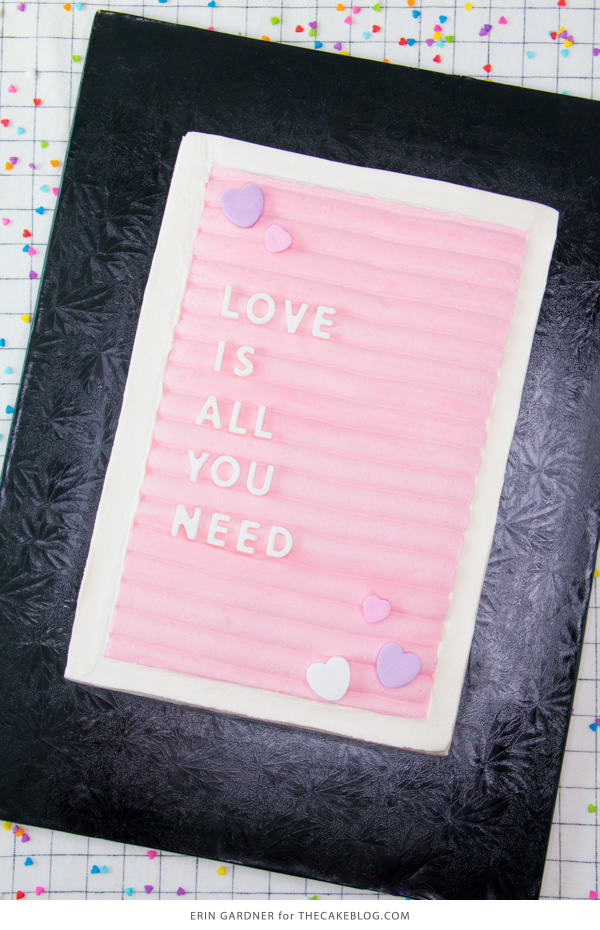
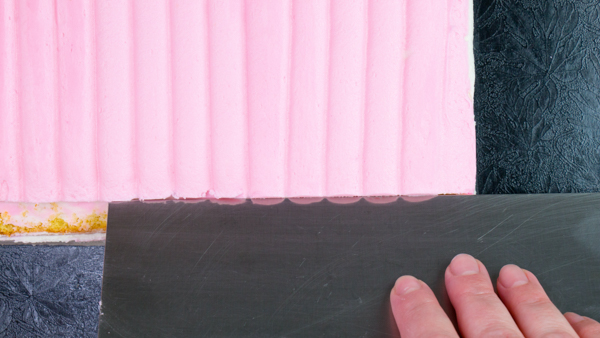
Following the texturing, the cake undergoes a "clearing" process. Using a bench scraper dipped in warm water, the baker removes approximately one inch of frosting from the perimeter of the cake. This creates a recessed area for the "frame." The frame is then reconstructed using plain buttercream and a basketweave tip. The orientation of the tip is critical: the smooth side must face upward to create a flat, professional border that contrasts with the textured interior.
Phase III: Typographic Production
The "letters" of the message board are produced using white chocolate or compound coatings. This phase highlights the versatility of the design. High-precision results are achieved using silicone letter molds, which are filled with melted chocolate, tapped to remove air bubbles, and chilled. In the absence of molds, the tutorial suggests a "trace and pipe" method. This involves printing the desired message on paper, overlaying it with parchment, and piping the chocolate directly over the letters. This method requires a higher degree of manual dexterity but offers unlimited font customization.
Materials Science and Ingredient Analysis
The success of the Message Board Sheet Cake relies heavily on the physical properties of the mediums used. Buttercream serves as the structural base, requiring a specific ratio of fats to sugar to ensure it remains pliable enough for combing but firm enough to hold a sharp edge once chilled.
- Buttercream Stability: The use of a crusting buttercream or a high-ratio shortening blend is often recommended for designs involving heavy texturing. This prevents the "slats" of the message board from collapsing under room temperature conditions.
- Chocolate Tempering: When creating the letters, the choice between tempered couverture chocolate and compound coating (candy melts) is significant. Compound coatings are often preferred for this specific application due to their higher melting point and ease of release from silicone molds, which reduces the risk of breakage during the "un-molding" phase.
- Color Theory: The tutorial suggests a pink-and-white palette, but industry analysts note that the design’s strength lies in its adaptability. High-contrast combinations—such as black buttercream with white letters—more accurately replicate the traditional felt board, while pastel tones are frequently utilized for bridal and baby showers.
Economic Impact and Market Trends in DIY Baking
The Message Board Sheet Cake is a symptom of a larger economic trend within the $13 billion global bakery market. As the cost of professional custom cakes continues to rise due to labor and ingredient inflation, there has been a documented surge in the "prosumer" market—hobbyists who invest in professional-grade tools to achieve high-end results at home.
The "sheet cake" format specifically has seen a revival as a cost-effective alternative to multi-tiered cakes. By focusing on surface-level design rather than structural height, bakers can reduce production time while maintaining a high aesthetic standard. Retailers have responded to this trend by increasing the availability of specialized tools, such as the scalloped combs and letter molds mentioned in Gardner’s tutorial. Sales data from major craft and kitchenware retailers indicate a 15% year-over-year increase in the sale of silicone molds and texturing scrapers, suggesting that the barrier to entry for complex cake decorating is lowering.
Industry Reactions and Expert Perspectives
Professional cake decorators have noted that the Message Board Sheet Cake addresses a common challenge in the industry: the need for rapid customization. "The ability to change a message in real-time by simply swapping out chocolate letters is a game-changer for high-volume bakeries," says one industry consultant. "It moves away from the permanency of traditional piping, which is difficult to correct if a mistake is made."
Furthermore, the design is praised for its "minimalist complexity." While the final product looks intricate, the procedural steps are rooted in basic geometry and steady-hand techniques. This makes it an ideal teaching tool for culinary instructors looking to introduce students to the concepts of negative space and texture contrast.
Broader Implications for Event Planning
The versatility of the message board design has implications for the event planning industry. Because the cake functions as a literal sign, it eliminates the need for separate signage at small events. It serves a dual purpose as both a dessert and a communication tool.
- Gender Reveals: The board can pose the question "He or She?" with the answer revealed in the cake’s interior sponge color.
- Corporate Branding: Companies can utilize the board to display slogans or hashtags, making the dessert a functional part of a marketing activation.
- Social Milestones: For anniversaries or "retirement" parties, the board provides a sophisticated way to display dates and names without the perceived "clutter" of traditional floral decorations.
Conclusion: The Future of Interactive Confectionery
As the Message Board Sheet Cake continues to circulate through digital baking communities, it sets a precedent for interactive and adaptable food design. The emphasis on "many paths to the destination"—whether using professional combs or basic piping bags—reflects a modern shift toward inclusive craftsmanship.
The longevity of this trend will likely be sustained by its inherent flexibility. As long as there is a need for personalized communication at gatherings, the marriage of typography and pastry will remain a dominant force in the industry. Erin Gardner’s contribution to this field provides a clear, technical roadmap for translating a popular interior design element into a functional, edible format, ensuring that the humble sheet cake remains a relevant and stylish centerpiece in the modern era.