Hazelnut Nutcracker Cake serves as a sophisticated culinary homage to the enduring traditions of the holiday season, merging classic spice profiles with contemporary pastry techniques. Developed by renowned cake designer and cookbook author Tessa Huff for the industry-leading publication The Cake Blog, this dessert represents a calculated intersection of nostalgia and high-end confectionery art. The recipe arrives as part of a broader seasonal trend where home bakers and professional pastry chefs alike seek to translate performing arts—specifically Pyotr Ilyich Tchaikovsky’s "The Nutcracker"—into edible formats. By utilizing a foundation of brown sugar and fresh nutmeg, the cake moves away from the traditional fruitcake or heavy chocolate profiles often associated with December, offering instead a nuanced, nutty alternative that aligns with modern palate preferences.

Conceptual Foundation and Cultural Context
The Nutcracker ballet, which saw its premiere at the Imperial Mariinsky Theatre in Saint Petersburg on December 18, 1892, has evolved into a cornerstone of Western holiday culture. Its second act, set in the "Land of Sweets," has historically provided a rich tapestry for culinary inspiration. While the "Dance of the Sugar Plum Fairy" remains the most recognizable segment of the production, Huff’s Hazelnut Nutcracker Cake pivots toward the broader atmospheric elements of the ballet.
The decision to focus on hazelnuts and warm spices rather than the literal interpretation of plums reflects a strategic choice in seasonal availability and flavor balance. In the Northern Hemisphere, roasted hazelnuts and ground nutmeg are synonymous with late-quarter festivities. Industry data suggests that demand for tree nuts, particularly hazelnuts, spikes by approximately 35% during the fourth quarter, driven by their use in traditional European and North American holiday baking. By centering the cake on these ingredients, the recipe taps into a deep-seated sensory association with the winter months.
Technical Composition and Ingredients
The Hazelnut Nutcracker Cake is a multi-component assembly that requires precision in both temperature control and texture management. The cake’s architecture is built upon several distinct layers:
The Spice Profile: Brown Sugar and Nutmeg
The base of the cake utilizes a brown sugar-heavy batter. Unlike granulated white sugar, brown sugar introduces molasses, which provides a damp, tight crumb and a deeper caramel-like undertone. This is complemented by fresh nutmeg. In professional culinary circles, fresh-grated nutmeg is preferred over pre-ground varieties due to its volatile oils, which provide a more pungent, woody aroma. This spice choice is a nod to the historical "nutcracker" tool itself, which was traditionally used to crack open whole nuts and spices during the winter solstice.
The Hazelnut Praline Component
A defining feature of this recipe is the hazelnut praline. The process involves creating a dry caramel, incorporating roasted hazelnuts, and allowing the mixture to cool into a brittle. This brittle is then pulverized into a fine powder or paste. From a technical standpoint, this adds "depth of flavor" (maillard reaction products from the roasted nuts and caramelized sugar) and a textural contrast when folded into the buttercream.
Swiss Meringue Buttercream
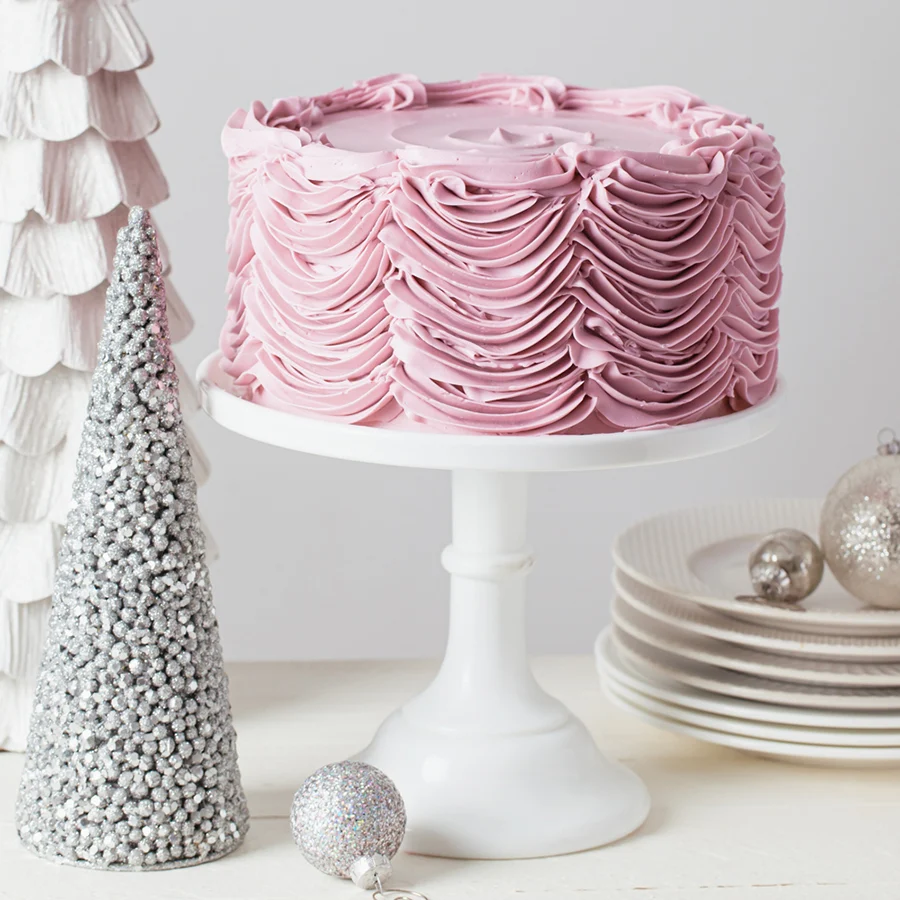
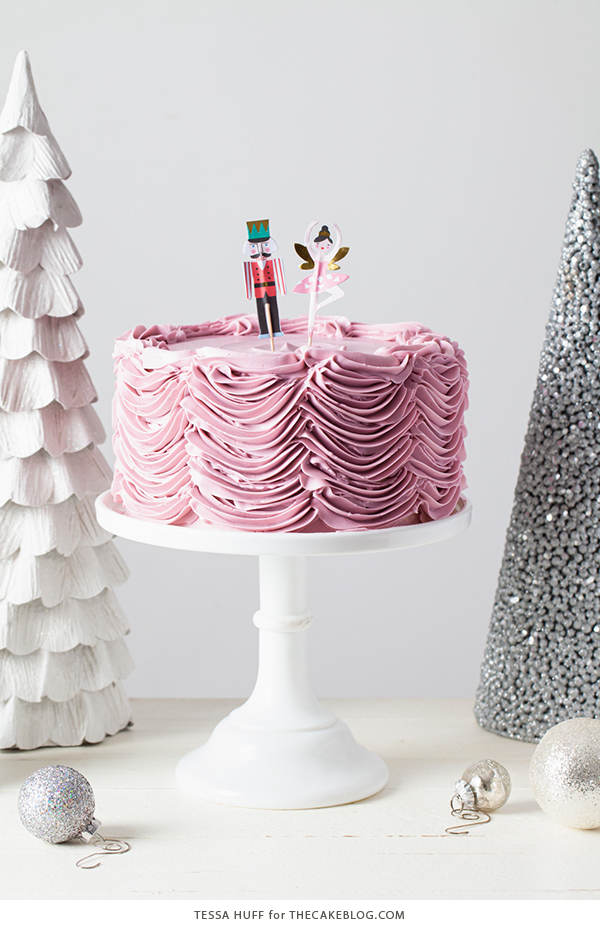
The cake is finished with a Swiss Meringue Buttercream (SMBC). In the hierarchy of frostings, SMBC is favored by professional decorators for its stability and silky mouthfeel. It is created by whisking egg whites and sugar over a bain-marie until the sugar dissolves and the mixture reaches a safe temperature (approximately 160°F), then whipping it into a meringue before emulsifying it with room-temperature butter. For this specific cake, the buttercream serves two roles: a flavor carrier for the praline and a medium for the intricate "swag" piping.
Chronology of Construction
The development and assembly of the Hazelnut Nutcracker Cake follow a rigorous timeline to ensure structural integrity and flavor development.
- Preparation of the Praline: The hazelnuts are roasted to enhance their natural oils. They are then encased in a medium-amber caramel. This stage must be completed first to allow the brittle to fully set before being ground into the praline powder used in the frosting.
- The Baking Phase: The brown sugar and nutmeg cake layers are baked. Professional standards dictate that these layers must be completely cooled, and often chilled, before assembly to prevent the high-fat-content buttercream from melting upon contact.
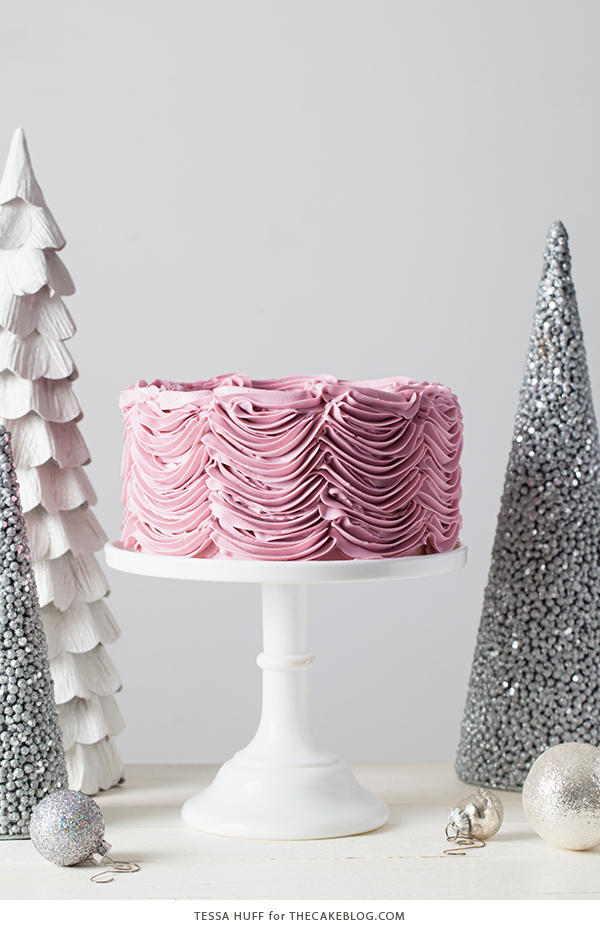
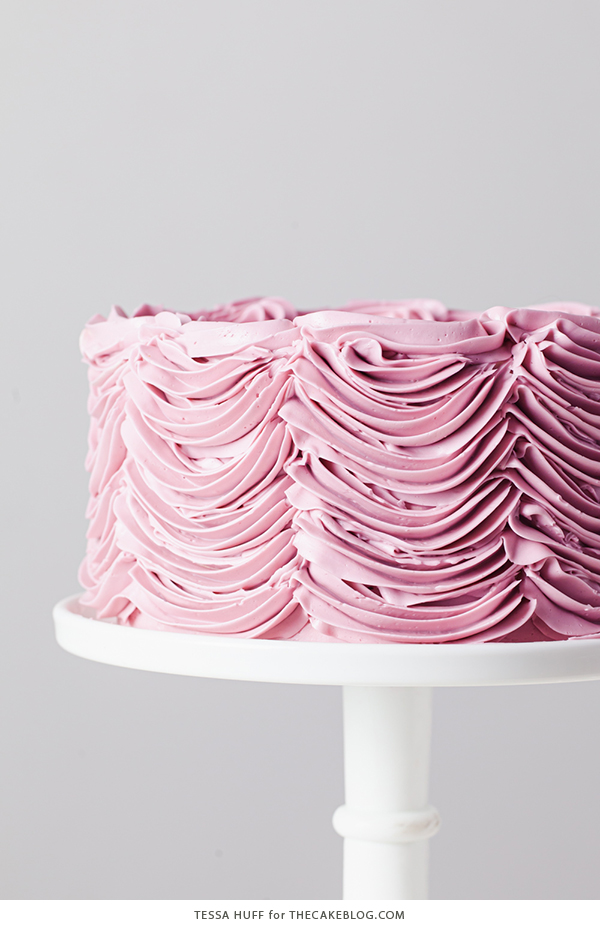
- Buttercream Emulsification: The Swiss Meringue is prepared. A portion of the buttercream is reserved and tinted a "sugared plum" purple—a direct visual reference to the ballet’s aesthetic—while the remainder is infused with the hazelnut praline.
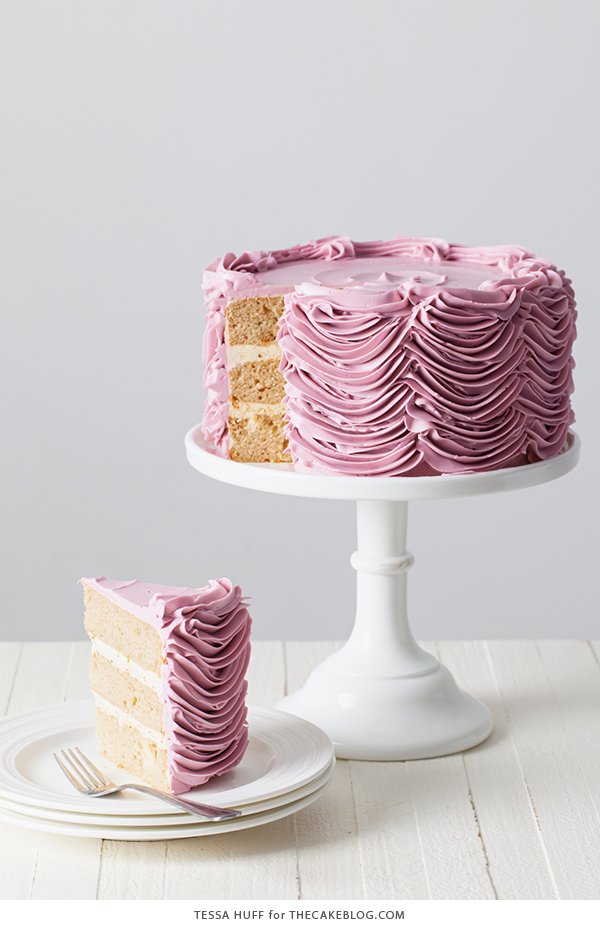
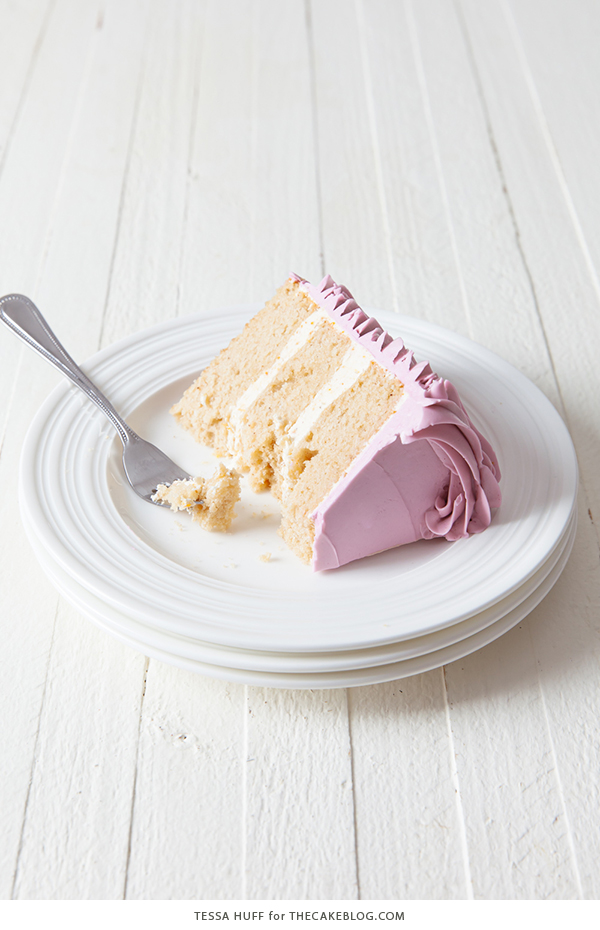
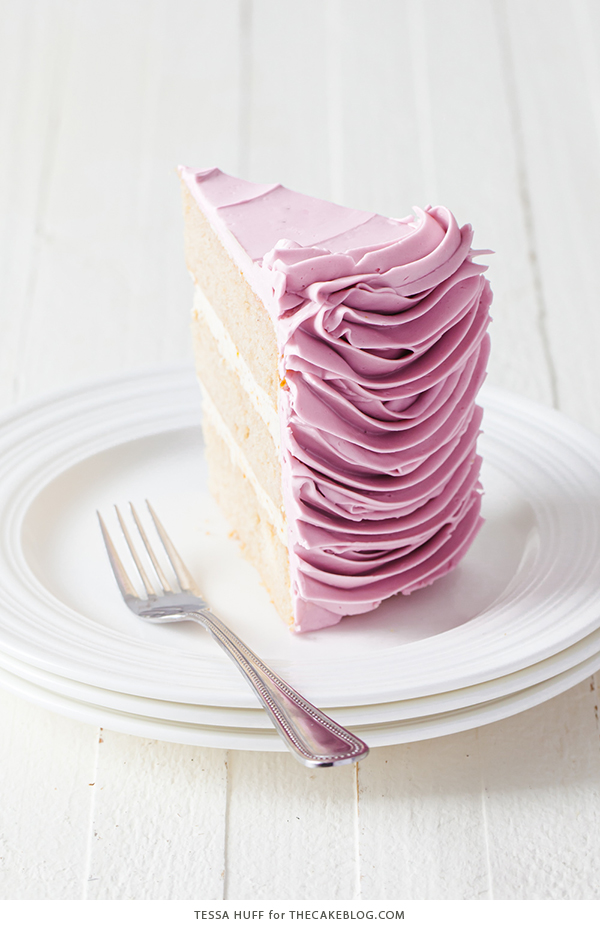
- Structural Assembly: The cake is stacked with the praline buttercream acting as the primary filling. A crumb coat is applied to seal in moisture and provide a smooth surface for the final decorative layer.
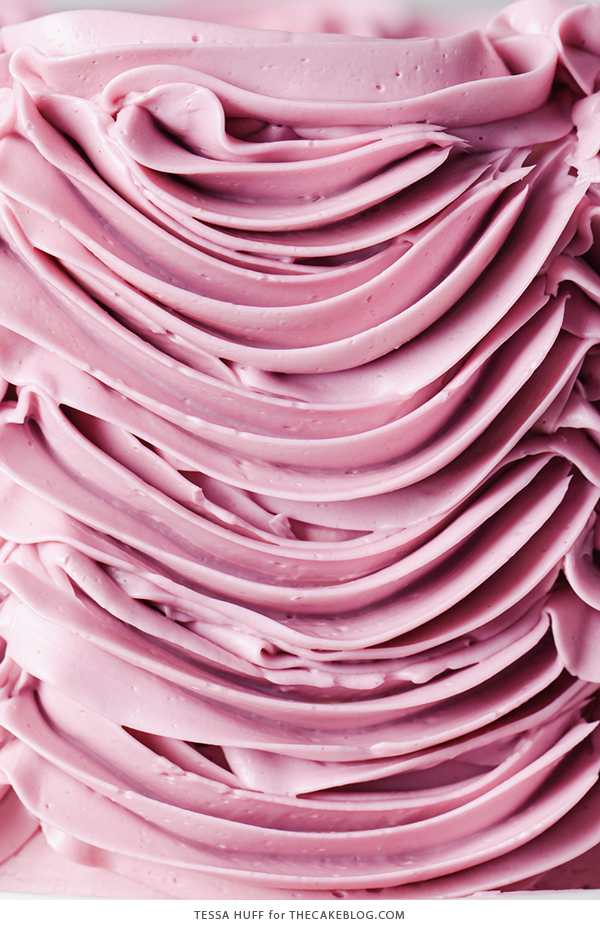
- Artistic Finishing: The final stage involves the "swag" piping. This technique requires a steady hand and a specific piping tip (typically a petal tip) to create overlapping ruffles that mimic the tulle of a ballerina’s tutu.
Market Trends and Economic Impact
The release of high-concept recipes like the Hazelnut Nutcracker Cake occurs within a booming global baking market. According to market research reports, the global baking ingredients market was valued at approximately $16.6 billion in recent years, with a projected compound annual growth rate (CAGR) of 5.8%.
The "Pinterest-effect" or "Instagrammability" of food has shifted consumer behavior. Hobbyist bakers now invest in professional-grade tools, such as rotating cake stands, offset spatulas, and specialized piping nozzles, to replicate the results seen on platforms like The Cake Blog. The Hazelnut Nutcracker Cake, with its complex piping and artisanal flavor profile, caters to this demographic of "prosumer" bakers who view holiday baking as a form of performance art.
Furthermore, the seasonal spice market—encompassing cinnamon, nutmeg, and ginger—is a multi-million dollar sub-sector that relies heavily on the Q4 surge. The promotion of nutmeg-centric desserts by influential contributors like Tessa Huff provides a measurable boost to the retail movement of these specific commodities.
Professional Insights and Statements
While the original documentation of the recipe emphasizes the personal nostalgia of the creator, industry analysts point to the strategic value of such content. "Themed holiday content serves as a high-engagement vehicle for culinary platforms," says a digital media strategist specializing in food and beverage. "By linking a recipe to a cultural touchstone like The Nutcracker, creators ensure a recurring annual relevance that traditional recipes might lack."
Tessa Huff, the architect of the cake, noted in her release that the design was intended to evoke the "child-like wonder" of the holidays. From a design perspective, the use of the "swag" piping technique is a deliberate choice to elevate the cake from a standard domestic dessert to a "centerpiece" item. This reflects a broader shift in the culinary industry where the visual narrative of a dish is considered as important as its flavor profile.
Broader Implications for the Culinary Arts
The Hazelnut Nutcracker Cake is more than a seasonal recipe; it is a case study in the evolution of domestic pastry arts. It demonstrates how traditional ingredients—nutmeg and brown sugar—can be reimagined through the lens of theatrical inspiration.
The move toward "nutty and spiced" rather than "sweet and fruity" also indicates a maturing consumer palate. As global travel and food media expose audiences to diverse flavor profiles, there is an increasing appreciation for the bitter-sweetness of roasted nuts and the earthy warmth of fresh spices.
Moreover, the recipe highlights the importance of the "contributor model" in modern food journalism. By featuring experts like Tessa Huff, platforms like The Cake Blog maintain a high standard of technical accuracy while providing their audience with aspirational content. This synergy between expert designers and digital publishers continues to drive the innovation of the home baking industry, ensuring that the "Land of Sweets" remains a vibrant part of the holiday tradition for future generations.
As the holiday season progresses, the Hazelnut Nutcracker Cake stands as a testament to the power of culinary storytelling, proving that with the right combination of technique and inspiration, a simple cake can capture the essence of a centuries-old cultural masterpiece.